 InkCraft
Dragonfly Tattoo Ideas, Designs and Meaning
44 original dragonfly designs drawn for InkCraftBy Uladzimir TumanauUpdated
Opens in your browser. No signup. Or tap any design below.
Wings are what make this motif and what limits how small it can go. Under about 8 cm the venation closes into a grey panel, so ask for fewer, more deliberate lines instead of a shrunken lattice.
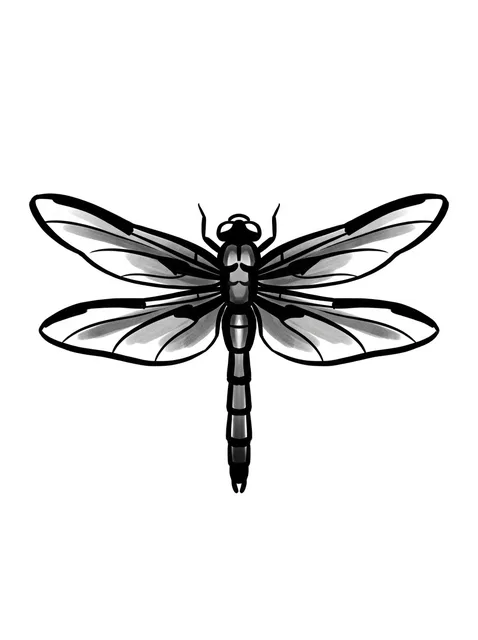
Black and grey illustrative dragonfly tattoo design (1 of 3) Try it on — Black and grey illustrative dragonfly tattoo design (1 of 3)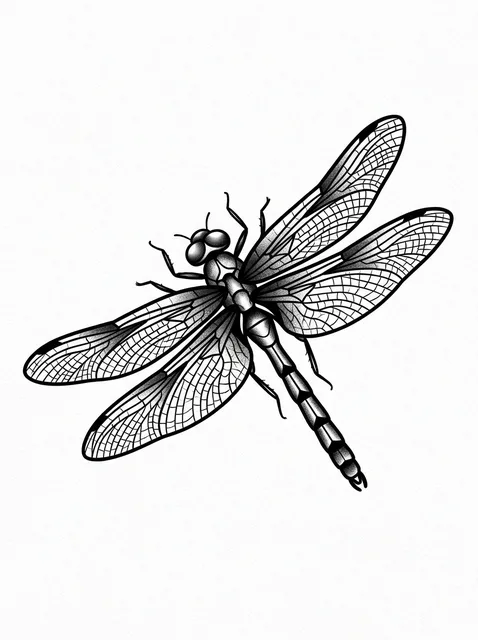
Black and grey illustrative dragonfly tattoo design (2 of 3) Try it on — Black and grey illustrative dragonfly tattoo design (2 of 3)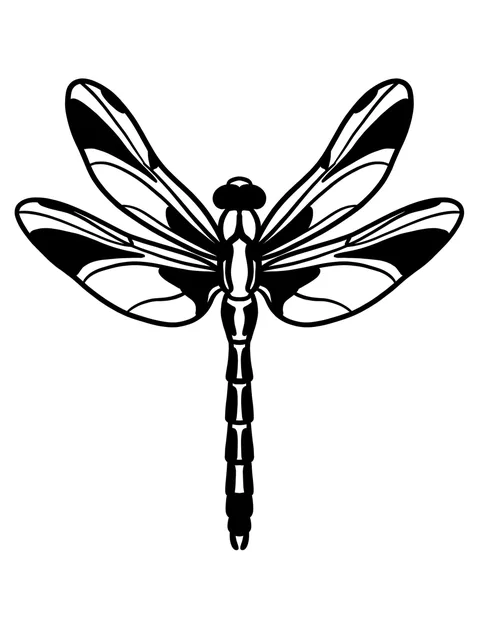
Black and white blackwork dragonfly tattoo design: the white spaces to create a dynamic visual Try it on — Black and white blackwork dragonfly tattoo design: the white spaces to create a dynamic visual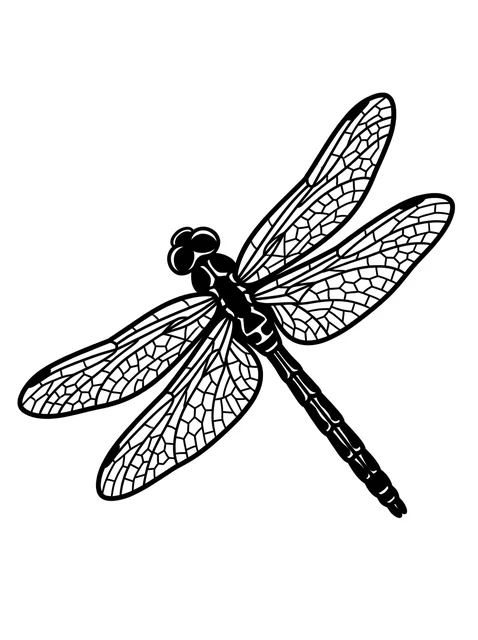
Black and grey illustrative dragonfly tattoo design (3 of 3) Try it on — Black and grey illustrative dragonfly tattoo design (3 of 3)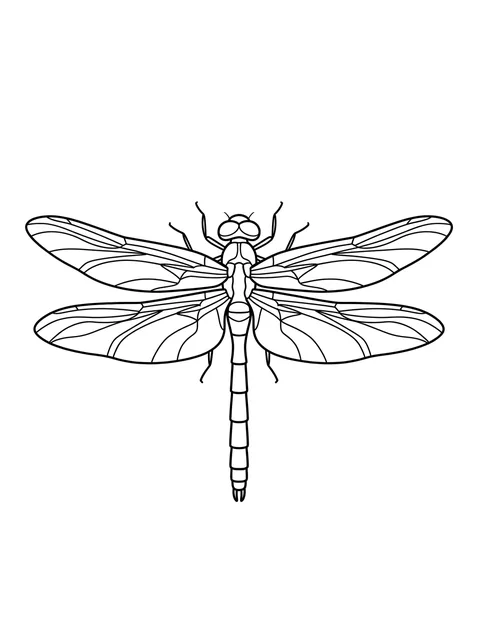
Black and white linework dragonfly tattoo design, outline stencil: a dragonfly with detailed wings Try it on — Black and white linework dragonfly tattoo design, outline stencil: a dragonfly with detailed wings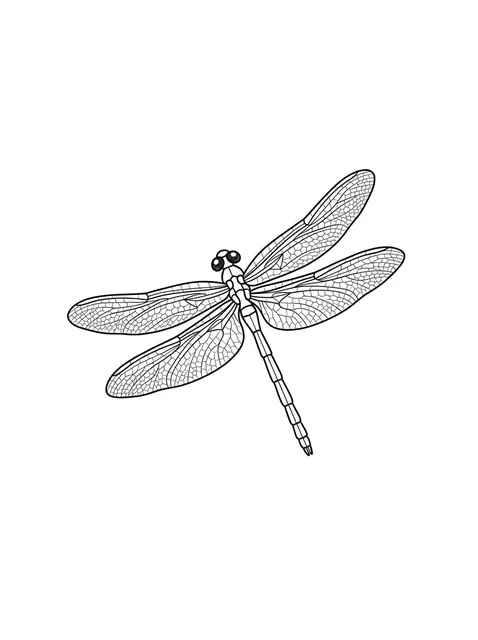
Black and white linework dragonfly tattoo design, outline stencil (1 of 3) Try it on — Black and white linework dragonfly tattoo design, outline stencil (1 of 3)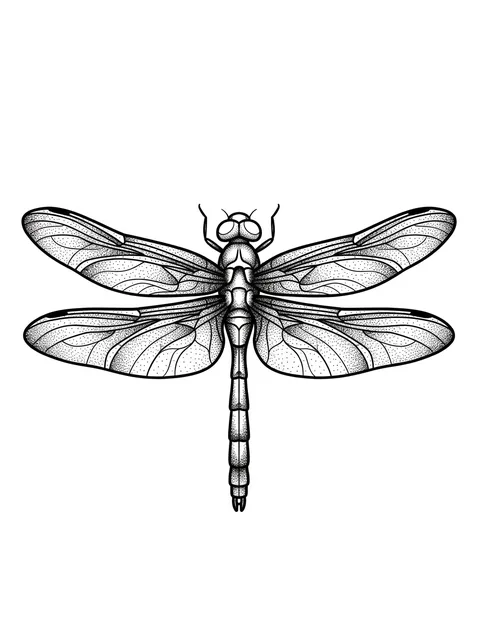
Black and grey dotwork dragonfly tattoo design (1 of 3) Try it on — Black and grey dotwork dragonfly tattoo design (1 of 3)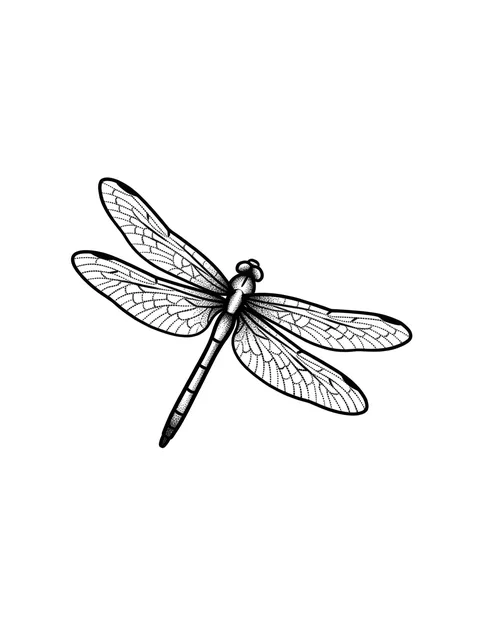
Black and grey dotwork dragonfly tattoo design: the body and wing structure Try it on — Black and grey dotwork dragonfly tattoo design: the body and wing structure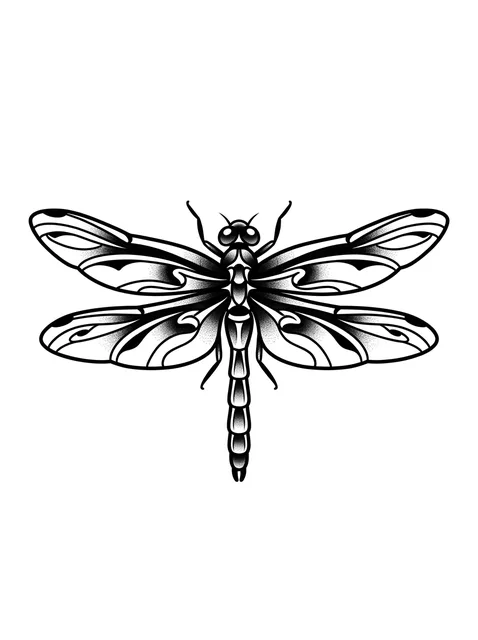
Black and grey traditional dragonfly tattoo design Try it on — Black and grey traditional dragonfly tattoo design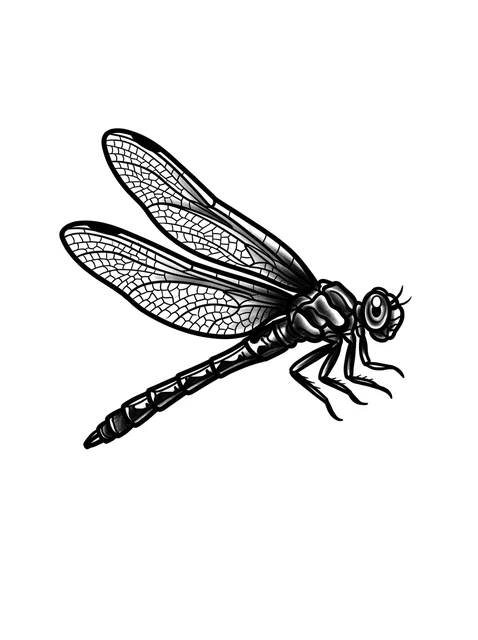
Black and grey illustrative dragonfly tattoo design: a dragonfly in flight Try it on — Black and grey illustrative dragonfly tattoo design: a dragonfly in flight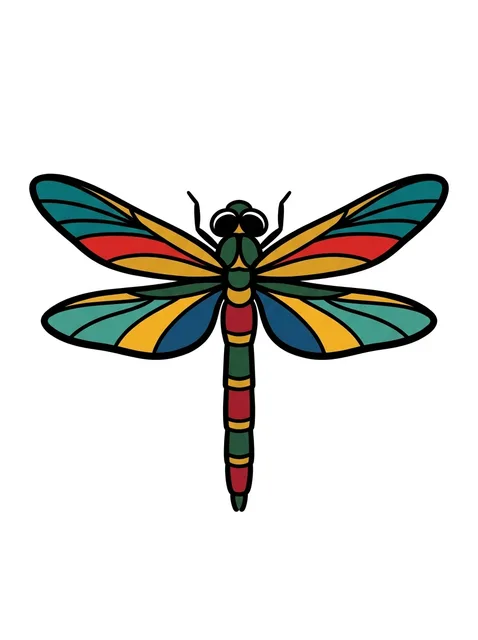
Color traditional dragonfly tattoo design (1 of 2) Try it on — Color traditional dragonfly tattoo design (1 of 2)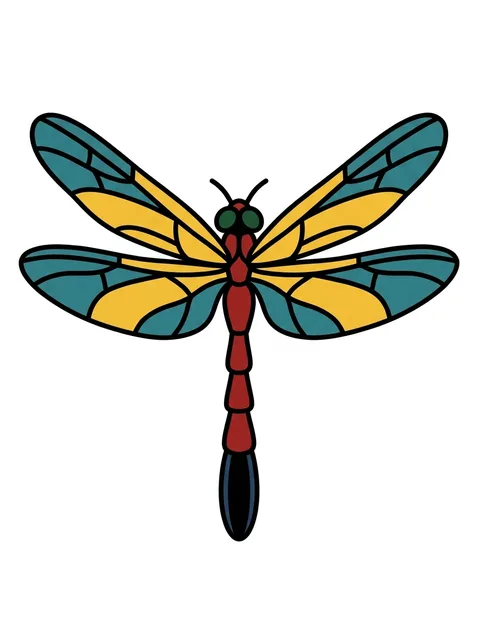
Color traditional dragonfly tattoo design (2 of 2) Try it on — Color traditional dragonfly tattoo design (2 of 2)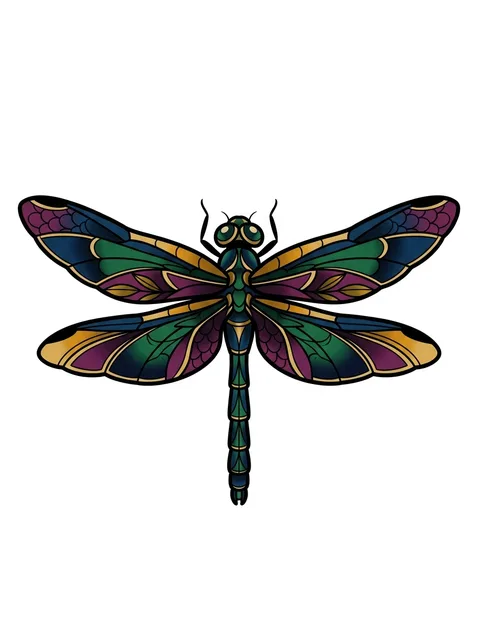
Color neo traditional dragonfly tattoo design Try it on — Color neo traditional dragonfly tattoo design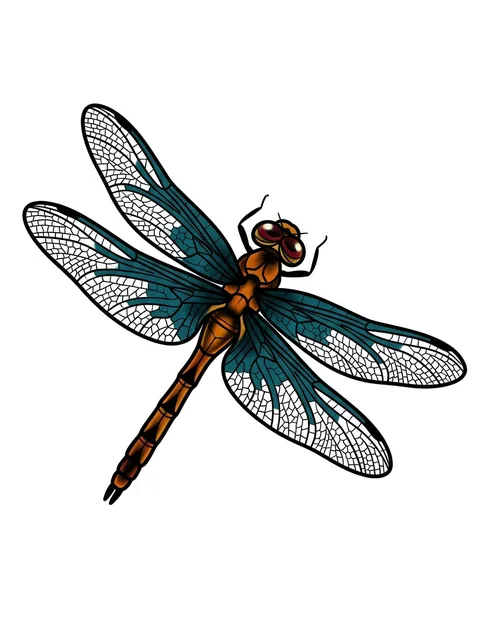
Color illustrative dragonfly tattoo design (1 of 2) Try it on — Color illustrative dragonfly tattoo design (1 of 2)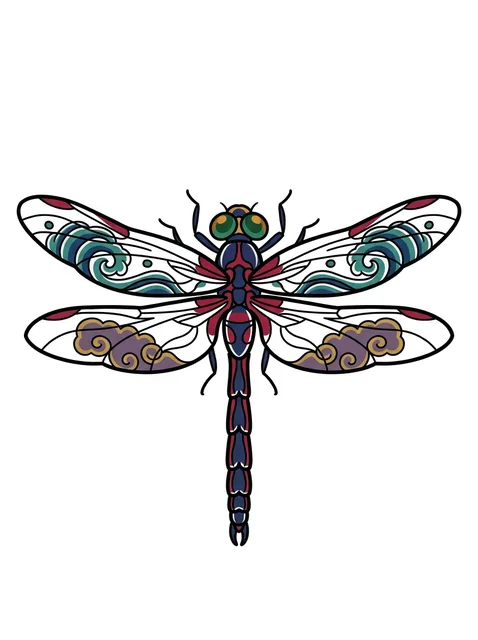
Color Japanese dragonfly tattoo design Try it on — Color Japanese dragonfly tattoo design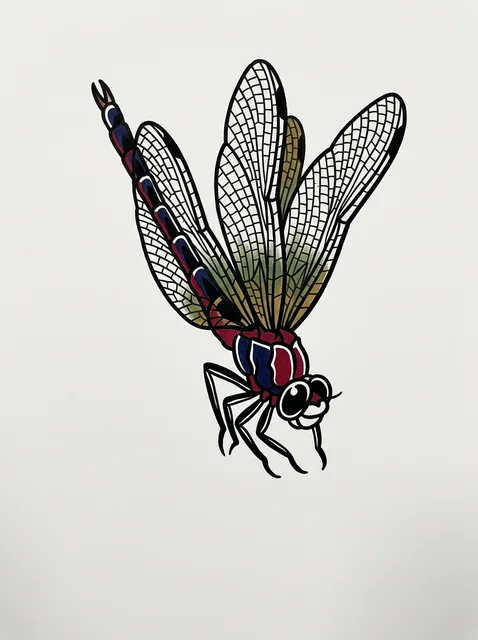
Color illustrative dragonfly tattoo design (2 of 2) Try it on — Color illustrative dragonfly tattoo design (2 of 2)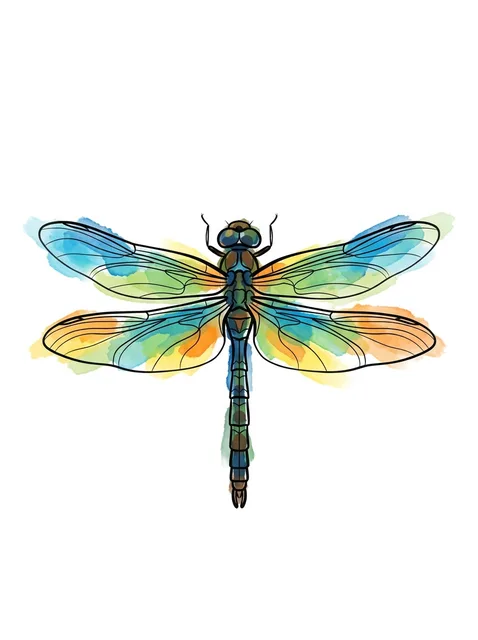
Color watercolor dragonfly tattoo design: a black outline, its wings filled Try it on — Color watercolor dragonfly tattoo design: a black outline, its wings filled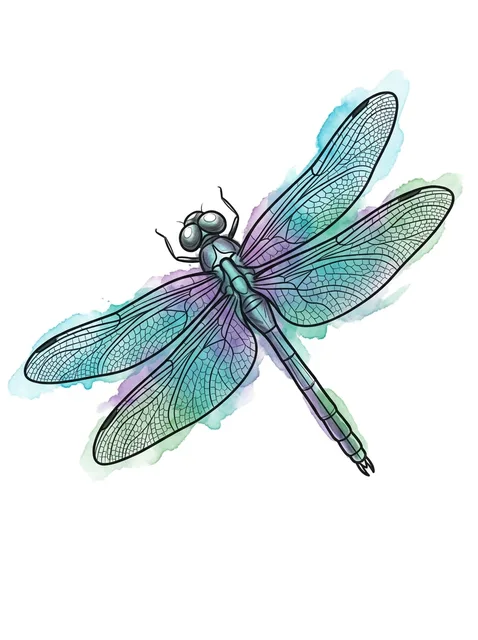
Color watercolor dragonfly tattoo design (1 of 4) Try it on — Color watercolor dragonfly tattoo design (1 of 4)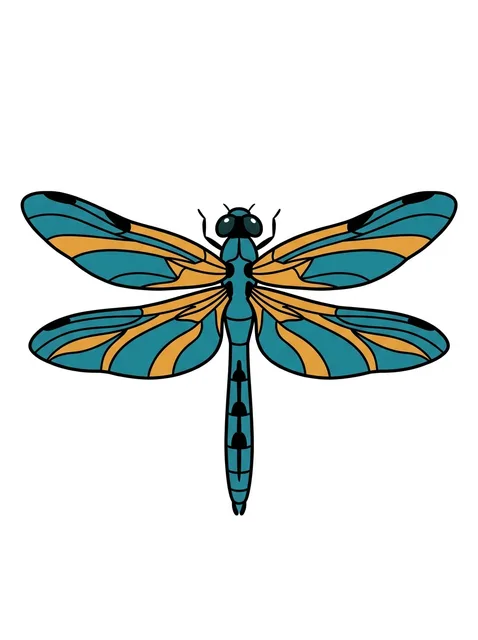
Color illustrative dragonfly tattoo design: a dragonfly with teal and orange wings Try it on — Color illustrative dragonfly tattoo design: a dragonfly with teal and orange wings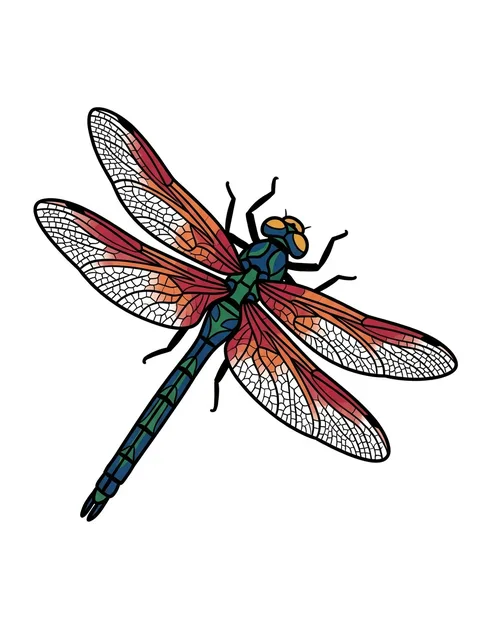
Color illustrative dragonfly tattoo design: a dragonfly with intricate wing details Try it on — Color illustrative dragonfly tattoo design: a dragonfly with intricate wing details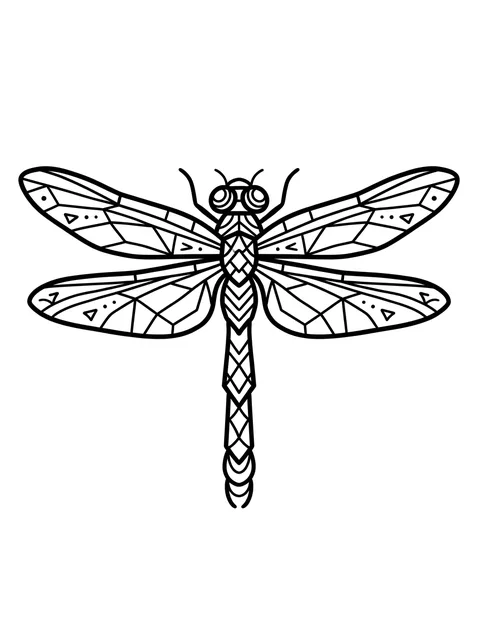
Black and white geometric dragonfly tattoo design, outline stencil (1 of 2) Try it on — Black and white geometric dragonfly tattoo design, outline stencil (1 of 2)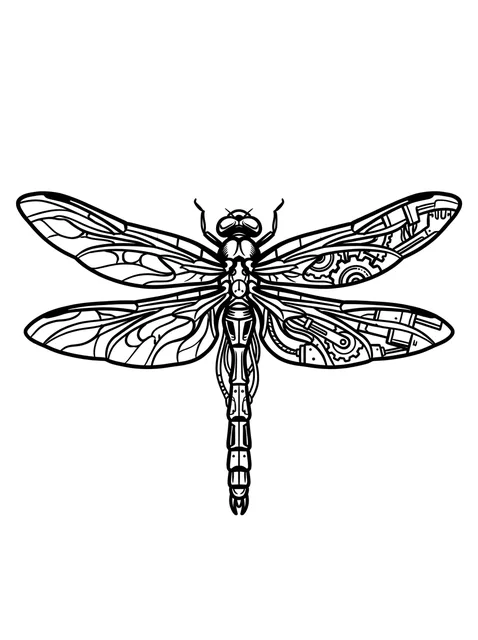
Black and white biomechanical dragonfly tattoo design Try it on — Black and white biomechanical dragonfly tattoo design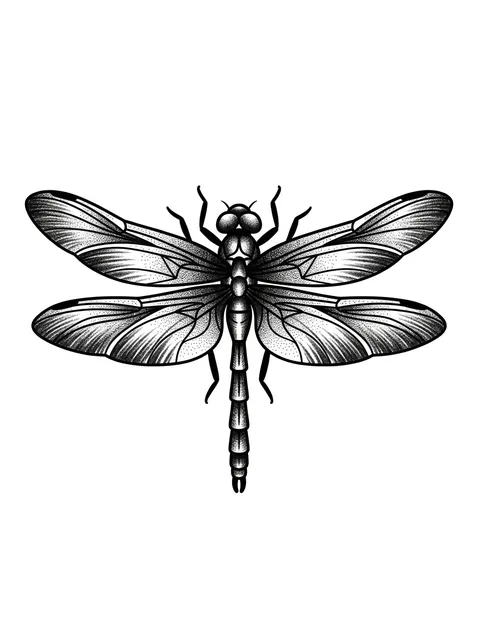
Black and grey dotwork dragonfly tattoo design (2 of 3) Try it on — Black and grey dotwork dragonfly tattoo design (2 of 3)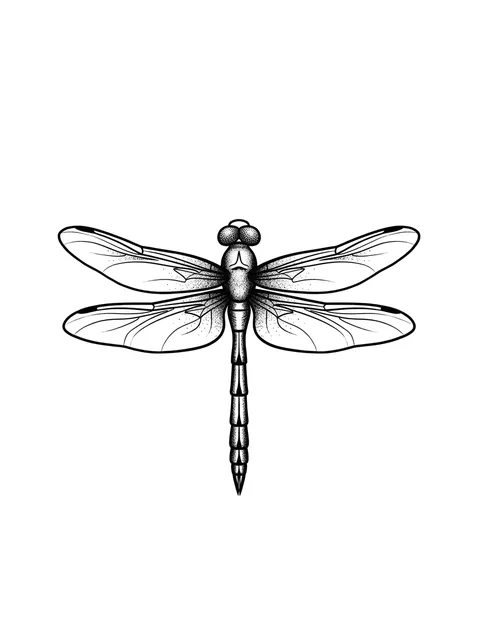
Black and grey dotwork dragonfly tattoo design (3 of 3) Try it on — Black and grey dotwork dragonfly tattoo design (3 of 3)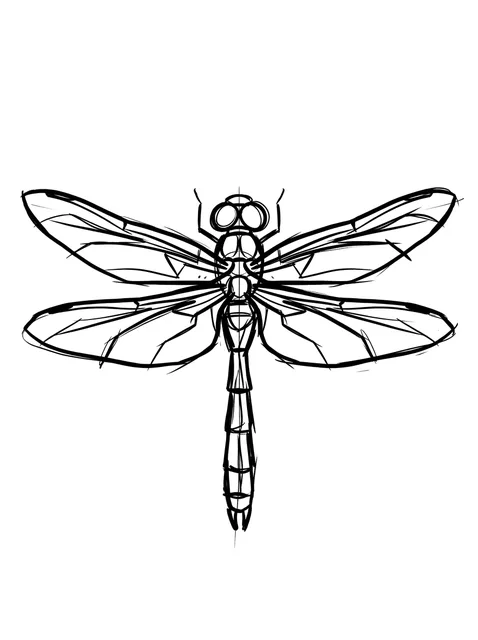
Black and grey sketch dragonfly tattoo design: a dragonfly with delicate, detailed wings Try it on — Black and grey sketch dragonfly tattoo design: a dragonfly with delicate, detailed wings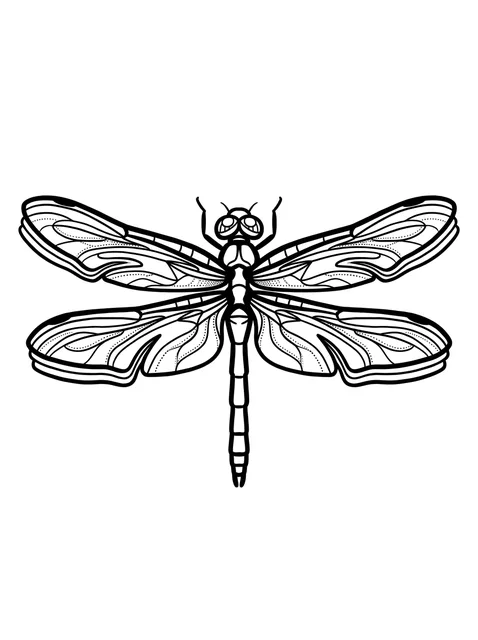
Black and white linework dragonfly tattoo design, outline stencil: a stylized dragonfly (1 of 2) Try it on — Black and white linework dragonfly tattoo design, outline stencil: a stylized dragonfly (1 of 2)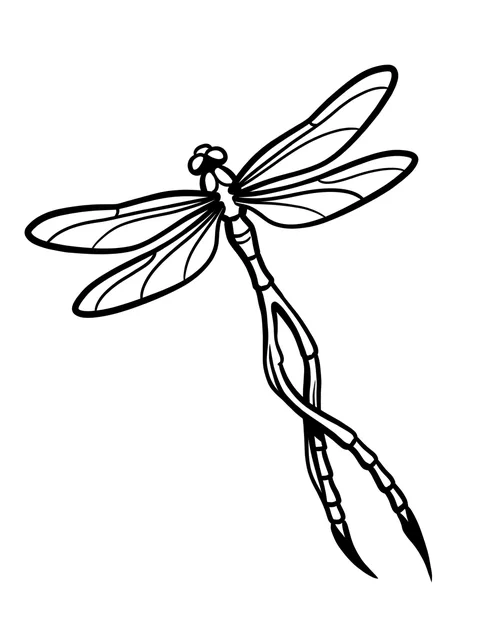
Black and white linework dragonfly tattoo design, outline stencil (2 of 3) Try it on — Black and white linework dragonfly tattoo design, outline stencil (2 of 3)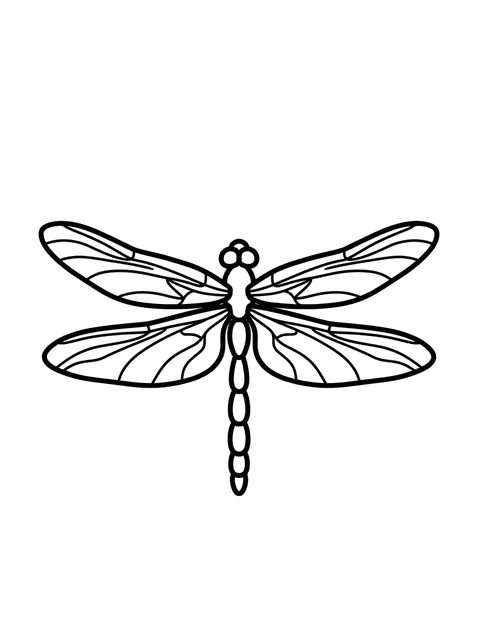
Black and white linework dragonfly tattoo design, outline stencil: a stylized dragonfly (2 of 2) Try it on — Black and white linework dragonfly tattoo design, outline stencil: a stylized dragonfly (2 of 2)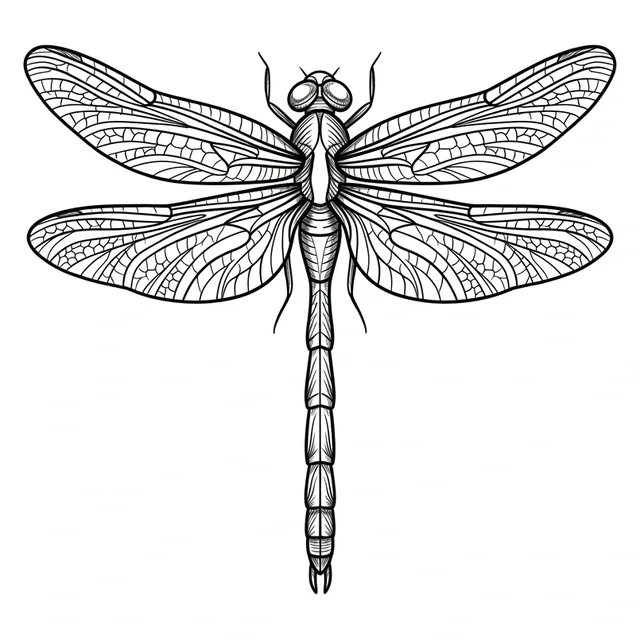
Black and white linework dragonfly tattoo design, outline stencil (3 of 3) Try it on — Black and white linework dragonfly tattoo design, outline stencil (3 of 3)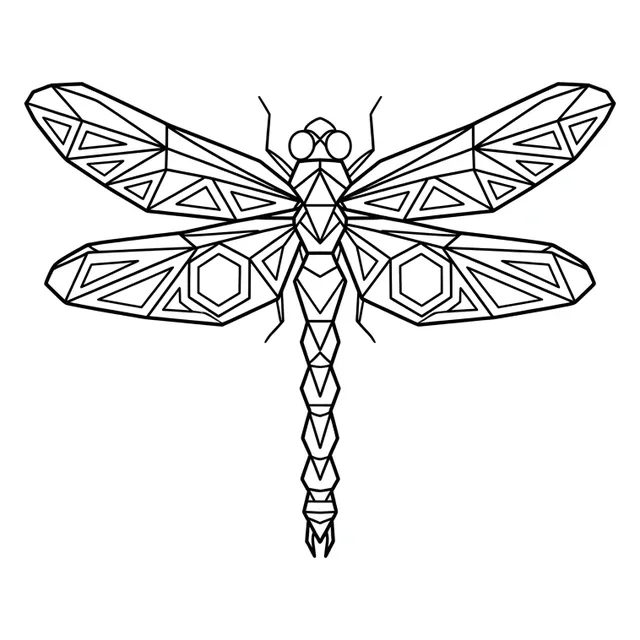
Black and white geometric dragonfly tattoo design, outline stencil (2 of 2) Try it on — Black and white geometric dragonfly tattoo design, outline stencil (2 of 2)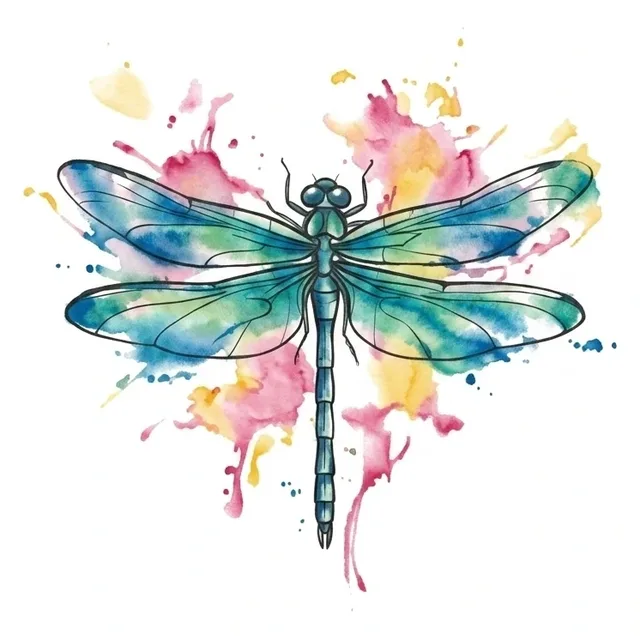
Color watercolor dragonfly tattoo design: a dragonfly with translucent blue and green wings Try it on — Color watercolor dragonfly tattoo design: a dragonfly with translucent blue and green wings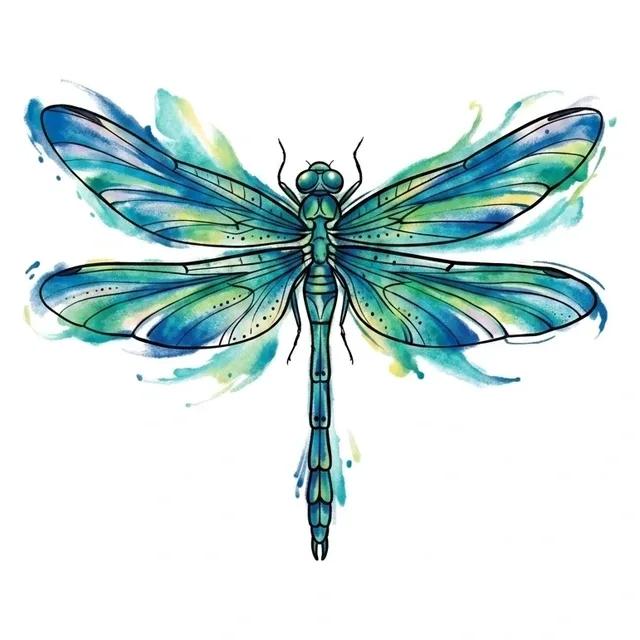
Color watercolor dragonfly tattoo design (2 of 4) Try it on — Color watercolor dragonfly tattoo design (2 of 4)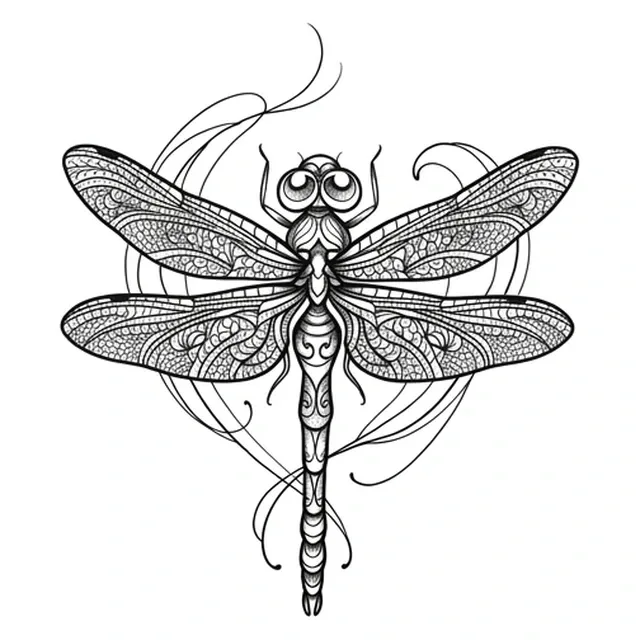
Black and grey ornamental dragonfly tattoo design Try it on — Black and grey ornamental dragonfly tattoo design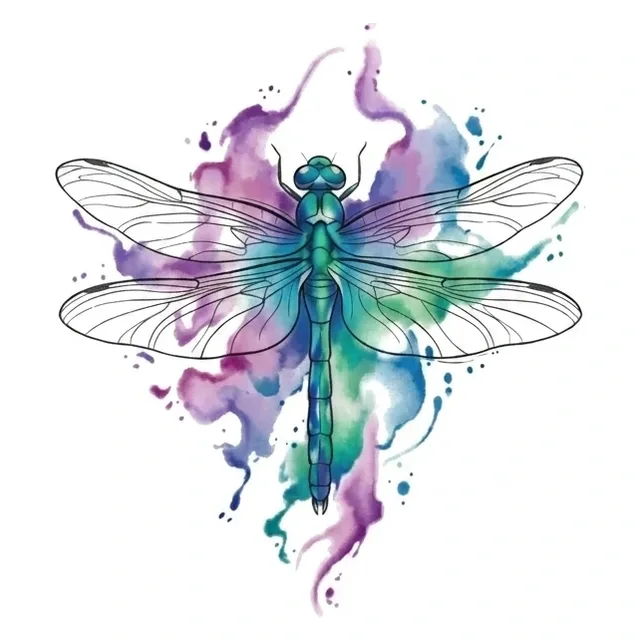
Color watercolor dragonfly tattoo design (3 of 4) Try it on — Color watercolor dragonfly tattoo design (3 of 4)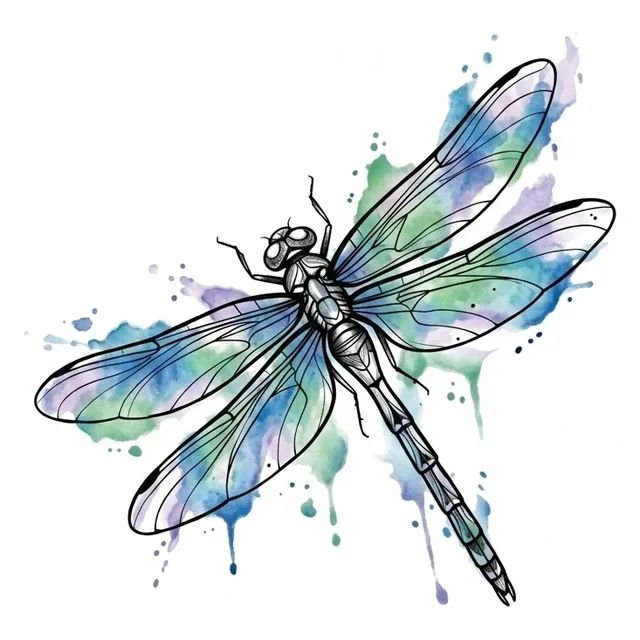
Color watercolor dragonfly tattoo design (4 of 4) Try it on — Color watercolor dragonfly tattoo design (4 of 4)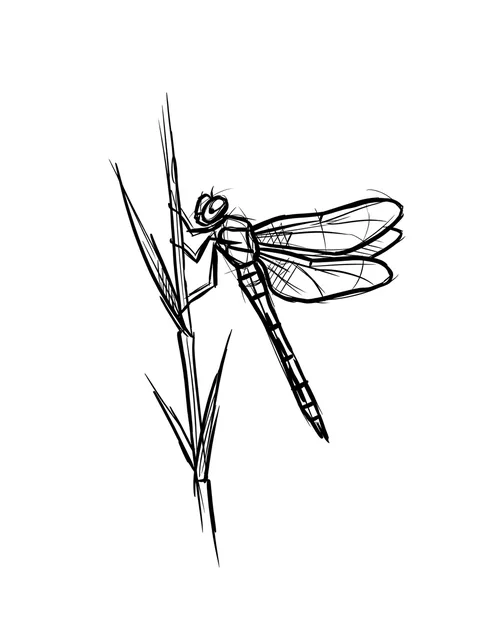
Black and grey sketch dragonfly and leaf tattoo design: a dragonfly perched on a slender leaf Try it on — Black and grey sketch dragonfly and leaf tattoo design: a dragonfly perched on a slender leaf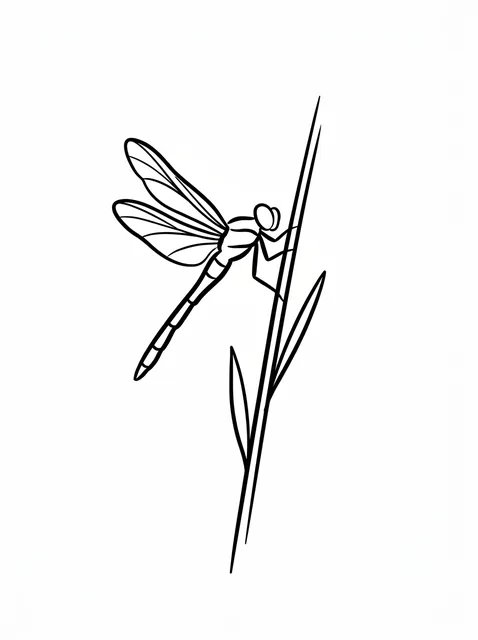
Black and white linework dragonfly and leaf tattoo design, outline stencil Try it on — Black and white linework dragonfly and leaf tattoo design, outline stencil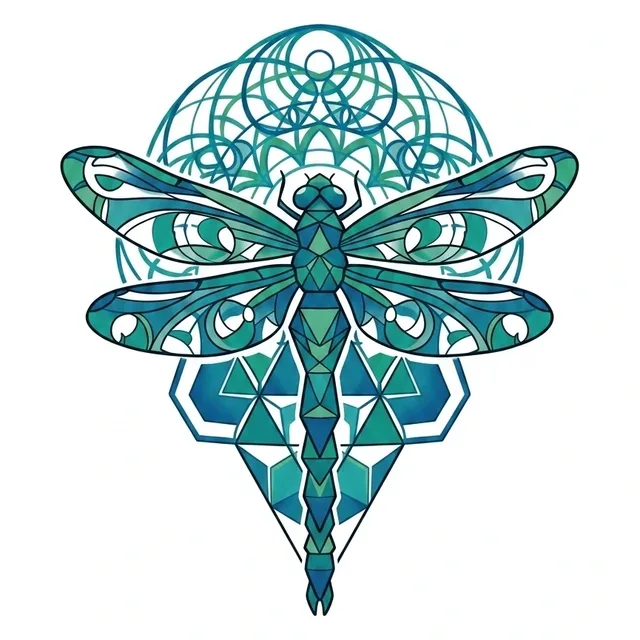
Color geometric dragonfly and mandala tattoo design, outline stencil Try it on — Color geometric dragonfly and mandala tattoo design, outline stencil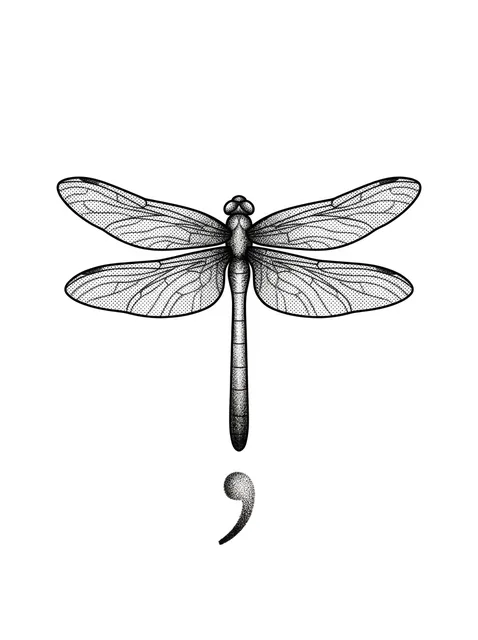
Black and grey dotwork dragonfly and semicolon tattoo design: a detailed dragonfly Try it on — Black and grey dotwork dragonfly and semicolon tattoo design: a detailed dragonfly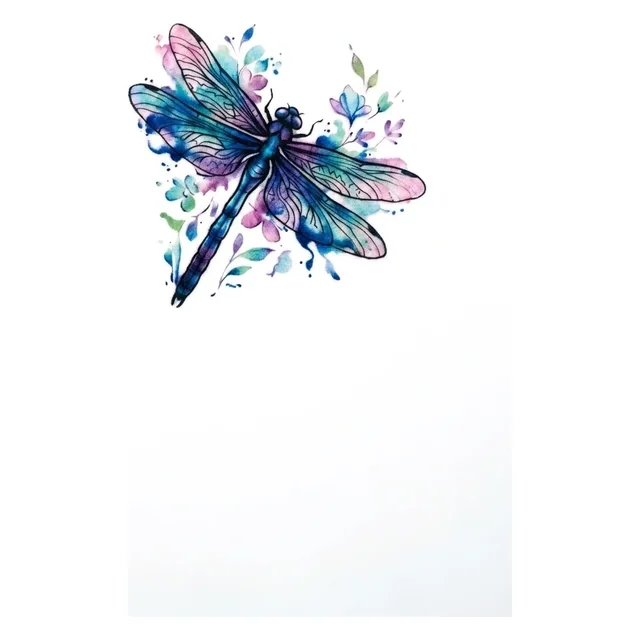
Color watercolor dragonfly and flower tattoo design (1 of 2) Try it on — Color watercolor dragonfly and flower tattoo design (1 of 2)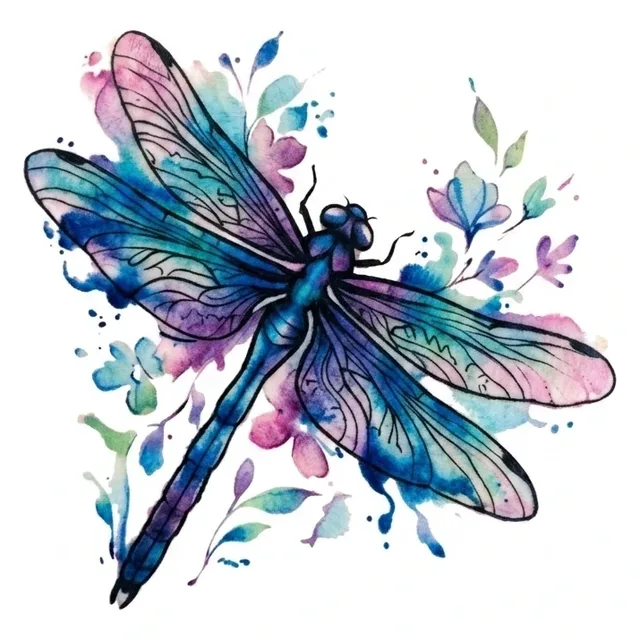
Color watercolor dragonfly and flower tattoo design (2 of 2) Try it on — Color watercolor dragonfly and flower tattoo design (2 of 2)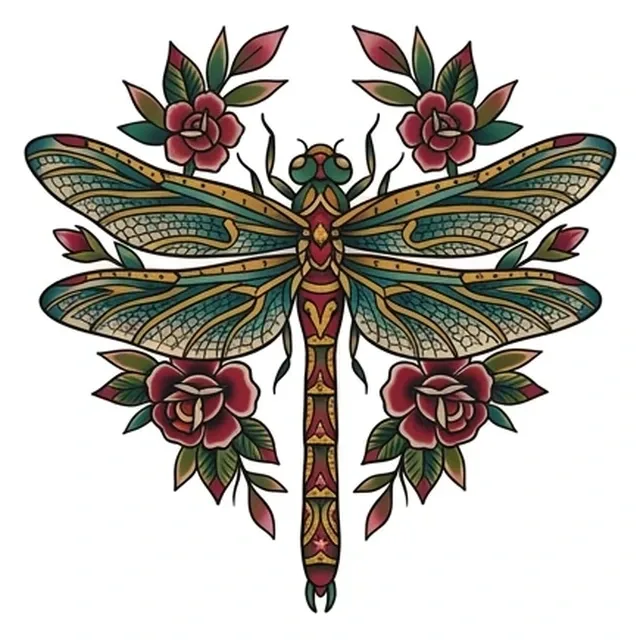
Color neo traditional dragonfly and rose tattoo design Try it on — Color neo traditional dragonfly and rose tattoo design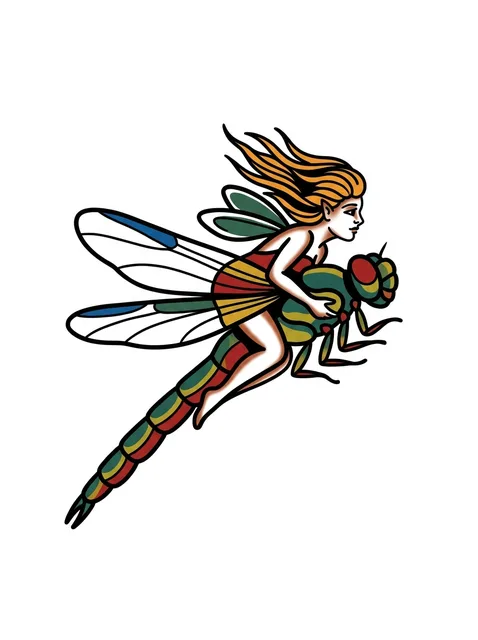
Color traditional dragonfly and fairy tattoo design Try it on — Color traditional dragonfly and fairy tattoo design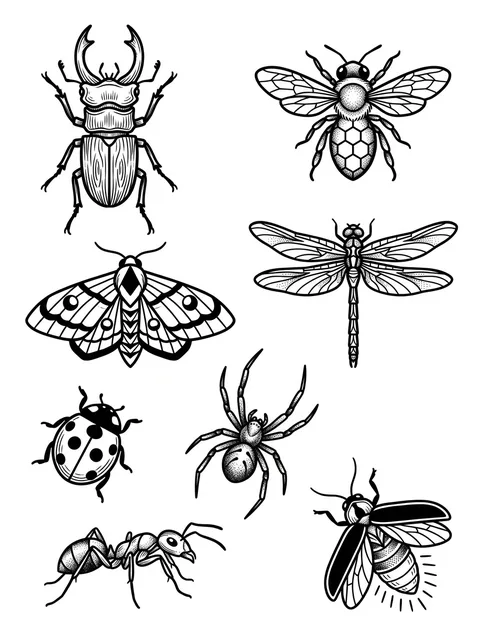
Black and grey patchwork dragonfly and bee tattoo design Try it on — Black and grey patchwork dragonfly and bee tattoo design


Tap any design to see it on your own skin in the try-on — no signup.
This set of 44 dragonfly designs, by the numbers
- Styles represented
- illustrative (8), watercolor (8), linework (7), dotwork (5), traditional (4), geometric (3)
- Black-and-grey vs colour
- 57% black-and-grey, 43% colour
- Most often drawn with
- leaf, flower, mandala, semicolon
Counted from the 44 designs shown on this page. Every one was drawn for InkCraft — none are scraped or reposted. Free to reference with a link to this page.
What a dragonfly tattoo means
The dragonfly means change, and it earns the meaning more literally than most symbols. It spends the majority of its life — often years — as a nymph underwater, then emerges, transforms, and flies for a few weeks. So it is an image of a long unseen period followed by a short visible one, which is a more specific and more useful idea than "transformation" alone.
That underwater phase is why it suits people marking the end of something protracted rather than something sudden. Where the butterfly is a clean before-and-after, the dragonfly says most of the work happened where nobody was watching.
In Japanese tradition it is a different animal entirely: the katsumushi, the victory insect, associated with samurai because it flies forward and does not retreat. Dragonfly motifs appeared on armour and sword fittings for that reason, and a Japanese-style dragonfly carries that reading rather than the transformation one.
It is also strongly a memorial motif in North American and Northern European folk usage, where dragonflies are said to carry or accompany the dead — which is why a dragonfly with a date is almost always a remembrance piece.
Where the design comes from
Dragonflies appear in Japanese art from the Nara period onward, and Japan was historically called Akitsushima, the dragonfly island. Western decorative use peaked with Art Nouveau — René Lalique built some of his best-known jewellery around dragonfly forms in the 1890s, and the long wings and slender body suited the style so well that most fine-line dragonfly tattoos are still recognisably descended from that period rather than from nature.
Choosing yours
- Wings are the whole problem and the whole appeal. A real dragonfly wing is a fine lattice of veins, and a lattice is the fastest thing on a body to blur. Below roughly 8 cm the venation closes into a grey panel; either go larger or ask for the wings suggested with fewer, more deliberate lines.
- The body is long and narrow, so it wants a long narrow field — forearm, the side of a calf, the line of the spine, behind the ear at small scale. Placed across a broad flat area it tends to float without anchoring to anything.
- It is one of the few subjects where a top-down and a side view are genuinely different tattoos. Top-down is symmetrical and needs a flat placement; a side view suits a curve and reads more naturalistic.
Size, cost and placement
How big, and what it costs
A fine-line dragonfly at 6-8 cm is a one-to-two-hour piece. A detailed illustrative one with full wing venation wants 10-12 cm and half a day, because the wings are hundreds of deliberate small marks and cannot be rushed without losing the thing that makes them worth having.
Where it sits, and how much it hurts
Forearm, outer calf, spine, shoulder blade, and behind the ear for small ones. A top-down dragonfly is symmetrical and needs a flat field; a side view suits a curve. The spine is the most striking placement for this shape and among the more painful.
What to ask your artist
- How the wing venation is handled at your size — ask for a healed photo, not a fresh one, since this is exactly the detail that changes.
- Top-down or side view, because they suit opposite placements and the choice is usually made by accident.
- If it is a memorial, whether a date sits on the body or separately, which affects the proportions you commit to.
Prices vary widely by city and artist — treat these as session lengths rather than quotes, and expect a shop minimum on anything small. The cost guide turns hours into money by size, placement and style.
Common questions
Why is the dragonfly a change motif?
Change after a long unseen period — it lives underwater for years and flies for weeks. Unlike a butterfly, it says most of the work happened where nobody could see it.
Does a dragonfly mean something different in Japanese work?
Yes. It is the katsumushi, the victory insect, associated with samurai because it flies forward and does not retreat. That is a separate tradition from the transformation reading.
At what size do dragonfly wings stop reading?
A simplified one works at 5-6 cm. Realistic wing venation needs 8 cm or more, or the lattice merges into a grey panel within years.
What a dragonfly tattoo can mean
The meanings this motif carries on the pages that argue them. Each line is that page's own reason for including it.
- Freedom tattoos
- Lives most of its life underwater and only briefly in the air, so it carries a late or hard-won freedom rather than a given one.
See it on your skin before you commit
InkCraft places any of these designs on a photo of you — scaled, wrapped and shaded to the placement you pick.