 InkCraft
58 Wolf Tattoo Ideas, Stencils and Meaning
58 original wolf designs drawn for InkCraftBy Uladzimir TumanauUpdated
Opens in your browser. No signup. Or tap any design below.
Portraits, geometry and howling profiles, where coat texture sets the minimum size. Much under 12 cm the coat merges to grey while the eyes survive, which looks stranger than it sounds.
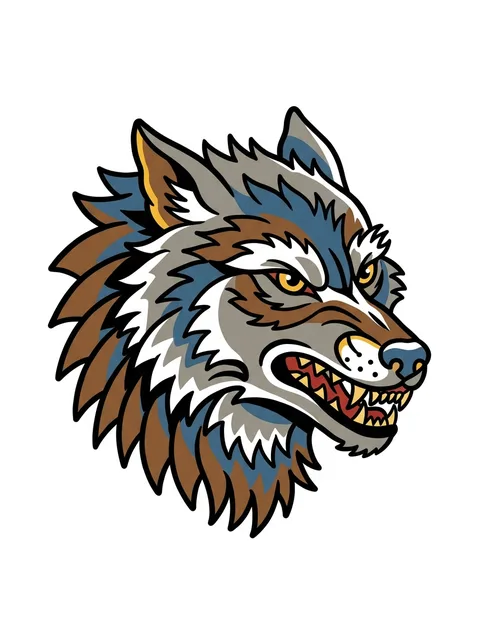
Color traditional wolf tattoo design: a snarling wolf head (1 of 2) Try it on — Color traditional wolf tattoo design: a snarling wolf head (1 of 2)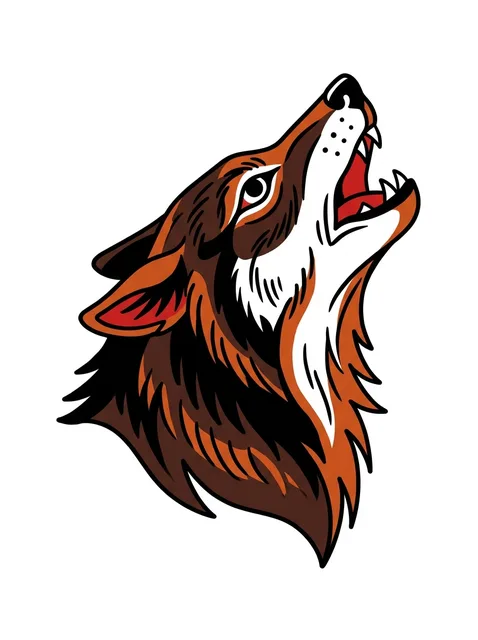
Color traditional wolf tattoo design: a howling wolf head Try it on — Color traditional wolf tattoo design: a howling wolf head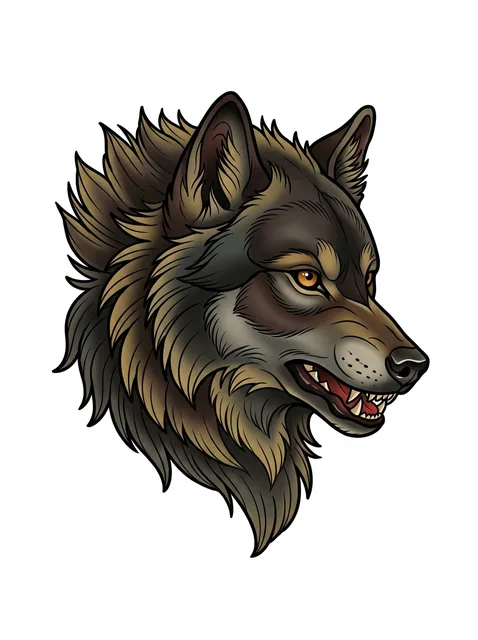
Color neo traditional wolf tattoo design: an aggressive snarl Try it on — Color neo traditional wolf tattoo design: an aggressive snarl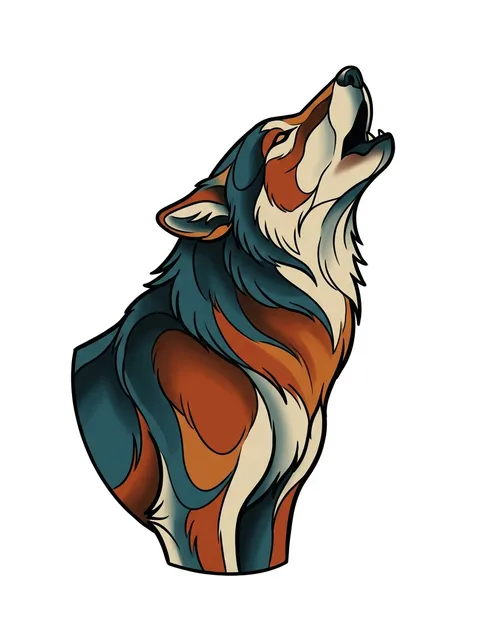
Color neo traditional wolf tattoo design: a howling wolf (1 of 2) Try it on — Color neo traditional wolf tattoo design: a howling wolf (1 of 2)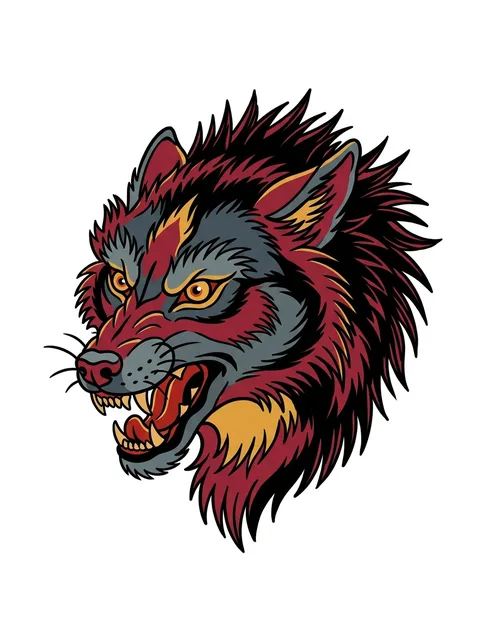
Color traditional wolf tattoo design: a snarling wolf head (2 of 2) Try it on — Color traditional wolf tattoo design: a snarling wolf head (2 of 2)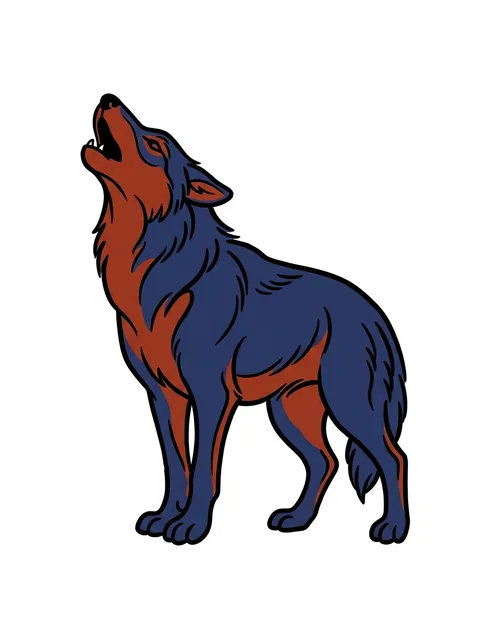
Color neo traditional wolf tattoo design: a howling wolf (2 of 2) Try it on — Color neo traditional wolf tattoo design: a howling wolf (2 of 2)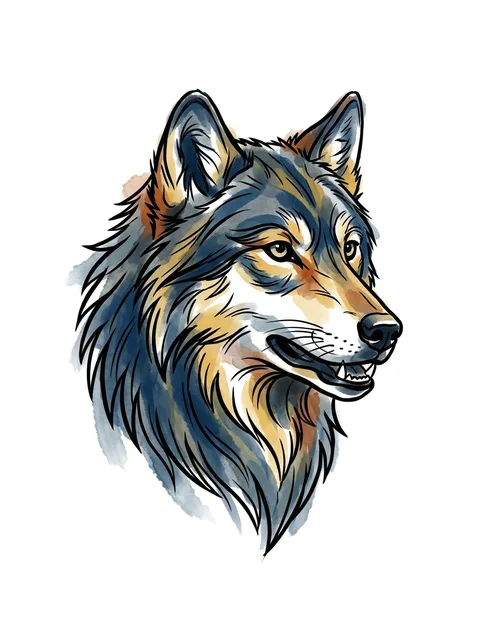
Color watercolor wolf tattoo design: a wolf's head in profile, looking to the right Try it on — Color watercolor wolf tattoo design: a wolf's head in profile, looking to the right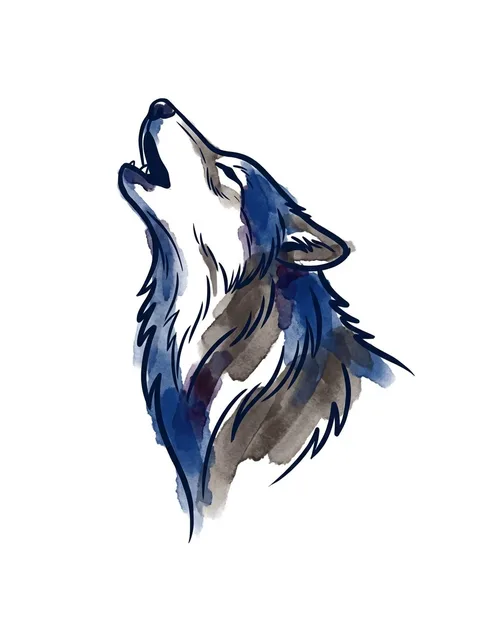
Color watercolor wolf tattoo design Try it on — Color watercolor wolf tattoo design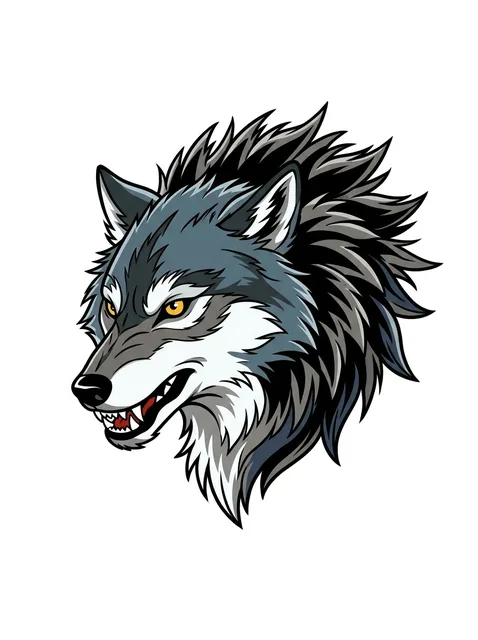
Color illustrative wolf tattoo design: a wolf's head Try it on — Color illustrative wolf tattoo design: a wolf's head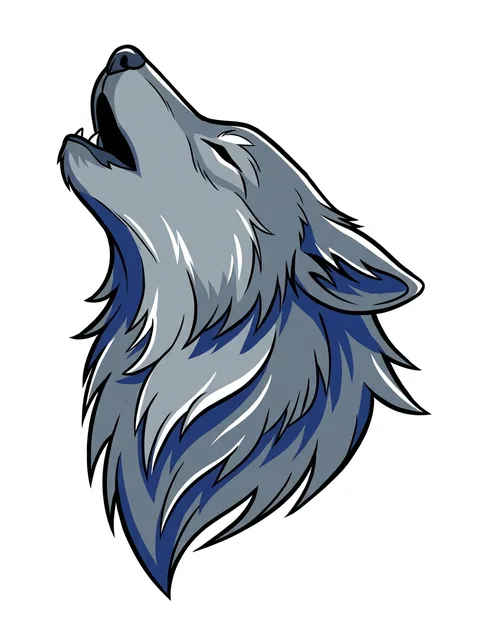
Color illustrative wolf tattoo design Try it on — Color illustrative wolf tattoo design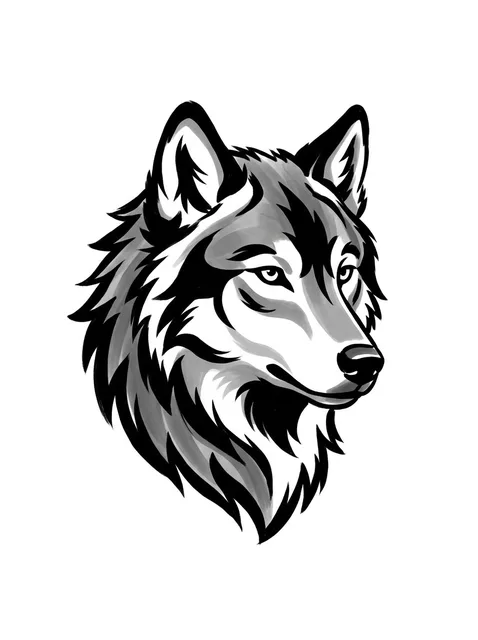
Black and grey illustrative wolf tattoo design: the head of a wolf Try it on — Black and grey illustrative wolf tattoo design: the head of a wolf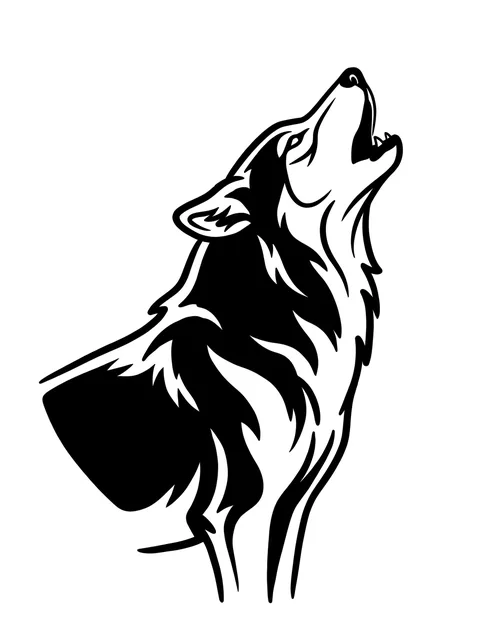
Black and white blackwork wolf tattoo design: a howling wolf (1 of 2) Try it on — Black and white blackwork wolf tattoo design: a howling wolf (1 of 2)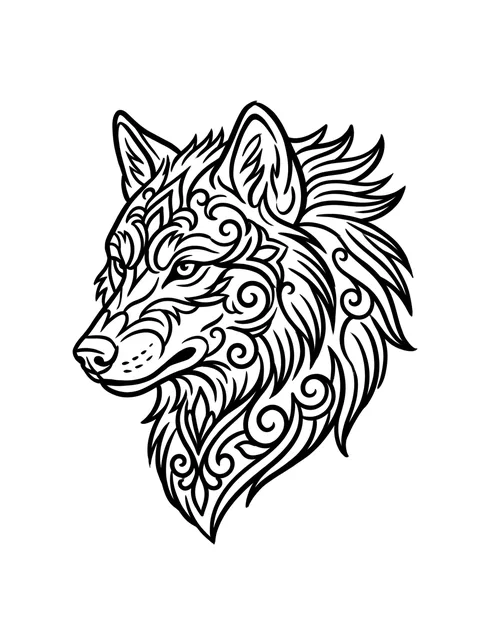
Black and grey ornamental wolf tattoo design: a wolf's head in profile Try it on — Black and grey ornamental wolf tattoo design: a wolf's head in profile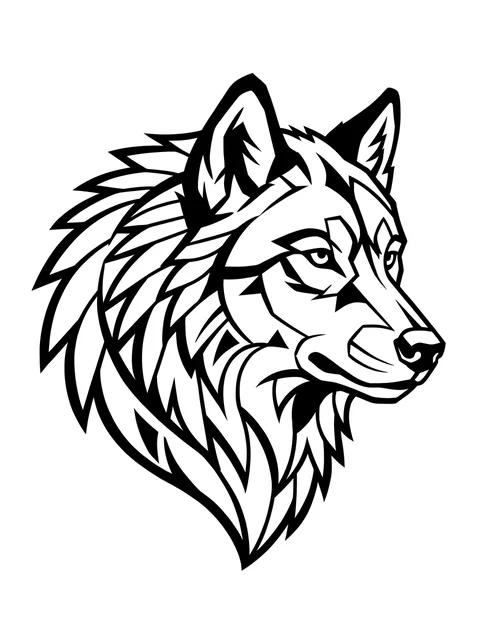
Black and white tribal wolf tattoo design Try it on — Black and white tribal wolf tattoo design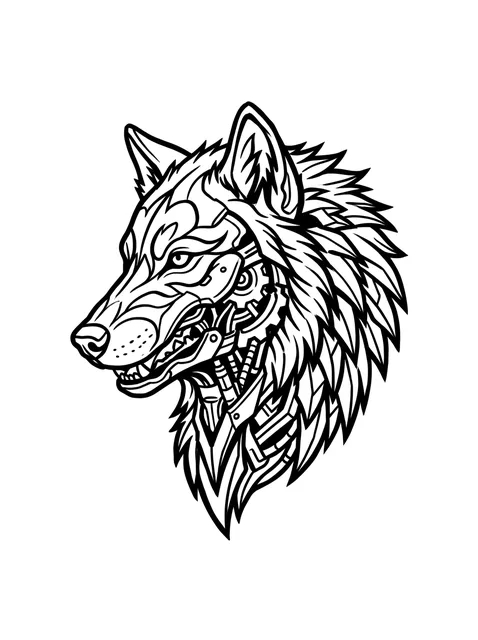
Black and white illustrative wolf tattoo design: a wolf's head in profile Try it on — Black and white illustrative wolf tattoo design: a wolf's head in profile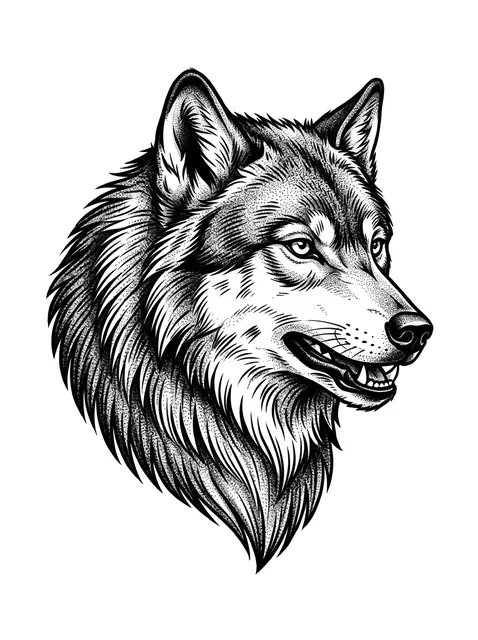
Black and white illustrative wolf tattoo design: a wolf's head (1 of 2) Try it on — Black and white illustrative wolf tattoo design: a wolf's head (1 of 2)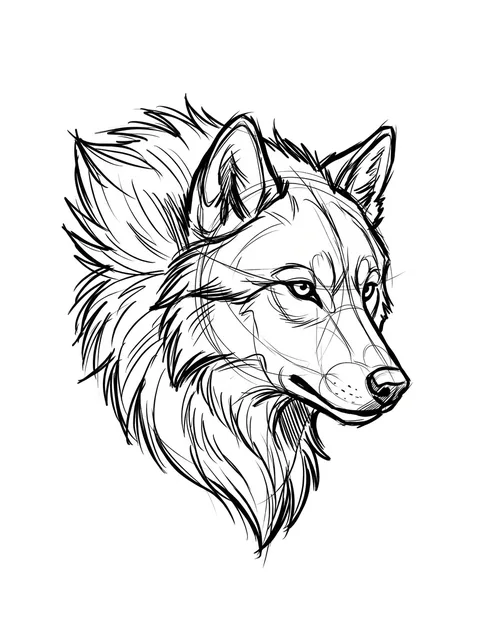
Black and grey sketch wolf tattoo design: a wolf's head in profile, looking to the right Try it on — Black and grey sketch wolf tattoo design: a wolf's head in profile, looking to the right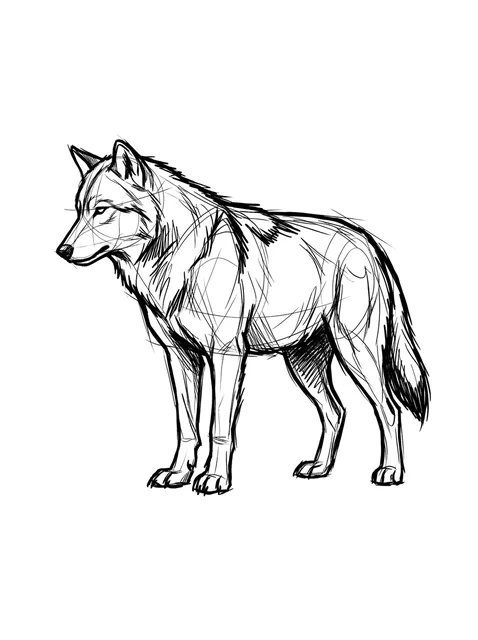
Black and grey sketch wolf tattoo design: a wolf standing in profile Try it on — Black and grey sketch wolf tattoo design: a wolf standing in profile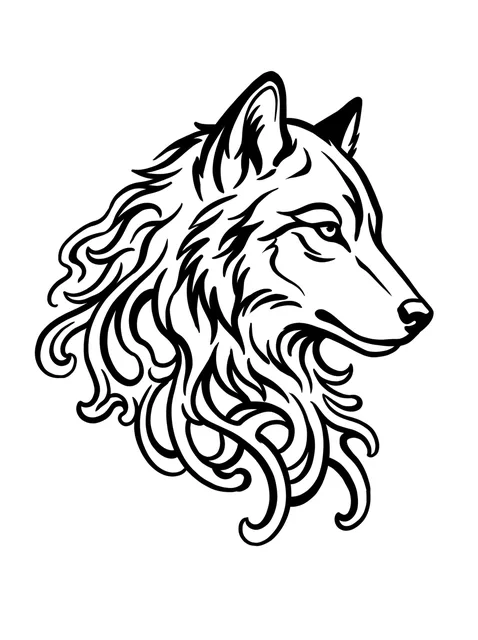
Black and white linework wolf tattoo design, outline stencil: a wolf's head in profile Try it on — Black and white linework wolf tattoo design, outline stencil: a wolf's head in profile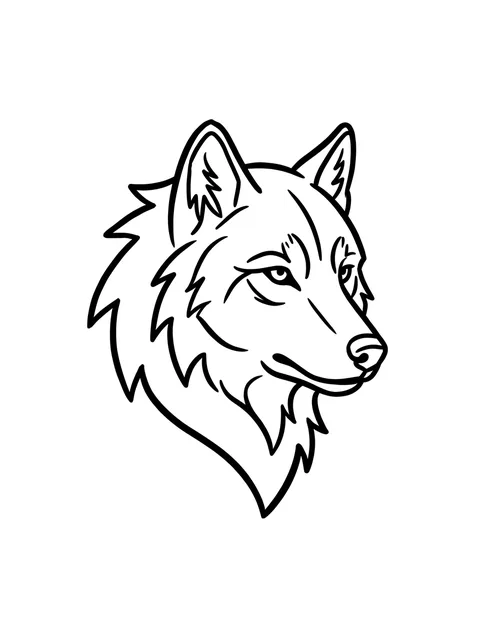
Black and white linework wolf tattoo design, outline stencil: the head of a wolf in profile Try it on — Black and white linework wolf tattoo design, outline stencil: the head of a wolf in profile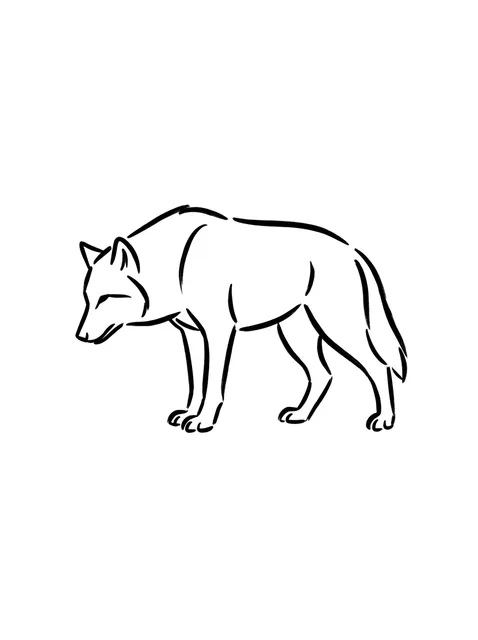
Black and white linework wolf tattoo design, outline stencil: a wolf in profile Try it on — Black and white linework wolf tattoo design, outline stencil: a wolf in profile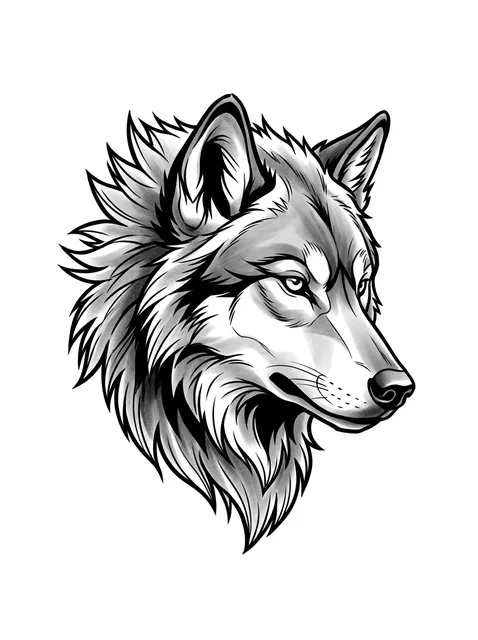
Black and grey illustrative wolf tattoo design: a wolf's head in profile Try it on — Black and grey illustrative wolf tattoo design: a wolf's head in profile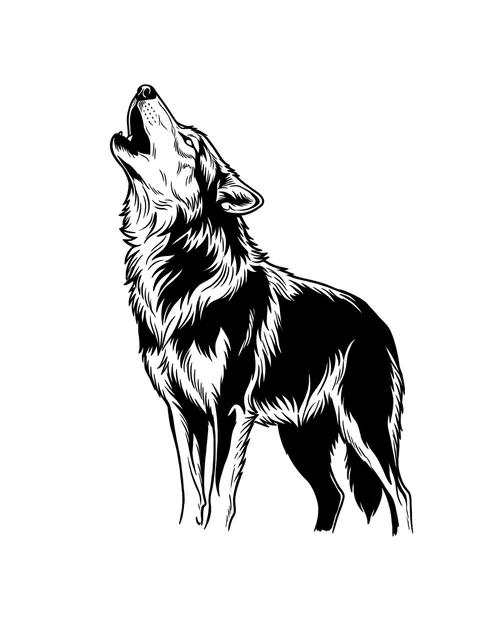
Black and white blackwork wolf tattoo design: a howling wolf (2 of 2) Try it on — Black and white blackwork wolf tattoo design: a howling wolf (2 of 2)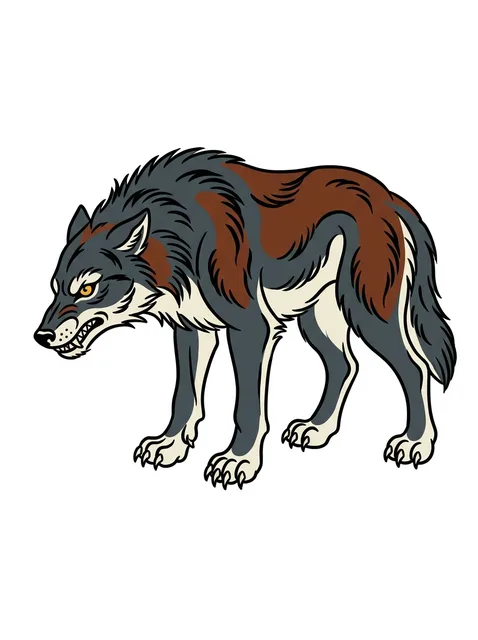
Color traditional wolf tattoo design: a snarling wolf Try it on — Color traditional wolf tattoo design: a snarling wolf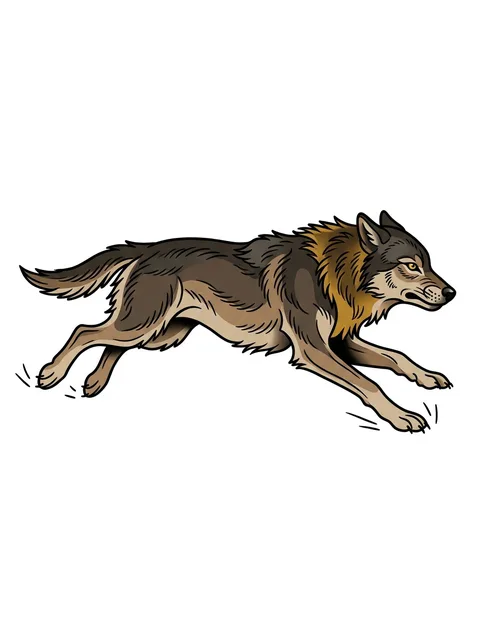
Color illustrative wolf tattoo design: a running wolf Try it on — Color illustrative wolf tattoo design: a running wolf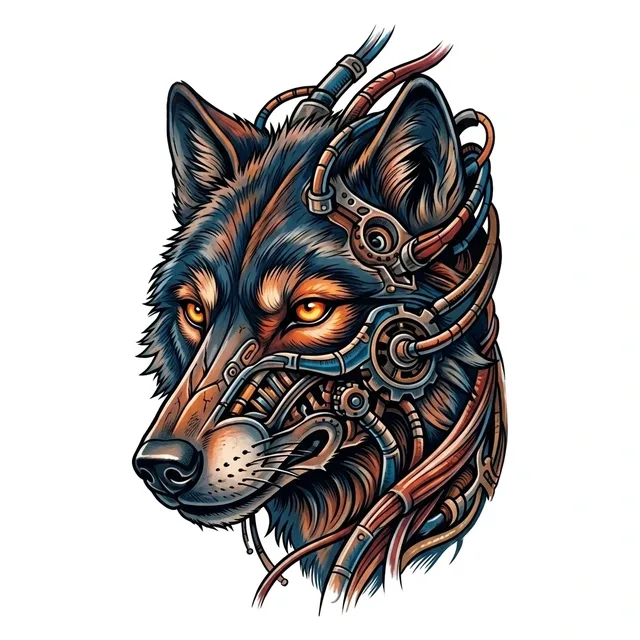
Color biomechanical wolf tattoo design: a wolf's head with intricate biomechanical elements Try it on — Color biomechanical wolf tattoo design: a wolf's head with intricate biomechanical elements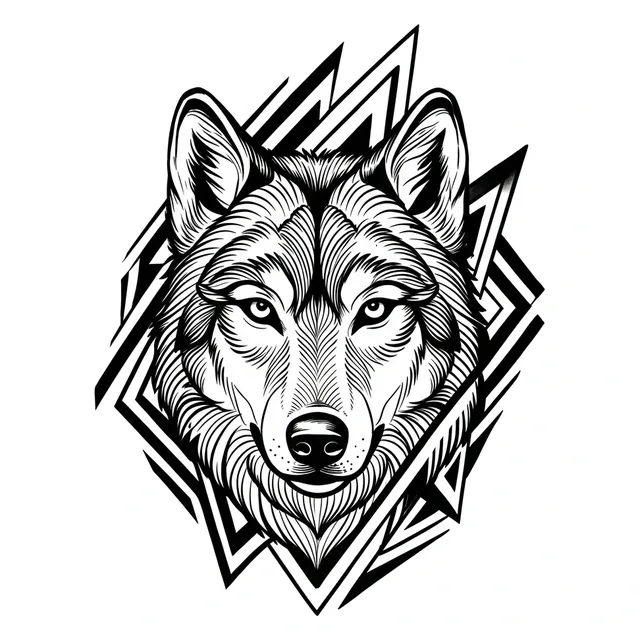
Black and white illustrative wolf tattoo design: a wolf's head (2 of 2) Try it on — Black and white illustrative wolf tattoo design: a wolf's head (2 of 2)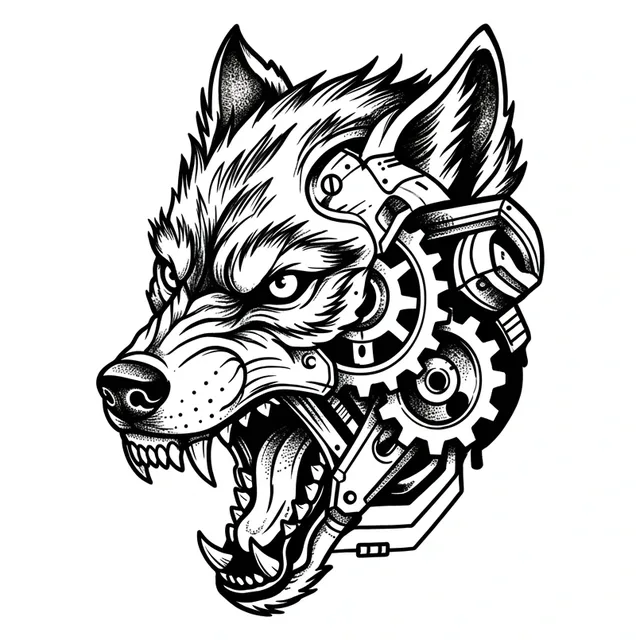
Black and white illustrative wolf tattoo design Try it on — Black and white illustrative wolf tattoo design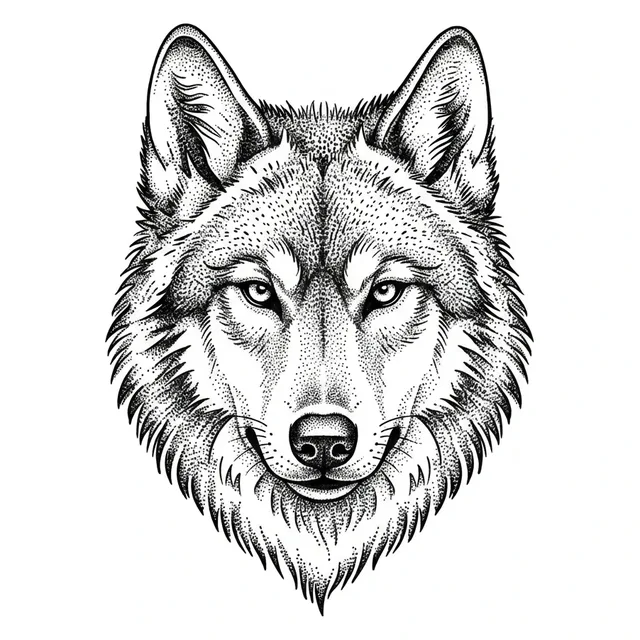
Black and grey dotwork wolf tattoo design: a detailed wolf head Try it on — Black and grey dotwork wolf tattoo design: a detailed wolf head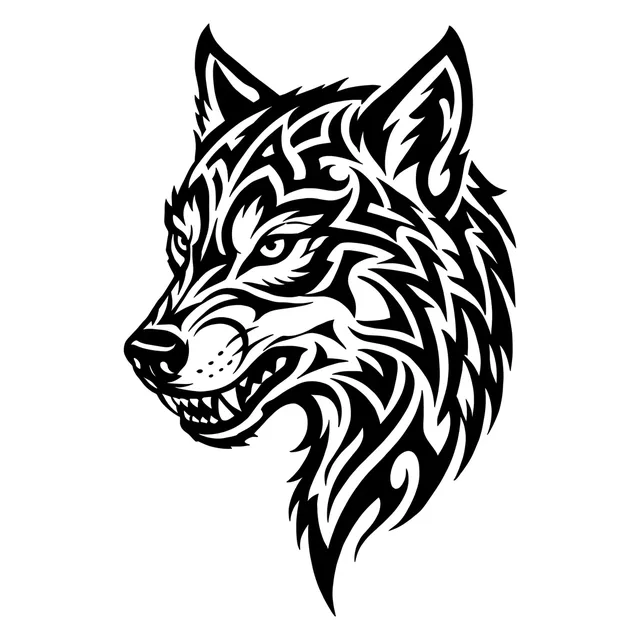
Black and white tribal wolf tattoo design: the head of a wolf in profile, snarling with bared teeth Try it on — Black and white tribal wolf tattoo design: the head of a wolf in profile, snarling with bared teeth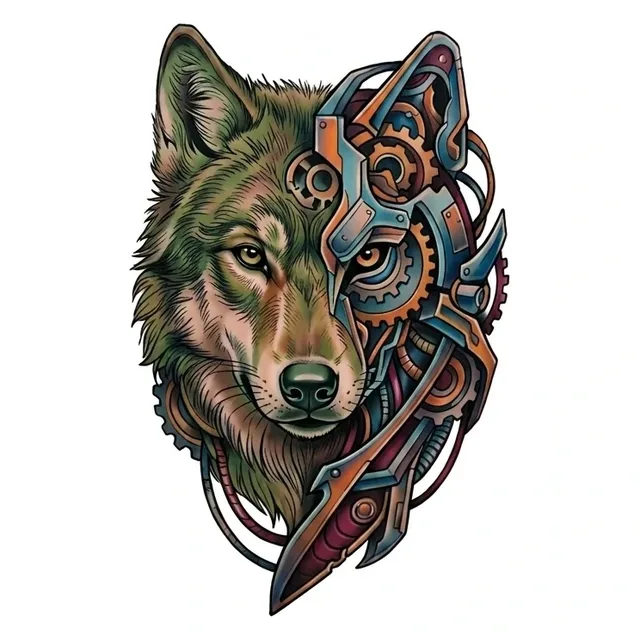
Color biomechanical wolf tattoo design: a wolf's head, half organic and half biomechanical Try it on — Color biomechanical wolf tattoo design: a wolf's head, half organic and half biomechanical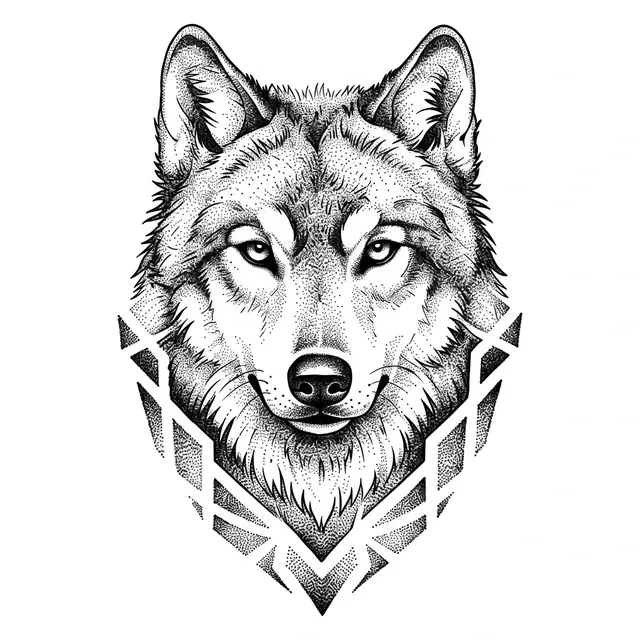
Black and grey dotwork wolf tattoo design Try it on — Black and grey dotwork wolf tattoo design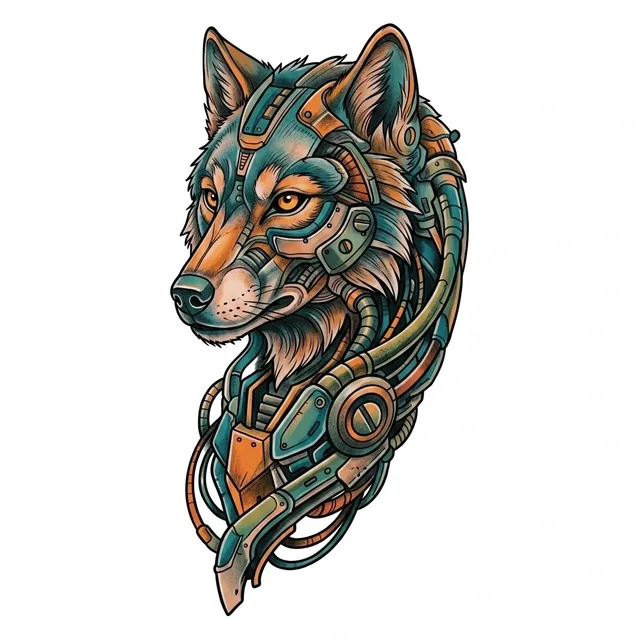
Color biomechanical wolf tattoo design Try it on — Color biomechanical wolf tattoo design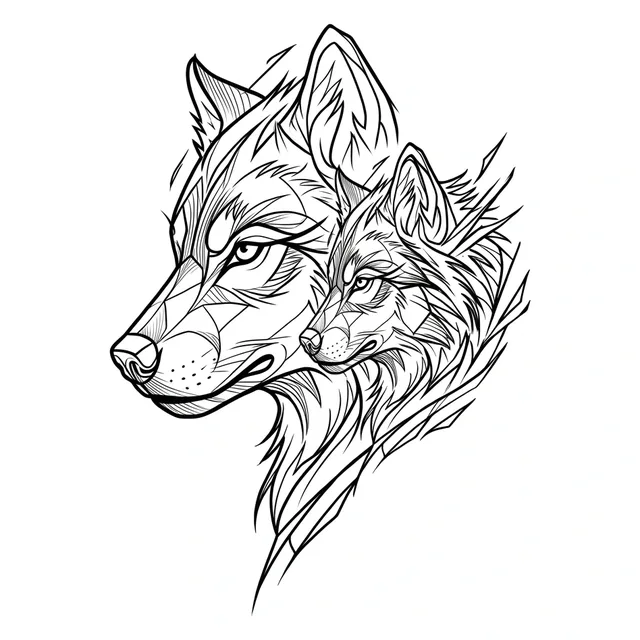
Black and grey illustrative wolf tattoo design Try it on — Black and grey illustrative wolf tattoo design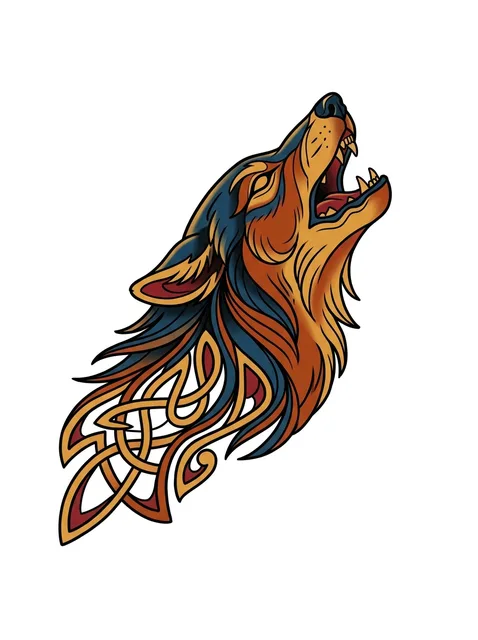
Color neo traditional wolf tattoo design: a howling wolf's head Try it on — Color neo traditional wolf tattoo design: a howling wolf's head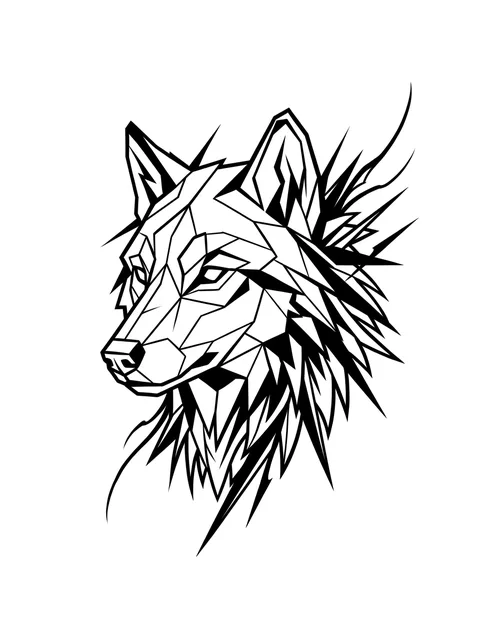
Black and white geometric wolf tattoo design, outline stencil Try it on — Black and white geometric wolf tattoo design, outline stencil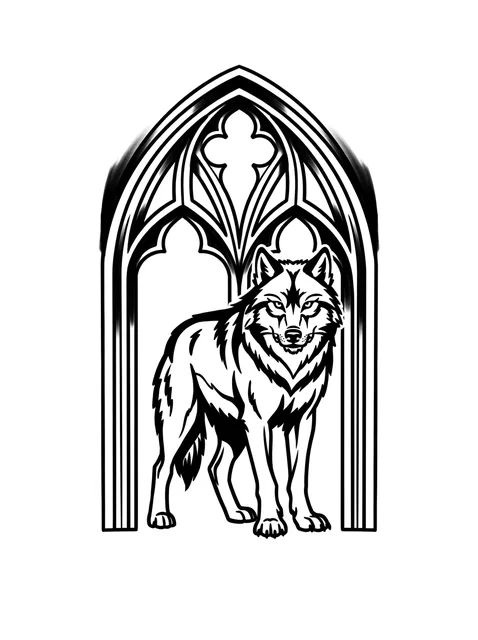
Black and grey gothic wolf tattoo design: a wolf standing within an ornate gothic archway Try it on — Black and grey gothic wolf tattoo design: a wolf standing within an ornate gothic archway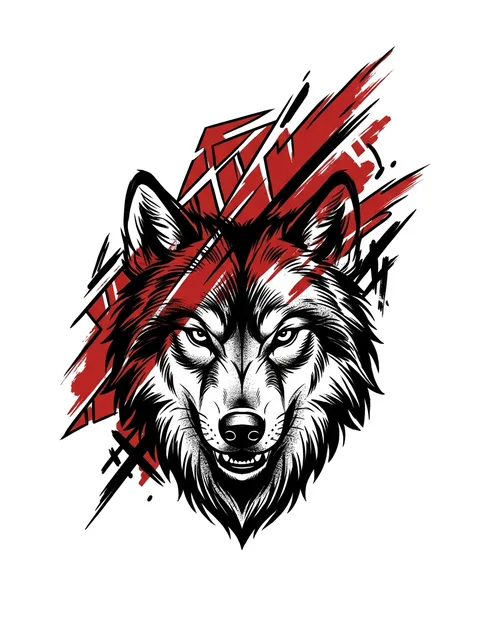
Color trash polka wolf tattoo design Try it on — Color trash polka wolf tattoo design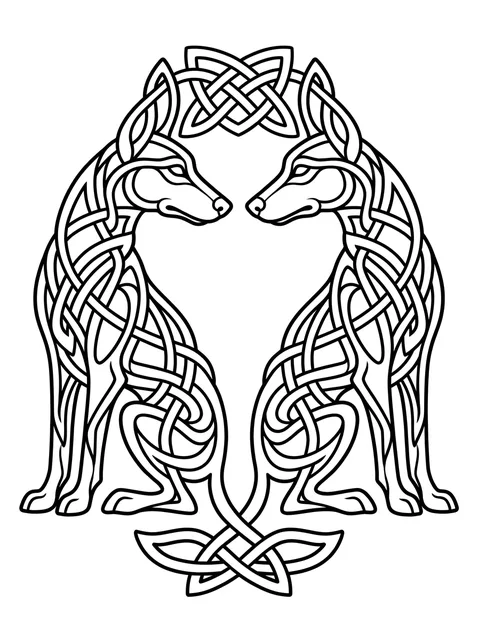
Black and grey celtic wolf tattoo design (1 of 2) Try it on — Black and grey celtic wolf tattoo design (1 of 2)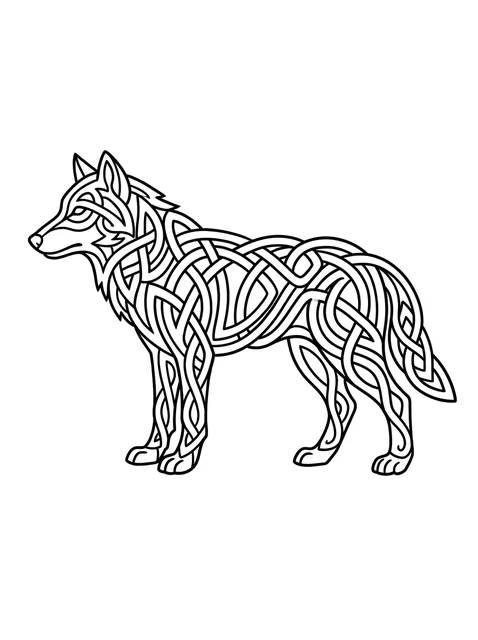
Black and grey celtic wolf tattoo design (2 of 2) Try it on — Black and grey celtic wolf tattoo design (2 of 2)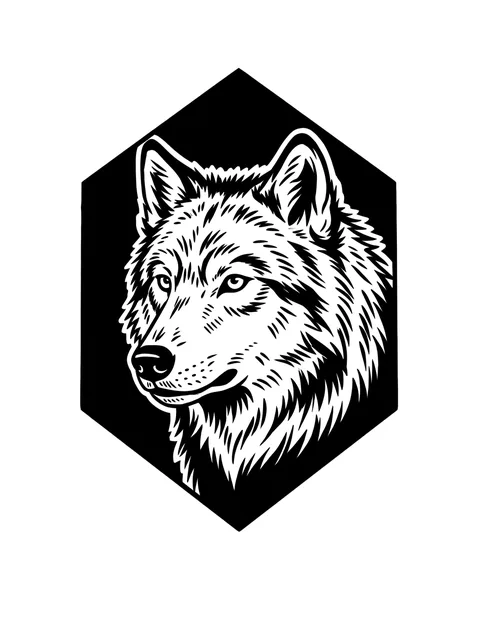
Black and white blackout wolf tattoo design Try it on — Black and white blackout wolf tattoo design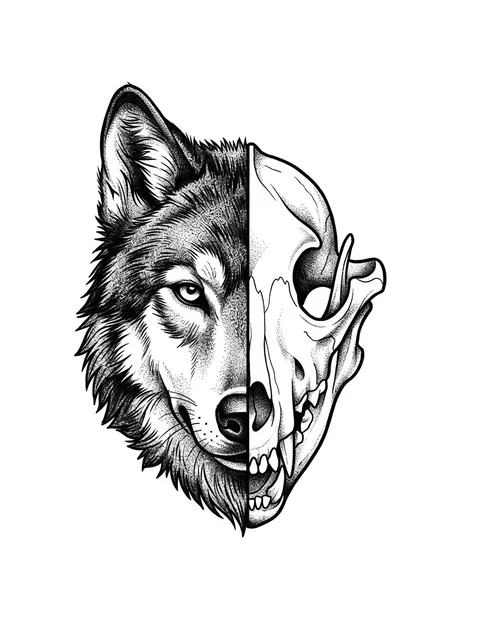
Black and grey dotwork wolf and skull tattoo design Try it on — Black and grey dotwork wolf and skull tattoo design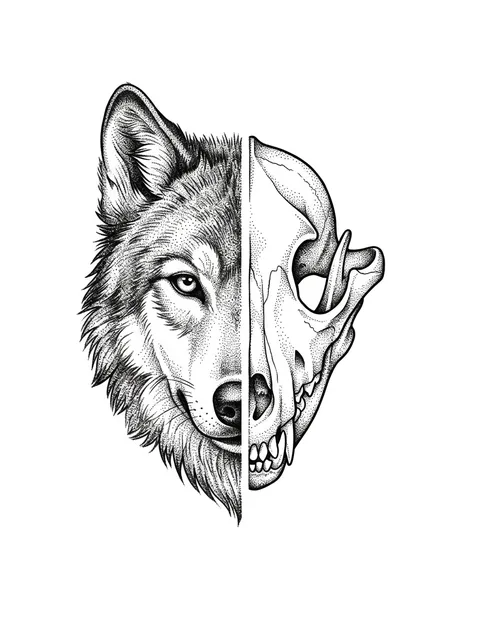
Black and grey dotwork wolf and skull tattoo design: a wolf's head split vertically Try it on — Black and grey dotwork wolf and skull tattoo design: a wolf's head split vertically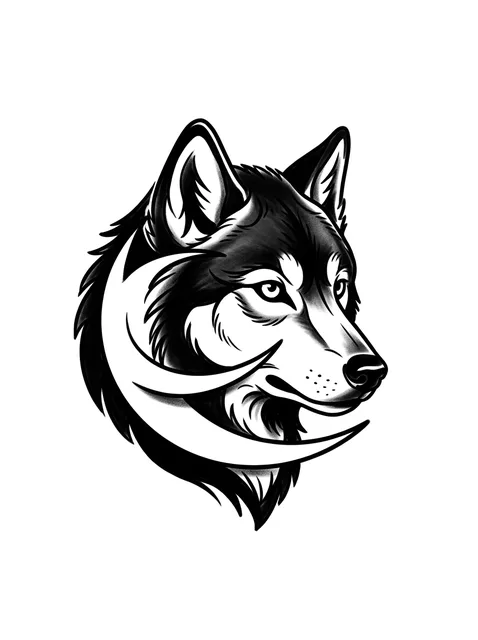
Black and grey illustrative wolf and moon tattoo design: a wolf's head in profile Try it on — Black and grey illustrative wolf and moon tattoo design: a wolf's head in profile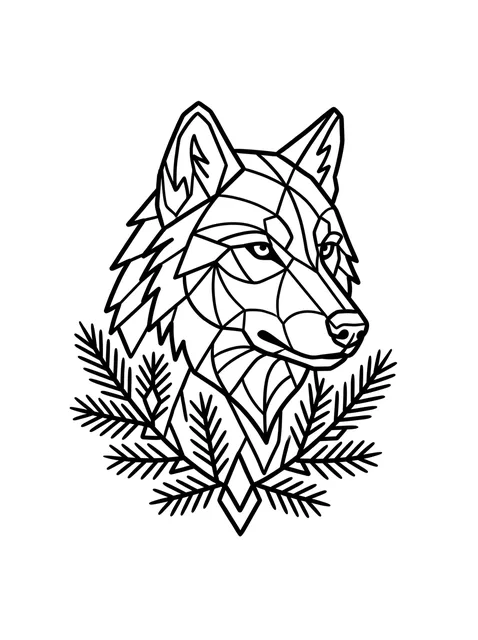
Black and white geometric wolf and leaf tattoo design, outline stencil Try it on — Black and white geometric wolf and leaf tattoo design, outline stencil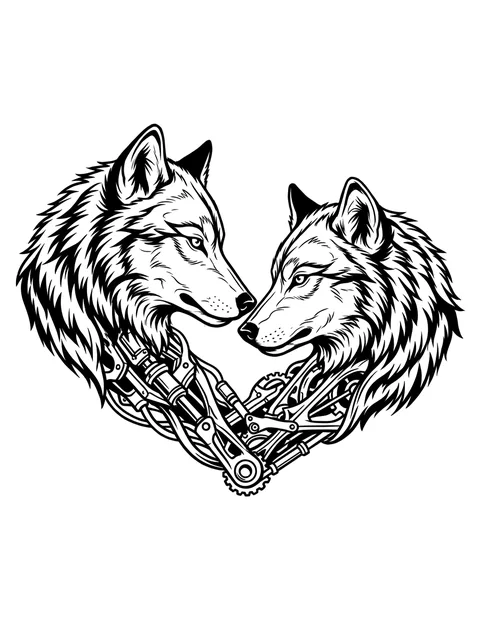
Black and white illustrative wolf and heart tattoo design: two wolf heads facing each other Try it on — Black and white illustrative wolf and heart tattoo design: two wolf heads facing each other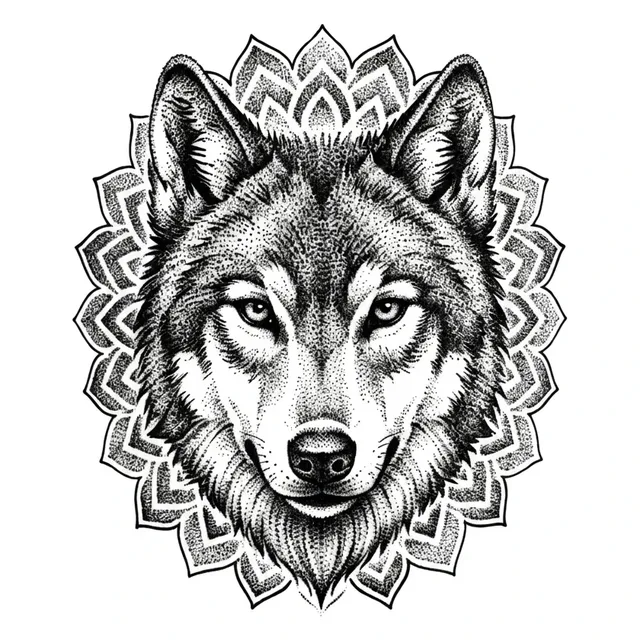
Black and grey dotwork wolf and mandala tattoo design Try it on — Black and grey dotwork wolf and mandala tattoo design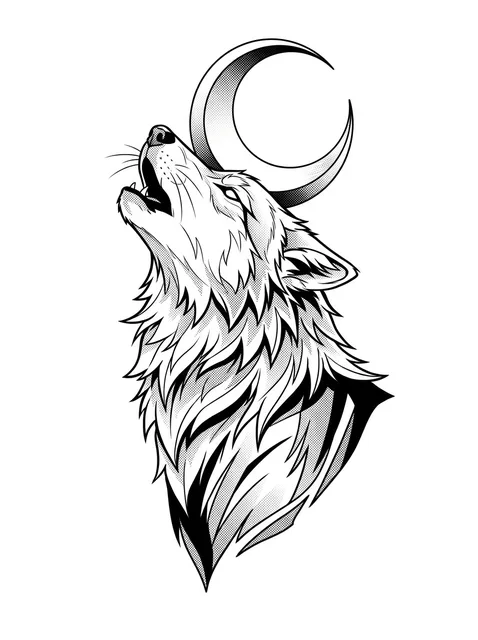
Black and grey anime wolf and moon tattoo design: its head thrown back and a crescent moon behind it Try it on — Black and grey anime wolf and moon tattoo design: its head thrown back and a crescent moon behind it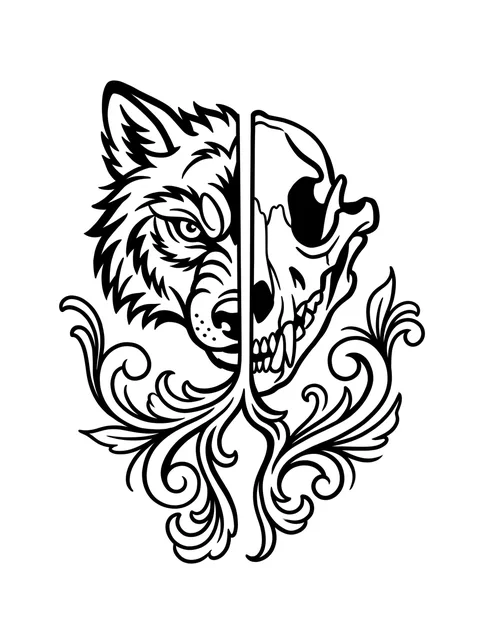
Black and grey illustrative wolf and skull tattoo design Try it on — Black and grey illustrative wolf and skull tattoo design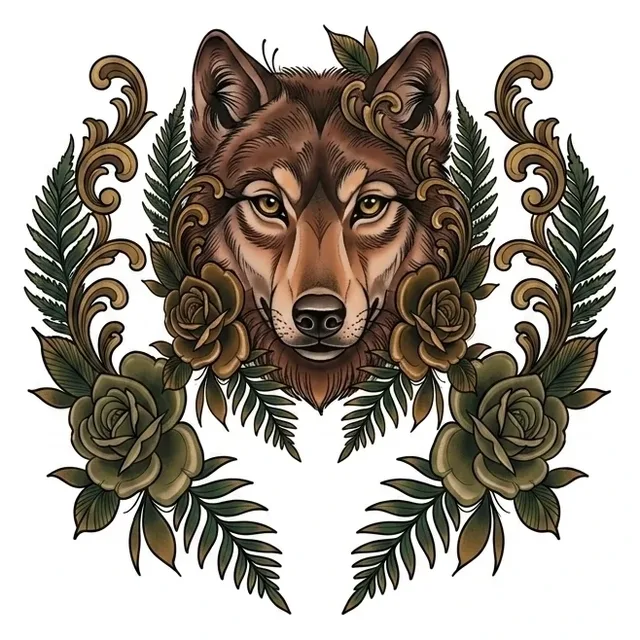
Color neo traditional wolf and rose tattoo design: a brown wolf's head at the center Try it on — Color neo traditional wolf and rose tattoo design: a brown wolf's head at the center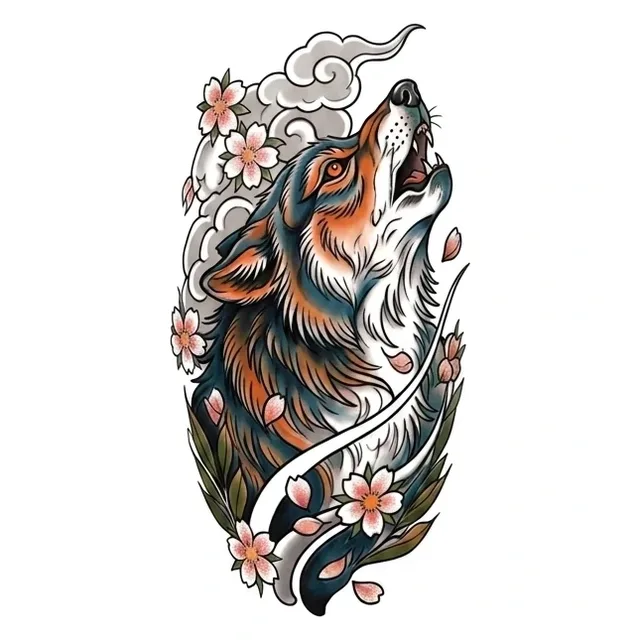
Color neo traditional wolf and cherry blossom tattoo design: a howling wolf's head Try it on — Color neo traditional wolf and cherry blossom tattoo design: a howling wolf's head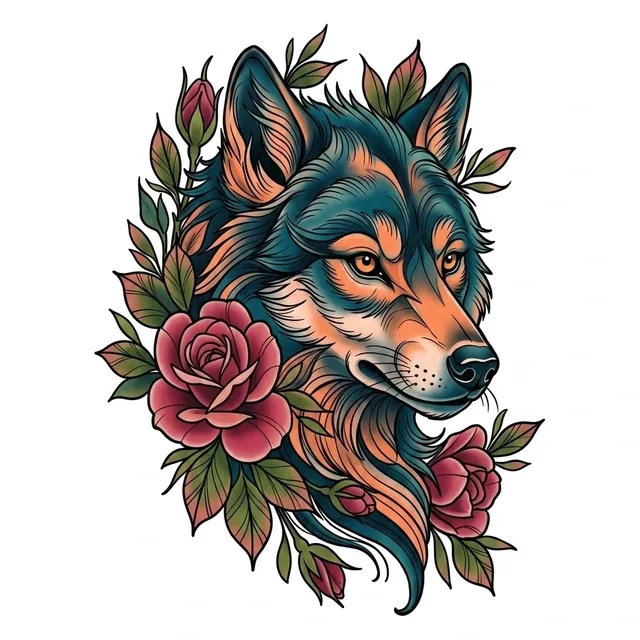
Color neo traditional wolf and rose tattoo design: a wolf's head in profile Try it on — Color neo traditional wolf and rose tattoo design: a wolf's head in profile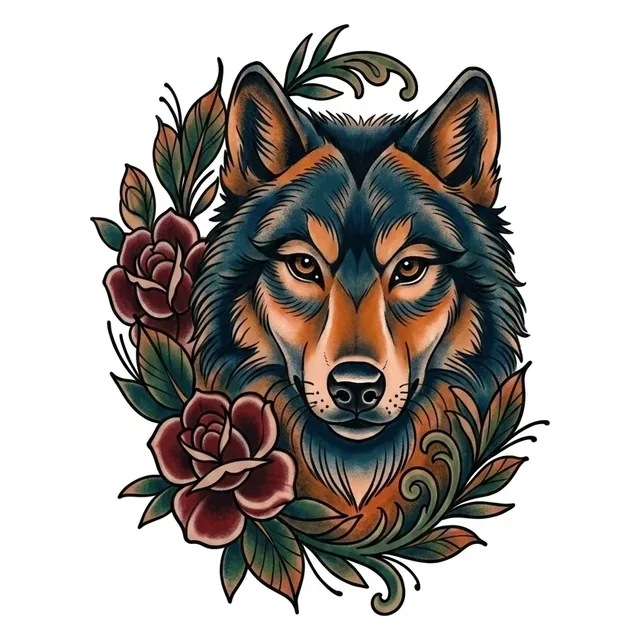
Color neo traditional wolf and rose tattoo design: a majestic wolf's head with piercing eyes Try it on — Color neo traditional wolf and rose tattoo design: a majestic wolf's head with piercing eyes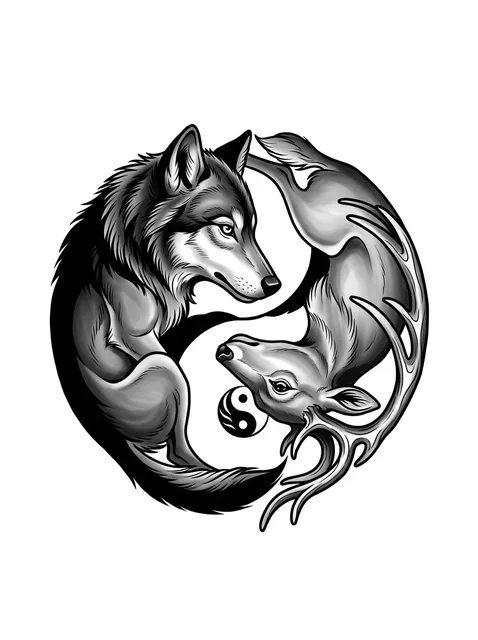
Black and grey illustrative wolf and deer tattoo design Try it on — Black and grey illustrative wolf and deer tattoo design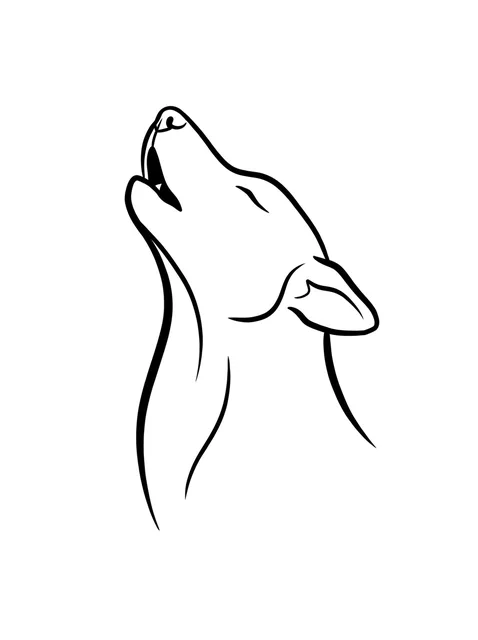
Black and white linework wolf and dog tattoo design, outline stencil: the profile of a howling wolf Try it on — Black and white linework wolf and dog tattoo design, outline stencil: the profile of a howling wolf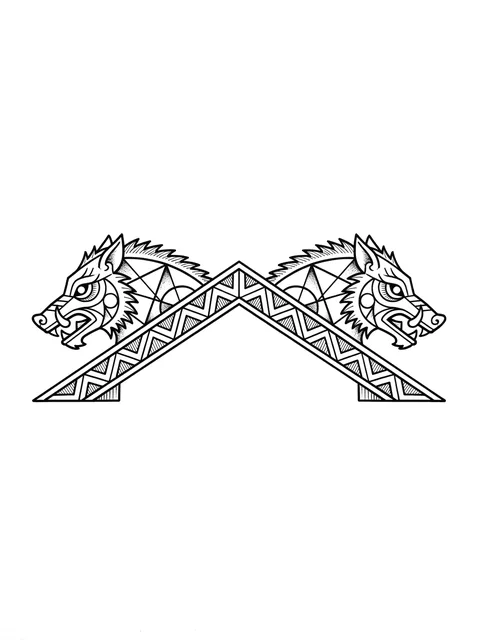
Black and white geometric wolf and viking tattoo design, outline stencil Try it on — Black and white geometric wolf and viking tattoo design, outline stencil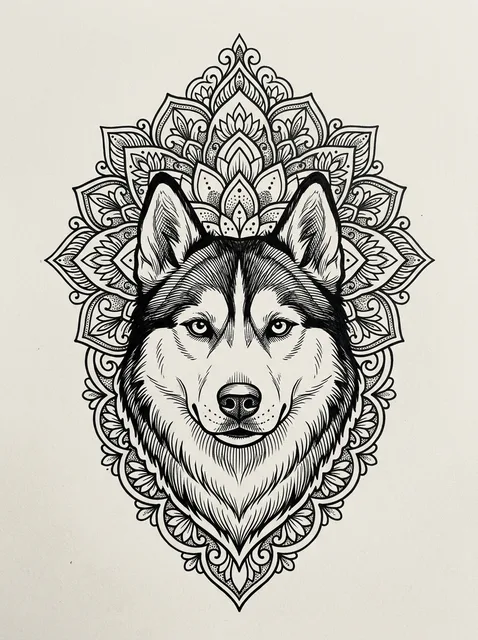
Black and grey ornamental wolf and dog tattoo design: a detailed wolf or husky head Try it on — Black and grey ornamental wolf and dog tattoo design: a detailed wolf or husky head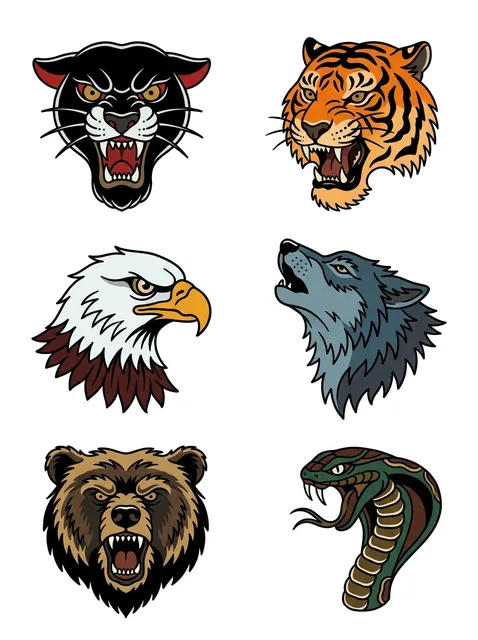
Color flash wolf and panther tattoo design: an eagle, a bear and a cobra, most Try it on — Color flash wolf and panther tattoo design: an eagle, a bear and a cobra, most


Tap any design to see it on your own skin in the try-on — no signup.
This set of 58 wolf designs, by the numbers
- Styles represented
- illustrative (14), neo traditional (8), dotwork (5), traditional (4), linework (4), biomechanical (3)
- Black-and-grey vs colour
- 62% black-and-grey, 38% colour
- Most often drawn with
- leaf, skull, rose, moon
Counted from the 58 designs shown on this page. Every one was drawn for InkCraft — none are scraped or reposted. Free to reference with a link to this page.
What a wolf tattoo means
The wolf means loyalty and belonging, and the two most popular readings of it are both based on research that has since been retracted. The alpha-wolf idea came from studying unrelated captive animals forced together in the 1940s; in the wild a pack is a family and the so-called alpha is simply a parent. David Mech, who popularised the term, spent years afterwards trying to withdraw it.
That matters because it inverts the meaning people usually intend. A wolf is not an image of dominance won by force — it is an image of a family group that hunts, raises young and survives together. Which makes it, correctly understood, one of the strongest family motifs available, and a much better one than most people realise when they choose it.
The lone wolf is the other half of the misunderstanding. A wolf alone is not a stronger wolf; it is usually a young animal that has left to find a mate, or an old one that has lost its pack. Worn deliberately, that ambivalence is the interesting version — solitude as a phase or a cost rather than a boast.
Norse tradition gives the animal a darker register worth knowing. Fenrir is bound because he is fated to kill Odin, and Geri and Freki are Odin's own wolves — so the same mythology holds the wolf as both companion and destroyer, without resolving it.
Where the design comes from
The Capitoline Wolf, suckling Romulus and Remus, made the animal a founding symbol of Rome and is still the oldest widely known wolf image in Western art. European folklore then spent several centuries recasting it as the predator at the edge of the village, which is where the fairy-tale wolf comes from. The modern tattoo wolf — realistic portrait, often howling, frequently with geometry or forest layered over it — belongs almost entirely to the illustrative blackwork of the last fifteen years and has no equivalent in traditional flash.
Choosing yours
- Fur is the constraint, exactly as a mane is on a lion. It is drawn as many fine directional strokes, and those merge as ink spreads. A realistic wolf below roughly 12 cm loses its coat to a grey mass while the eyes survive, which looks stranger than it sounds.
- Geometry solves the problem that fur creates. A faceted or linework wolf carries no texture to lose, so it stays legible at sizes where a rendered coat would have gone to mush — which is why almost every small wolf worth looking at ten years on is a drawn one rather than a painted one.
- Howling profiles suit a long vertical field — forearm, outer calf. Front-facing portraits want a symmetrical one — chest, upper back, the flat of the arm. Putting a front-facing wolf on a curved bicep is the usual reason one looks subtly wrong in photographs.
Size, cost and placement
How big, and what it costs
A geometric or linework wolf at 8-10 cm is a two-to-three-hour piece. A realistic portrait wants 12-20 cm and typically a full day, because coat texture is hundreds of individual strokes and cannot be rushed without turning to mush. Adding a forest, moon or geometric overlay is a second session.
Where it sits, and how much it hurts
Outer arm, thigh and calf all suit a profile or howling pose. Front-facing portraits need a symmetrical field — chest, upper back, forearm. Forearm is the low-pain default and holds a portrait well because the field is flat and does not move much.
What to ask your artist
- Whether the coat is drawn as strokes or suggested with value — the second holds up far better at smaller sizes.
- Front-facing or profile, since they need opposite placements.
- To prioritise the eyes if size forces a compromise; a wolf with simplified fur and good eyes works, and the reverse does not.
Prices vary widely by city and artist — treat these as session lengths rather than quotes, and expect a shop minimum on anything small. The cost guide turns hours into money by size, placement and style.
Common questions
What does a lone wolf tattoo mean?
Honestly, not what it is usually taken to mean. A wolf alone is typically a young animal that has left to find a mate, or an old one that has lost its pack — so it reads as a phase or a cost rather than as strength.
Is a wolf tattoo about dominance?
The alpha idea came from captive animals in the 1940s and was retracted by the researcher who popularised it. A wild pack is a family, which makes the wolf a much better family symbol than a dominance one.
How big does a realistic wolf need to be?
About 12 cm minimum. Fur is fine directional strokes and merges below that. Geometric and linework wolves work considerably smaller by design.
What a wolf tattoo can mean
The meanings this motif carries on the pages that argue them. Each line is that page's own reason for including it.
- Protection tattoos
- Protective through the pack rather than through force: the meaning people reach for is that something will not be faced alone. A lone wolf carries almost the opposite, which is worth knowing before choosing the composition.
- Strength tattoos
- Strength that belongs to a group. The reading is about the pack, not the individual, which is why it suits people whose strength came from other people.
- Resilience tattoos
- Survived because of a pack. The motif for people whose resilience was other people, which is most people.
See it on your skin before you commit
InkCraft places any of these designs on a photo of you — scaled, wrapped and shaded to the placement you pick.