 InkCraft
Hip Tattoo Ideas, Designs and Placement Guide
43 hip tattoos photographed on skin for InkCraftBy Uladzimir TumanauUpdated

Opens in your browser. No signup. Or tap any design below.
The hip curves in three directions at once, which makes it the best home on the body for long flowing designs — and a demanding one for anything that needs to stay straight.
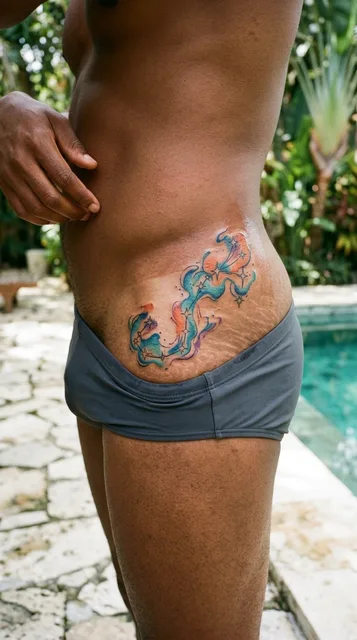
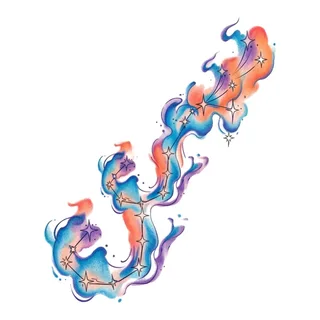
- watercolor · colourTry it on — Color watercolor constellation tattoo on a man's hip
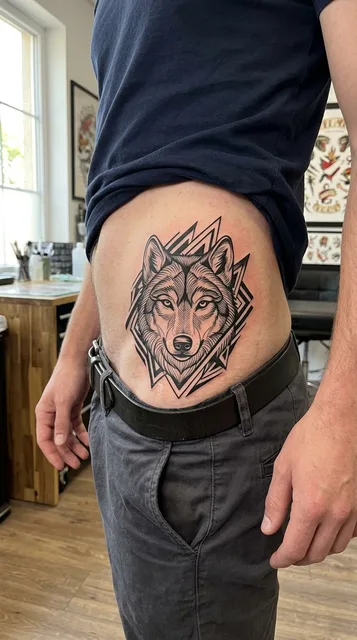
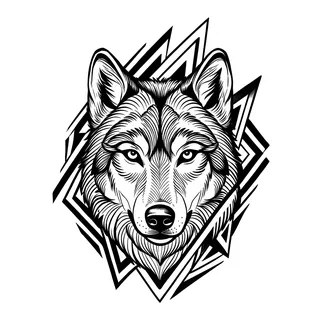
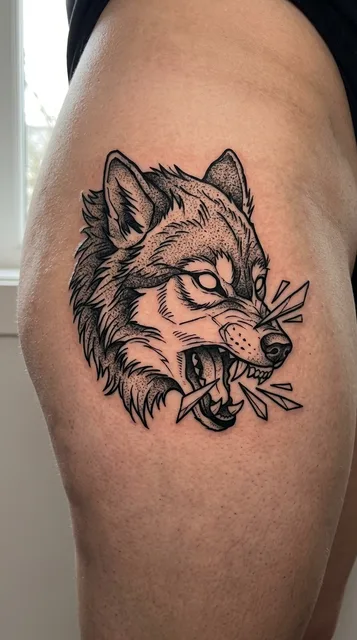
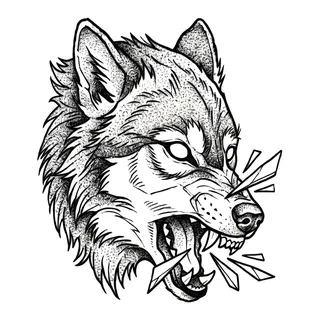
- blackwork · black and whiteTry it on — Black and white blackwork wolf tattoo on a man's hip (1 of 2)
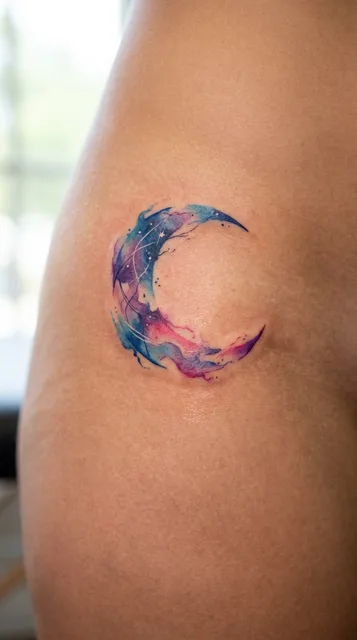
- watercolor · colourTry it on — Color watercolor moon tattoo on a woman's hip

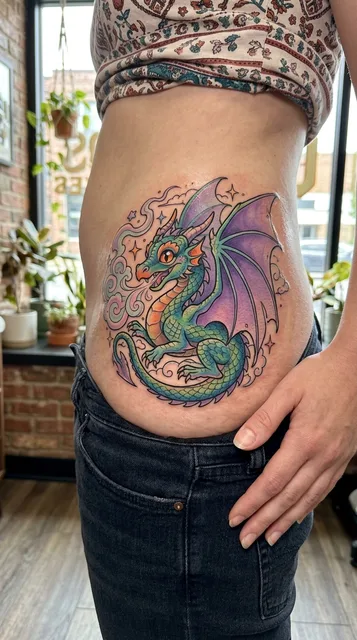
- new school · colourTry it on — Color new school dragon tattoo on a woman's hip

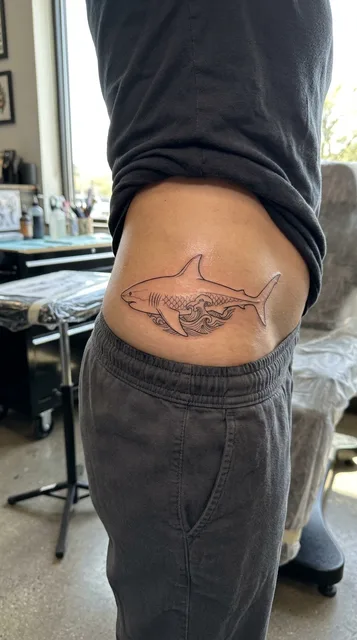
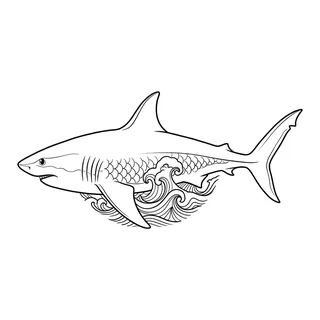
- fine line · black and whiteTry it on — Black and white fine line shark tattoo on a woman's hip
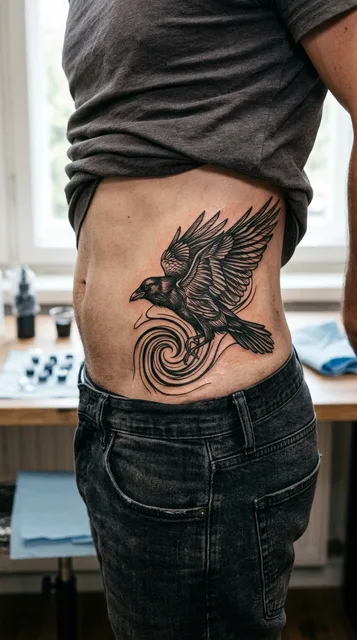
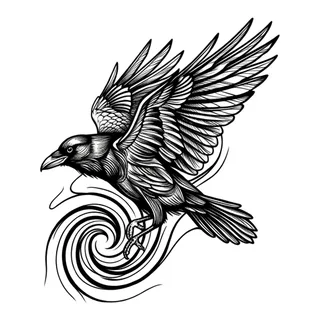
- blackwork · black and whiteTry it on — Black and white blackwork raven tattoo on a man's hip
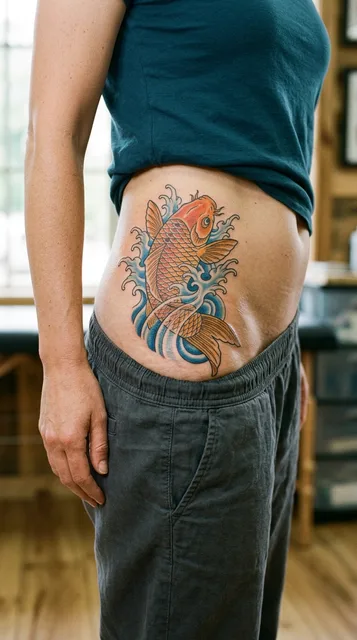
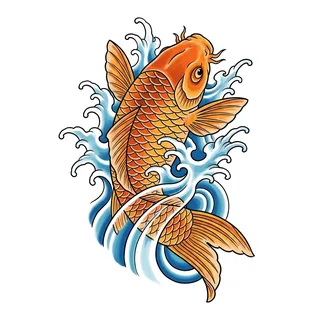
- Japanese · colourTry it on — Color Japanese koi fish tattoo on a woman's hip
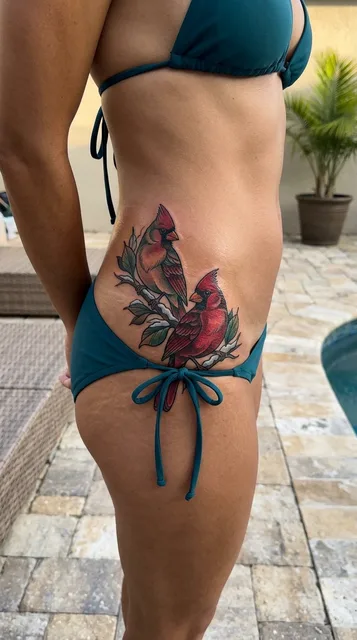
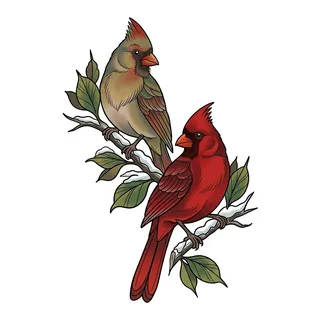
- neo traditional · colourTry it on — Color neo traditional cardinal tattoo on a woman's hip
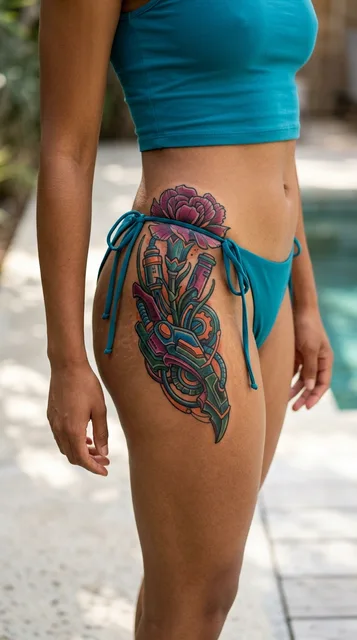
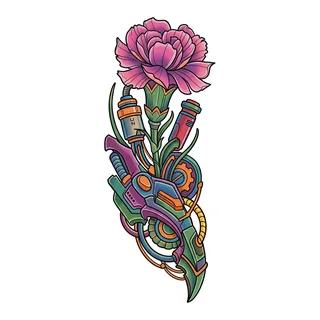
- neo traditional · colourTry it on — Color neo traditional carnation tattoo on a woman's hip
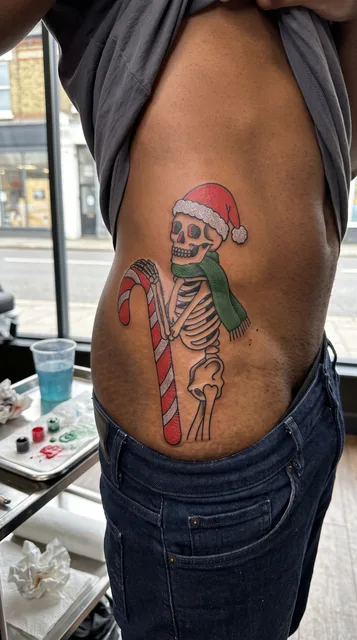
- traditional · colourTry it on — Color traditional skeleton tattoo on a man's hip

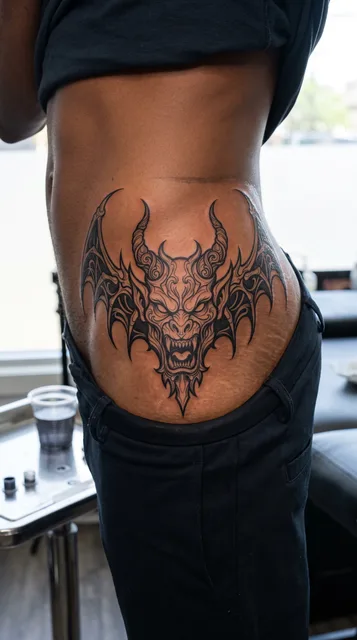
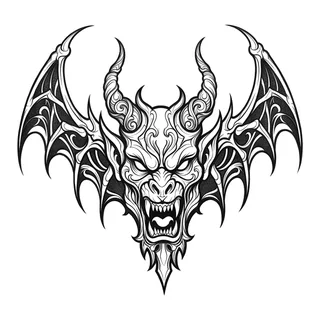
- blackwork · black and whiteTry it on — Black and white blackwork demon tattoo on a man's hip
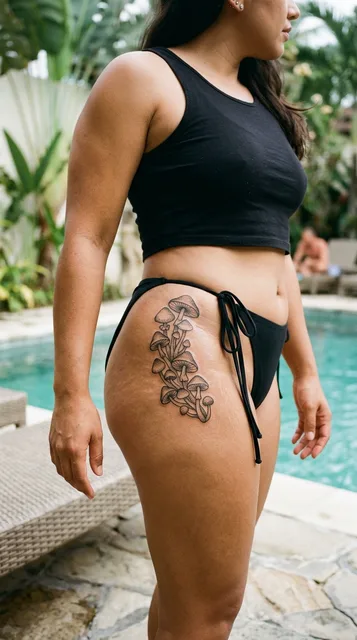
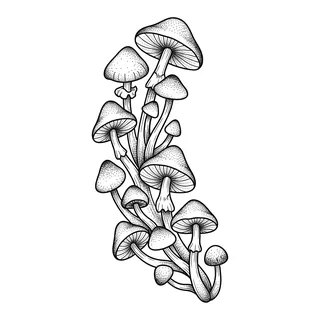
- dotwork · black and greyTry it on — Black and grey dotwork mushroom tattoo on a woman's hip
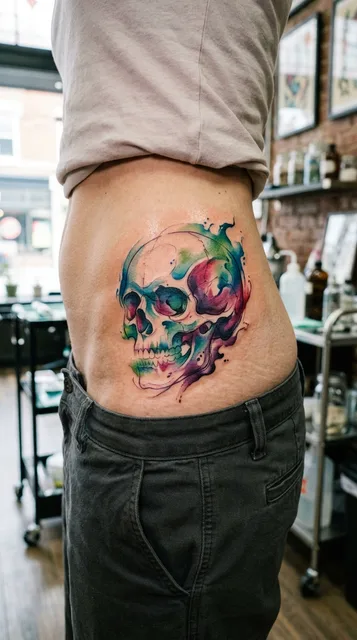
- watercolor · colourTry it on — Color watercolor skull tattoo on a woman's hip

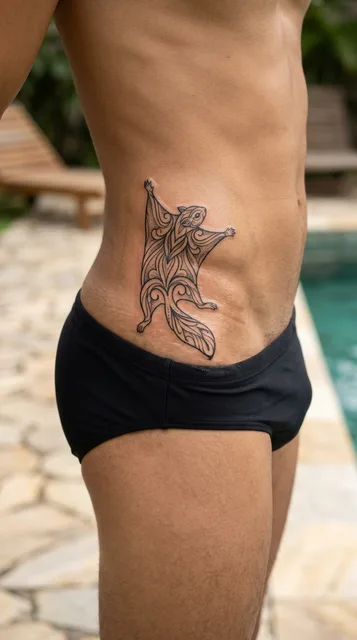
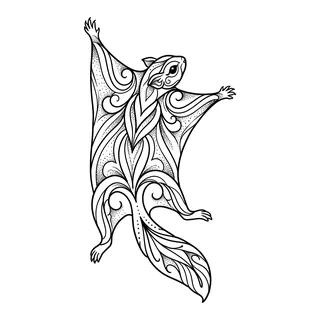
- ornamental · black and greyTry it on — Black and grey ornamental flying squirrel tattoo on a man's hip
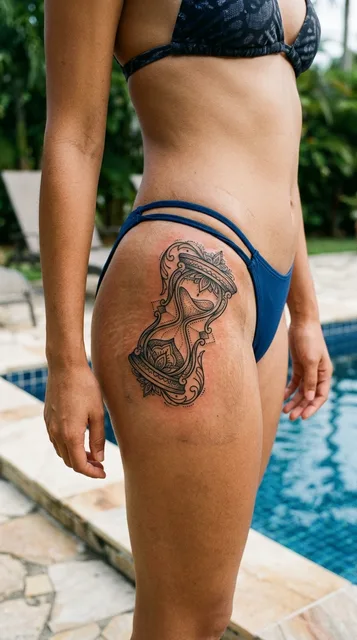
- ornamental · black and greyTry it on — Black and grey ornamental hourglass tattoo on a woman's hip
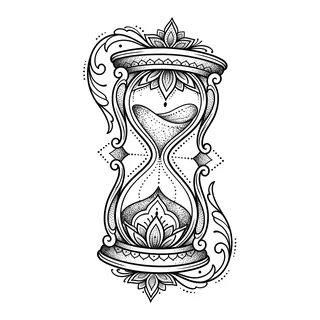
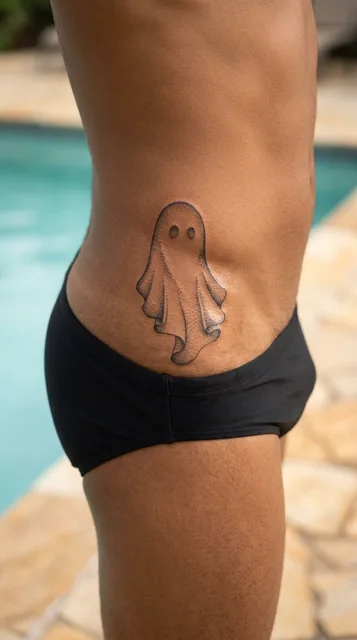
- dotwork · black and greyTry it on — Black and grey dotwork ghost tattoo on a man's hip

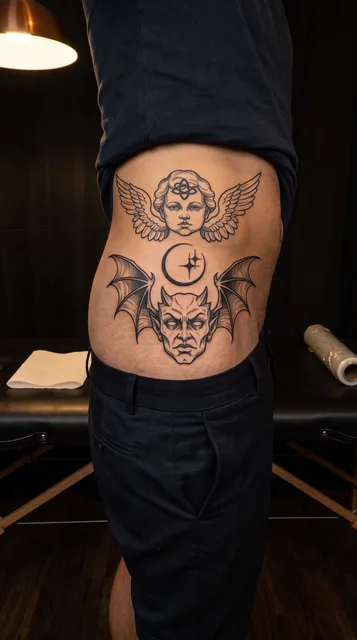
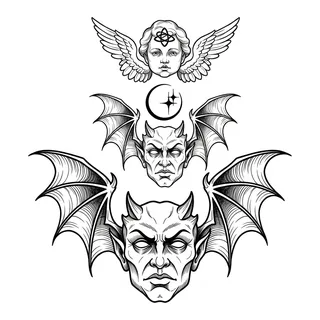
- illustrative · black and greyTry it on — Black and grey illustrative demons tattoo on a man's hip
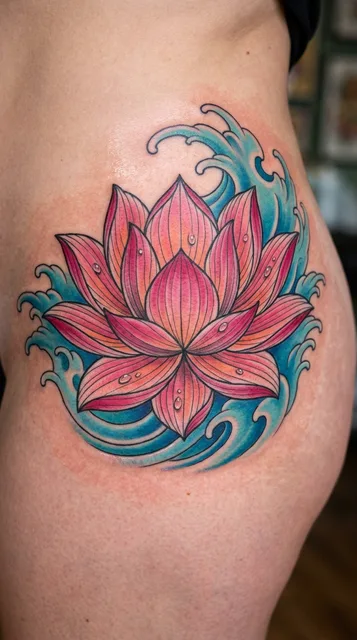
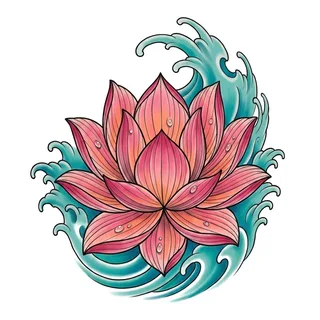
- traditional · colourTry it on — Color traditional lotus flower tattoo on a woman's hip
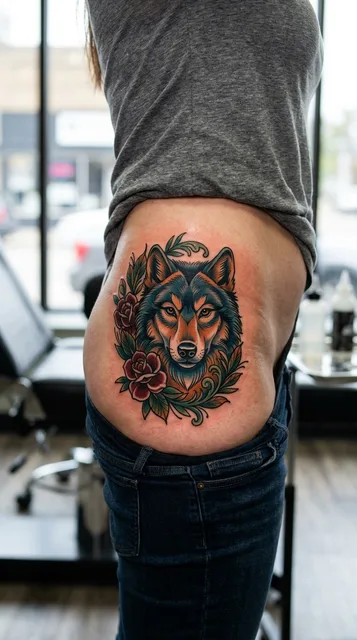
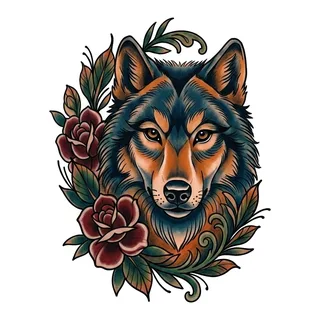
- neo traditional · colourTry it on — Color neo traditional wolf tattoo on a woman's hip
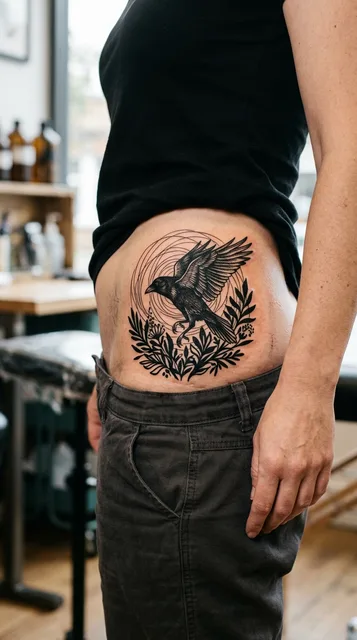
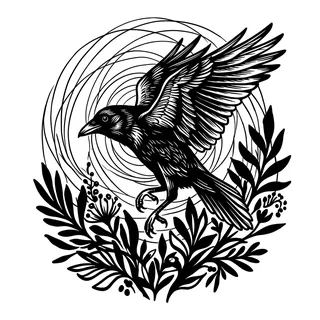
- blackwork · black and whiteTry it on — Black and white blackwork crow tattoo on a woman's hip
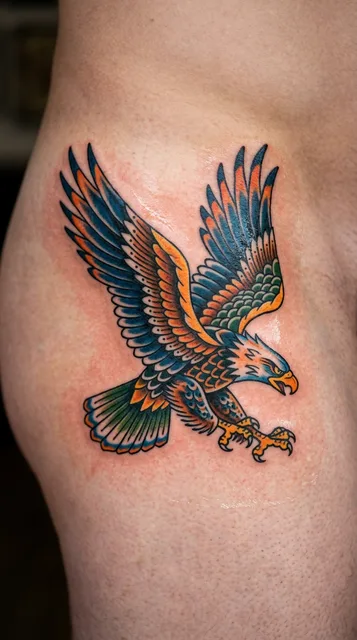
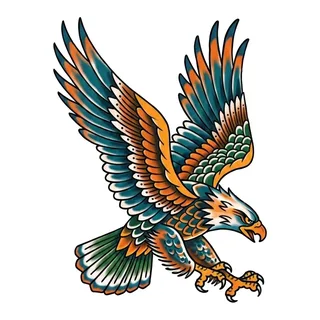
- new school · colourTry it on — Color new school eagle tattoo on a man's hip
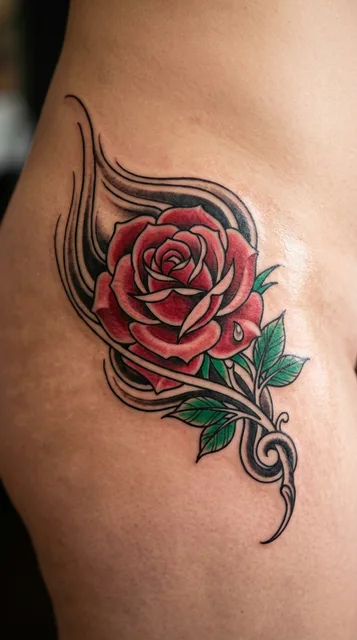
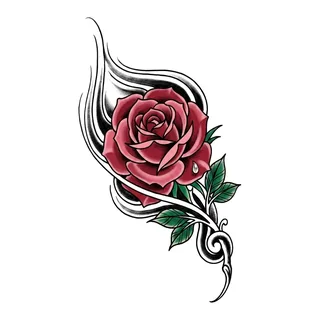
- Japanese · colourTry it on — Color Japanese rose tattoo on a woman's hip
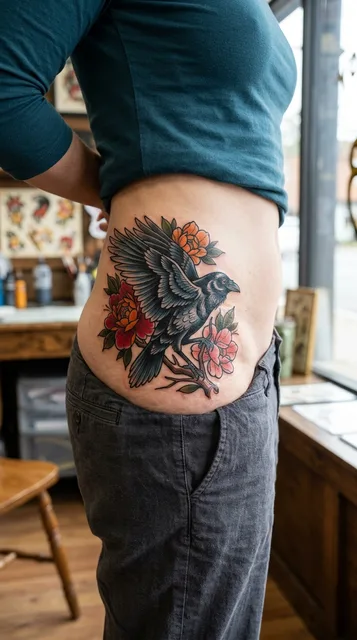
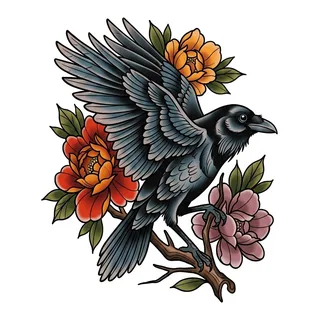
- neo traditional · colourTry it on — Color neo traditional raven tattoo on a woman's hip
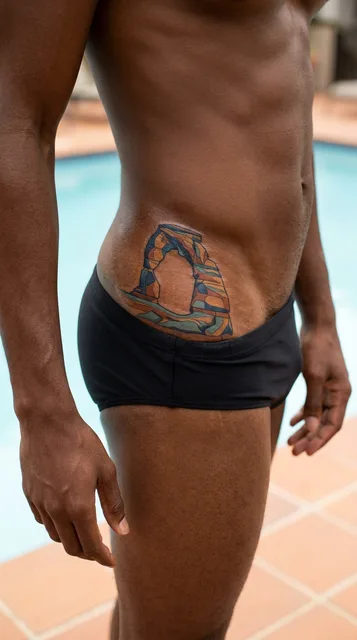
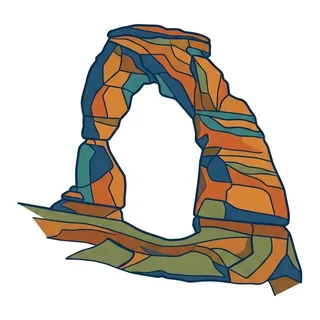
- illustrative · colourTry it on — Color illustrative rock arch tattoo on a man's hip
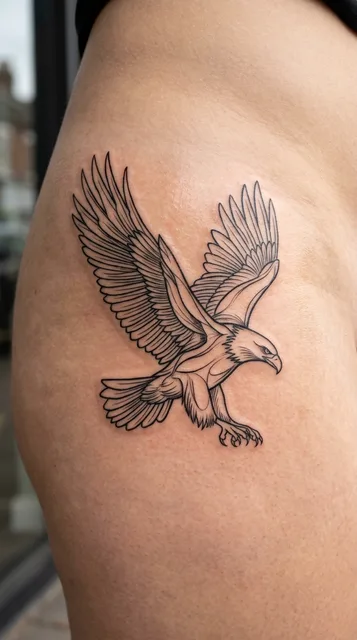
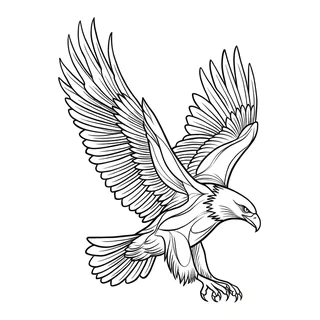
- linework · black and whiteTry it on — Black and white linework eagle tattoo on a woman's hip
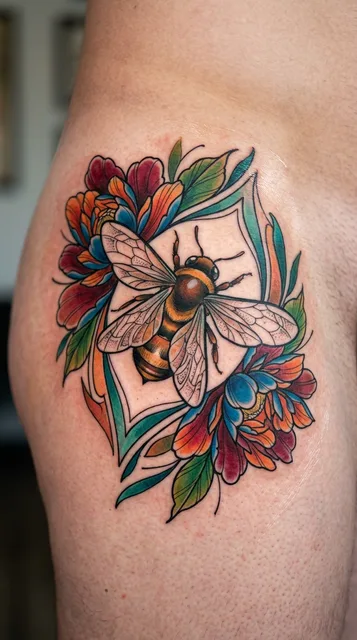
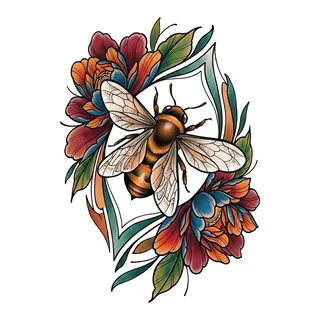
- neo traditional · colourTry it on — Color neo traditional bee tattoo on a man's hip
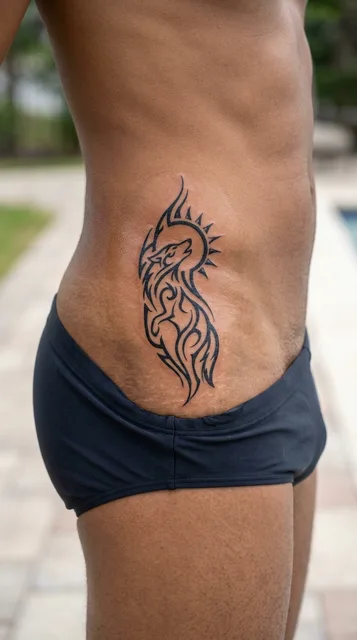
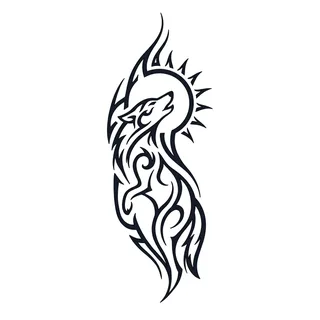
- tribal · black and whiteTry it on — Black and white tribal wolf tattoo on a man's hip
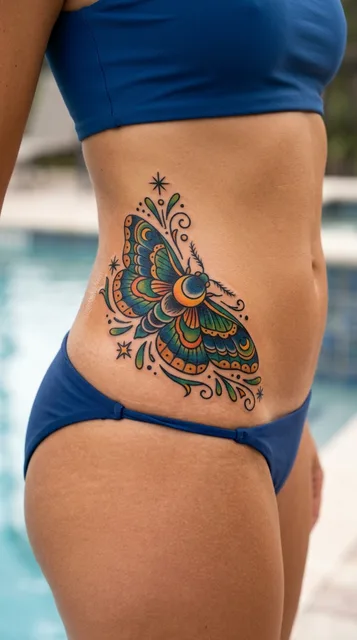
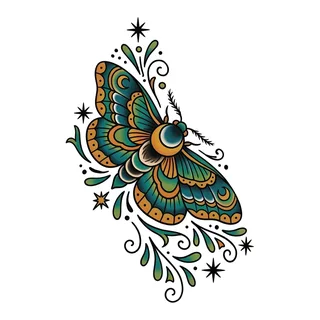
- traditional · colourTry it on — Color traditional moth tattoo on a woman's hip
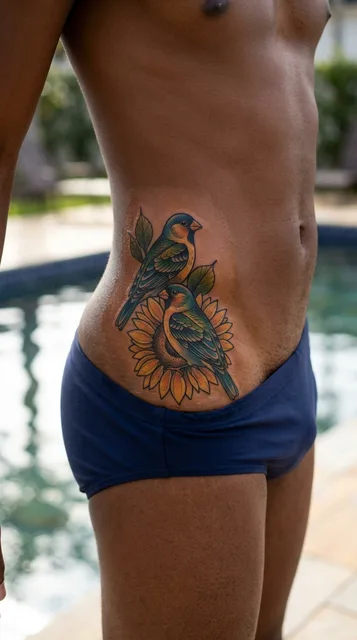
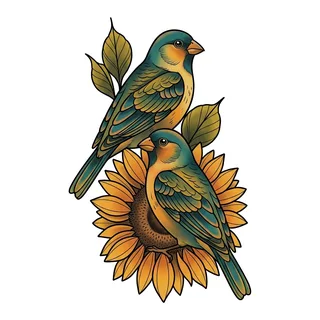
- neo traditional · colourTry it on — Color neo traditional finch tattoo on a man's hip
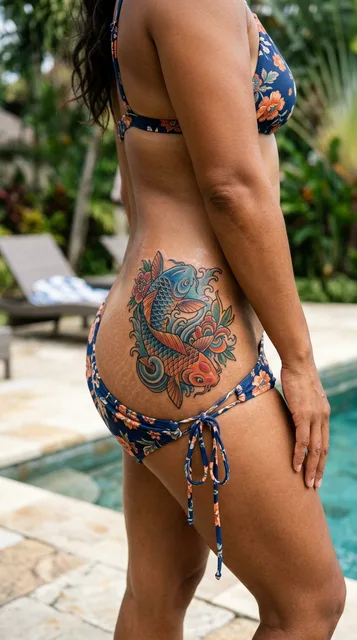
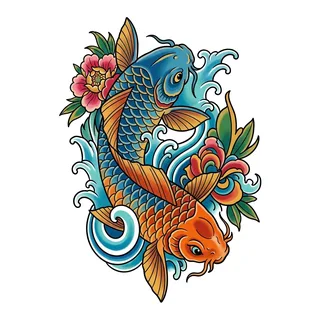
- neo traditional · colourTry it on — Color neo traditional koi tattoo on a woman's hip
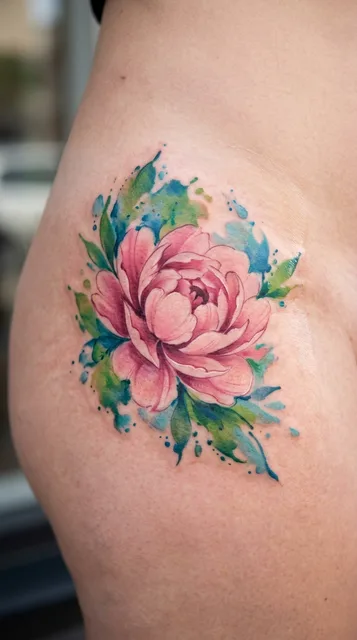
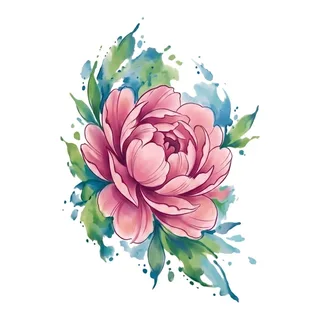
- watercolor · colourTry it on — Color watercolor peony tattoo on a woman's hip
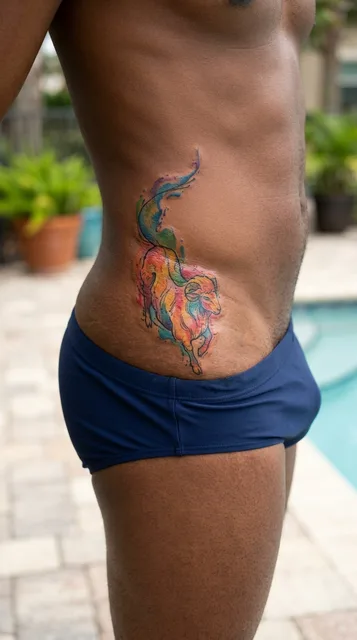
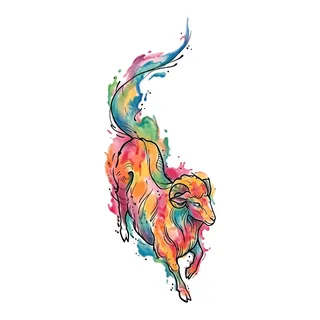
- watercolor · colourTry it on — Color watercolor ram tattoo on a man's hip
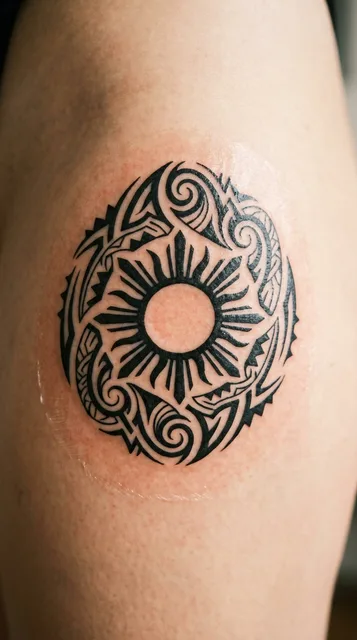
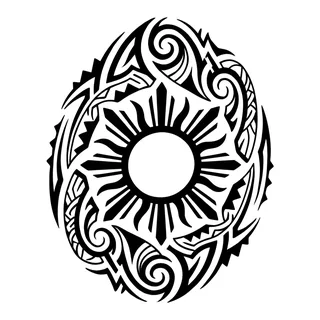
- tribal · black and whiteTry it on — Black and white tribal sun tattoo on a woman's hip
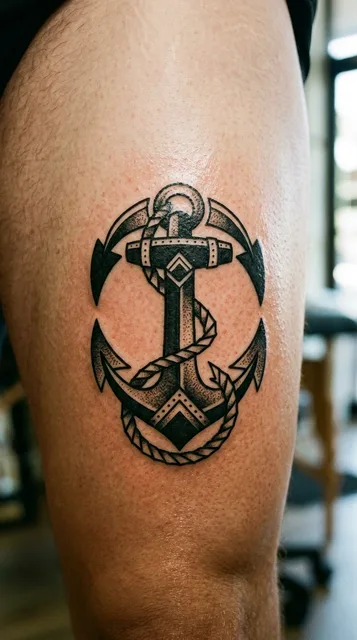
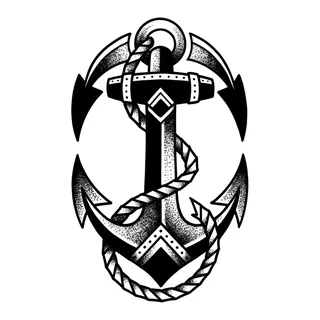
- blackwork · black and whiteTry it on — Black and white blackwork anchor tattoo on a man's hip
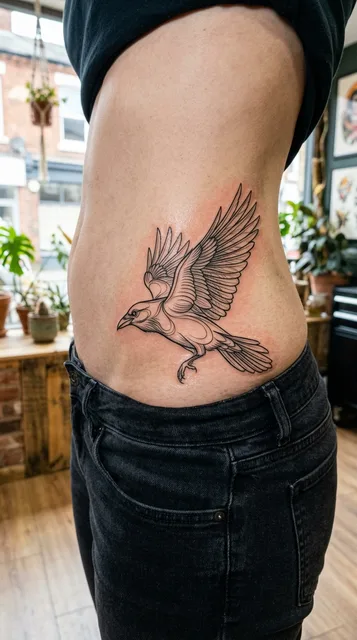
- linework · black and whiteTry it on — Black and white linework raven tattoo on a woman's hip
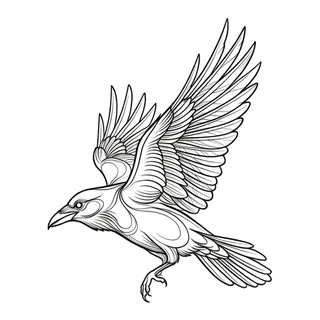
- blackwork · black and whiteTry it on — Black and white blackwork wolf tattoo on a man's hip (2 of 2)
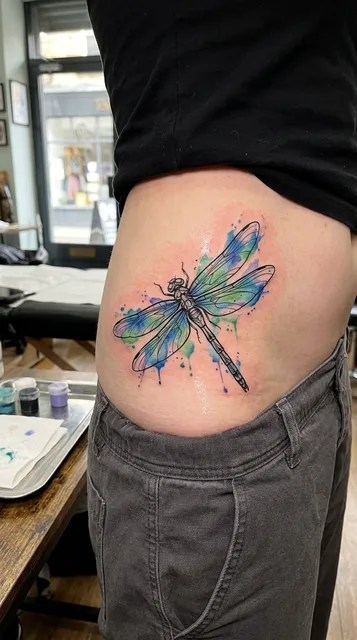
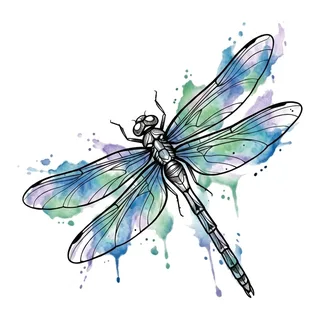
- watercolor · colourTry it on — Color watercolor dragonfly tattoo on a woman's hip
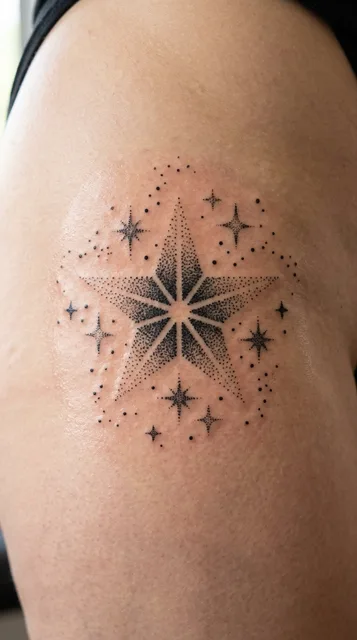
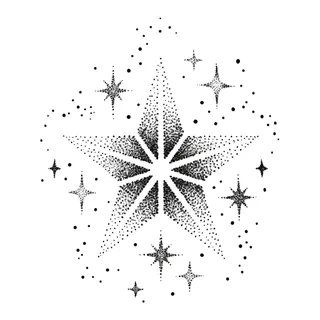
- dotwork · black and greyTry it on — Black and grey dotwork stars tattoo on a woman's hip
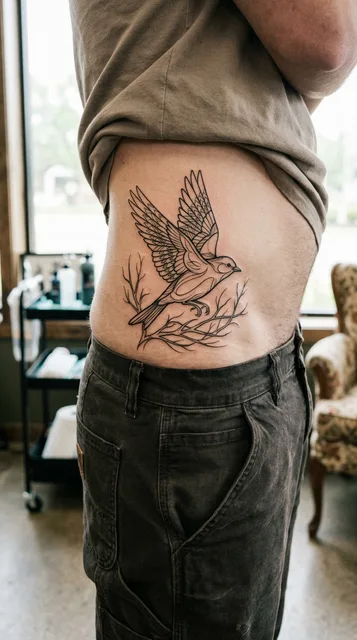
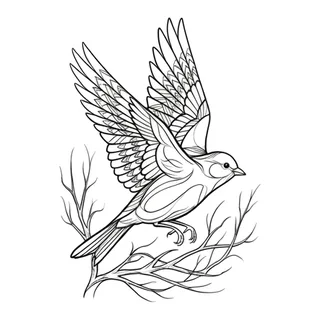
- linework · black and whiteTry it on — Black and white linework bird tattoo on a man's hip
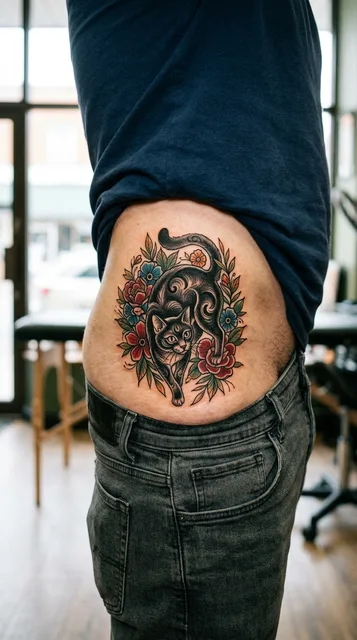
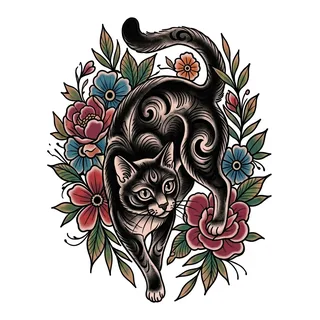
- neo traditional · colourTry it on — Color neo traditional cat tattoo on a man's hip
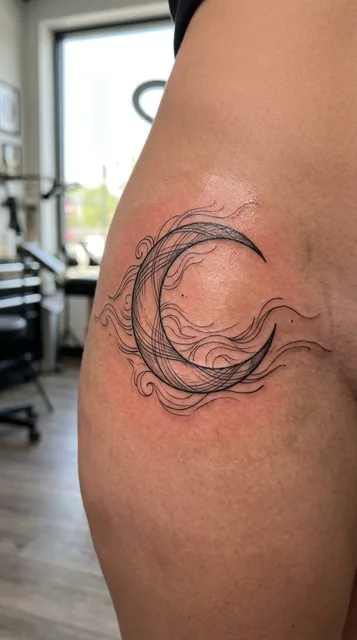
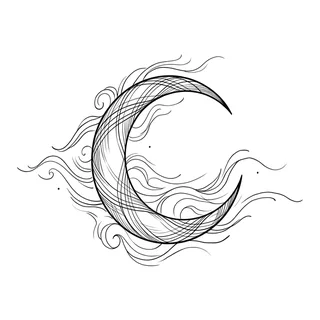
- linework · black and whiteTry it on — Black and white linework moon tattoo on a woman's hip
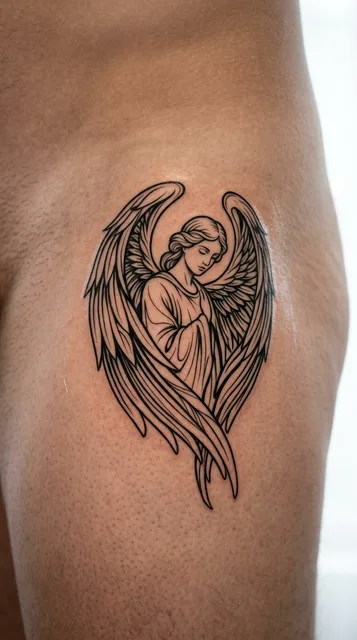
- illustrative · black and greyTry it on — Black and grey illustrative angel tattoo on a man's hip

- ornamental · black and greyTry it on — Black and grey ornamental lily tattoo on a woman's hip
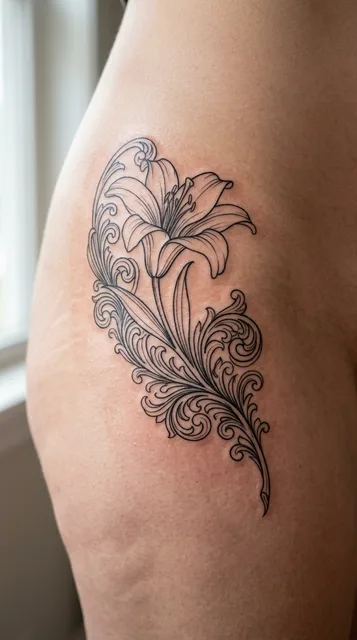
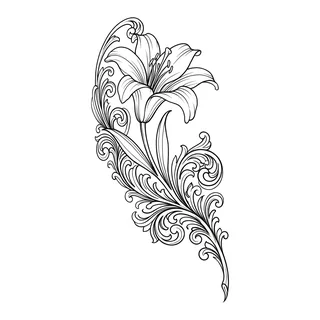


Every pair is one tattoo: the design as it was drawn, and a photograph of that same design on the hip.
These 43 hip tattoos, by the numbers
- Styles represented
- neo traditional (8), blackwork (6), watercolor (6), linework (4), dotwork (3), illustrative (3)
- Black-and-grey vs colour
- 49% black-and-grey, 51% colour
- Shown on
- 24 feminine, 19 masculine presentation
Counted from the 43 tattoos shown on this page. Every design was drawn for InkCraft and photographed on this placement — none are scraped or reposted. Free to reference with a link to this page.
How a hip tattoo wears
What the hip offers is curvature. The surface runs from the waist over the crest of the pelvis and down onto the thigh, turning as it goes, and a design that follows that turn appears to wrap around the body rather than sit on it. Long organic compositions — vines, florals, flowing ornament — are what the placement is genuinely best at.
It is also a transitional area rather than a flat field, which is the flip side. There is no viewpoint from which the whole thing is visible at once, so a hip piece is always seen partially. Designs are usually planned with a primary face and a deliberate wrap, in the same way a forearm piece is, but across a more complex surface.
The pelvic crest is the one hard edge in the area, running as a ridge of bone under the skin. Above and below it the tissue is soft; across it, the surface changes abruptly. Most hip designs either follow that line or cross it at a deliberate angle rather than meeting it square.
Pain and healing
Two distinct zones again. The soft area above the hip and the upper thigh below it are comfortable; the pelvic crest itself is bone under thin skin and is sharp. Because most hip designs cross that ridge somewhere, expect a session with a clear hard section rather than uniform discomfort. Healing is easy apart from clothing — waistbands sit exactly here, and loose trousers for a fortnight are the practical requirement.
The tattoo pain chart ranks the hip against the other twenty-five body parts on this site, and says why. The aftercare guide has a row for healing a hip tattoo specifically: what gets in the way here, and the one thing to do about it.
Choosing a design that suits it
- Choose a design that flows. The hip rewards long organic compositions and defeats anything that needs to read as a straight line.
- Plan the wrap. There is no angle from which the whole placement is visible, so the design needs a primary face and a deliberate resolution around the curve.
- Decide how the composition meets the pelvic crest — following it or crossing it at an angle both work; meeting it square rarely does.
- If it might continue onto the thigh later, say so now — hip and thigh join naturally and the transition is much easier to plan than to retrofit.
Size, cost and who sees it
How big, and what it costs
Commonly a single session for a defined piece, or two if it flows onto the thigh. The curvature means more stencil work than a flat placement — expect the artist to spend real time on positioning, and take it as a good sign.
Who will see it
Very private. Covered by all normal clothing and revealed only by swimwear or by choice, which places it alongside the stomach and ribs as somewhere people choose specifically because it is theirs.
What to ask your artist
- How does this design wrap, and which part is the face of it?
- Where does it meet the hip bone, and how does it handle that ridge?
- Could this continue onto the thigh later?
- Where will my waistband sit relative to this while it heals?
Prices vary widely by city and artist — treat these as session lengths rather than quotes, and expect a shop minimum on anything small. The cost guide puts the hip in a table with the other twenty-five placements.
Common questions
Does a hip tattoo hurt?
The soft areas above and below are comfortable; the pelvic crest is bone under thin skin and is genuinely sharp. Most designs cross it somewhere, so expect a session with an obvious hard section.
Why do flowing designs suit hips?
Because the surface curves in several directions at once. A design with flow follows that and appears to wrap the body; one that depends on straight lines or fixed proportions fights it and looks distorted from most angles.
Can a hip piece extend onto the thigh?
Easily, and it is a common progression — the two areas join without an awkward transition. Mention it before the first session so the composition is planned to continue rather than adapted later.
See it on your own hip
InkCraft places a design on a photo of you — scaled, wrapped and shaded to the placement you pick, so you can judge it before it is permanent.