 InkCraft
Rib Tattoo Ideas, Designs and Placement Guide
40 ribs tattoos photographed on skin for InkCraftBy Uladzimir TumanauUpdated

Opens in your browser. No signup. Or tap any design below.
Ribs give you a tall, private canvas and ask more of you than anywhere else on the body. Almost everyone who has one describes the session before they describe the design.
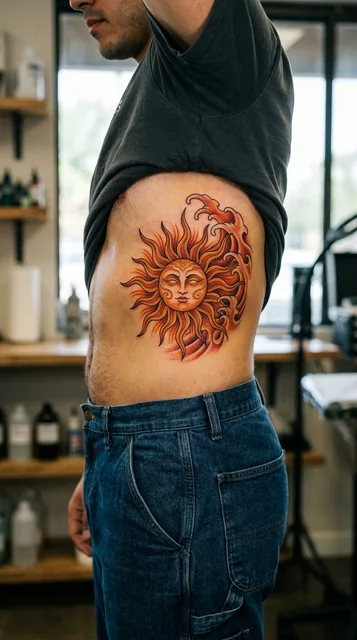
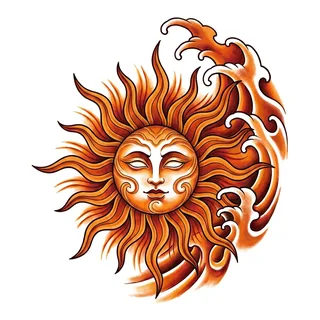
- Japanese · colourTry it on — Color Japanese sun tattoo on a man's ribs
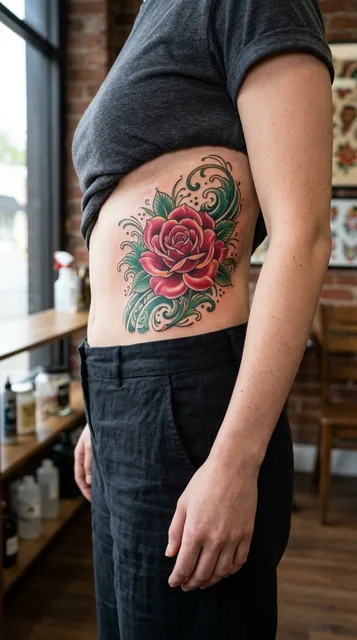
- Japanese · colourTry it on — Color Japanese rose tattoo on a woman's ribs
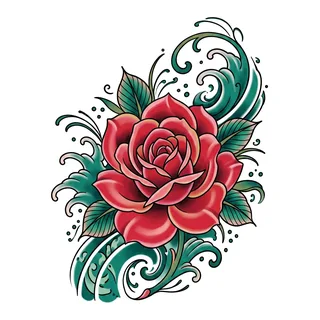
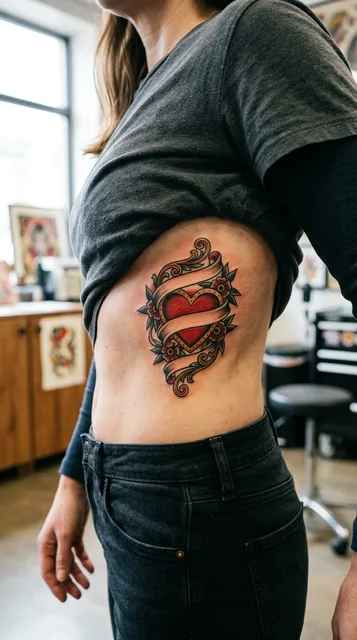
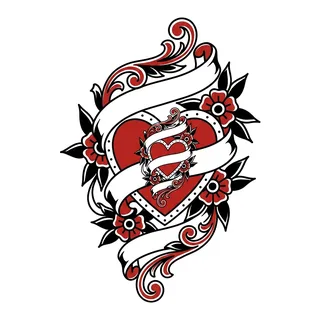
- traditional · colourTry it on — Color traditional heart tattoo on a woman's ribs
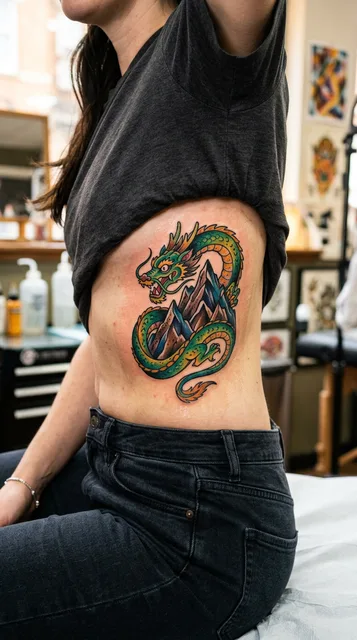
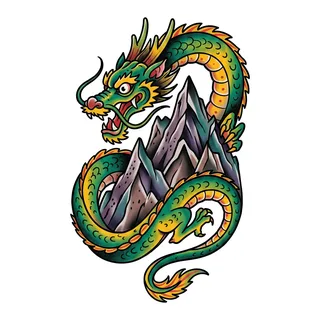
- new school · colourTry it on — Color new school dragon tattoo on a woman's ribs
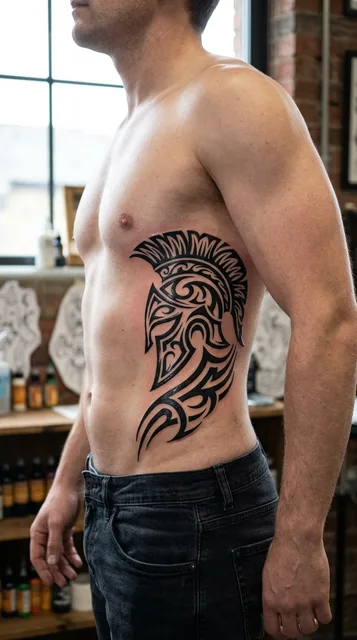
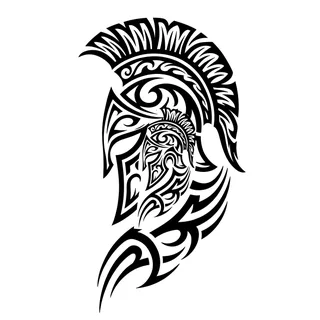
- tribal · black and whiteTry it on — Black and white tribal spartan helmet tattoo on a man's ribs
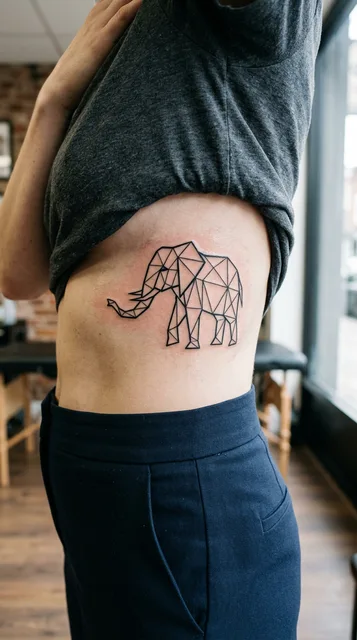
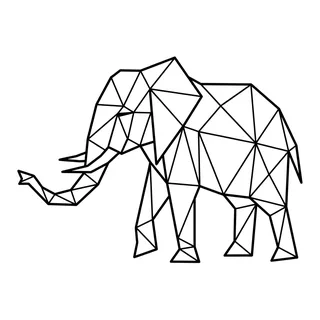
- geometric · black and whiteTry it on — Black and white geometric elephant tattoo on a woman's ribs
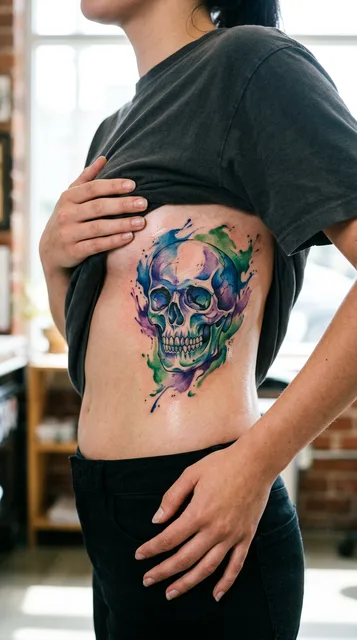
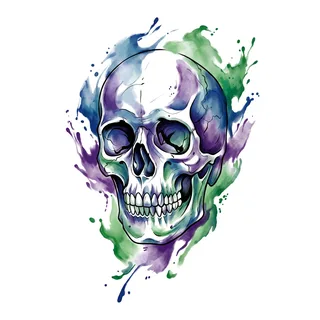
- watercolor · colourTry it on — Color watercolor skull tattoo on a woman's ribs
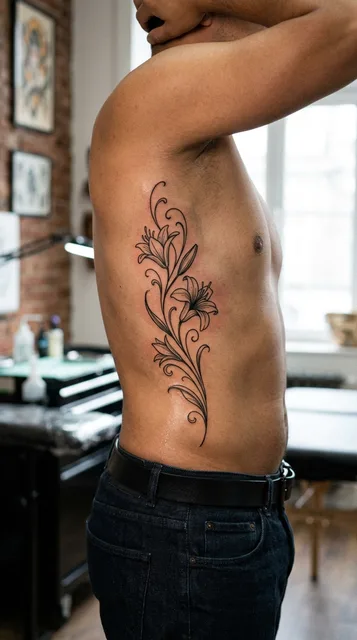
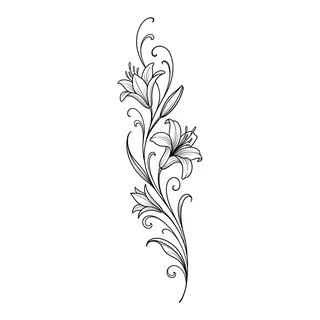
- fine line · black and whiteTry it on — Black and white fine line lily tattoo on a man's ribs
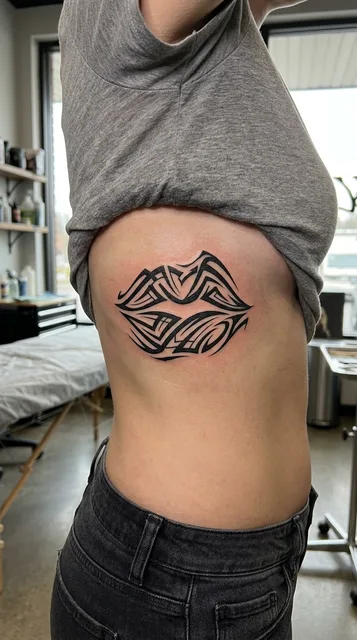
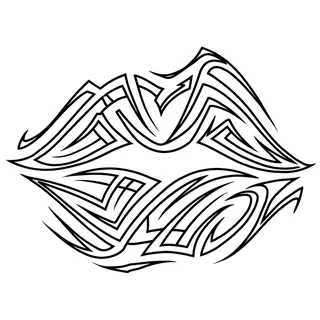
- tribal · black and whiteTry it on — Black and white tribal lips tattoo on a woman's ribs
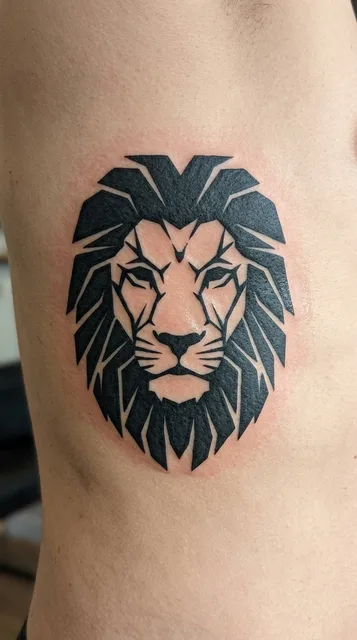
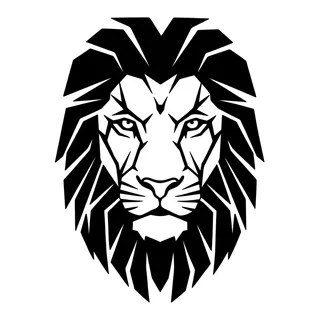
- blackwork · black and whiteTry it on — Black and white blackwork lion tattoo on a woman's ribs
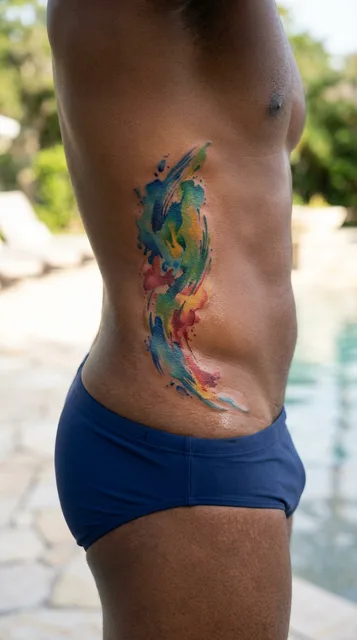
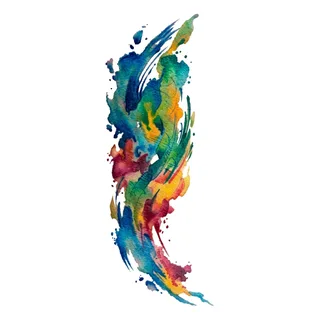
- watercolor · colourTry it on — Color watercolor abstract tattoo on a man's ribs
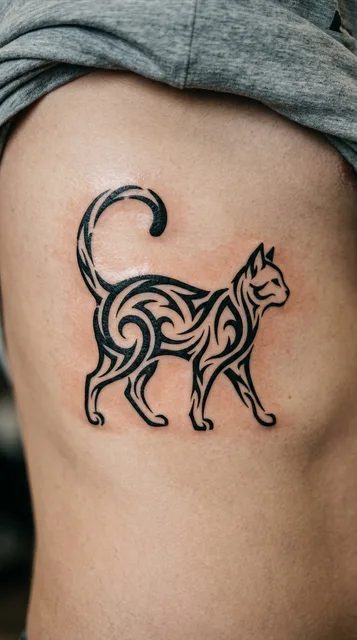
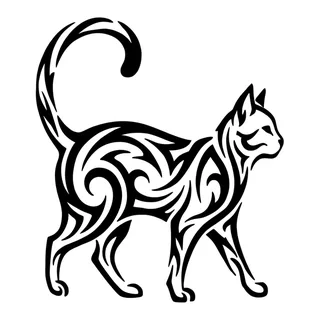
- tribal · black and whiteTry it on — Black and white tribal cat tattoo on a man's ribs
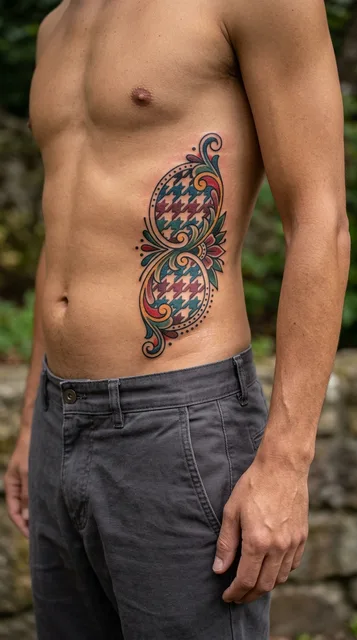
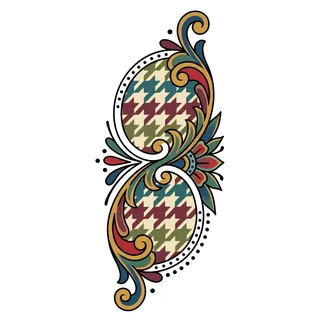
- ornamental · colourTry it on — Color ornamental abstract tattoo on a man's ribs
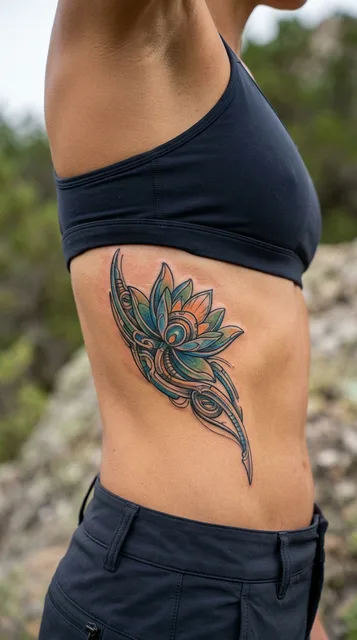
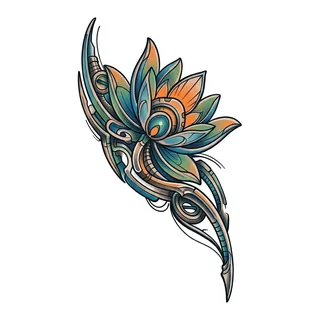
- ornamental · colourTry it on — Color ornamental lotus tattoo on a woman's ribs
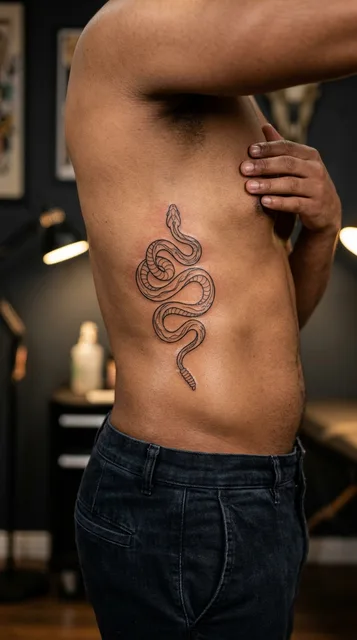
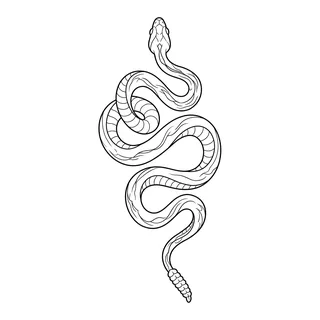
- linework · black and whiteTry it on — Black and white linework snake tattoo on a man's ribs
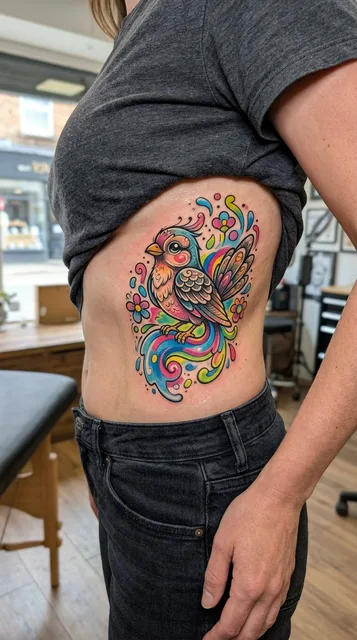
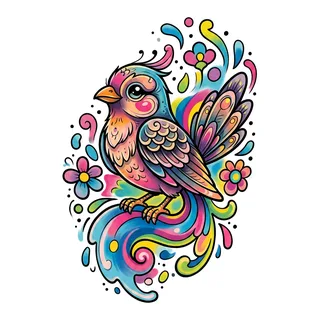
- new school · colourTry it on — Color new school bird tattoo on a woman's ribs
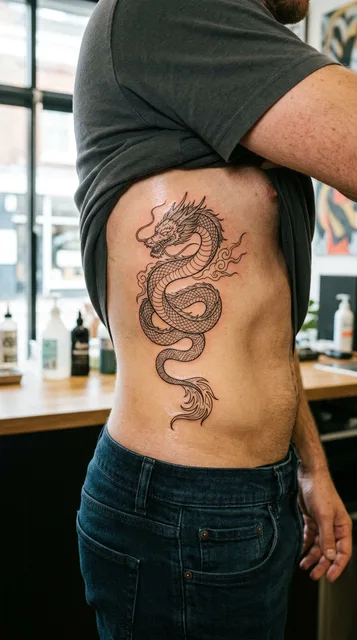
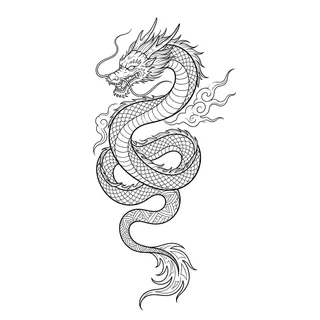
- fine line · black and whiteTry it on — Black and white fine line dragon tattoo on a man's ribs
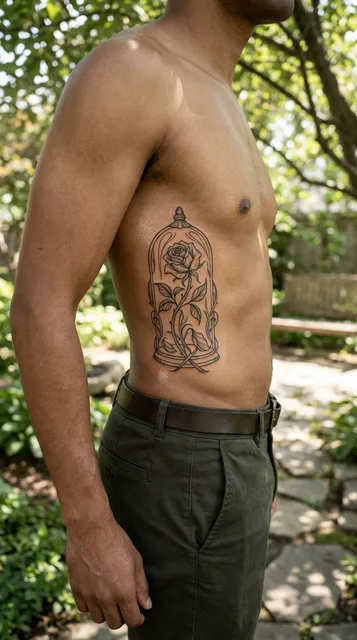
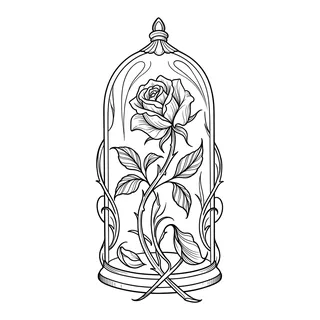
- linework · black and whiteTry it on — Black and white linework rose tattoo on a man's ribs (1 of 2)
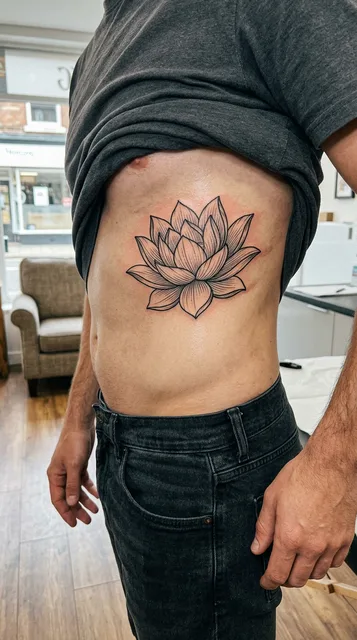
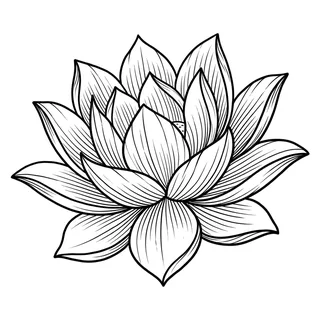
- linework · black and whiteTry it on — Black and white linework lotus tattoo on a man's ribs
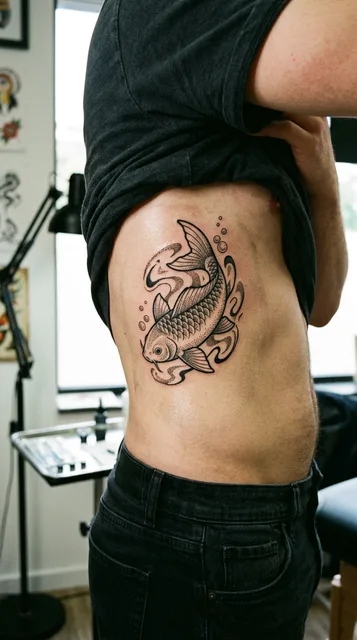
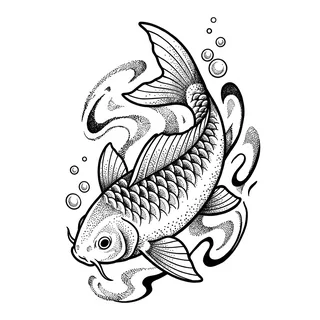
- dotwork · black and greyTry it on — Black and grey dotwork koi fish tattoo on a man's ribs
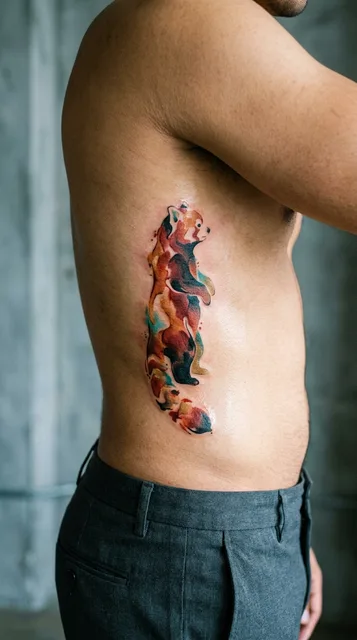
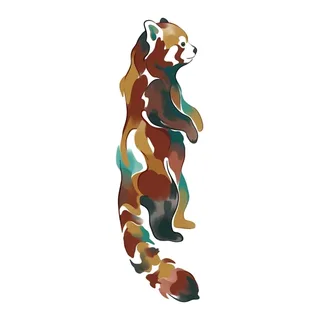
- watercolor · colourTry it on — Color watercolor red panda tattoo on a man's ribs
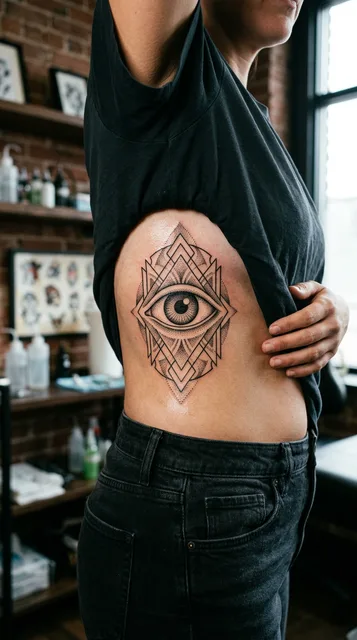
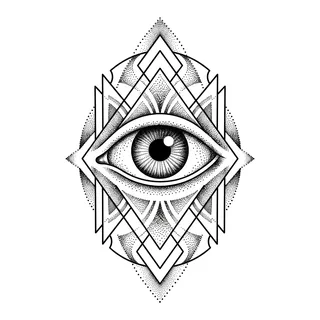
- dotwork · black and greyTry it on — Black and grey dotwork eye tattoo on a woman's ribs
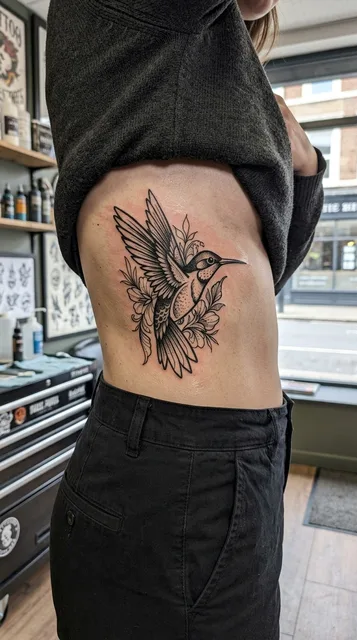
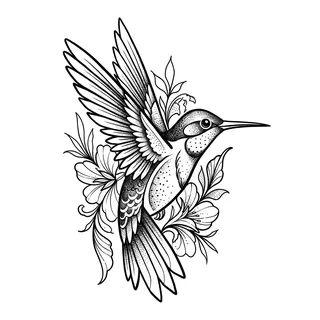
- blackwork · black and whiteTry it on — Black and white blackwork hummingbird tattoo on a woman's ribs
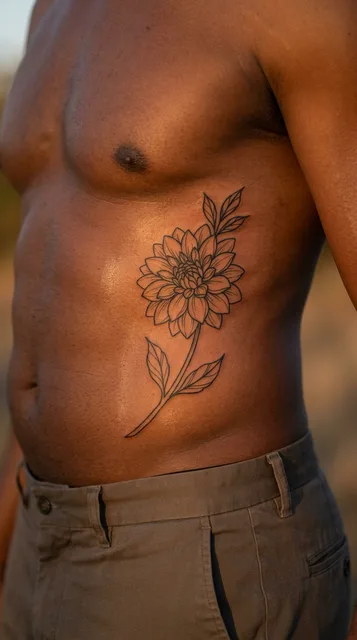
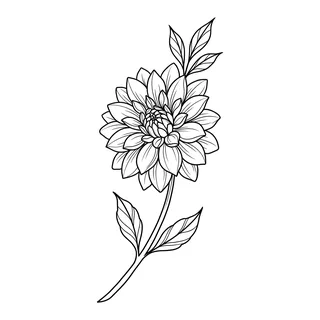
- linework · black and whiteTry it on — Black and white linework dahlia tattoo on a man's ribs
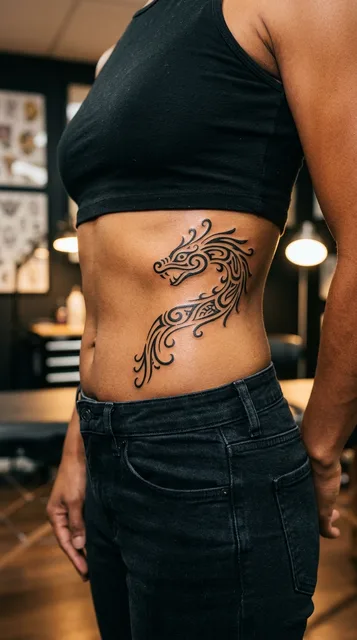
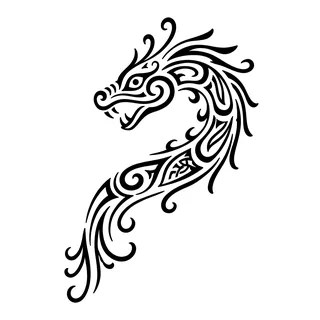
- tribal · black and whiteTry it on — Black and white tribal dragon tattoo on a woman's ribs
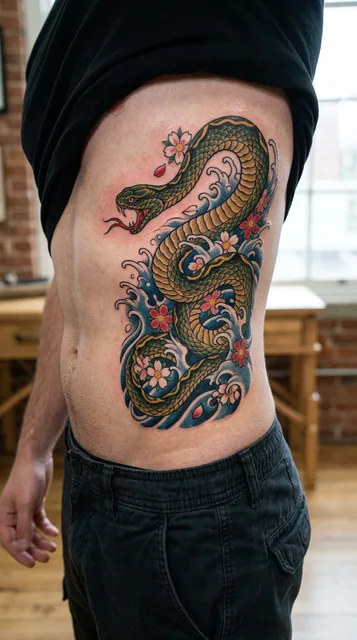
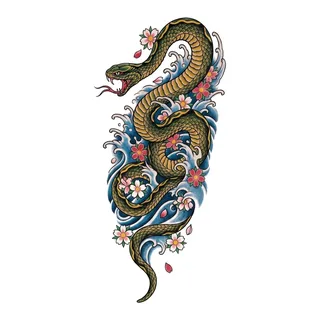
- Japanese · colourTry it on — Color Japanese snake tattoo on a man's ribs
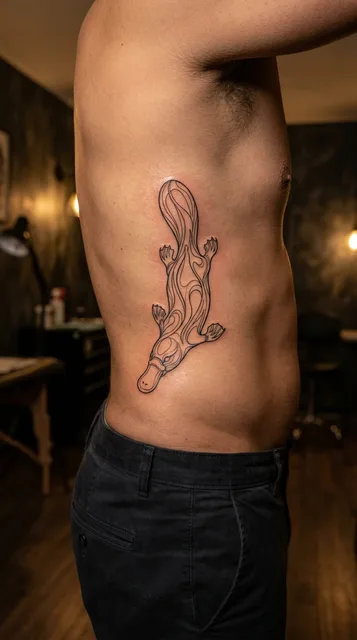
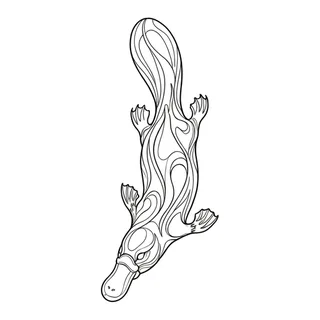
- linework · black and whiteTry it on — Black and white linework platypus tattoo on a man's ribs
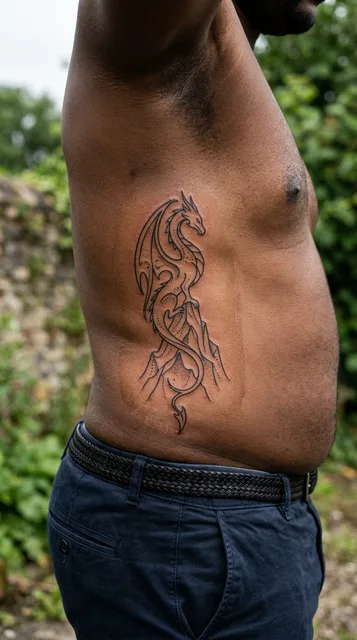
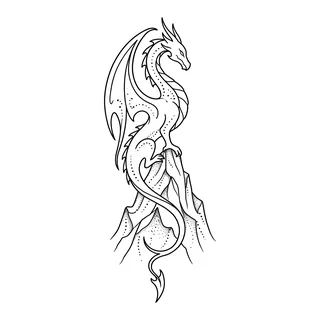
- linework · black and whiteTry it on — Black and white linework dragon tattoo on a man's ribs
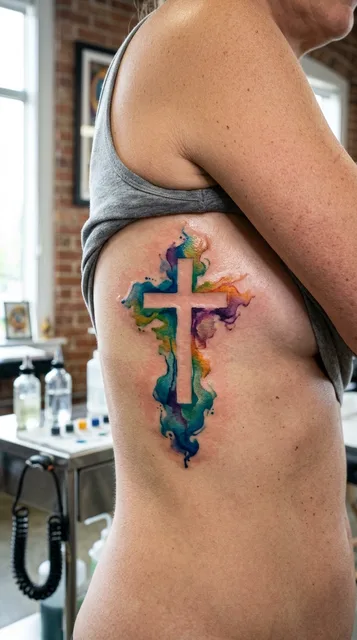
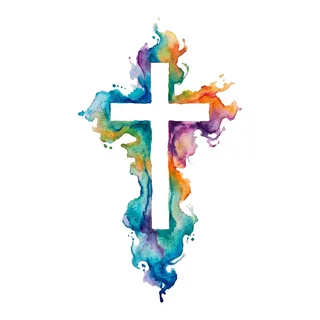
- watercolor · colourTry it on — Color watercolor cross tattoo on a woman's ribs
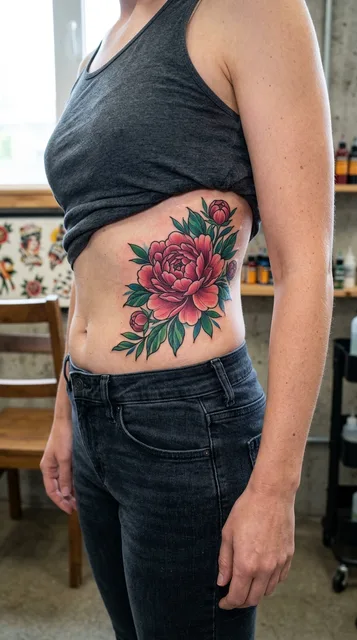
- illustrative · colourTry it on — Color illustrative peony tattoo on a woman's ribs
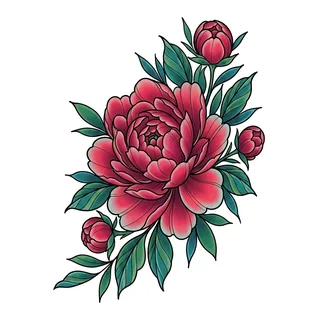
- Japanese · colourTry it on — Color Japanese peony tattoo on a woman's ribs
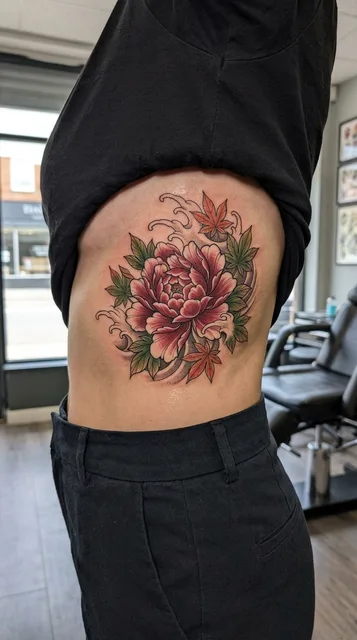
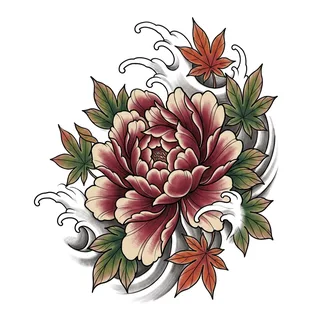
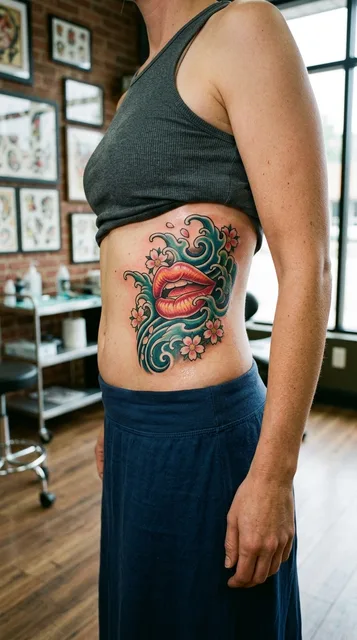
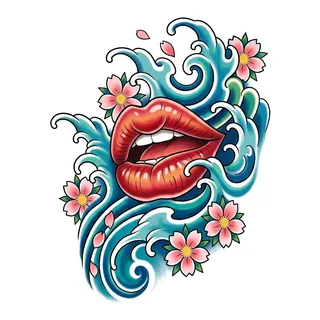
- Japanese · colourTry it on — Color Japanese lips tattoo on a woman's ribs
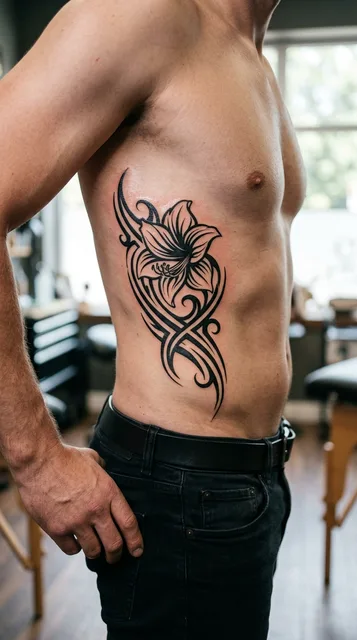
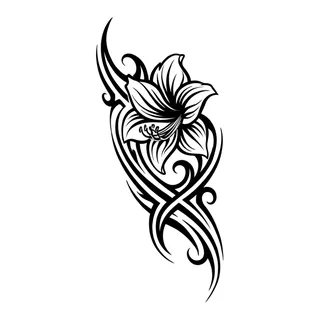
- tribal · black and whiteTry it on — Black and white tribal lily tattoo on a man's ribs
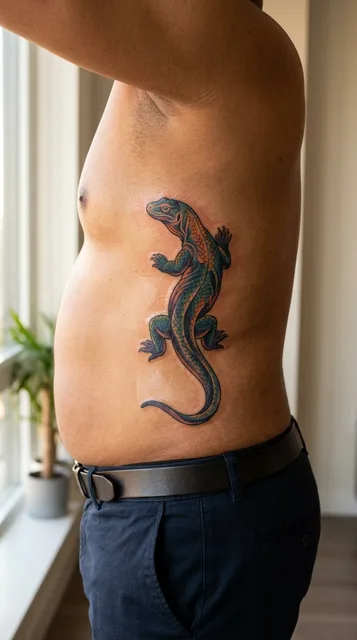
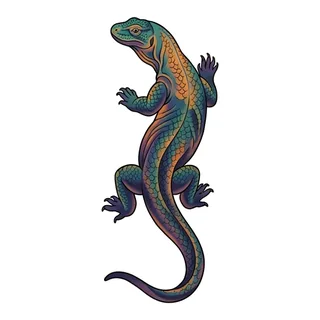
- illustrative · colourTry it on — Color illustrative lizard tattoo on a man's ribs
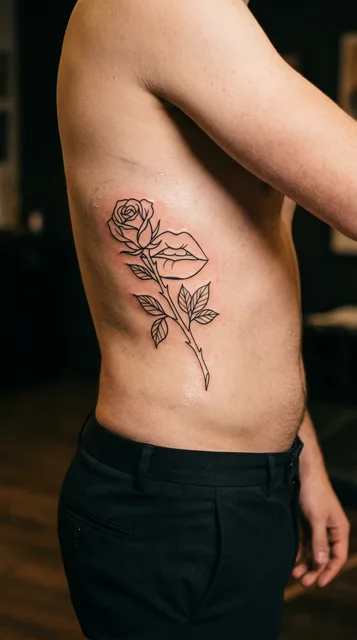
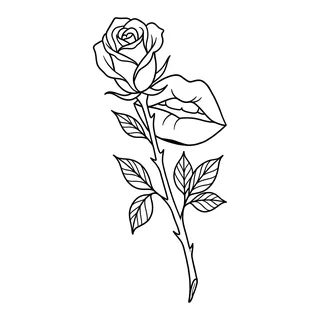
- linework · black and whiteTry it on — Black and white linework rose tattoo on a man's ribs (2 of 2)
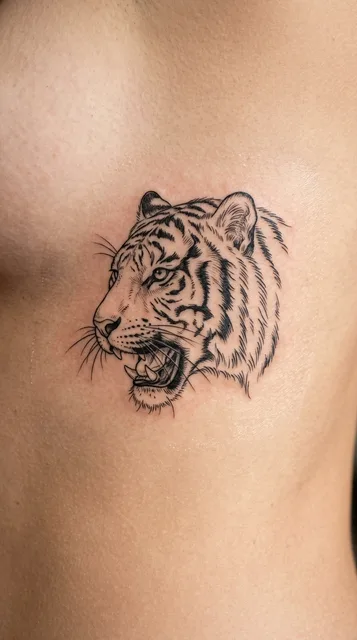
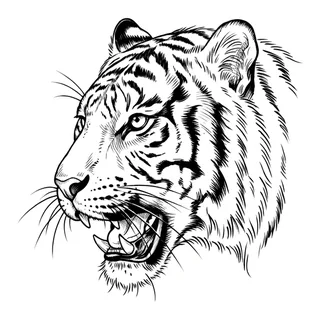
- fine line · black and whiteTry it on — Black and white fine line tiger tattoo on a woman's ribs
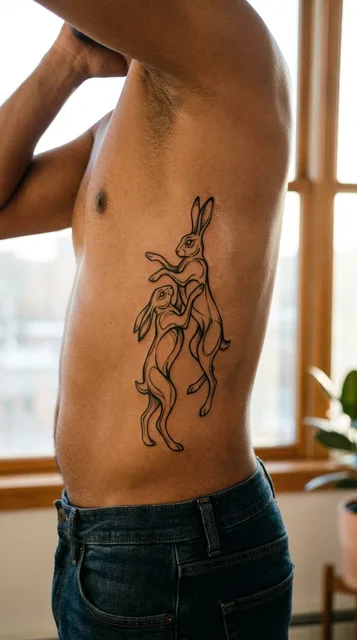
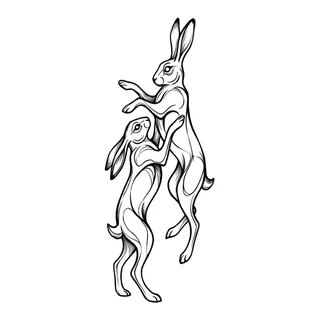
- illustrative · black and greyTry it on — Black and grey illustrative rabbit tattoo on a man's ribs
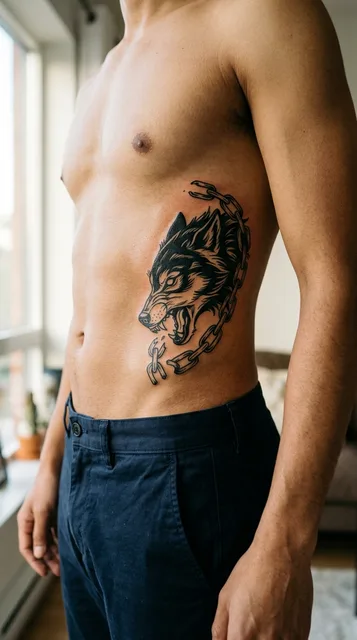
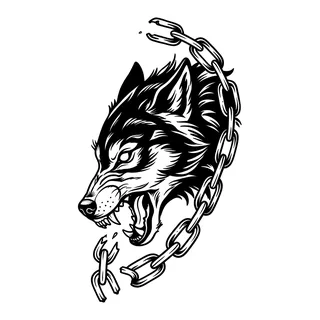
- blackwork · black and whiteTry it on — Black and white blackwork wolf tattoo on a man's ribs
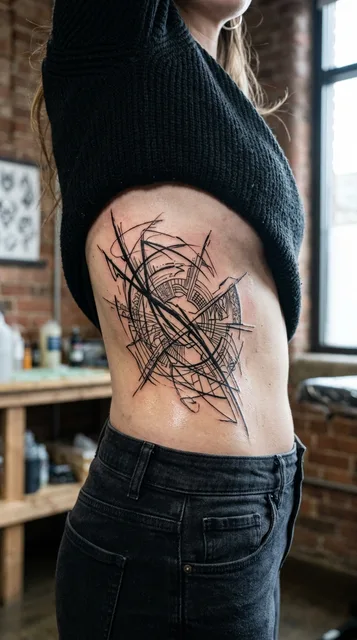
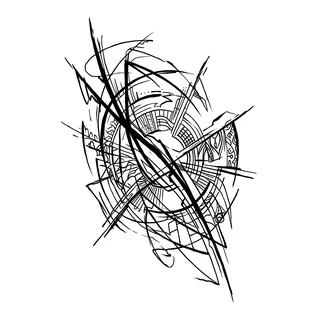
- linework · black and whiteTry it on — Black and white linework abstract tattoo on a woman's ribs
- ornamental · black and greyTry it on — Black and grey ornamental horse tattoo on a man's ribs
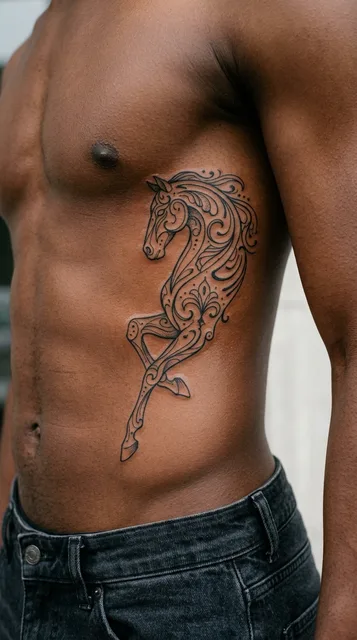
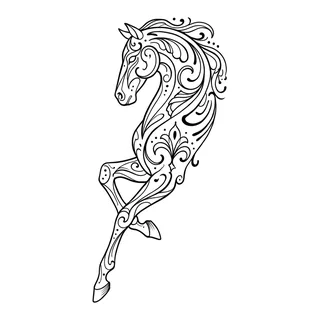


Every pair is one tattoo: the design as it was drawn, and a photograph of that same design on the ribs.
These 40 ribs tattoos, by the numbers
- Styles represented
- linework (8), japanese (5), tribal (5), watercolor (4), blackwork (3), fine line (3)
- Black-and-grey vs colour
- 60% black-and-grey, 40% colour
- Shown on
- 18 feminine, 22 masculine presentation
Counted from the 40 tattoos shown on this page. Every design was drawn for InkCraft and photographed on this placement — none are scraped or reposted. Free to reference with a link to this page.
How a ribs tattoo wears
The side of the torso is a large surface that few people think of until they want something substantial and hidden. It runs from under the arm down to the hip, tall enough for vertical compositions that would not fit elsewhere, and it curves gently around the body so a design has a natural front and a natural wrap.
Underneath is the reason for the placement's reputation: the ribs themselves, directly under thin skin with almost no fat between, and the intercostal muscles strung between them. The bones create a subtle washboard the needle passes over, and the whole cage moves with every breath. Neither ruins a design — healed rib tattoos sit well and hold up over time — but both shape the session. The lower edge, where the costal margin flares out toward the floating ribs, is where most people find it hardest.
Breathing is the practical constant. The surface rises and falls continuously, so artists work in shorter passes here and the stencil is placed with the ribcage neutral rather than at full inhale — a design lined up on a held breath sits crooked the moment you let it go. Designs built from flowing organic forms tolerate that movement better than rigid geometry does, which is much of why botanical and ornamental work dominates the placement.
Pain and healing
This is, for most people, the hardest placement on the body. Thin skin, bone immediately beneath, a large area to cover, and the complication that you cannot hold still because you have to breathe. Sessions here are usually shorter than the design would justify elsewhere, and splitting the work is normal rather than a concession. Healing itself is unremarkable, though the area is rubbed by clothing and by arms at rest more than people expect.
The tattoo pain chart ranks the ribs against the other twenty-five body parts on this site, and says why. The aftercare guide has a row for healing a ribs tattoo specifically: what gets in the way here, and the one thing to do about it.
Choosing a design that suits it
- Use the height. The run from the armpit down to the hip bone is one of the longest uninterrupted vertical fields on the body, which is much of the reason to accept the difficulty.
- Favour flowing, organic forms over rigid geometry — the surface moves with every breath and curves around the body.
- Plan to split the work. Booking one long rib session is optimistic; two shorter ones is the norm.
- Consider what will rub it. Arms rest against this area constantly and clothing crosses it all day.
Size, cost and who sees it
How big, and what it costs
Priced by the hour like anything else, but expect more sessions for the same area than you would need on a thigh. That is a comfort constraint, not a technical one — and the honest way to budget it is by total hours rather than by visits.
Who will see it
Among the most private placements available. Covered by every shirt, revealed only by swimwear or deliberately. People choosing ribs are usually choosing privacy as much as canvas.
What to ask your artist
- How would you split this across sessions?
- How much of the design wraps around the side, and where does it stop?
- Does this composition tolerate the movement from breathing?
- How do you handle breaks during a rib session?
Prices vary widely by city and artist — treat these as session lengths rather than quotes, and expect a shop minimum on anything small. The cost guide puts the ribs in a table with the other twenty-five placements.
Common questions
Are ribs really the most painful placement?
For most people, yes or close to it. Thin skin over bone, a large area, and the fact that you cannot stop breathing all compound. It is manageable in shorter sessions, which is how it is normally done.
How many sessions will a rib piece take?
More than the same area elsewhere. Two shorter sittings is typical for a piece a thigh would take in one — driven entirely by comfort rather than by the work involved.
Does breathing affect the tattoo?
It affects the tattooing rather than the tattoo. Artists work in shorter passes and place the stencil with the ribcage neutral. A healed rib piece sits normally.
See it on your own ribs
InkCraft places a design on a photo of you — scaled, wrapped and shaded to the placement you pick, so you can judge it before it is permanent.