 InkCraft
Neck Tattoo Ideas, Designs and Placement Guide
40 neck tattoos photographed on skin for InkCraftBy Uladzimir TumanauUpdated

Opens in your browser. No signup. Or tap any design below.
Before it is a decision about art, this is a decision about how you want to be seen. The designs below are shown on skin so you can judge the placement rather than just the drawing.
- geometric · colourTry it on — Color geometric magpie tattoo on a woman's neck
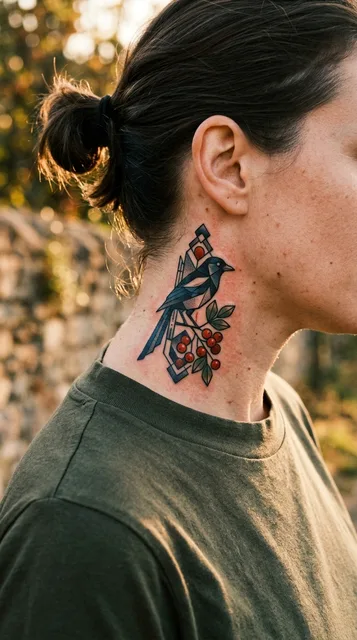
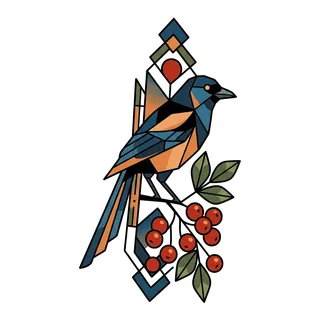
- dotwork · black and greyTry it on — Black and grey dotwork rose tattoo on a man's neck
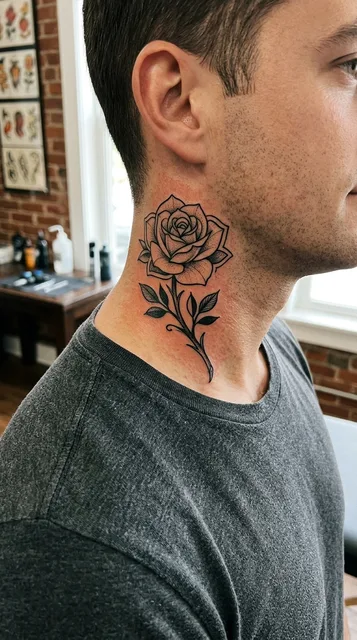
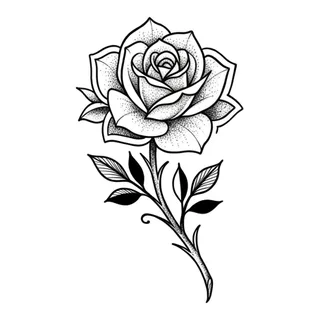
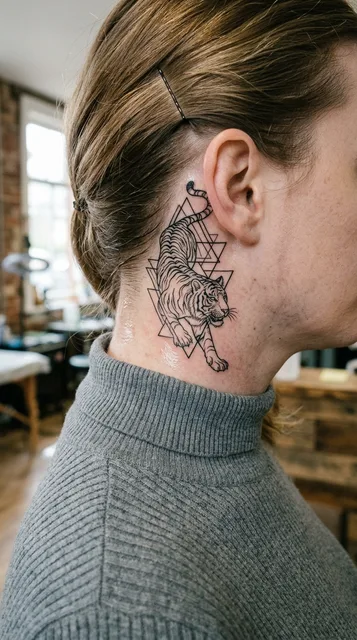
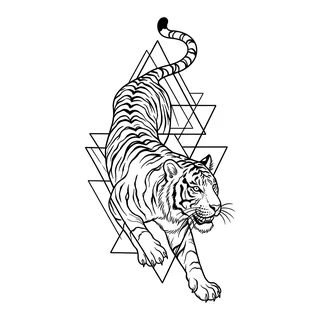
- linework · black and whiteTry it on — Black and white linework tiger tattoo on a woman's neck
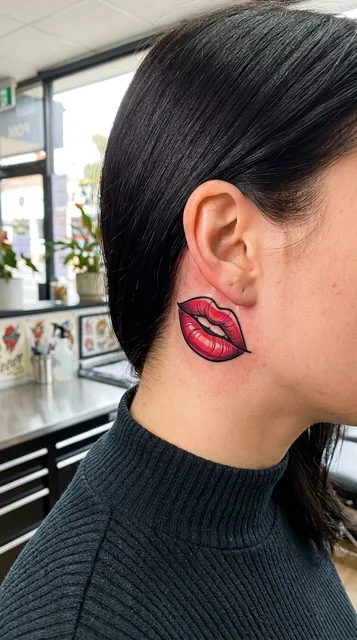
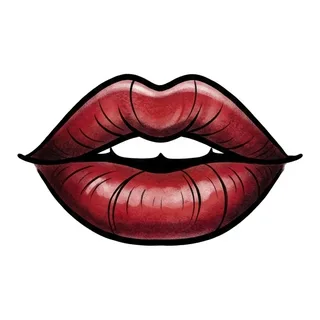
- neo traditional · colourTry it on — Color neo traditional lips tattoo on a woman's neck
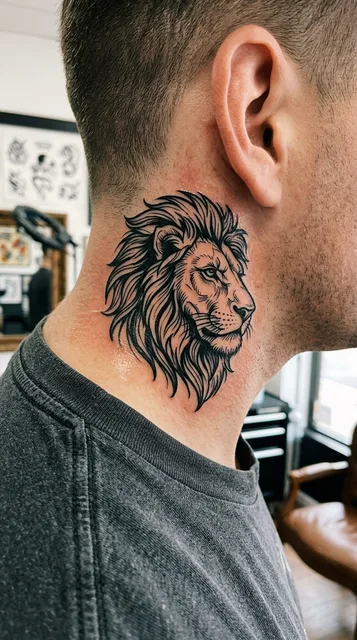
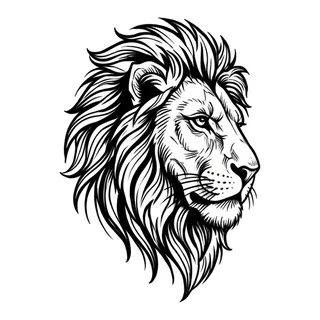
- blackwork · black and whiteTry it on — Black and white blackwork lion tattoo on a man's neck
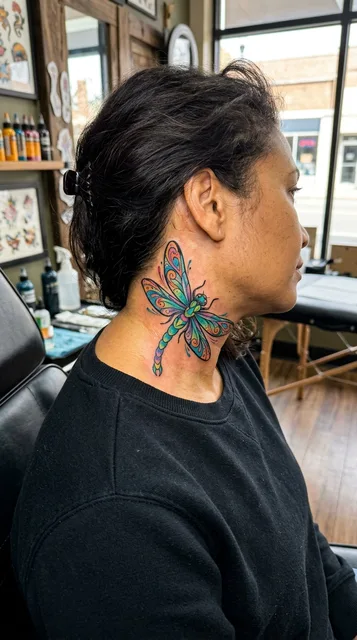
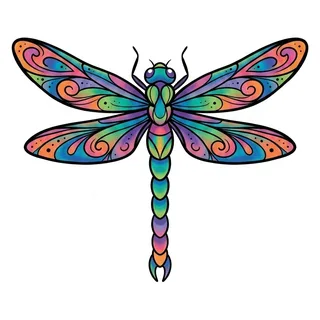
- new school · colourTry it on — Color new school dragonfly tattoo on a woman's neck
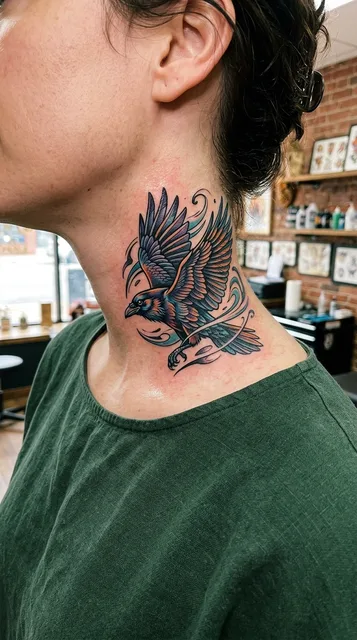
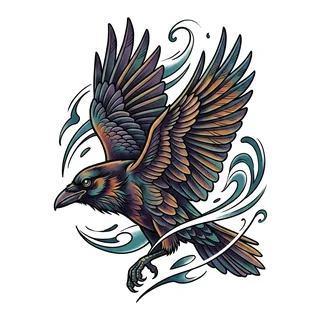
- illustrative · colourTry it on — Color illustrative raven tattoo on a woman's neck
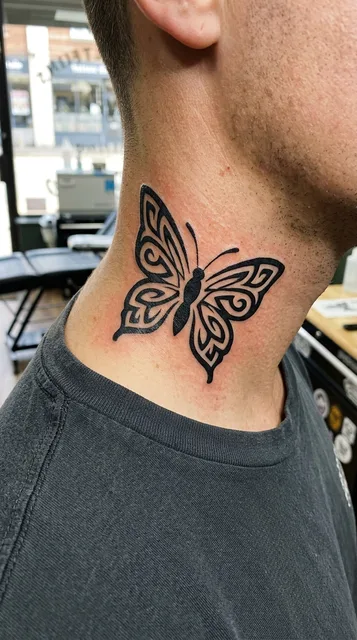
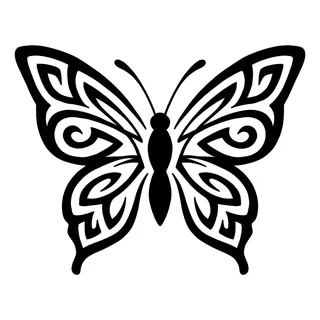
- tribal · black and whiteTry it on — Black and white tribal butterfly tattoo on a man's neck
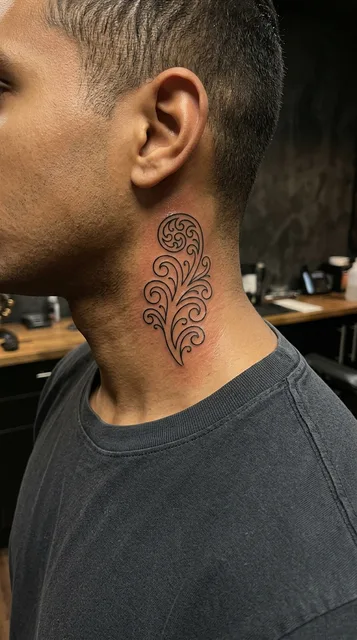
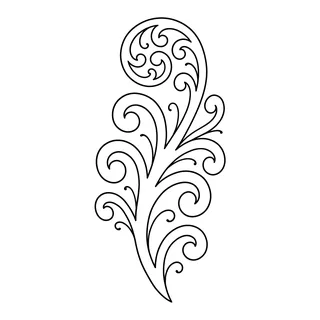
- ornamental · black and greyTry it on — Black and grey ornamental abstract tattoo on a man's neck
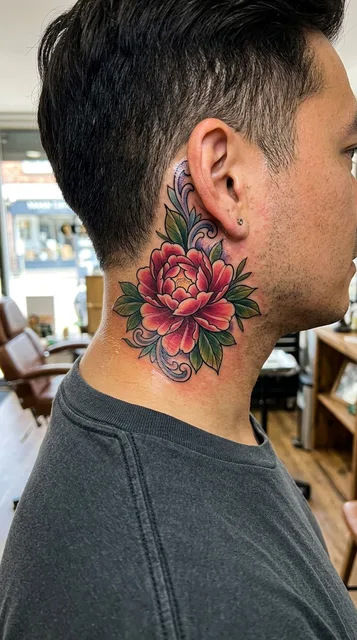
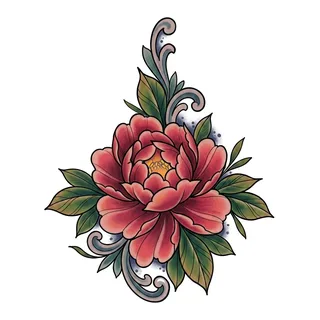
- neo traditional · colourTry it on — Color neo traditional peony tattoo on a man's neck
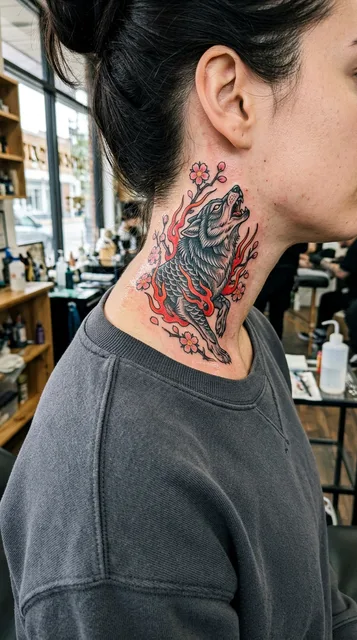
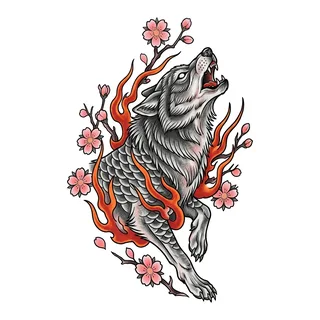
- Japanese · colourTry it on — Color Japanese wolf tattoo on a woman's neck
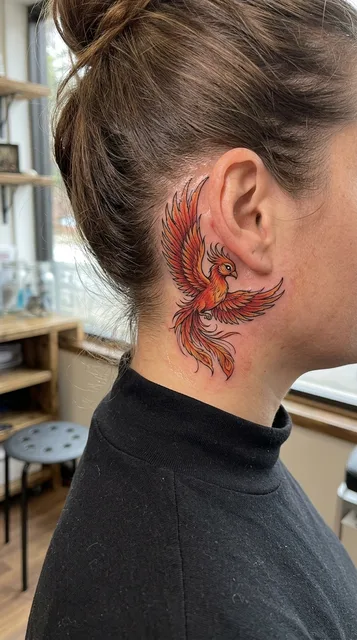
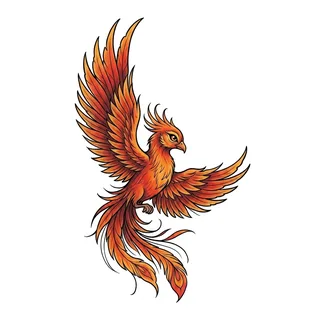
- illustrative · colourTry it on — Color illustrative phoenix tattoo on a woman's neck
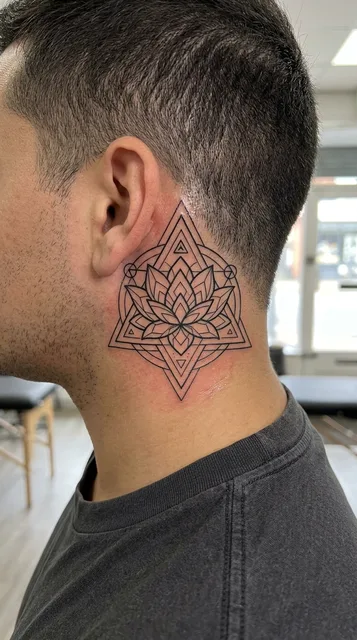
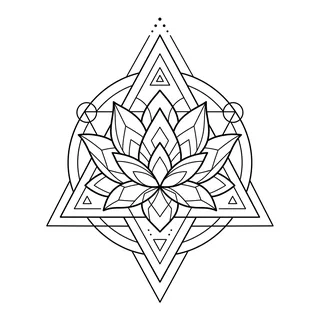
- geometric · black and whiteTry it on — Black and white geometric lotus tattoo on a man's neck
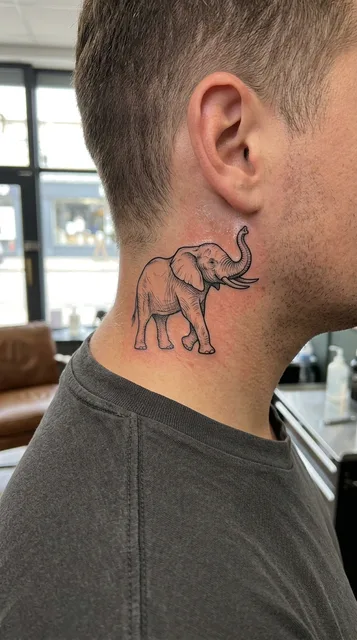
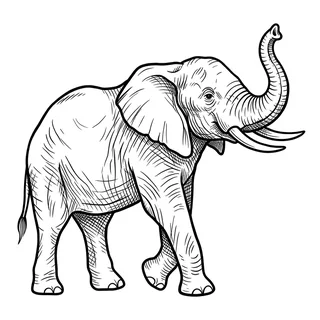
- illustrative · black and greyTry it on — Black and grey illustrative elephant tattoo on a man's neck
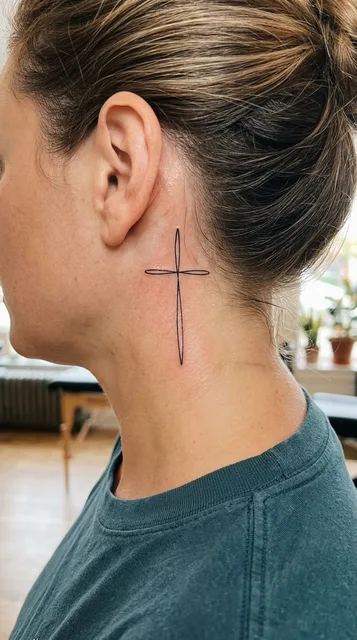
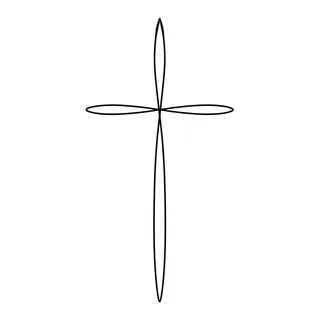
- fine line · black and whiteTry it on — Black and white fine line cross tattoo on a woman's neck
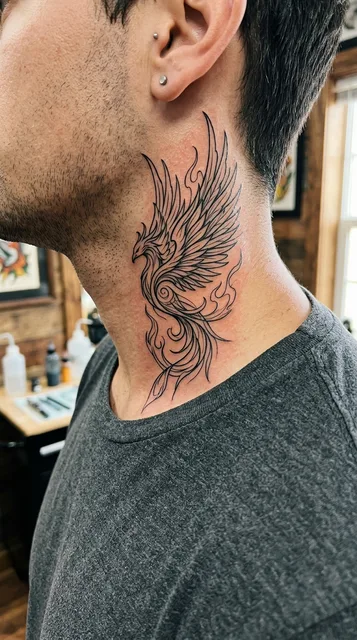
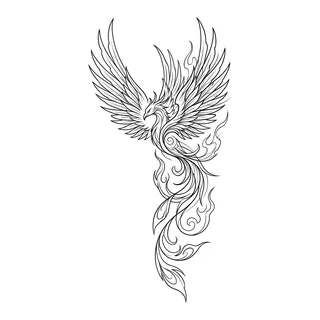
- linework · black and whiteTry it on — Black and white linework phoenix tattoo on a man's neck
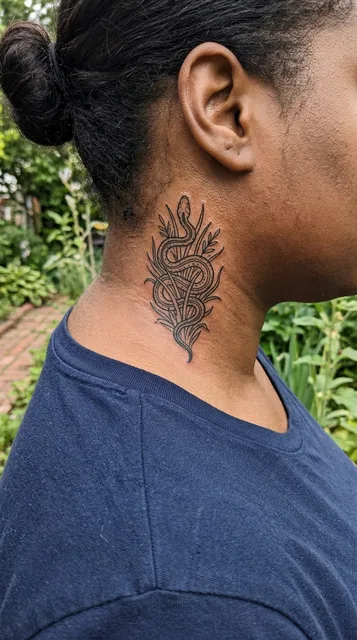
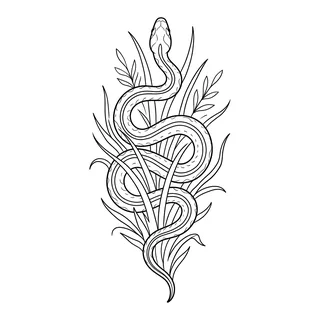
- linework · black and whiteTry it on — Black and white linework snake tattoo on a woman's neck
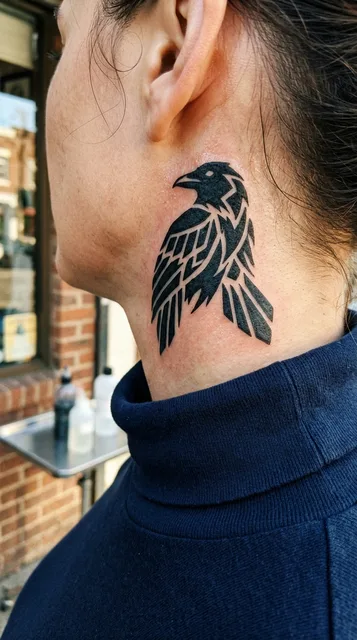
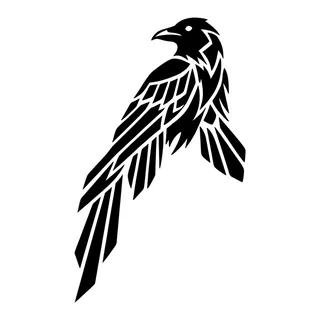
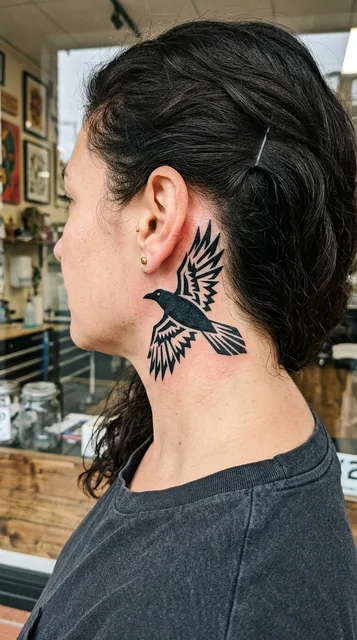
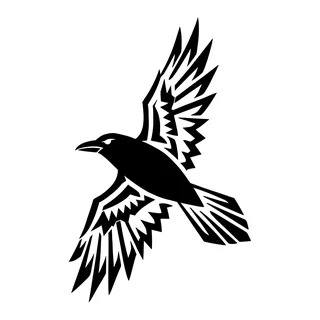
- blackwork · black and whiteTry it on — Black and white blackwork raven tattoo on a woman's neck
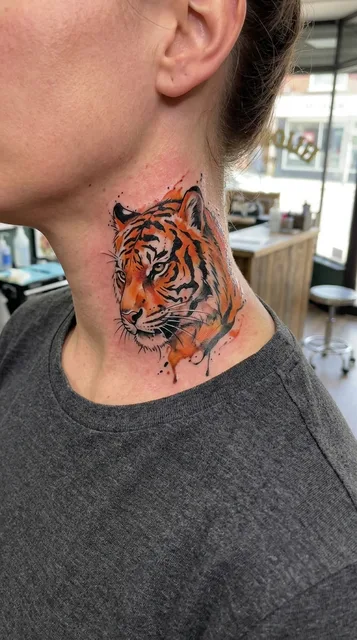
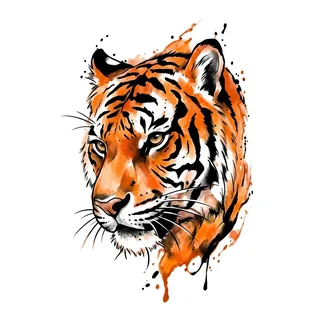
- watercolor · colourTry it on — Color watercolor tiger tattoo on a woman's neck
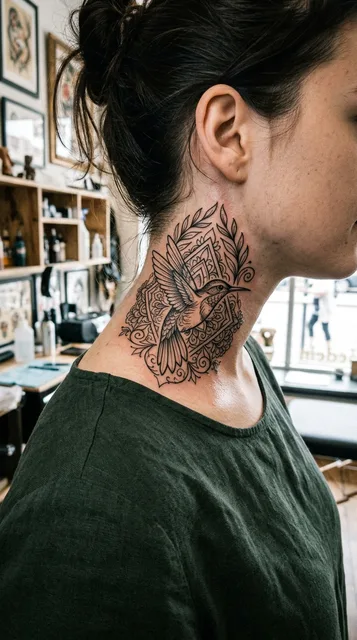
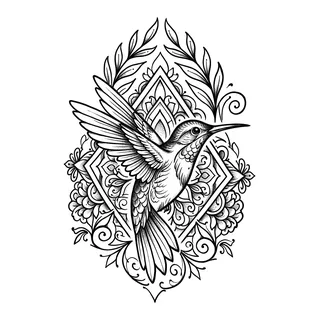
- ornamental · black and greyTry it on — Black and grey ornamental hummingbird tattoo on a woman's neck
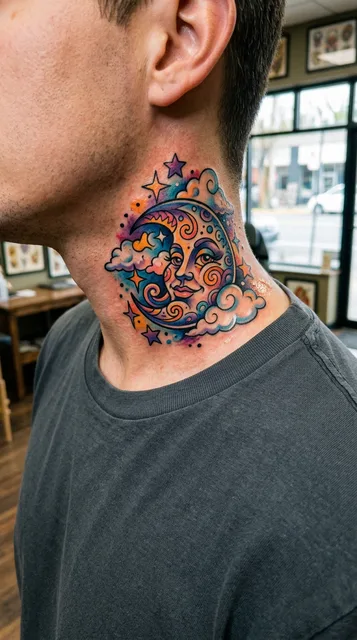
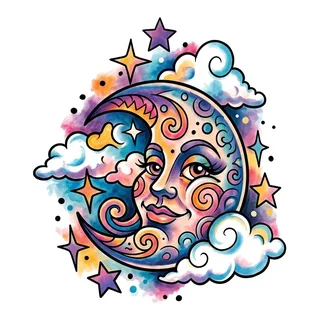
- new school · colourTry it on — Color new school moon tattoo on a man's neck
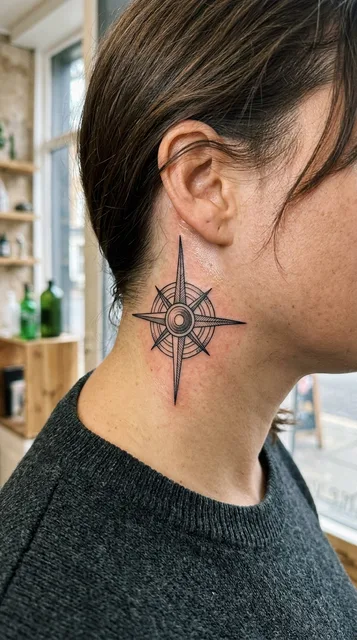
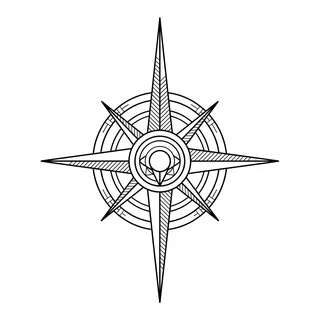
- linework · black and whiteTry it on — Black and white linework compass tattoo on a woman's neck
- fine line · black and whiteTry it on — Black and white fine line elephant tattoo on a woman's neck
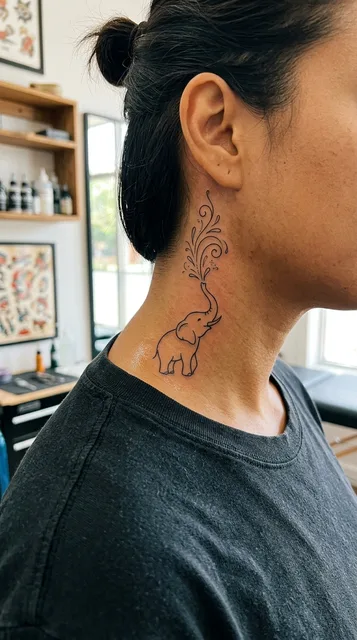
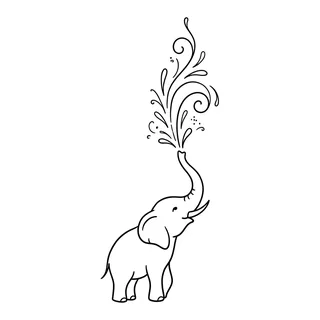
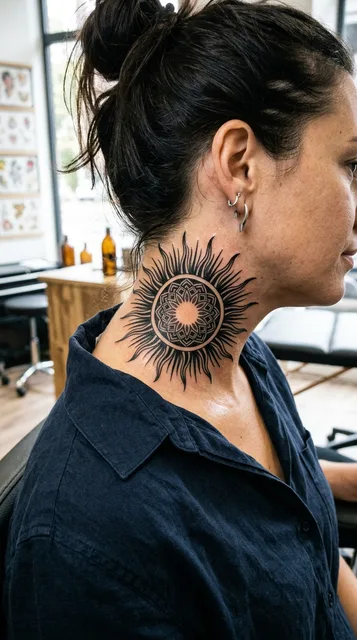
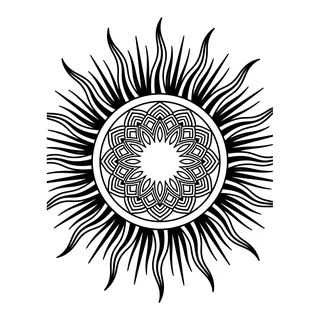
- blackwork · black and whiteTry it on — Black and white blackwork sun tattoo on a woman's neck
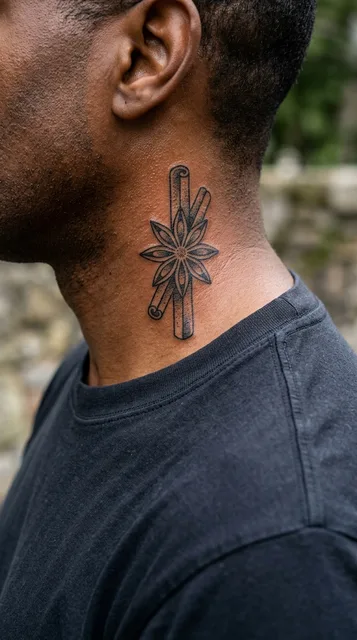
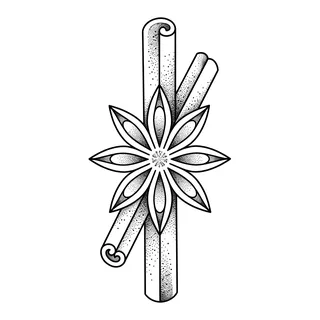
- dotwork · black and greyTry it on — Black and grey dotwork star anise tattoo on a man's neck
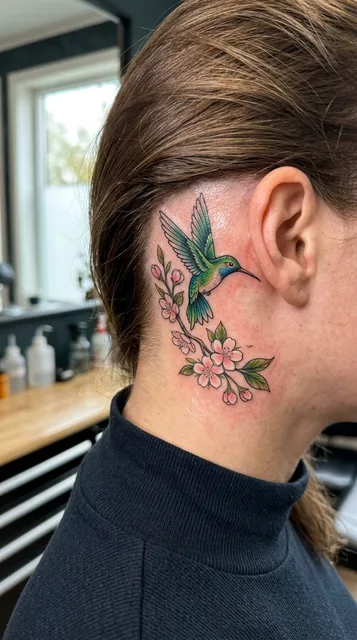
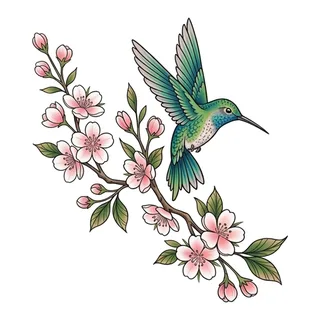
- Japanese · colourTry it on — Color Japanese hummingbird tattoo on a woman's neck
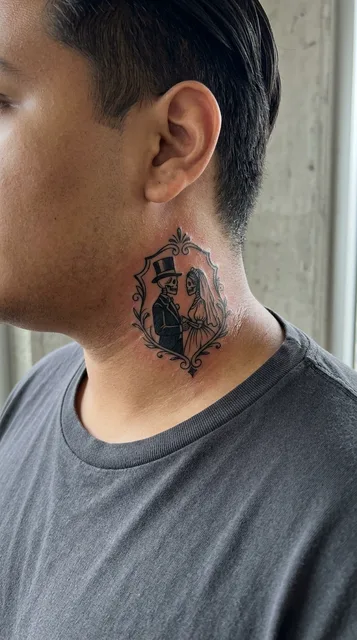
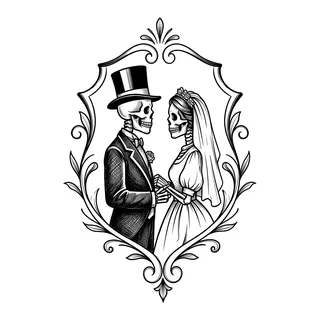
- illustrative · black and greyTry it on — Black and grey illustrative skeleton tattoo on a man's neck
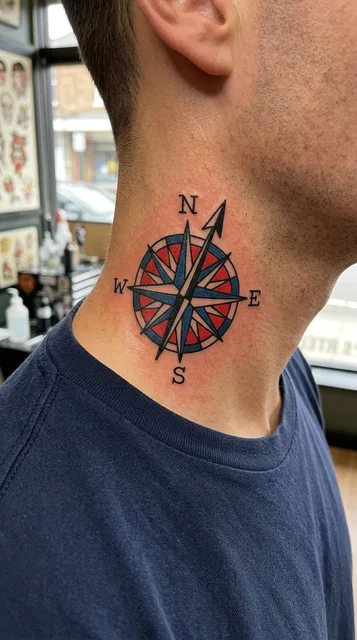
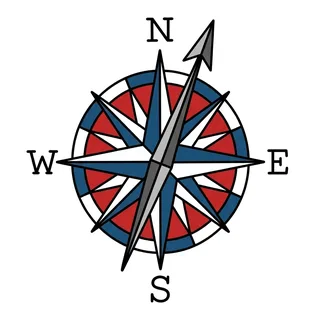
- traditional · colourTry it on — Color traditional compass tattoo on a man's neck
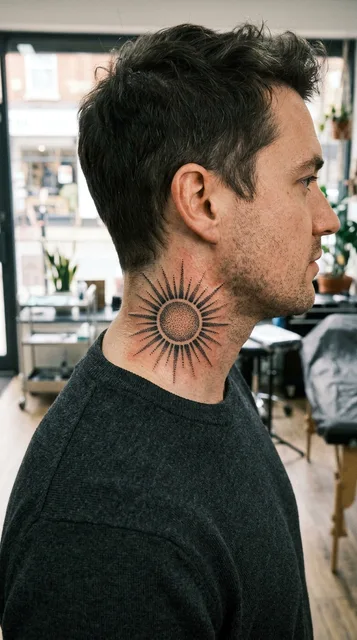
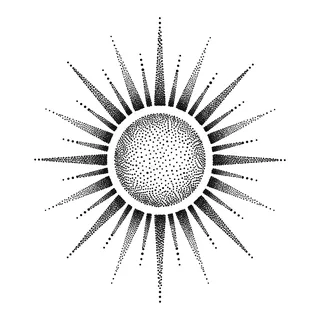
- dotwork · black and greyTry it on — Black and grey dotwork sun tattoo on a man's neck
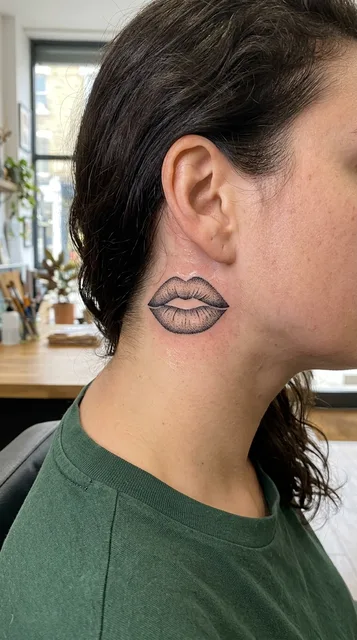
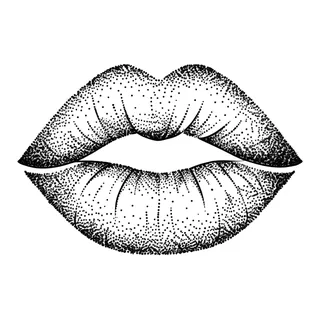
- dotwork · black and greyTry it on — Black and grey dotwork lips tattoo on a woman's neck
- tribal · black and whiteTry it on — Black and white tribal raven tattoo on a woman's neck
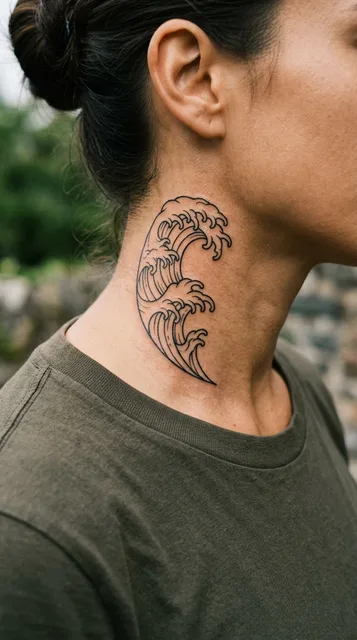
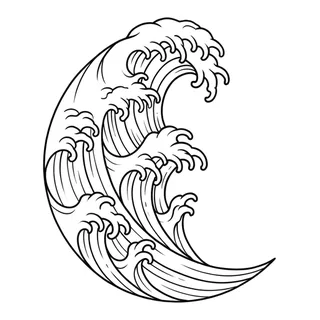
- linework · black and whiteTry it on — Black and white linework wave tattoo on a woman's neck
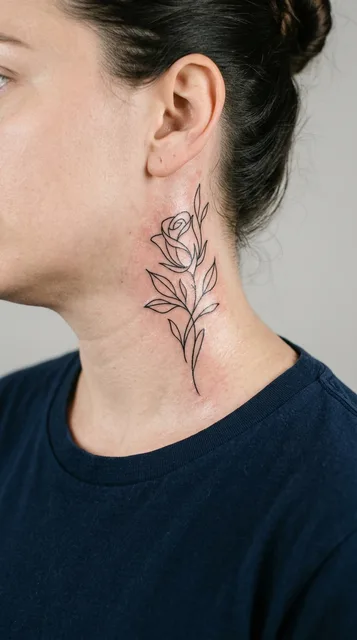
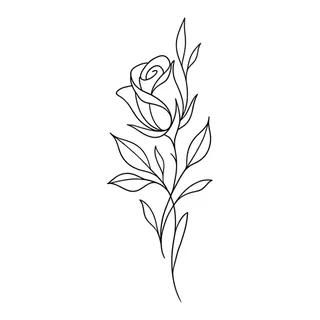
- linework · black and whiteTry it on — Black and white linework rose tattoo on a woman's neck
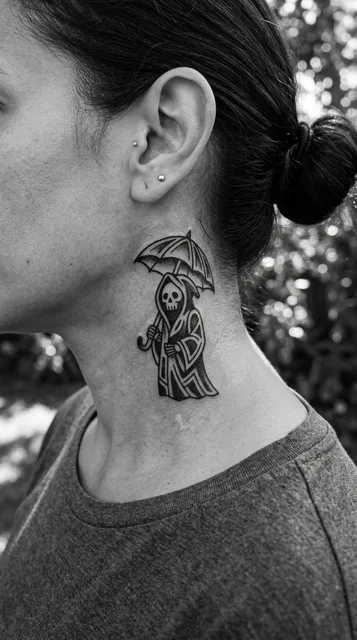
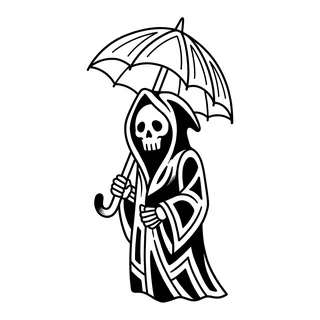
- blackwork · black and whiteTry it on — Black and white blackwork grim reaper tattoo on a woman's neck
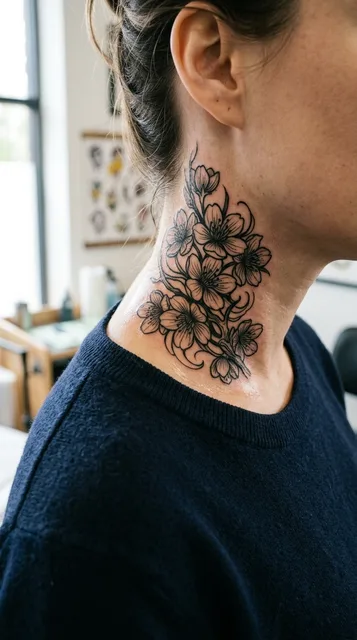
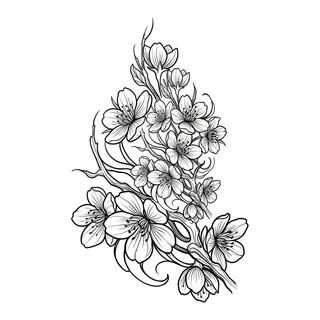
- blackwork · black and whiteTry it on — Black and white blackwork cherry blossom tattoo on a woman's neck
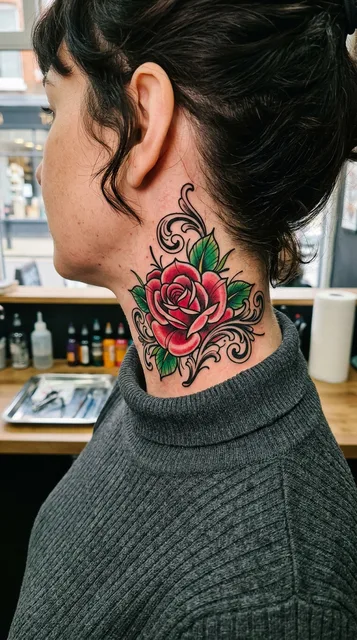
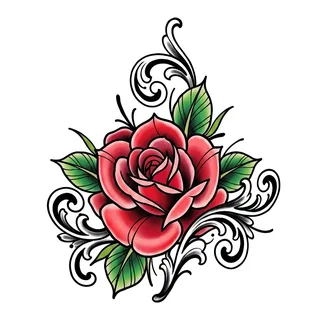
- neo traditional · colourTry it on — Color neo traditional rose tattoo on a woman's neck
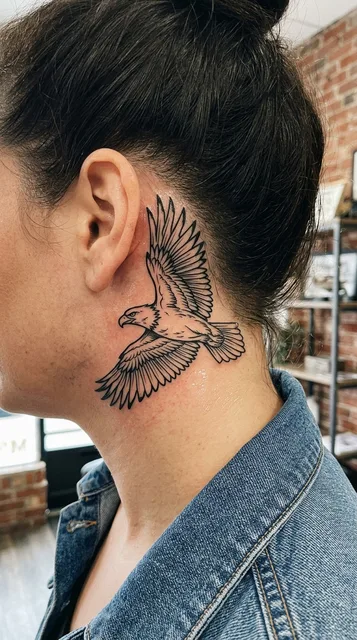
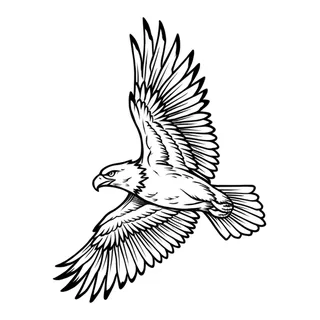
- illustrative · black and greyTry it on — Black and grey illustrative eagle tattoo on a woman's neck
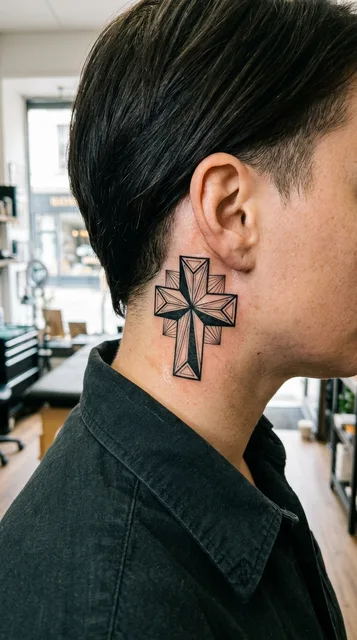
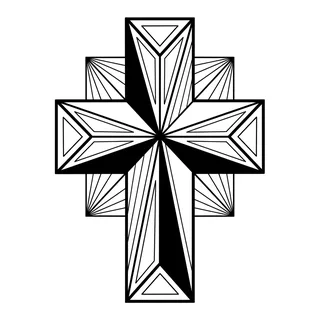
- geometric · black and whiteTry it on — Black and white geometric cross tattoo on a man's neck
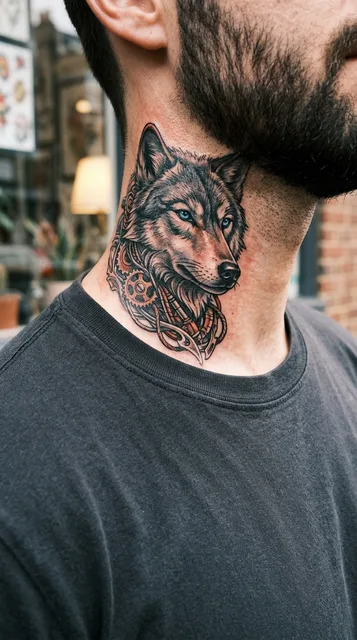
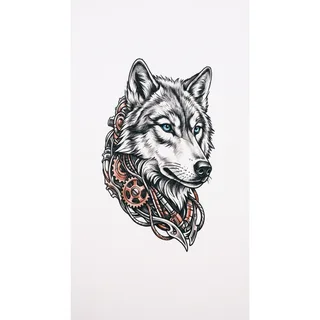
- biomechanical · colourTry it on — Color biomechanical wolf tattoo on a man's neck
- watercolor · colourTry it on — Color watercolor kingfisher tattoo on a man's neck
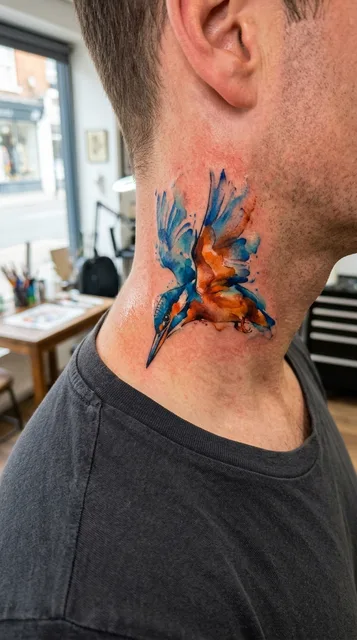
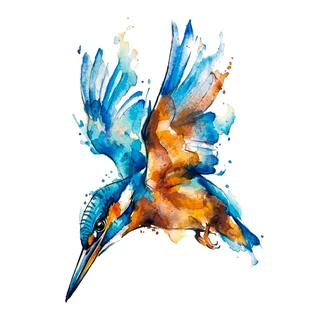


Every pair is one tattoo: the design as it was drawn, and a photograph of that same design on the neck.
These 40 neck tattoos, by the numbers
- Styles represented
- linework (6), blackwork (5), illustrative (5), dotwork (4), geometric (3), neo traditional (3)
- Black-and-grey vs colour
- 65% black-and-grey, 35% colour
- Shown on
- 24 feminine, 16 masculine presentation
Counted from the 40 tattoos shown on this page. Every design was drawn for InkCraft and photographed on this placement — none are scraped or reposted. Free to reference with a link to this page.
How a neck tattoo wears
The neck offers three quite different surfaces. The nape, at the back, is the calmest: broad enough for a real composition, easy to cover with hair or a collar, and low-movement. The sides, running down from behind the ear, are the most visible and the most emphatic — this is the placement people mean when they talk about neck tattoos as a statement. The front and throat are the most demanding of all, in pain, in healing and in what they signal.
What makes the neck distinctive to tattoo is that it moves in every direction and the skin moves with it. Turning your head stretches one side while compressing the other, so a design placed on the side is never seen in exactly the shape it was drawn. Artists work with this by keeping neck compositions relatively simple and by orienting them along the sternocleidomastoid — the cord of muscle running from behind the ear to the collarbone — rather than across it.
The nape is the exception and behaves much more like an upper back. It is flat, stable, and will hold a considerably more detailed piece than the sides will. If you want the neck as a location but not as a declaration, that is usually where the answer is.
Pain and healing
High, and not evenly distributed. The sides and throat are thin-skinned and dense with nerves, and many people find the vibration through the jaw and skull as unpleasant as the needle itself. The nape is markedly easier. Healing is complicated by movement and by collars: a fresh neck tattoo is rubbed by every shirt you own, and the area cannot be rested the way an arm can. Keep collars loose for the first fortnight, and expect the piece to feel tight when you turn your head for several days.
The tattoo pain chart ranks the neck against the other twenty-five body parts on this site, and says why. The aftercare guide has a row for healing a neck tattoo specifically: what gets in the way here, and the one thing to do about it.
Choosing a design that suits it
- Choose the surface first — nape, side or throat. They are three placements with three different consequences that happen to share a name.
- Designs that run vertically along the muscle read cleanly; ones placed horizontally across the side of the neck distort when you turn your head.
- Keep internal detail generous. The neck is not a placement for hairline work, both because of movement and because it is usually seen from more than an arm’s length away.
- If you are unsure, the nape gives you the placement with almost none of the exposure, and it can be extended down into an upper-back piece later.
Size, cost and who sees it
How big, and what it costs
Most side-of-neck pieces are a one to two hour sitting; the area does not take many hours of work before it is full, and few people want to sit longer than that here anyway. A nape piece can run considerably larger. The cost is usually modest for the time, but this is a placement where the artist matters more than the price — the margin for error is small and the result is permanently on show.
Who will see it
The most consequential thing about the placement. A side or throat tattoo cannot be covered by any normal clothing, and unlike a hand it is at eye level in every conversation. Long hair covers a nape piece completely and a side piece partially. Think about it in terms of the next twenty years of first impressions rather than the next year.
What to ask your artist
- Would this design work better on the nape than the side, and what would change?
- How will it distort when I turn my head — can you show me on the stencil?
- How much detail will survive at this size on this skin?
- What should I do about collars and seatbelts while it heals?
Prices vary widely by city and artist — treat these as session lengths rather than quotes, and expect a shop minimum on anything small. The cost guide puts the neck in a table with the other twenty-five placements.
Common questions
How badly does a neck tattoo hurt?
The sides and throat are among the sharper placements on the body — thin skin, little padding, and a lot of nerve endings. The nape is much more tolerable and is closer to an upper-back tattoo in feel.
Can a neck tattoo be covered for work?
A nape piece, yes, by hair or a collar. A side or throat piece, realistically no. High-collared clothing helps a little and nothing hides it reliably.
Will it stretch or distort over time?
Movement does not permanently distort a healed neck tattoo, but the skin here is thinner and shows ageing sooner than an arm does. Bolder work holds up better over decades than fine work.
See it on your own neck
InkCraft places a design on a photo of you — scaled, wrapped and shaded to the placement you pick, so you can judge it before it is permanent.