 InkCraft
Christian Tattoo Ideas and What They Mean
40 InkCraft designs chosen for christian tattoosBy Uladzimir TumanauUpdated
The first question is almost never which design. It is whether a believer should have one at all, and that comes down to a single verse: Leviticus 19:28, which forbids cutting the flesh for the dead and putting marks on the body. Read in context it sits among instructions against mourning rites practised by neighbouring peoples, in the same chapter that forbids mixed fabric and trimming the beard — which is why most Christian traditions treat it as ceremonial law rather than moral law, and why the question resolves differently for a Catholic, a Baptist and an Orthodox Christian. Nobody on the internet can settle it for you, and an artist certainly cannot.
What is not in question is that the imagery is old and the practice is older than the objection. Coptic Christians in Egypt have marked a small cross on the inside of the wrist for well over a thousand years, done at the church rather than at a studio, as an identifying mark that could not be removed under pressure. Pilgrims to Jerusalem have been tattooed at the Razzouk shop since the sixteenth century, using woodblocks cut in the 1700s that are still in use. This is not a modern appropriation of religious imagery; it is one of the longest continuous tattoo traditions anywhere.
What separates a Christian tattoo from a generic one is specificity. A bare cross says very little, because it is also a fashion shape. The ones below say something because they carry an attribute, a posture or a wound that only means one thing.
8 designs that carry it, and why
- Cross
- The whole vocabulary rests on it, and the variant carries the meaning: a Latin cross is empty and points at the resurrection, a crucifix keeps the body and points at the cost. Choosing between them is the single most consequential decision on this page.
- Christ
- The face is the hardest thing in tattooing to get right, because everyone knows when a portrait is slightly wrong and nobody can say why. The safer versions are the hands, the wounded side, or the figure seen from behind.
- Angel
- Scripture describes them as terrifying and their first line is almost always "do not be afraid", which is the opposite of how they are usually drawn. A serious angel has weight and a face you would not argue with.
- Archangel Michael
- The only angel most people can name, and the only one with a job description: armoured, armed, standing over what he has defeated. It is the protective piece in this set and the one most often worn by people in dangerous work.
- Virgin Mary
- Devotional rather than doctrinal, and the attribute is what identifies her: the veil, the crown of stars, the roses, the heart. Without one of those she is simply a woman in a headscarf.
- Praying hands
- The most-worn Christian image after the cross, and it comes from a drawing — Durer's study of about 1508, made for an altarpiece that burned. Almost every version in circulation is a copy of a copy of that sketch.
- Sacred Heart
- A heart with a crown of thorns, flame and a wound is a specific devotion rather than a valentine, and the three attributes are what make it legible. Drop them and it is an anatomical heart.
- Crown of thorns
- The one element in the set that is a humiliation rather than a glory, which is exactly why it is chosen. It also works as a band, so it is the version that suits a ring of the forearm or a wrist.
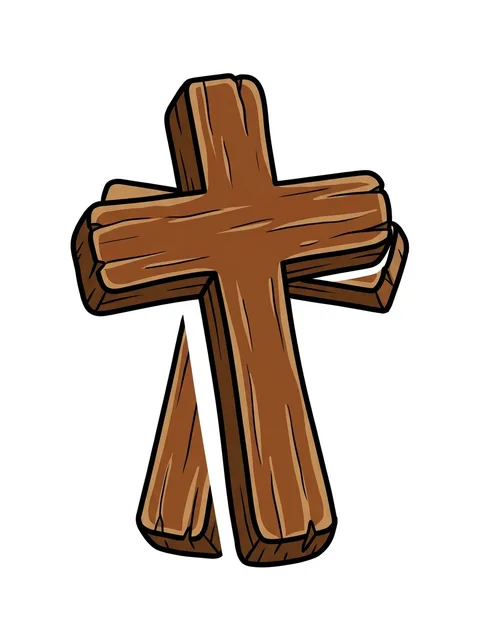
Color illustrative cross tattoo design Try it on — Color illustrative cross tattoo design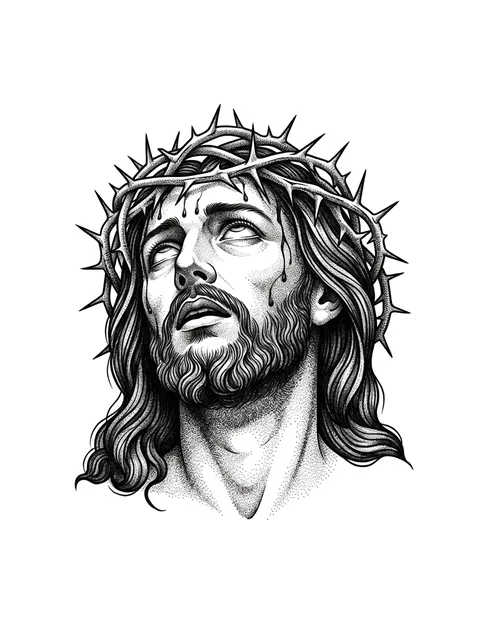
Black and grey dotwork jesus tattoo design: an expression of suffering Try it on — Black and grey dotwork jesus tattoo design: an expression of suffering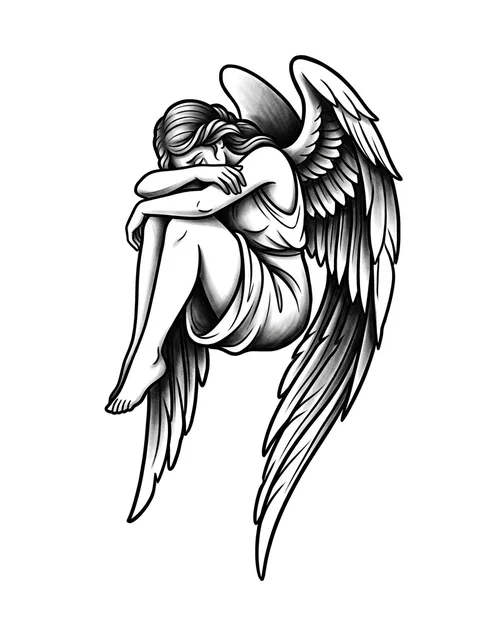
Black and grey neo traditional angel tattoo design: a sorrowful angel with large, detailed wings Try it on — Black and grey neo traditional angel tattoo design: a sorrowful angel with large, detailed wings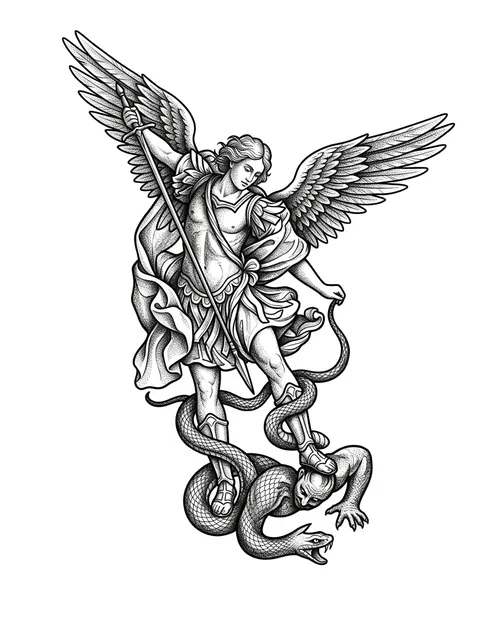
Black and grey dotwork archangel and angel wings tattoo design Try it on — Black and grey dotwork archangel and angel wings tattoo design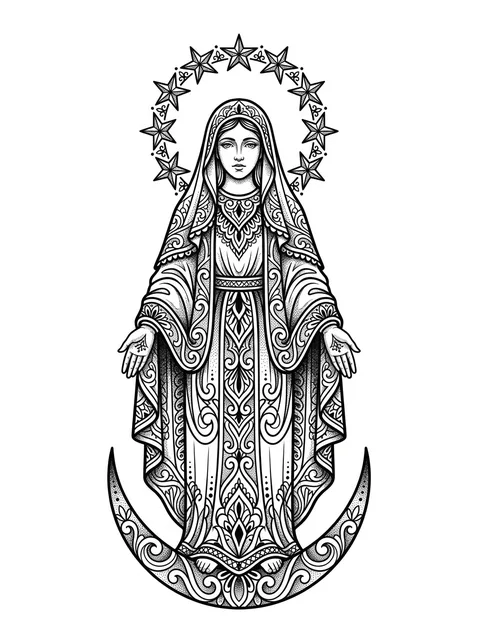
Black and white illustrative virgin mary and star tattoo design Try it on — Black and white illustrative virgin mary and star tattoo design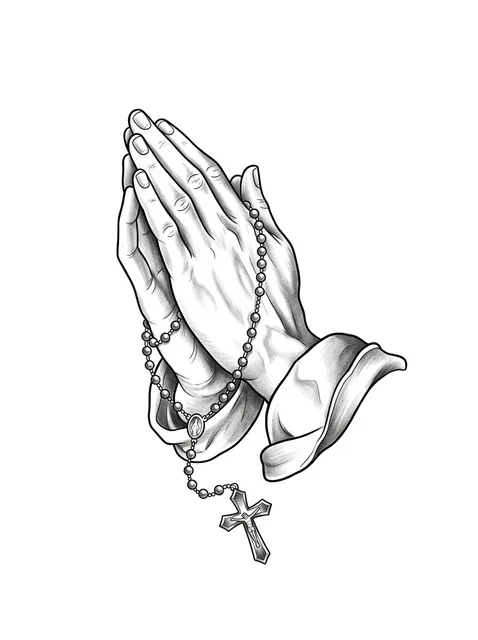
Black and grey chicano praying hands tattoo design Try it on — Black and grey chicano praying hands tattoo design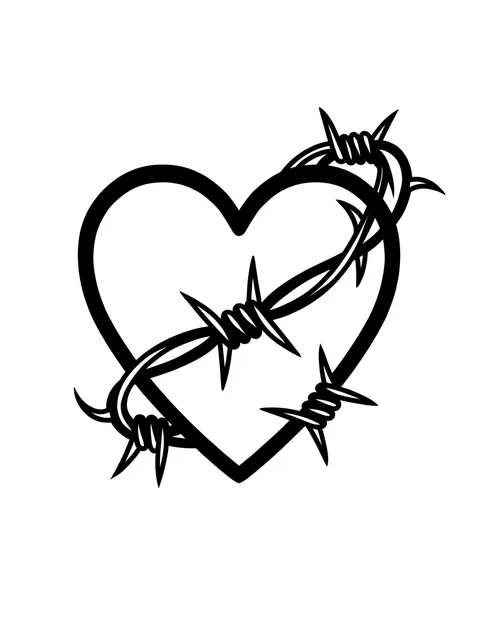
Black and white linework heart tattoo design, outline stencil Try it on — Black and white linework heart tattoo design, outline stencil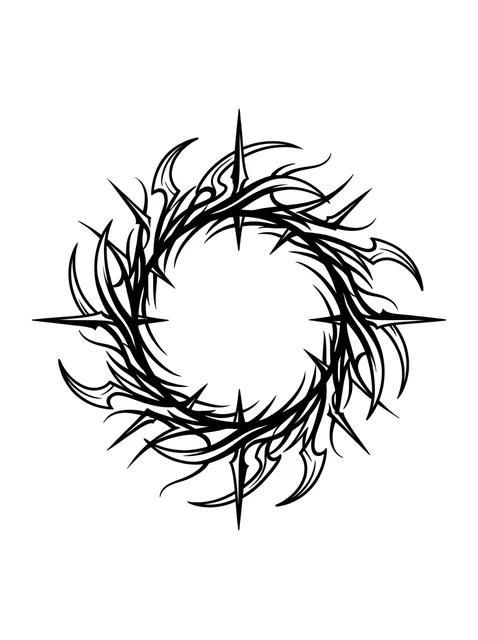
Black and white tribal crown tattoo design Try it on — Black and white tribal crown tattoo design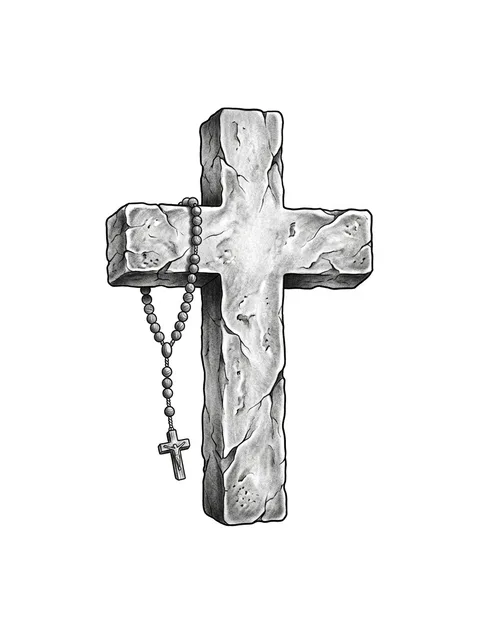
Black and grey chicano cross and crucifix tattoo design Try it on — Black and grey chicano cross and crucifix tattoo design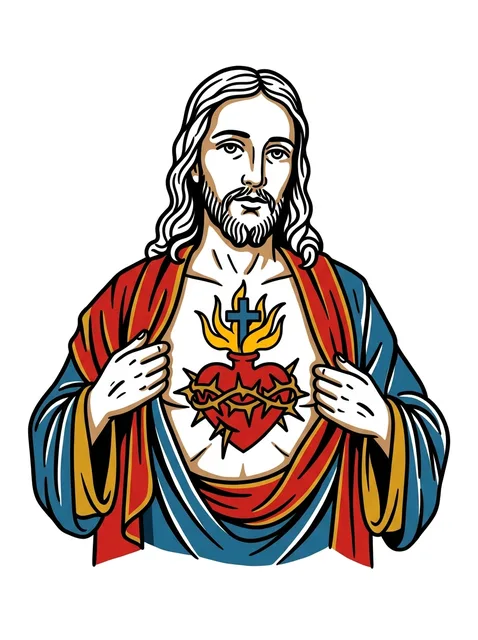
Color traditional jesus and heart tattoo design Try it on — Color traditional jesus and heart tattoo design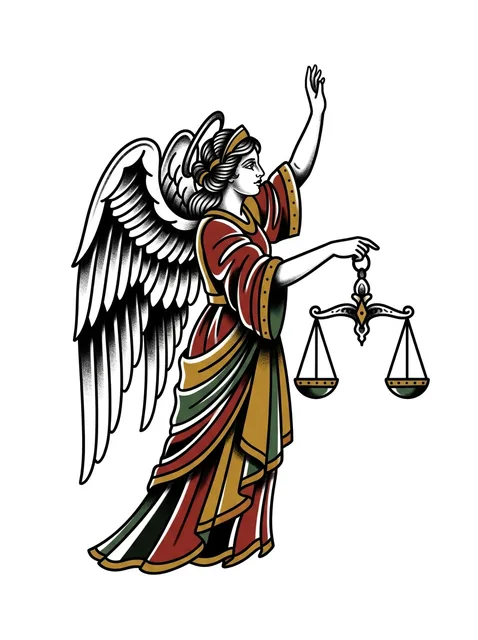
Color traditional angel and libra tattoo design: an angel holding the scales of justice Try it on — Color traditional angel and libra tattoo design: an angel holding the scales of justice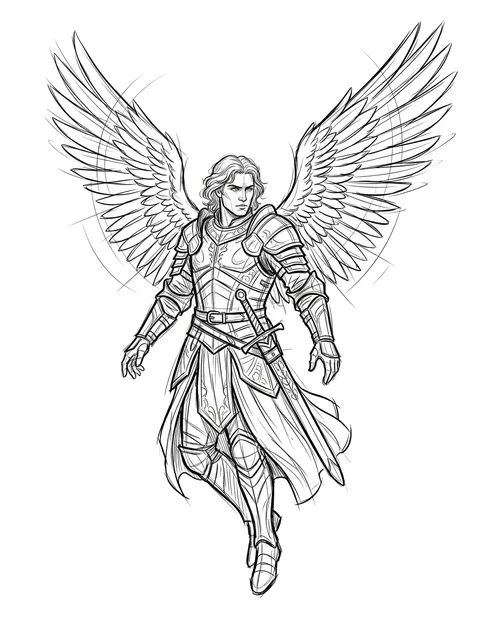
Black and grey illustrative archangel and angel tattoo design Try it on — Black and grey illustrative archangel and angel tattoo design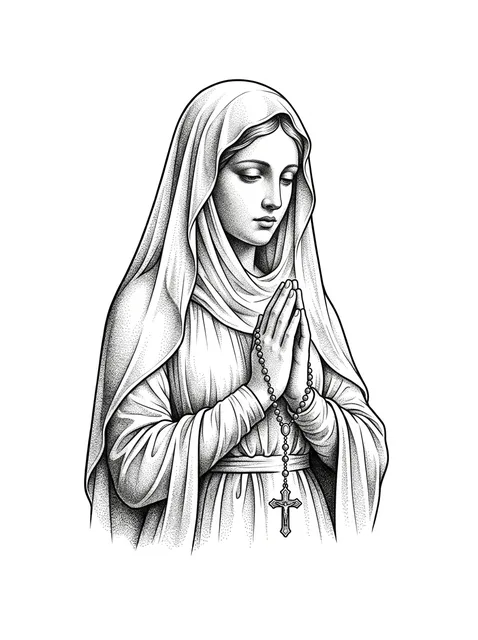
Black and grey dotwork virgin mary and praying hands tattoo design Try it on — Black and grey dotwork virgin mary and praying hands tattoo design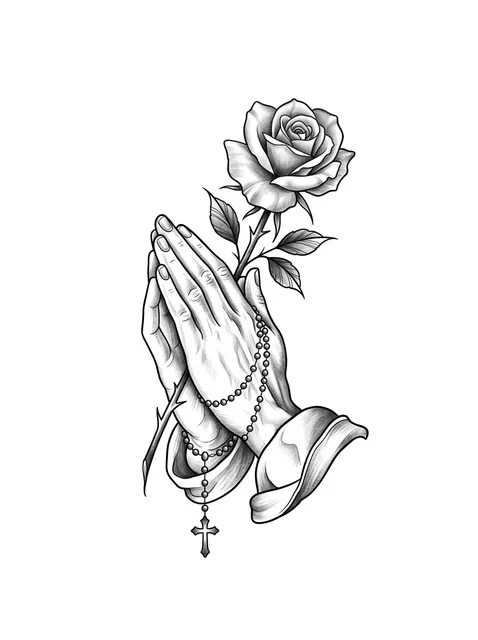
Black and grey illustrative praying hands and rose tattoo design Try it on — Black and grey illustrative praying hands and rose tattoo design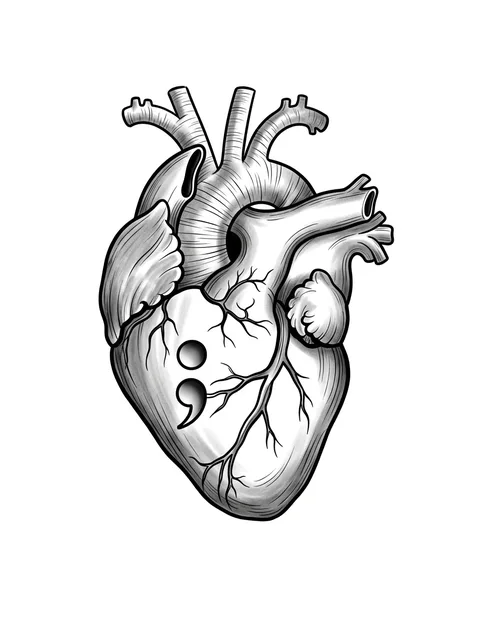
Black and grey illustrative heart and semicolon tattoo design Try it on — Black and grey illustrative heart and semicolon tattoo design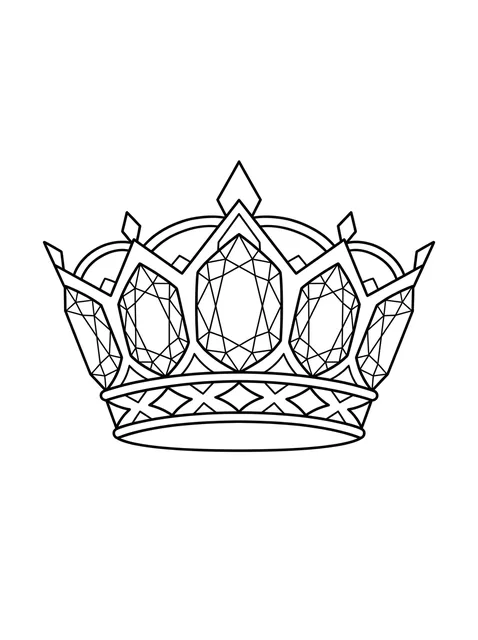
Black and white linework crown and diamond tattoo design, outline stencil Try it on — Black and white linework crown and diamond tattoo design, outline stencil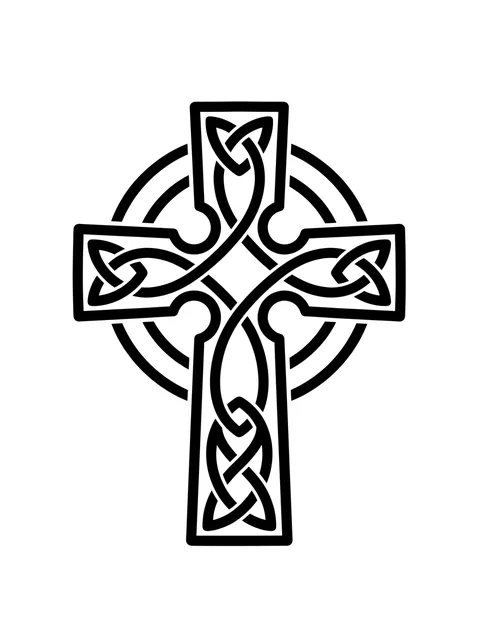
Black and white tribal cross tattoo design Try it on — Black and white tribal cross tattoo design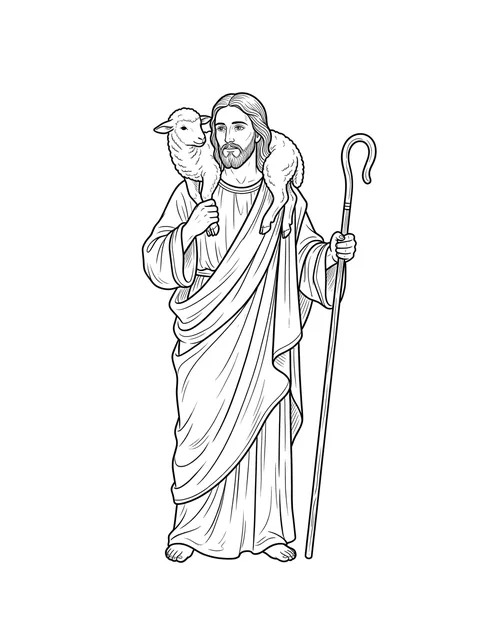
Black and white fine line jesus tattoo design, outline stencil Try it on — Black and white fine line jesus tattoo design, outline stencil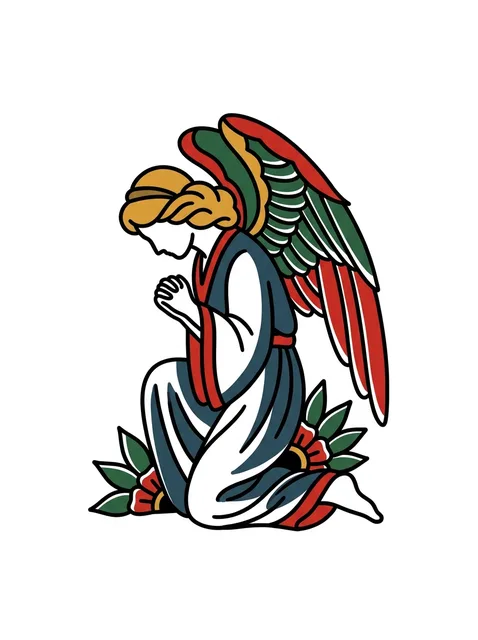
Color traditional angel tattoo design: a kneeling angel with hands clasped in prayer Try it on — Color traditional angel tattoo design: a kneeling angel with hands clasped in prayer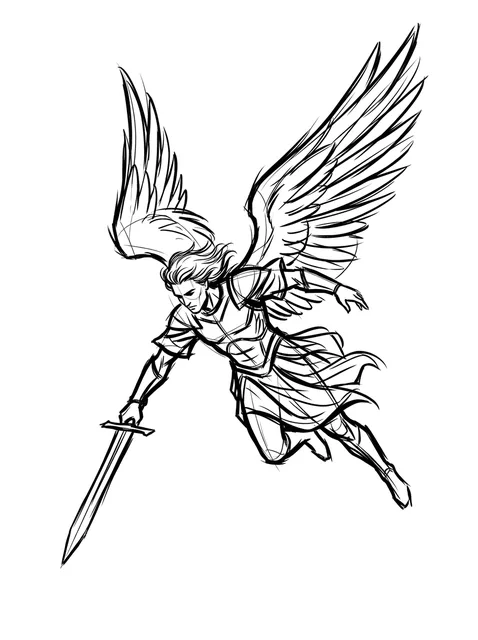
Black and grey illustrative archangel and angel tattoo design: an angel in flight, holding a sword Try it on — Black and grey illustrative archangel and angel tattoo design: an angel in flight, holding a sword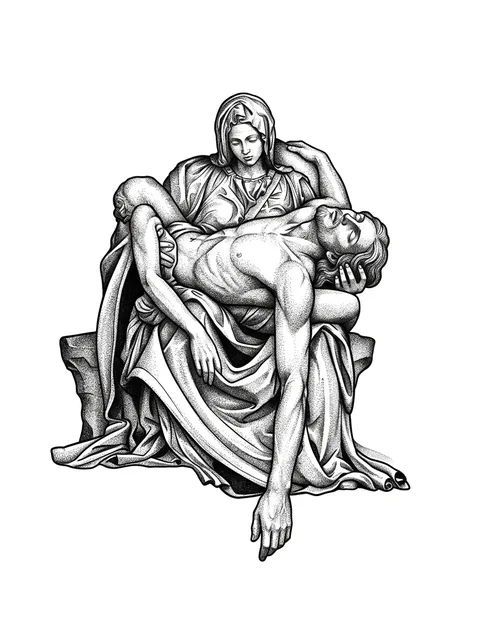
Black and grey dotwork virgin mary and jesus tattoo design Try it on — Black and grey dotwork virgin mary and jesus tattoo design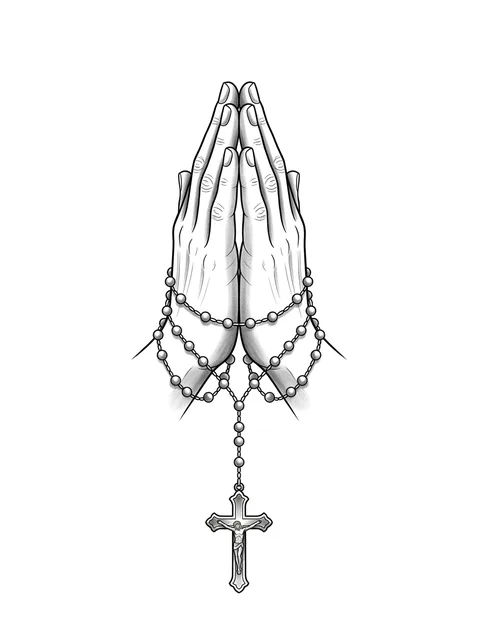
Black and grey illustrative praying hands tattoo design: a rosary draped around them Try it on — Black and grey illustrative praying hands tattoo design: a rosary draped around them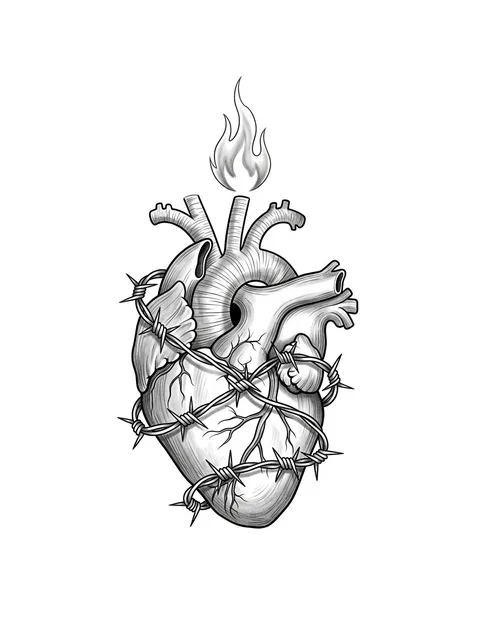
Black and grey illustrative heart and fire tattoo design Try it on — Black and grey illustrative heart and fire tattoo design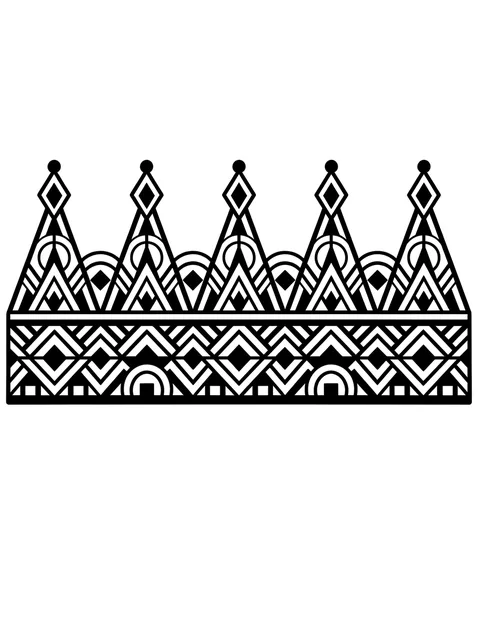
Black and white geometric crown tattoo design, outline stencil Try it on — Black and white geometric crown tattoo design, outline stencil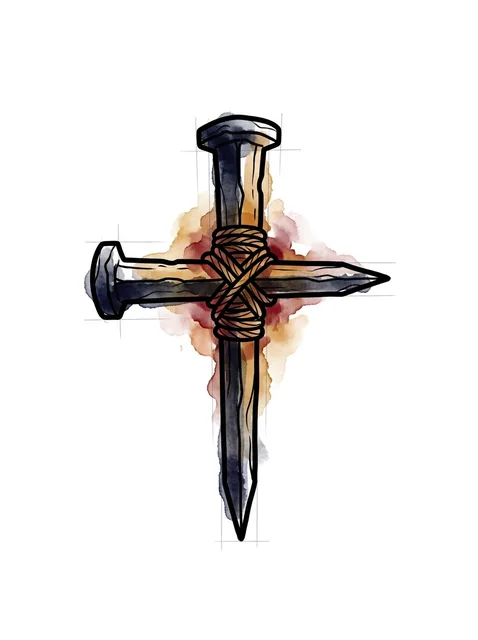
Color watercolor cross tattoo design: two nails forming a cross, bound together by rope Try it on — Color watercolor cross tattoo design: two nails forming a cross, bound together by rope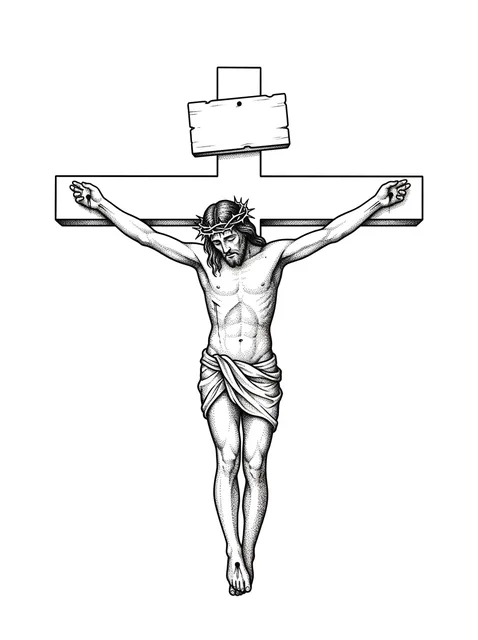
Black and grey illustrative jesus and crucifix tattoo design Try it on — Black and grey illustrative jesus and crucifix tattoo design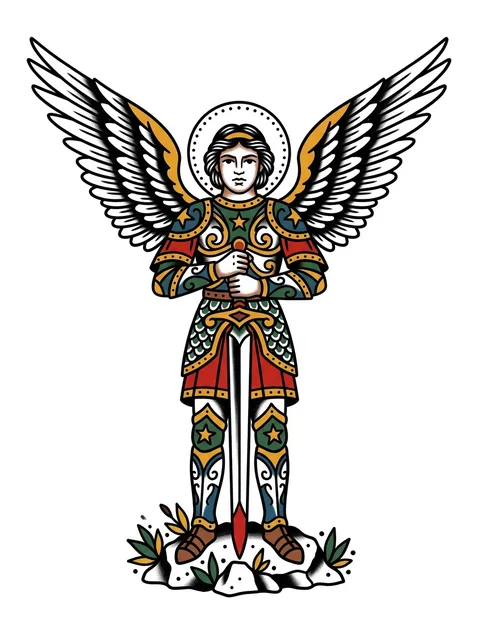
Color traditional angel and sword tattoo design: an angel in full armor, holding a sword Try it on — Color traditional angel and sword tattoo design: an angel in full armor, holding a sword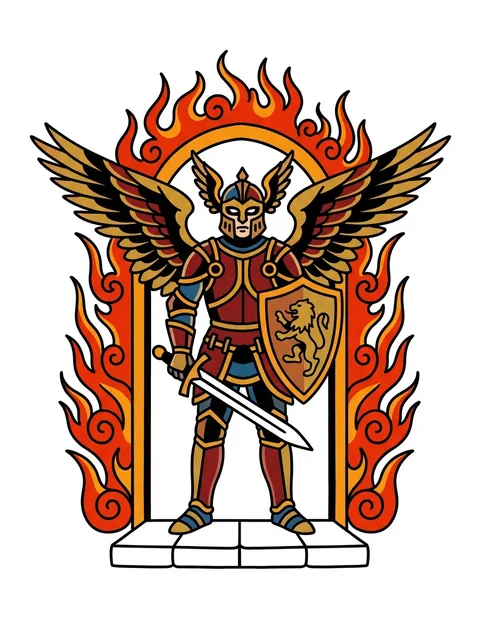
Color traditional archangel and angel tattoo design Try it on — Color traditional archangel and angel tattoo design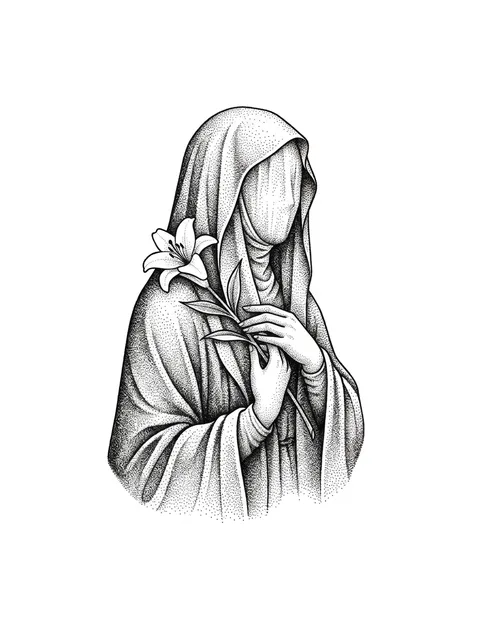
Black and grey dotwork virgin mary and lily tattoo design Try it on — Black and grey dotwork virgin mary and lily tattoo design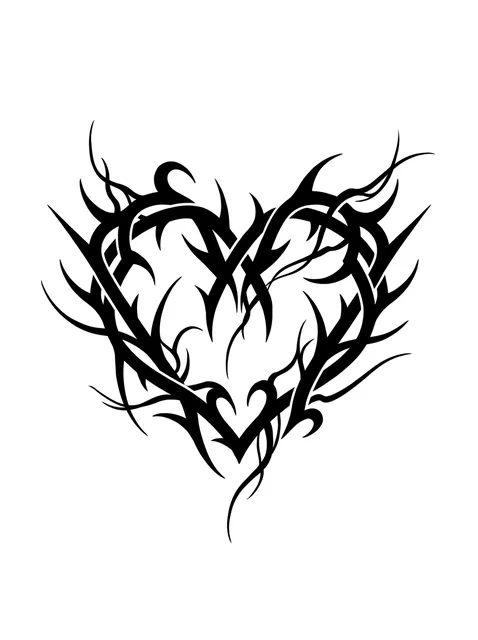
Black and white tribal heart tattoo design Try it on — Black and white tribal heart tattoo design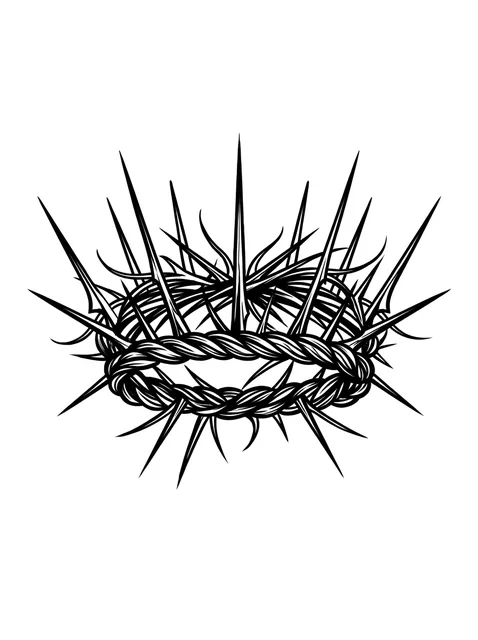
Black and grey illustrative crown tattoo design: a crown of thorns Try it on — Black and grey illustrative crown tattoo design: a crown of thorns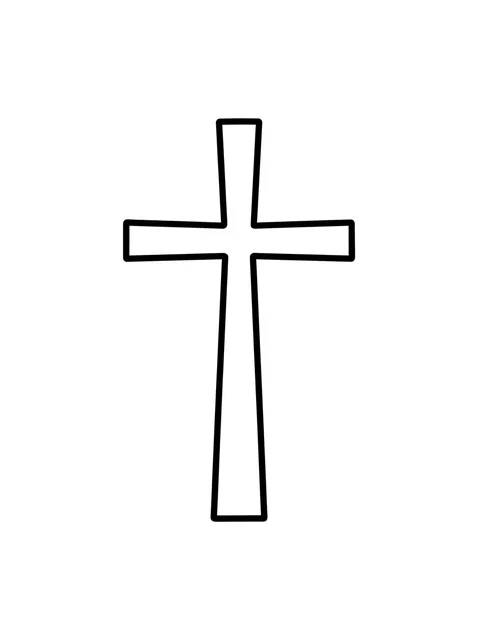
Black and white linework cross tattoo design, outline stencil: a classic Christian cross Try it on — Black and white linework cross tattoo design, outline stencil: a classic Christian cross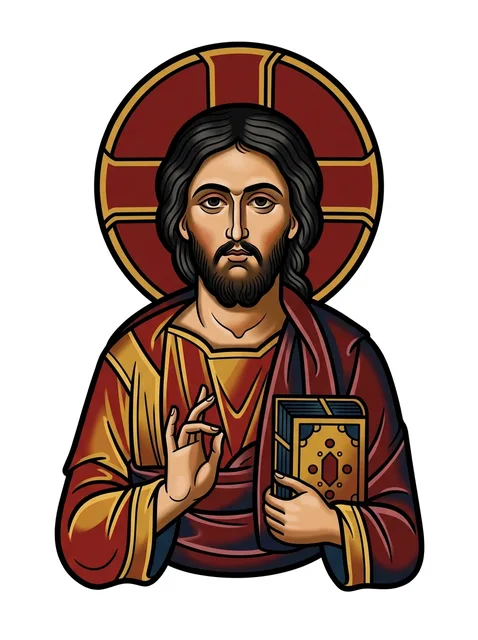
Color neo traditional jesus tattoo design Try it on — Color neo traditional jesus tattoo design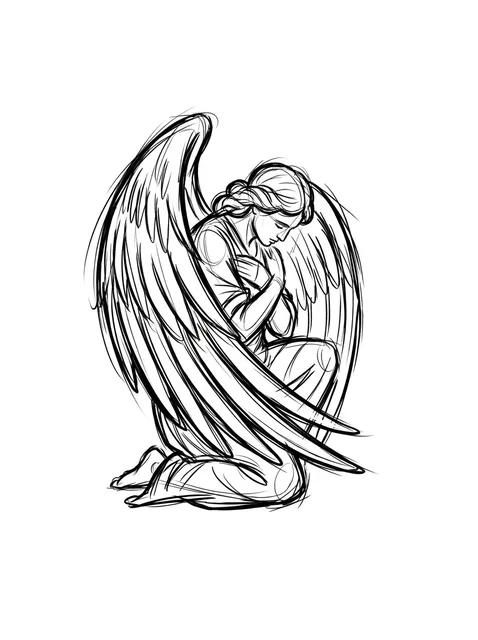
Black and grey illustrative angel tattoo design Try it on — Black and grey illustrative angel tattoo design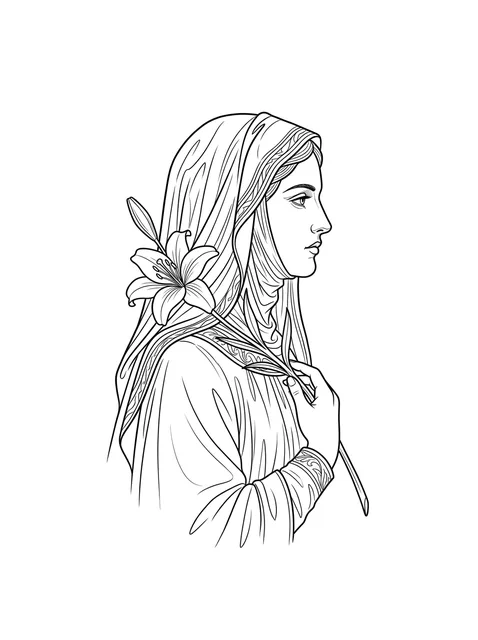
Black and white illustrative virgin mary and lily tattoo design Try it on — Black and white illustrative virgin mary and lily tattoo design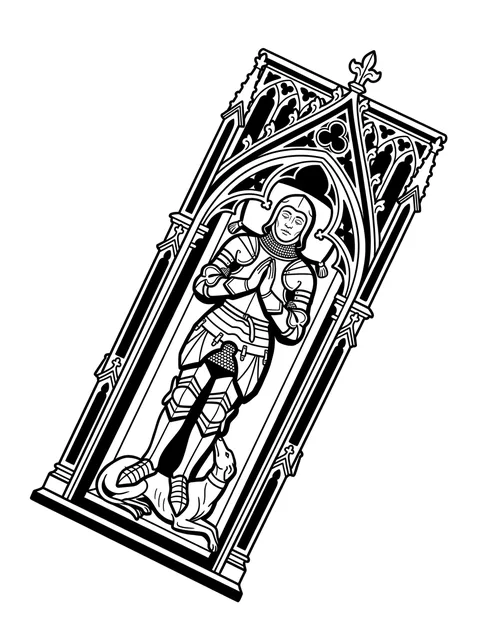
Black and grey gothic knight and praying hands tattoo design Try it on — Black and grey gothic knight and praying hands tattoo design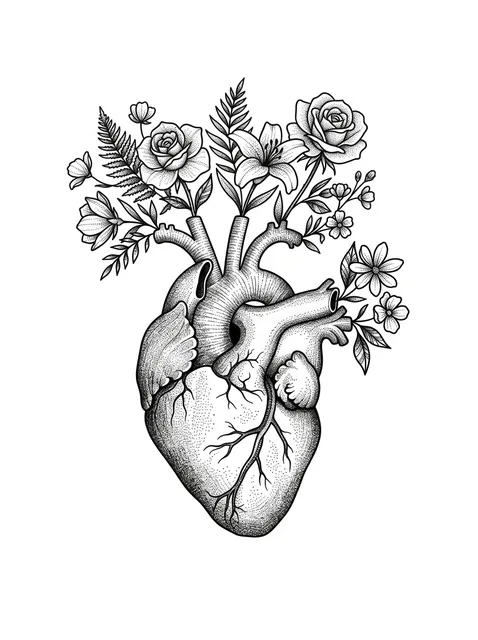
Black and grey dotwork heart and flower tattoo design Try it on — Black and grey dotwork heart and flower tattoo design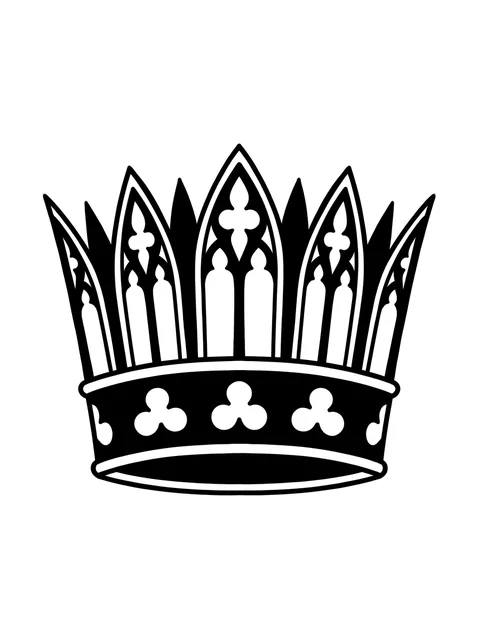
Black and grey gothic crown tattoo design: a gothic-inspired crown Try it on — Black and grey gothic crown tattoo design: a gothic-inspired crown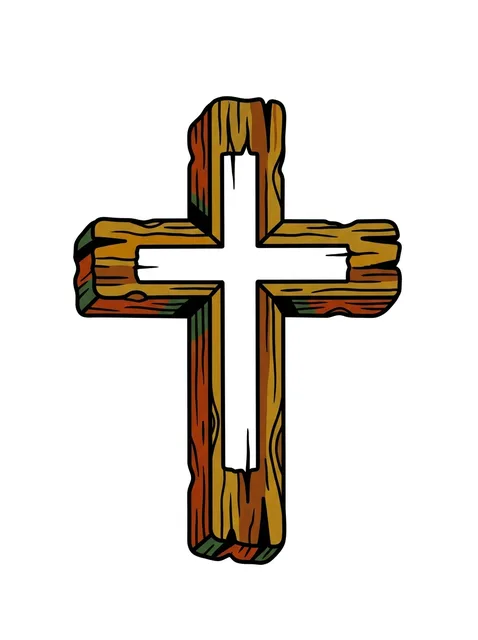
Color illustrative cross tattoo design Try it on — Color illustrative cross tattoo design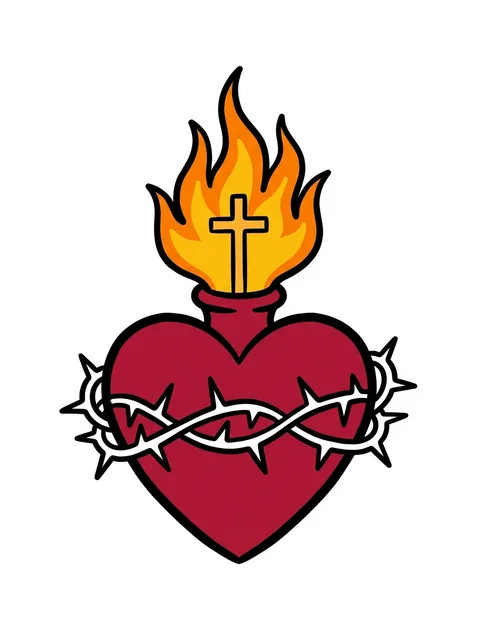
Color traditional jesus and heart tattoo design: a Sacred Heart Try it on — Color traditional jesus and heart tattoo design: a Sacred Heart


40 designs drawn in-house across 8 motifs. Tap any one to place it on a photo of your own skin.
Where the tradition actually comes from
The Razzouk family have been tattooing pilgrims in Jerusalem since around 1300, and the shop in the Old City still stamps designs from olive-wood blocks carved in the eighteenth century. A pilgrim would be marked with the Jerusalem cross to prove the journey had been made, in a period when proof mattered and paper did not survive the trip. The blocks are worn smooth from four centuries of use and are inked and pressed to the skin exactly as they always were, before the needle work starts.
Coptic Christians in Egypt carry a small cross on the inside of the right wrist, usually given in childhood. It is not decorative and it is not a choice about style: it identifies the wearer in a country where that identification has at times carried real risk, and it cannot be taken off. Understanding that is the difference between wearing this imagery and borrowing it.
Both traditions are worth knowing before you book, because they set the register. Neither is ornamental, both are small, and both are placed where they can be seen rather than where they look best.
Drawing it so it survives
Devotional work fails in one predictable way: faces. A portrait of Christ, of Mary, or of an angel depends on tonal transitions across a few centimetres of skin, and ink spreads for decades. What reads as a serene expression at the appointment reads as an ambiguous one in fifteen years, and there is no touch-up that fixes a face which has quietly changed its mind. If you want a face, go larger than feels necessary — 15 cm minimum — and accept that it will need maintenance.
Everything else in this set is safer, because it is defined by silhouette rather than by expression. A cross, a crown of thorns, a pair of hands and a pierced heart are all shapes first, and all of them survive the spread that ruins a portrait. That is why the oldest examples of the tradition are small, simple and bold rather than detailed.
One practical note that surprises people: many artists will decline to tattoo a portrait of Christ or of a saint for the same reason they decline other portraits, which is that the expectation is impossible and the client is never satisfied. That is not a religious objection. Ask to see healed examples of their own religious work rather than fresh photographs of anyone else's.
Common questions
- Does the Bible forbid tattoos?
- Leviticus 19:28 forbids marking the body, and how binding that is depends on your tradition. It sits among ceremonial instructions in a chapter that also forbids mixed fabrics and trimming the beard, which is why most churches treat it as ceremonial rather than moral law. Your own clergy is the right place to settle it, not a studio.
- Which is better, a plain cross or a crucifix?
- They say different things and both are correct. An empty cross points at the resurrection and is the Protestant convention; a crucifix keeps the body on it and points at the cost, which is the Catholic and Orthodox convention. Decide which of the two you mean before you decide how big it is.
- Why do praying hands look the same in every tattoo?
- Because almost all of them descend from one drawing: Albrecht Durer made a brush study of a pair of hands around 1508 as preparation for an altarpiece that later burned. The sketch survived, was reproduced endlessly, and is the reason the pose, the sleeve cuffs and the angle are near-identical everywhere.
- Is it disrespectful to get a religious tattoo I do not practise?
- That depends on the image. A cross is common cultural property in most of the West and nobody will blink. A Coptic wrist cross or a Jerusalem pilgrim mark is different — both identify a specific community and one of them has carried real danger, so wearing either without the connection reads as costume rather than devotion.
See it on your own skin first
InkCraft places a design on a photo of you — scaled, wrapped and shaded to the spot you pick, so you can judge how it reads on your body before it is permanent.