 InkCraft
Spiritual Tattoo Ideas and What They Mean
40 InkCraft designs chosen for spiritual tattoosBy Uladzimir TumanauUpdated
A spiritual tattoo and a religious one are different things, and the difference is institutional. A religious tattoo names a tradition and accepts its terms — a cross, a Star of David, a Coptic wrist mark. A spiritual one borrows a symbol from a tradition without joining it, which is how a lotus, a mandala, an unalome and an om end up on people with no connection to Buddhism or Hinduism at all.
That is worth being honest about rather than defensive, because the honesty is what separates the good versions from the bad ones. Some of these symbols are freely shared and their source traditions have said so. Others are not: the om is sacred text in Sanskrit and many Hindus object strongly to it below the waist or near the feet, and a Buddha image on a lower leg is illegal to display in Sri Lanka and Myanmar and has led to arrests and deportations of tourists.
The practical rule most artists apply is simple: know what it says, know where it came from, and keep it above the waist. Gathered here are the symbols that carry meaning without carrying an obligation you never took on.
8 designs that carry it, and why
- Lotus
- The most-borrowed symbol in this set and the least objected to, because the meaning is in the botany rather than in a scripture: it roots in mud and opens clean above the water, which is an argument anyone can make without belonging to anything.
- Mandala
- A meditation object before it is a decoration — it is meant to be traced inward by the eye, which is why symmetry and a genuine centre matter more than complexity. A mandala with no centre is wallpaper.
- Third eye
- Perception beyond the ordinary senses, and the one symbol here where placement is the meaning: it belongs above and between the brows in the tradition it comes from, so a version on a forearm is quoting rather than using it.
- Moon phases
- The only cycle in this set visible without instruments or belief, which is why it crosses every tradition that has ever looked up. Worn for the idea that a diminished thing is not a finished one.
- Angel
- Appears in Judaism, Christianity and Islam as a messenger rather than an object of worship, which makes it the least tradition-specific figure available and the one most often chosen for a person who has died.
- Cross
- Included here rather than under belief because a great many are worn as a marker of heritage rather than of practice — a grandmother's faith rather than one's own — which is a genuinely different tattoo with the same shape.
- Tree of life
- Turns up independently in Norse, Celtic, Jewish and Mesoamerican thought, which is exactly why it carries so little risk: no single tradition owns it, and the image explains itself without any of them.
- North star
- Guidance stripped of doctrine — the one fixed point while everything else rotates. It is the most secular thing on this page and frequently the honest answer for someone who wants meaning without a religion attached.
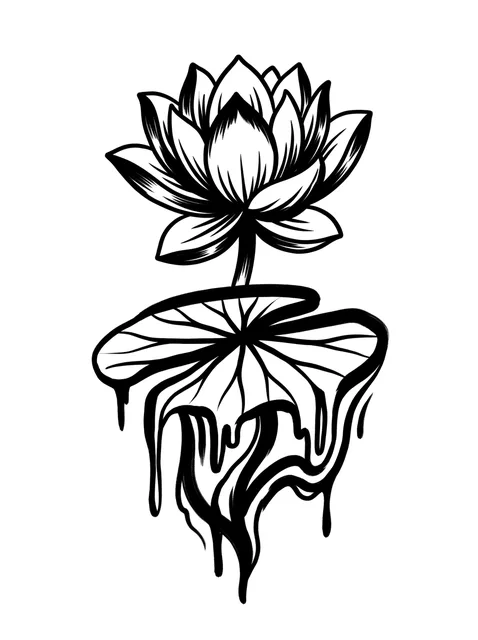
Black and white blackwork lotus and leaf tattoo design: a blooming lotus flower atop a lily pad Try it on — Black and white blackwork lotus and leaf tattoo design: a blooming lotus flower atop a lily pad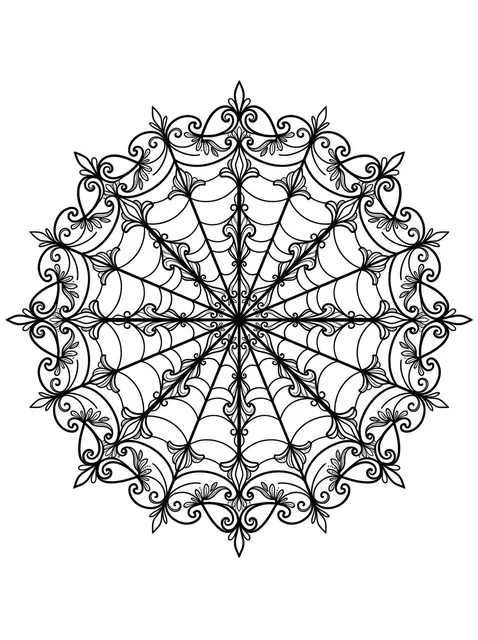
Black and grey ornamental mandala tattoo design: a spiderweb-like structure at its core Try it on — Black and grey ornamental mandala tattoo design: a spiderweb-like structure at its core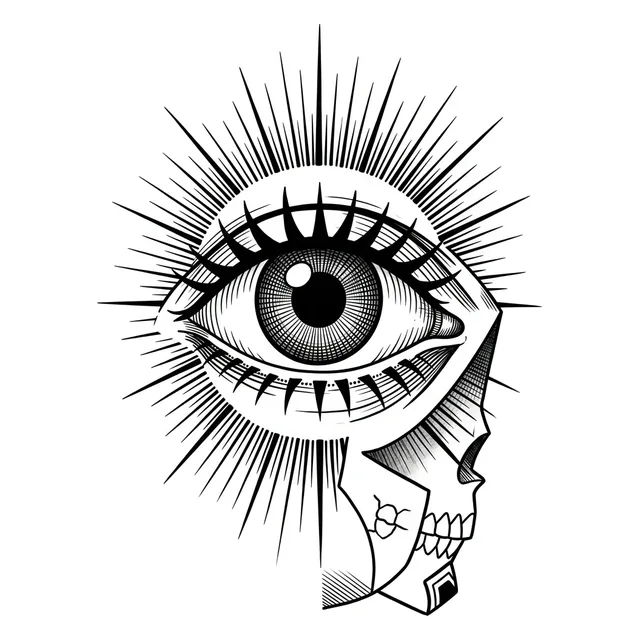
Black and white illustrative eye and skull tattoo design Try it on — Black and white illustrative eye and skull tattoo design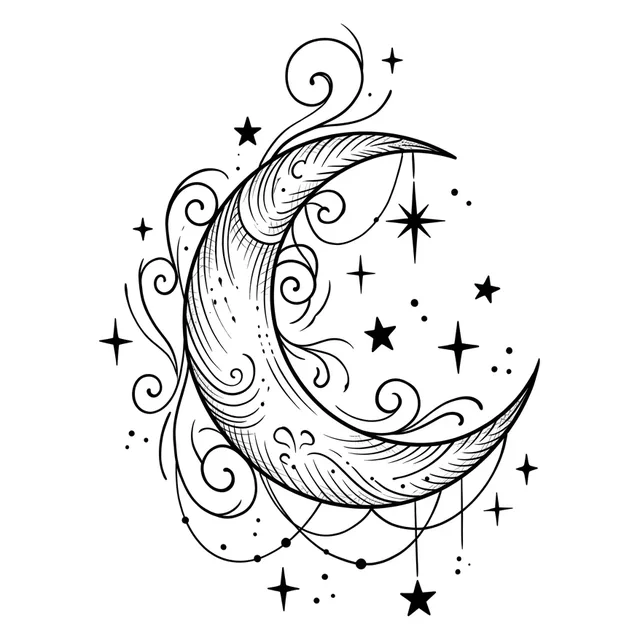
Black and grey illustrative moon and star tattoo design Try it on — Black and grey illustrative moon and star tattoo design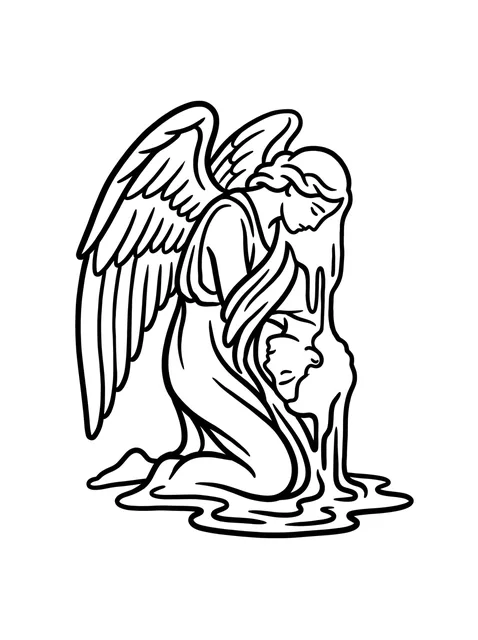
Black and white linework angel tattoo design, outline stencil Try it on — Black and white linework angel tattoo design, outline stencil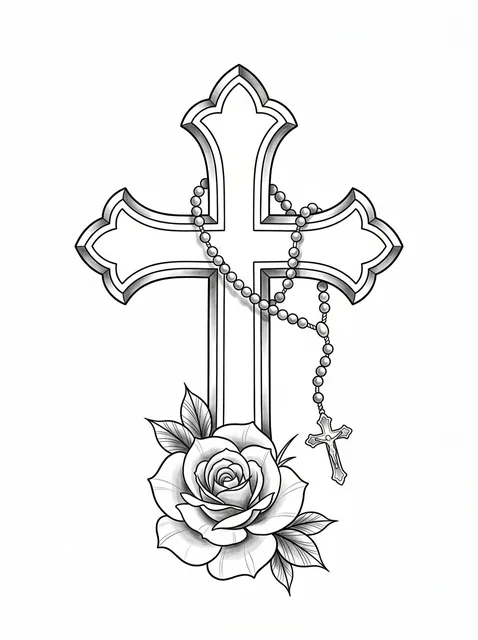
Black and grey chicano cross and rose tattoo design Try it on — Black and grey chicano cross and rose tattoo design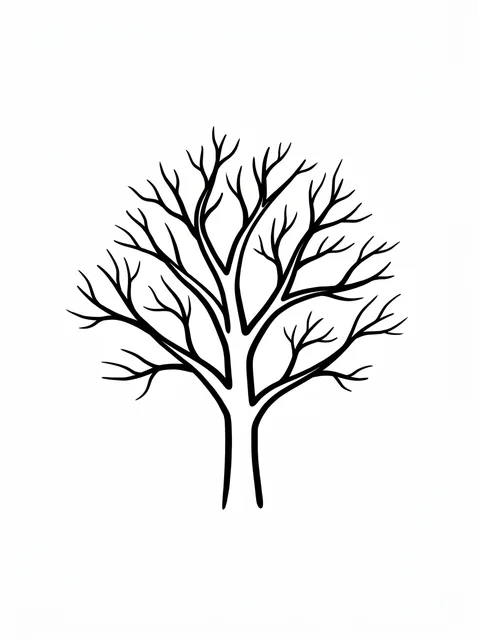
Black and white minimalist tree tattoo design, outline stencil Try it on — Black and white minimalist tree tattoo design, outline stencil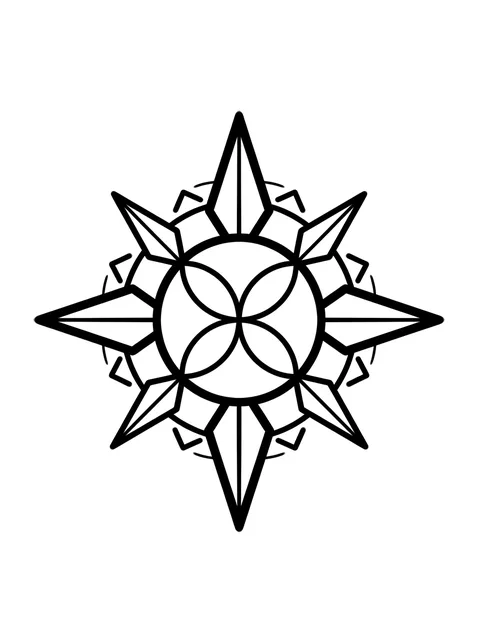
Black and white geometric mandala and star tattoo design, outline stencil Try it on — Black and white geometric mandala and star tattoo design, outline stencil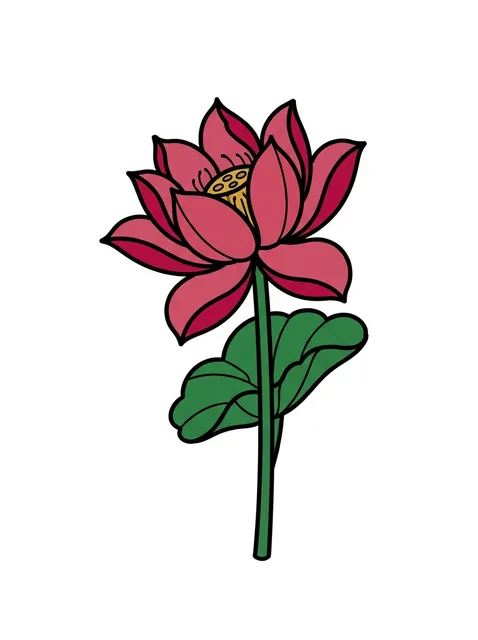
Color illustrative lotus and flower tattoo design Try it on — Color illustrative lotus and flower tattoo design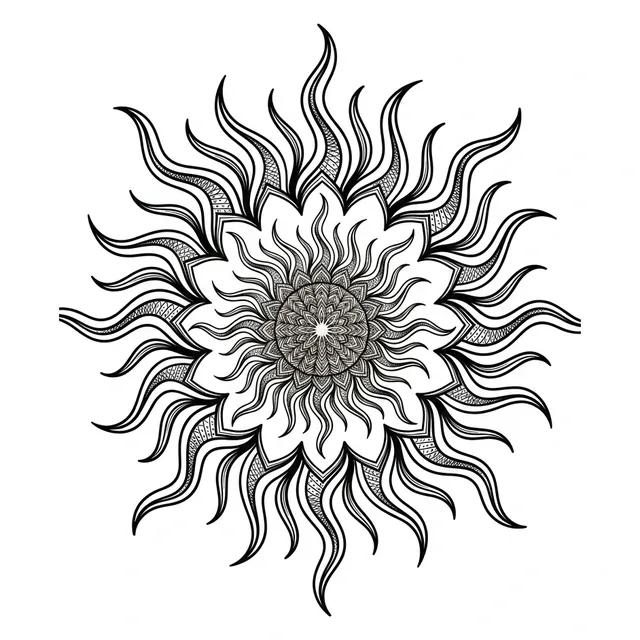
Black and grey dotwork mandala and sun tattoo design Try it on — Black and grey dotwork mandala and sun tattoo design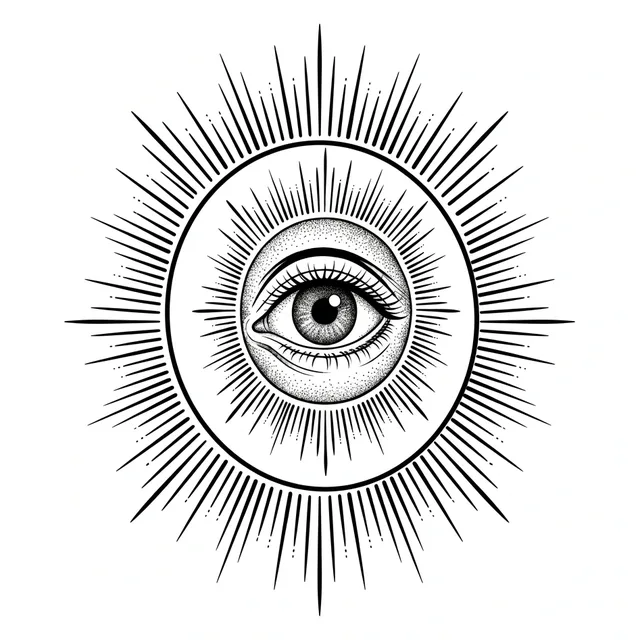
Black and grey dotwork eye and sun tattoo design Try it on — Black and grey dotwork eye and sun tattoo design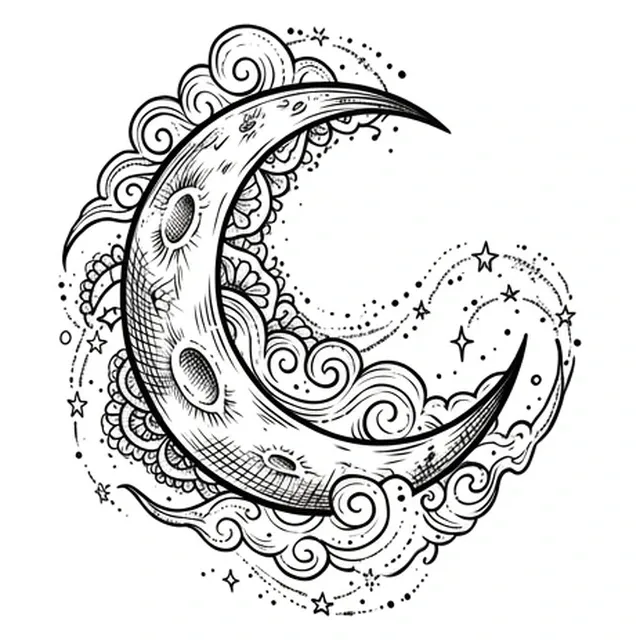
Black and grey illustrative moon and cloud tattoo design Try it on — Black and grey illustrative moon and cloud tattoo design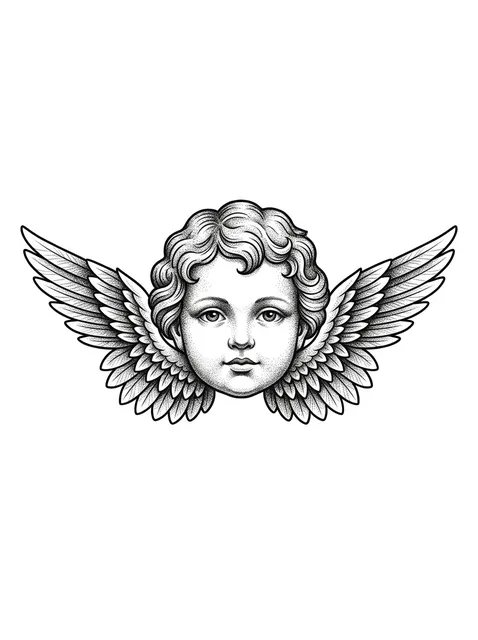
Black and grey dotwork angel tattoo design: an angel's head with wings Try it on — Black and grey dotwork angel tattoo design: an angel's head with wings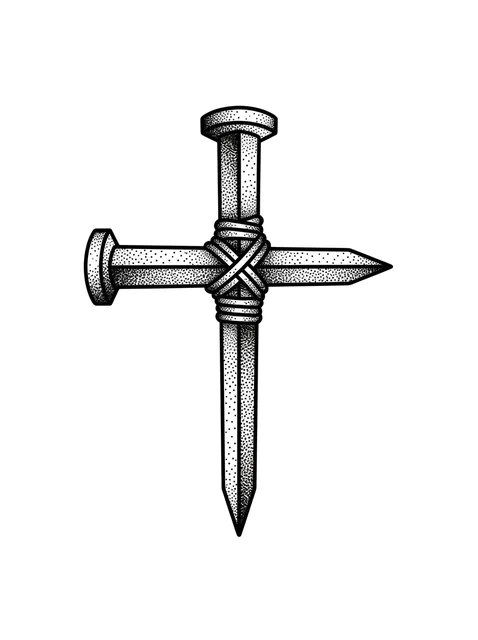
Black and grey dotwork cross tattoo design: a cross formed by two nails, bound together with rope Try it on — Black and grey dotwork cross tattoo design: a cross formed by two nails, bound together with rope
Black and white blackwork bear and mountain tattoo design Try it on — Black and white blackwork bear and mountain tattoo design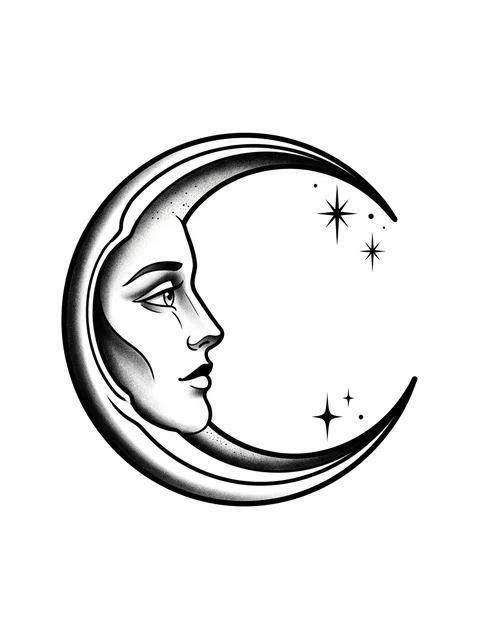
Black and grey neo traditional moon and star tattoo design Try it on — Black and grey neo traditional moon and star tattoo design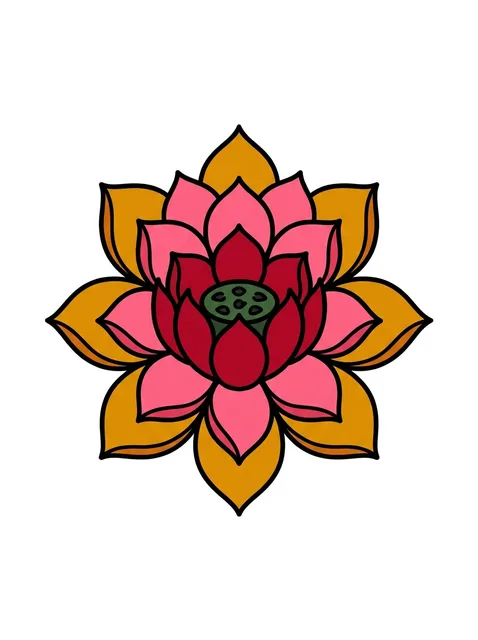
Color illustrative lotus and flower tattoo design: a green seed pod at its core Try it on — Color illustrative lotus and flower tattoo design: a green seed pod at its core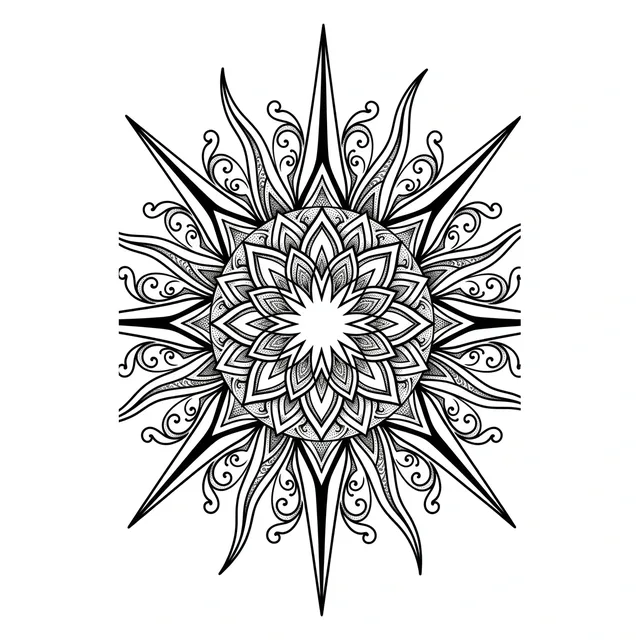
Black and white geometric mandala and sun tattoo design, outline stencil Try it on — Black and white geometric mandala and sun tattoo design, outline stencil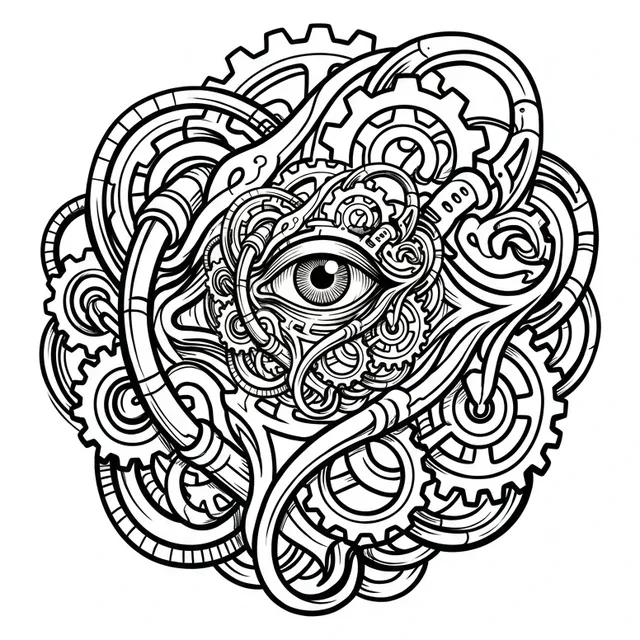
Black and white biomechanical eye tattoo design Try it on — Black and white biomechanical eye tattoo design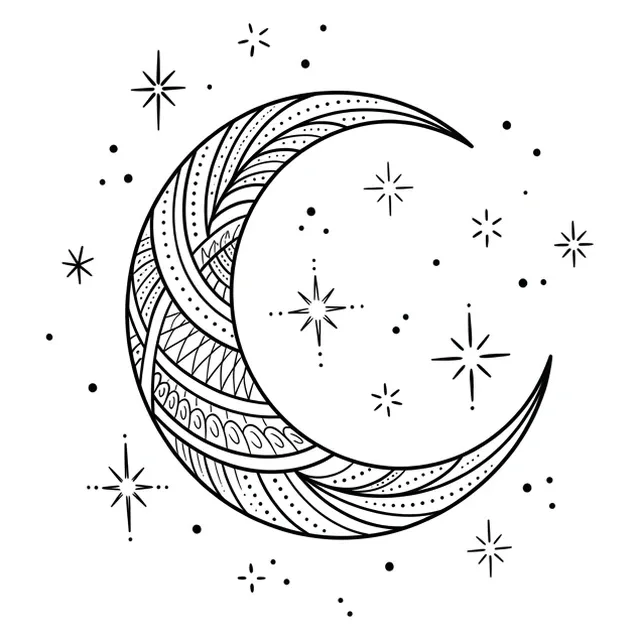
Black and grey ornamental moon and star tattoo design Try it on — Black and grey ornamental moon and star tattoo design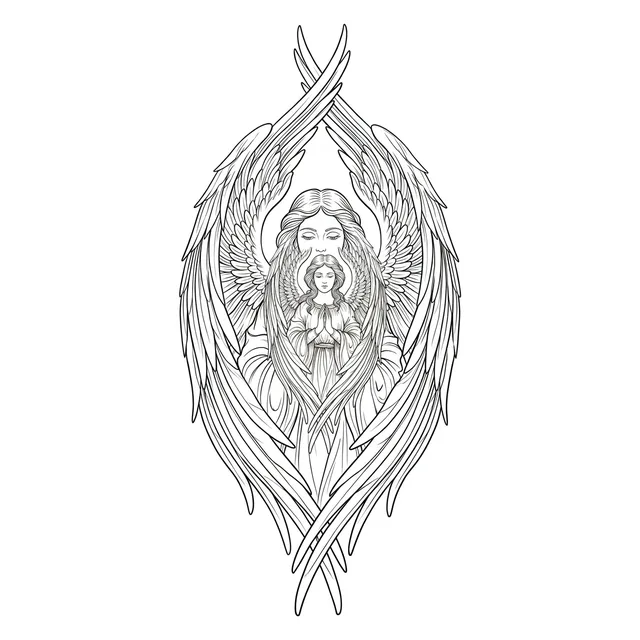
Black and grey illustrative angel and praying hands tattoo design Try it on — Black and grey illustrative angel and praying hands tattoo design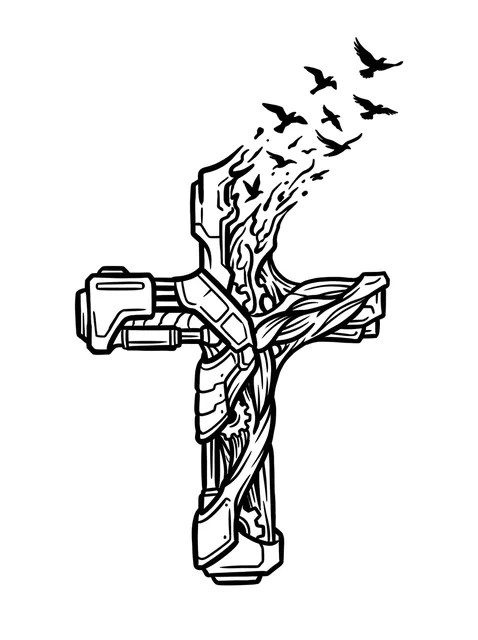
Black and grey illustrative cross and bird tattoo design Try it on — Black and grey illustrative cross and bird tattoo design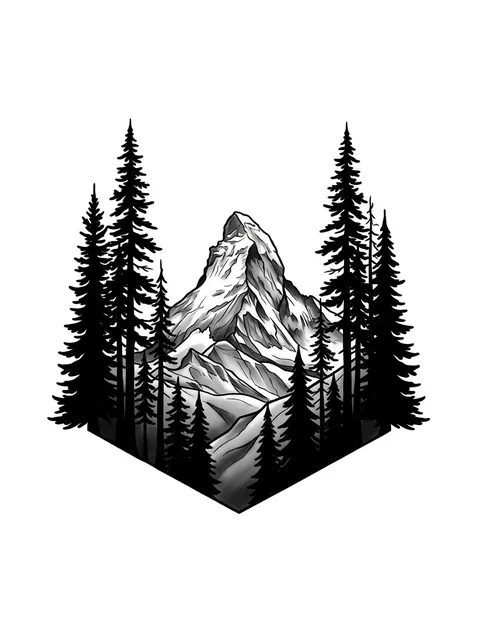
Black and grey illustrative mountain and tree tattoo design Try it on — Black and grey illustrative mountain and tree tattoo design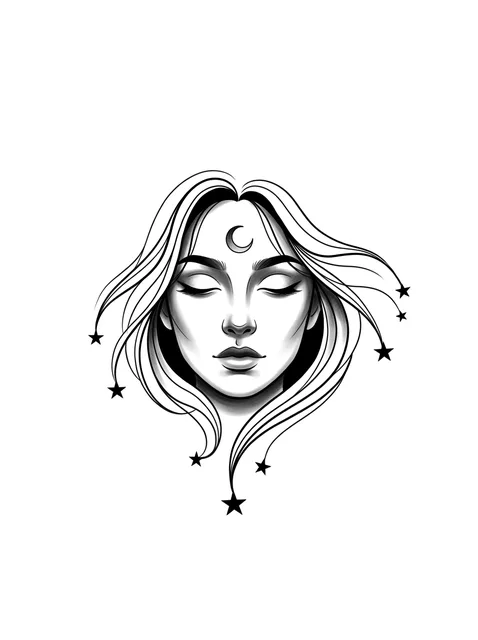
Black and grey illustrative woman portrait and moon tattoo design Try it on — Black and grey illustrative woman portrait and moon tattoo design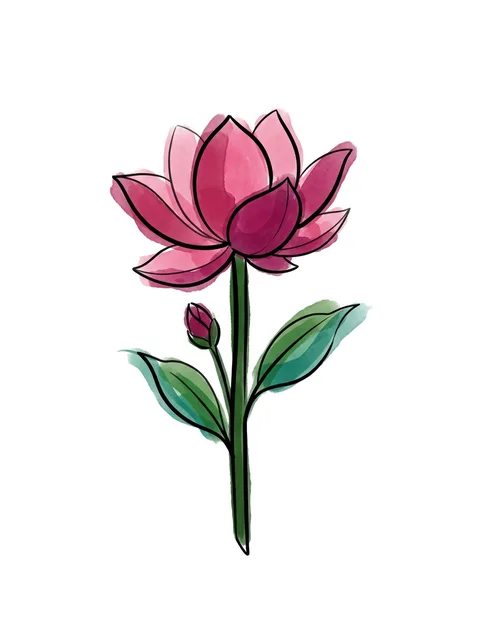
Color illustrative lotus and flower tattoo design: a bud and leaves Try it on — Color illustrative lotus and flower tattoo design: a bud and leaves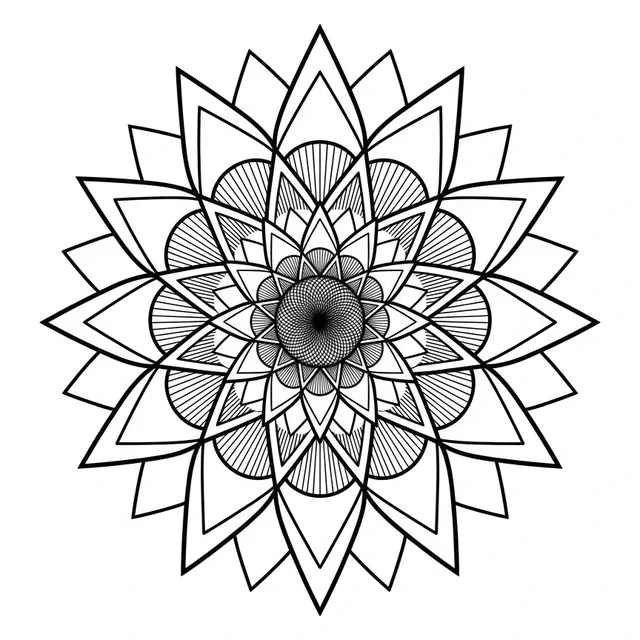
Black and white geometric mandala tattoo design, outline stencil Try it on — Black and white geometric mandala tattoo design, outline stencil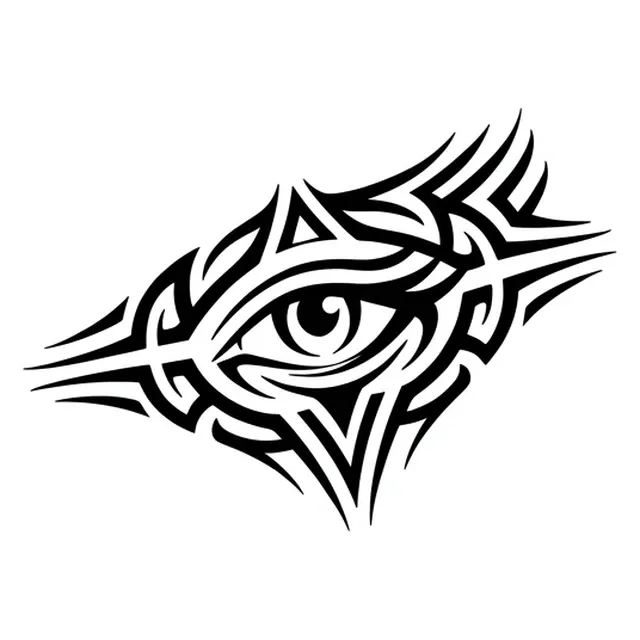
Black and white tribal eye tattoo design: a stylized eye at its center Try it on — Black and white tribal eye tattoo design: a stylized eye at its center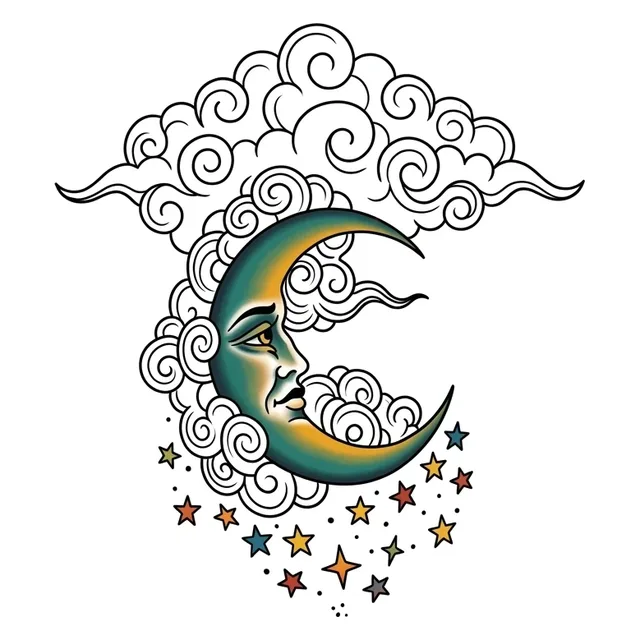
Color traditional moon and star tattoo design Try it on — Color traditional moon and star tattoo design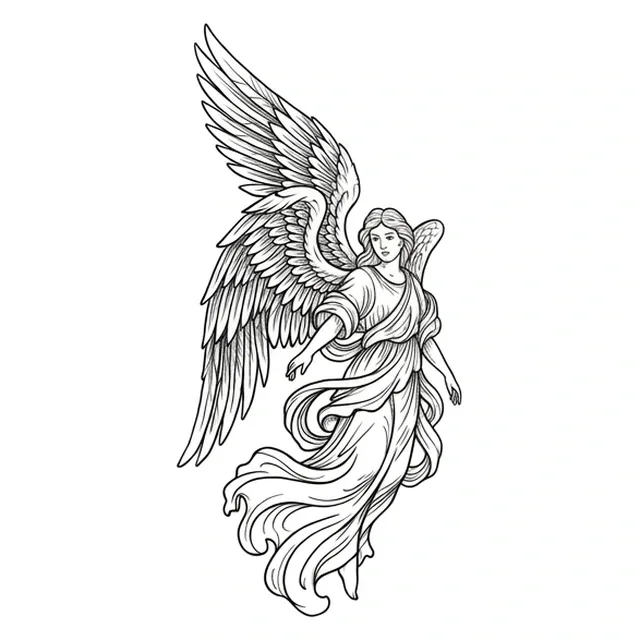
Black and grey illustrative angel tattoo design Try it on — Black and grey illustrative angel tattoo design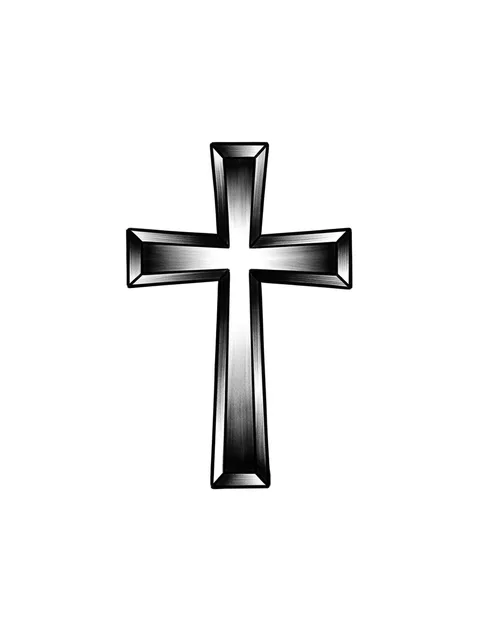
Black and grey illustrative cross tattoo design: a cross with a metallic, almost beveled appearance Try it on — Black and grey illustrative cross tattoo design: a cross with a metallic, almost beveled appearance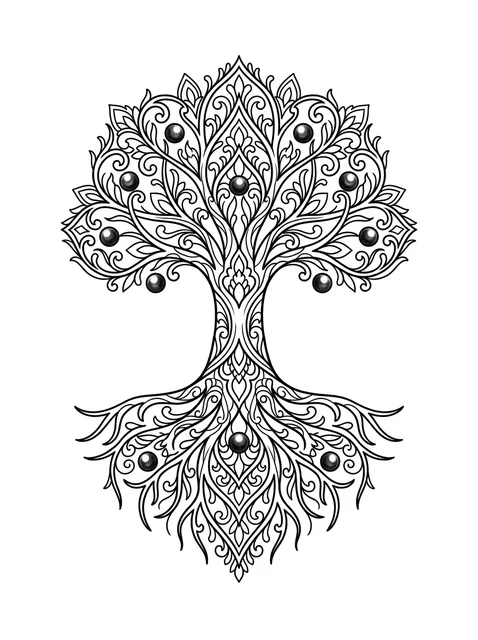
Black and grey ornamental tree of life and mandala tattoo design Try it on — Black and grey ornamental tree of life and mandala tattoo design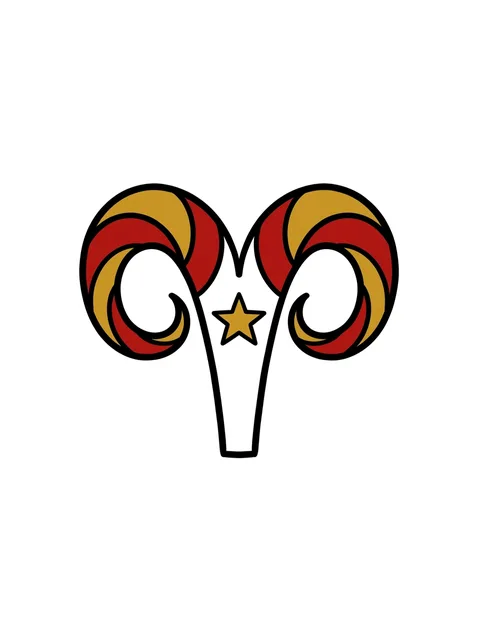
Color traditional aries and star tattoo design Try it on — Color traditional aries and star tattoo design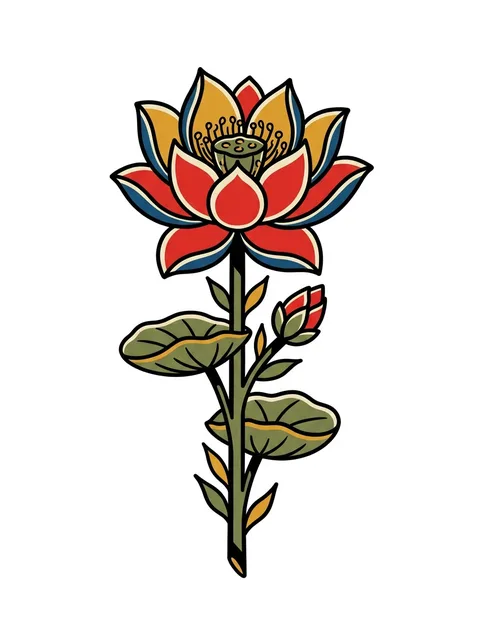
Color traditional lotus and flower tattoo design: a blooming lotus flower with a bud and leaves Try it on — Color traditional lotus and flower tattoo design: a blooming lotus flower with a bud and leaves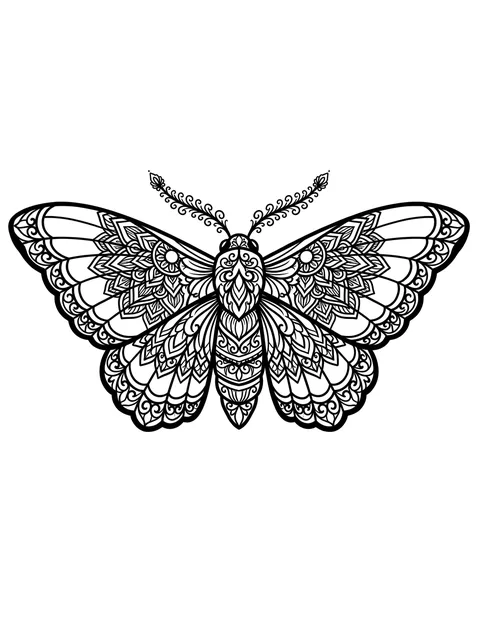
Black and grey ornamental moth and mandala tattoo design Try it on — Black and grey ornamental moth and mandala tattoo design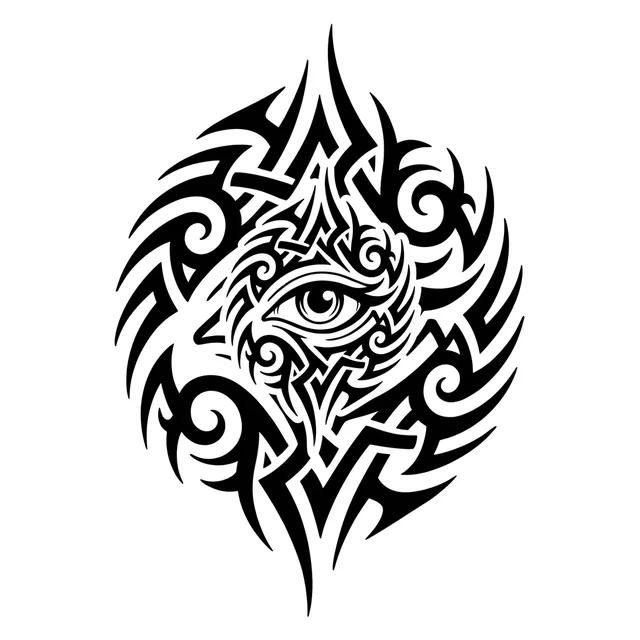
Black and white tribal eye tattoo design: a central eye motif Try it on — Black and white tribal eye tattoo design: a central eye motif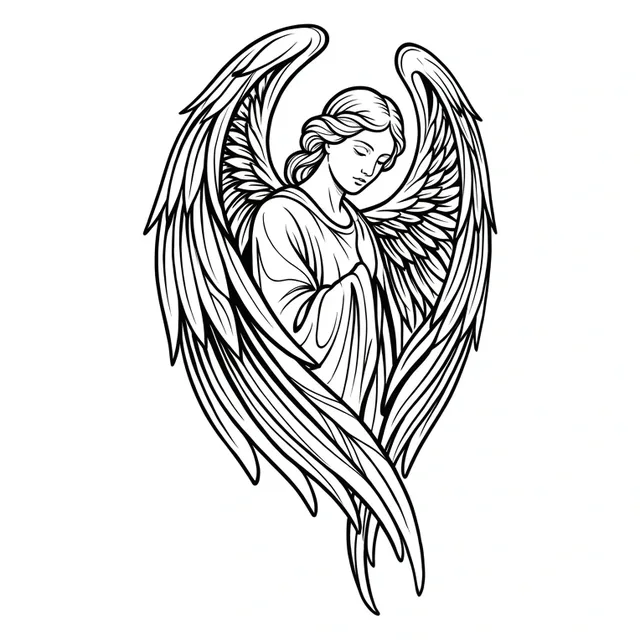
Black and grey illustrative angel tattoo design: an angel with large, detailed wings Try it on — Black and grey illustrative angel tattoo design: an angel with large, detailed wings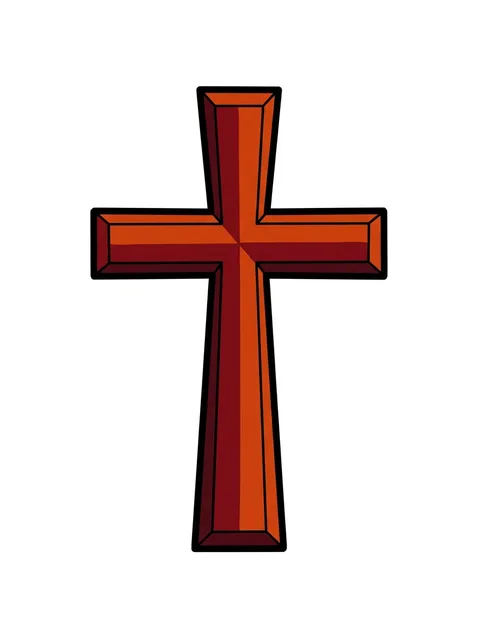
Color illustrative cross tattoo design Try it on — Color illustrative cross tattoo design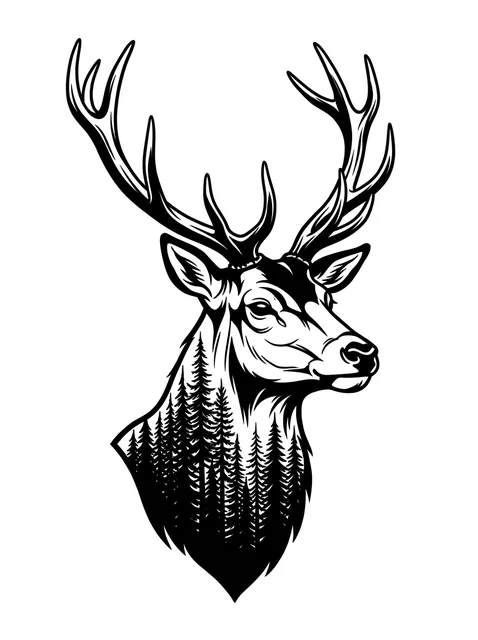
Black and white illustrative deer and tree tattoo design: the head of a deer with prominent antlers Try it on — Black and white illustrative deer and tree tattoo design: the head of a deer with prominent antlers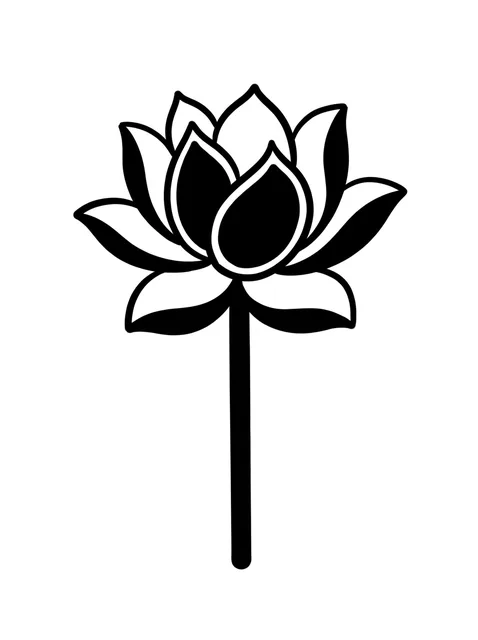
Black and white blackwork lotus and flower tattoo design Try it on — Black and white blackwork lotus and flower tattoo design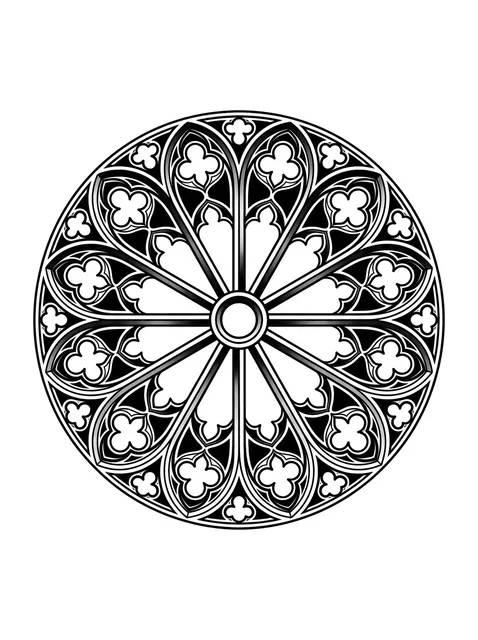
Black and grey gothic rose window and mandala tattoo design Try it on — Black and grey gothic rose window and mandala tattoo design


40 designs drawn in-house across 8 motifs. Tap any one to place it on a photo of your own skin.
Borrowed symbols and where the line falls
The question of appropriation gets argued in the abstract and is much simpler in the specific. Some traditions have explicitly said what they object to, and those statements are easy to find and easy to respect. Hindu organisations have objected repeatedly to the om being placed below the waist or on the feet, because the syllable is sacred text and Sanskrit script is treated as having the status of what it represents. That is a stated position rather than an inferred one.
Buddha imagery carries a legal dimension as well as an ethical one. Sri Lanka and Myanmar have both detained and deported visitors over visible Buddha tattoos, and Thailand has campaigned against Buddha tattoos on tourists for years. Whatever you conclude about the ethics, a tattoo that can cause you to be refused entry to a country is a practical fact worth knowing before rather than after.
Where a symbol is freely shared, the traditions generally say so too. The lotus, the tree of life and the moon cycle carry no comparable objection, and the first of those is explicitly used as a teaching image precisely because anyone can understand it without instruction. That asymmetry is the most useful guide there is: the symbols people object to are the ones that are sacred text or sacred person, and the ones nobody objects to are the ones that are arguments about nature.
What survives without the doctrine
A symbol detached from its tradition keeps whatever meaning the image itself carries and loses whatever meaning the tradition supplied. A lotus keeps almost all of it, because the argument is in the plant: it grows in mud, and it opens clean. A moon keeps all of it for the same reason. An unalome, which maps a specific path through Buddhist practice, keeps very little — most people wearing one could not say which end is the beginning, and it is a line with bends in it without that.
This is the honest test to apply before booking. Can you say what the symbol means in one sentence, without using the word spiritual? If you can, the image is doing the work and it will keep doing it. If you cannot, the tradition was doing the work, and you are wearing the shape rather than the meaning.
None of which is an argument for only wearing what you were born into. It is an argument for knowing, because the difference between reverence and decoration is almost entirely whether the wearer can tell you what it says.
Common questions
- What is the difference between a spiritual and a religious tattoo?
- A religious tattoo names a tradition and accepts its terms. A spiritual one borrows a symbol without joining the tradition it came from. Both are legitimate, but the second carries a question the first does not, which is whether the source community minds — and for several of these symbols there is a stated answer.
- Which symbols should I avoid if I do not practise?
- The ones that are sacred text or a sacred person. Hindu organisations have objected specifically to the om below the waist, and Sri Lanka and Myanmar have detained and deported visitors over visible Buddha tattoos. Symbols that are arguments about nature — a lotus, a tree, the moon — carry no comparable objection.
- Does placement matter for spiritual symbols?
- For some of them it is the whole issue. Several traditions treat the feet and the area below the waist as the least clean part of the body, so a sacred script or figure placed there reads as an insult regardless of intent. Above the waist is the rule most artists apply, and it resolves nearly all of it.
- How do I know if I actually understand the symbol?
- Try to say what it means in one sentence without using the word spiritual. If the image carries the argument — a lotus rooted in mud opening clean — it will keep working. If you need the tradition to explain it, you are wearing the shape rather than the meaning, which is worth knowing before rather than after.
See it on your own skin first
InkCraft places a design on a photo of you — scaled, wrapped and shaded to the spot you pick, so you can judge how it reads on your body before it is permanent.