 InkCraft
Buddha Tattoo Ideas, Mudras and Meaning
21 original buddha designs drawn for InkCraftBy Uladzimir TumanauUpdated
Buddhists revere the Buddha as a teacher who woke up, not as a charm, and in Theravada countries a careless image of him gives real offence. Placement counts as much as drawing: keep him above the waist, off the legs and feet, and covered in Sri Lanka.
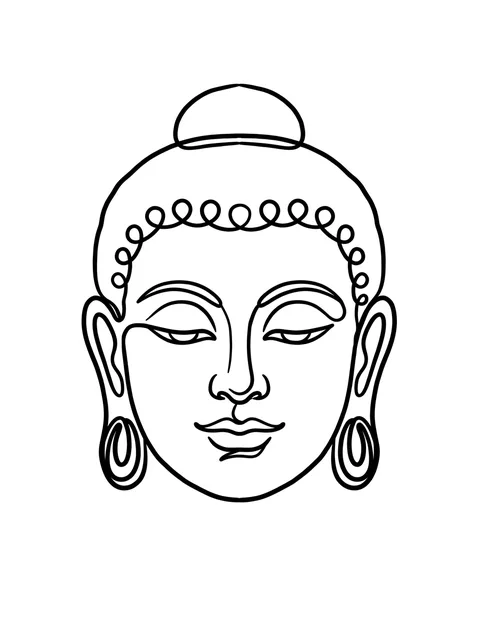
Black and white linework buddha tattoo design, outline stencil Try it on — Black and white linework buddha tattoo design, outline stencil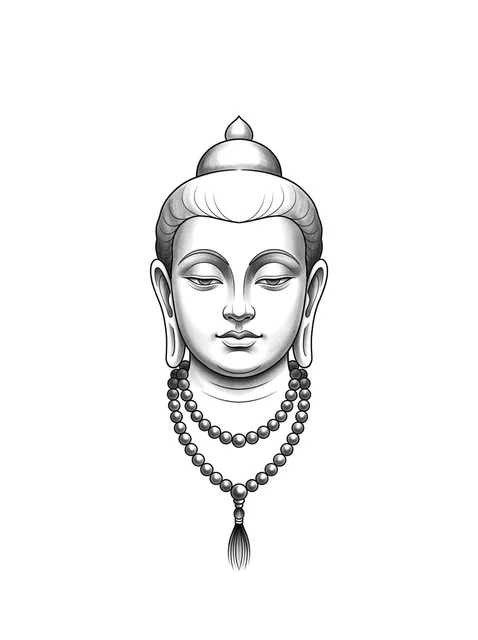
Black and grey realism buddha tattoo design Try it on — Black and grey realism buddha tattoo design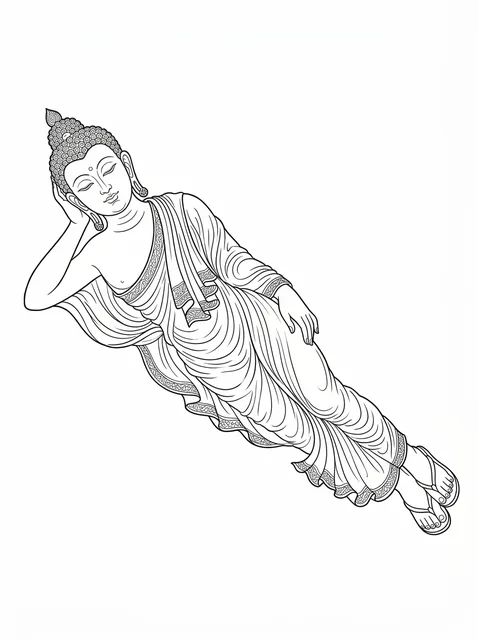
Black and white fine line buddha tattoo design, outline stencil Try it on — Black and white fine line buddha tattoo design, outline stencil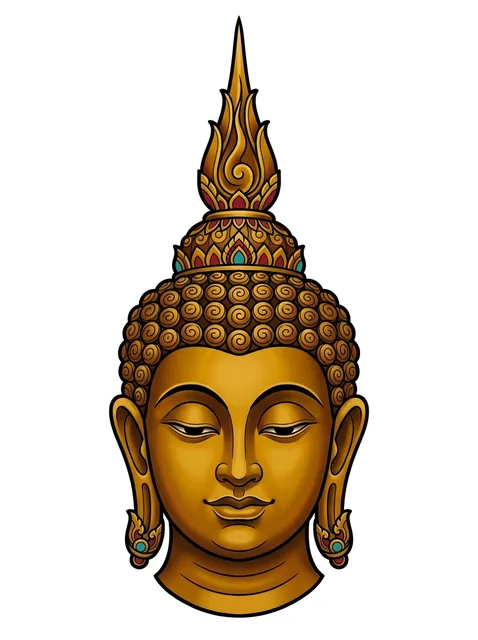
Color illustrative buddha tattoo design Try it on — Color illustrative buddha tattoo design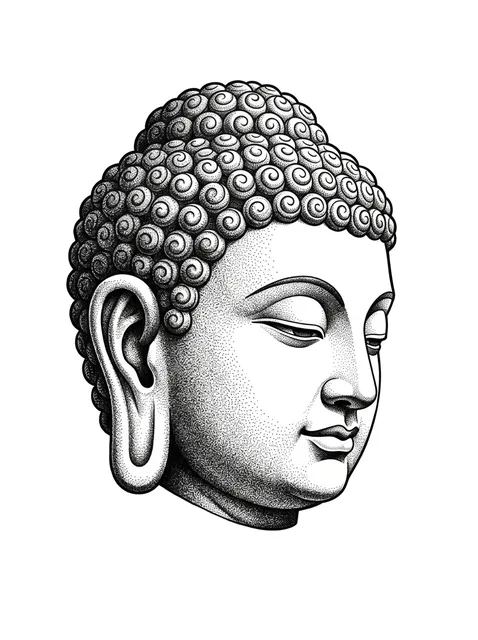
Black and grey dotwork buddha tattoo design Try it on — Black and grey dotwork buddha tattoo design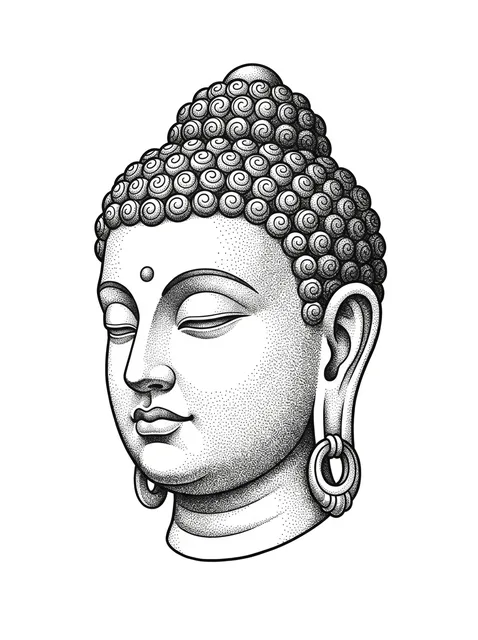
Black and grey dotwork buddha tattoo design Try it on — Black and grey dotwork buddha tattoo design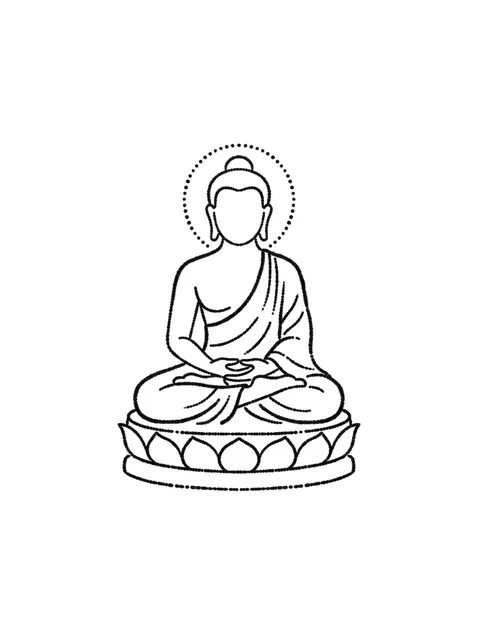
Black and white minimalist buddha and lotus tattoo design, outline stencil Try it on — Black and white minimalist buddha and lotus tattoo design, outline stencil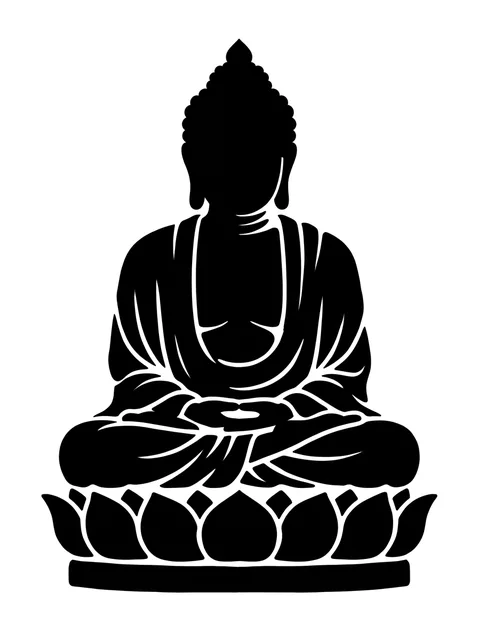
Black and white blackwork buddha and lotus tattoo design Try it on — Black and white blackwork buddha and lotus tattoo design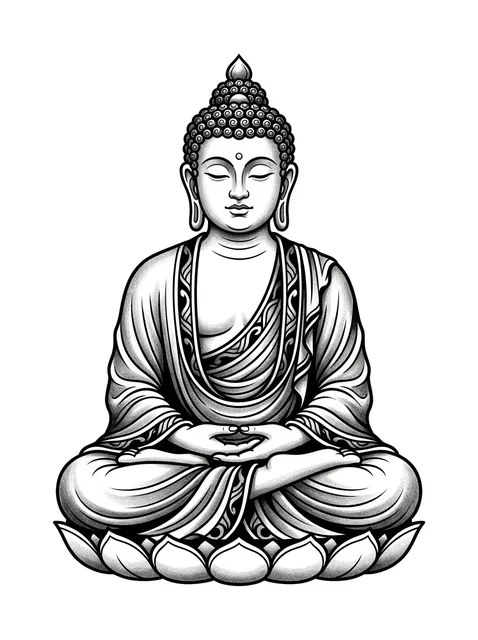
Black and grey illustrative buddha and lotus tattoo design Try it on — Black and grey illustrative buddha and lotus tattoo design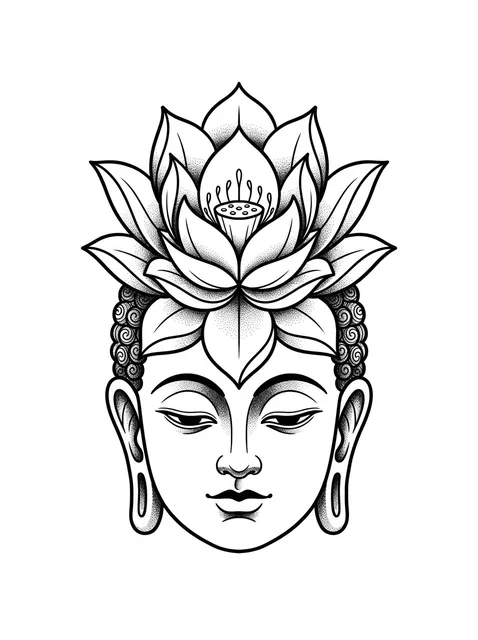
Black and white linework buddha and lotus tattoo design, outline stencil Try it on — Black and white linework buddha and lotus tattoo design, outline stencil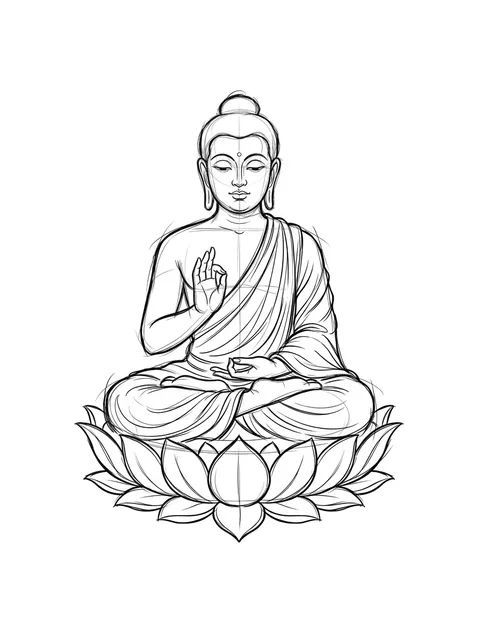
Black and grey sketch buddha and lotus tattoo design Try it on — Black and grey sketch buddha and lotus tattoo design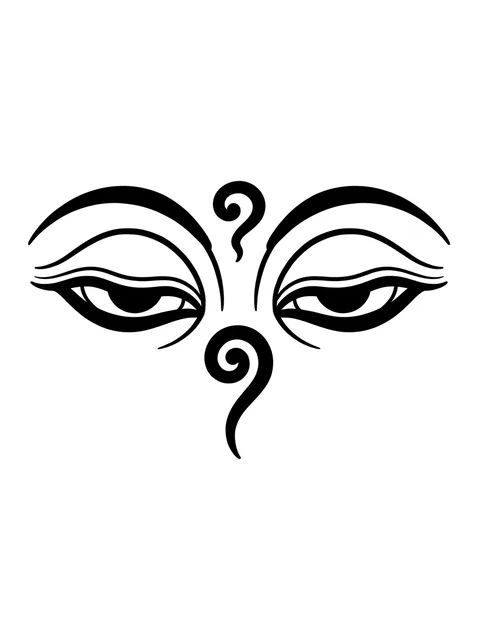
Black and white blackwork buddha and eye tattoo design Try it on — Black and white blackwork buddha and eye tattoo design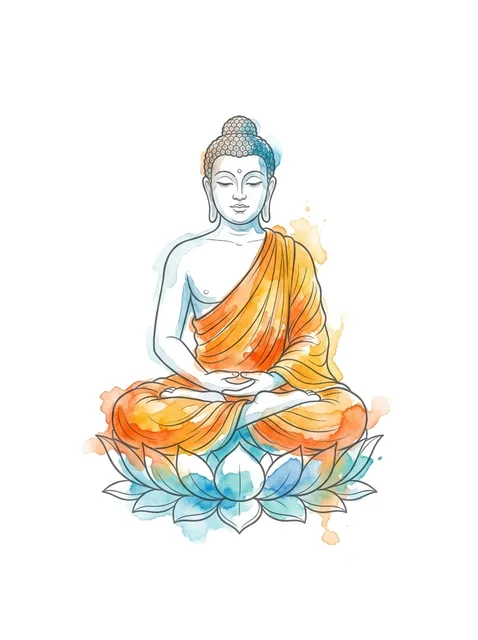
Color watercolor buddha and lotus tattoo design Try it on — Color watercolor buddha and lotus tattoo design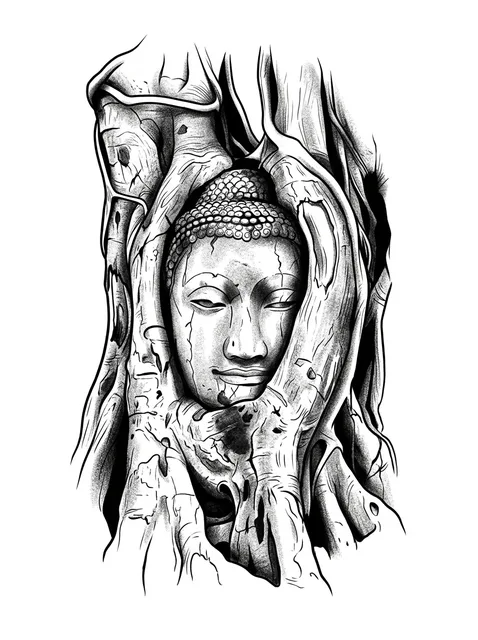
Black and grey illustrative buddha and tree tattoo design Try it on — Black and grey illustrative buddha and tree tattoo design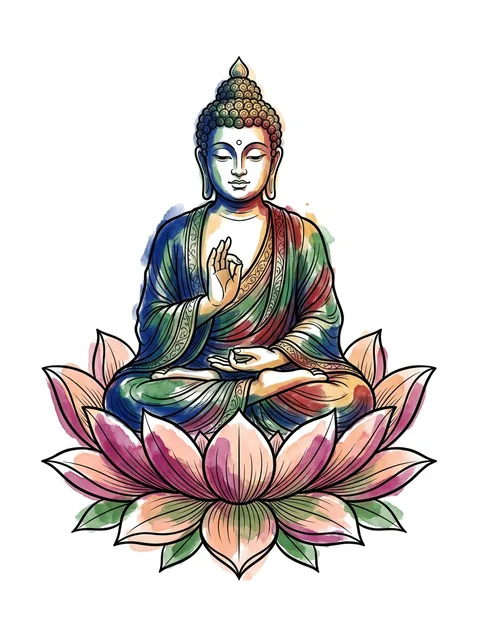
Color watercolor buddha and lotus tattoo design Try it on — Color watercolor buddha and lotus tattoo design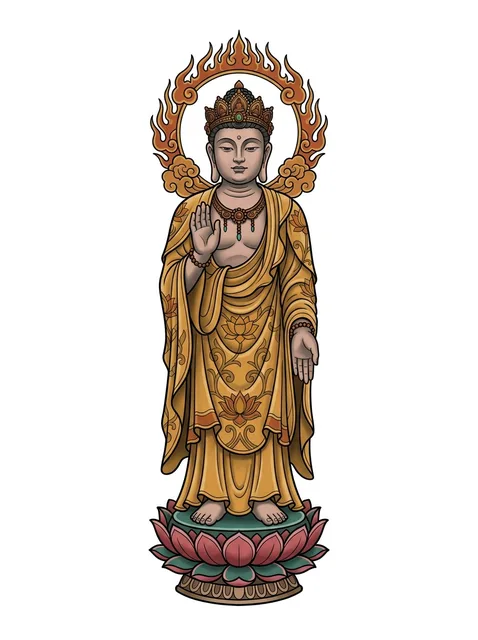
Color illustrative buddha and lotus tattoo design Try it on — Color illustrative buddha and lotus tattoo design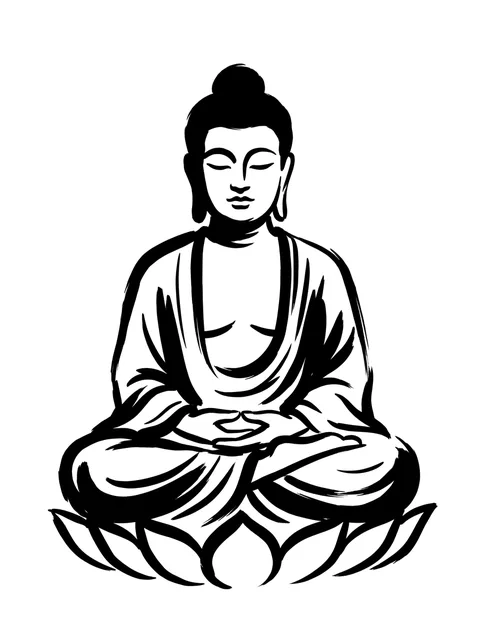
Black and white blackwork buddha and lotus tattoo design Try it on — Black and white blackwork buddha and lotus tattoo design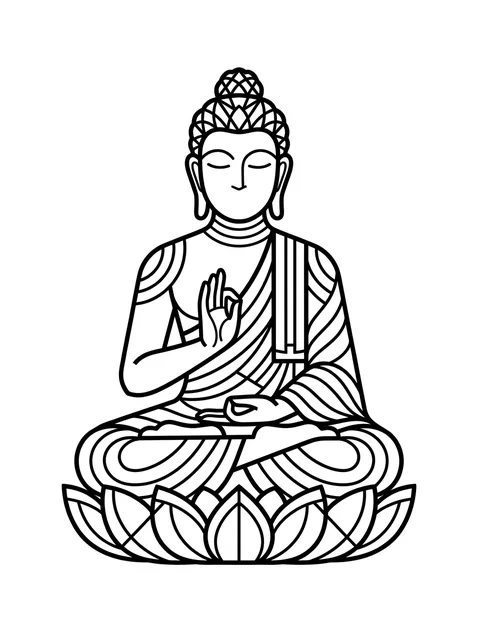
Black and white geometric buddha and lotus tattoo design, outline stencil Try it on — Black and white geometric buddha and lotus tattoo design, outline stencil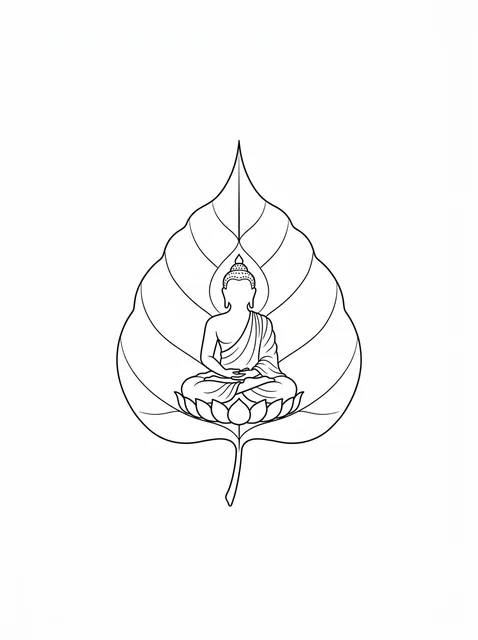
Black and white fine line buddha and leaf tattoo design, outline stencil Try it on — Black and white fine line buddha and leaf tattoo design, outline stencil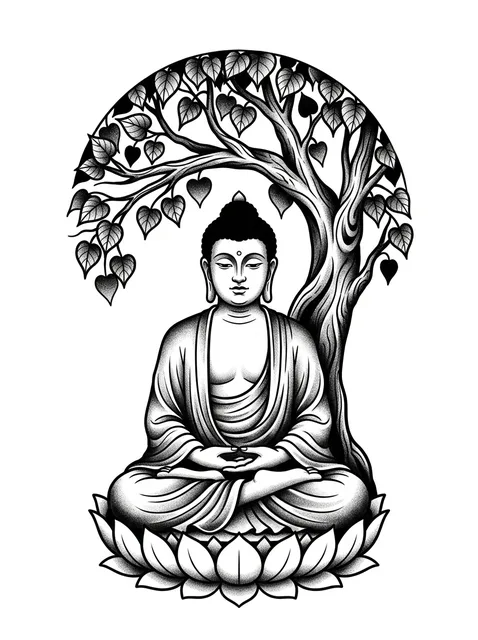
Black and grey illustrative buddha and tree tattoo design Try it on — Black and grey illustrative buddha and tree tattoo design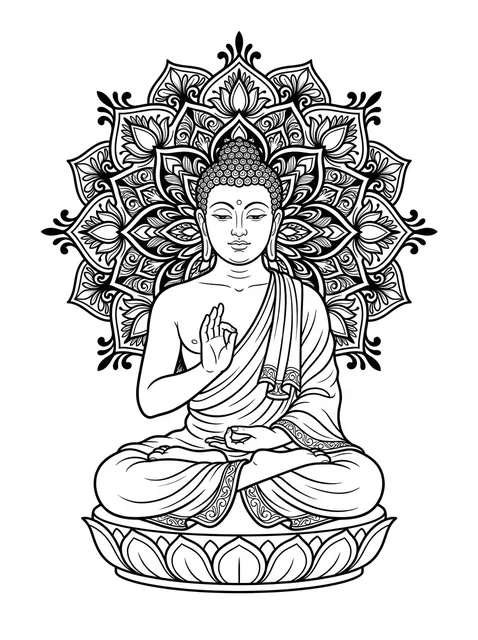
Black and grey ornamental buddha and mandala tattoo design Try it on — Black and grey ornamental buddha and mandala tattoo design


Tap any design to see it on your own skin in the try-on — no signup.
This set of 21 buddha designs, by the numbers
- Styles represented
- illustrative (5), blackwork (3), linework (2), fine line (2), dotwork (2), watercolor (2)
- Black-and-grey vs colour
- 81% black-and-grey, 19% colour
- Most often drawn with
- lotus, tree, eye, leaf
Counted from the 21 designs shown on this page. Every one was drawn for InkCraft — none are scraped or reposted. Free to reference with a link to this page.
What a buddha tattoo means
Buddha is a title rather than a name. It means the awakened one, and it belongs first to Siddhartha Gautama, a prince of the Shakya clan born at Lumbini, in what is now Nepal, who gave up his inheritance, sat under a fig tree at Bodh Gaya until he understood how suffering ends, and spent the rest of his life teaching it. Buddhists honour him as a teacher who showed a path, not as a god who grants favours, and an image of him is a reminder of that path before it is anything else.
The figure is drawn by convention, and every mark has a reason. The rounded crown of the head, the ushnisha, is one of the thirty-two signs of a great being; the dot or curl between the brows, the urna, is another. The long, empty earlobes were stretched by the gold he wore as a prince and gave up. Tight curls cover the head, and a popular story says they were snails that climbed up to shade him while he sat. Half-closed eyes show attention resting inward.
The hands say which moment is shown. Palms stacked in the lap is dhyana, meditation. One hand raised with the palm outward is abhaya, do not fear, the gesture of the standing gold figure on this page. Thumb and forefinger joined in a ring is vitarka, teaching, as in the sketched Buddha and one of the watercolours. The right hand reaching down to touch the ground is bhumisparsha, the earth called to witness on the night of his awakening, and it is the one gesture none of these designs shows.
The reclining figure is his death, not a rest. Lying on his right side with his head on his hand, he is entering parinirvana, the final release; the one at Wat Pho in Bangkok is 46 metres long.
Where the design comes from
For centuries after his death, Buddhist art did not show him at all: the gateways of the great stupa at Sanchi tell his life with an empty seat, footprints, a wheel or a tree where he should be. The human figure appeared around the first century AD, at Mathura in India and in Gandhara, now Pakistan and Afghanistan, where sculptors who knew Greek and Roman work gave him wavy hair and a toga-like robe. Thai sculptors from the Sukhothai period on crowned the head with the flame seen on the gold head here, and in the Kathmandu Valley the stupas of Boudhanath and Swayambhunath look out on all four sides with the painted eyes drawn in blackwork on this page. The stone head in fig roots is at Wat Mahathat in Ayutthaya, the capital the Burmese army sacked in 1767.
Choosing yours
- Placement comes first, and in Buddhist Asia it is not a matter of taste. The head is the highest part of the body and the feet the lowest, so a Buddha on the leg, the foot or low on the back is taken as an insult across Sri Lanka, Thailand and Myanmar. Thai sak yant masters, who tattoo Buddha figures at temples such as Wat Bang Phra, keep them to the back, the shoulders and the upper arms.
- Choose the gesture as deliberately as the pose, and do not let hands from one statue be copied onto a body from another, a mismatch Buddhist viewers notice.
- Keep the face calm rather than sleepy. On a small head the drawing should give each eyelid one clean stroke, as the single-line face here does.
Size, cost and placement
How big, and what it costs
A head at 8 to 10 cm is two to three hours, and the smallest size at which half-closed eyes still read as calm. A seated figure with a halo wants 12 to 18 cm and half a day; the mandala halo and the bodhi-tree scene are larger again. Gold is mixed from yellows and browns, since tattoo ink has no true metallic.
Where it sits, and how much it hurts
Above the waist and facing outward: between the shoulder blades, the shoulder, the upper arm or the chest. The upper back gives a halo room and is where sak yant sits; the spine and sternum hurt most. In Sri Lanka even an upper-arm Buddha counts as visible.
What to ask your artist
- Which mudra the hands make, and that it matches the pose.
- That the earlobes, the rounded crown and the half-closed eyes all survive at your size.
- Which tradition the face follows, Thai, Gandharan, Tibetan or Japanese.
Prices vary widely by city and artist — treat these as session lengths rather than quotes, and expect a shop minimum on anything small. The cost guide turns hours into money by size, placement and style.
Common questions
Can I visit Sri Lanka with a Buddha tattoo?
Only with it covered. Sri Lanka treats a visible Buddha tattoo on a visitor as disrespect to religion, and in 2014 a British tourist was detained at Colombo airport and deported over one on her arm. Long sleeves are the usual advice, because placement alone did not protect her.
Is the fat laughing Buddha the same person?
No. The round, laughing figure with a sack is Budai, a Chinese monk later identified with Maitreya, the Buddha still to come; in Japan he is Hotei, one of the Seven Lucky Gods. None of the designs here is Budai.
How is a Buddha tattoo seen in Thailand?
Thai Buddhists wear the image in the sak yant given by monks and ajarns, but officials and Buddhist groups have discouraged it as decoration for tourists, with billboards reading Buddha is not for decoration.
Why does the Buddha have long earlobes?
As a prince he wore heavy gold earrings that stretched the lobes, and when he left the palace he kept the empty lobes. Leave them out and the figure becomes a generic meditator.
See it on your skin before you commit
InkCraft places any of these designs on a photo of you — scaled, wrapped and shaded to the placement you pick.