 InkCraft
Yin-Yang Tattoo Ideas and What They Mean
24 original yin yang designs drawn for InkCraftBy Uladzimir TumanauUpdated
It is not a peace symbol. A taijitu says that opposites are one system, each containing a seed of the other, which is close to the opposite of resolution.
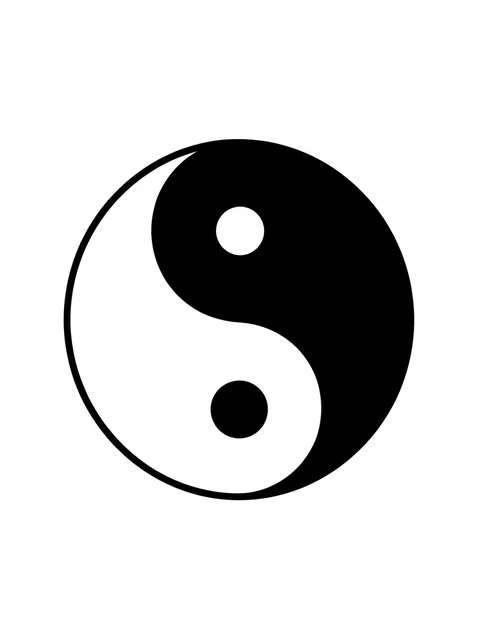
Black and white minimalist yin yang tattoo design, outline stencil Try it on — Black and white minimalist yin yang tattoo design, outline stencil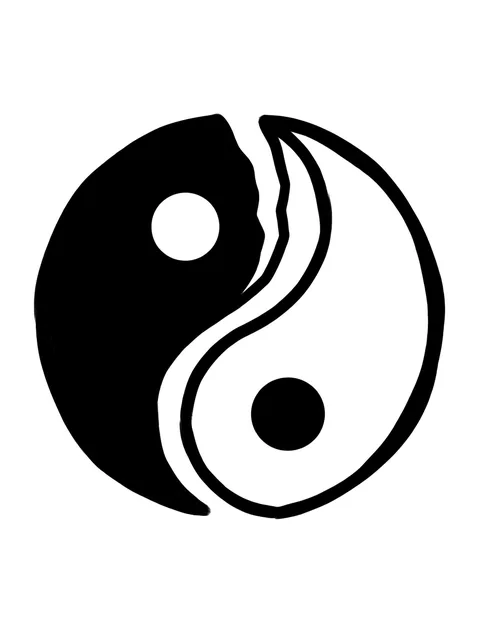
Black and white minimalist yin yang tattoo design, outline stencil Try it on — Black and white minimalist yin yang tattoo design, outline stencil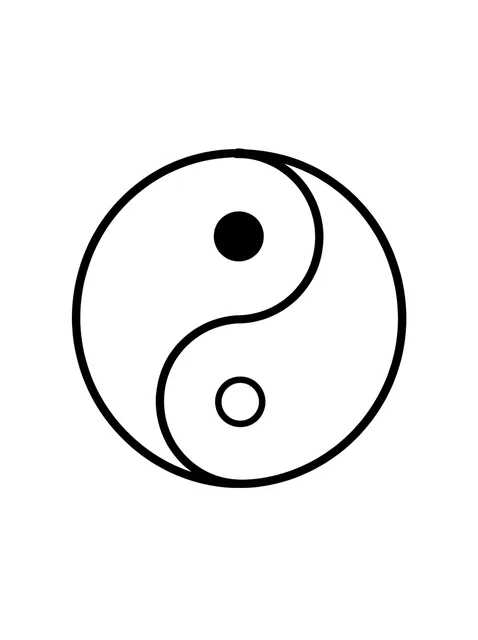
Black and white minimalist yin yang tattoo design, outline stencil Try it on — Black and white minimalist yin yang tattoo design, outline stencil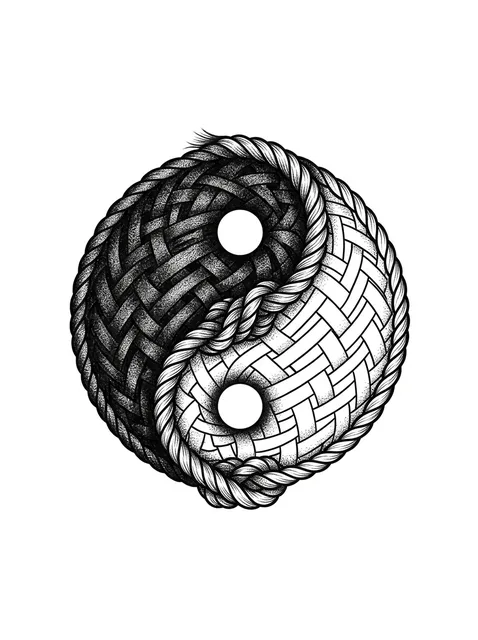
Black and grey illustrative yin yang tattoo design: a yin-yang symbol, intricately Try it on — Black and grey illustrative yin yang tattoo design: a yin-yang symbol, intricately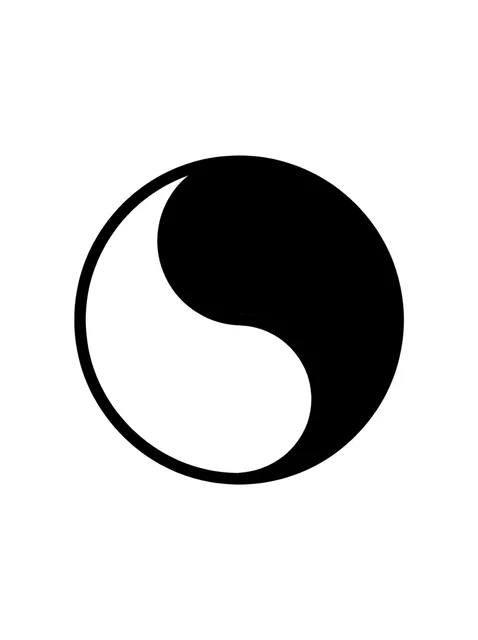
Black and white minimalist yin yang tattoo design, outline stencil Try it on — Black and white minimalist yin yang tattoo design, outline stencil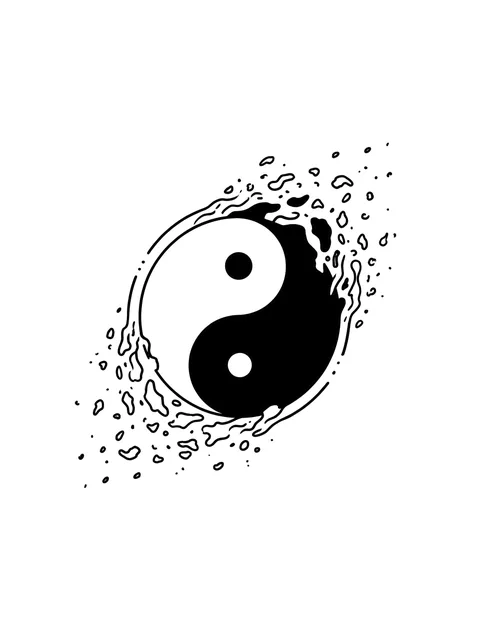
Black and white linework yin yang tattoo design, outline stencil Try it on — Black and white linework yin yang tattoo design, outline stencil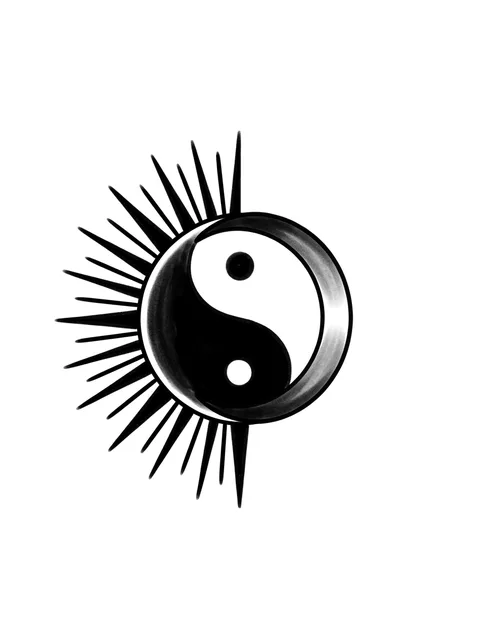
Black and white illustrative yin yang and sun tattoo design Try it on — Black and white illustrative yin yang and sun tattoo design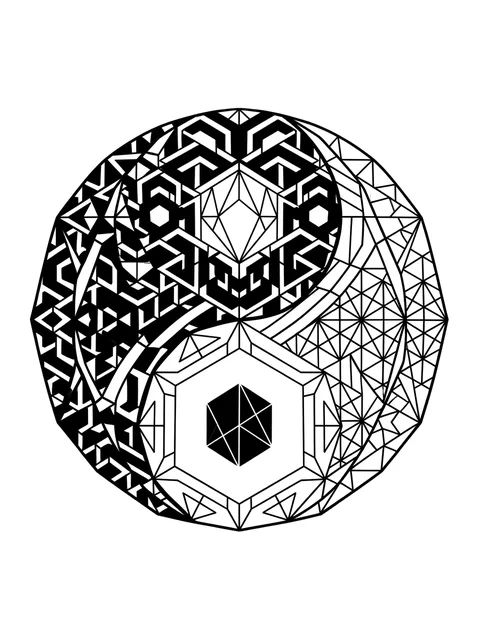
Black and white geometric yin yang and mandala tattoo design, outline stencil Try it on — Black and white geometric yin yang and mandala tattoo design, outline stencil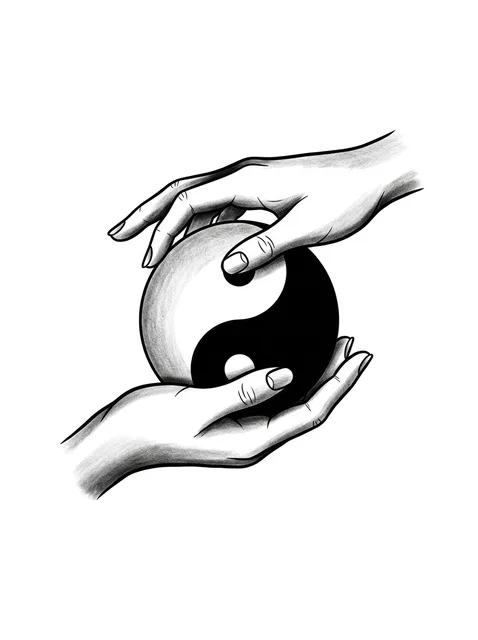
Black and grey illustrative yin yang and hand tattoo design Try it on — Black and grey illustrative yin yang and hand tattoo design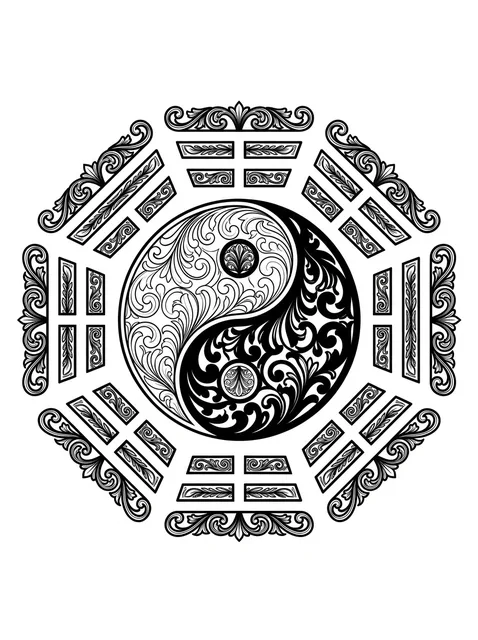
Black and grey ornamental yin yang and mandala tattoo design Try it on — Black and grey ornamental yin yang and mandala tattoo design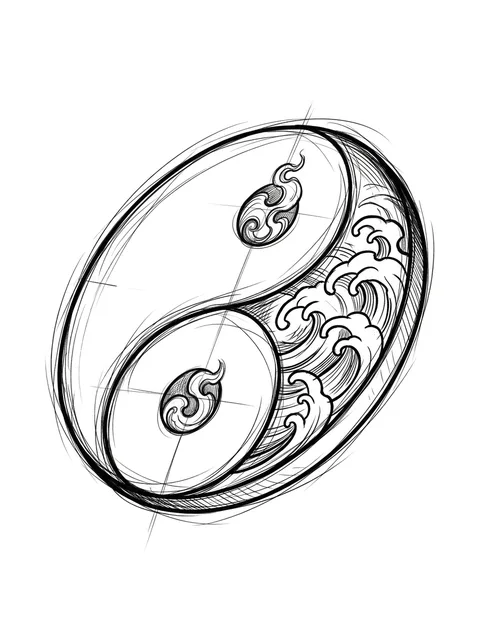
Black and grey sketch yin yang and wave tattoo design Try it on — Black and grey sketch yin yang and wave tattoo design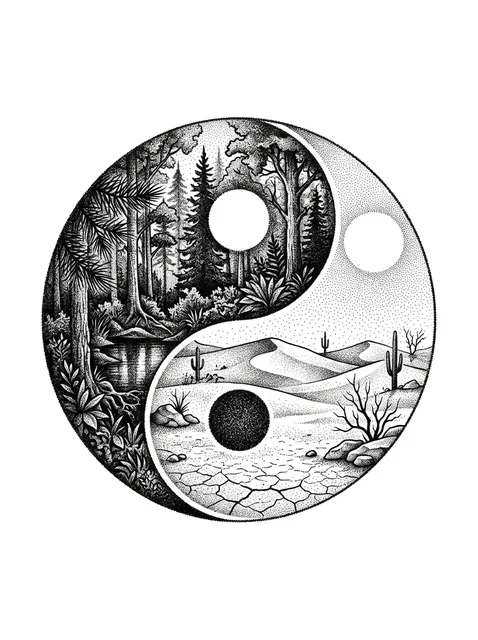
Black and grey dotwork yin yang and tree tattoo design Try it on — Black and grey dotwork yin yang and tree tattoo design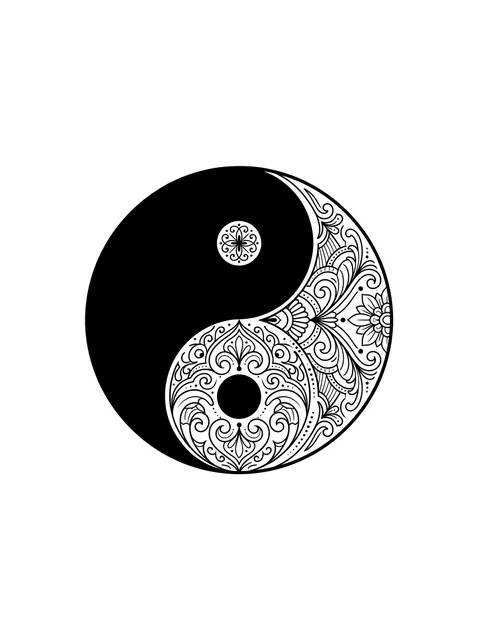
Black and white ornamental yin yang and mandala tattoo design Try it on — Black and white ornamental yin yang and mandala tattoo design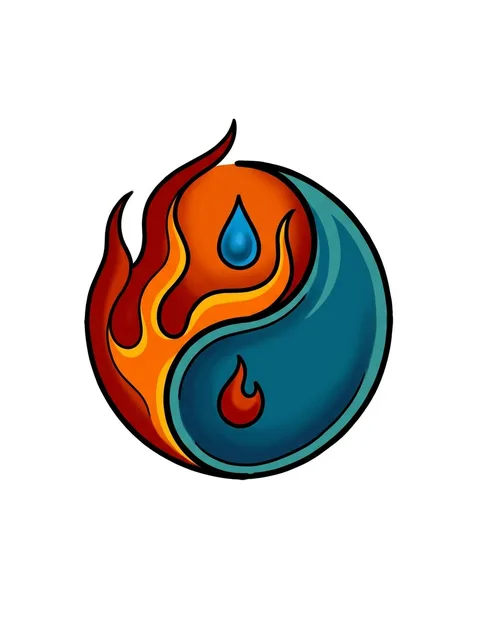
Color neo traditional yin yang and fire tattoo design: a yin-yang symbol, with one half Try it on — Color neo traditional yin yang and fire tattoo design: a yin-yang symbol, with one half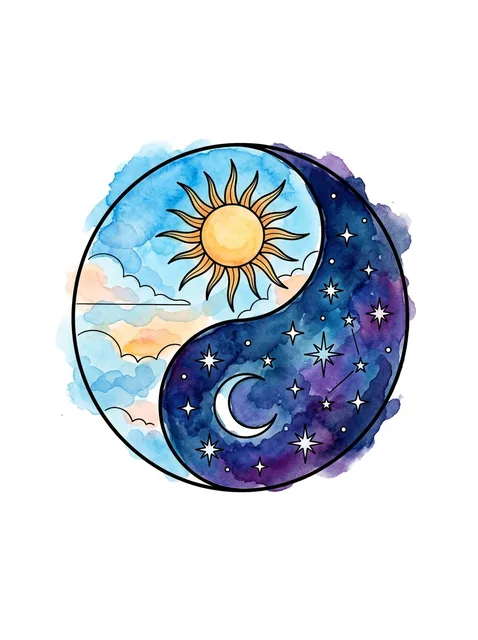
Color watercolor yin yang and sun tattoo design Try it on — Color watercolor yin yang and sun tattoo design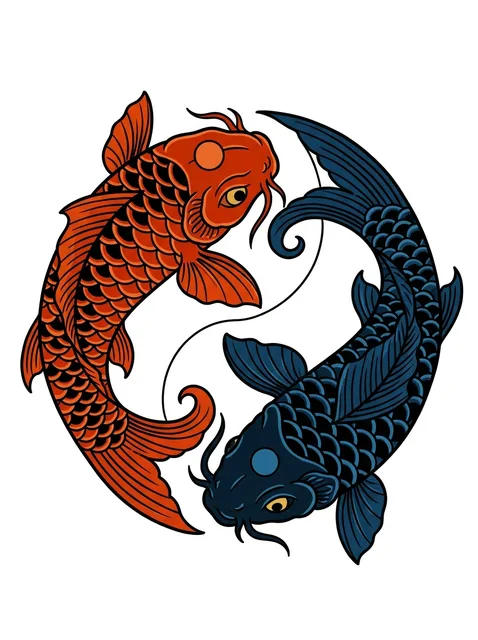
Color Japanese yin yang and koi tattoo design Try it on — Color Japanese yin yang and koi tattoo design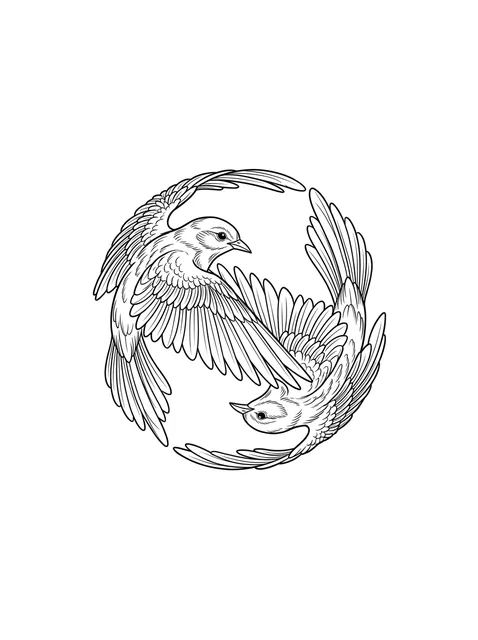
Black and white illustrative yin yang and bird tattoo design Try it on — Black and white illustrative yin yang and bird tattoo design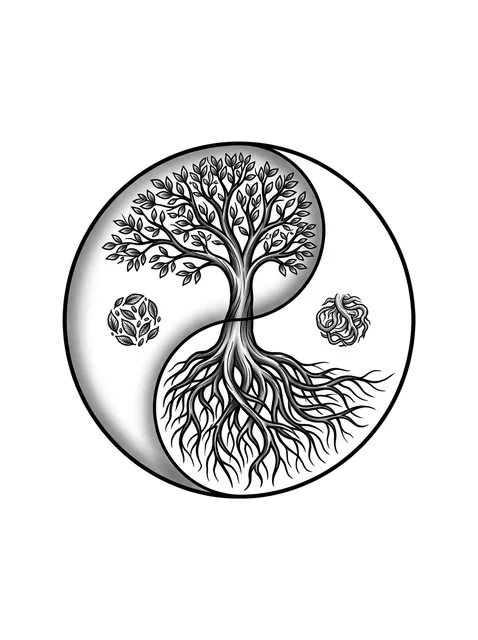
Black and grey illustrative yin yang and tree tattoo design Try it on — Black and grey illustrative yin yang and tree tattoo design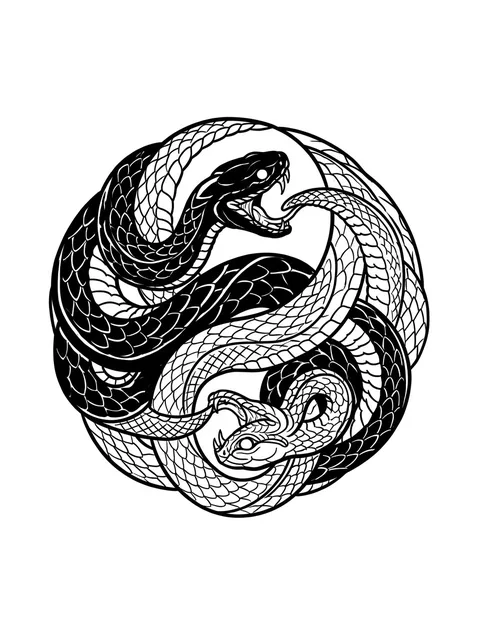
Black and white blackwork yin yang and snake tattoo design Try it on — Black and white blackwork yin yang and snake tattoo design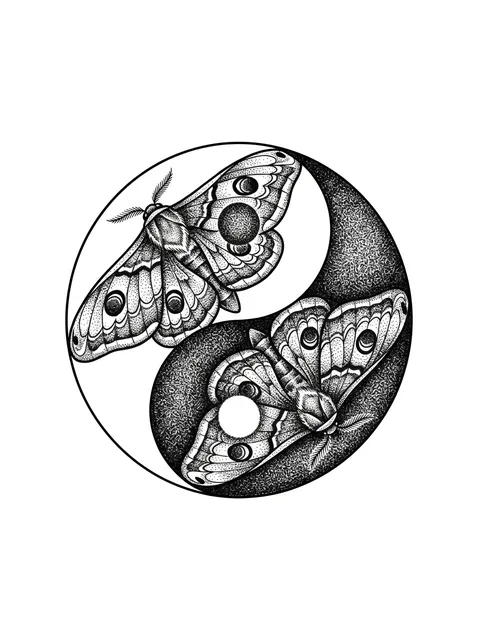
Black and grey dotwork yin yang and moth tattoo design Try it on — Black and grey dotwork yin yang and moth tattoo design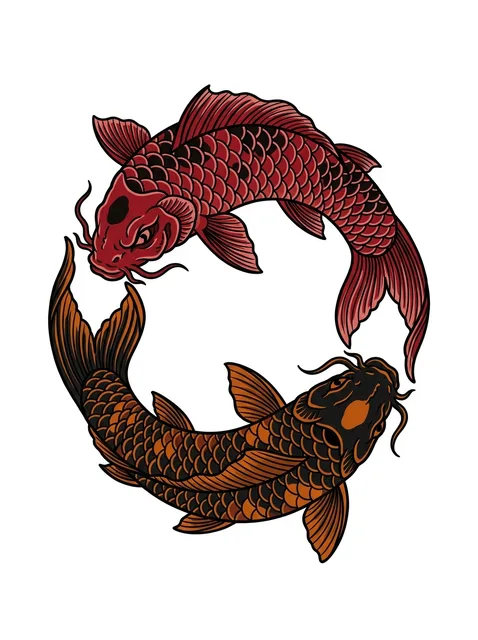
Color Japanese yin yang and koi tattoo design Try it on — Color Japanese yin yang and koi tattoo design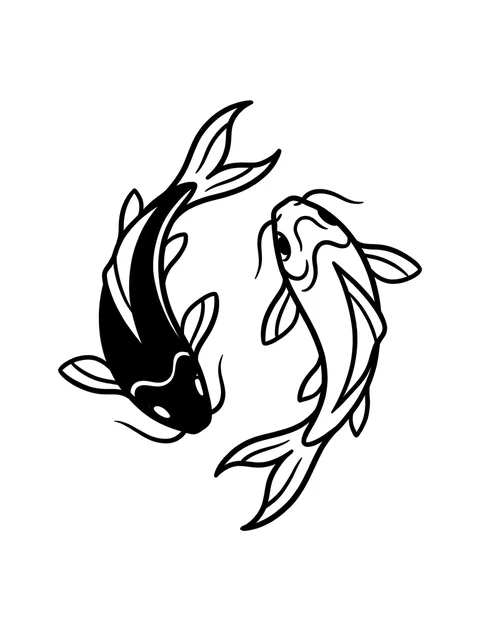
Black and white linework yin yang and koi tattoo design, outline stencil Try it on — Black and white linework yin yang and koi tattoo design, outline stencil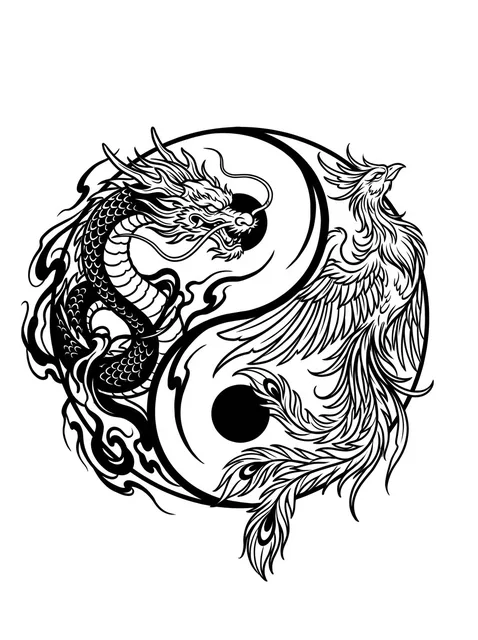
Black and grey Japanese yin yang and dragon tattoo design Try it on — Black and grey Japanese yin yang and dragon tattoo design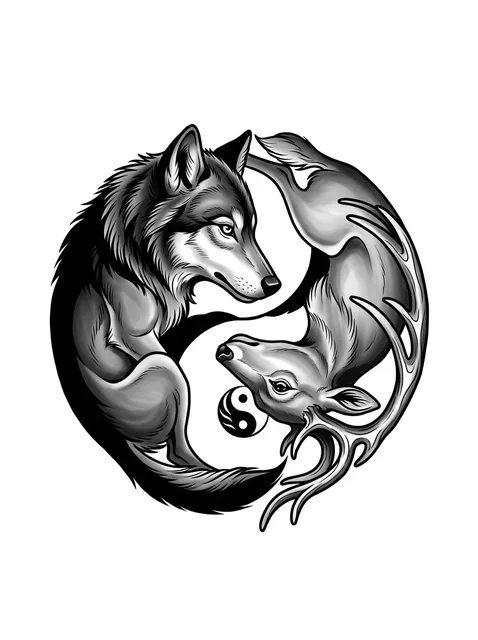
Black and grey illustrative yin yang and wolf tattoo design Try it on — Black and grey illustrative yin yang and wolf tattoo design


Tap any design to see it on your own skin in the try-on — no signup.
This set of 24 yin-yang designs, by the numbers
- Styles represented
- illustrative (6), minimalist (4), japanese asian (3), linework (2), ornamental (2), dotwork (2)
- Black-and-grey vs colour
- 83% black-and-grey, 17% colour
- Most often drawn with
- mandala, koi, sun, wave
Counted from the 24 designs shown on this page. Every one was drawn for InkCraft — none are scraped or reposted. Free to reference with a link to this page.
What a yin-yang tattoo means
The claim is interdependence, not balance in the comfortable sense. Light is defined by dark and neither exists alone, which is why each half carries a dot of its opposite: the symbol is insisting that nothing is ever purely one thing.
The curve matters as much as the halves. A straight line dividing a circle would say two separate territories; the S-curve says the boundary moves, that one is always becoming the other. Drawn with a straight division the symbol means something else entirely and usually means nothing.
The dots are the part most often dropped and the part that carries the argument. A plain two-tone circle with no dots says only that there are two halves; the dots say each half contains the beginning of the other, which is the whole of the idea. At small sizes they are the first thing an artist will offer to leave out, and it is worth refusing.
Most people get it for the second half of that idea rather than the first: the acceptance that a difficult part of themselves is not removable and is doing something necessary. That is a more specific claim than harmony, and a more interesting one.
Where the design comes from
The taijitu in its familiar form dates from Song dynasty China, roughly a thousand years ago, though the underlying idea is far older. The full traditional form sets it inside eight trigram bars, the bagua, which almost no tattoo reproduces and which changes it from a symbol into a diagram.
Choosing yours
- Symmetry is unforgiving here. The eye reads a broken circle instantly, so this wants a flat symmetric field: the centre of the chest, the spine, the inner forearm, the back of the neck. On a curved surface one half sits nearer the eye than the other and the symbol lands lopsided however well it was drawn.
- Keep the dots. They are the part most often dropped for simplicity, and dropping them changes the meaning from interdependence to plain opposition. A yin-yang without dots is a different symbol that happens to look similar.
Size, cost and placement
How big, and what it costs
A plain taijitu is a shop minimum to an hour. Versions with contents in the halves, a landscape, two koi, a forest, are two to four hours because the interior becomes two separate drawings sharing an edge.
Where it sits, and how much it hurts
Flat symmetric fields only. The inner forearm is the most forgiving, the centre of the chest and the spine the most correct. Avoid anywhere the surface turns, and avoid crossing a joint entirely.
What to ask your artist
- Whether the placement is genuinely flat enough to hold the symmetry.
- Whether the dots are staying in, and at what size they remain legible.
- If the halves have contents, how the two interiors will be kept distinct as the ink spreads.
Prices vary widely by city and artist — treat these as session lengths rather than quotes, and expect a shop minimum on anything small. The cost guide turns hours into money by size, placement and style.
Common questions
Is a yin-yang a peace symbol?
No, and it is close to the opposite. It says that opposites form one system and each contains a seed of the other, which is a claim about tension being permanent rather than resolved.
What do the two dots mean?
That nothing is ever purely one thing. Each half carries a seed of its opposite, and dropping the dots for simplicity changes the meaning to plain opposition. They are the part most often left out and the part that matters most.
Where should a yin-yang go?
Somewhere flat and symmetric: the centre of the chest, the spine, the inner forearm, the back of the neck. Curved fields make one half sit nearer the eye than the other, and the symbol reads lopsided however well it was drawn.
What is the circle of bars around some versions?
The bagua, eight trigrams from the I Ching. It is the fuller traditional form and almost no tattoo reproduces it correctly. It turns the symbol from a mark into a diagram, which some people want and most do not.
See it on your skin before you commit
InkCraft places any of these designs on a photo of you — scaled, wrapped and shaded to the placement you pick.