 InkCraft
Abstract Tattoo Ideas, Designs and Meaning
31 original abstract designs drawn for InkCraftBy Uladzimir TumanauUpdated
No subject to recognise and nothing to explain. An abstract piece is judged entirely on composition, which makes the artist's eye the only thing you are buying.
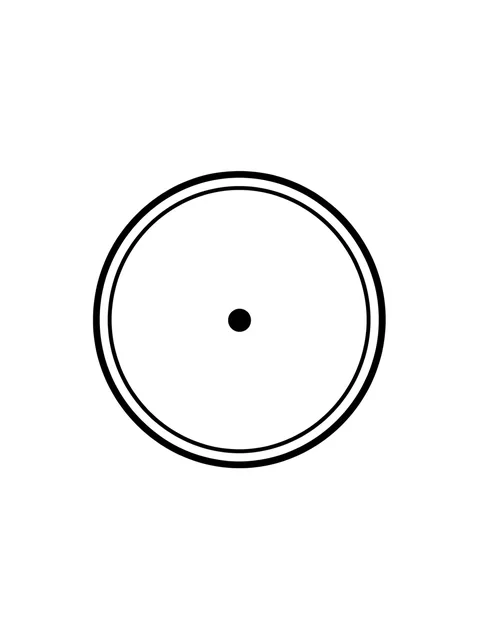
Black and white minimalist abstract tattoo design, outline stencil Try it on — Black and white minimalist abstract tattoo design, outline stencil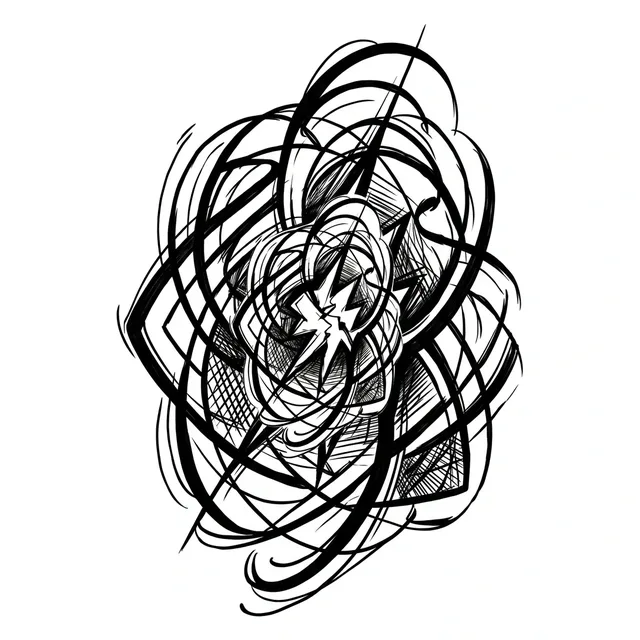
Black and grey cybersigilism abstract tattoo design Try it on — Black and grey cybersigilism abstract tattoo design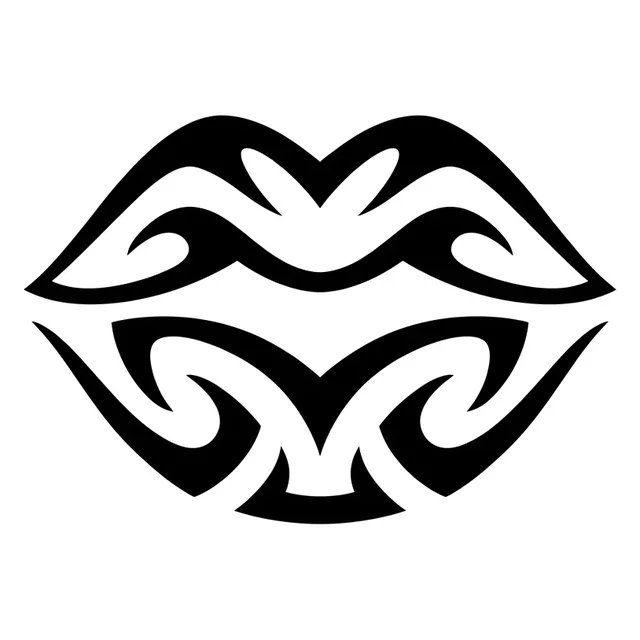
Black and white tribal abstract tattoo design Try it on — Black and white tribal abstract tattoo design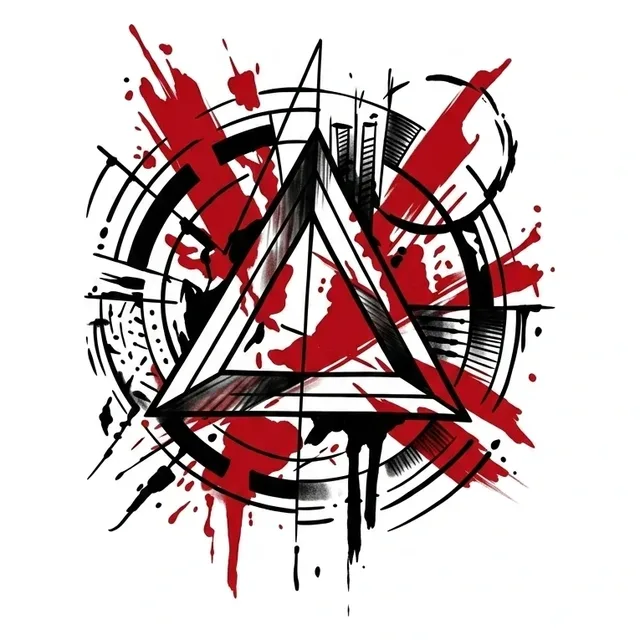
Color trash polka abstract tattoo design Try it on — Color trash polka abstract tattoo design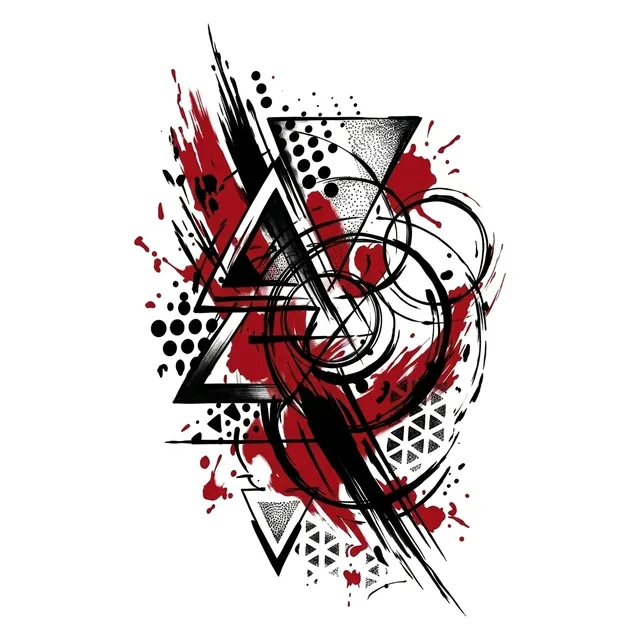
Color trash polka abstract tattoo design Try it on — Color trash polka abstract tattoo design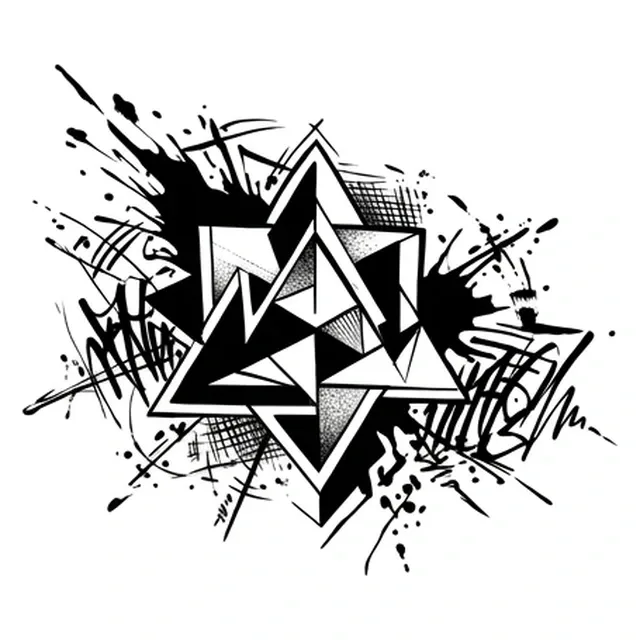
Black and white geometric abstract tattoo design, outline stencil Try it on — Black and white geometric abstract tattoo design, outline stencil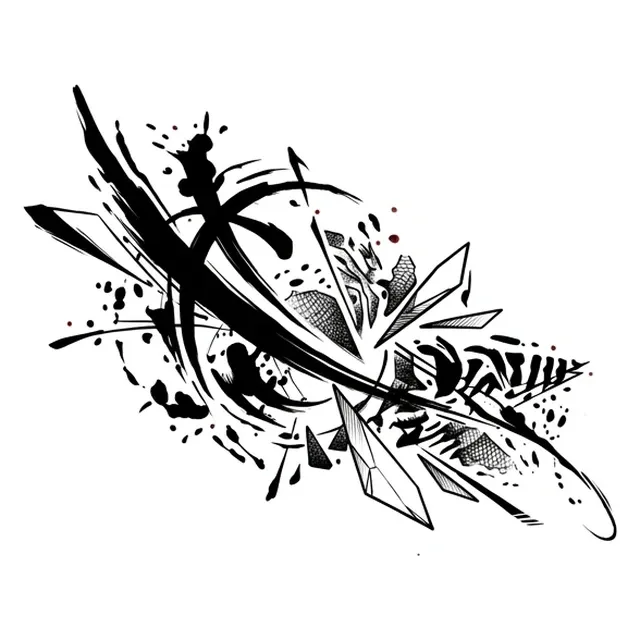
Black and grey illustrative abstract tattoo design Try it on — Black and grey illustrative abstract tattoo design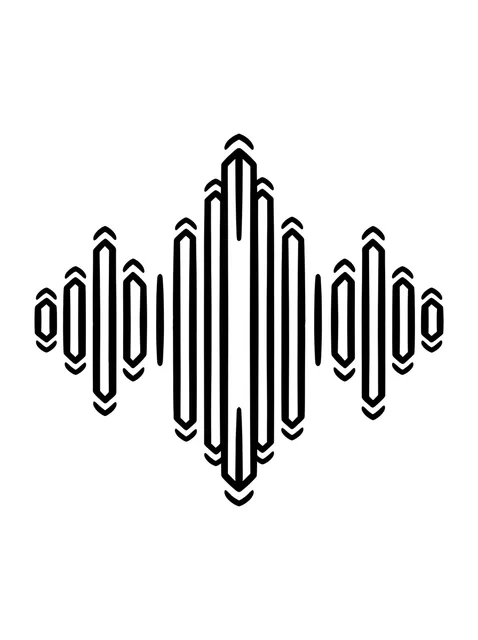
Black and white geometric abstract tattoo design, outline stencil Try it on — Black and white geometric abstract tattoo design, outline stencil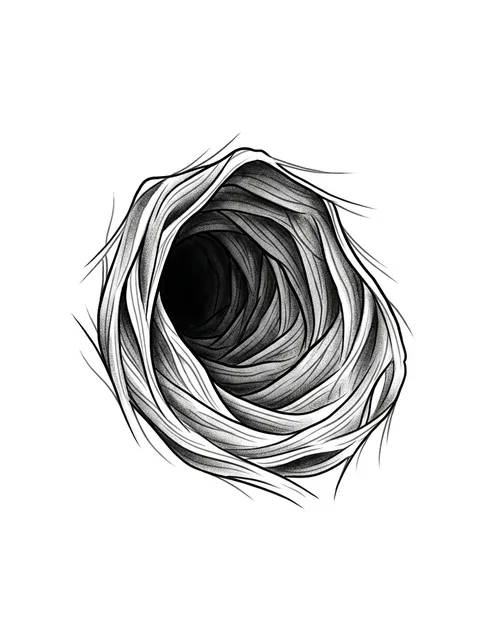
Black and grey illustrative abstract tattoo design: a swirling, abstract vortex Try it on — Black and grey illustrative abstract tattoo design: a swirling, abstract vortex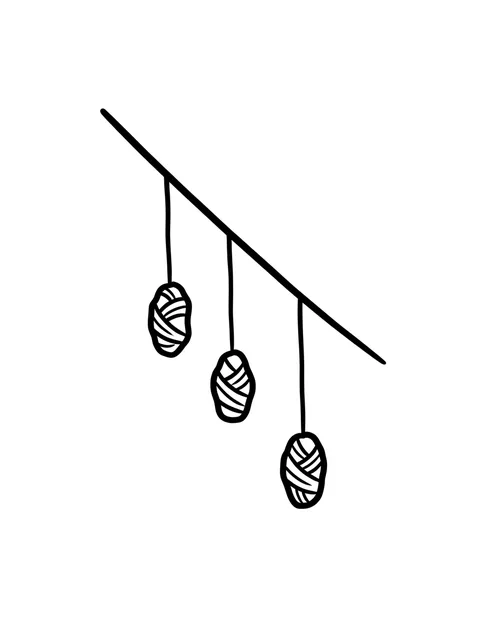
Black and white minimalist abstract tattoo design, outline stencil Try it on — Black and white minimalist abstract tattoo design, outline stencil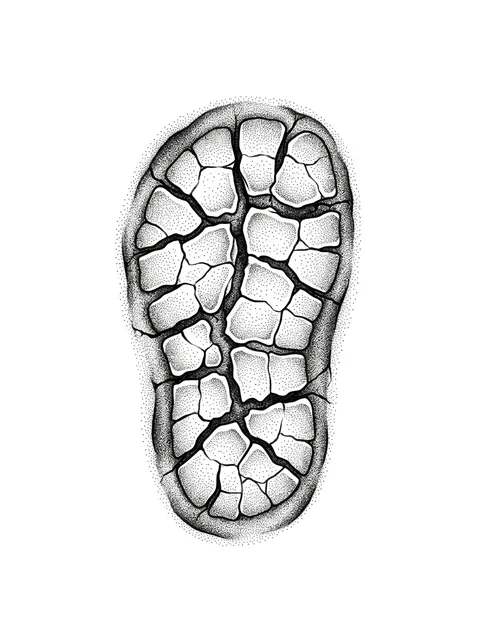
Black and grey dotwork abstract tattoo design Try it on — Black and grey dotwork abstract tattoo design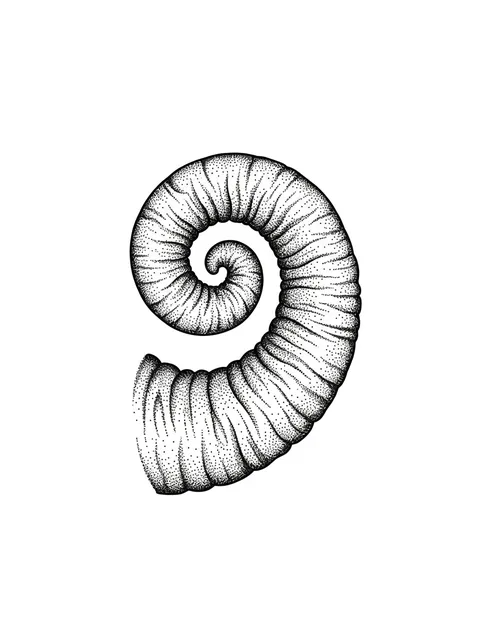
Black and white dotwork abstract tattoo design Try it on — Black and white dotwork abstract tattoo design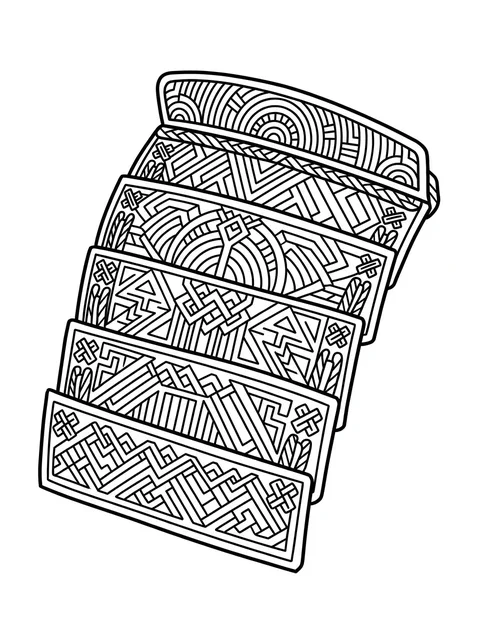
Black and white geometric abstract tattoo design, outline stencil Try it on — Black and white geometric abstract tattoo design, outline stencil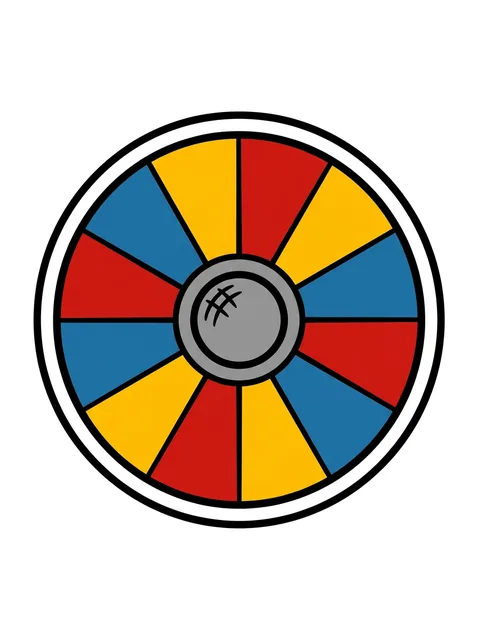
Color geometric abstract tattoo design, outline stencil: a circular shield-like motif Try it on — Color geometric abstract tattoo design, outline stencil: a circular shield-like motif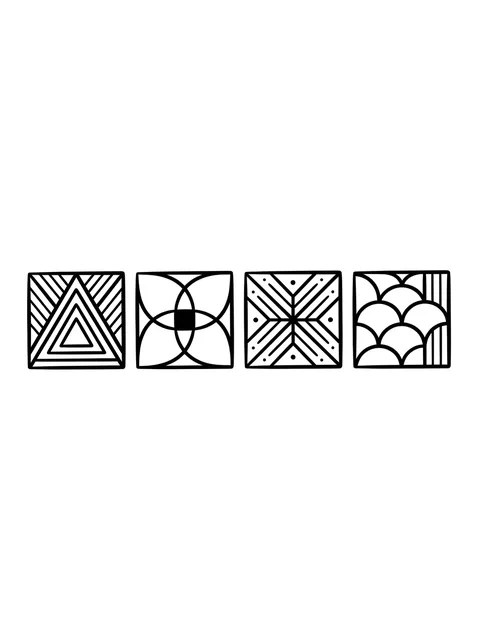
Black and white geometric abstract tattoo design, outline stencil Try it on — Black and white geometric abstract tattoo design, outline stencil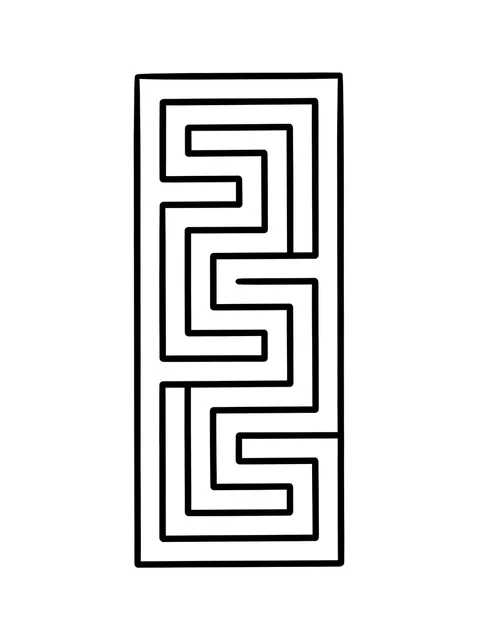
Black and white geometric abstract tattoo design, outline stencil Try it on — Black and white geometric abstract tattoo design, outline stencil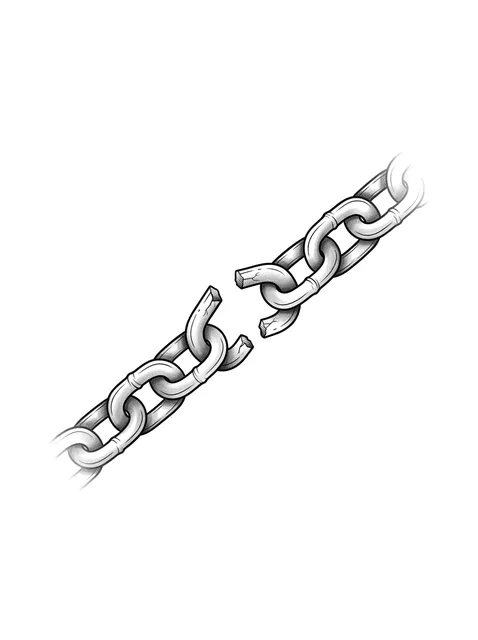
Black and grey chicano abstract tattoo design: a broken chain Try it on — Black and grey chicano abstract tattoo design: a broken chain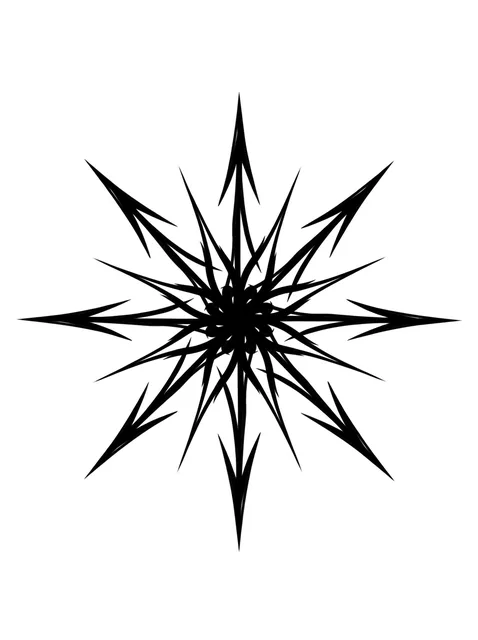
Black and white geometric abstract tattoo design, outline stencil Try it on — Black and white geometric abstract tattoo design, outline stencil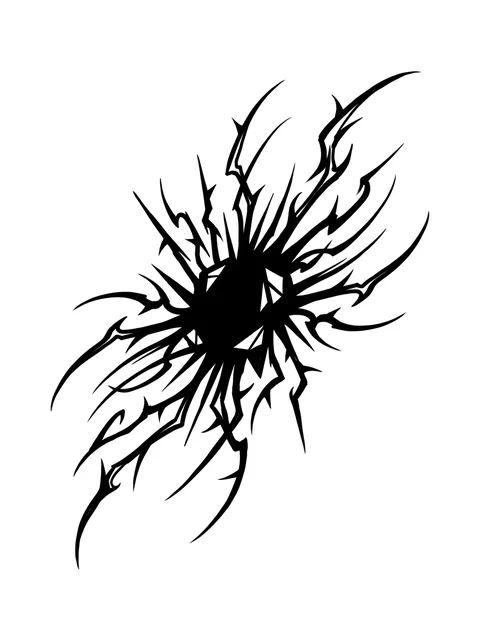
Black and grey cybersigilism abstract tattoo design Try it on — Black and grey cybersigilism abstract tattoo design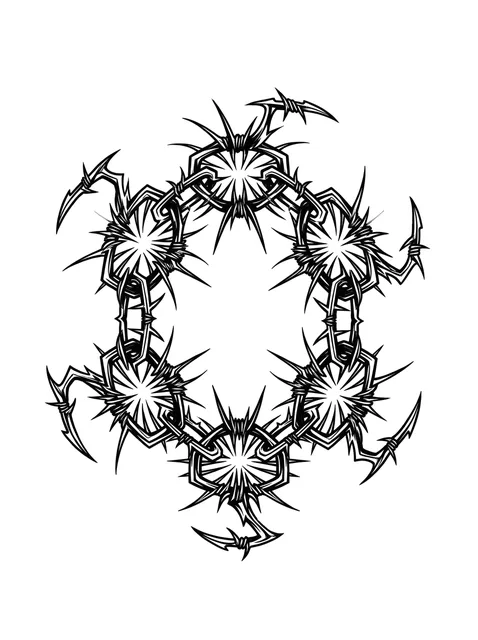
Black and white tribal abstract tattoo design Try it on — Black and white tribal abstract tattoo design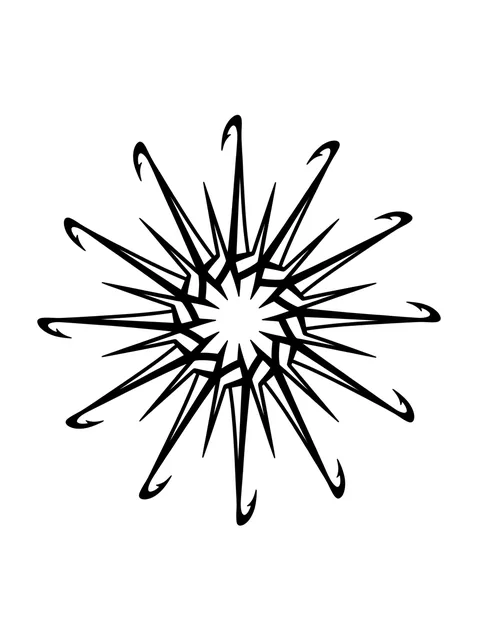
Black and white tribal abstract tattoo design: a star-like abstract pattern Try it on — Black and white tribal abstract tattoo design: a star-like abstract pattern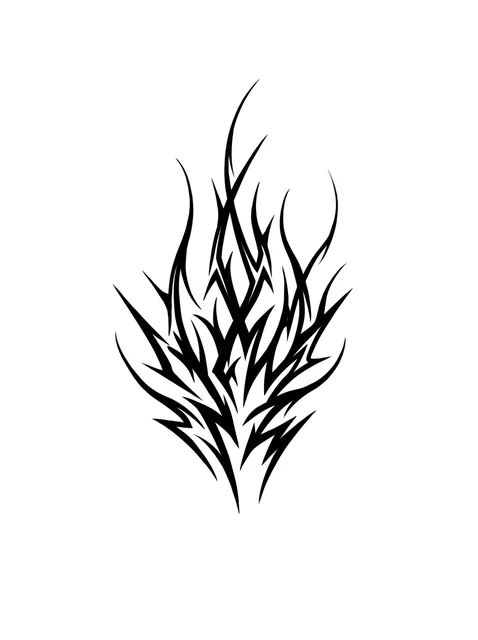
Black and white tribal abstract tattoo design Try it on — Black and white tribal abstract tattoo design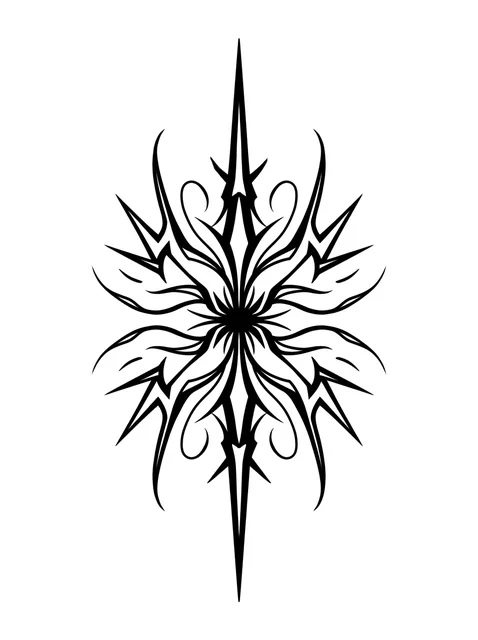
Black and grey cybersigilism abstract tattoo design Try it on — Black and grey cybersigilism abstract tattoo design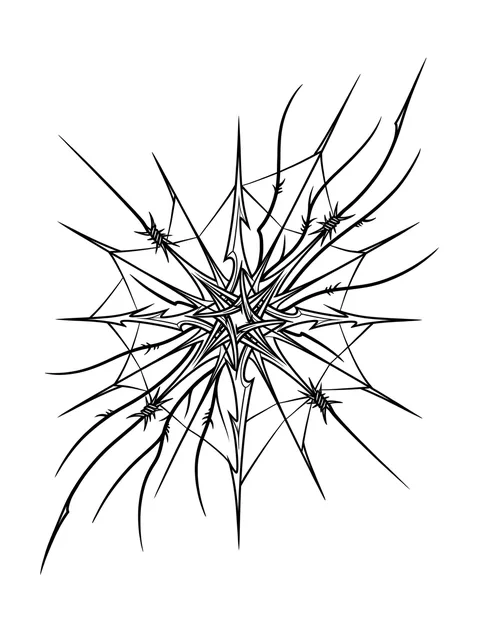
Black and grey cybersigilism abstract and web tattoo design Try it on — Black and grey cybersigilism abstract and web tattoo design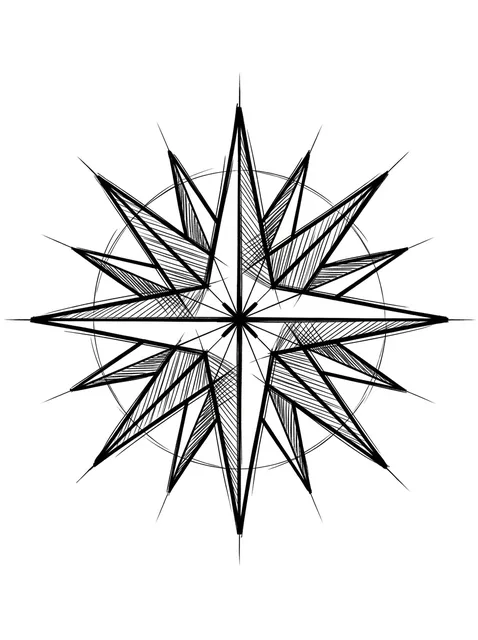
Black and grey geometric abstract and star tattoo design, outline stencil Try it on — Black and grey geometric abstract and star tattoo design, outline stencil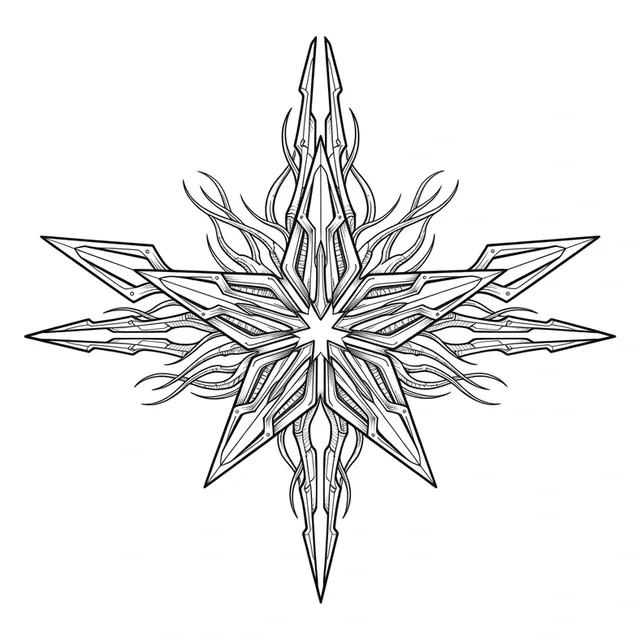
Black and grey cybersigilism abstract and star tattoo design Try it on — Black and grey cybersigilism abstract and star tattoo design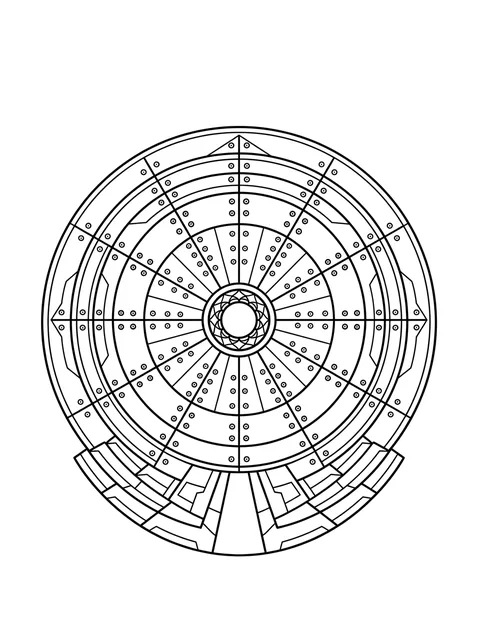
Black and white geometric abstract and mandala tattoo design, outline stencil Try it on — Black and white geometric abstract and mandala tattoo design, outline stencil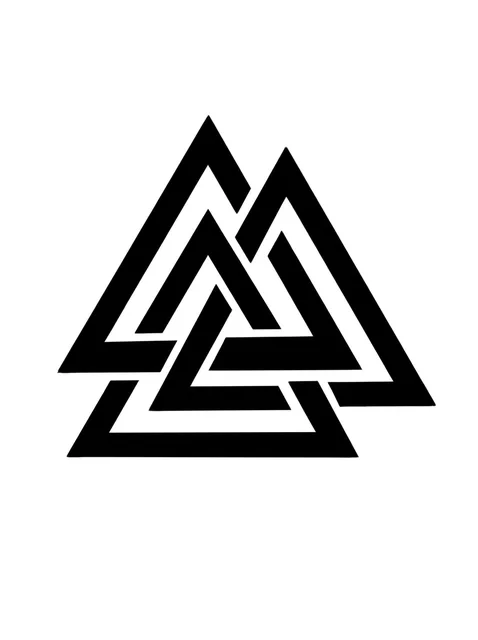
Black and white geometric abstract and viking tattoo design, outline stencil: the Valknut symbol Try it on — Black and white geometric abstract and viking tattoo design, outline stencil: the Valknut symbol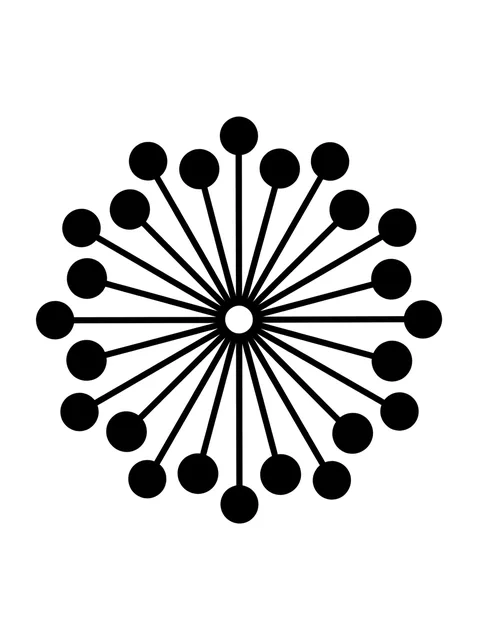
Black and white minimalist abstract and dandelion tattoo design, outline stencil Try it on — Black and white minimalist abstract and dandelion tattoo design, outline stencil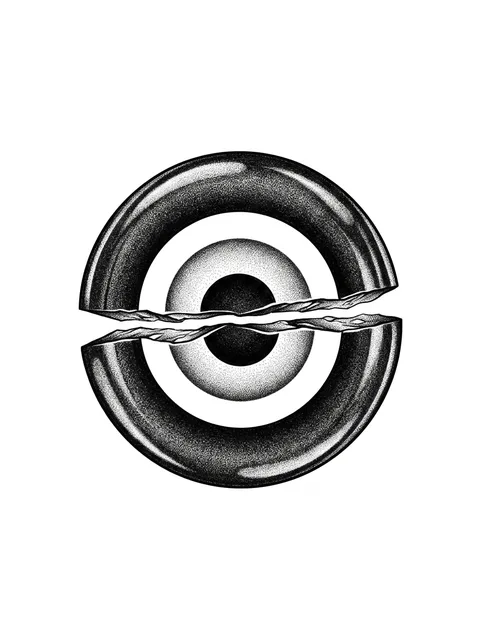
Black and grey dotwork abstract and eye tattoo design Try it on — Black and grey dotwork abstract and eye tattoo design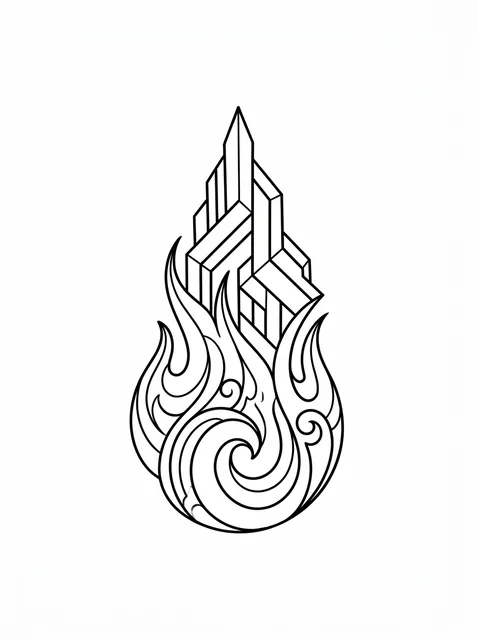
Black and white geometric abstract and fire tattoo design, outline stencil Try it on — Black and white geometric abstract and fire tattoo design, outline stencil


Tap any design to see it on your own skin in the try-on — no signup.
This set of 31 abstract designs, by the numbers
- Styles represented
- geometric (11), cybersigilism (5), tribal (4), minimalist (3), dotwork (3), trash polka (2)
- Black-and-grey vs colour
- 90% black-and-grey, 10% colour
- Most often drawn with
- star, web, mandala, viking
Counted from the 31 designs shown on this page. Every one was drawn for InkCraft — none are scraped or reposted. Free to reference with a link to this page.
What a abstract tattoo means
An abstract tattoo means whatever you decide it means, and that is not a dodge — it is the actual appeal. A piece with no recognisable subject cannot be misread by a stranger, cannot date the way a specific image can, and never has to be explained at a dinner table. For a lot of people that privacy is the whole point.
It also removes the most common source of regret. People rarely stop liking a shape; they stop identifying with what a shape was about. A design that was never about anything external cannot be outgrown in that way, which is a genuinely different risk profile from a name, a portrait or a symbol tied to a period of your life.
What you give up is shared vocabulary. A rose carries meaning before you say a word about it, and an abstract piece carries none — so if the tattoo is meant to communicate something to other people rather than to you, this is the wrong category for it.
The honest version of the appeal is aesthetic rather than symbolic: you are wearing a composition because you like looking at it. That is reason enough, and it is worth being clear about, because it changes what makes a good one.
Where the design comes from
Abstract tattooing arrived late and from outside the trade. Traditional flash was built on legible symbols with fixed meanings, and the idea of a tattoo that depicts nothing came in through fine art — the same route that brought sketch style, brushstroke work and the graphic-design influence visible in a lot of contemporary studios. That origin explains why it clusters in artist-led studios rather than street shops, and why the best-known practitioners are usually people who draw or paint outside tattooing. It is also why the vocabulary borrows terms from art rather than from tattooing: gesture, mark-making, negative space, composition.
Choosing yours
- Judge the artist, not the design. With a recognisable subject you can tell whether a tattoo is good by whether the wolf looks like a wolf. Here there is no such check — a composition either resolves or it does not, and the only evidence available to you is the rest of that artist's work. Look at ten of their pieces, not at the one they showed you.
- Ask how it relates to the body part. An abstract piece has no natural orientation, which sounds freeing and is actually the hardest part: without a subject telling you which way is up, the anatomy has to. The good ones are composed against a specific shoulder or forearm and look wrong anywhere else.
- Prefer weight variation over uniform marks. A composition built from strokes of one thickness tends to read as pattern rather than as a drawing, and it is the first thing to look flat as the ink settles. Contrast between heavy and light is what keeps it alive over years.
Size, cost and placement
How big, and what it costs
Anything from 5 cm to a full panel, and the price follows the density of mark-making rather than the dimensions. A sparse gestural piece can be under an hour; a dense composition with solid passages runs to a session or more. Because there is no reference image to work from, expect to pay for drawing time as well as tattooing time.
Where it sits, and how much it hurts
The forearm, outer thigh, shoulder and upper back all give a composition room and a stable surface. Avoid places that distort heavily when you move unless the piece was designed for that distortion — without a recognisable subject, a shape that warps has nothing to tell the eye it is warping. Pain is unremarkable at all four.
What to ask your artist
- To see healed work rather than fresh photographs — abstract mark-making flatters the camera on day one more than almost anything else.
- Whether the piece is being composed for this specific body part, and what changes if you move it.
- How much weight variation there is, and which marks are expected to soften first.
Prices vary widely by city and artist — treat these as session lengths rather than quotes, and expect a shop minimum on anything small. The cost guide turns hours into money by size, placement and style.
Common questions
Can a tattoo with no subject still mean something?
It means whatever you decide, and that privacy is the appeal rather than an evasion. Nobody can misread it, it never needs explaining, and it cannot be outgrown the way an image tied to one period of your life can. What it cannot do is say something specific to anyone else.
How do I know if an abstract design is any good?
You cannot judge it the way you judge a wolf that has to look like a wolf. The only real evidence is the artist's other work — look at ten pieces rather than the one you were shown, and at healed photographs rather than fresh ones.
Does it age well?
It depends almost entirely on weight variation. A composition of uniformly thin marks flattens as the ink spreads and starts to read as pattern; one with real contrast between heavy and light keeps its structure. Ask specifically about that.
Where should it go?
Somewhere it was composed for. Without a subject to establish which way is up, the anatomy has to do it — so the good pieces are drawn against a specific shoulder, forearm or thigh and look wrong moved elsewhere. That makes placement a decision to take first, not last.
See it on your skin before you commit
InkCraft places any of these designs on a photo of you — scaled, wrapped and shaded to the placement you pick.