 InkCraft
Tiger Tattoo Ideas, Designs and Meaning
47 original tiger designs drawn for InkCraftBy Uladzimir TumanauUpdated
Opens in your browser. No signup. Or tap any design below.
Japanese traditional through to fine linework, where stripes decide how large it has to be. Below about 15 cm an artist has to start deleting stripes, which is the point it stops looking like a tiger.
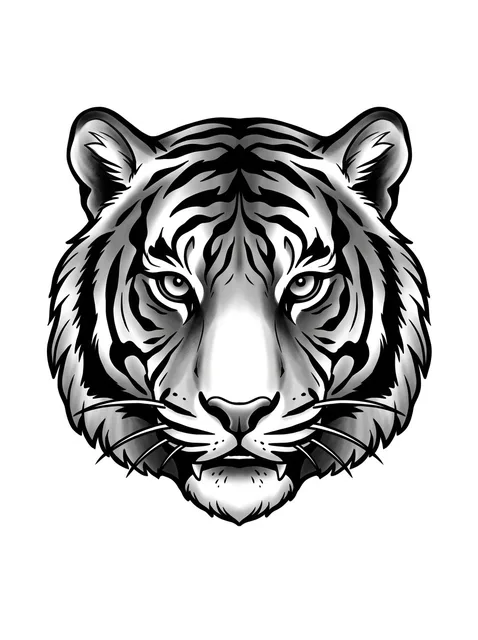
Black and grey neo traditional tiger tattoo design Try it on — Black and grey neo traditional tiger tattoo design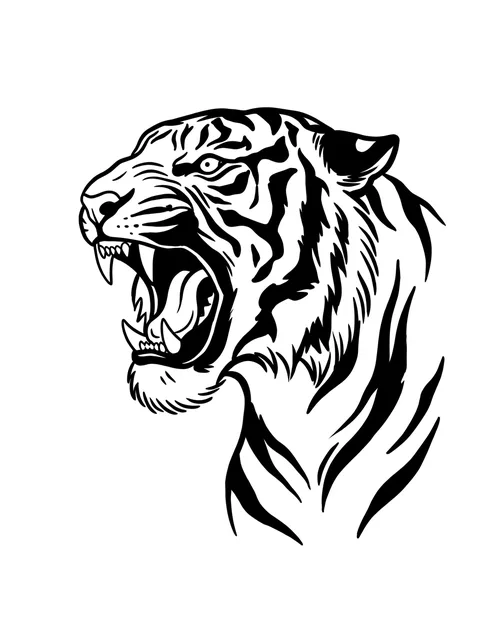
Black and white blackwork tiger tattoo design: a roaring tiger's head in profile Try it on — Black and white blackwork tiger tattoo design: a roaring tiger's head in profile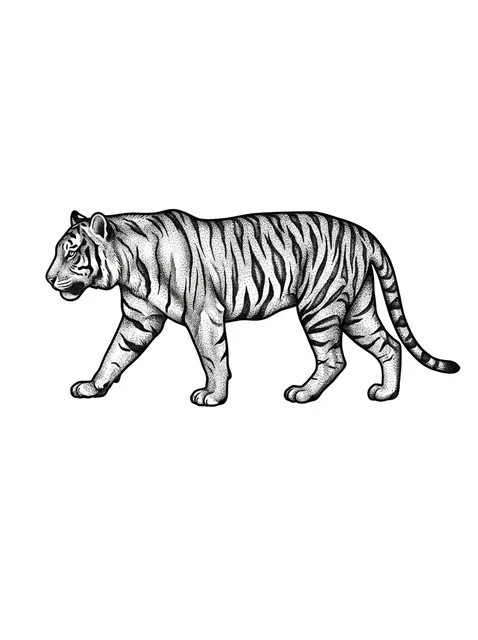
Black and grey dotwork tiger tattoo design: a tiger in profile, walking with a powerful stride Try it on — Black and grey dotwork tiger tattoo design: a tiger in profile, walking with a powerful stride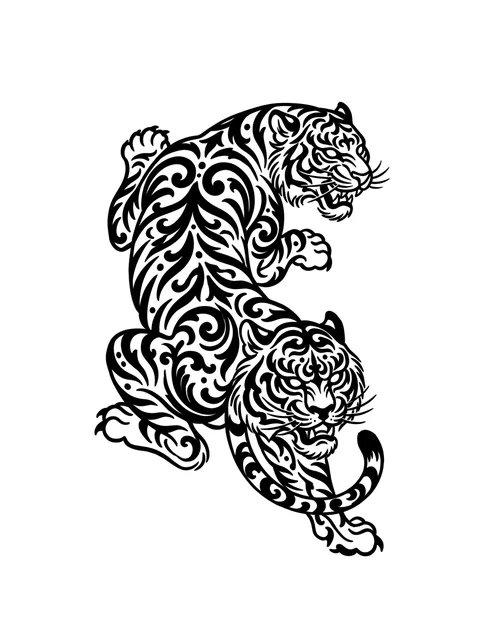
Black and white tribal tiger tattoo design Try it on — Black and white tribal tiger tattoo design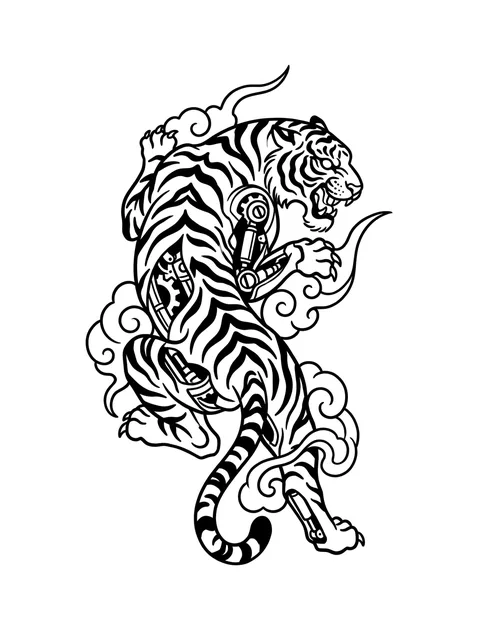
Black and white Japanese tiger tattoo design: a black and white tiger Try it on — Black and white Japanese tiger tattoo design: a black and white tiger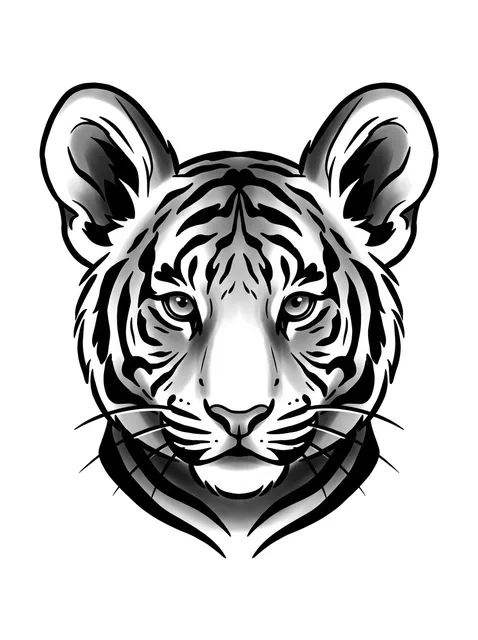
Black and grey illustrative tiger tattoo design: a tiger's head Try it on — Black and grey illustrative tiger tattoo design: a tiger's head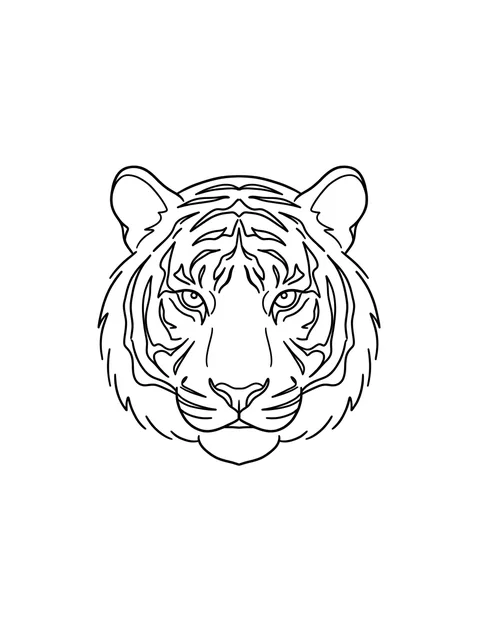
Black and white linework tiger tattoo design, outline stencil: the head of a tiger (1 of 2) Try it on — Black and white linework tiger tattoo design, outline stencil: the head of a tiger (1 of 2)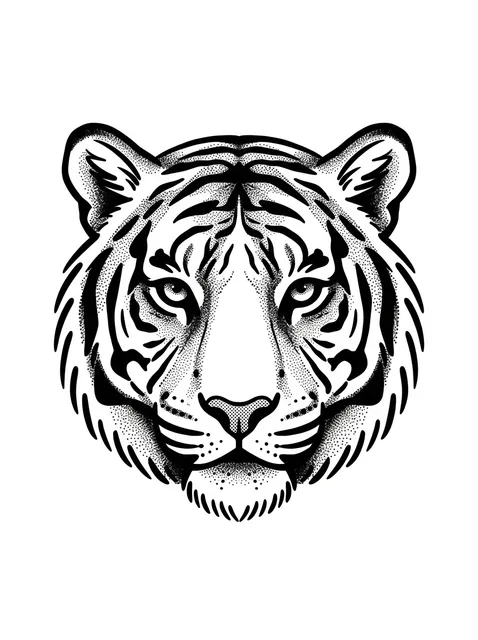
Black and grey dotwork tiger tattoo design: a tiger's head Try it on — Black and grey dotwork tiger tattoo design: a tiger's head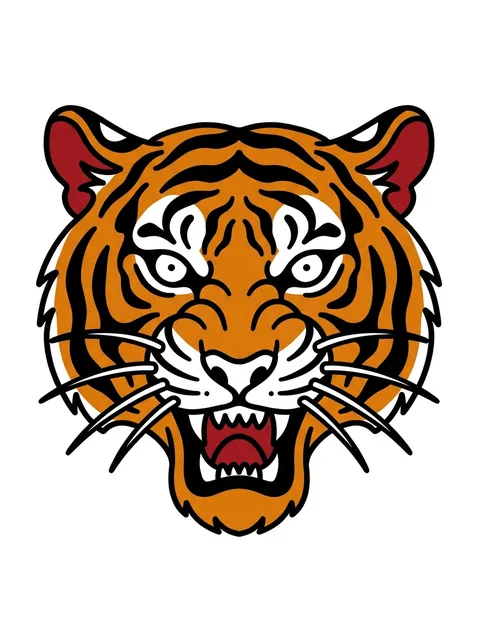
Color traditional tiger tattoo design: a roaring tiger head (1 of 3) Try it on — Color traditional tiger tattoo design: a roaring tiger head (1 of 3)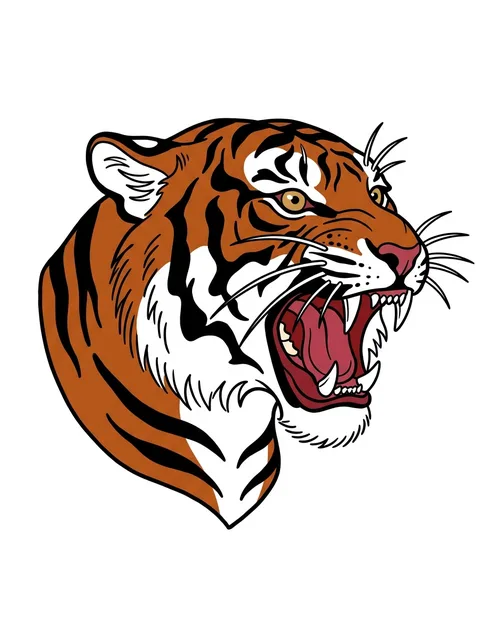
Color traditional tiger tattoo design: a roaring tiger head (2 of 3) Try it on — Color traditional tiger tattoo design: a roaring tiger head (2 of 3)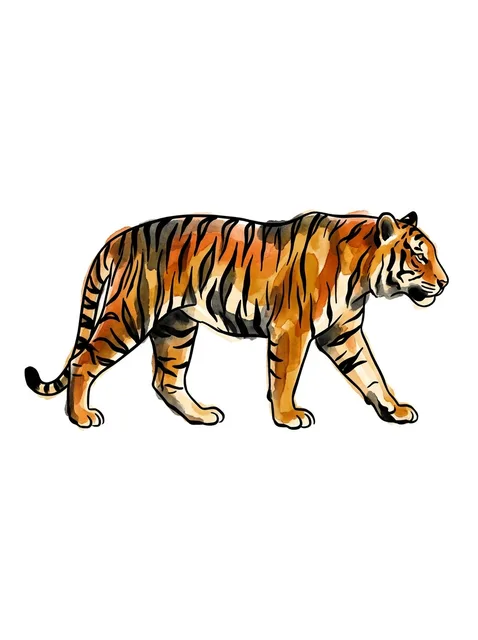
Color watercolor tiger tattoo design: a tiger in profile, walking with a powerful stride Try it on — Color watercolor tiger tattoo design: a tiger in profile, walking with a powerful stride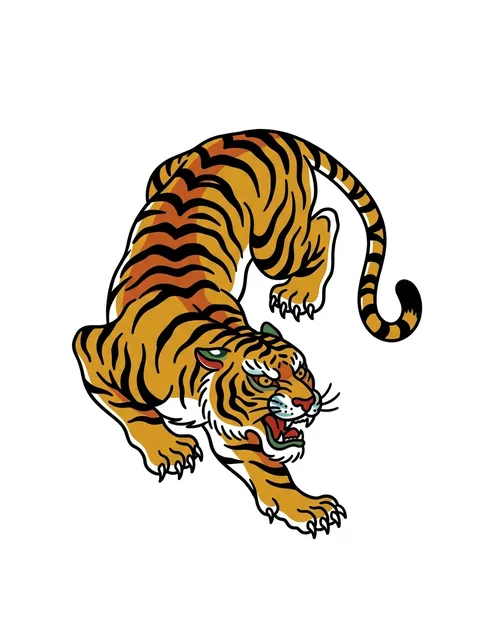
Color traditional tiger tattoo design: a crouching tiger Try it on — Color traditional tiger tattoo design: a crouching tiger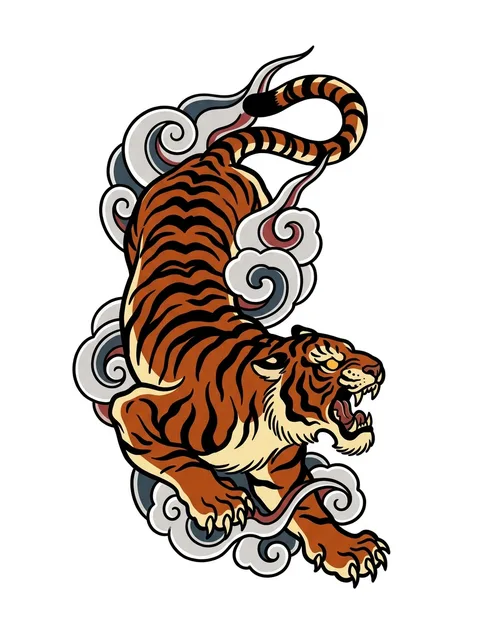
Color Japanese tiger tattoo design: a powerful tiger amidst stylized clouds Try it on — Color Japanese tiger tattoo design: a powerful tiger amidst stylized clouds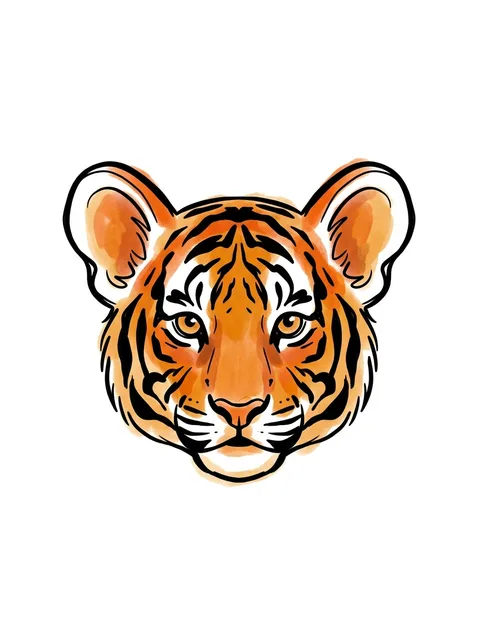
Color illustrative tiger tattoo design: a tiger's head (1 of 2) Try it on — Color illustrative tiger tattoo design: a tiger's head (1 of 2)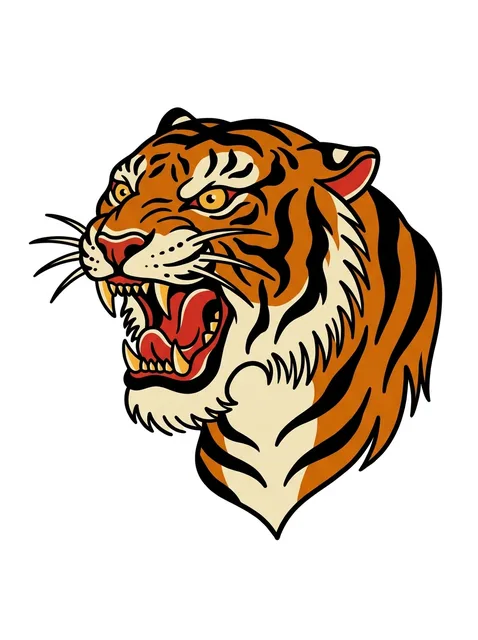
Color traditional tiger tattoo design Try it on — Color traditional tiger tattoo design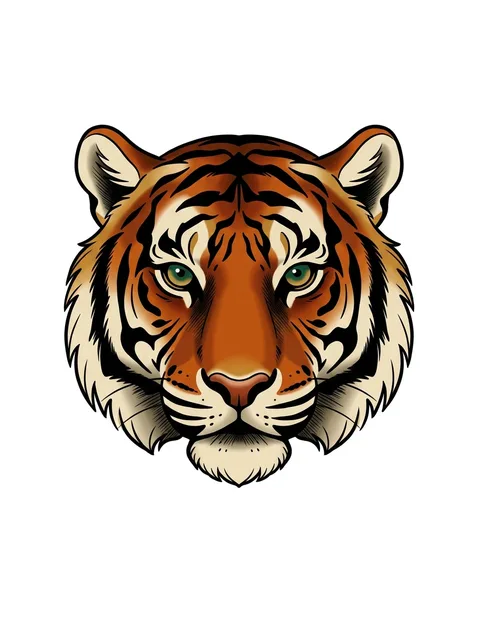
Color neo traditional tiger tattoo design: a tiger's head Try it on — Color neo traditional tiger tattoo design: a tiger's head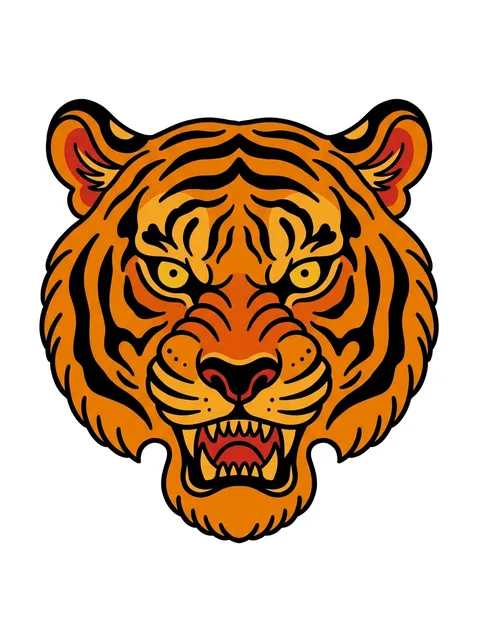
Color traditional tiger tattoo design: a roaring tiger head (3 of 3) Try it on — Color traditional tiger tattoo design: a roaring tiger head (3 of 3)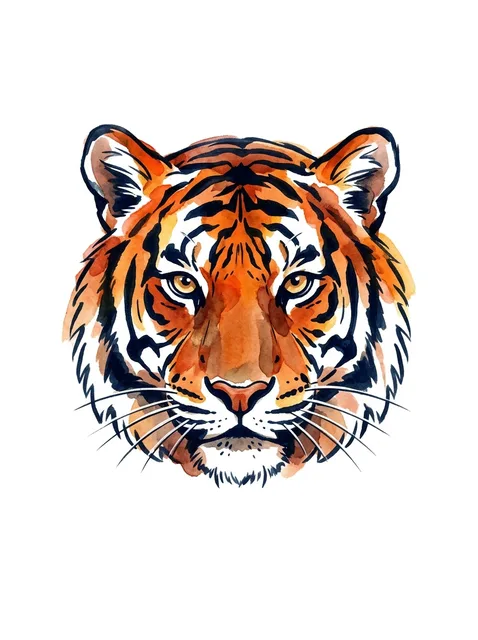
Color watercolor tiger tattoo design: a tiger's head, facing forward with intense yellow eyes Try it on — Color watercolor tiger tattoo design: a tiger's head, facing forward with intense yellow eyes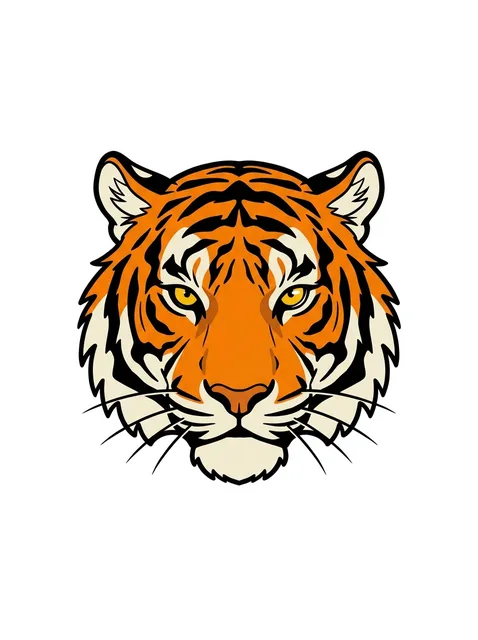
Color illustrative tiger tattoo design: a tiger's head (2 of 2) Try it on — Color illustrative tiger tattoo design: a tiger's head (2 of 2)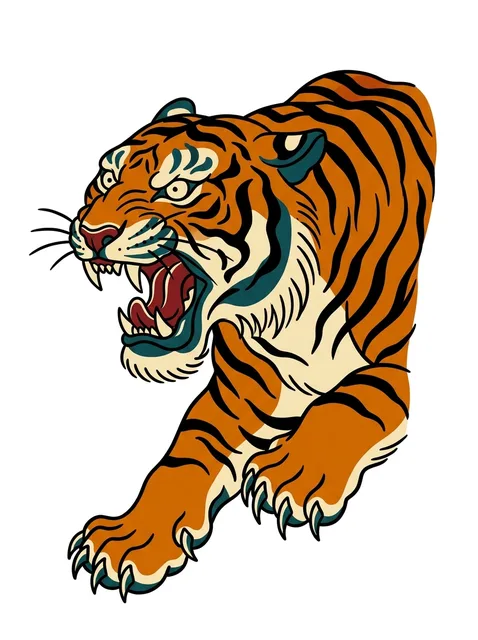
Color traditional tiger tattoo design: a roaring tiger in mid-pounce Try it on — Color traditional tiger tattoo design: a roaring tiger in mid-pounce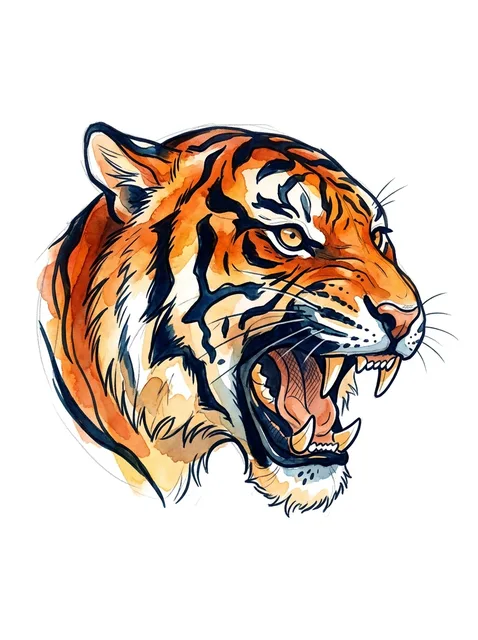
Color watercolor tiger tattoo design: a roaring tiger's head Try it on — Color watercolor tiger tattoo design: a roaring tiger's head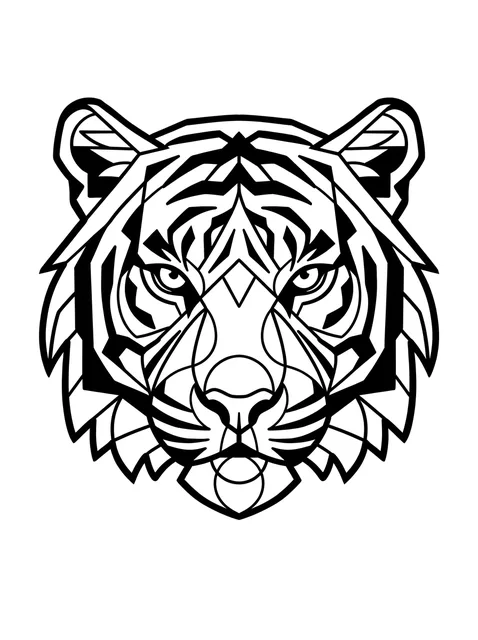
Black and white geometric tiger tattoo design, outline stencil Try it on — Black and white geometric tiger tattoo design, outline stencil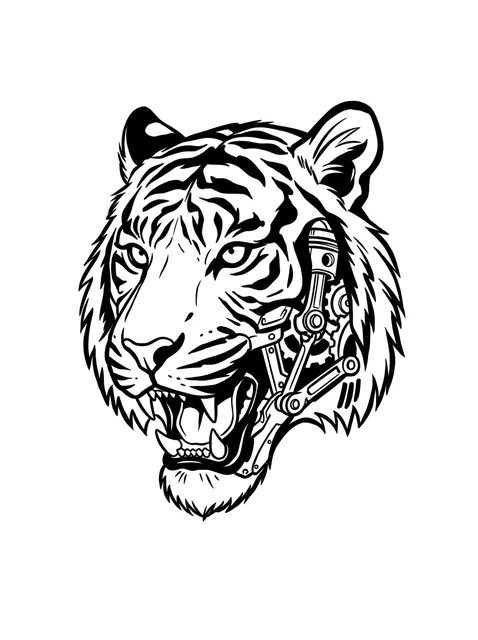
Black and white illustrative tiger tattoo design: a tiger's head Try it on — Black and white illustrative tiger tattoo design: a tiger's head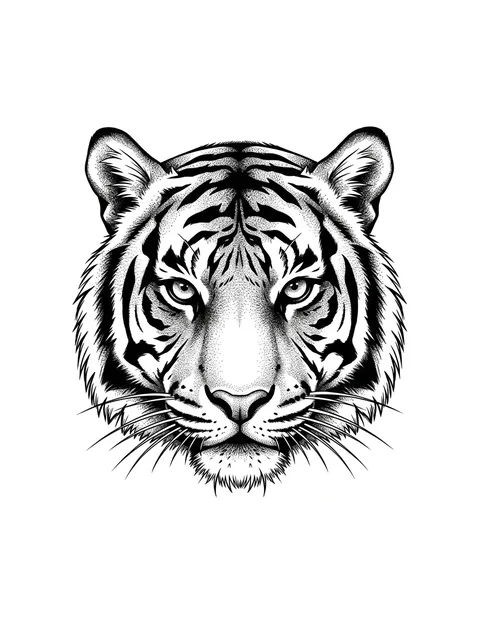
Black and grey dotwork tiger tattoo design: a tiger's head in a frontal view Try it on — Black and grey dotwork tiger tattoo design: a tiger's head in a frontal view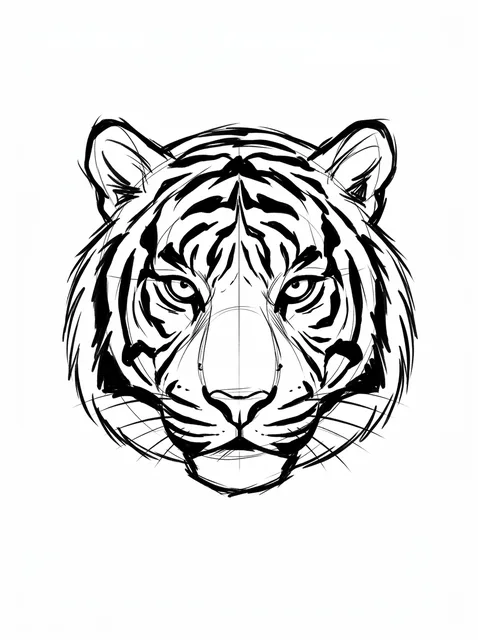
Black and white sketch tiger tattoo design: a tiger's head Try it on — Black and white sketch tiger tattoo design: a tiger's head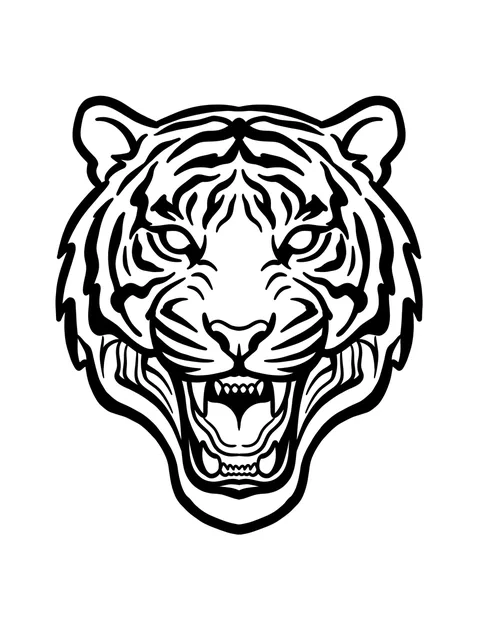
Black and white linework tiger tattoo design, outline stencil: the snarling head of a tiger Try it on — Black and white linework tiger tattoo design, outline stencil: the snarling head of a tiger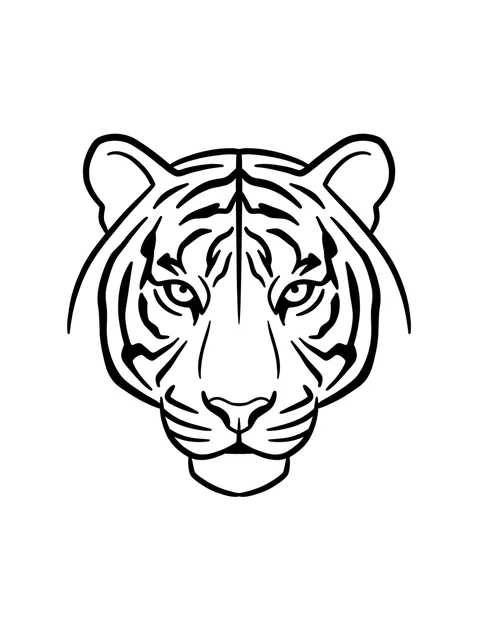
Black and white linework tiger tattoo design, outline stencil: the head of a tiger (2 of 2) Try it on — Black and white linework tiger tattoo design, outline stencil: the head of a tiger (2 of 2)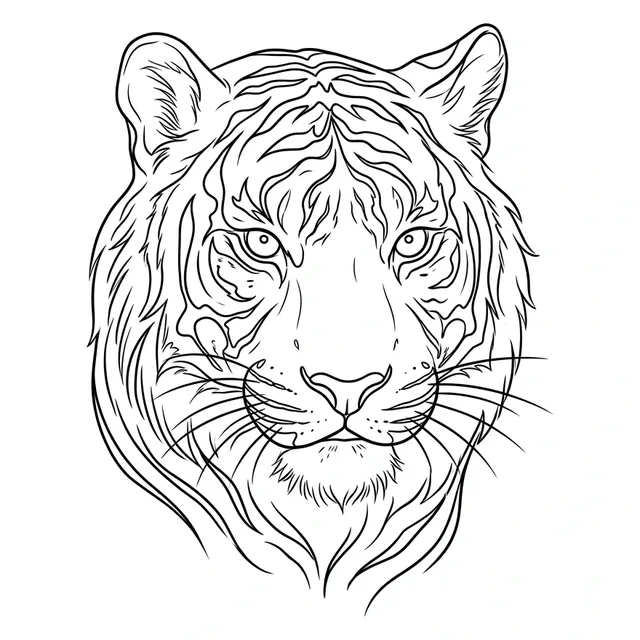
Black and grey illustrative tiger tattoo design: the head of a tiger Try it on — Black and grey illustrative tiger tattoo design: the head of a tiger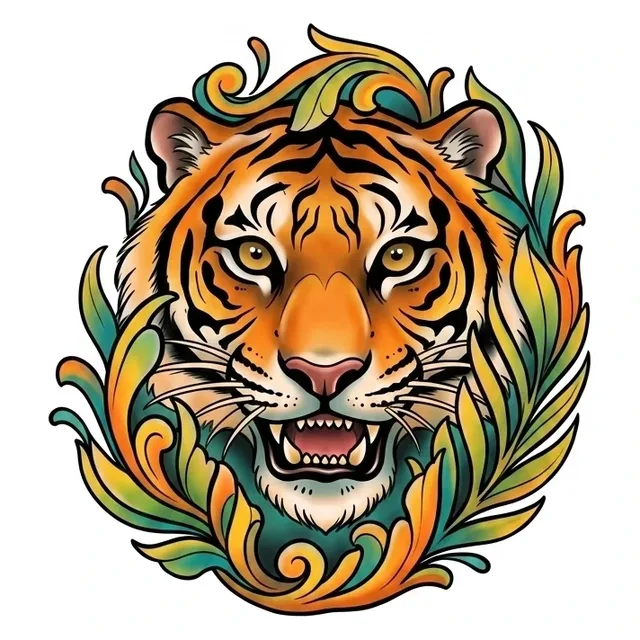
Color neo traditional tiger tattoo design: a roaring tiger head Try it on — Color neo traditional tiger tattoo design: a roaring tiger head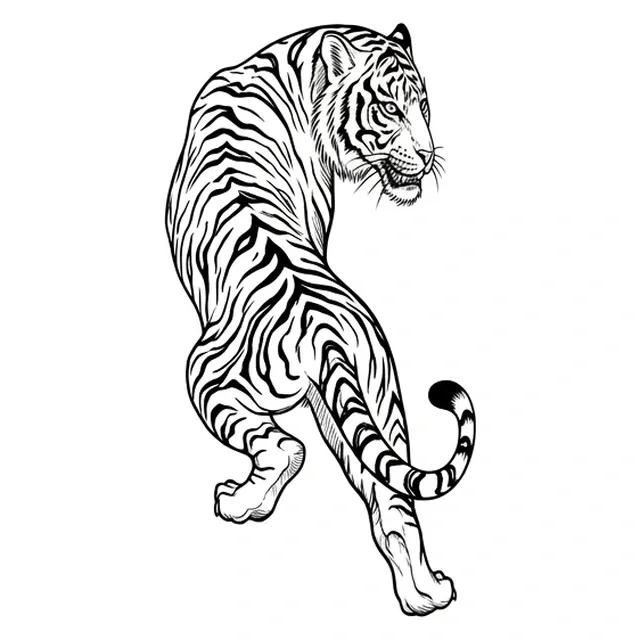
Black and white illustrative tiger tattoo design Try it on — Black and white illustrative tiger tattoo design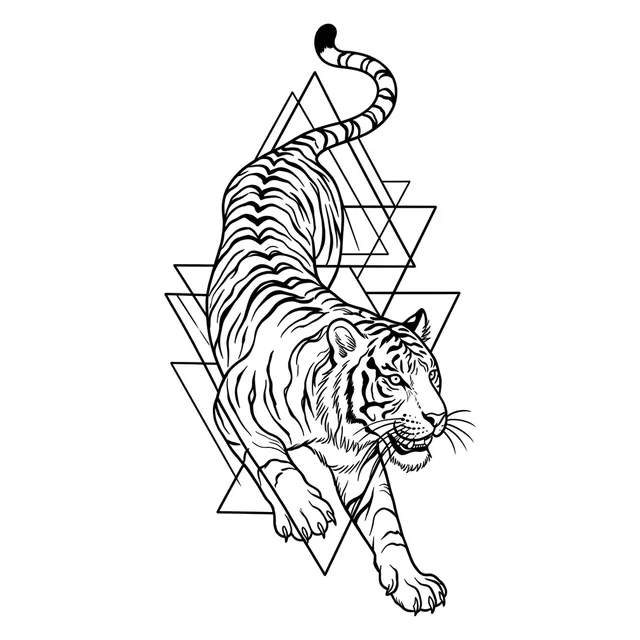
Black and grey illustrative tiger tattoo design Try it on — Black and grey illustrative tiger tattoo design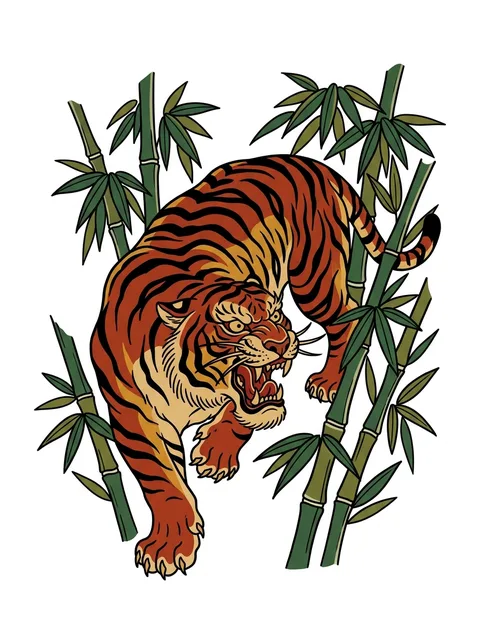
Color irezumi tiger tattoo design Try it on — Color irezumi tiger tattoo design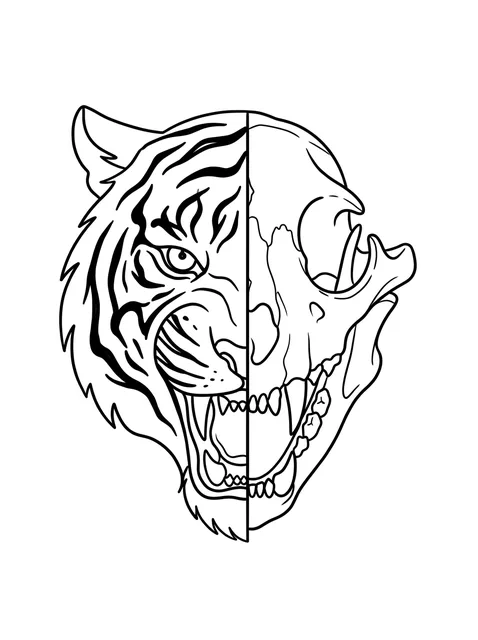
Black and white linework tiger and skull tattoo design, outline stencil Try it on — Black and white linework tiger and skull tattoo design, outline stencil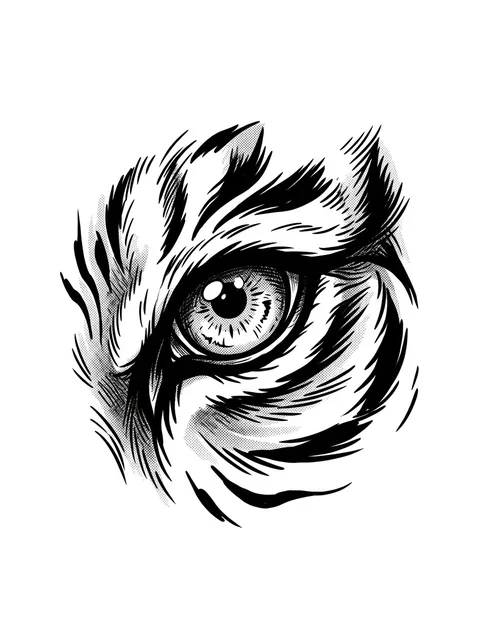
Black and white illustrative tiger and eye tattoo design: a tiger's eye Try it on — Black and white illustrative tiger and eye tattoo design: a tiger's eye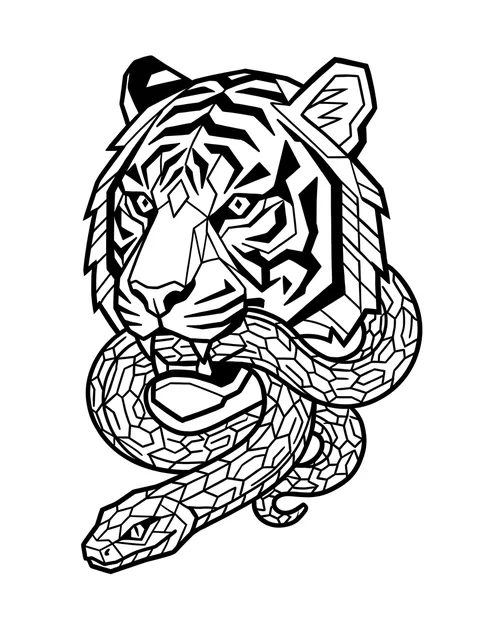
Black and white geometric tiger and snake tattoo design, outline stencil: a tiger's head Try it on — Black and white geometric tiger and snake tattoo design, outline stencil: a tiger's head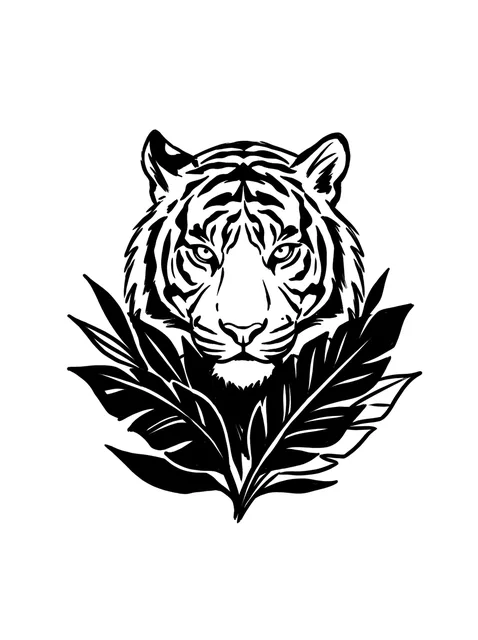
Black and white blackwork tiger and leaf tattoo design: a bold black and white tiger head Try it on — Black and white blackwork tiger and leaf tattoo design: a bold black and white tiger head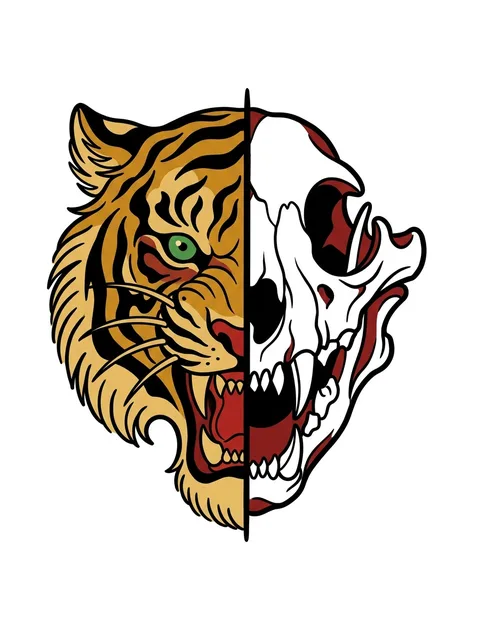
Color traditional tiger and skull tattoo design: a split image of a roaring tiger and a tiger skull Try it on — Color traditional tiger and skull tattoo design: a split image of a roaring tiger and a tiger skull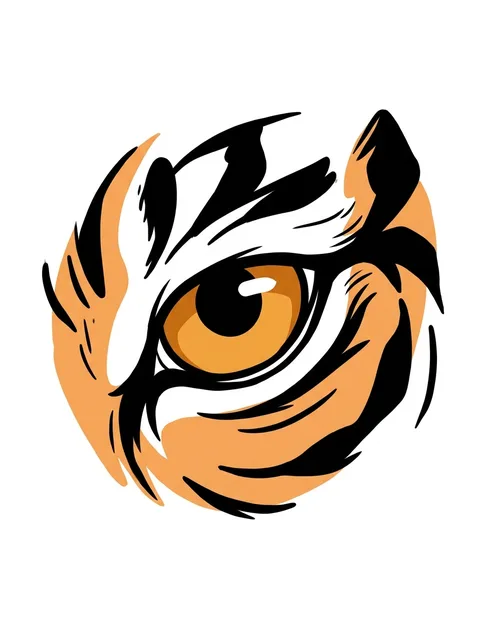
Color illustrative tiger and eye tattoo design: a tiger's eye Try it on — Color illustrative tiger and eye tattoo design: a tiger's eye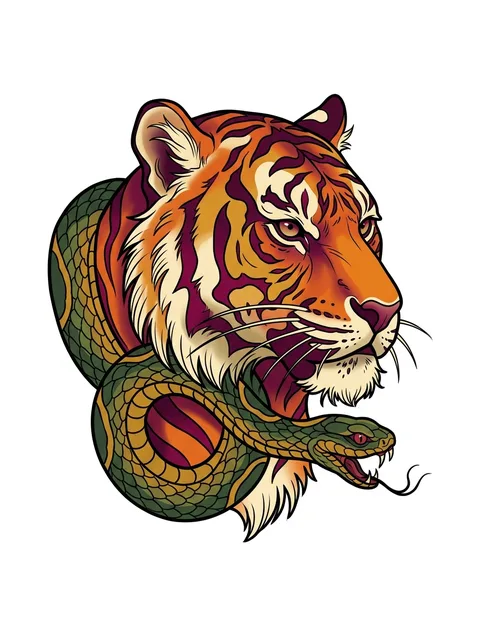
Color neo traditional tiger and snake tattoo design: a tiger's head in profile Try it on — Color neo traditional tiger and snake tattoo design: a tiger's head in profile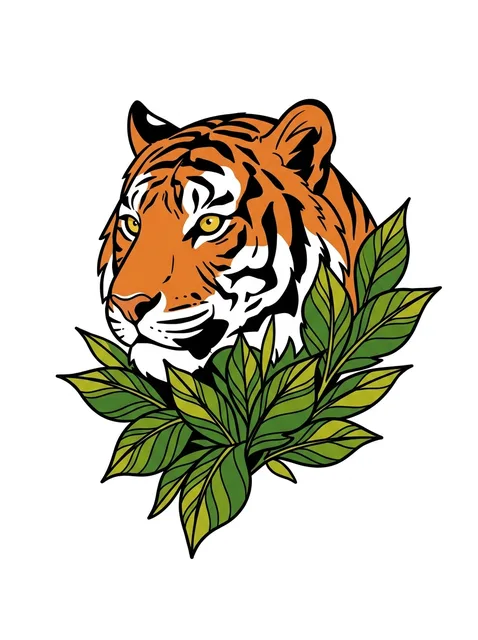
Color illustrative tiger and leaf tattoo design Try it on — Color illustrative tiger and leaf tattoo design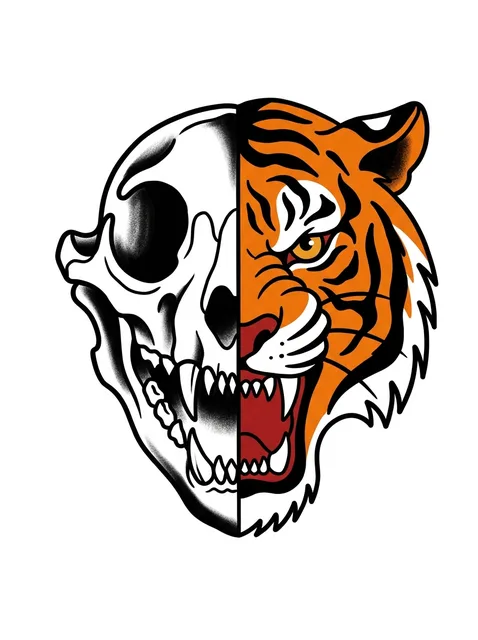
Color traditional tiger and skull tattoo design: a tiger's head split down the middle, with one half Try it on — Color traditional tiger and skull tattoo design: a tiger's head split down the middle, with one half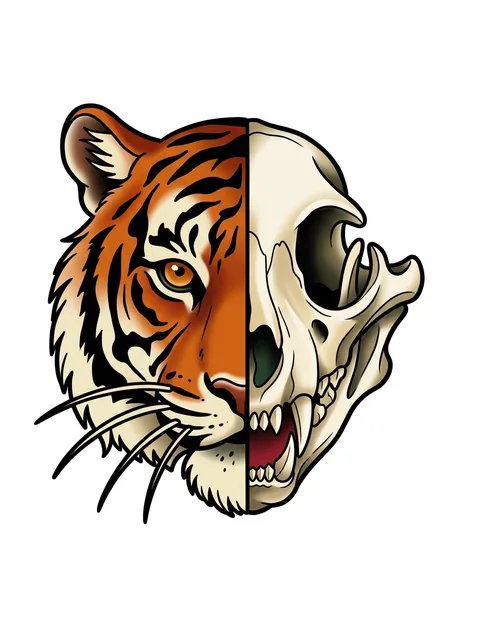
Color traditional tiger and skull tattoo design: a tiger's head split in half Try it on — Color traditional tiger and skull tattoo design: a tiger's head split in half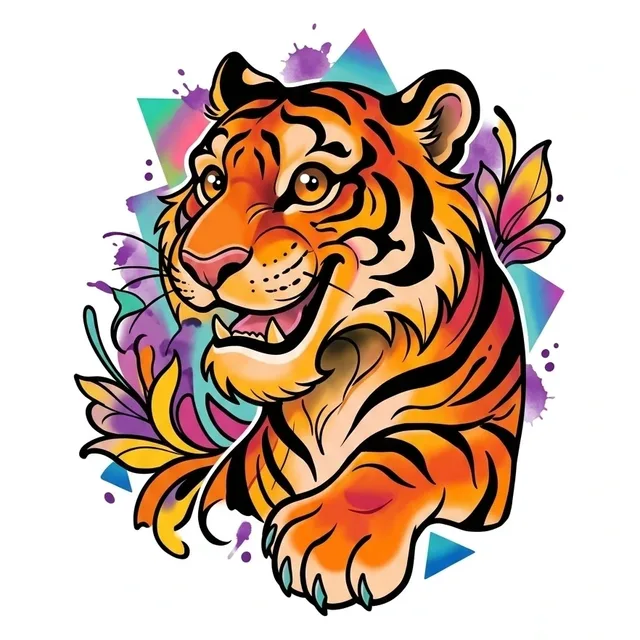
Color new school tiger and flower tattoo design: a smiling tiger's head Try it on — Color new school tiger and flower tattoo design: a smiling tiger's head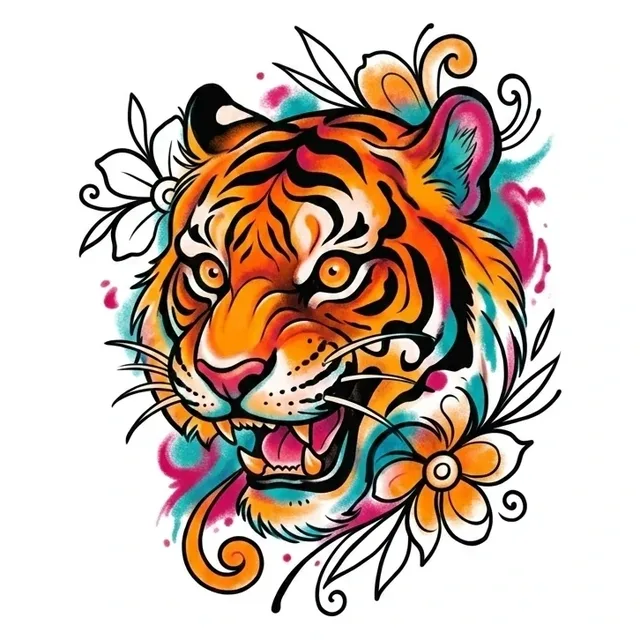
Color new school tiger and flower tattoo design: a roaring tiger head Try it on — Color new school tiger and flower tattoo design: a roaring tiger head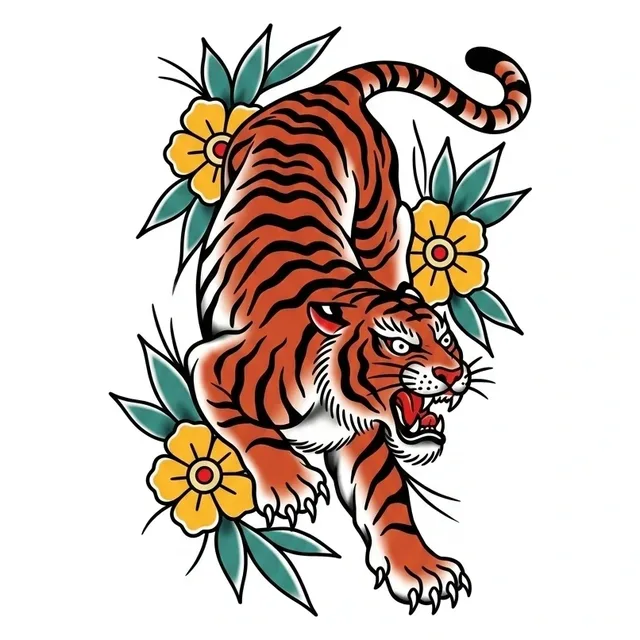
Color traditional tiger and flower tattoo design: a snarling tiger in mid-pounce Try it on — Color traditional tiger and flower tattoo design: a snarling tiger in mid-pounce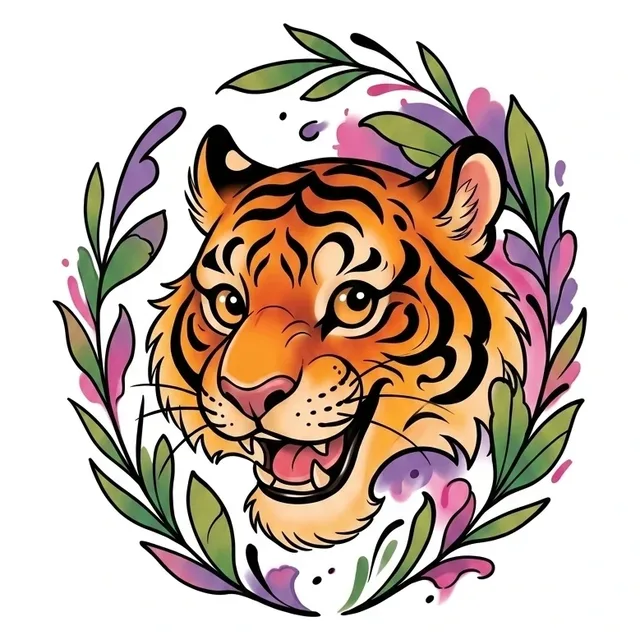
Color illustrative tiger and leaf tattoo design: a cheerful tiger head Try it on — Color illustrative tiger and leaf tattoo design: a cheerful tiger head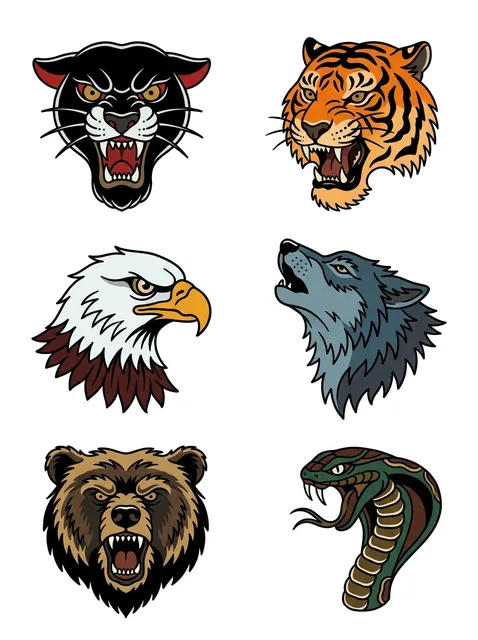
Color flash tiger and panther tattoo design: an eagle, a bear and a cobra, most Try it on — Color flash tiger and panther tattoo design: an eagle, a bear and a cobra, most


Tap any design to see it on your own skin in the try-on — no signup.
This set of 47 tiger designs, by the numbers
- Styles represented
- illustrative (11), traditional (10), neo traditional (4), linework (4), dotwork (3), watercolor (3)
- Black-and-grey vs colour
- 45% black-and-grey, 55% colour
- Most often drawn with
- skull, leaf, flower, eye
Counted from the 47 designs shown on this page. Every one was drawn for InkCraft — none are scraped or reposted. Free to reference with a link to this page.
What a tiger tattoo means
The tiger is the counterweight to the lion. Where the lion is authority granted, the tiger is power that answers to nobody — solitary, unruled, and in most traditions faintly dangerous to be near. People who choose a tiger over a lion are usually choosing that difference on purpose.
In Japanese tradition the tiger is a protective animal, tied to wind and to the west, and it is conventionally drawn either fighting or under bamboo. The bamboo is not decoration: the tiger shelters in it during storms, so a tiger-and-bamboo piece is about weathering something rather than about attacking. That is the single most misread element in Japanese-style tiger work.
In Chinese tradition the tiger is the king of beasts outright — the lion is a foreign import — and it drives out evil rather than embodying it. The four-character mark on a tiger forehead is read as the character for king, which is why so many stylised tigers carry a marking there that looks decorative and is not.
A tiger paired with a snake or a dragon is a balance image: two forces held against each other rather than one winning. In our own set snake and eye are the most frequent companions, and both push the design toward that older confrontational reading rather than the modern portrait one.
Where the design comes from
The tiger enters tattooing through Japanese woodblock printing — Utagawa Kuniyoshi in particular, whose 1820s warrior prints supplied the poses that irezumi still uses. When Japanese motifs reached Western shops in the twentieth century the tiger came with the fighting stance intact, which is why an American traditional tiger and a Japanese one share a silhouette while meaning slightly different things. The realistic tiger portrait is a much later arrival and belongs to the same black-and-grey portrait tradition that produced the modern lion.
Choosing yours
- Stripes are the constraint. They are high-contrast bands that need clear gaps between them, and when the gaps close the animal turns into a dark mass. A realistic tiger wants 15 cm or more; below that an artist has to start deleting stripes, which is the point where it stops looking like a tiger.
- Japanese-style tigers are drawn to wrap. They assume a curved field — outer arm, thigh, ribs — and a design built for that will look flat and stranded if placed on the chest or the flat of the back.
- Orange is the one place where colour genuinely earns its cost on this subject. About half our tiger designs are colour, a far higher share than most motifs, because black-and-grey removes the single feature people picture when they picture a tiger.
Size, cost and placement
How big, and what it costs
Stripes set the floor. A realistic tiger wants 15 cm or more and a full-day sitting; below that the artist has to delete stripes and it stops reading as a tiger. Colour adds time — orange over black needs layering — so a colour tiger is meaningfully more than the same design in black-and-grey.
Where it sits, and how much it hurts
Japanese-style tigers are drawn to wrap and assume a curved field: outer arm, thigh, ribs. A flat placement will make a design built for a curve look stranded. Ribs are the painful option here and a common one, because the shape suits the field so well.
What to ask your artist
- Whether it is a Japanese-style tiger or a realistic one, since they are different traditions and most artists specialise in one.
- If bamboo or wind bars are included, because they are compositional rather than decorative and change the meaning.
- How many sessions colour will take, and whether the outline is finished in the first.
Prices vary widely by city and artist — treat these as session lengths rather than quotes, and expect a shop minimum on anything small. The cost guide turns hours into money by size, placement and style.
Common questions
What does a tiger and bamboo tattoo mean?
Shelter, not aggression. The tiger takes refuge in bamboo during a storm, so the pairing is about coming through something rather than fighting it — the opposite of how it usually gets described.
Should a tiger be in colour?
More often than most subjects, yes. Orange and black is the recognition cue; in black-and-grey a tiger leans on face and eyes to carry it, which works but is a different and harder drawing.
What is the smallest a tiger can be drawn?
A realistic one, not very — stripes need gaps. A linework or minimal tiger head works well small, which is why those dominate the under-8 cm end of our set.
What a tiger tattoo can mean
The meanings this motif carries on the pages that argue them. Each line is that page's own reason for including it.
- Strength tattoos
- Strength in motion, where the lion is strength at rest. In Japanese work it specifically fights the wind and represents strength against something rather than over it.
See it on your skin before you commit
InkCraft places any of these designs on a photo of you — scaled, wrapped and shaded to the placement you pick.