 InkCraft
Egyptian Tattoo Ideas: Gods, Ankh and Scarab
22 original egyptian designs drawn for InkCraftBy Uladzimir TumanauUpdated
Nobody has worshipped Anubis or Horus without a break since the temple at Philae closed, so these are an ancient religion's images, not a living one's. A figure in the composite view, head in profile and shoulders square, reads as Egyptian and fits a forearm or calf.
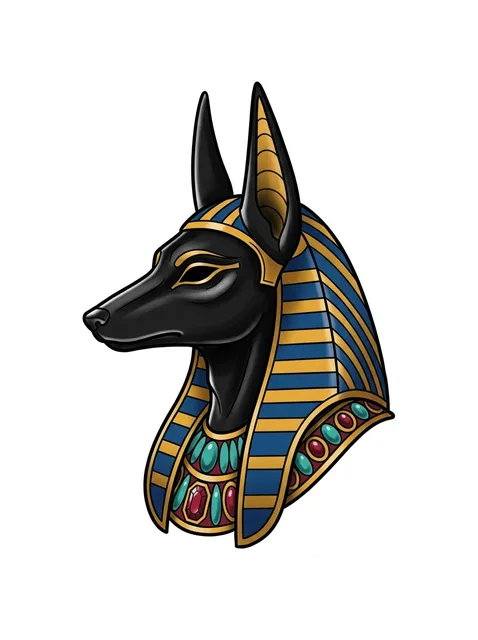
Color neo traditional egyptian and anubis tattoo design Try it on — Color neo traditional egyptian and anubis tattoo design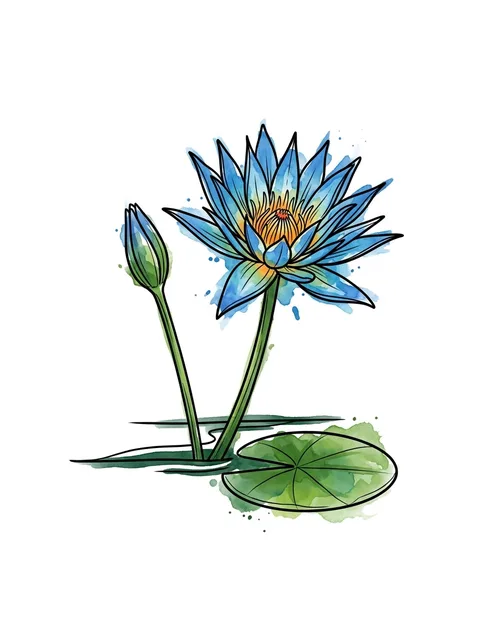
Color watercolor egyptian and lotus tattoo design Try it on — Color watercolor egyptian and lotus tattoo design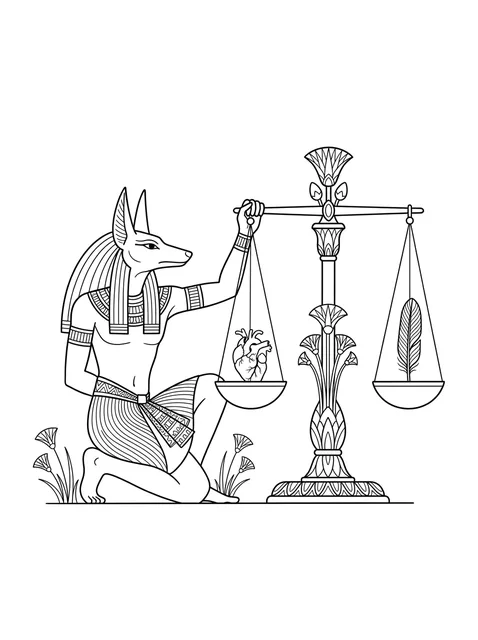
Black and white linework egyptian and anubis tattoo design, outline stencil Try it on — Black and white linework egyptian and anubis tattoo design, outline stencil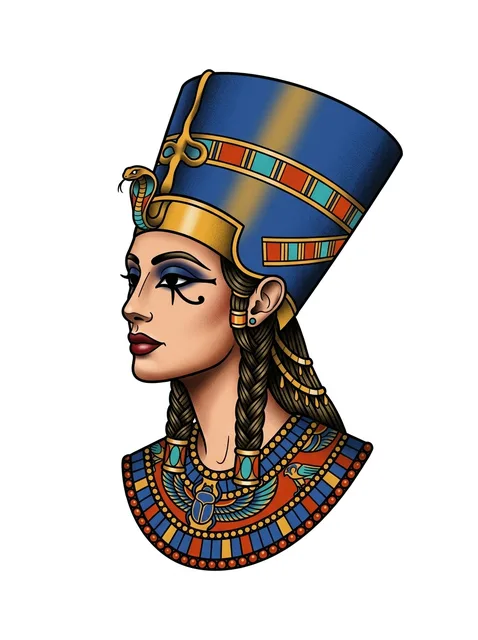
Color neo traditional egyptian and woman portrait tattoo design Try it on — Color neo traditional egyptian and woman portrait tattoo design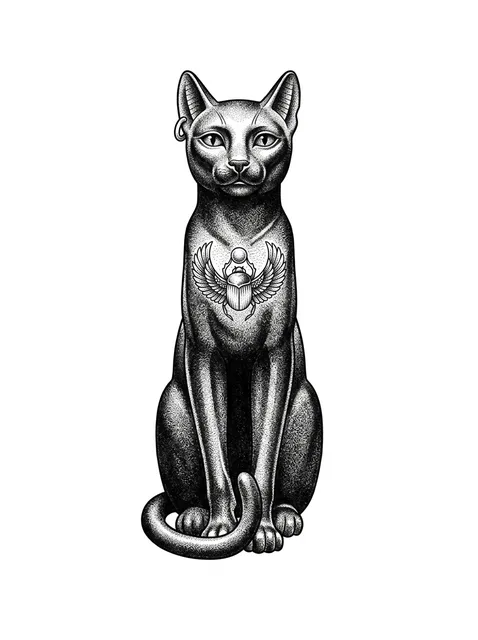
Black and grey dotwork egyptian and cat tattoo design Try it on — Black and grey dotwork egyptian and cat tattoo design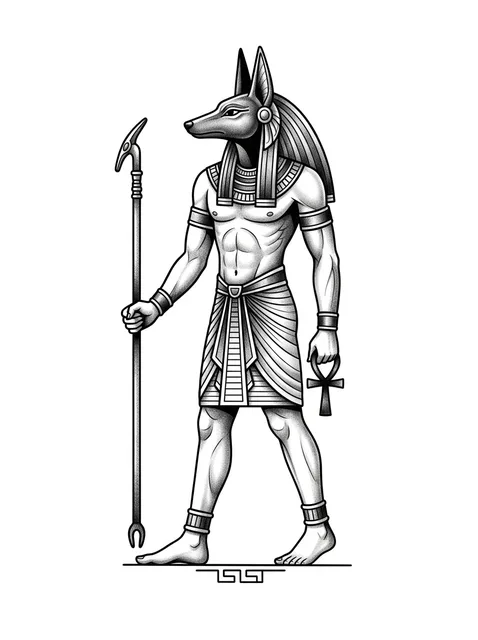
Black and grey illustrative egyptian and anubis tattoo design Try it on — Black and grey illustrative egyptian and anubis tattoo design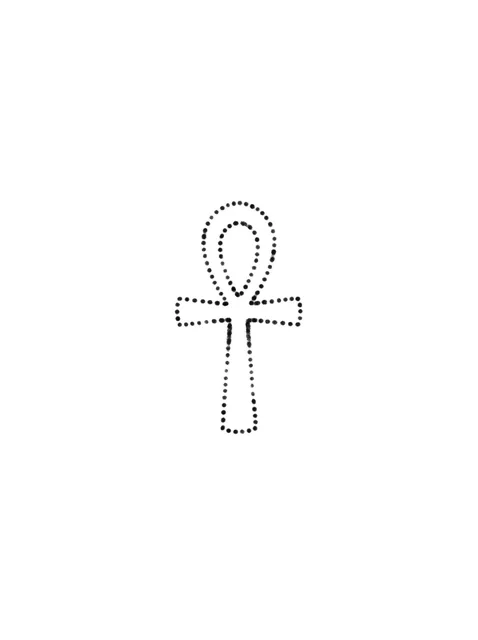
Black and grey stick and poke egyptian and ankh tattoo design Try it on — Black and grey stick and poke egyptian and ankh tattoo design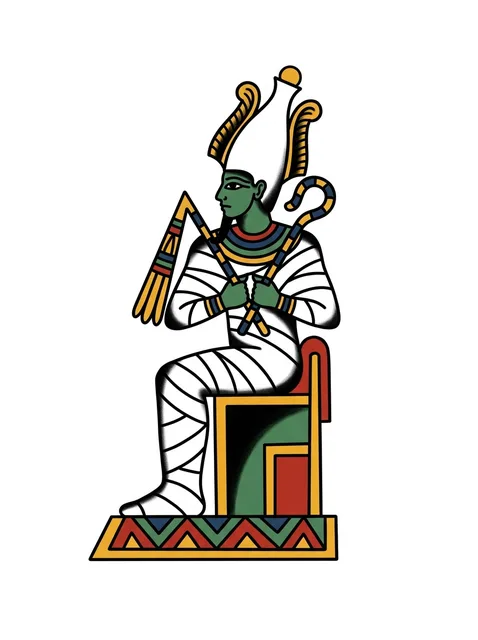
Color traditional egyptian and osiris tattoo design Try it on — Color traditional egyptian and osiris tattoo design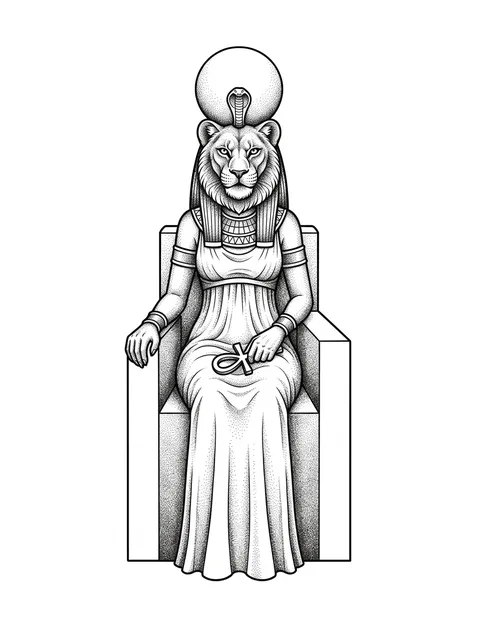
Black and grey illustrative egyptian and sekhmet tattoo design Try it on — Black and grey illustrative egyptian and sekhmet tattoo design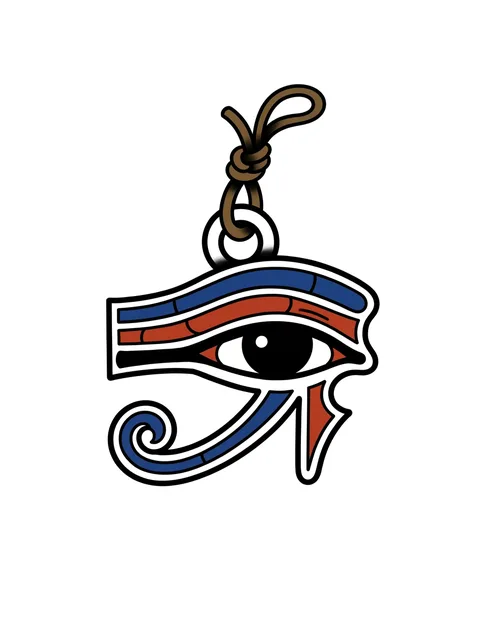
Color traditional egyptian and eye of horus tattoo design Try it on — Color traditional egyptian and eye of horus tattoo design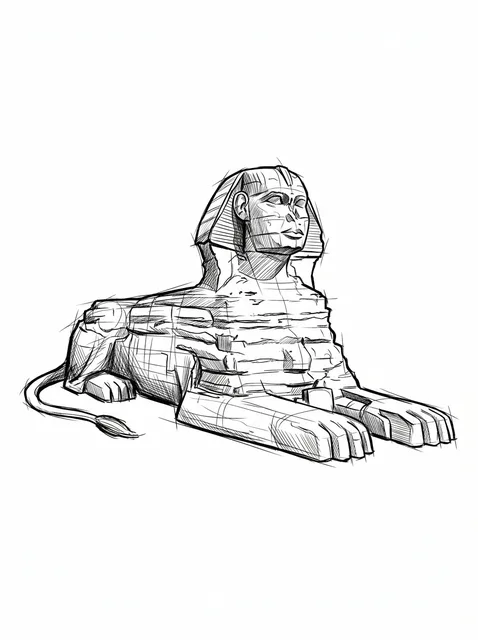
Black and grey sketch egyptian and sphinx tattoo design Try it on — Black and grey sketch egyptian and sphinx tattoo design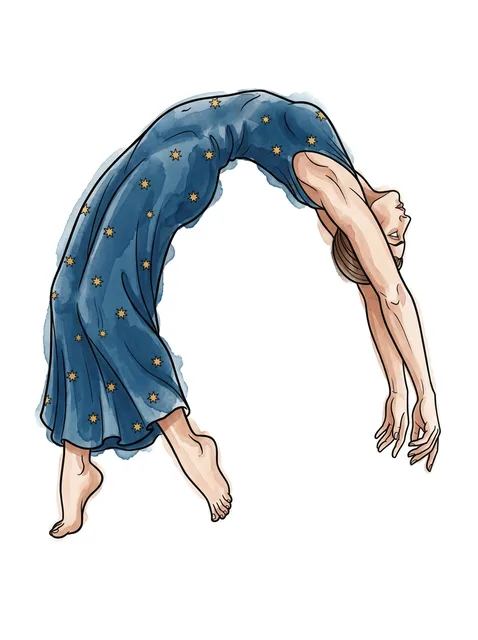
Color watercolor egyptian and woman portrait tattoo design Try it on — Color watercolor egyptian and woman portrait tattoo design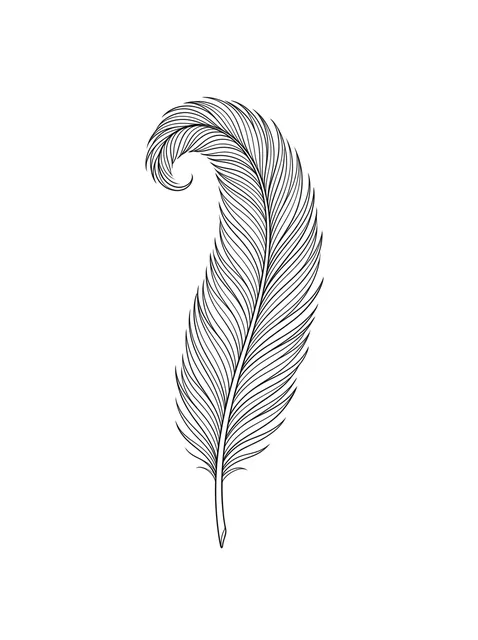
Black and white fine line egyptian and feather tattoo design, outline stencil Try it on — Black and white fine line egyptian and feather tattoo design, outline stencil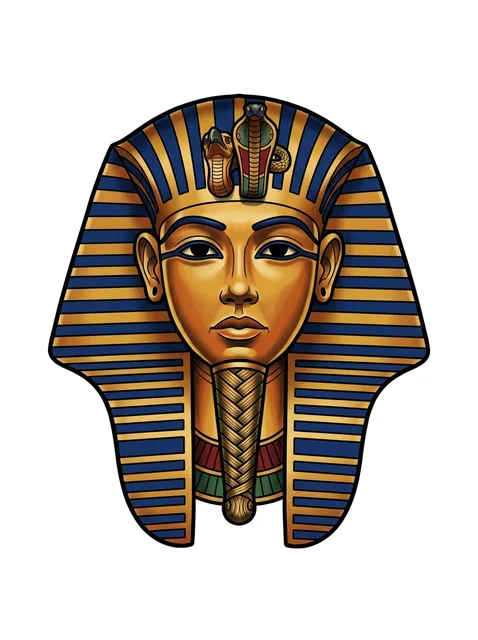
Color neo traditional egyptian and pharaoh tattoo design Try it on — Color neo traditional egyptian and pharaoh tattoo design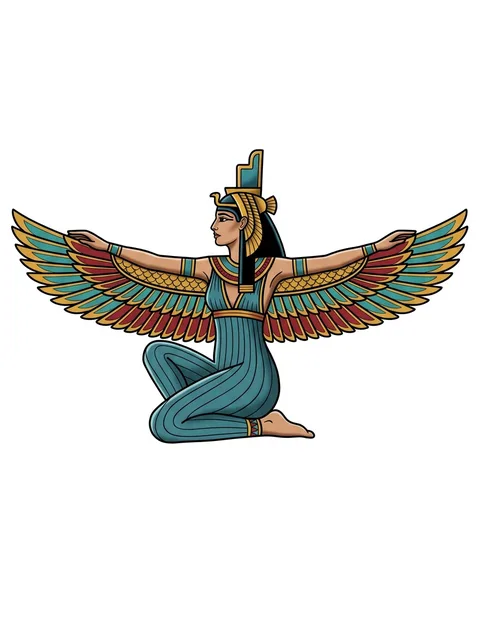
Color neo traditional egyptian and isis tattoo design Try it on — Color neo traditional egyptian and isis tattoo design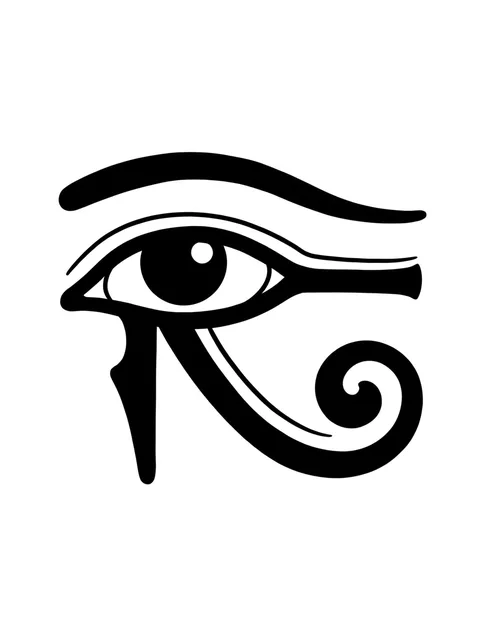
Black and white blackwork egyptian and eye of horus tattoo design Try it on — Black and white blackwork egyptian and eye of horus tattoo design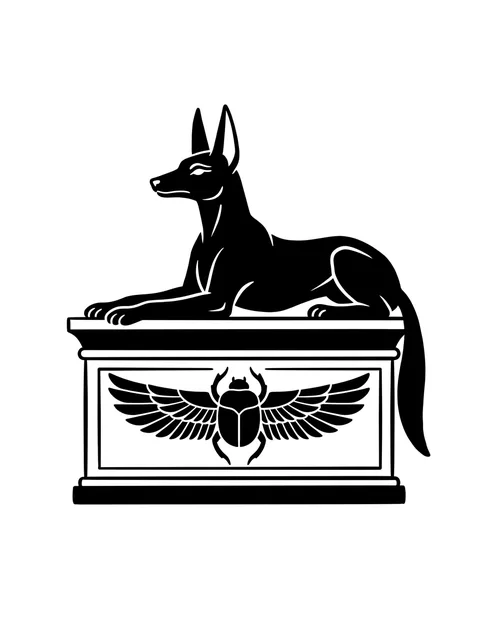
Black and white blackwork egyptian and anubis tattoo design Try it on — Black and white blackwork egyptian and anubis tattoo design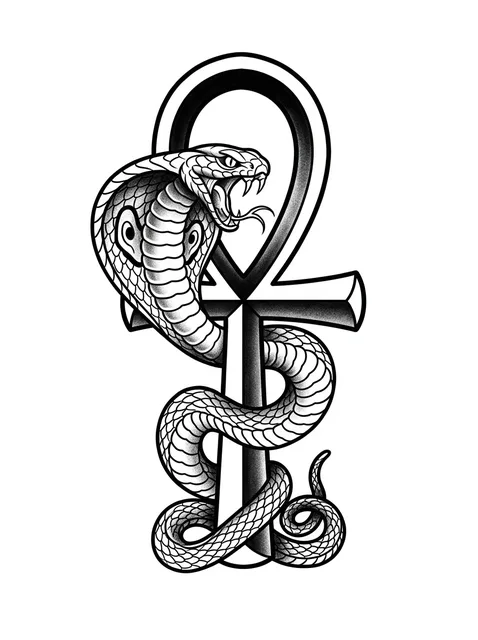
Black and grey blackwork egyptian and ankh tattoo design Try it on — Black and grey blackwork egyptian and ankh tattoo design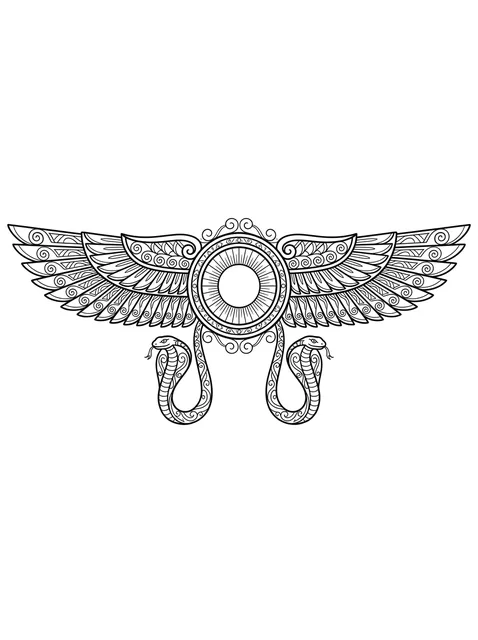
Black and grey ornamental egyptian and sun tattoo design Try it on — Black and grey ornamental egyptian and sun tattoo design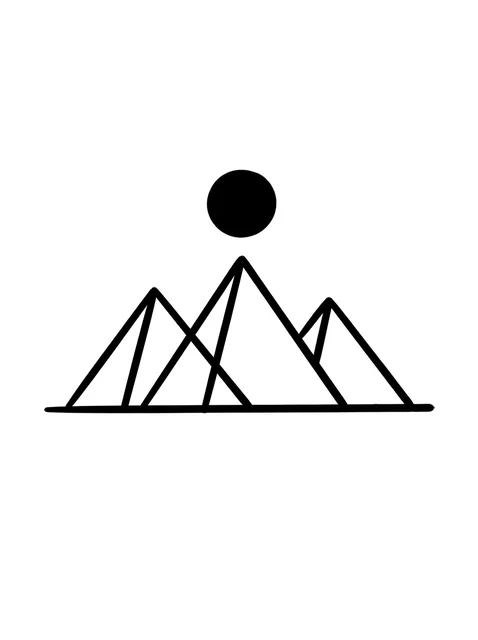
Black and white minimalist egyptian and pyramid tattoo design, outline stencil Try it on — Black and white minimalist egyptian and pyramid tattoo design, outline stencil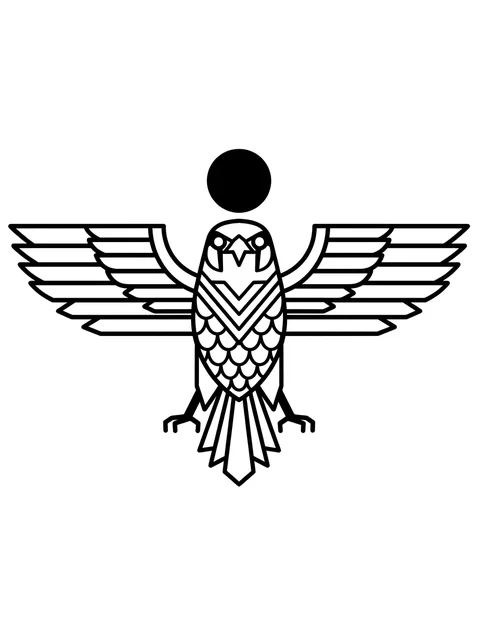
Black and white geometric egyptian and horus tattoo design, outline stencil Try it on — Black and white geometric egyptian and horus tattoo design, outline stencil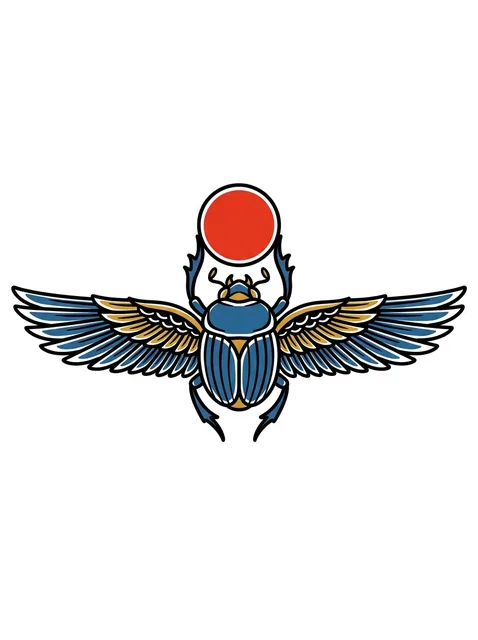
Color traditional egyptian and scarab tattoo design Try it on — Color traditional egyptian and scarab tattoo design


Tap any design to see it on your own skin in the try-on — no signup.
This set of 22 egyptian designs, by the numbers
- Styles represented
- neo traditional (4), traditional (3), blackwork (3), watercolor (2), illustrative (2), linework (1)
- Black-and-grey vs colour
- 59% black-and-grey, 41% colour
- Most often drawn with
- anubis, sun, woman portrait, ankh
Counted from the 22 designs shown on this page. Every one was drawn for InkCraft — none are scraped or reposted. Free to reference with a link to this page.
What a egyptian tattoo means
These are the images of a religion that ended. The last known hieroglyphic inscription was carved at Philae on 24 August 394, and the temple of Isis there was shut on the orders of the emperor Justinian in the 530s. Small modern revivals, usually called Kemetic, honour the gods again, but no community has kept them without a break or decides who may draw them, and that is what separates an Anubis from a Māori moko or a Thai sak yant.
Most of the grid is about life after death. The ankh is the hieroglyph for life, held by gods to a king's nose as the breath of life. The scarab is Khepri, the morning sun, because a dung beetle rolling its ball looked like the force that pushed the sun up each dawn. Osiris, green-skinned like new growth and wrapped as a mummy, was murdered and restored to rule the dead.
Anubis is the god most often requested and most often mislabelled. He is not the god of death but of embalming and cemeteries: he guarded the tomb and led the dead to judgement, where in spell 125 of the Book of the Dead he checks the balance as a heart is weighed against the feather of Ma'at. His black coat is not mourning. Black was the colour of the Nile silt that gave the country its own name, Kemet, the black land, so on him it means fertility and return.
The rest is protection. The Eye of Horus, torn out by Set and made whole again, was among the commonest Egyptian amulets, and the winged sun disc with its two cobras was carved over temple gateways to guard what lay behind them. Each cobra is a uraeus, the rearing snake of the royal brow, said to spit fire at the king's enemies.
Where the design comes from
Egyptians tattooed long before they carved gods in stone. Infrared images published by British Museum researchers in 2018 revealed a wild bull and a Barbary sheep on the arm of a man buried at Gebelein some five thousand years ago, the oldest figurative tattoos known, and in 2016 the bioarchaeologist Anne Austin reported a woman from Deir el-Medina, the village of the royal tomb-builders, with wedjat eyes tattooed on her neck and shoulders. The gods reached modern skin through Egyptomania: Napoleon's expedition of 1798, Champollion's decipherment of the Rosetta Stone in 1822, and Howard Carter's opening of Tutankhamun's tomb in 1922, which supplied the gold mask and the black Anubis on his shrine that two designs here follow.
Choosing yours
- Ask for the composite view if a figure must read as Egyptian at a distance: head in profile with the eye drawn whole, shoulders square to the viewer, legs in profile again, as on the striding Anubis and the seated Osiris here. The Nut is the exception. The sky goddess should arch face down over the earth god Geb; this one bends backwards like a modern figure, and only her starred dress names her. Standing figures are tall and narrow, which suits a forearm, a calf or the outer shin.
- Four designs are wider than they are tall: Isis, the winged scarab, the winged sun disc and the spread-winged Horus. The disc was made to sit over a doorway, and on a body the same span belongs across the upper chest or between the shoulder blades.
- Keep to the old palette, lapis blue, turquoise, carnelian red, gold and black, as the queen and the pharaoh here do.
Size, cost and placement
How big, and what it costs
A lone ankh or Eye of Horus is a shop-minimum job, and the hand-poked ankh here is near the smallest the sign can go. A head like the jewelled Anubis or the pharaoh's mask wants 10 to 12 cm and two to three hours to keep the headdress stripes apart; a standing god, the weighing of the heart or the winged Isis runs 15 to 25 cm and half a day or more.
Where it sits, and how much it hurts
Upright figures on the forearm, calf or outer upper arm, all gentle spots. Winged designs across the upper chest or back, where the sternum and the spine are the painful lines to cross.
What to ask your artist
- That each crown and attribute belongs to the god who wears it.
- Whether the figure keeps the composite view, with the head in profile.
- For any hieroglyphs, who checked the spelling.
Prices vary widely by city and artist — treat these as session lengths rather than quotes, and expect a shop minimum on anything small. The cost guide turns hours into money by size, placement and style.
Common questions
Is Anubis the Egyptian god of death?
No. Osiris ruled the dead; Anubis embalmed them and kept their cemeteries, a protector rather than a killer. The jackal lying on a chest here copies the carved shrine Howard Carter found at the entrance to Tutankhamun's treasury.
Is it disrespectful to wear the old gods?
Not the way a sacred mark of a living people can be. No community in unbroken descent from the cult asks outsiders to stay away, though Kemetic revivalists hold the gods sacred. The usual complaint is about errors: a god in another god's crown, or hieroglyphs that spell nothing.
Can my name be written in hieroglyphs?
It can be spelled by sound, since many signs stood for single consonants, but alphabet charts simplify a great deal and there is no cartouche on this page. The oval ring was reserved for royal names, so have the spelling checked by someone who reads Middle Egyptian.
Why is the Great Sphinx missing its nose?
Not because Napoleon's soldiers shot it off: drawings by the Danish traveller Frederic Norden from the 1730s already show the face without one. The sketch here keeps the broken face, as the monument at Giza has it now.
See it on your skin before you commit
InkCraft places any of these designs on a photo of you — scaled, wrapped and shaded to the placement you pick.