 InkCraft
Portrait Tattoo Ideas of Women and What They Mean
50 original woman portrait designs drawn for InkCraftBy Uladzimir TumanauUpdated
A face is the one subject where almost everybody can see a mistake. A face is measured by the viewer against every face they have ever seen, so the work is judged against a standard no other subject faces.
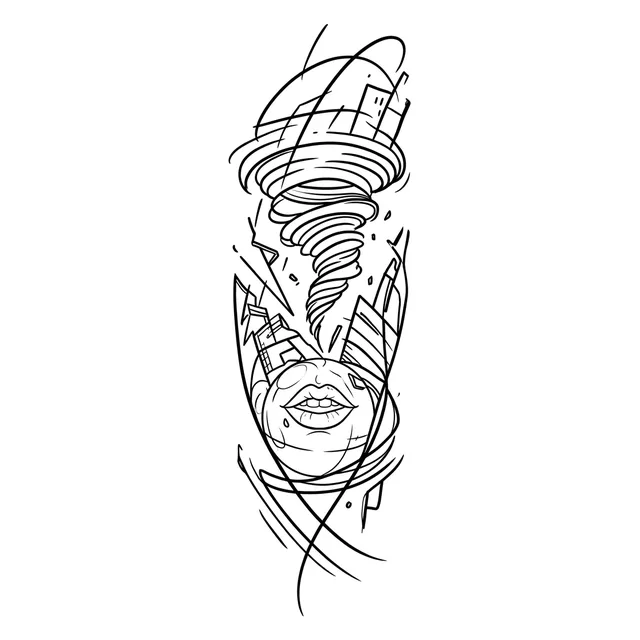
Black and white sketch woman portrait tattoo design Try it on — Black and white sketch woman portrait tattoo design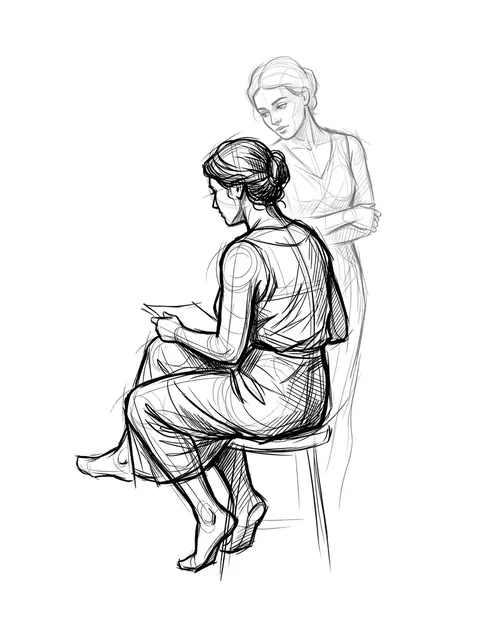
Black and grey sketch woman portrait tattoo design Try it on — Black and grey sketch woman portrait tattoo design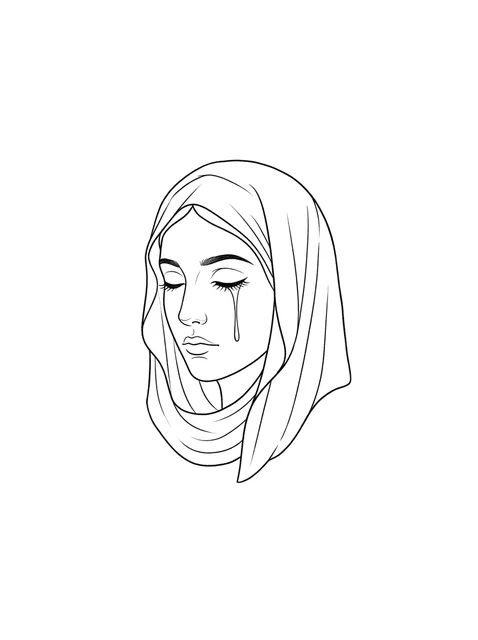
Black and white linework woman portrait tattoo design, outline stencil Try it on — Black and white linework woman portrait tattoo design, outline stencil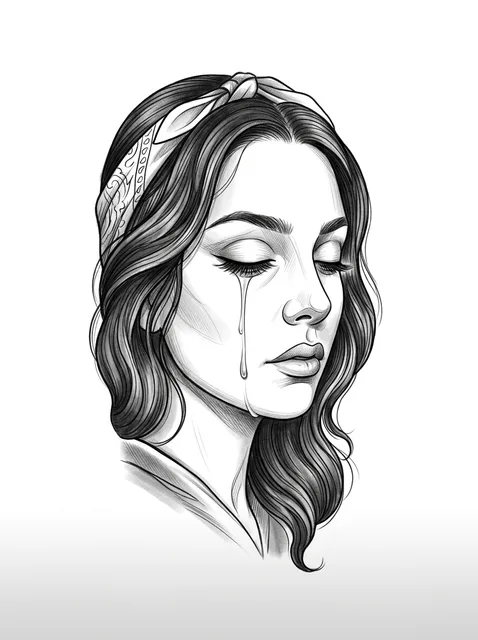
Black and grey chicano woman portrait tattoo design Try it on — Black and grey chicano woman portrait tattoo design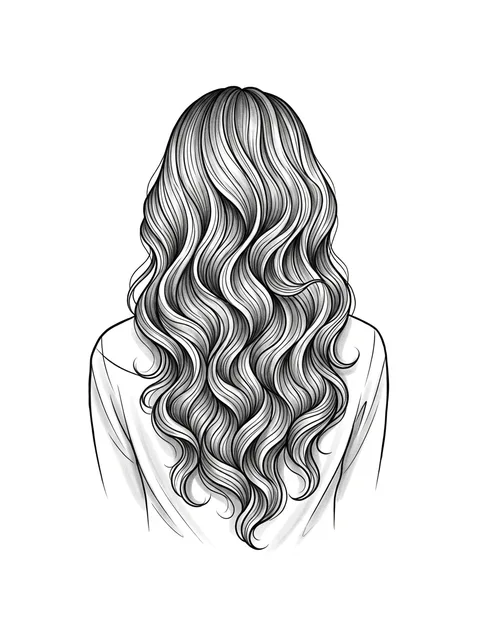
Black and grey illustrative woman portrait tattoo design Try it on — Black and grey illustrative woman portrait tattoo design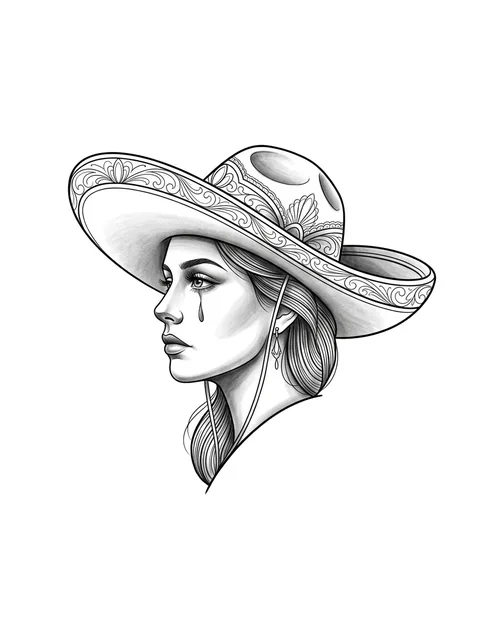
Black and grey chicano woman portrait tattoo design Try it on — Black and grey chicano woman portrait tattoo design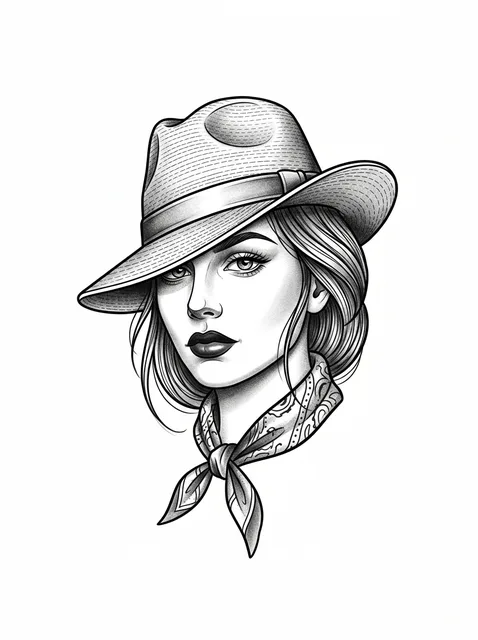
Black and grey chicano woman portrait tattoo design Try it on — Black and grey chicano woman portrait tattoo design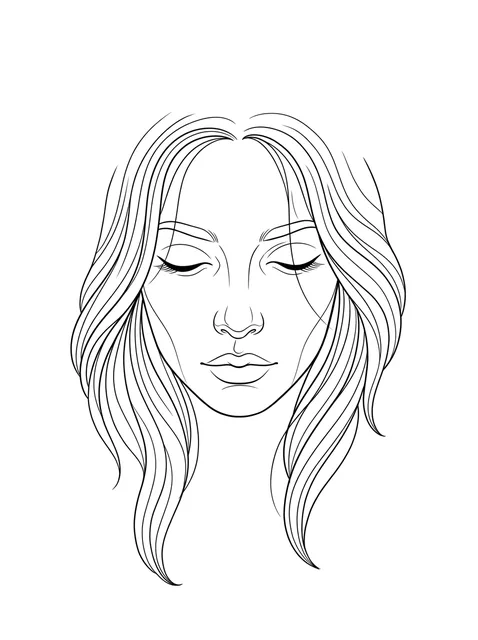
Black and white fine line woman portrait tattoo design, outline stencil Try it on — Black and white fine line woman portrait tattoo design, outline stencil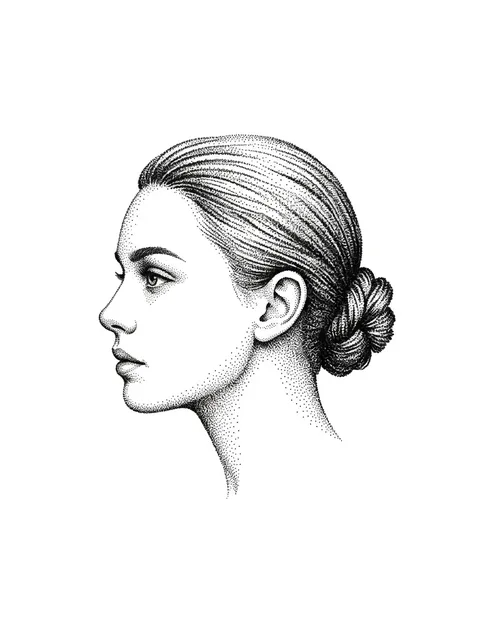
Black and grey dotwork woman portrait tattoo design Try it on — Black and grey dotwork woman portrait tattoo design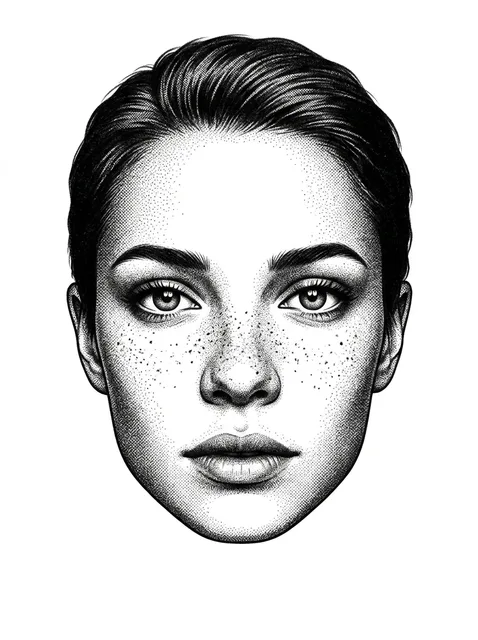
Black and grey realism woman portrait tattoo design Try it on — Black and grey realism woman portrait tattoo design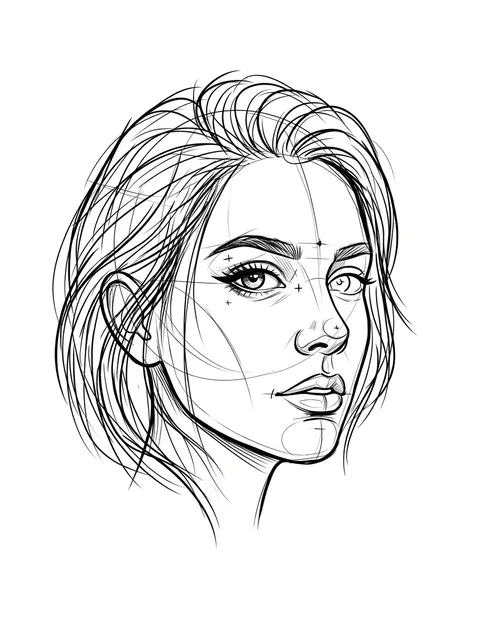
Black and grey sketch woman portrait tattoo design Try it on — Black and grey sketch woman portrait tattoo design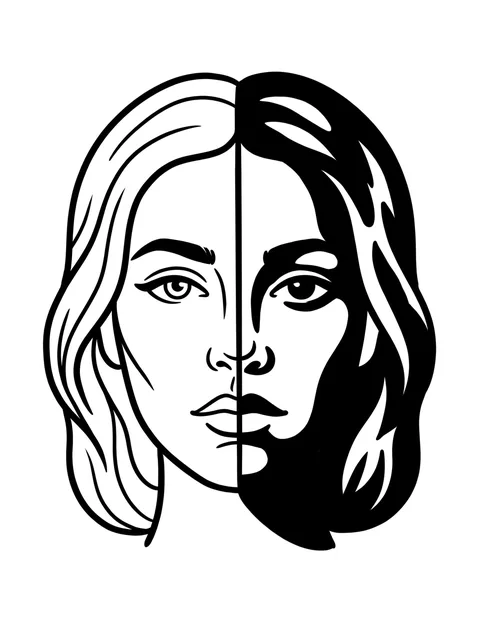
Black and white blackwork woman portrait tattoo design Try it on — Black and white blackwork woman portrait tattoo design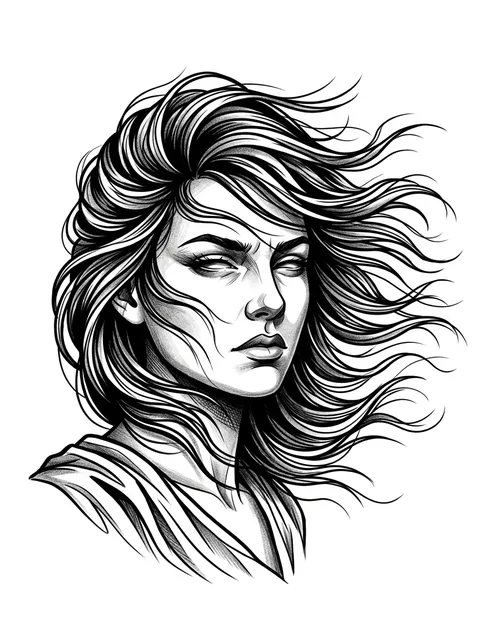
Black and grey illustrative woman portrait tattoo design Try it on — Black and grey illustrative woman portrait tattoo design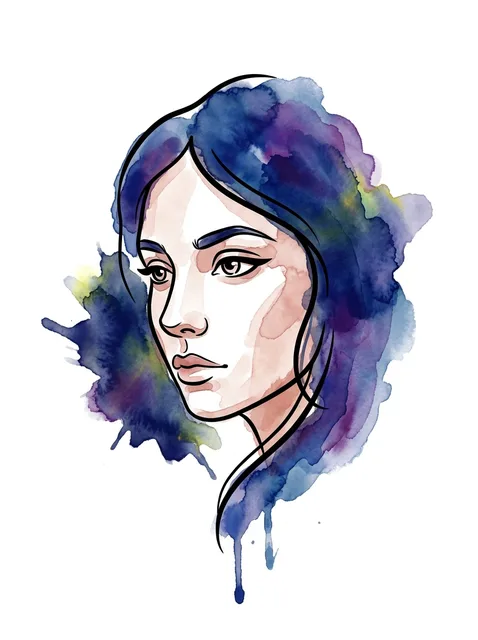
Color watercolor woman portrait tattoo design Try it on — Color watercolor woman portrait tattoo design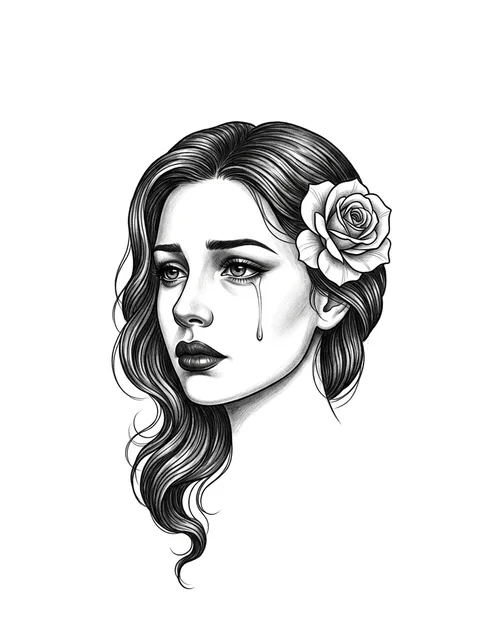
Black and grey chicano woman portrait and rose tattoo design Try it on — Black and grey chicano woman portrait and rose tattoo design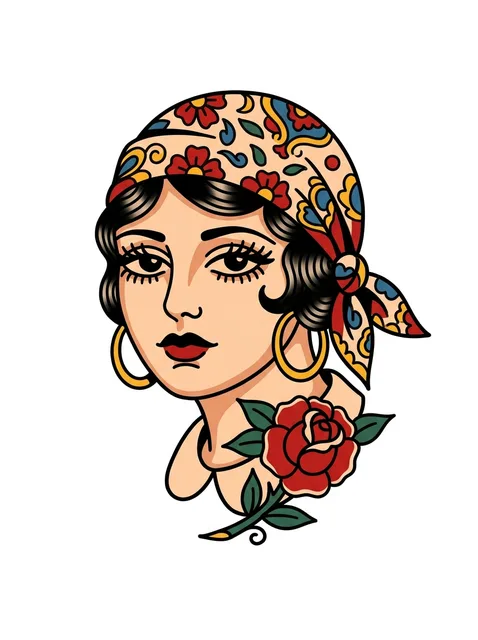
Color traditional woman portrait and rose tattoo design Try it on — Color traditional woman portrait and rose tattoo design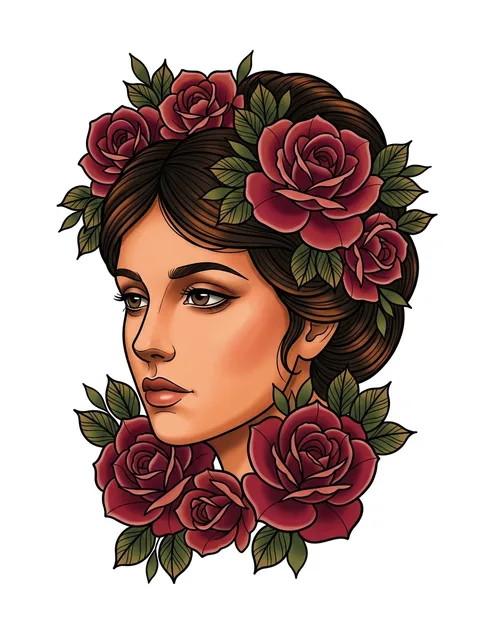
Color neo traditional woman portrait and rose tattoo design Try it on — Color neo traditional woman portrait and rose tattoo design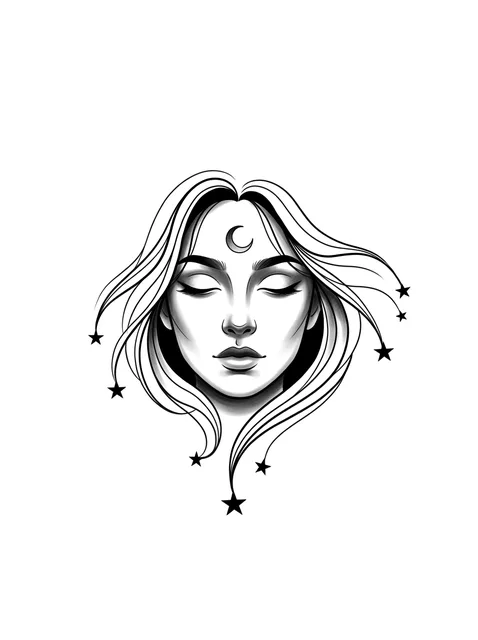
Black and grey illustrative woman portrait and moon tattoo design Try it on — Black and grey illustrative woman portrait and moon tattoo design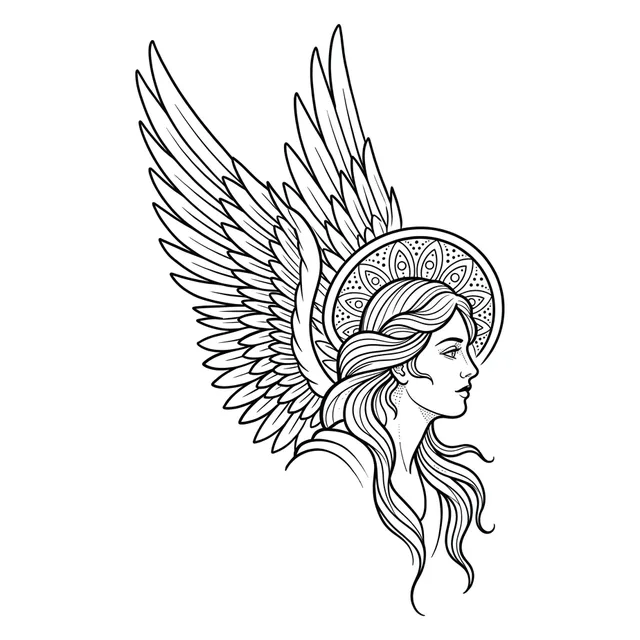
Black and grey illustrative woman portrait and angel tattoo design Try it on — Black and grey illustrative woman portrait and angel tattoo design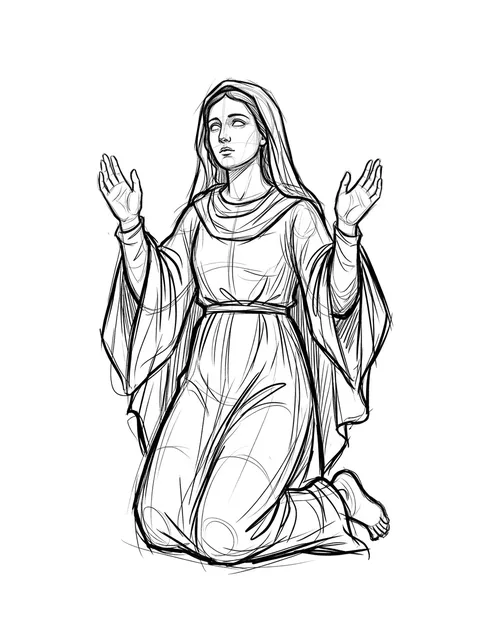
Black and grey illustrative woman portrait and virgin mary tattoo design Try it on — Black and grey illustrative woman portrait and virgin mary tattoo design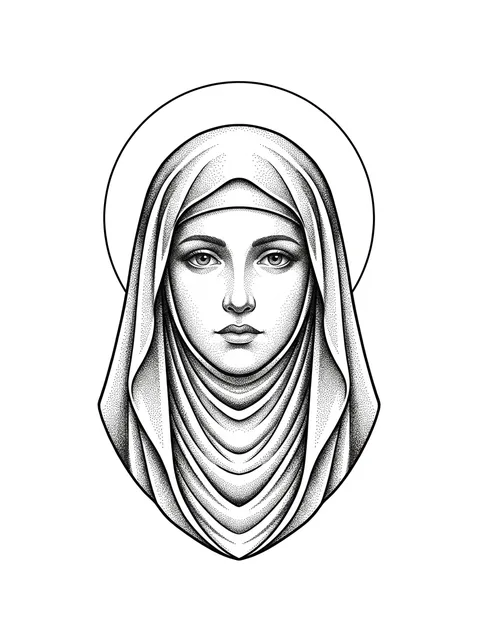
Black and grey dotwork woman portrait and virgin mary tattoo design: the Virgin Mary Try it on — Black and grey dotwork woman portrait and virgin mary tattoo design: the Virgin Mary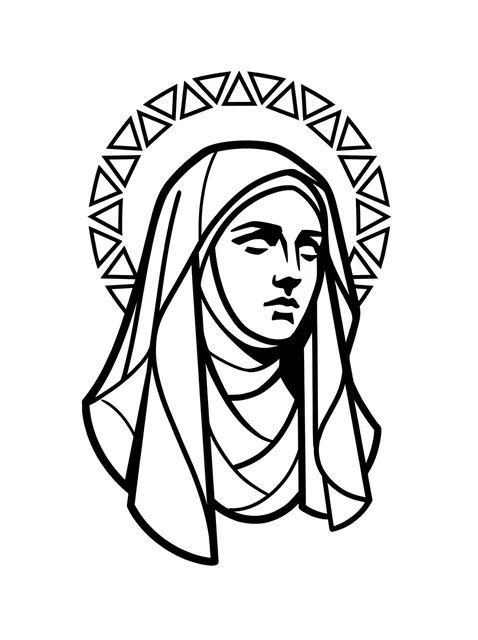
Black and white geometric woman portrait and virgin mary tattoo design, outline stencil Try it on — Black and white geometric woman portrait and virgin mary tattoo design, outline stencil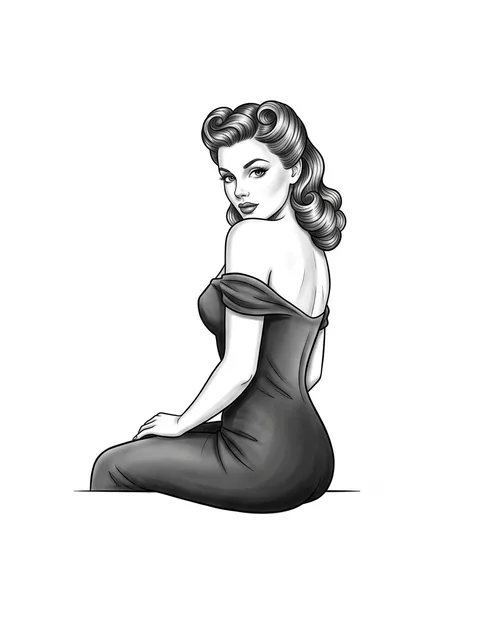
Black and grey chicano woman portrait and pin up tattoo design Try it on — Black and grey chicano woman portrait and pin up tattoo design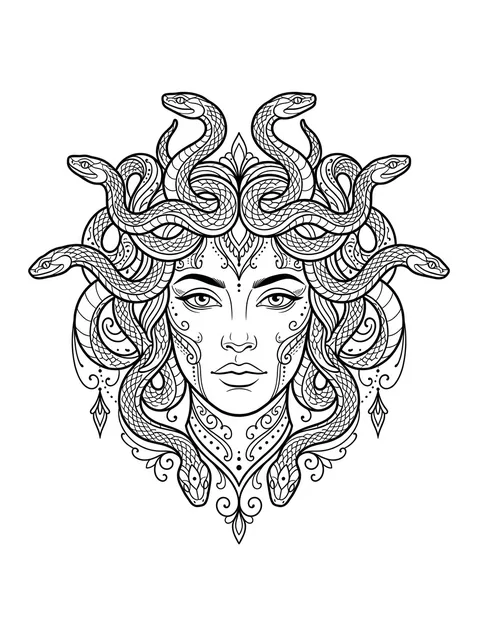
Black and grey illustrative woman portrait and medusa tattoo design Try it on — Black and grey illustrative woman portrait and medusa tattoo design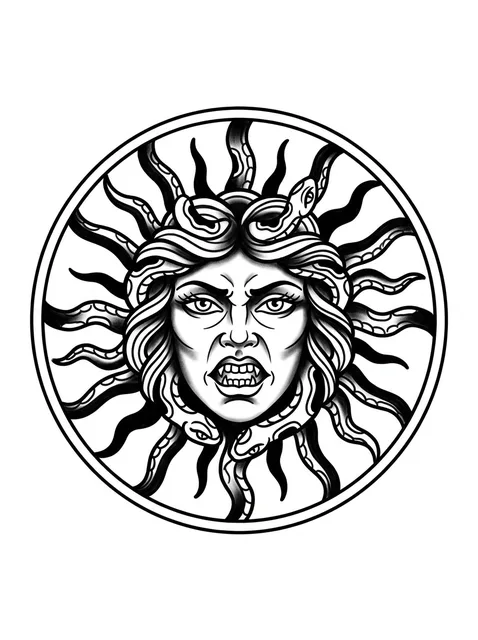
Black and grey traditional woman portrait and medusa tattoo design Try it on — Black and grey traditional woman portrait and medusa tattoo design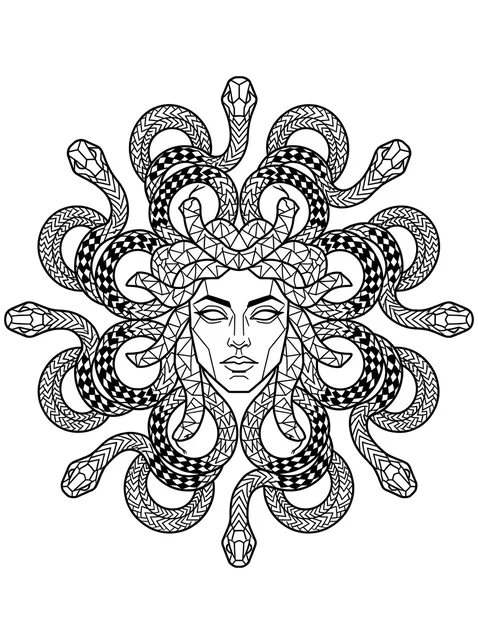
Black and white geometric woman portrait and medusa tattoo design, outline stencil Try it on — Black and white geometric woman portrait and medusa tattoo design, outline stencil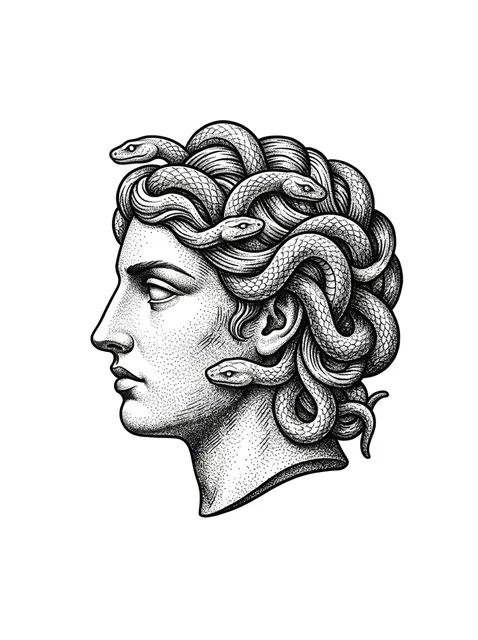
Black and grey dotwork woman portrait and medusa tattoo design Try it on — Black and grey dotwork woman portrait and medusa tattoo design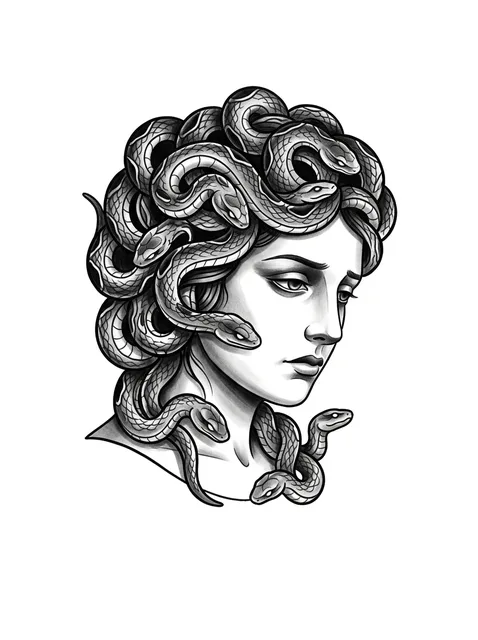
Black and grey illustrative woman portrait and medusa tattoo design Try it on — Black and grey illustrative woman portrait and medusa tattoo design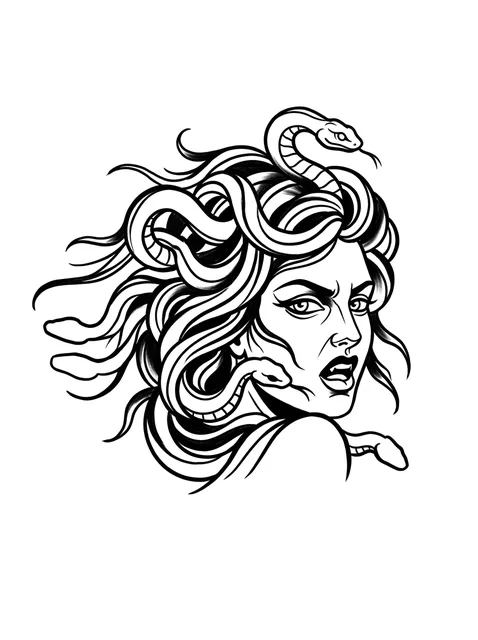
Black and grey neo traditional woman portrait and medusa tattoo design Try it on — Black and grey neo traditional woman portrait and medusa tattoo design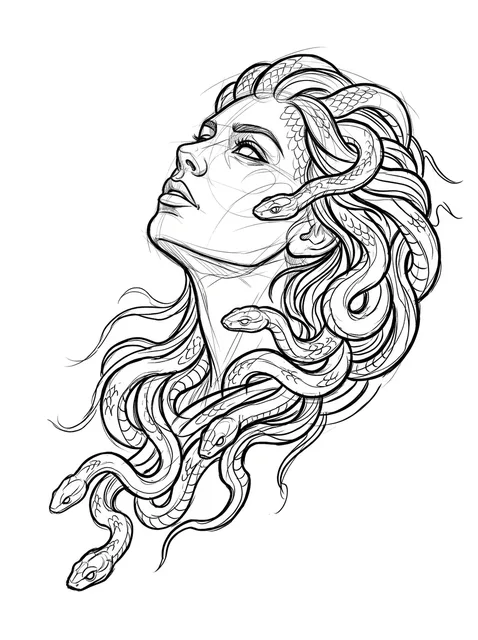
Black and grey illustrative woman portrait and medusa tattoo design Try it on — Black and grey illustrative woman portrait and medusa tattoo design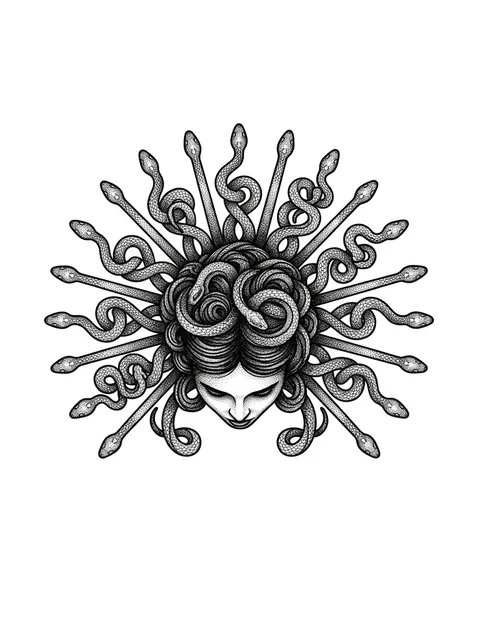
Black and grey dotwork woman portrait and medusa tattoo design Try it on — Black and grey dotwork woman portrait and medusa tattoo design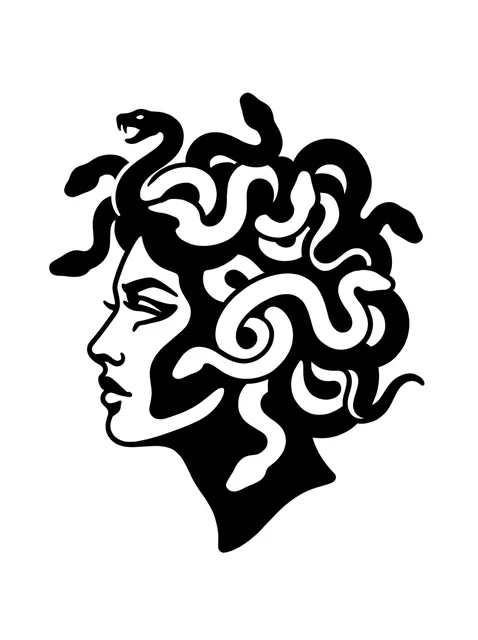
Black and white blackwork woman portrait and medusa tattoo design Try it on — Black and white blackwork woman portrait and medusa tattoo design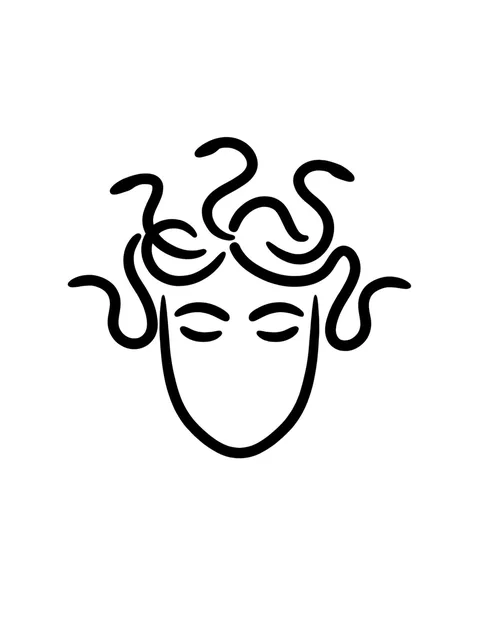
Black and white minimalist woman portrait and medusa tattoo design, outline stencil Try it on — Black and white minimalist woman portrait and medusa tattoo design, outline stencil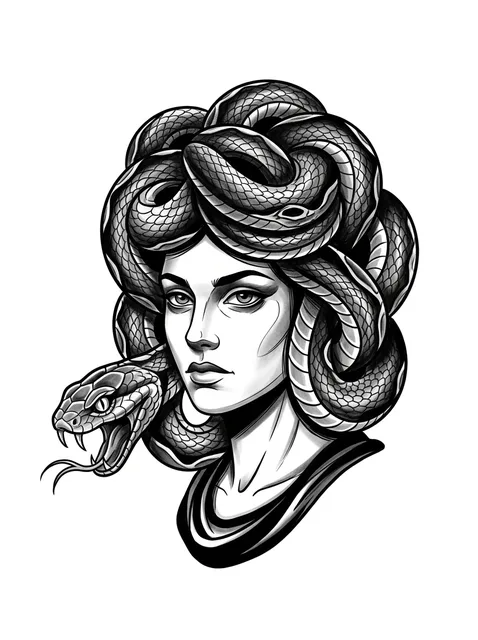
Black and grey neo traditional woman portrait and medusa tattoo design Try it on — Black and grey neo traditional woman portrait and medusa tattoo design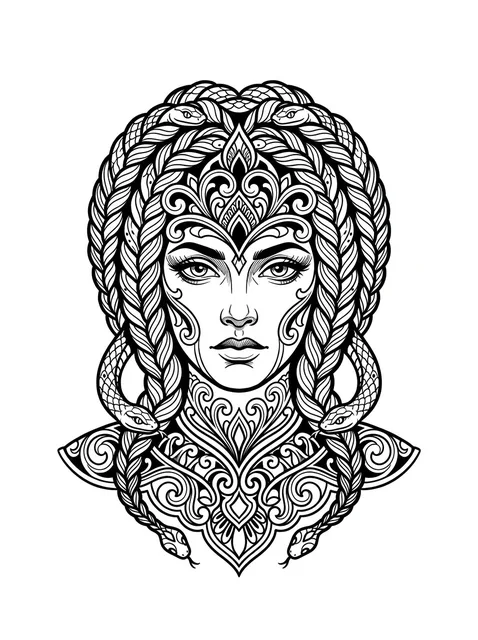
Black and grey illustrative woman portrait and medusa tattoo design: a woman's face Try it on — Black and grey illustrative woman portrait and medusa tattoo design: a woman's face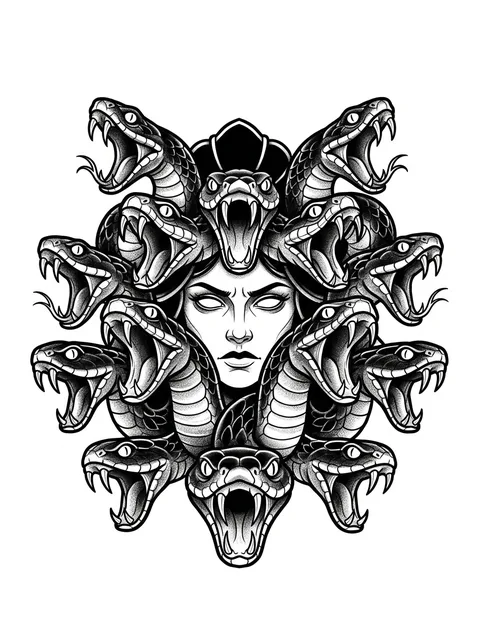
Black and grey neo traditional woman portrait and medusa tattoo design Try it on — Black and grey neo traditional woman portrait and medusa tattoo design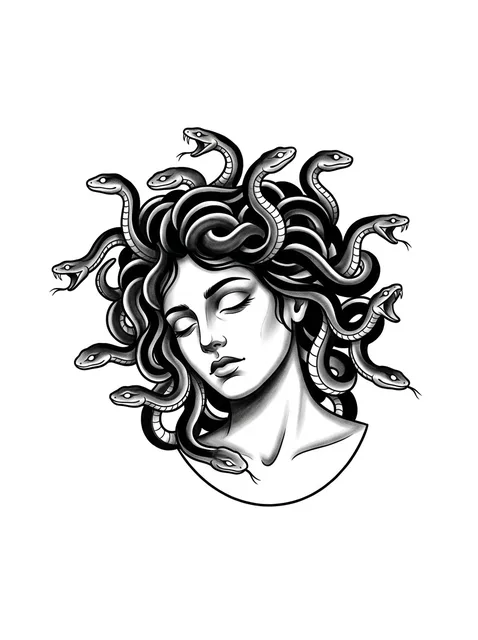
Black and grey neo traditional woman portrait and medusa tattoo design Try it on — Black and grey neo traditional woman portrait and medusa tattoo design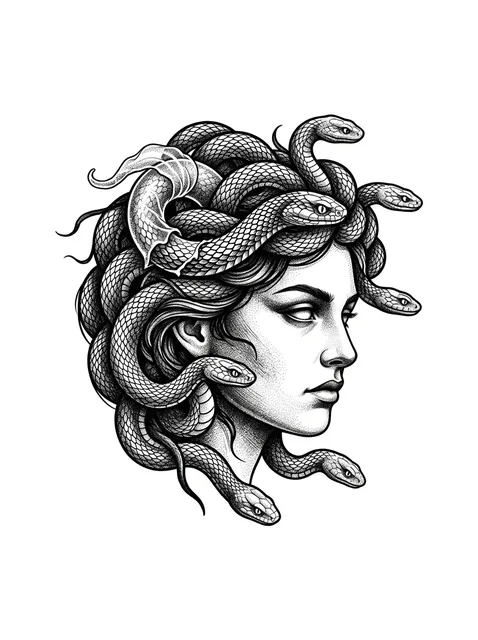
Black and grey illustrative woman portrait and medusa tattoo design Try it on — Black and grey illustrative woman portrait and medusa tattoo design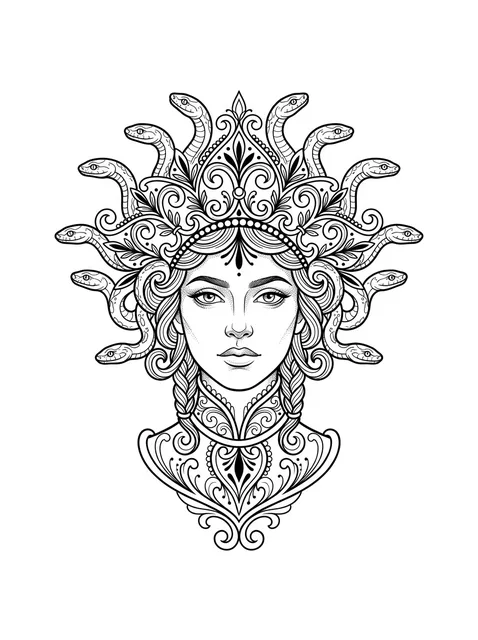
Black and grey illustrative woman portrait and medusa tattoo design Try it on — Black and grey illustrative woman portrait and medusa tattoo design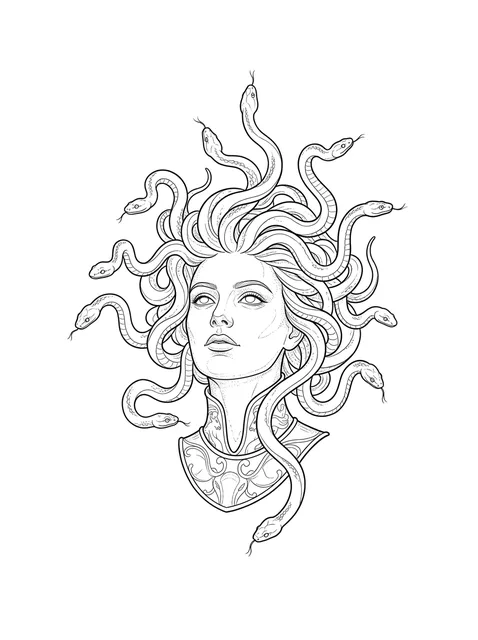
Black and white linework woman portrait and medusa tattoo design, outline stencil Try it on — Black and white linework woman portrait and medusa tattoo design, outline stencil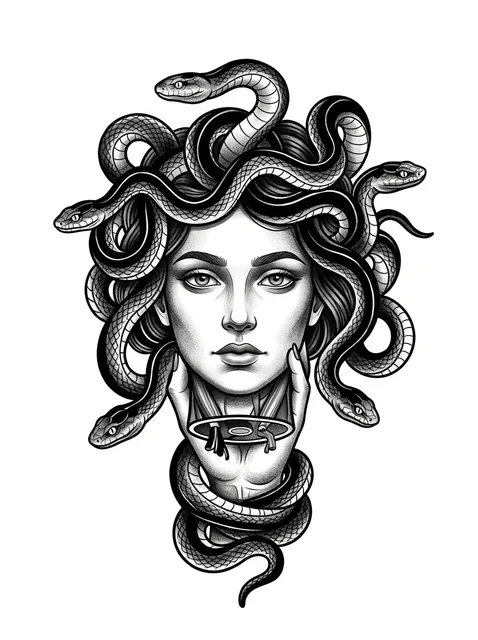
Black and grey illustrative woman portrait and medusa tattoo design: a woman's face Try it on — Black and grey illustrative woman portrait and medusa tattoo design: a woman's face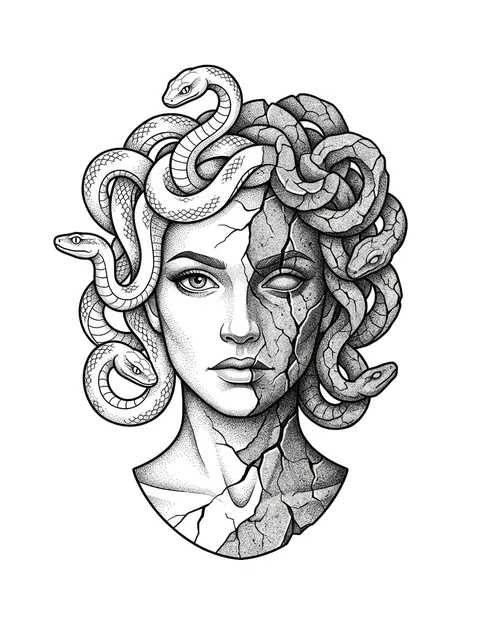
Black and grey dotwork woman portrait and medusa tattoo design Try it on — Black and grey dotwork woman portrait and medusa tattoo design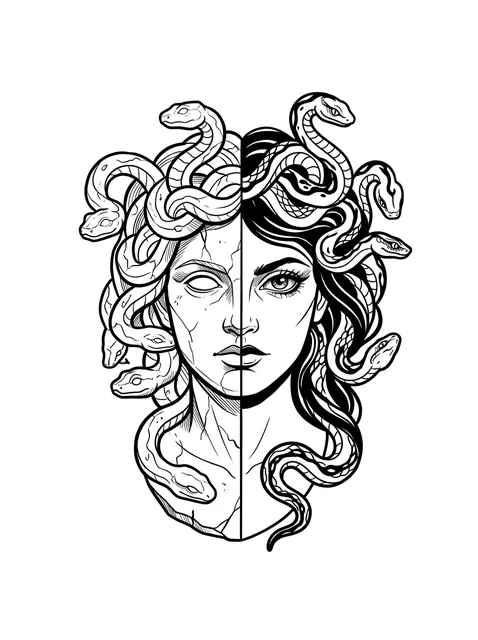
Black and white illustrative woman portrait and medusa tattoo design: a split Medusa head Try it on — Black and white illustrative woman portrait and medusa tattoo design: a split Medusa head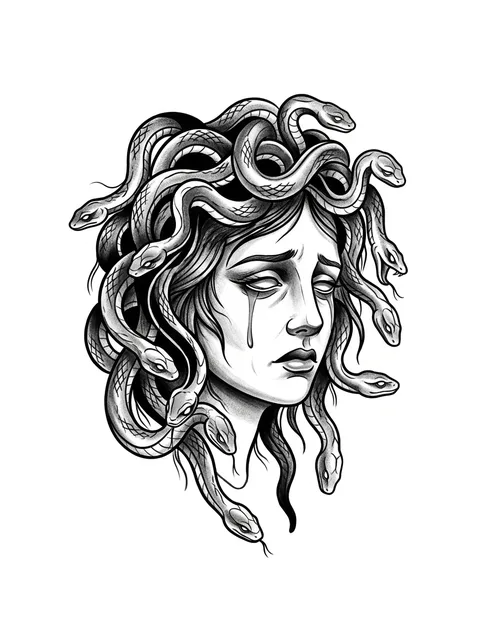
Black and grey neo traditional woman portrait and medusa tattoo design Try it on — Black and grey neo traditional woman portrait and medusa tattoo design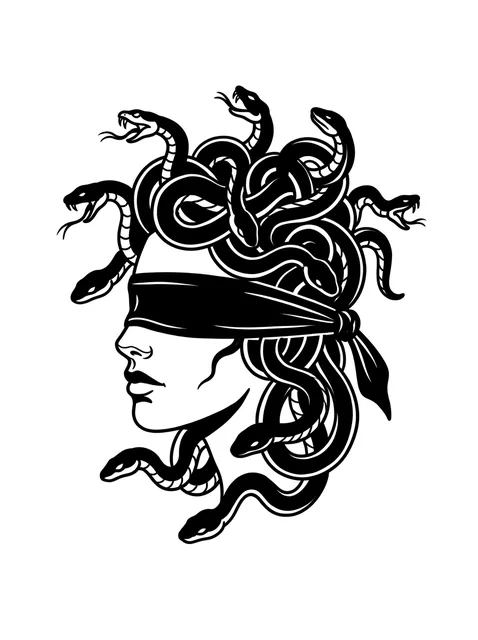
Black and white blackwork woman portrait and medusa tattoo design Try it on — Black and white blackwork woman portrait and medusa tattoo design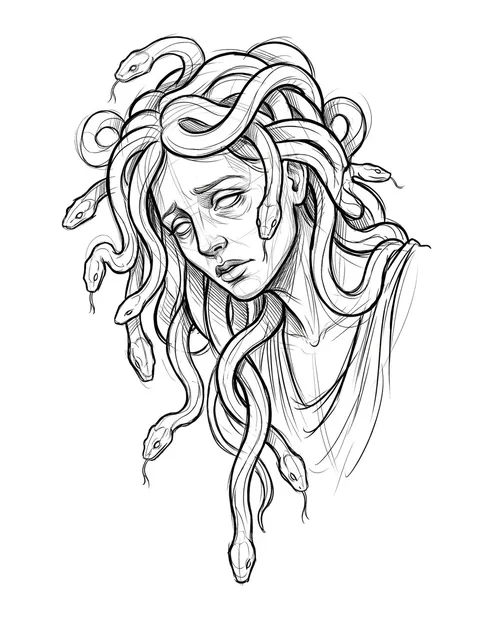
Black and grey illustrative woman portrait and medusa tattoo design Try it on — Black and grey illustrative woman portrait and medusa tattoo design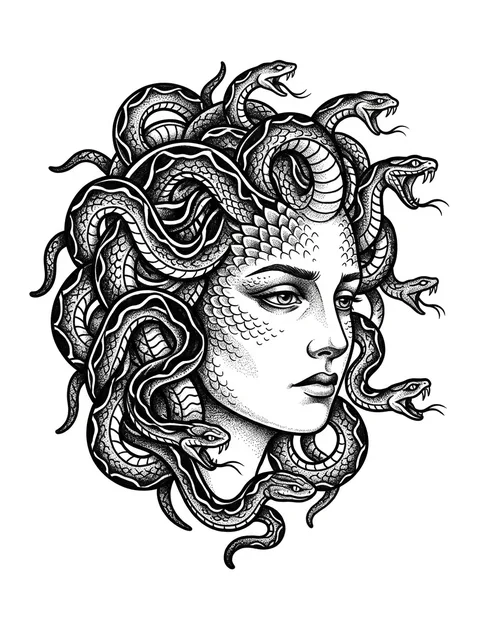
Black and white illustrative woman portrait and medusa tattoo design Try it on — Black and white illustrative woman portrait and medusa tattoo design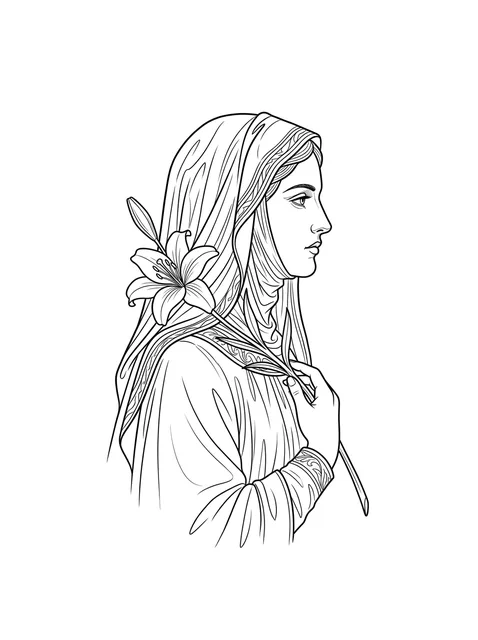
Black and white illustrative woman portrait and virgin mary tattoo design Try it on — Black and white illustrative woman portrait and virgin mary tattoo design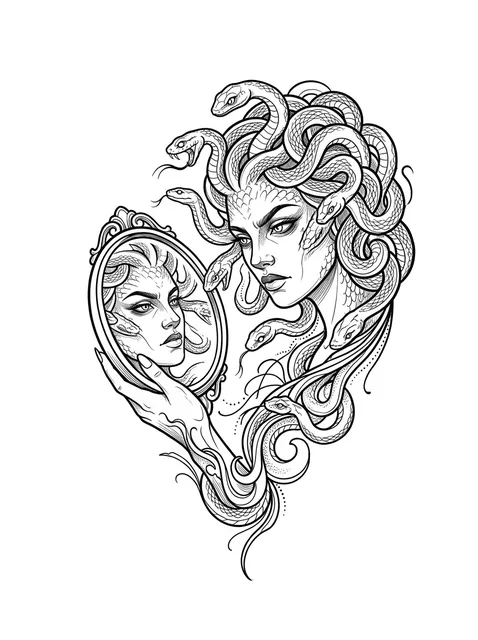
Black and grey illustrative woman portrait and medusa tattoo design Try it on — Black and grey illustrative woman portrait and medusa tattoo design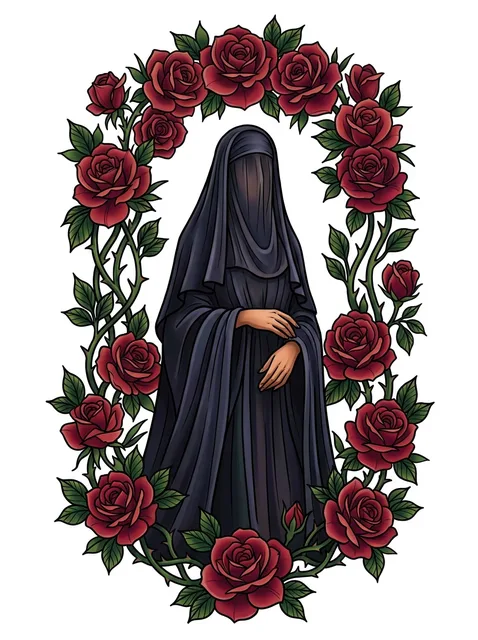
Color neo traditional woman portrait and virgin mary tattoo design: a veiled woman in dark robes Try it on — Color neo traditional woman portrait and virgin mary tattoo design: a veiled woman in dark robes


Tap any design to see it on your own skin in the try-on — no signup.
This set of 50 woman portrait designs, by the numbers
- Styles represented
- illustrative (17), neo traditional (7), chicano (5), dotwork (5), sketch (3), blackwork (3)
- Black-and-grey vs colour
- 92% black-and-grey, 8% colour
- Most often drawn with
- medusa, snake, virgin mary, rose
Counted from the 50 designs shown on this page. Every one was drawn for InkCraft — none are scraped or reposted. Free to reference with a link to this page.
What a woman portrait tattoo means
Most portrait work is about a specific person, and what it means is private by definition. The public reading only starts where the face stops being a likeness: a woman rendered as an archetype rather than an individual, which is what almost all of the designs here are.
Those archetypes carry their own history. The pin-up and the gypsy head came out of mid-century American flash and meant something closer to a good-luck charm than a portrait. The sorrowful woman with a shawl, the lady of Guadalupe and the black-and-grey Chicano portrait each belong to a specific tradition, and wearing one says something about that tradition whether or not you meant it to.
The modern default is different again: a face with no particular identity, often with the eyes closed or averted, used as a carrier for a mood rather than a person. That is the safest version to wear and the hardest to draw, because there is no likeness to hide behind.
Where the design comes from
Portraiture entered tattooing properly in the 1970s and 1980s, when single-needle black-and-grey work developed in Southern California made photographic realism possible on skin for the first time. Before that a face was a stylised flash head, not a likeness. Almost every portrait convention in use today dates from that forty-year window.
Choosing yours
- Judge the artist on HEALED portraits, not fresh ones. Fresh work photographs beautifully and tells you nothing: the question is whether the face still reads once the swelling has gone, the ink has settled and a few years have passed. Any portrait specialist will have healed photographs and will expect to be asked.
- A face needs size, and more than people expect. Below about 12 cm the features close toward one another as ink spreads and the likeness drifts. Portrait specialists routinely refuse small work for exactly this reason rather than out of preciousness.
Size, cost and placement
How big, and what it costs
A portrait is a multi-session piece more often than not, usually 12 to 25 cm, and priced at a specialist rate rather than a shop rate. Budget several times what the same area would cost in any other subject, and expect a touch-up sitting some months after healing.
Where it sits, and how much it hurts
Large flat fields with little movement: the outer upper arm, the thigh, the centre of the back, the chest. Avoid joints entirely. A face that distorts every time an elbow bends is the single most common portrait regret, and no amount of skill prevents it.
What to ask your artist
- To see healed portraits from at least two years ago, not fresh work.
- Whether the reference photograph has the light they need. A flat or low-contrast photo makes a good likeness nearly impossible.
- Whether they want to plan a touch-up sitting in advance, since most portrait work needs one.
Prices vary widely by city and artist — treat these as session lengths rather than quotes, and expect a shop minimum on anything small. The cost guide turns hours into money by size, placement and style.
Common questions
Why are portraits so expensive?
Because they take the longest and have the smallest margin for error. A face is measured by the viewer against every face they have ever seen, so the work is judged against a standard no other subject faces. Expect several times what a comparable-sized piece of any other subject would cost.
How do I judge a portrait artist?
Ask for healed photographs, not fresh ones. Fresh work photographs beautifully and tells you nothing. The real question is whether the likeness still holds after the ink has settled and a few years have passed, and any specialist will expect to be asked.
What size does a face need to be?
Around 12 cm at minimum. Below that the features close toward one another as ink spreads and the likeness drifts away from the person. This is why portrait artists refuse small work, and it is a technical limit rather than a preference.
Should I get a real person or an archetype?
An unidentified face is far safer to live with and much harder to draw, because there is no likeness to fall back on. A specific person is a stronger commitment and depends on the artist getting a single thing exactly right.
See it on your skin before you commit
InkCraft places any of these designs on a photo of you — scaled, wrapped and shaded to the placement you pick.