 InkCraft
Fern Tattoo Ideas, Designs and Meaning
27 original fern designs drawn for InkCraftBy Uladzimir TumanauUpdated
A fern is not a leaf and not a vine: it unrolls from a tight spiral, never flowers, and is older than the dinosaurs. The dozens of leaflets must taper toward the tip, and below about 8 cm they need thinning rather than shrinking.
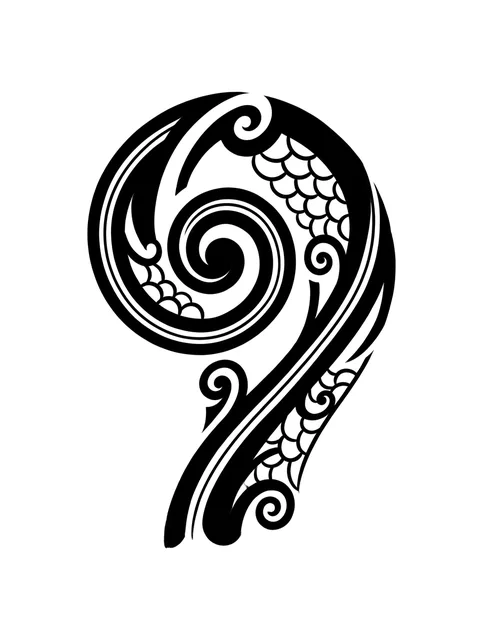
Black and grey polynesian fern tattoo design Try it on — Black and grey polynesian fern tattoo design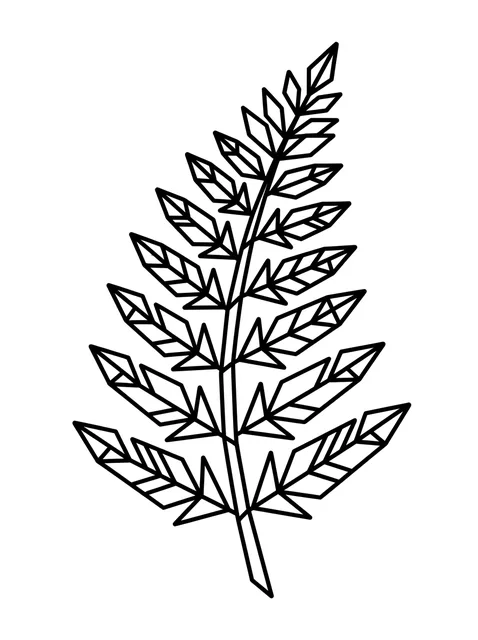
Black and white geometric fern tattoo design, outline stencil Try it on — Black and white geometric fern tattoo design, outline stencil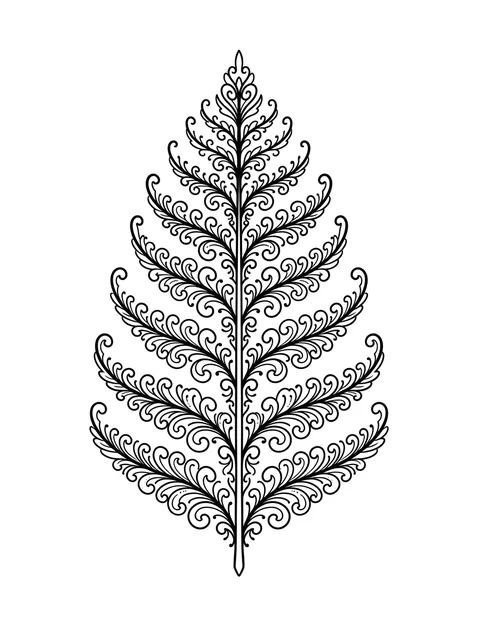
Black and grey ornamental fern tattoo design: a straight stem Try it on — Black and grey ornamental fern tattoo design: a straight stem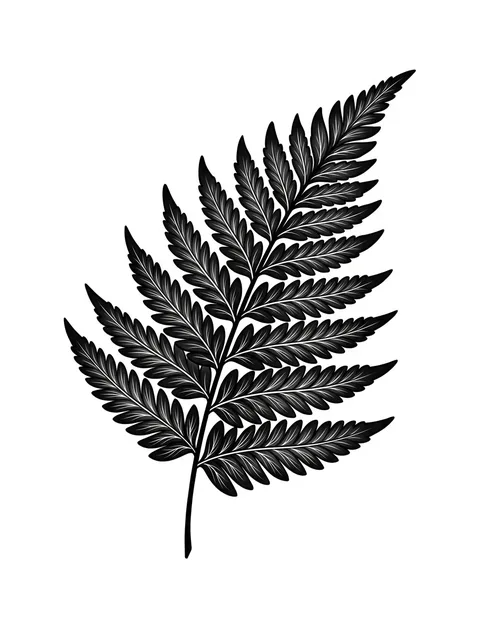
Black and white blackwork fern tattoo design Try it on — Black and white blackwork fern tattoo design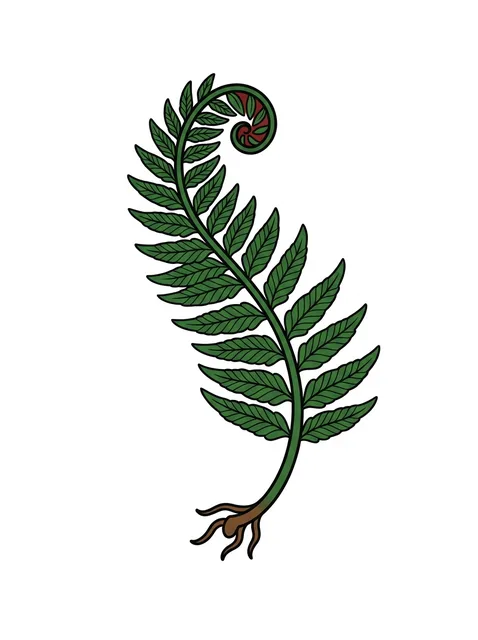
Color Japanese fern tattoo design Try it on — Color Japanese fern tattoo design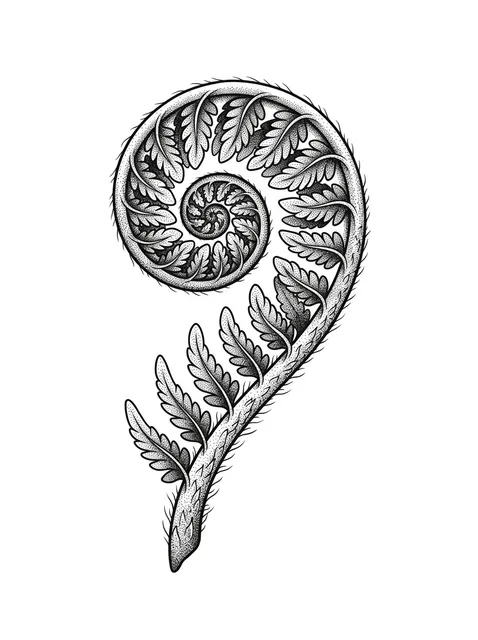
Black and grey dotwork fern tattoo design Try it on — Black and grey dotwork fern tattoo design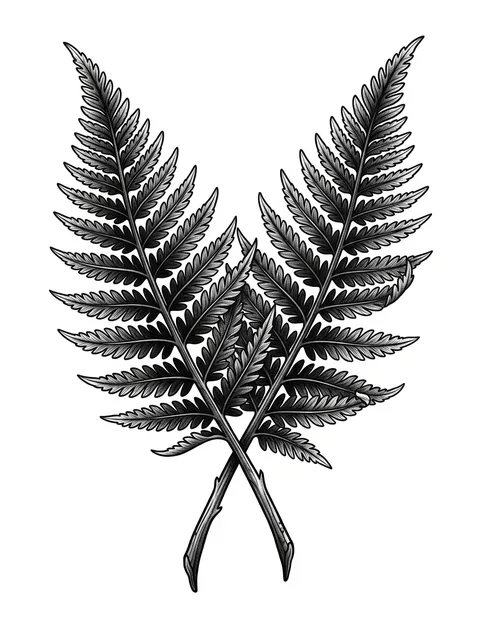
Black and grey illustrative fern tattoo design Try it on — Black and grey illustrative fern tattoo design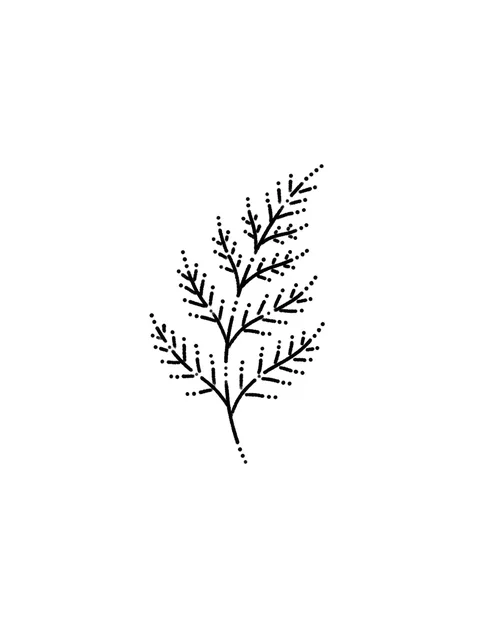
Black and grey stick and poke fern tattoo design Try it on — Black and grey stick and poke fern tattoo design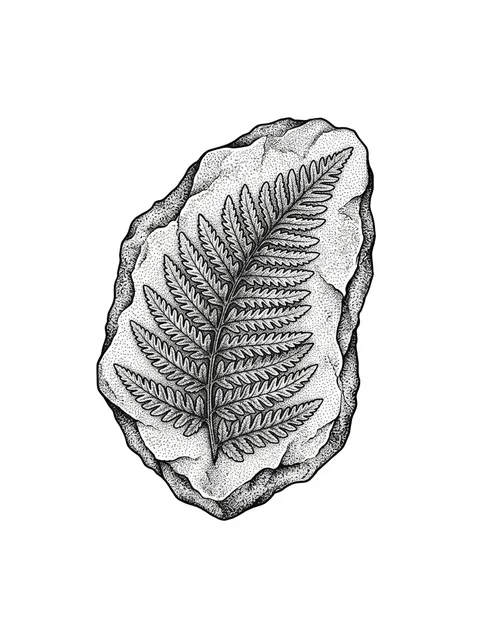
Black and grey dotwork fern tattoo design Try it on — Black and grey dotwork fern tattoo design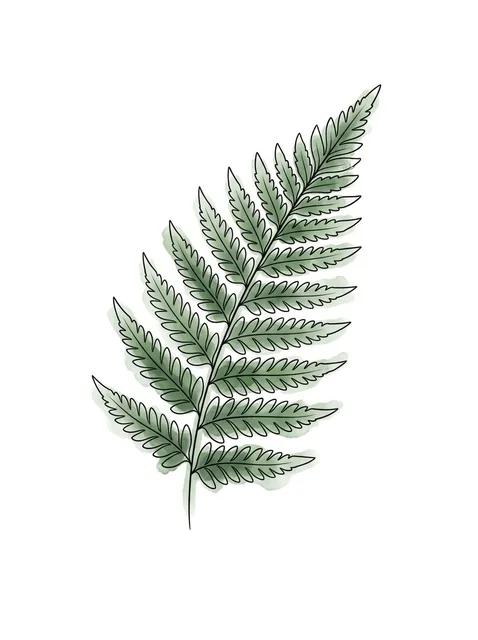
Color watercolor fern tattoo design: the serrated leaflets Try it on — Color watercolor fern tattoo design: the serrated leaflets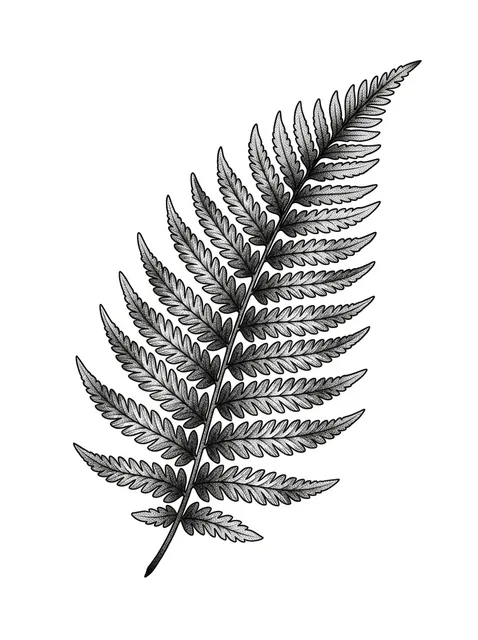
Black and grey realism fern tattoo design Try it on — Black and grey realism fern tattoo design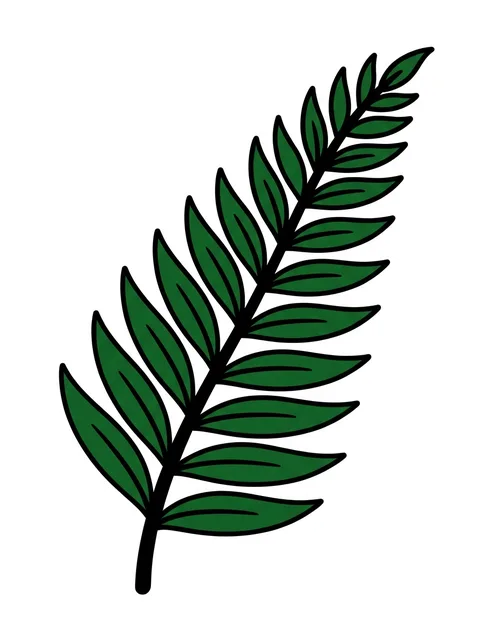
Color traditional fern tattoo design Try it on — Color traditional fern tattoo design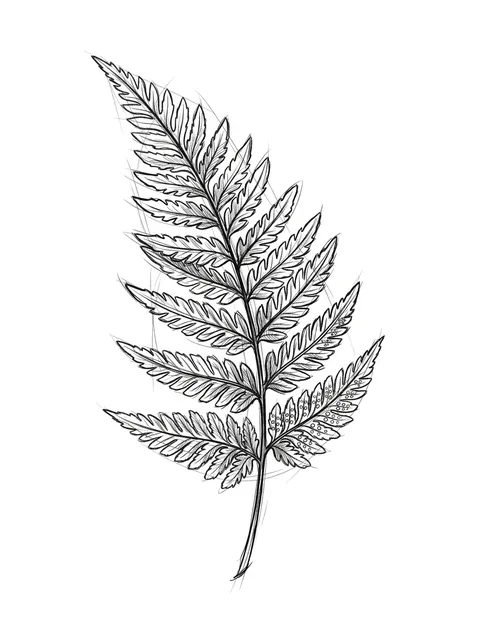
Black and grey sketch fern tattoo design Try it on — Black and grey sketch fern tattoo design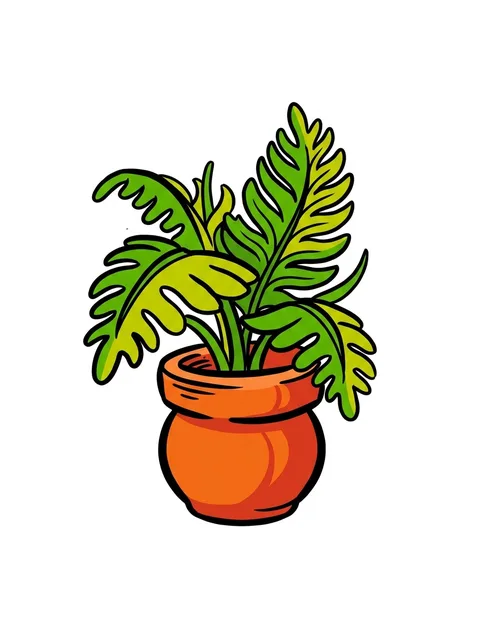
Color new school fern tattoo design Try it on — Color new school fern tattoo design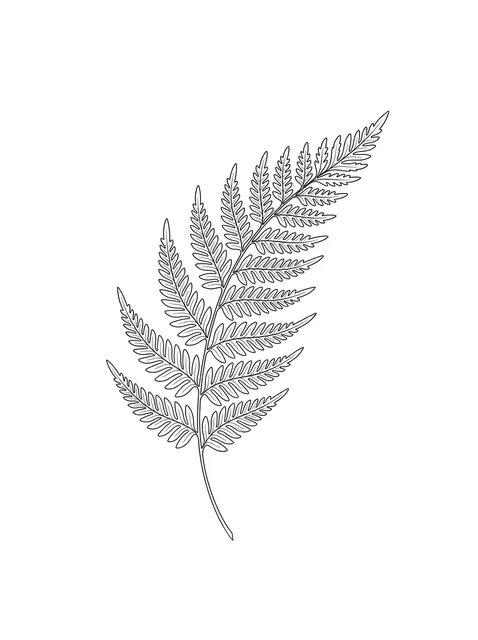
Black and white fine line fern tattoo design, outline stencil Try it on — Black and white fine line fern tattoo design, outline stencil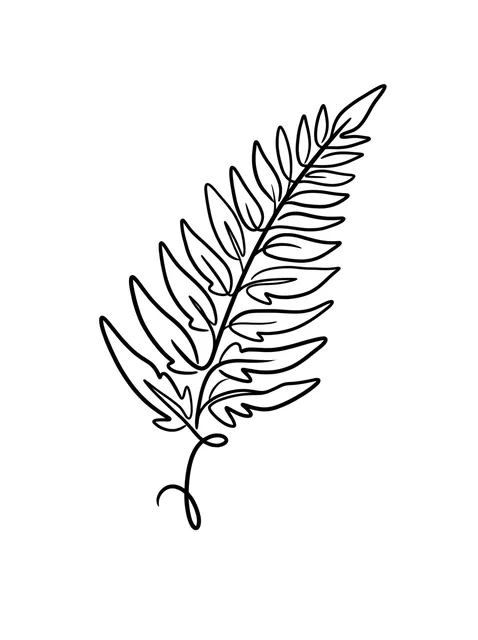
Black and white minimalist fern tattoo design, outline stencil Try it on — Black and white minimalist fern tattoo design, outline stencil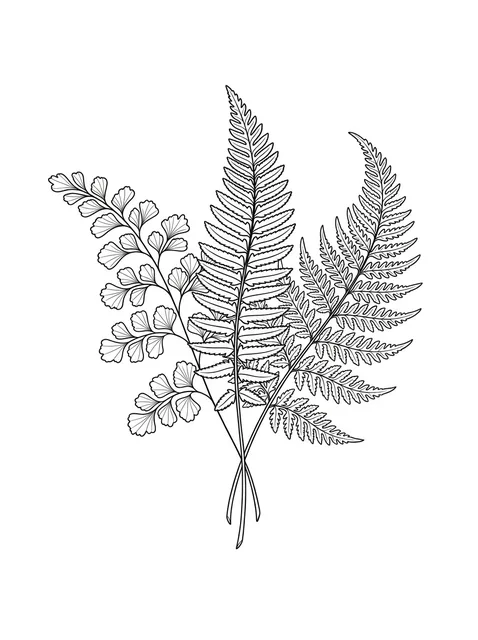
Black and white fine line fern tattoo design, outline stencil Try it on — Black and white fine line fern tattoo design, outline stencil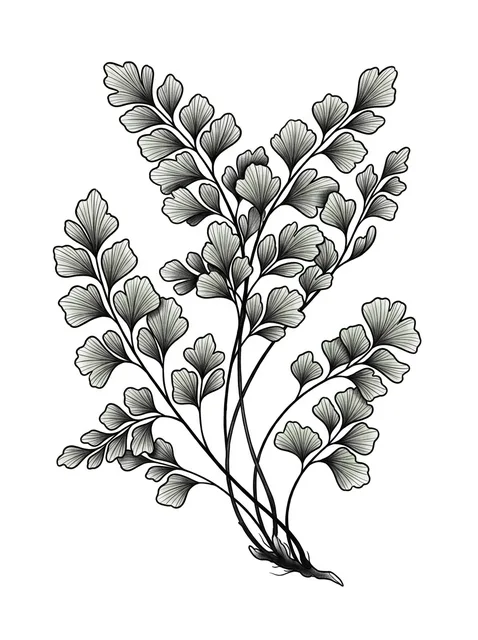
Black and grey illustrative fern tattoo design Try it on — Black and grey illustrative fern tattoo design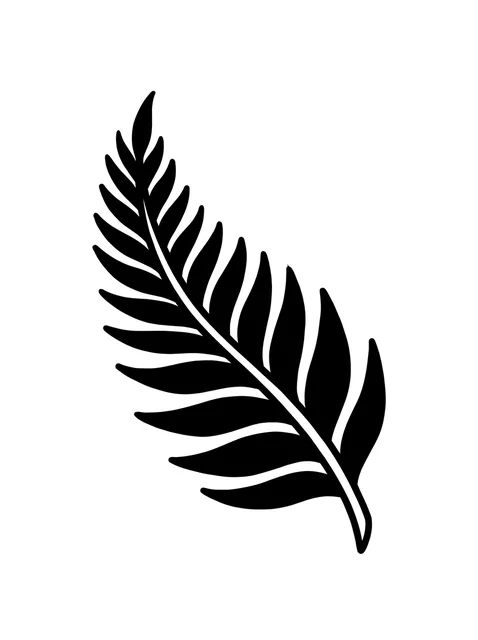
Black and white blackwork fern tattoo design: its midrib left white, the leaflets Try it on — Black and white blackwork fern tattoo design: its midrib left white, the leaflets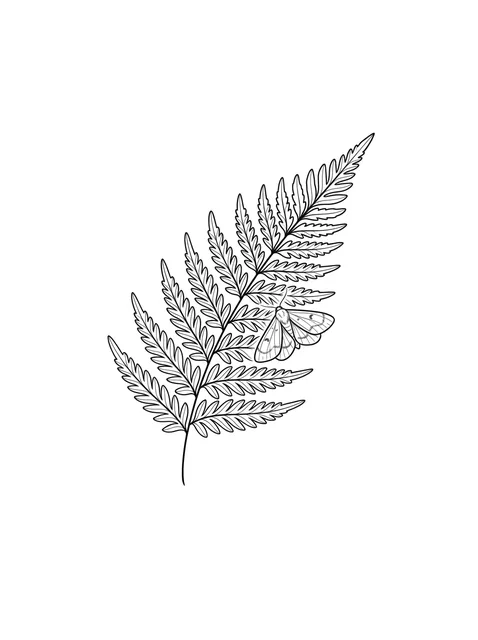
Black and grey fine line fern and moth tattoo design, outline stencil Try it on — Black and grey fine line fern and moth tattoo design, outline stencil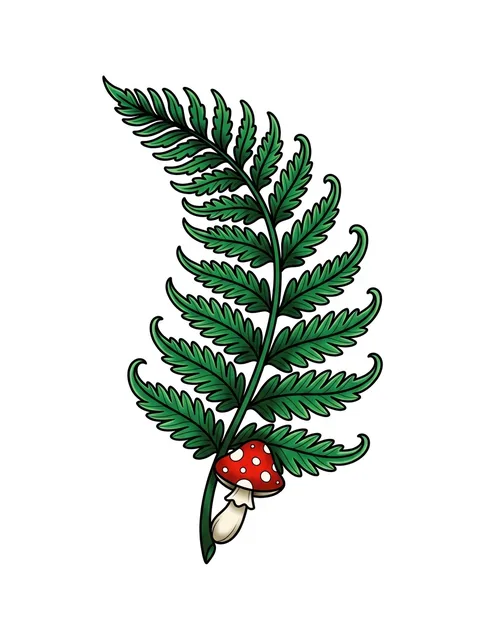
Color neo traditional fern and mushroom tattoo design Try it on — Color neo traditional fern and mushroom tattoo design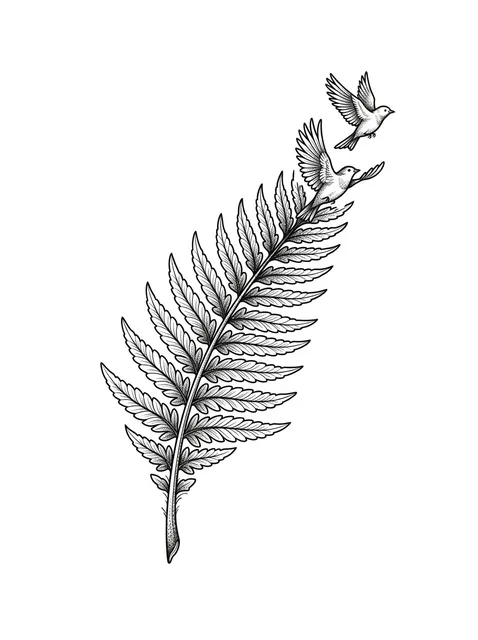
Black and grey surreal fern and bird tattoo design Try it on — Black and grey surreal fern and bird tattoo design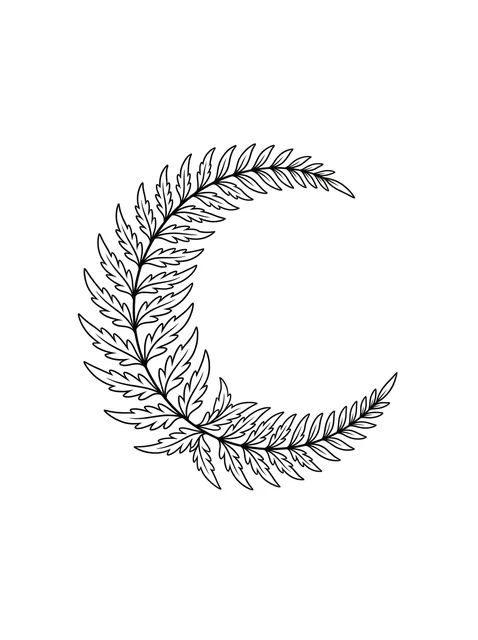
Black and white fine line fern and moon tattoo design, outline stencil Try it on — Black and white fine line fern and moon tattoo design, outline stencil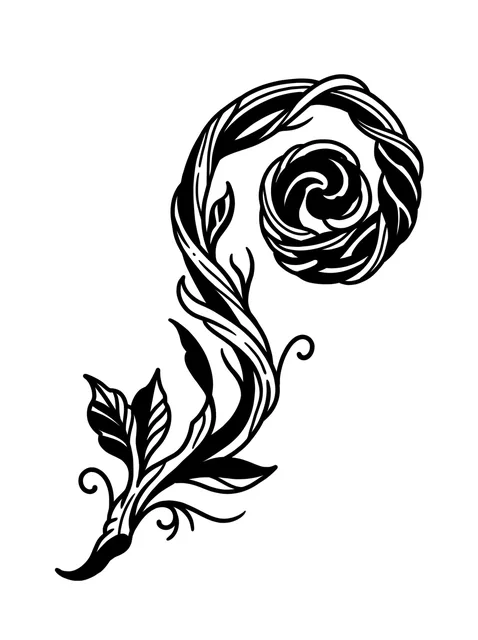
Black and white blackwork fern and leaf tattoo design: a stylized fern frond unfurling in a spiral Try it on — Black and white blackwork fern and leaf tattoo design: a stylized fern frond unfurling in a spiral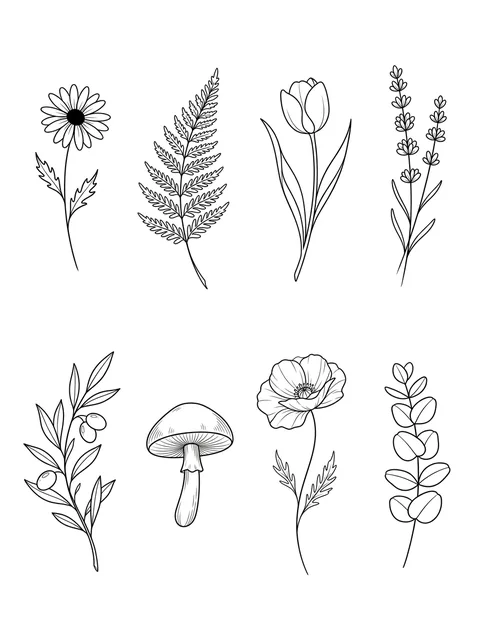
Black and grey flash fern and daisy tattoo design Try it on — Black and grey flash fern and daisy tattoo design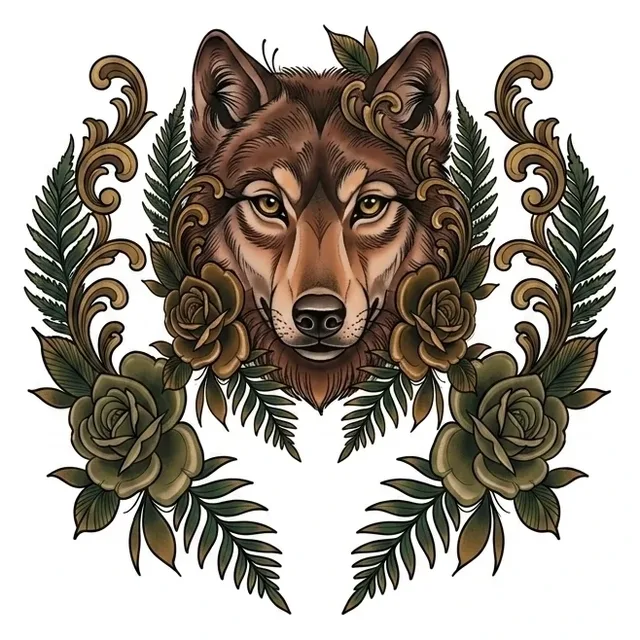
Color neo traditional fern and wolf tattoo design: a brown wolf's head at the center Try it on — Color neo traditional fern and wolf tattoo design: a brown wolf's head at the center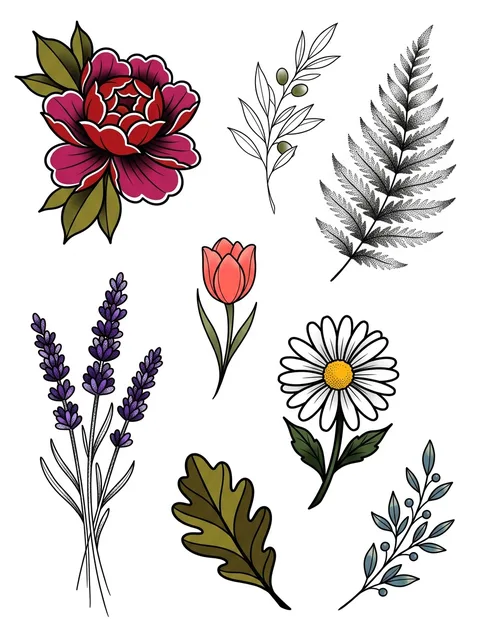
Color patchwork fern and peony tattoo design Try it on — Color patchwork fern and peony tattoo design


Tap any design to see it on your own skin in the try-on — no signup.
This set of 27 fern designs, by the numbers
- Styles represented
- fine line (4), blackwork (3), dotwork (2), illustrative (2), neo traditional (2), polynesian (1)
- Black-and-grey vs colour
- 74% black-and-grey, 26% colour
- Most often drawn with
- mushroom, daisy, moth, bird
Counted from the 27 designs shown on this page. Every one was drawn for InkCraft — none are scraped or reposted. Free to reference with a link to this page.
What a fern tattoo means
The fiddlehead is the heart of it. A new fern frond does not open the way a leaf does; it uncoils from a tight spiral, a habit botanists call circinate vernation, and that slow unrolling is what most fern tattoos are about. It is a beginning that takes its time, growth you can watch happen, and it is why people mark a new start, a child or a recovery with a fern rather than with a flower, which arrives already open.
In New Zealand that spiral is the koru, taken from the unfurling frond of the silver fern, and it stands for new life, growth and peace. The koru runs through the country's everyday design, Air New Zealand has flown one on its tails since the 1970s, and a fern spiral is not a restricted image. Tā moko is different. It is the Māori marking in which koru forms also appear, it records whakapapa, a person's genealogy, and it is not something to lift from somebody else's skin.
The silver fern itself is a national emblem. Its fronds are silver-white underneath, the All Blacks and many other national teams wear it, and for a New Zealander abroad a fern is close to a flag. Anyone else wearing one should expect to be asked whether they are from there.
Age supplies the other reading. Ferns were growing more than 350 million years ago, long before the first flowering plant, and the coal of the Carboniferous is partly made of them. They have no seeds and no flowers; they spread by spores shed from the brown dots on the underside of each frond. That makes a fern the botanical tattoo for someone who wants growth without romance: no bloom, no fruit, only a plant that keeps coming back in the shade.
Folklore turned the missing flower into magic. Because nobody could find fern seed, it was said to make its holder invisible, a belief Shakespeare jokes about in Henry IV, Part 1. In Slavic tradition the fern blooms for a single night, on Kupala Night at midsummer, and whoever finds the flower finds luck. Both stories are about looking for something that does not exist, which is its own reason to wear one.
Where the design comes from
Britain had a fern craze. From the 1840s ferns became a Victorian obsession: collected on country walks, pressed into albums, grown in the sealed glass cases Nathaniel Bagshaw Ward had devised, cast into iron garden benches and printed on pottery. Charles Kingsley named it pteridomania in 1855. The pressed specimen, laid flat with every leaflet spread, is the direct ancestor of the botanical sketch of a fern, and the fossil imprint is its geological cousin, a frond preserved in shale from the coal measures. New Zealand's claim is older in spirit and has lasted longer. A silver fern was worn by the New Zealand Native team that toured Britain in 1888, and the fern later went onto the Commonwealth headstones of the country's war dead, which is part of why New Zealanders read it as belonging rather than as decoration.
Choosing yours
- Count and taper. A frond is one unit repeated, dozens of leaflets on each side of the stem, and they have to shrink steadily toward the tip or the frond turns into a feather or a comb. That taper is what makes it read as a fern, and it survives every style, from geometric facets to one continuous line.
- Size is a thinning problem rather than a shrinking one. Each leaflet has its own serrated edge, and below about 8 cm those edges, and the gaps between leaflets, begin to close as the ink settles. The answer is fewer and larger leaflets, not the full frond made smaller. A lone fiddlehead is the exception and holds very small, because it is a single spiral line.
- Name the fern. Maidenhair has fan-shaped leaflets on black, wiry stems; the silver fern has long blades and a pale midrib; bracken is a broad triangle; a tree fern is a crown of fronds on a trunk. Maidenhair's botanical name, Adiantum, means unwetted, because water beads on the leaflets and runs straight off, and a drawing of it should look that light.
Size, cost and placement
How big, and what it costs
A single fine-line frond at 8 to 12 cm is often an hour's work. A realistic or dotwork frond with every leaflet shaded, or a fossil set in stippled stone, runs two to four hours, because each leaflet is shaded on its own. A spray of three fronds, or one running the full length of the ribs or spine, can take half a day.
Where it sits, and how much it hurts
A frond is long, narrow and naturally curved, so it follows the body: the ribs, the spine, the inside of the forearm, the back of the arm, along the collarbone or behind the ear. A fiddlehead is compact and suits the wrist, the ankle or the nape. The spine and ribs are the sharp options; the forearm and the back of the arm are mild.
What to ask your artist
- Which fern you mean, since maidenhair, silver fern and bracken are three different outlines.
- How many leaflets the frond will carry at your size, and that they will taper evenly toward the tip.
- For a koru, that they keep to the spiral as a motif and do not borrow from tā moko.
Prices vary widely by city and artist — treat these as session lengths rather than quotes, and expect a shop minimum on anything small. The cost guide turns hours into money by size, placement and style.
Common questions
What does an unfurling fern stand for?
New beginnings above all, from the way a frond unrolls out of a spiral. It also carries great age, since ferns were growing some two hundred million years before the first flower, and in New Zealand it is the national emblem. The Māori koru, the unfurling frond, stands for new life and peace.
How is a fern different from a leaf or a vine tattoo?
A leaf is a single blade with veins and marks a season. A fern frond is a stem carrying dozens of leaflets that unrolls from a spiral, and it marks a start and a long survival. A vine climbs something else, so it is about depending on support. Choose by which of those you actually mean.
Can anyone get a koru or silver fern tattoo?
The koru is common in New Zealand public design and anyone can wear it. A silver fern reads as national identity, so expect people to assume a connection to the country. What should not be copied is tā moko, the Māori marking that records a person's descent.
At what size does a fern frond start to blur?
A fiddlehead spiral holds down to 3 or 4 cm. A full frond needs about 8 cm before its leaflets start to merge; below that, ask for fewer leaflets drawn larger rather than a detailed frond reduced.
See it on your skin before you commit
InkCraft places any of these designs on a photo of you — scaled, wrapped and shaded to the placement you pick.