 InkCraft
Laugh Now Cry Later Tattoo Ideas and Meaning
22 original laugh now cry later designs drawn for InkCraftBy Uladzimir TumanauUpdated
Two masks from the Greek stage, joined to the motto of a 1966 Chicano soul record: enjoy it now, pay for it later, and keep the tears private. The tear and the two mouths carry the contrast, and they are the first marks to soften as ink spreads.
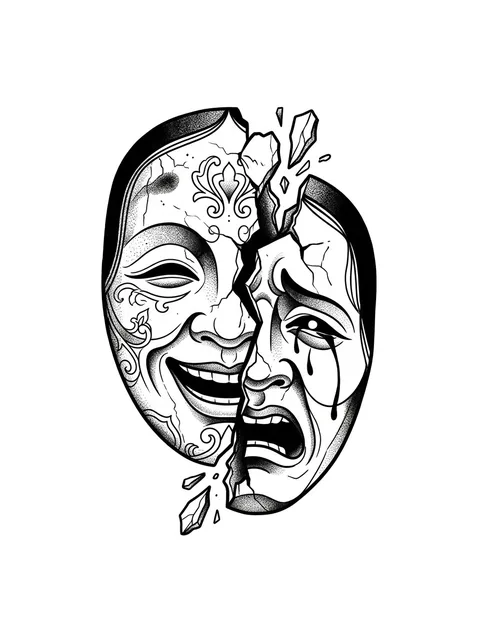
Black and grey surreal laugh now cry later tattoo design Try it on — Black and grey surreal laugh now cry later tattoo design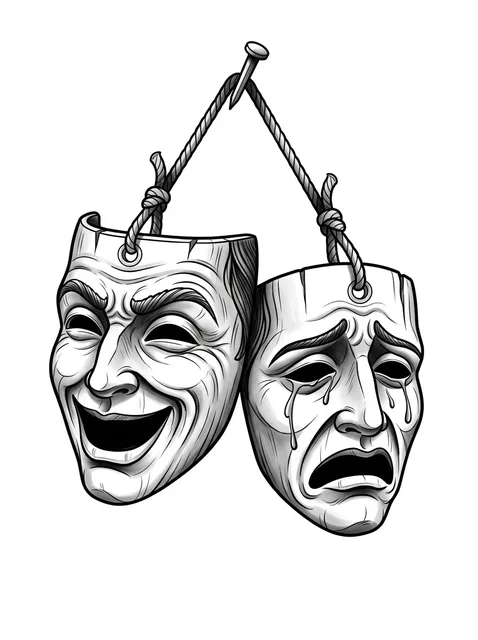
Black and grey illustrative laugh now cry later tattoo design Try it on — Black and grey illustrative laugh now cry later tattoo design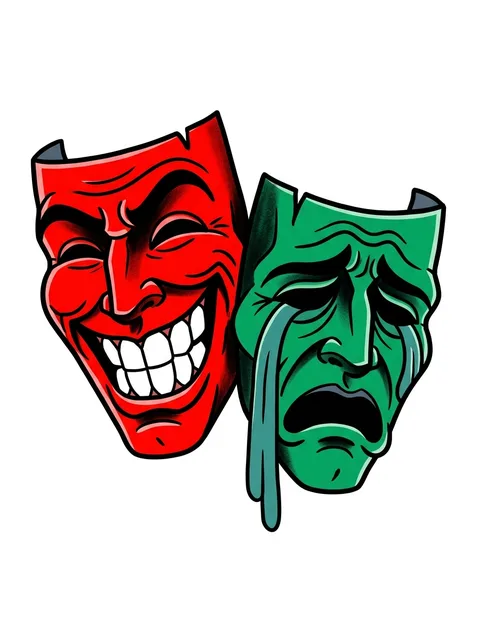
Color new school laugh now cry later tattoo design: two cartoon theatre masks, a red one Try it on — Color new school laugh now cry later tattoo design: two cartoon theatre masks, a red one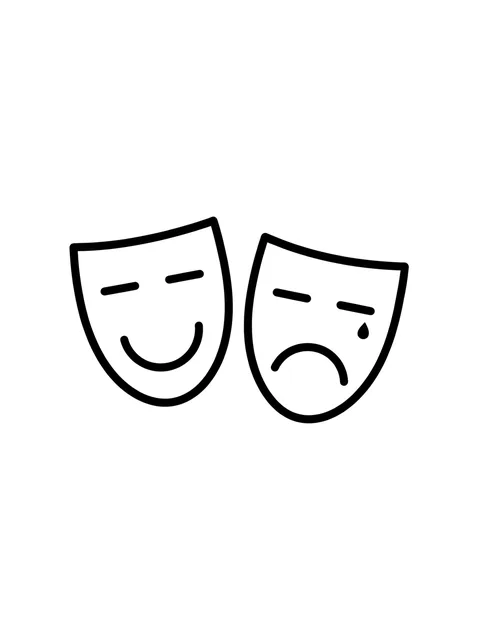
Black and white minimalist laugh now cry later tattoo design, outline stencil Try it on — Black and white minimalist laugh now cry later tattoo design, outline stencil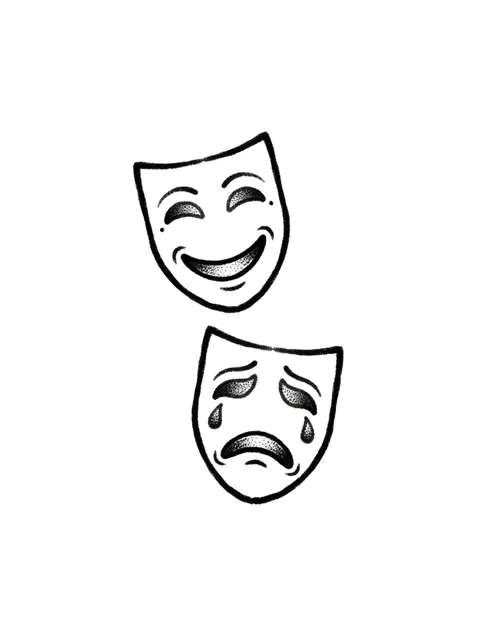
Black and grey stick and poke laugh now cry later tattoo design Try it on — Black and grey stick and poke laugh now cry later tattoo design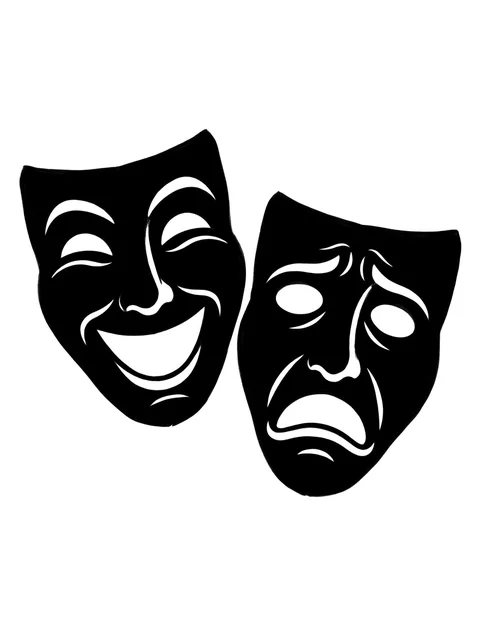
Black and white blackwork laugh now cry later tattoo design Try it on — Black and white blackwork laugh now cry later tattoo design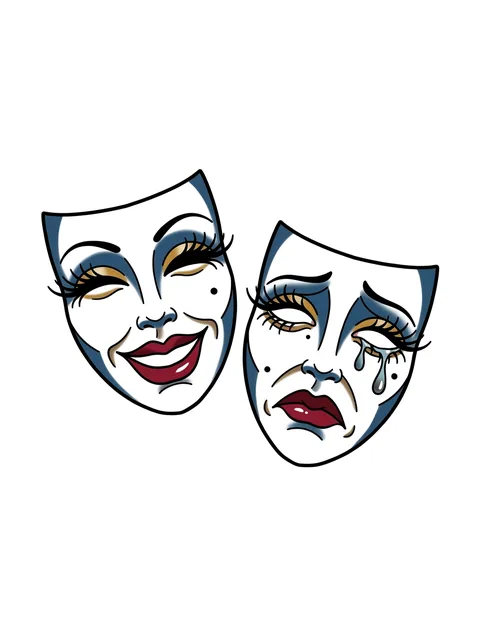
Color neo traditional laugh now cry later tattoo design: two feminine theatre masks Try it on — Color neo traditional laugh now cry later tattoo design: two feminine theatre masks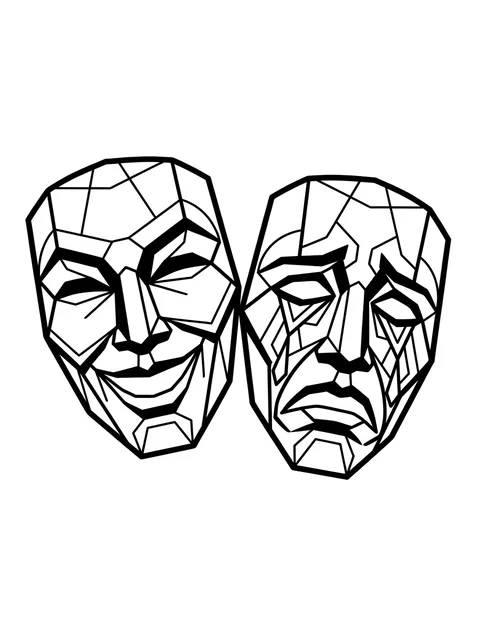
Black and white geometric laugh now cry later tattoo design, outline stencil Try it on — Black and white geometric laugh now cry later tattoo design, outline stencil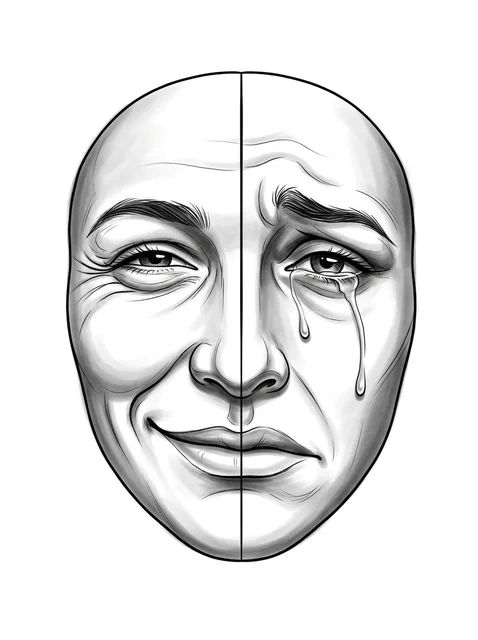
Black and grey realism laugh now cry later tattoo design Try it on — Black and grey realism laugh now cry later tattoo design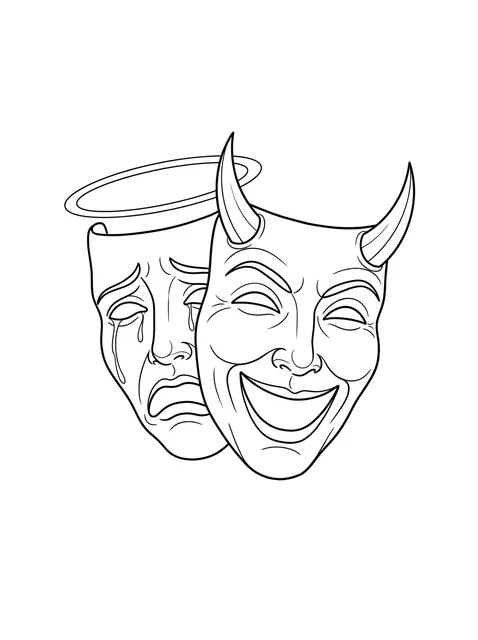
Black and white fine line laugh now cry later tattoo design, outline stencil Try it on — Black and white fine line laugh now cry later tattoo design, outline stencil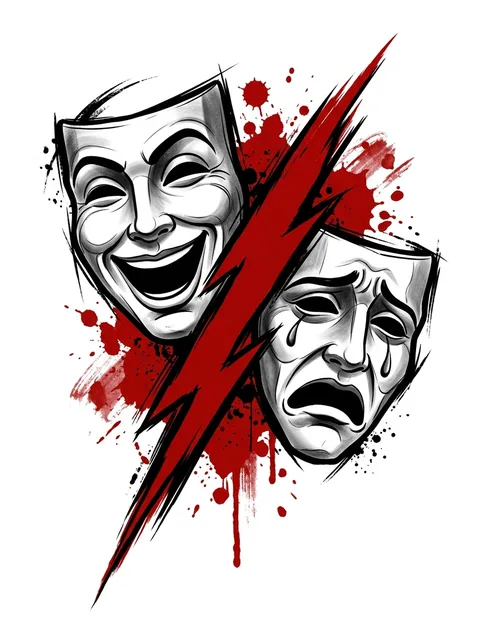
Color trash polka laugh now cry later tattoo design Try it on — Color trash polka laugh now cry later tattoo design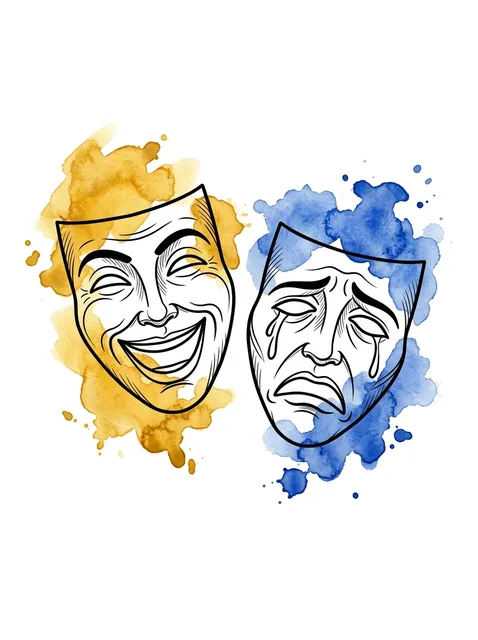
Color watercolor laugh now cry later tattoo design: a laughing mask and a weeping mask Try it on — Color watercolor laugh now cry later tattoo design: a laughing mask and a weeping mask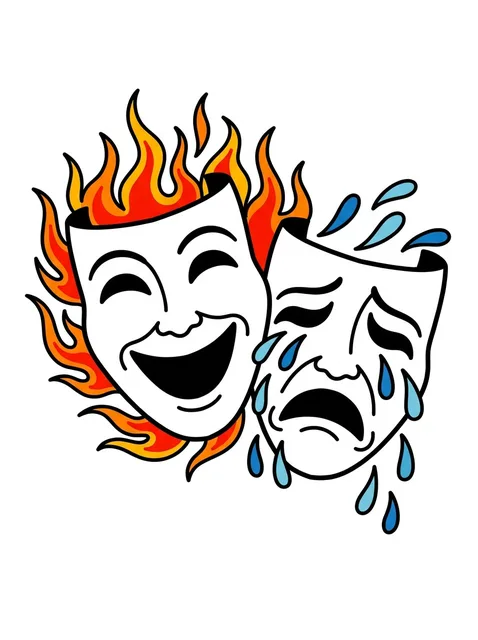
Color traditional laugh now cry later and fire tattoo design Try it on — Color traditional laugh now cry later and fire tattoo design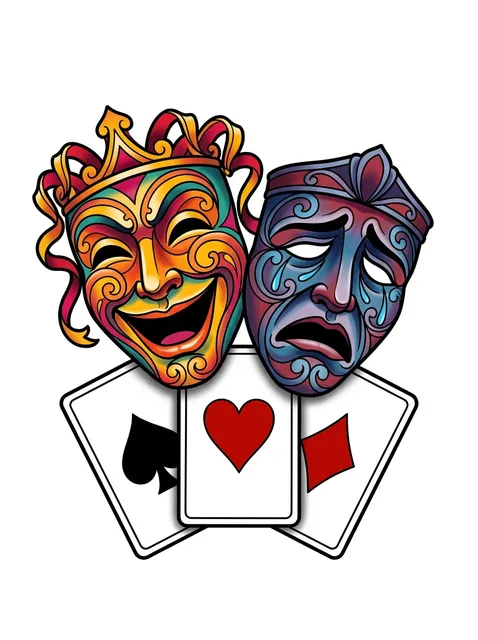
Color neo traditional laugh now cry later and playing card tattoo design: three cards marked Try it on — Color neo traditional laugh now cry later and playing card tattoo design: three cards marked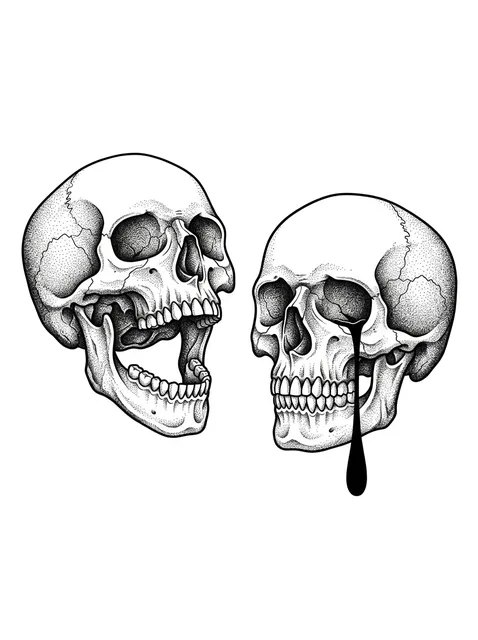
Black and grey dotwork laugh now cry later and skull tattoo design Try it on — Black and grey dotwork laugh now cry later and skull tattoo design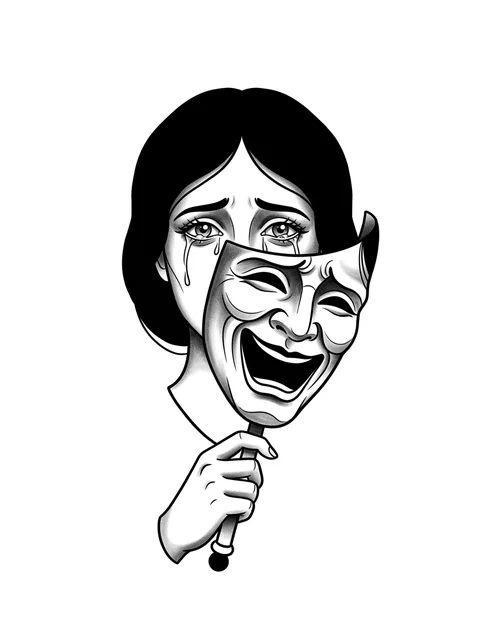
Black and grey illustrative laugh now cry later and woman portrait tattoo design Try it on — Black and grey illustrative laugh now cry later and woman portrait tattoo design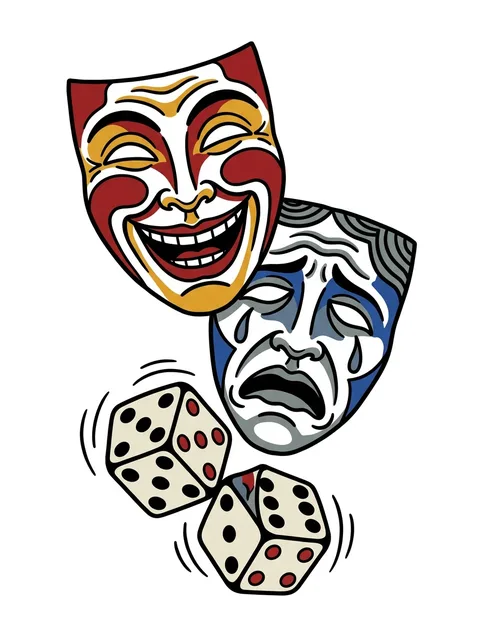
Color traditional laugh now cry later and dice tattoo design Try it on — Color traditional laugh now cry later and dice tattoo design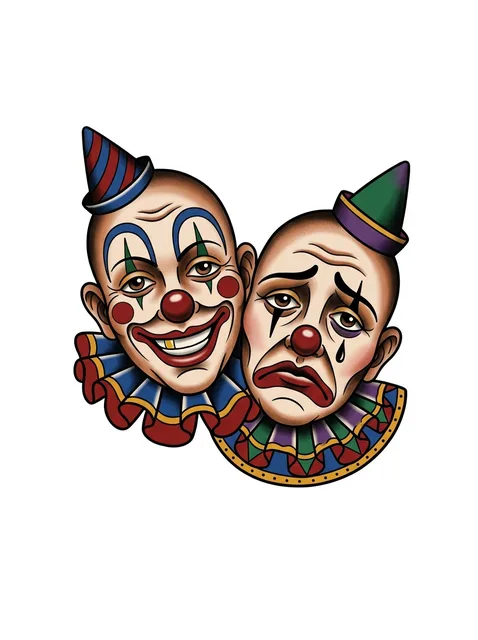
Color neo traditional laugh now cry later and clown tattoo design Try it on — Color neo traditional laugh now cry later and clown tattoo design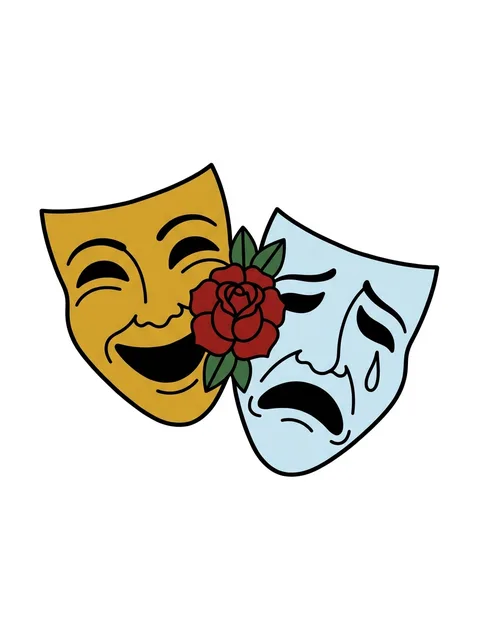
Color traditional laugh now cry later and rose tattoo design Try it on — Color traditional laugh now cry later and rose tattoo design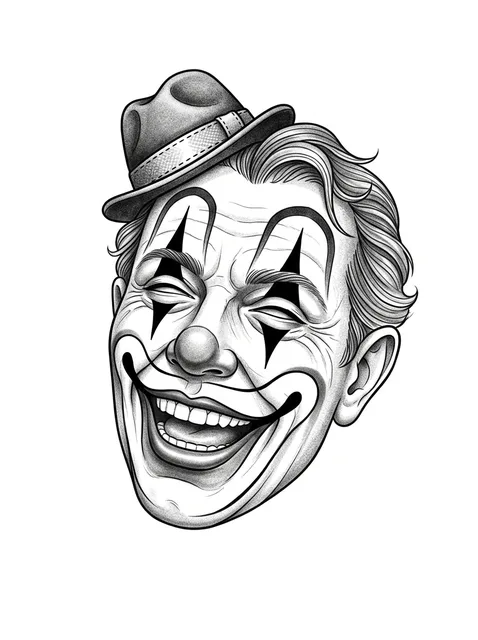
Black and grey chicano laugh now cry later and clown tattoo design Try it on — Black and grey chicano laugh now cry later and clown tattoo design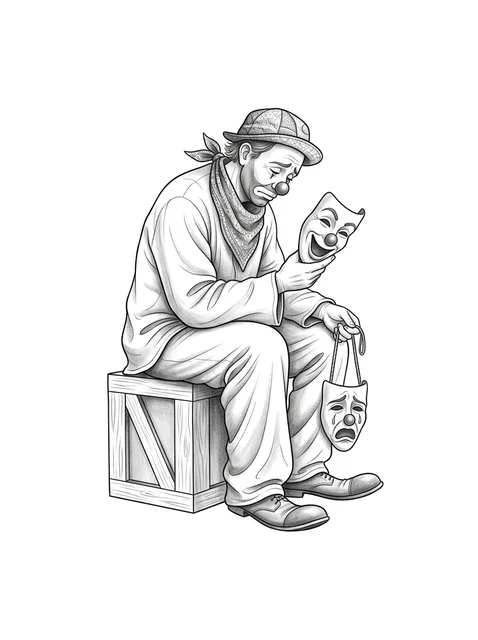
Black and grey illustrative laugh now cry later and clown tattoo design Try it on — Black and grey illustrative laugh now cry later and clown tattoo design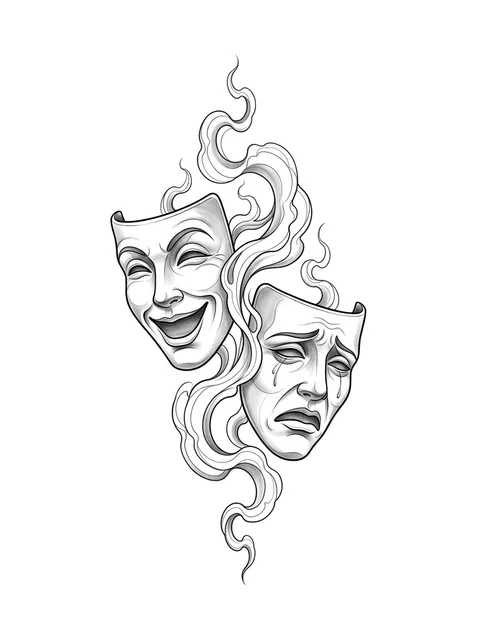
Black and grey illustrative laugh now cry later and smoke tattoo design Try it on — Black and grey illustrative laugh now cry later and smoke tattoo design


Tap any design to see it on your own skin in the try-on — no signup.
This set of 22 laugh now cry later designs, by the numbers
- Styles represented
- illustrative (4), neo traditional (3), traditional (3), surreal (1), new school (1), minimalist (1)
- Black-and-grey vs colour
- 59% black-and-grey, 41% colour
- Most often drawn with
- clown, fire, playing card, skull
Counted from the 22 designs shown on this page. Every one was drawn for InkCraft — none are scraped or reposted. Free to reference with a link to this page.
What a laugh now cry later tattoo means
The two faces are one person at two times. The laughing mask is the good night, the win at the table, the easy years; the weeping one is the bill for them, or the grief that was sitting behind the grin all along. Worn as a pair they do not say that happiness is fake, only that it is borrowed against something and the wearer knows it.
In Chicano Los Angeles the motto has two harder readings, and they are worth telling apart. One is play now, pay later: live while you can and accept what it costs when the time comes, which is why dice and playing cards so often join the masks, as they do in two designs here. The other is about composure. You show the street a smile and keep the crying for when you are alone, a rule for anyone who cannot afford to look weak in public. Both readings use exactly the same drawing.
The payaso, Spanish for clown, is the same idea in greasepaint. A painted grin on a man who is not laughing says what the two masks say with one face, and the white-faced clown with black diamonds over his eyes is the single-figure version of the motto. The seated clown on this page, head bowed, a mask hanging from each hand, puts both halves back into one scene.
Outside that culture the pair is simply theatre: comedy and tragedy, and for actors, stage crews and drama teachers the tattoo means the job before it means a mood. The two faces also make a shorthand for anyone who lives with swings of mood, which is why the split human face here, half smiling and half in tears, is asked for by people who have nothing to do with the stage or the barrio.
Where the design comes from
Greek actors at the Athenian festivals of Dionysus wore masks of linen, cork or wood, and none survive; they are known from vase paintings and from copies in terracotta and marble. The pair as an emblem is Roman: a second-century mosaic in the Capitoline Museums in Rome sets a comic and a tragic mask side by side, and in Roman art Thalia, Muse of comedy, holds the one and Melpomene, Muse of tragedy, the other. The motto's best-known source is a record: Smile Now, Cry Later was a 1966 album by Sunny and the Sunliners, a San Antonio band led by Sunny Ozuna, and its title song became an anthem of lowrider soul; words and masks together became one of the standard images of Chicano black and grey.
Choosing yours
- Settle the layout first. Side by side, the pair is wider than tall; stacked, like the dice and stick-and-poke designs here, it runs down a forearm or calf; overlapped at an angle, like the flaming and rose pairs, it packs into a rough circle.
- Protect the contrast. It lives in three small marks, the two mouths and the tear, and they soften first as the ink spreads. The minimalist pair survives small because each mouth is one bold curve; a realistic pair needs 12 cm or more.
- Masks keep it about a feeling. The split face and the woman holding a mask to her wet eyes make it about somebody hiding one, and the payaso ties it to Chicano tradition, which people from that culture will read at once.
Size, cost and placement
How big, and what it costs
The minimalist pair is shop-minimum work at 4 to 6 cm. A traditional or neo-traditional pair in flat colour with dice, cards, a rose or flames runs 10 to 14 cm and two to three hours. The realistic split face or the seated clown wants 15 cm or more and most of a day.
Where it sits, and how much it hurts
Stacked masks suit the outer forearm and the calf; a side-by-side pair suits the upper chest, a shoulder blade or the outer thigh. The sternum is the sore one. On fingers and the sides of the hand the tear is gone within a few years.
What to ask your artist
- Whether the tear and both mouths still read apart at your size.
- Which words to letter with it, if any, and in English or Spanish.
- For black and grey, healed photos of their Chicano work.
Prices vary widely by city and artist — treat these as session lengths rather than quotes, and expect a shop minimum on anything small. The cost guide turns hours into money by size, placement and style.
Common questions
Is it smile now, cry later or laugh now, cry later?
Both. Smile now is the older Chicano wording, from the Sunny and the Sunliners record; laugh now is the common English variant, and the one Drake used for a single in August 2020. The masks are the same either way.
Will people assume I have been to prison?
A few might. Chicano black and grey grew partly out of California prisons, and the motto belongs to that world as well as to the street and the dance hall. Most people read theatre or the saying itself, and a colour pair with a rose or flames reads as flash.
Which mask should come first?
No rule. In most designs here the laughing face sits in front, on top or on the left, so it is read first and the weeping one second, the order the motto uses. Put the weeping mask forward if grief should lead.
What do the halo and the horns add?
A second opposition. In the fine-line pair the laughing mask grows horns and the weeping one wears a halo, so the fun is the sin and the tears the conscience, a recent twist rather than part of the Chicano tradition.
See it on your skin before you commit
InkCraft places any of these designs on a photo of you — scaled, wrapped and shaded to the placement you pick.