 InkCraft
Santa Muerte Tattoo Ideas, Designs and Meaning
20 original santa muerte designs drawn for InkCraftBy Uladzimir TumanauUpdated
Santa Muerte is a saint with millions of devotees, not a horror figure, and the difference shows in the drawing. A robe and a scythe alone is the grim reaper; the crown, the embroidered gown and the marigolds are what make her herself.
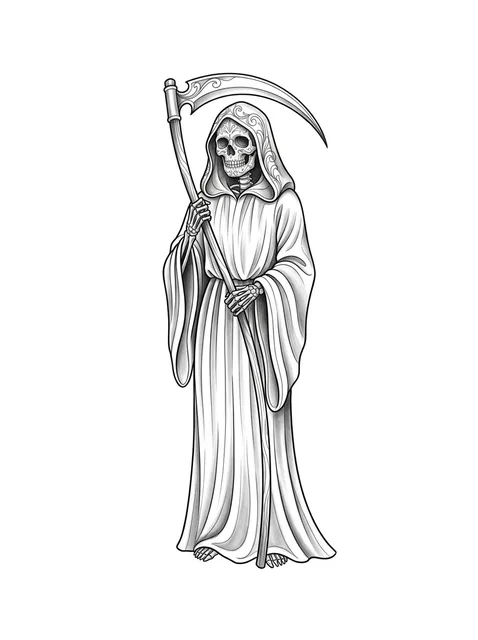
Black and grey chicano santa muerte tattoo design Try it on — Black and grey chicano santa muerte tattoo design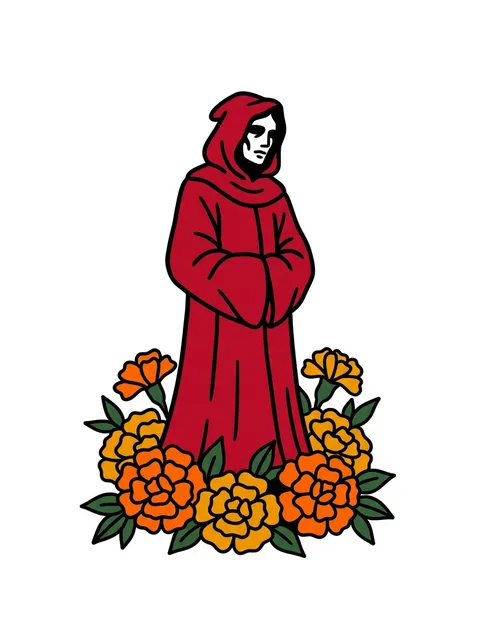
Color traditional santa muerte and grim reaper tattoo design: a grim reaper figure Try it on — Color traditional santa muerte and grim reaper tattoo design: a grim reaper figure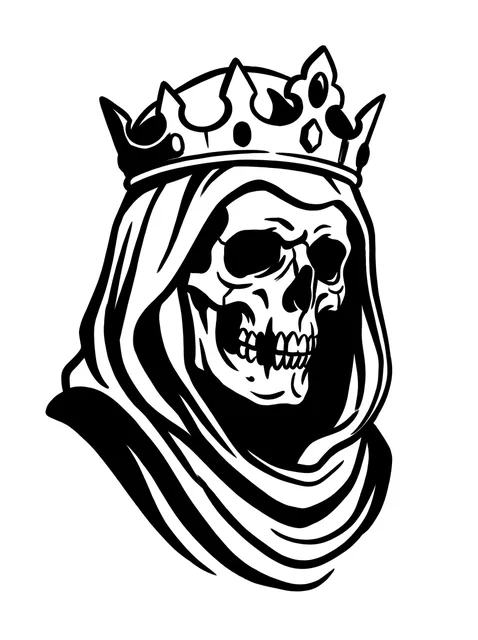
Black and white illustrative santa muerte and skull tattoo design Try it on — Black and white illustrative santa muerte and skull tattoo design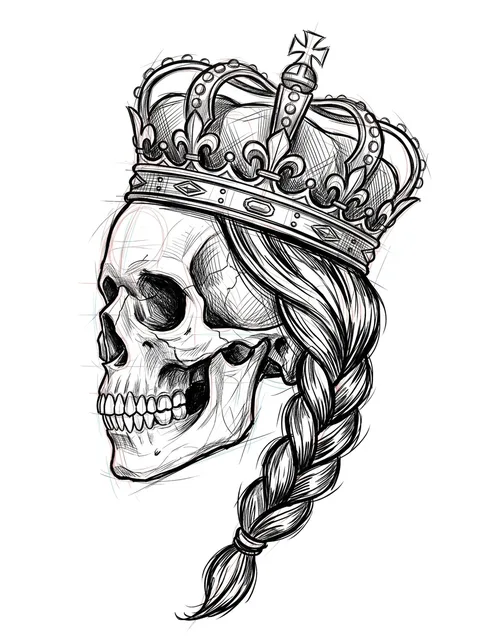
Black and grey illustrative santa muerte and skull tattoo design Try it on — Black and grey illustrative santa muerte and skull tattoo design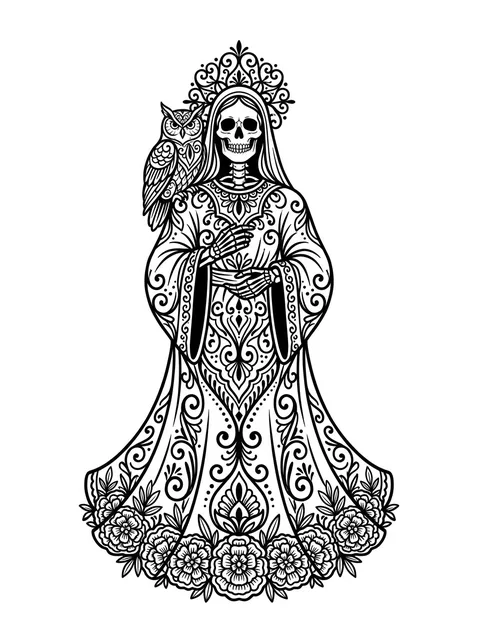
Black and grey illustrative santa muerte and grim reaper tattoo design Try it on — Black and grey illustrative santa muerte and grim reaper tattoo design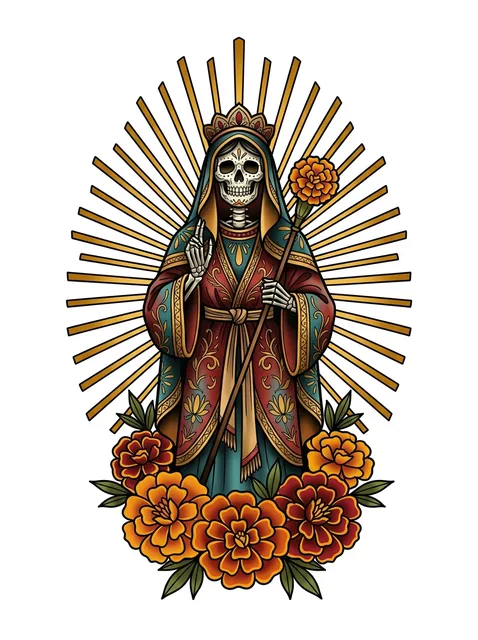
Color neo traditional santa muerte and skull tattoo design Try it on — Color neo traditional santa muerte and skull tattoo design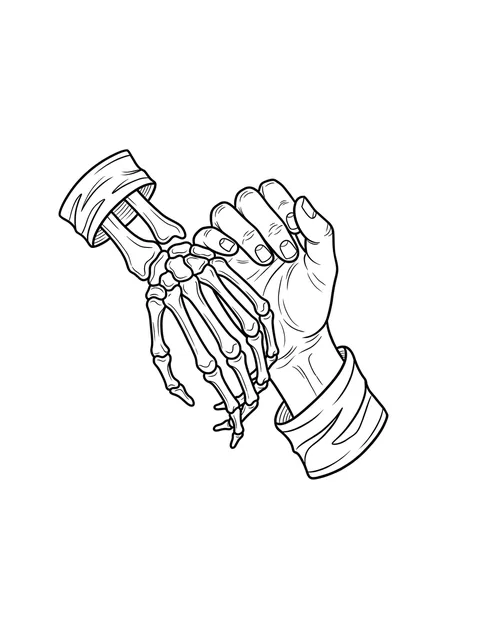
Black and white illustrative santa muerte and hand tattoo design Try it on — Black and white illustrative santa muerte and hand tattoo design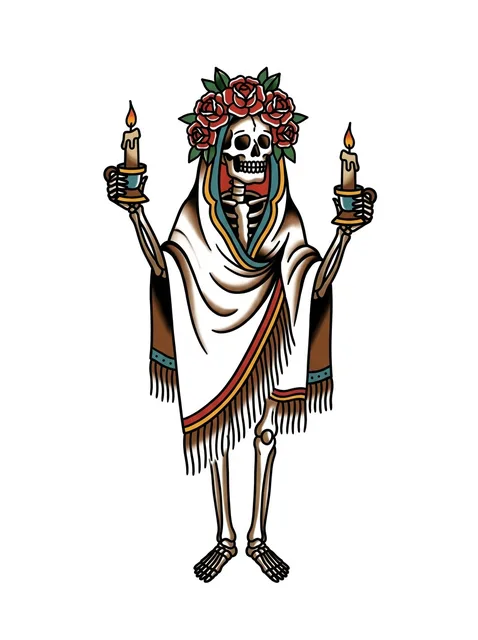
Color traditional santa muerte and skeleton tattoo design Try it on — Color traditional santa muerte and skeleton tattoo design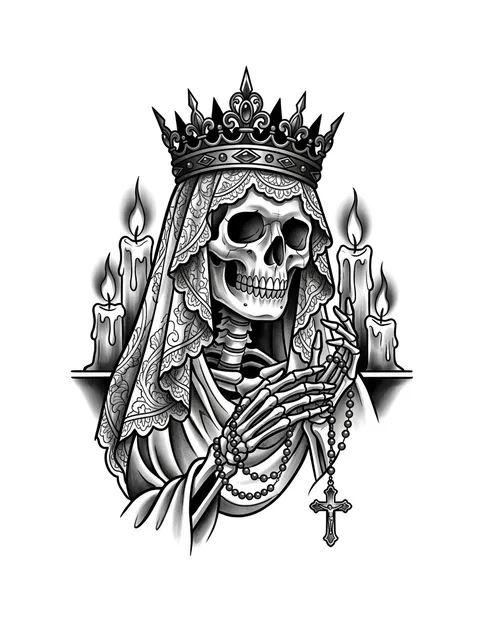
Black and grey neo traditional santa muerte and skeleton tattoo design Try it on — Black and grey neo traditional santa muerte and skeleton tattoo design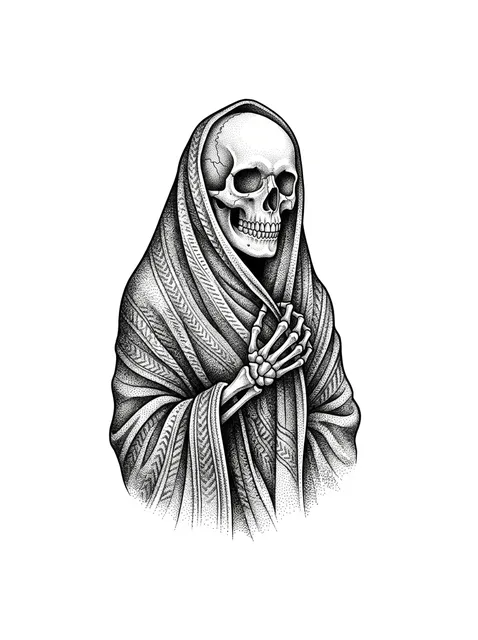
Black and grey dotwork santa muerte and grim reaper tattoo design Try it on — Black and grey dotwork santa muerte and grim reaper tattoo design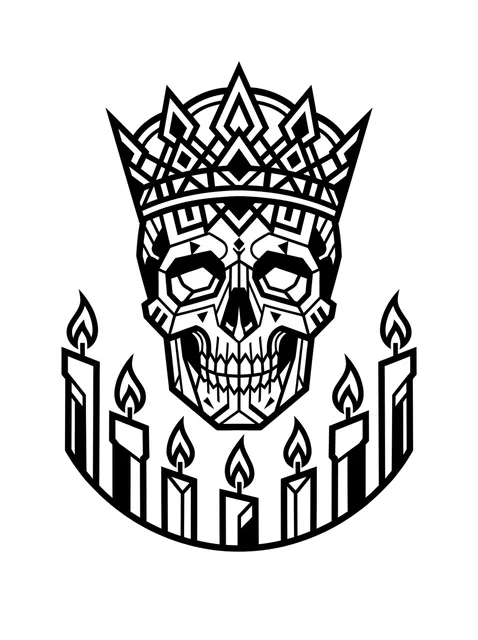
Black and white geometric santa muerte and skull tattoo design, outline stencil Try it on — Black and white geometric santa muerte and skull tattoo design, outline stencil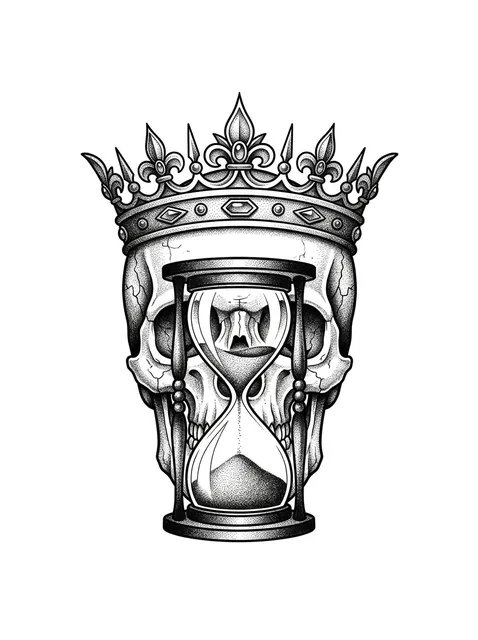
Black and grey dotwork santa muerte and skull tattoo design Try it on — Black and grey dotwork santa muerte and skull tattoo design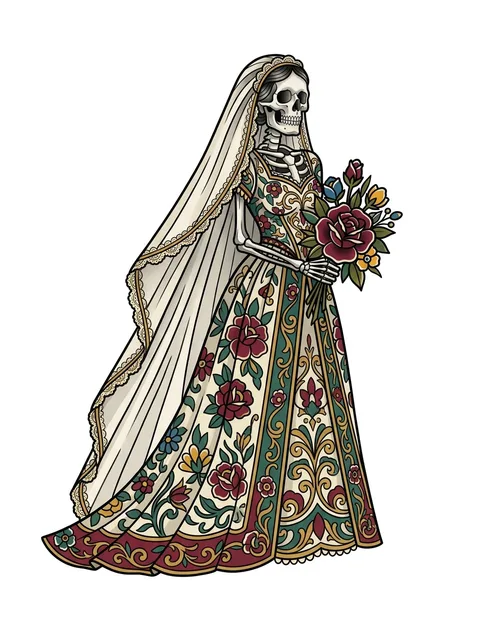
Color neo traditional santa muerte and skeleton tattoo design Try it on — Color neo traditional santa muerte and skeleton tattoo design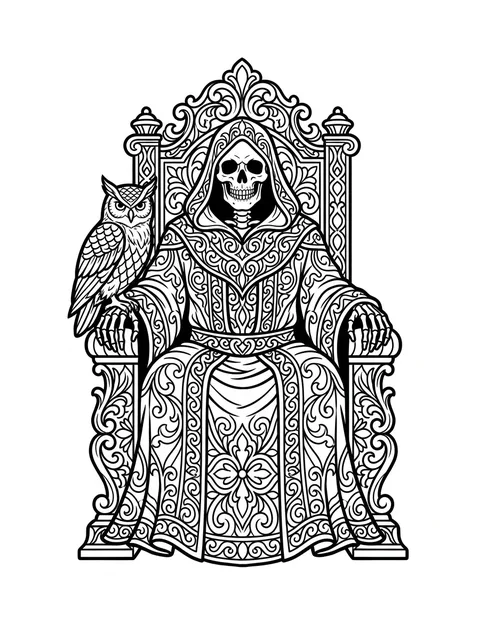
Black and grey illustrative santa muerte and grim reaper tattoo design: a grim reaper figure Try it on — Black and grey illustrative santa muerte and grim reaper tattoo design: a grim reaper figure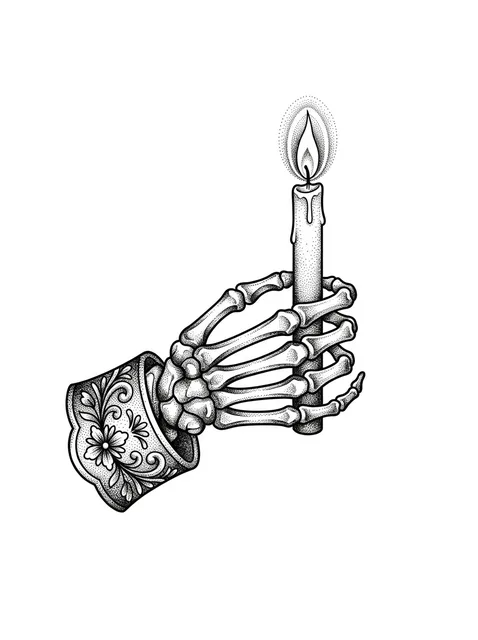
Black and grey dotwork santa muerte and skeleton tattoo design: a skeletal hand holding a lit candle Try it on — Black and grey dotwork santa muerte and skeleton tattoo design: a skeletal hand holding a lit candle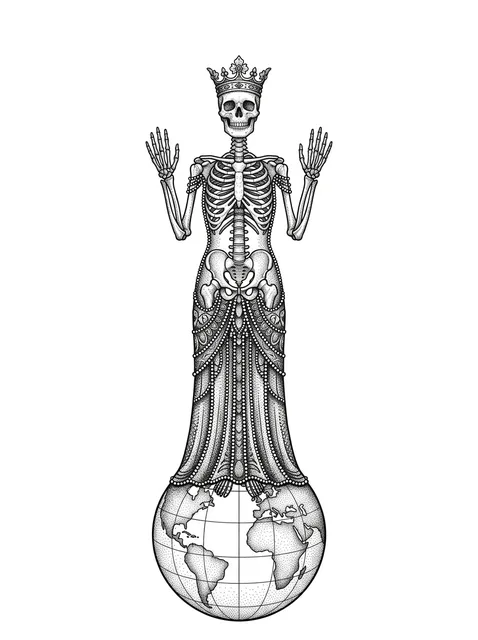
Black and grey dotwork santa muerte and skeleton tattoo design Try it on — Black and grey dotwork santa muerte and skeleton tattoo design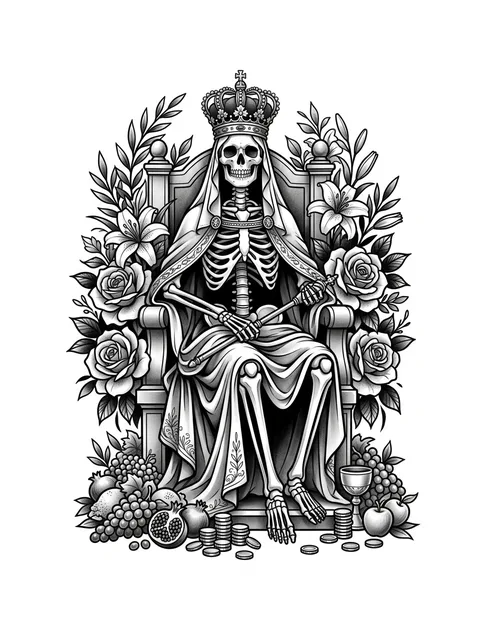
Black and grey neo traditional santa muerte and skeleton tattoo design Try it on — Black and grey neo traditional santa muerte and skeleton tattoo design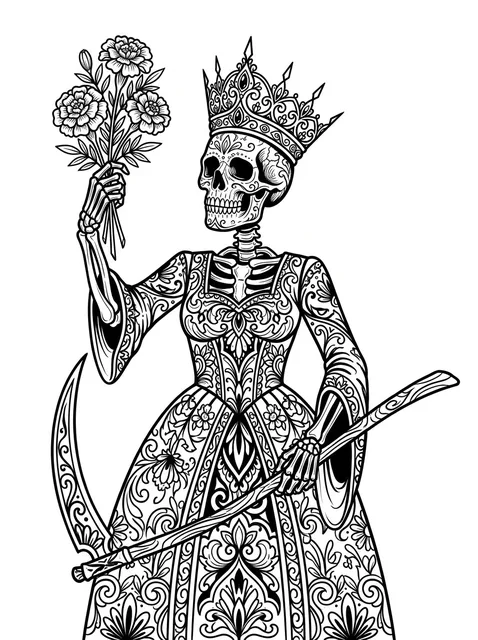
Black and grey illustrative santa muerte and sugar skull tattoo design Try it on — Black and grey illustrative santa muerte and sugar skull tattoo design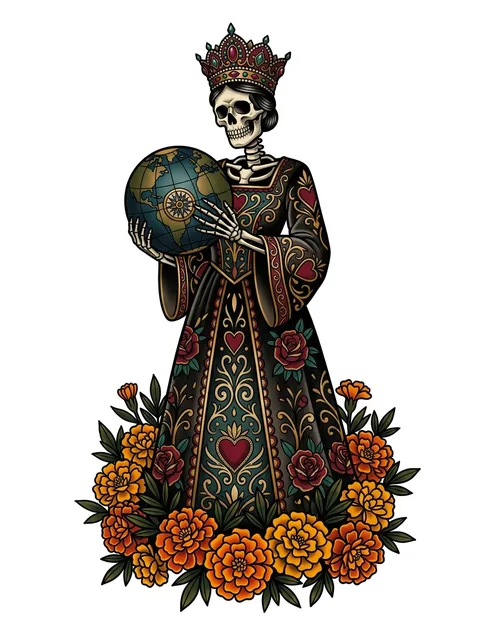
Color neo traditional santa muerte and skull tattoo design Try it on — Color neo traditional santa muerte and skull tattoo design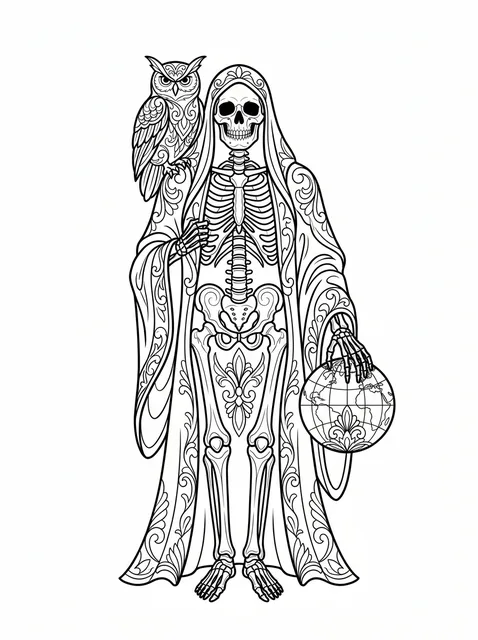
Black and white illustrative santa muerte and grim reaper tattoo design: a grim reaper figure Try it on — Black and white illustrative santa muerte and grim reaper tattoo design: a grim reaper figure


Tap any design to see it on your own skin in the try-on — no signup.
This set of 20 santa muerte designs, by the numbers
- Styles represented
- illustrative (7), neo traditional (5), dotwork (4), traditional (2), chicano (1), geometric (1)
- Black-and-grey vs colour
- 75% black-and-grey, 25% colour
- Most often drawn with
- skull, crown, skeleton, flower
Counted from the 20 designs shown on this page. Every one was drawn for InkCraft — none are scraped or reposted. Free to reference with a link to this page.
What a santa muerte tattoo means
She is petitioned rather than feared, which is the fact most outsiders miss. Devotees bring her offerings, ask her for protection, for love, for the safe return of someone, and thank her afterwards. The relationship is the whole practice, and it is why she is depicted receiving things rather than taking them.
Her impartiality is the theological point her followers make about her. Death comes for everyone regardless of standing or conduct, so she is understood to refuse nobody — which is precisely why she is venerated by people the church has turned away, and why the Catholic hierarchy has condemned the devotion repeatedly since 2013.
The attributes are specific and each carries a meaning. The scythe cuts and also harvests; the globe says her dominion is the whole world; the scales are justice; the owl is her companion and carries messages; the hourglass is time, which she holds rather than obeys.
Colour matters in the devotion in a way it rarely does elsewhere. Robes in different colours are petitioned for different things — white for cleansing and gratitude, red for love, gold for prosperity, black for protection — and a devotee will read the colour of a gown before they read anything else.
Where the design comes from
The figure is genuinely old and genuinely contested. A skeletal folk saint appears in colonial Mexican records from the eighteenth century, where the Inquisition tried repeatedly to suppress her, and her roots are usually traced to a syncretism of Spanish Catholic death imagery with pre-conquest Mexica attitudes to death. She remained a largely private, household devotion until 2001, when a shrine in Tepito in Mexico City began displaying her publicly and the practice grew explosively; estimates now run from ten to twenty million devotees across Mexico, Central America and the United States. Her arrival in tattooing follows that timeline exactly, which makes her one of the newest major subjects on this site and one of the fastest-growing.
Choosing yours
- Give her the crown and the gown. A hooded skeleton with a scythe is the western grim reaper and reads that way to everyone; a crowned female figure in an embroidered robe is unmistakably her.
- Choose the robe colour deliberately if the piece is in colour, because devotees read it as a statement about what is being asked for rather than as a design decision.
- Include one attribute beyond the scythe. The globe, the scales, the owl or the marigolds all name her, and the scythe alone does not.
Size, cost and placement
How big, and what it costs
A full-length crowned figure with an embroidered gown is 25-30 cm and eight to ten hours, because the embroidery is drawn thread by thread. A crowned skull alone is 12-15 cm and three hours. Colour devotional work with marigolds is priced above black and grey for the same area.
Where it sits, and how much it hurts
Full figures want a vertical run: the forearm, the calf, the outer thigh, the centre of the back. A crowned skull works anywhere a skull would. The gown detail needs a field that does not fold, since embroidery on a crease becomes noise.
What to ask your artist
- To draw her from devotional imagery rather than from horror reference, which is what most Santa Muerte tattoo flash actually is.
- What the robe colour you have chosen conventionally means, so the choice is deliberate.
- How dense the embroidery will be at your size, because it is the first thing to close up as a tattoo settles.
Prices vary widely by city and artist — treat these as session lengths rather than quotes, and expect a shop minimum on anything small. The cost guide turns hours into money by size, placement and style.
Common questions
Is Santa Muerte the same as the grim reaper?
No, and the difference matters to the people who venerate her. The reaper is an impersonal western personification of death; she is a saint who is prayed to, brought offerings and thanked. She is also female, crowned and robed rather than hooded.
What do the robe colours mean?
White for cleansing and gratitude, red for love and passion, gold for prosperity, black for protection, green for justice. Devotees read the colour first, so it is worth choosing rather than leaving to the artist.
Is it disrespectful to get one without being a devotee?
It is a live devotion to millions of people, so it is worth being deliberate. The thing most likely to give offence is not wearing her but drawing her as a horror figure, which is exactly what the reaper treatment does.
See it on your skin before you commit
InkCraft places any of these designs on a photo of you — scaled, wrapped and shaded to the placement you pick.