 InkCraft
Leopard Tattoo Ideas, Designs and Meaning
22 original leopard designs drawn for InkCraftBy Uladzimir TumanauUpdated
A panther hides its markings and a tiger wears stripes; the leopard is the big cat whose pattern is the point. Small broken rings with no spot inside read as leopard, and a dot in the centre turns the same animal into a jaguar.
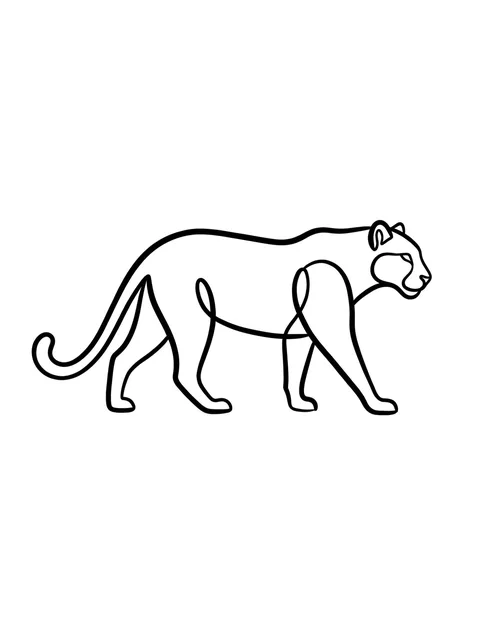
Black and white minimalist leopard tattoo design, outline stencil Try it on — Black and white minimalist leopard tattoo design, outline stencil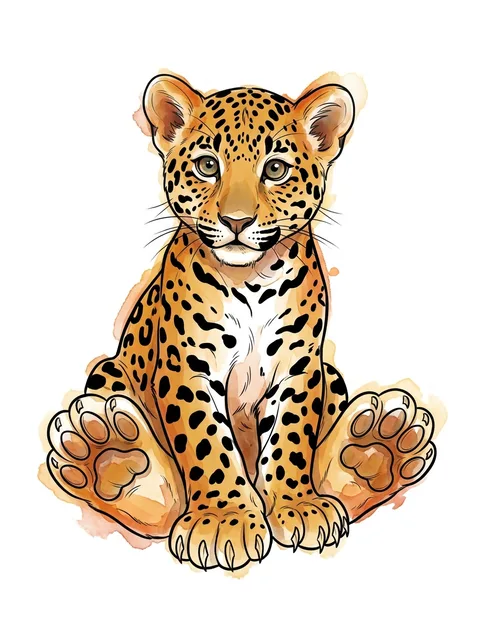
Color watercolor leopard tattoo design Try it on — Color watercolor leopard tattoo design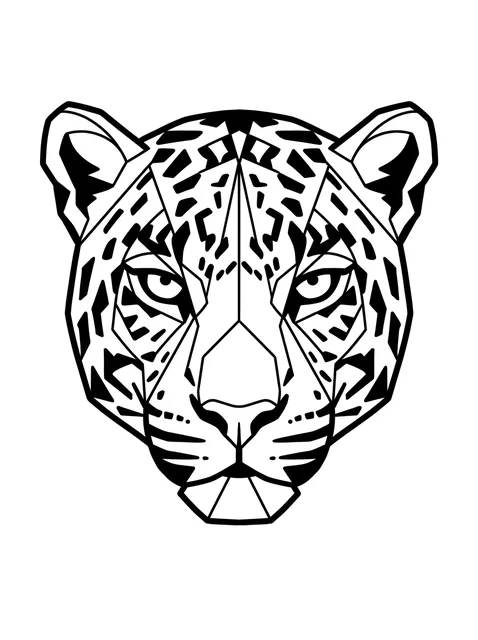
Black and white geometric leopard tattoo design, outline stencil Try it on — Black and white geometric leopard tattoo design, outline stencil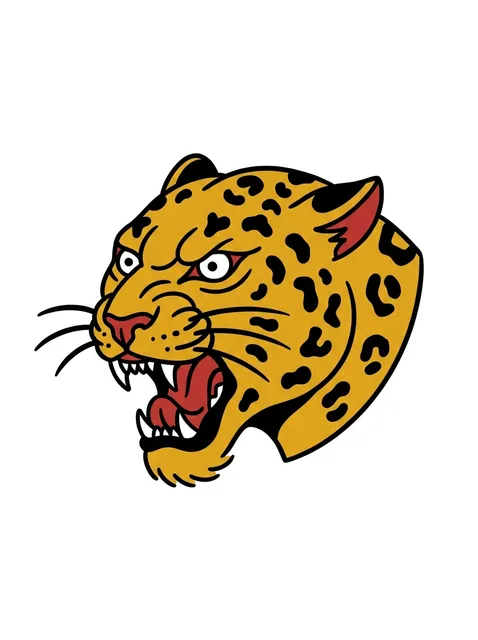
Color traditional leopard tattoo design Try it on — Color traditional leopard tattoo design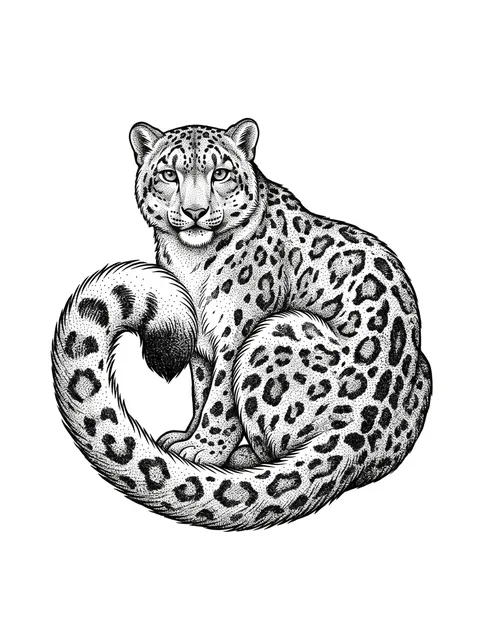
Black and grey dotwork leopard tattoo design Try it on — Black and grey dotwork leopard tattoo design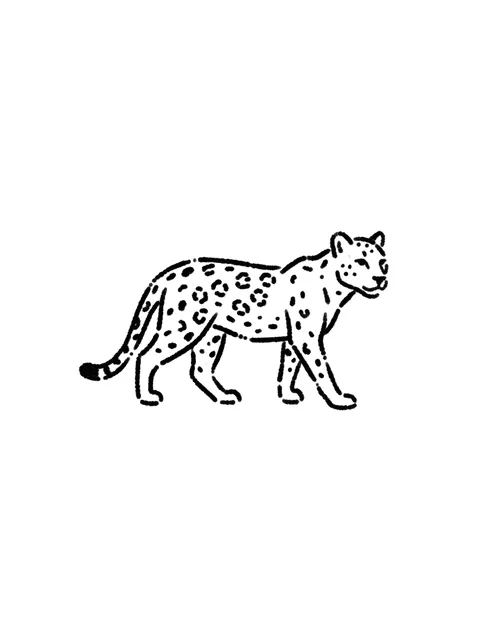
Black and grey stick and poke leopard tattoo design: a few scattered spots and a black tail tip Try it on — Black and grey stick and poke leopard tattoo design: a few scattered spots and a black tail tip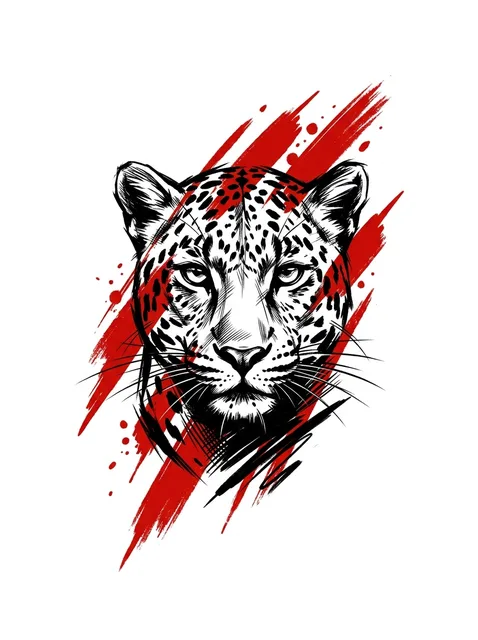
Color trash polka leopard tattoo design Try it on — Color trash polka leopard tattoo design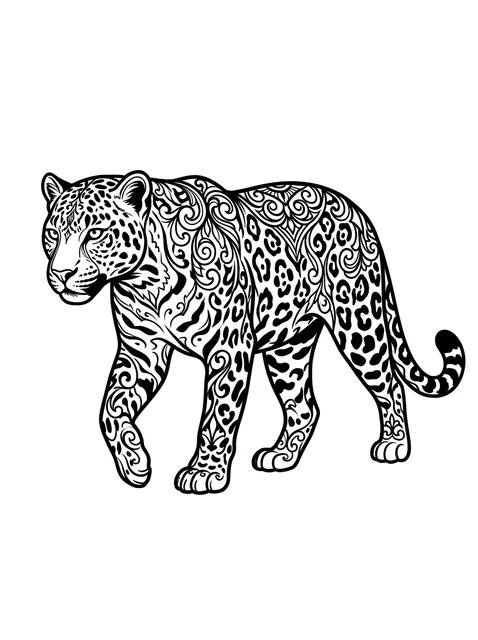
Black and grey ornamental leopard tattoo design Try it on — Black and grey ornamental leopard tattoo design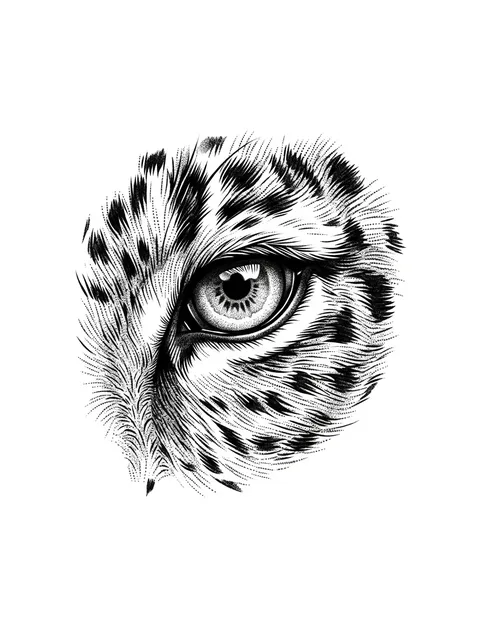
Black and grey realism leopard tattoo design Try it on — Black and grey realism leopard tattoo design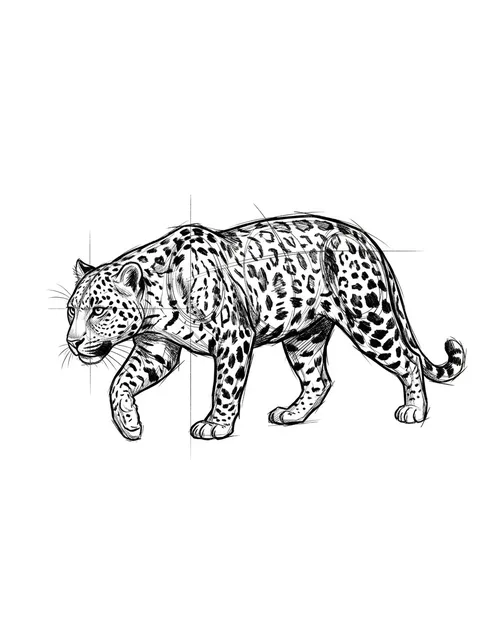
Black and grey sketch leopard tattoo design Try it on — Black and grey sketch leopard tattoo design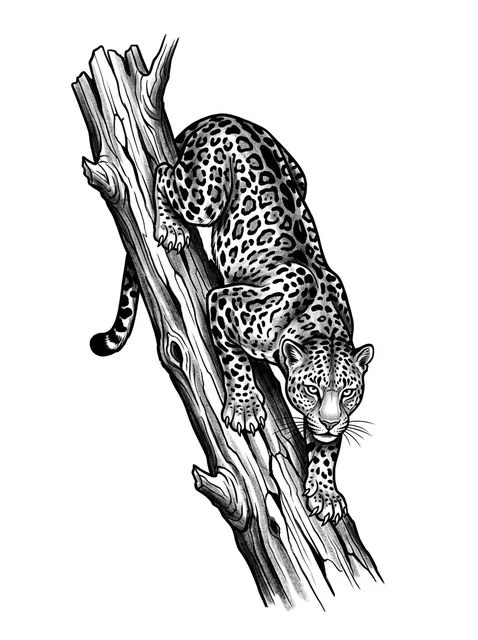
Black and grey illustrative leopard tattoo design Try it on — Black and grey illustrative leopard tattoo design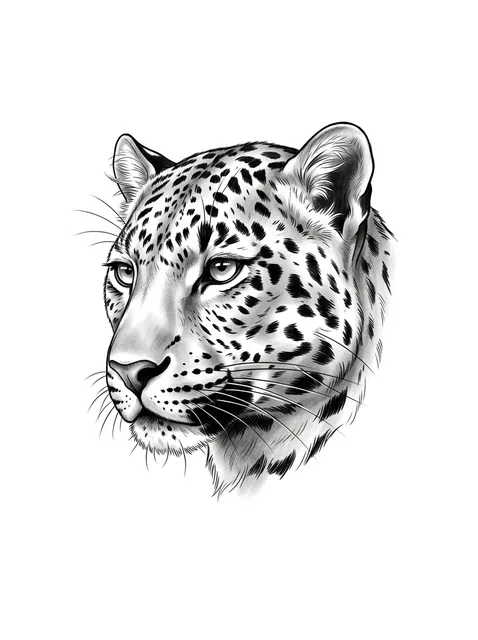
Black and grey realism leopard tattoo design Try it on — Black and grey realism leopard tattoo design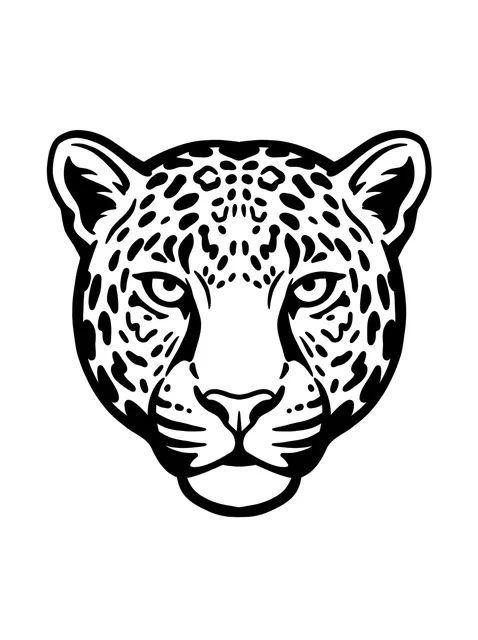
Black and white blackwork leopard tattoo design Try it on — Black and white blackwork leopard tattoo design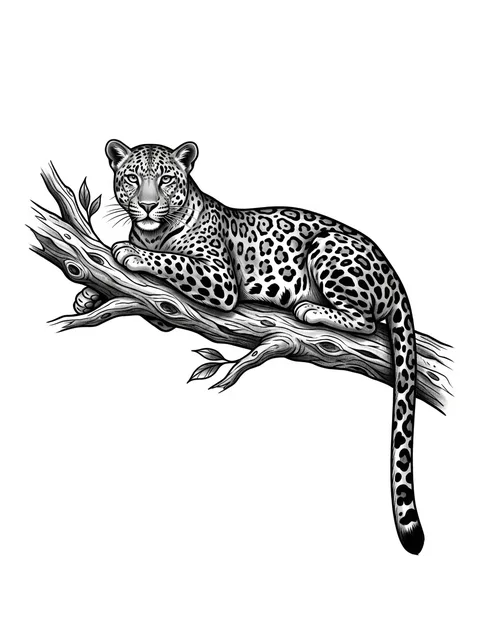
Black and grey illustrative leopard tattoo design Try it on — Black and grey illustrative leopard tattoo design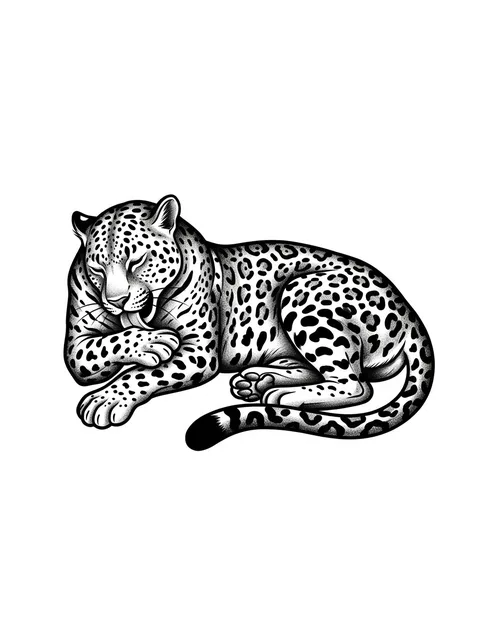
Black and grey neo traditional leopard tattoo design Try it on — Black and grey neo traditional leopard tattoo design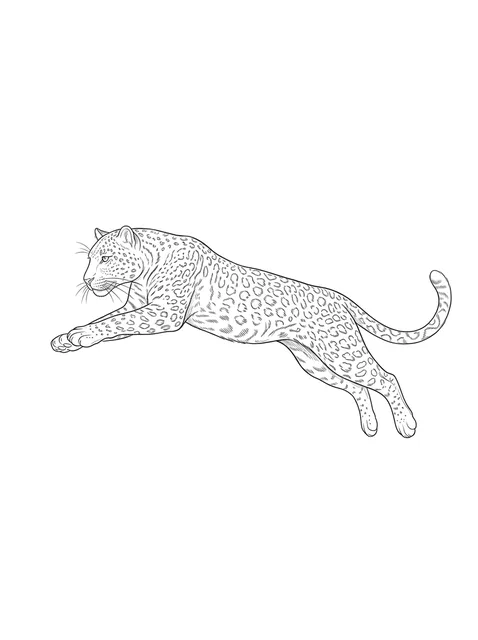
Black and white fine line leopard tattoo design, outline stencil Try it on — Black and white fine line leopard tattoo design, outline stencil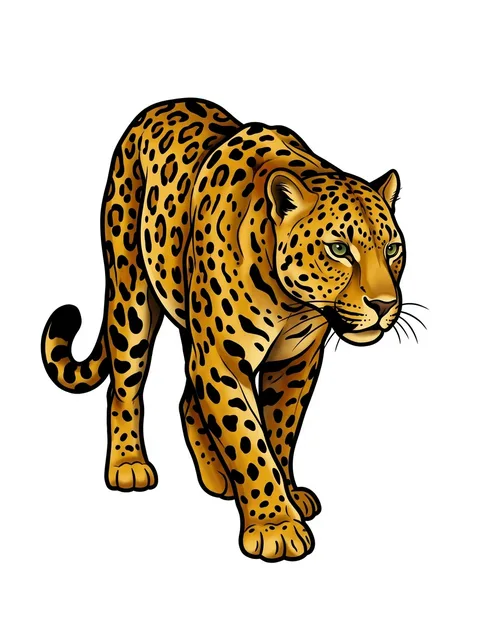
Color neo traditional leopard tattoo design Try it on — Color neo traditional leopard tattoo design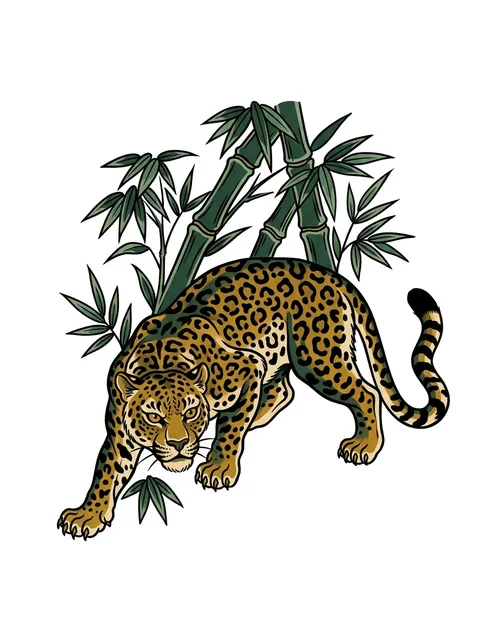
Color Japanese leopard tattoo design Try it on — Color Japanese leopard tattoo design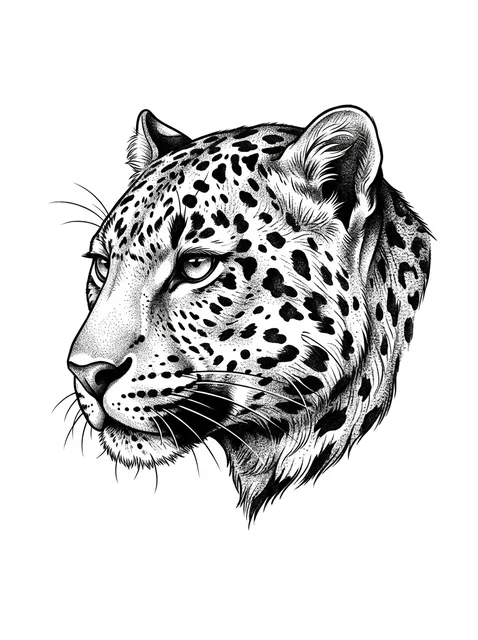
Black and grey realism leopard tattoo design Try it on — Black and grey realism leopard tattoo design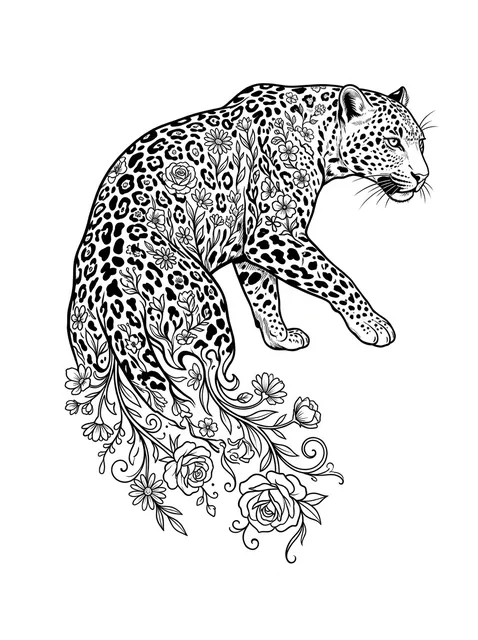
Black and grey surreal leopard and flower tattoo design Try it on — Black and grey surreal leopard and flower tattoo design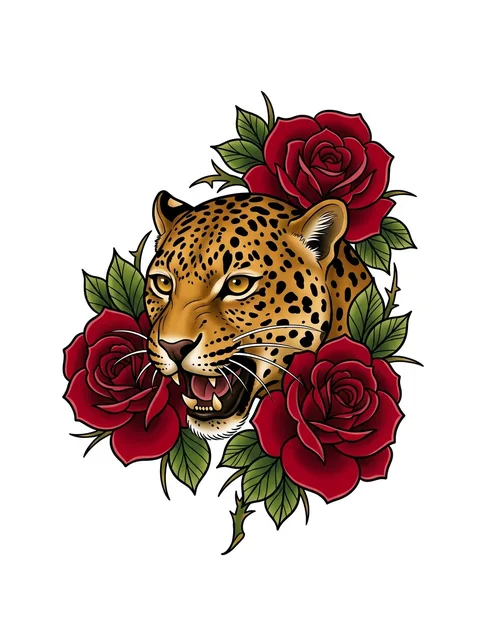
Color neo traditional leopard and rose tattoo design Try it on — Color neo traditional leopard and rose tattoo design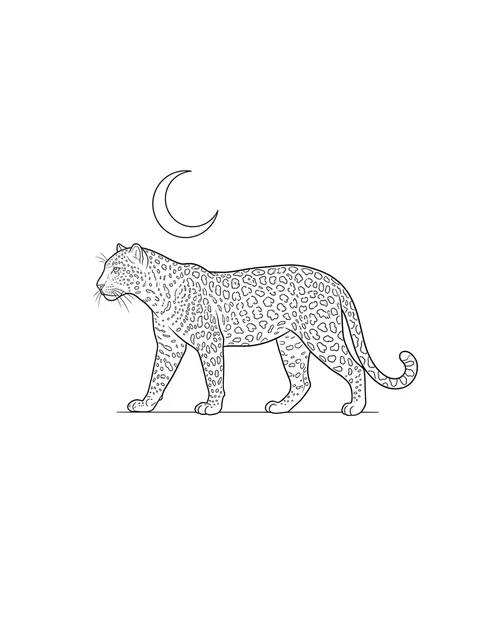
Black and white fine line leopard and moon tattoo design, outline stencil Try it on — Black and white fine line leopard and moon tattoo design, outline stencil


Tap any design to see it on your own skin in the try-on — no signup.
This set of 22 leopard designs, by the numbers
- Styles represented
- realism (3), neo traditional (3), illustrative (2), fine line (2), minimalist (1), watercolor (1)
- Black-and-grey vs colour
- 73% black-and-grey, 27% colour
- Most often drawn with
- flower, rose, moon
Counted from the 22 designs shown on this page. Every one was drawn for InkCraft — none are scraped or reposted. Free to reference with a link to this page.
What a leopard tattoo means
A leopard is chosen for its pattern as much as for the animal. Of the big cats it is the one whose coat everybody can picture and few people draw correctly, and that coat carries the meaning most wearers intend: something beautiful that is also built to disappear. Rosettes break up the outline of a body in dappled shade, which is why a leopard lying in a tree can be looked at directly and still not be seen.
The second reading is adaptability, and the animal has earned it. The leopard has the widest range of any wild cat, from sub-Saharan Africa through the Middle East and India to the Russian Far East, and it lives in rainforest, desert, mountains and on the edges of cities; Mumbai has leopards inside its limits, in Sanjay Gandhi National Park. People who pick it over a lion or a tiger are usually choosing exactly that. Not rule, and not solitary force, but the ability to get by anywhere.
Beside the panther it is the same cat with the pattern shown. Outside the Americas a black panther is a leopard with a melanistic coat, its rosettes faintly visible in the black, so choosing the spotted animal is choosing to have the markings seen rather than hidden.
The classic pose carries its own meaning. A leopard stretched along a branch with its tail hanging is resting where most rivals cannot follow, and leopards really do haul their kills up into trees to keep them from lions and hyenas. As a tattoo that pose reads as self-possession: safe because it chose higher ground, not because it won a fight.
The print has a separate life. Christian Dior put leopard spots into his first collection in 1947, and since then the pattern on its own has meant glamour with a little danger in it. A tattoo that scatters rosettes without the cat belongs to that fashion reading rather than to the wild one, and it is a different piece from any of the animals here.
Where the design comes from
The leopard has been a royal animal on more than one continent. In the Kingdom of Benin it belonged to the Oba, and brass and ivory leopards were among the royal works carried off from Benin City by a British force in 1897; the Oba still reigns, and such figures are regalia, not decoration. Greek art gave the animal to Dionysus, who rides one in a pebble mosaic at Pella. English heraldry did something stranger. The three gold lions of the royal arms were blazoned as leopards by Anglo-Norman heralds, because a lion walking and looking straight out at the viewer was called a leopard. Japan met the animal at second hand: Edo-period painters worked from imported pictures and skins rather than live cats, and a spotted cat shown beside a striped one was widely taken for the tigress, which is why some screens of tigers in bamboo have a leopard among them.
Choosing yours
- The rosettes are the identification, and they are easy to get wrong. A leopard's are small, tightly packed, broken rings with no spot inside, turning into solid spots on the head, the lower legs and the belly. A jaguar's are larger, with a dot in the centre, and a cheetah has single solid spots and a black tear line from each eye to the mouth. Ask for leopard rosettes by name, because a spotted cat drawn from memory tends to mix all three.
- The snow leopard is a separate choice rather than a paler version. It is smoky grey, with larger open rosettes, small rounded ears and a tail almost as long as its body, thick enough to wrap across its face against the cold; that tail is the thing to build the composition around. Being grey by nature, it suits black and grey better than any other big cat.
- Each rosette is a ring around an empty middle, and empty middles are what ink fills first. A realistic leopard needs enough size for every ring to stay open, which in practice means 12 cm or more for a head; smaller than that, ask for fewer and bolder rosettes rather than the whole coat shrunk down. Colour is optional here in a way it is not for a tiger: the black pattern identifies the animal on its own, and the gold adds warmth rather than recognition.
Size, cost and placement
How big, and what it costs
A leopard head in realistic black and grey runs 12 to 15 cm and three to four hours, much of it spent keeping each rosette open. A full animal on a branch is half a day to a full day at 20 cm or more. A linework or minimalist leopard with a handful of spots is the quick version, often under two hours, because it suggests the coat instead of drawing every ring.
Where it sits, and how much it hurts
The branch pose is long and horizontal with a hanging tail, and it suits a forearm laid along its length, the collarbone or the top of the thigh. A walking or stalking leopard wants the outer arm or the calf, where it can move along the limb. A head facing forward belongs on a flat, symmetric field such as the chest or upper back. The thigh and outer arm are among the gentler placements; the collarbone is bony and sharper.
What to ask your artist
- To draw leopard rosettes specifically: small broken rings, no centre dot, solid spots on the head and legs.
- How many rosettes will survive at your size, and whether they will be simplified rather than shrunk.
- For a snow leopard, whether the tail is part of the composition from the start, since it is the animal's defining feature and needs room.
Prices vary widely by city and artist — treat these as session lengths rather than quotes, and expect a shop minimum on anything small. The cost guide turns hours into money by size, placement and style.
Common questions
Why choose a leopard over another big cat?
Adaptability and concealment above all. The leopard lives in more kinds of country than any other wild cat and its coat is made to vanish in broken light, so it suits someone who gets by anywhere without announcing it. The classic pose, stretched along a branch, adds self-possession.
How do I make sure it reads as a leopard and not a jaguar or cheetah?
Ask for the markings by name. Leopard: small broken rings with nothing inside. Jaguar: bigger rings with a dot in the middle. Cheetah: single solid spots and a black tear line from each eye. Those three details are the whole identification.
Is a black panther the same animal as a leopard?
Often, yes. A black panther in Africa or Asia is a leopard with a melanistic coat, and in the Americas it is a jaguar. The pattern survives faintly beneath the dark fur, so a leopard and a panther are two ways of drawing one cat: markings shown, or markings hidden.
What does a snow leopard tattoo mean?
Endurance in hard country. The snow leopard lives in the high mountains of Central and South Asia, is rarely seen, and curls its long tail around itself against the cold, so it is chosen for solitude and resilience. It is also the natural big cat for black and grey, since its own coat is grey.
Does leopard print count as a leopard tattoo?
It is a different reading. Scattered rosettes without the animal come from fashion, where Dior made the print famous after the war, and they say glamour rather than wildness. The designs on this page all draw the cat itself.
See it on your skin before you commit
InkCraft places any of these designs on a photo of you — scaled, wrapped and shaded to the placement you pick.