 InkCraft
Panther Tattoo Ideas, Designs and Meaning
27 original panther designs drawn for InkCraftBy Uladzimir TumanauUpdated
A panther is a big cat with no markings, which leaves an artist almost nothing to grip. A black animal needs highlights rather than shading, so the whole piece depends on where the light is left out of the black.
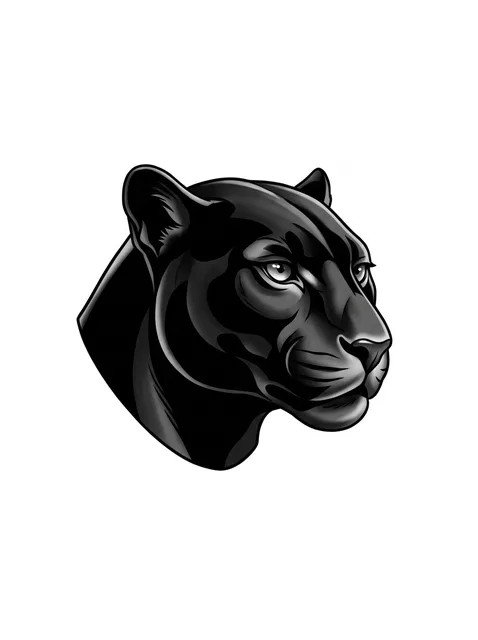
Black and grey illustrative panther tattoo design: the head of a black panther Try it on — Black and grey illustrative panther tattoo design: the head of a black panther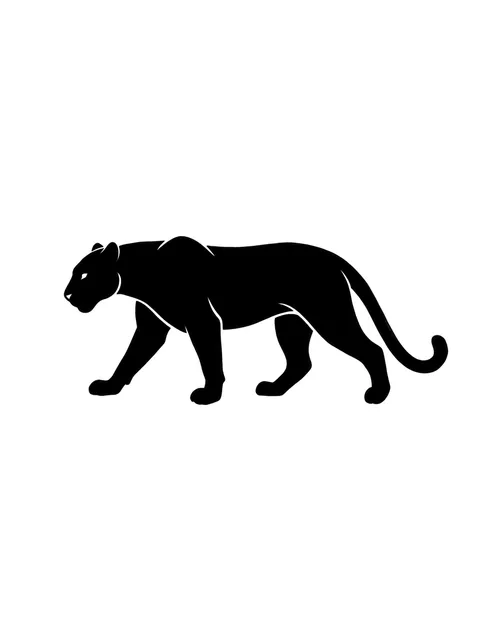
Black and white minimalist panther tattoo design, outline stencil Try it on — Black and white minimalist panther tattoo design, outline stencil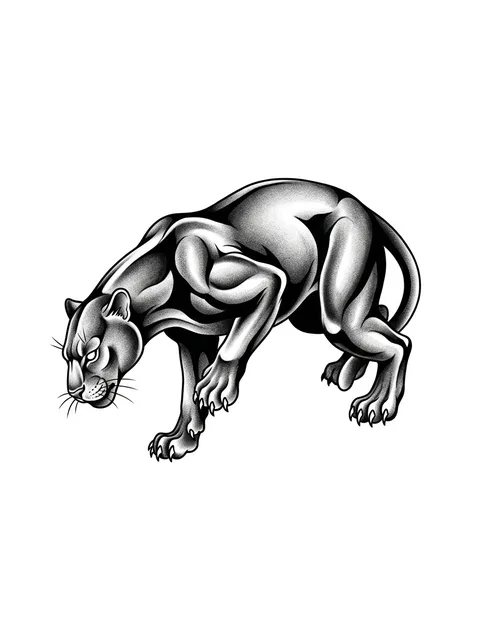
Black and grey illustrative panther tattoo design: a panther in a stalking pose Try it on — Black and grey illustrative panther tattoo design: a panther in a stalking pose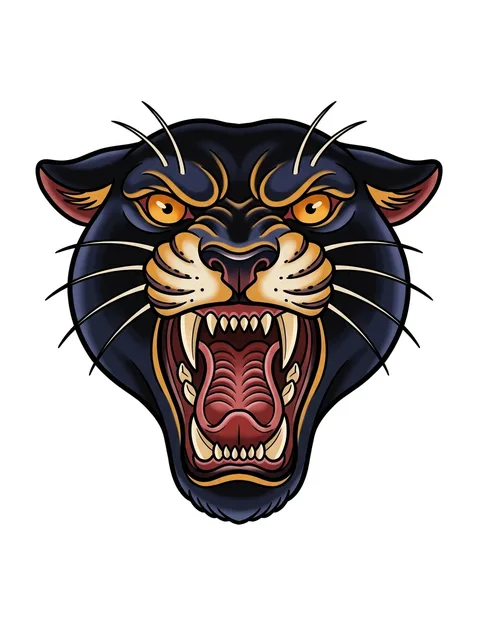
Color traditional panther tattoo design: a snarling black panther head Try it on — Color traditional panther tattoo design: a snarling black panther head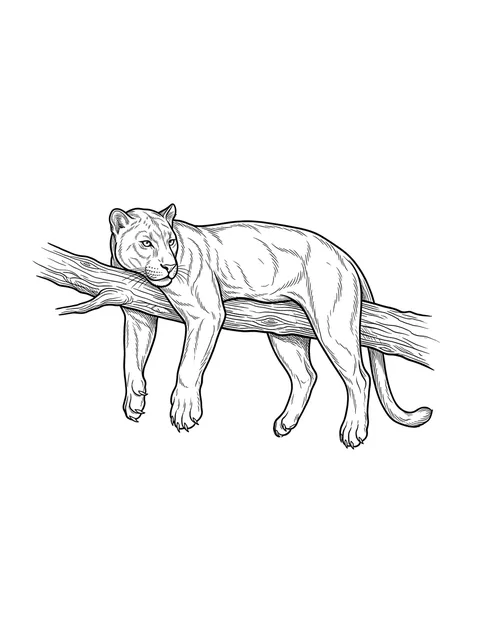
Black and white illustrative panther tattoo design: a panther resting on a tree branch Try it on — Black and white illustrative panther tattoo design: a panther resting on a tree branch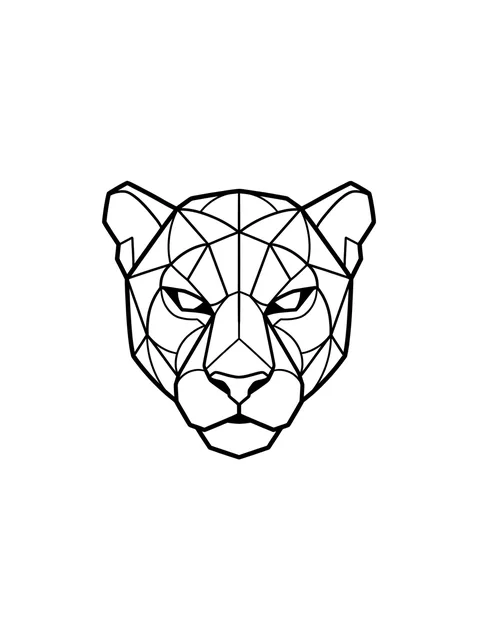
Black and white geometric panther tattoo design, outline stencil: the head of a panther Try it on — Black and white geometric panther tattoo design, outline stencil: the head of a panther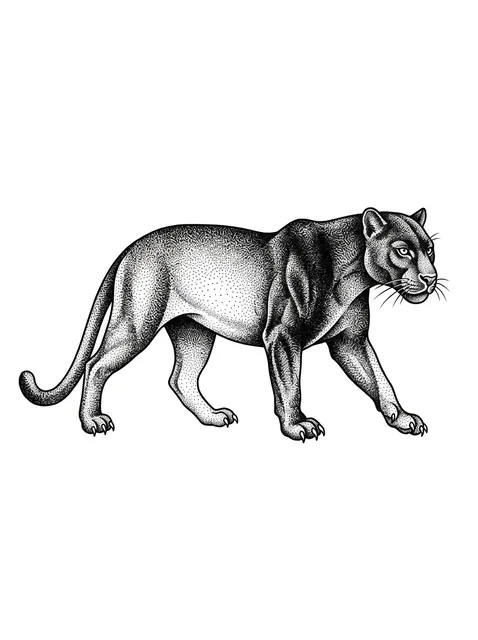
Color dotwork panther tattoo design: a panther in mid-stride Try it on — Color dotwork panther tattoo design: a panther in mid-stride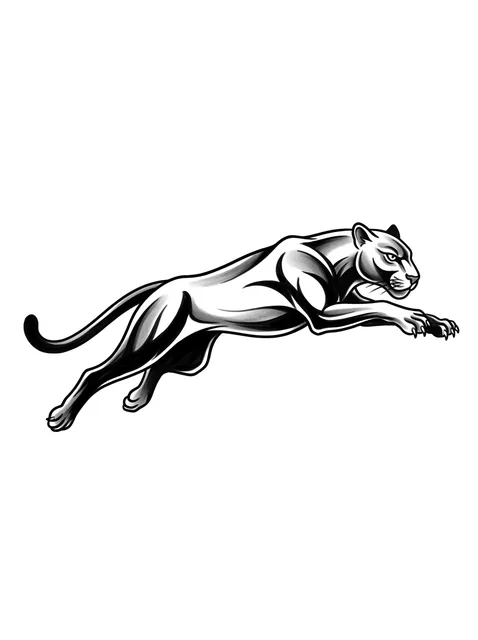
Black and grey illustrative panther tattoo design: a leaping panther Try it on — Black and grey illustrative panther tattoo design: a leaping panther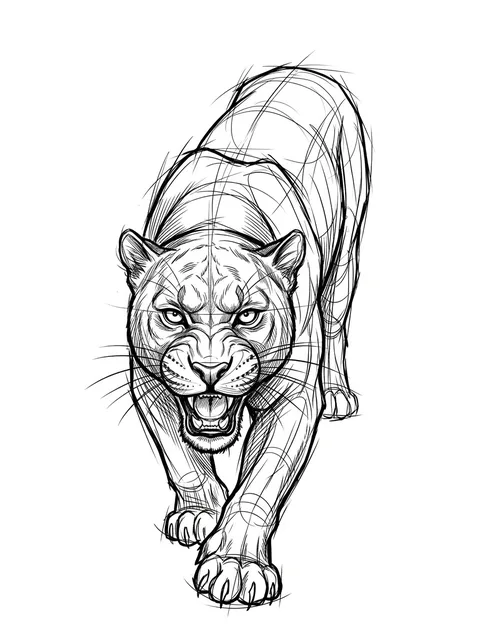
Black and grey sketch panther tattoo design: a snarling panther Try it on — Black and grey sketch panther tattoo design: a snarling panther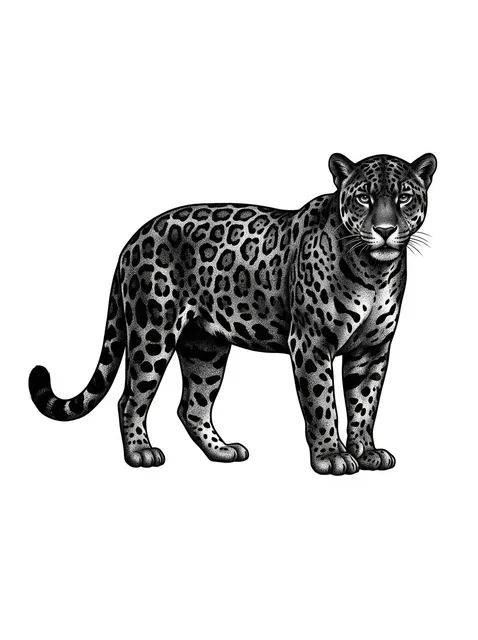
Color dotwork panther tattoo design Try it on — Color dotwork panther tattoo design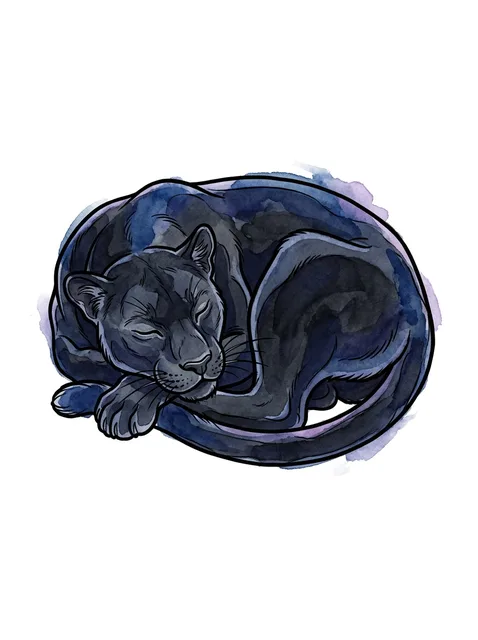
Color watercolor panther tattoo design: a sleeping black panther, curled up with its eyes closed Try it on — Color watercolor panther tattoo design: a sleeping black panther, curled up with its eyes closed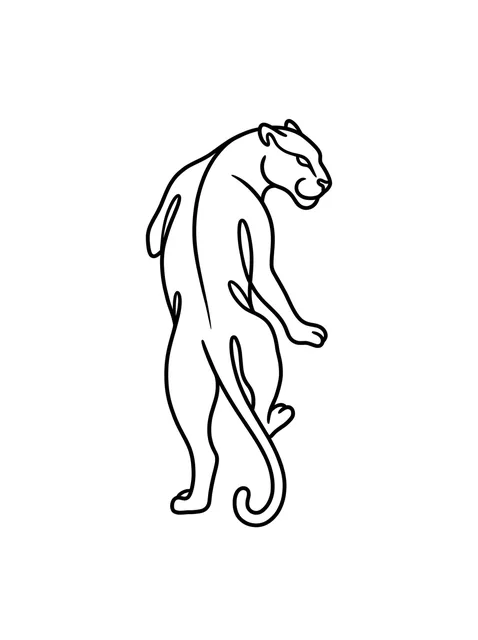
Black and white linework panther tattoo design, outline stencil: a panther looking over its shoulder Try it on — Black and white linework panther tattoo design, outline stencil: a panther looking over its shoulder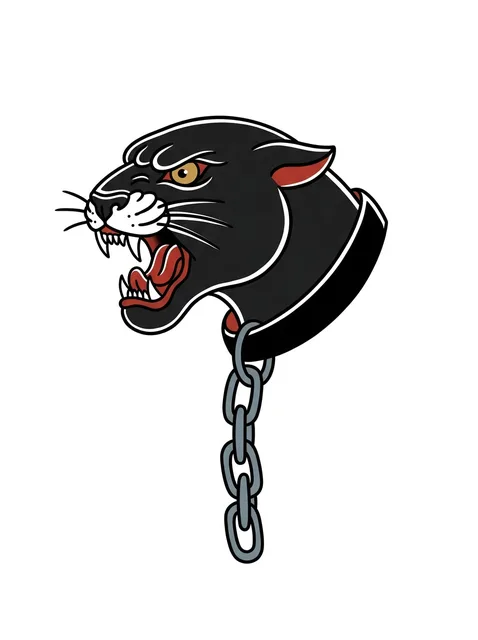
Color traditional panther tattoo design Try it on — Color traditional panther tattoo design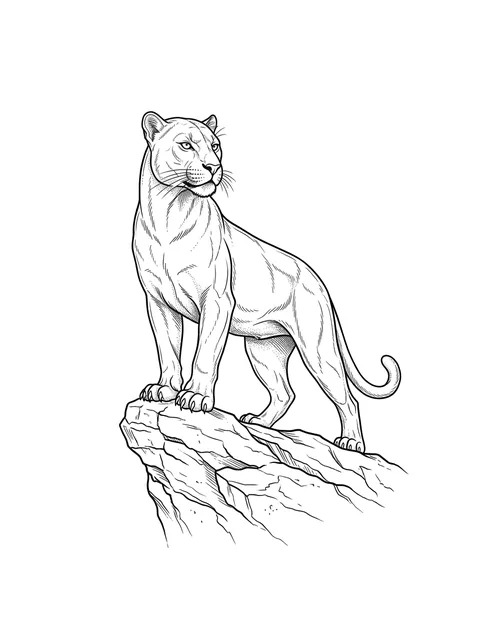
Black and grey illustrative panther tattoo design Try it on — Black and grey illustrative panther tattoo design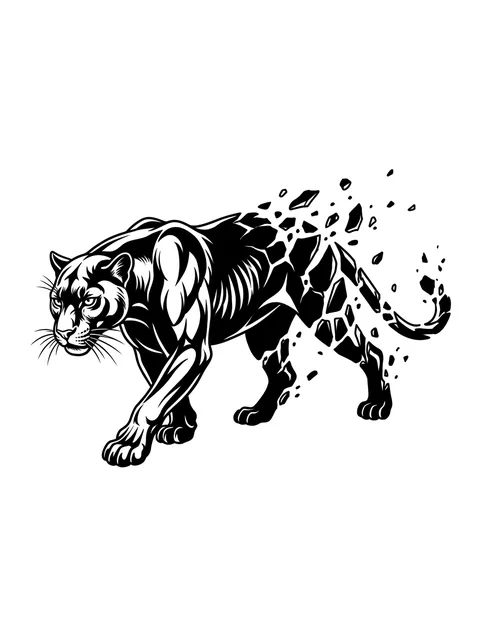
Black and white illustrative panther tattoo design Try it on — Black and white illustrative panther tattoo design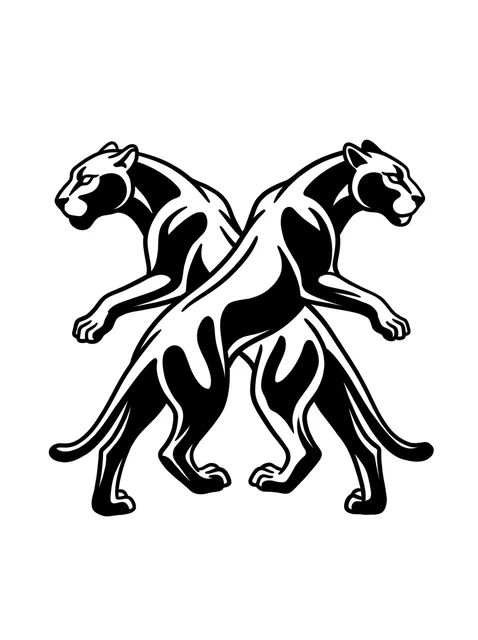
Black and white blackwork panther tattoo design: two panthers in a mirrored, symmetrical composition Try it on — Black and white blackwork panther tattoo design: two panthers in a mirrored, symmetrical composition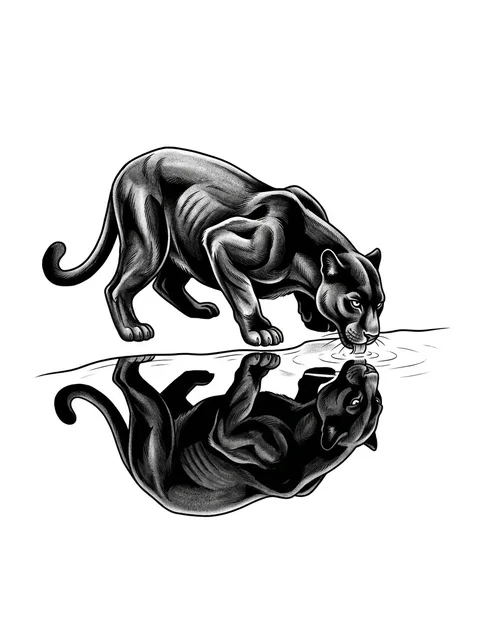
Black and grey illustrative panther tattoo design Try it on — Black and grey illustrative panther tattoo design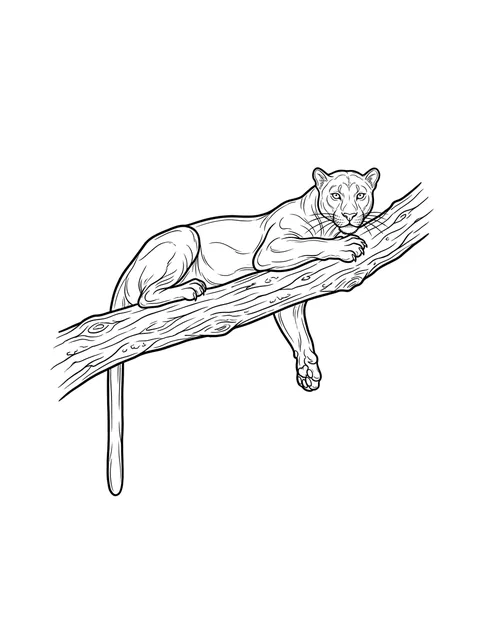
Black and grey illustrative panther tattoo design Try it on — Black and grey illustrative panther tattoo design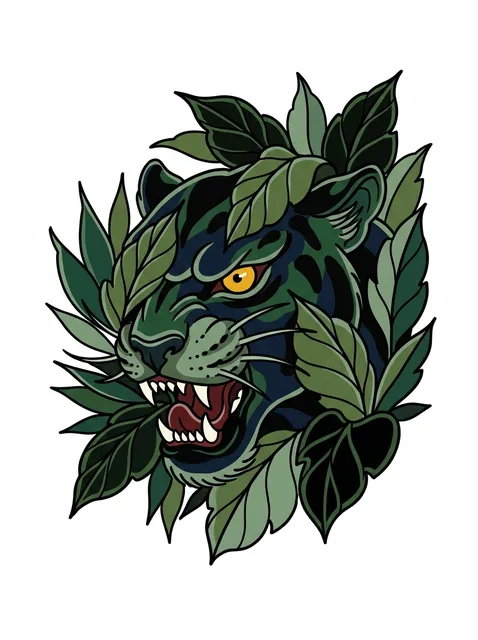
Color traditional panther and leaf tattoo design Try it on — Color traditional panther and leaf tattoo design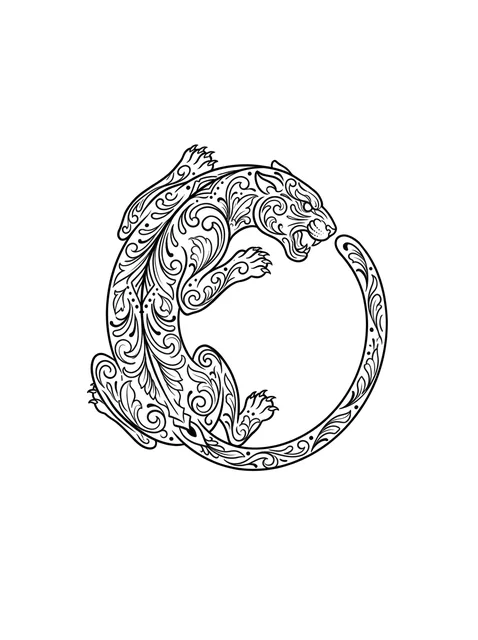
Black and white ornamental panther and mandala tattoo design Try it on — Black and white ornamental panther and mandala tattoo design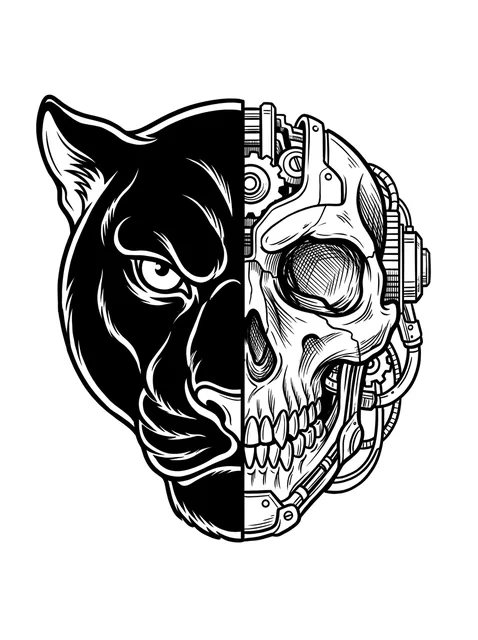
Black and white illustrative panther and skull tattoo design Try it on — Black and white illustrative panther and skull tattoo design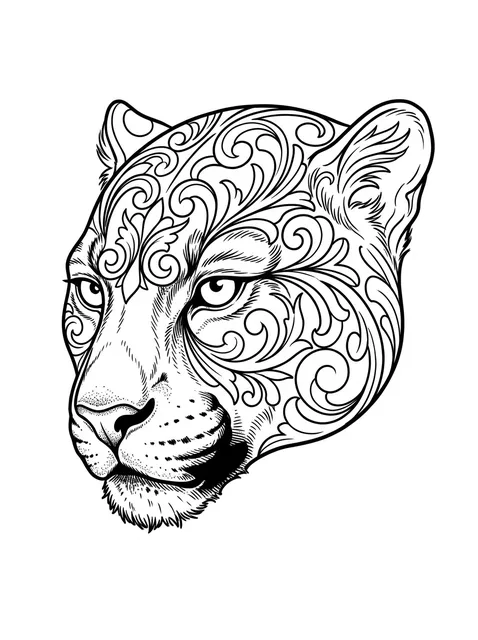
Black and grey illustrative panther and leaf tattoo design Try it on — Black and grey illustrative panther and leaf tattoo design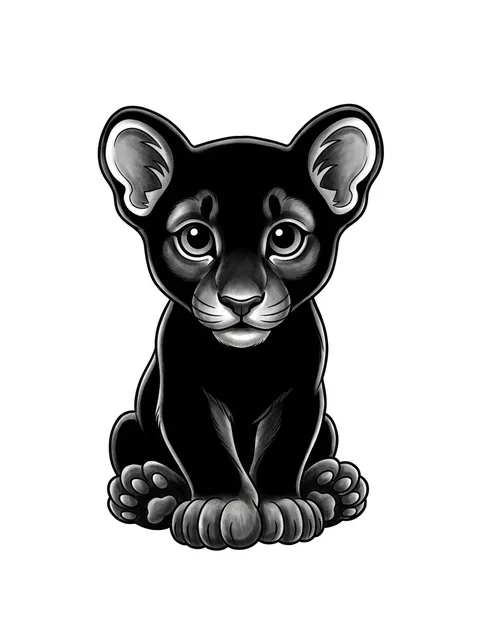
Black and grey illustrative panther and cat tattoo design Try it on — Black and grey illustrative panther and cat tattoo design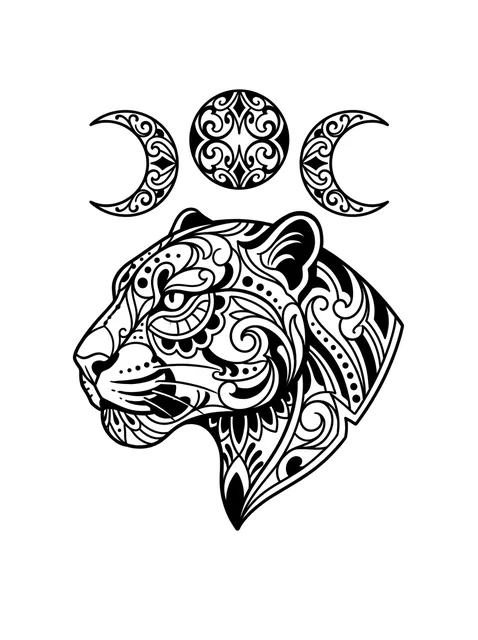
Black and grey ornamental panther and moon tattoo design Try it on — Black and grey ornamental panther and moon tattoo design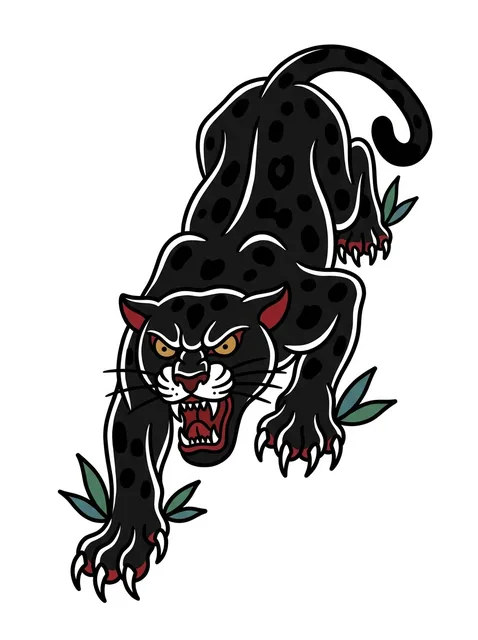
Color traditional panther and leaf tattoo design: a black panther in a stalking pose Try it on — Color traditional panther and leaf tattoo design: a black panther in a stalking pose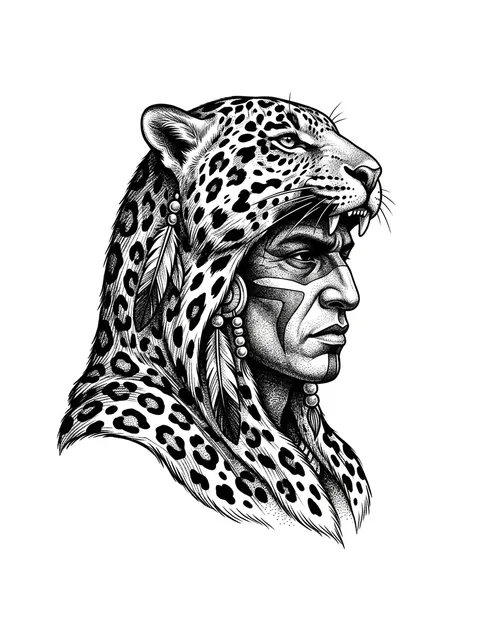
Black and grey illustrative panther and aztec tattoo design Try it on — Black and grey illustrative panther and aztec tattoo design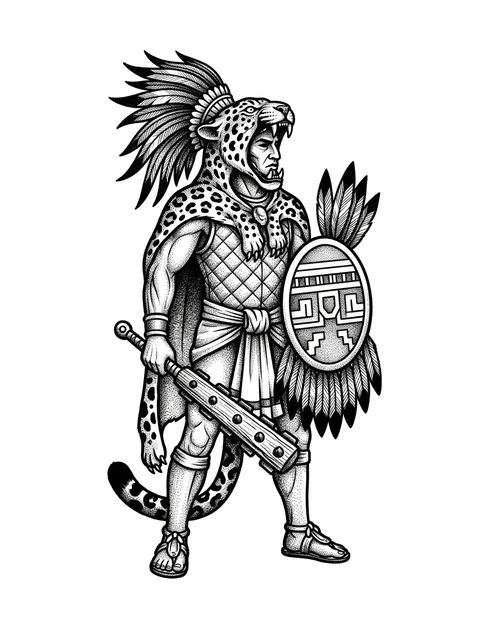
Black and grey dotwork panther and aztec tattoo design Try it on — Black and grey dotwork panther and aztec tattoo design


Tap any design to see it on your own skin in the try-on — no signup.
This set of 27 panther designs, by the numbers
- Styles represented
- illustrative (12), traditional (4), dotwork (3), ornamental (2), minimalist (1), geometric (1)
- Black-and-grey vs colour
- 74% black-and-grey, 26% colour
- Most often drawn with
- leaf, aztec, feather, mandala
Counted from the 27 designs shown on this page. Every one was drawn for InkCraft — none are scraped or reposted. Free to reference with a link to this page.
What a panther tattoo means
The panther entered tattooing as a symbol of controlled power rather than of aggression. In mid-century American flash it was drawn crawling downward with the claws out, and it stood for readiness: something dangerous that has chosen not to act yet.
The crawling pose is doing more work than it appears to. A panther drawn descending, head low and one foreleg reaching past the shoulder, has a direction and a destination, which is why it was traditionally sited where it could seem to be coming down a limb. A panther drawn standing still has neither, and that is the most common reason these read as flat despite being well executed.
The black coat does a lot of the work. A panther is not a separate species but a melanistic leopard or jaguar, and the rosettes are still there under the black if you look. That is why it reads as something hidden in plain sight rather than as something simply dark.
For many wearers the reading is protective rather than threatening, which is the older meaning: a guardian animal placed where it can be seen. A closed mouth says that; an open one says the opposite, and it is worth deciding which before the stencil goes on.
Where the design comes from
The crawling panther is one of the oldest designs in American traditional flash, fixed in the 1930s and 1940s and drawn largely unchanged since. Its popularity came from practicality as much as meaning: a solid black animal covered an older tattoo better than anything else available, and panthers were a cover-up staple for decades.
Choosing yours
- Decide whether the mouth is open before anything else. A snarling panther and a calm one are different tattoos built from identical parts, and artists will draw whichever you ask for without guessing.
- A black animal needs highlights, not shading. The modelling on a panther comes from where the light is left out of the black, so ask how the highlights will sit rather than how the fur will be rendered.
Size, cost and placement
How big, and what it costs
A head is a two-to-three-hour sitting at 10 to 15 cm. A full crawling panther in the traditional manner is a half-day and wants a long field, because the posture is the design.
Where it sits, and how much it hurts
Outer upper arm, calf and chest all take a head at the size it needs. The traditional crawling pose was drawn for a limb, which is why it reads correctly running down a forearm and awkwardly anywhere flat.
What to ask your artist
- Whether the mouth is open or closed, since it decides the character of the piece.
- How the highlights will be placed, because they are the only modelling a black animal has.
- If it is a cover-up, how much of the old work the black will genuinely hide.
Prices vary widely by city and artist — treat these as session lengths rather than quotes, and expect a shop minimum on anything small. The cost guide turns hours into money by size, placement and style.
Common questions
Is a panther about power or protection?
Controlled power rather than aggression. The traditional crawling panther stands for something dangerous that has chosen not to act, and many wearers read it as protective. A closed mouth carries that reading and an open one reverses it.
Why is a panther harder to draw than a tiger?
Because it has no markings. A tiger gives an artist stripes to model with; a black cat gives them nothing, so the whole piece depends on silhouette, posture and where the highlights fall.
Are panthers good cover-ups?
Historically the best there was, which is much of why they became a flash staple. A large area of solid black covers older work better than almost anything else, and the tradition of crawling panthers comes partly from that practicality.
Do panthers have spots?
Yes. A panther is a melanistic leopard or jaguar and the rosettes are still there under the black. Almost nobody draws them, which makes it one of the more interesting things you can ask for.
See it on your skin before you commit
InkCraft places any of these designs on a photo of you — scaled, wrapped and shaded to the placement you pick.