 InkCraft
Medusa Tattoo Ideas, Designs and Meaning
30 original medusa designs drawn for InkCraftBy Uladzimir TumanauUpdated
The most-asked mythological face in tattooing, and the one whose meaning has almost exactly reversed. Settle the expression before the style: a threatening Medusa, a grieving one and the archaic grinning charm are three different drawings built from the same snakes.
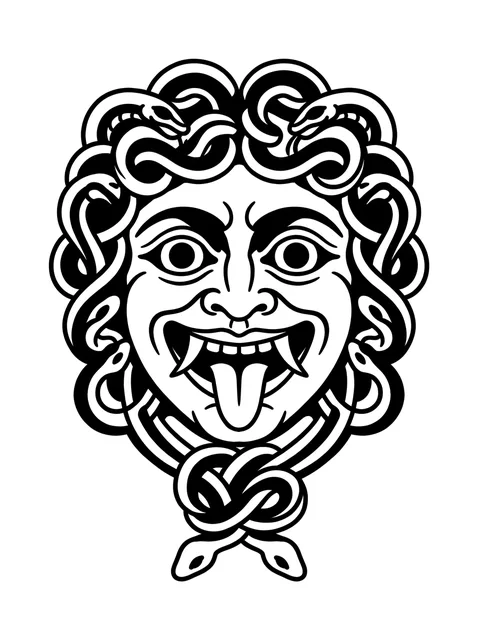
Black and white blackwork medusa and snake tattoo design Try it on — Black and white blackwork medusa and snake tattoo design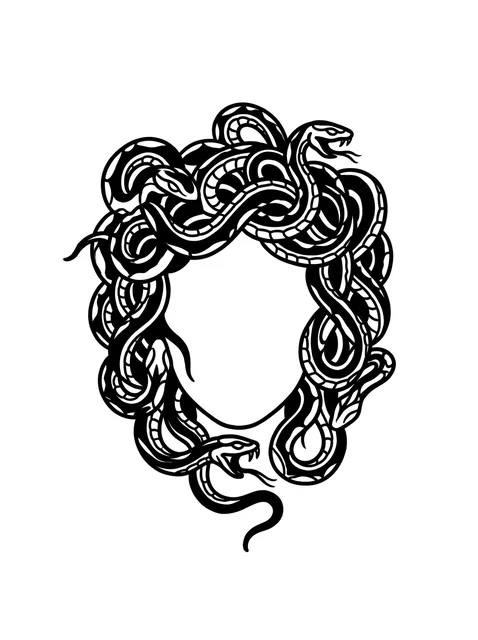
Black and white blackwork medusa and snake tattoo design: the head of Medusa Try it on — Black and white blackwork medusa and snake tattoo design: the head of Medusa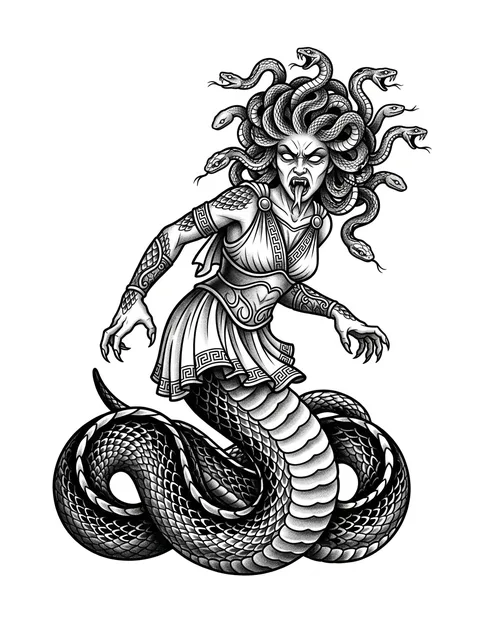
Black and grey neo traditional medusa and snake tattoo design Try it on — Black and grey neo traditional medusa and snake tattoo design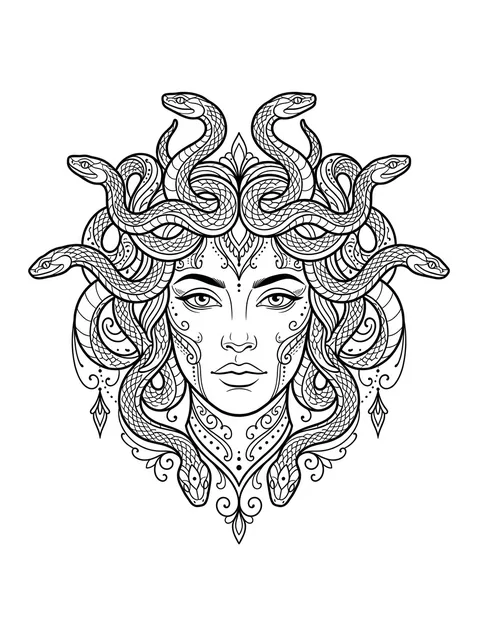
Black and grey illustrative medusa and snake tattoo design Try it on — Black and grey illustrative medusa and snake tattoo design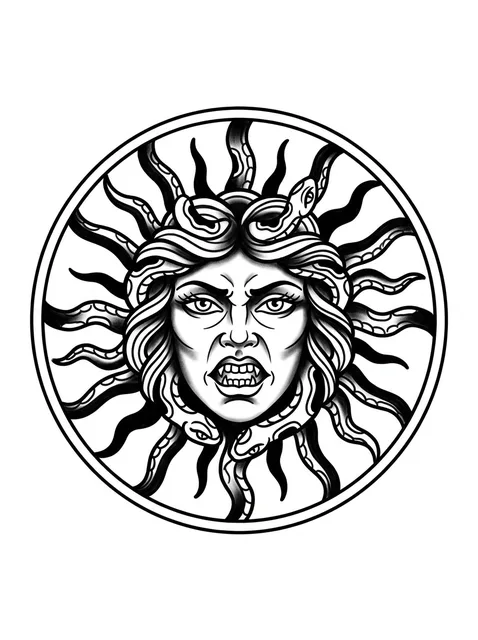
Black and grey traditional medusa and snake tattoo design Try it on — Black and grey traditional medusa and snake tattoo design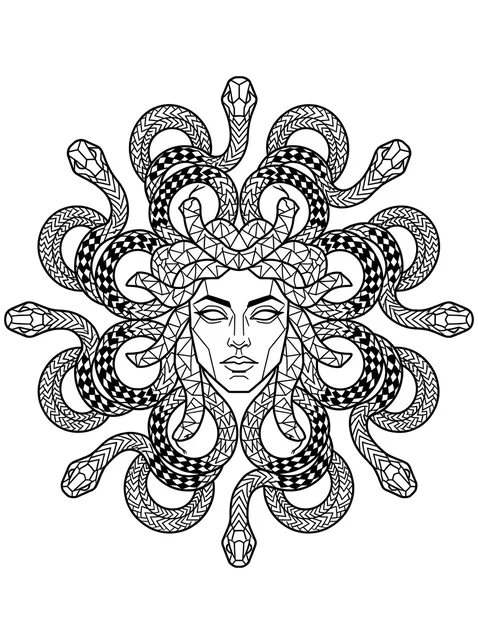
Black and white geometric medusa and snake tattoo design, outline stencil Try it on — Black and white geometric medusa and snake tattoo design, outline stencil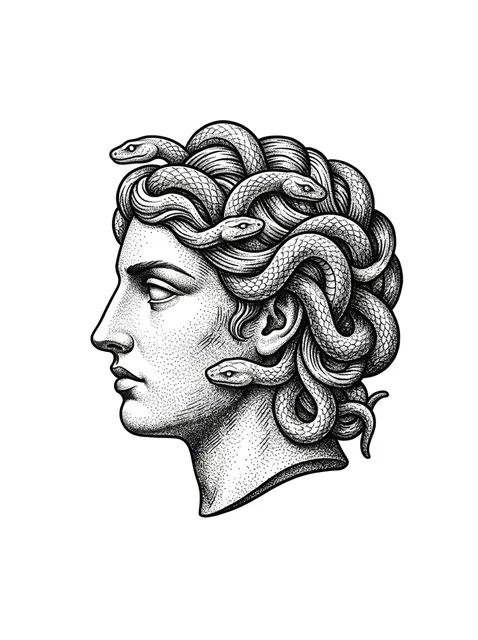
Black and grey dotwork medusa and snake tattoo design Try it on — Black and grey dotwork medusa and snake tattoo design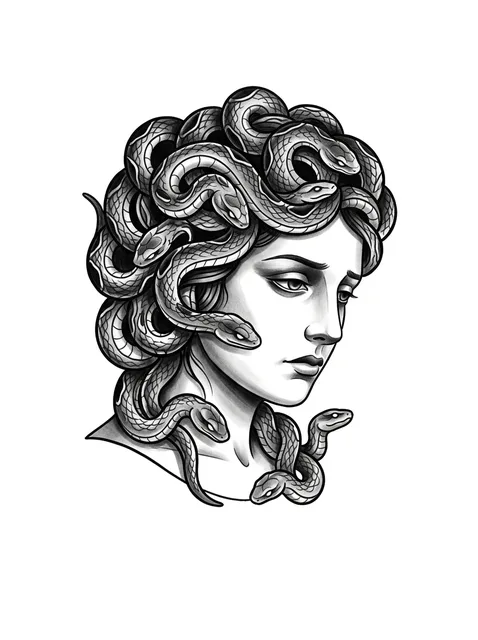
Black and grey illustrative medusa and snake tattoo design: a serene yet melancholic expression Try it on — Black and grey illustrative medusa and snake tattoo design: a serene yet melancholic expression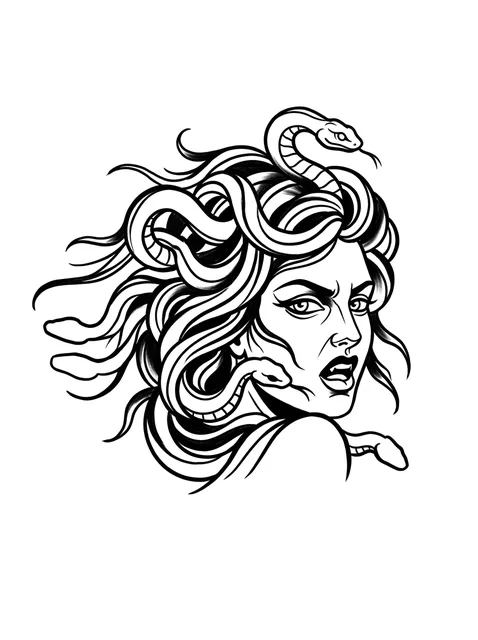
Black and grey neo traditional medusa and snake tattoo design Try it on — Black and grey neo traditional medusa and snake tattoo design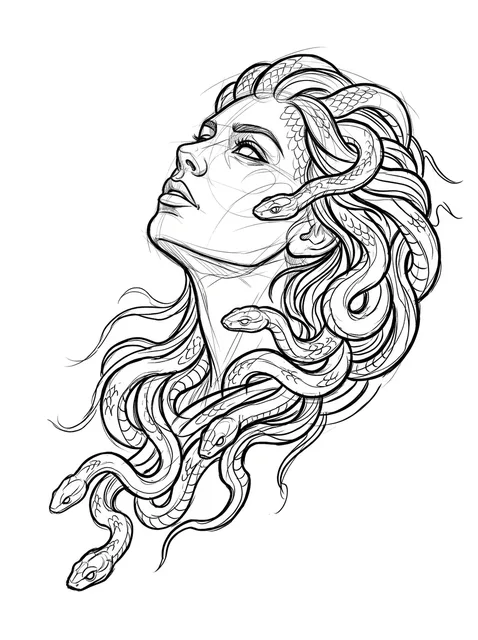
Black and grey illustrative medusa and woman portrait tattoo design Try it on — Black and grey illustrative medusa and woman portrait tattoo design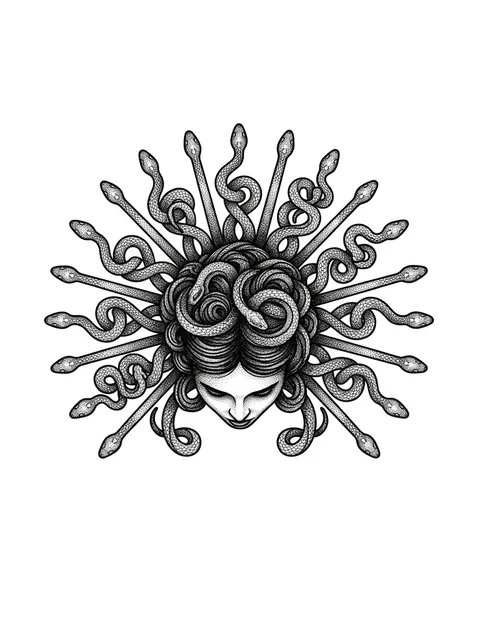
Black and grey dotwork medusa and snake tattoo design Try it on — Black and grey dotwork medusa and snake tattoo design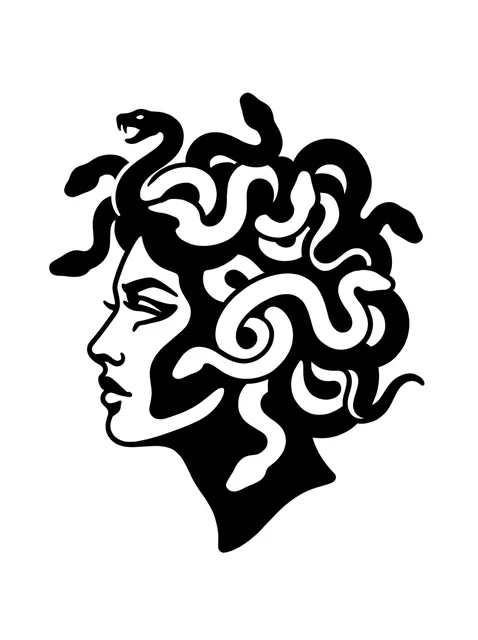
Black and white blackwork medusa and snake tattoo design Try it on — Black and white blackwork medusa and snake tattoo design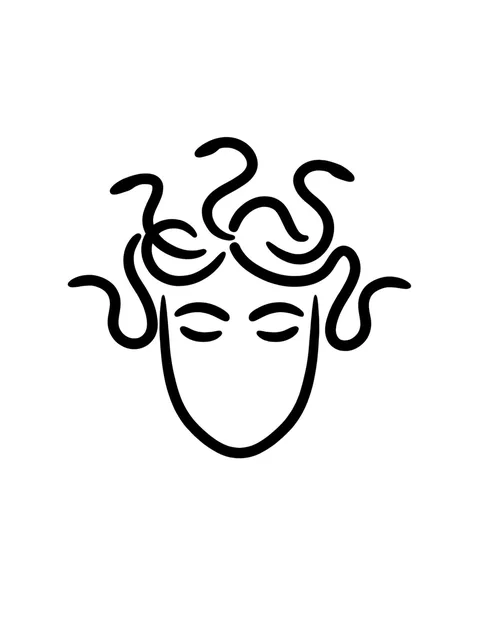
Black and white minimalist medusa and snake tattoo design, outline stencil: the head of Medusa Try it on — Black and white minimalist medusa and snake tattoo design, outline stencil: the head of Medusa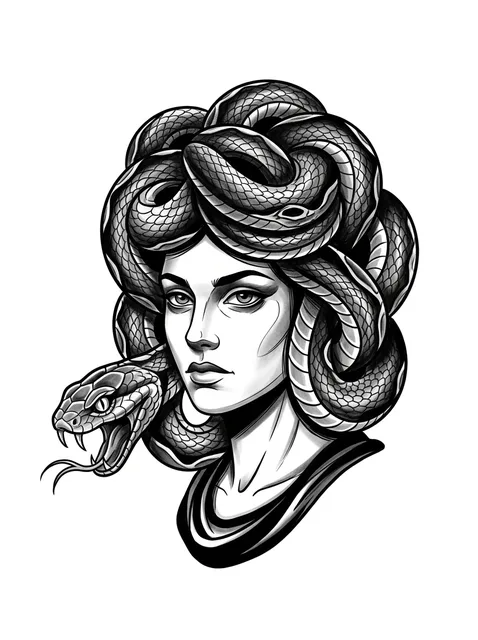
Black and grey neo traditional medusa and snake tattoo design Try it on — Black and grey neo traditional medusa and snake tattoo design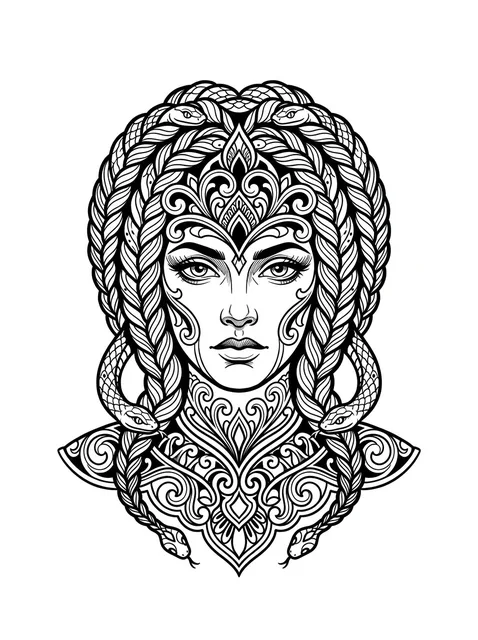
Black and grey illustrative medusa and snake tattoo design: a woman's face Try it on — Black and grey illustrative medusa and snake tattoo design: a woman's face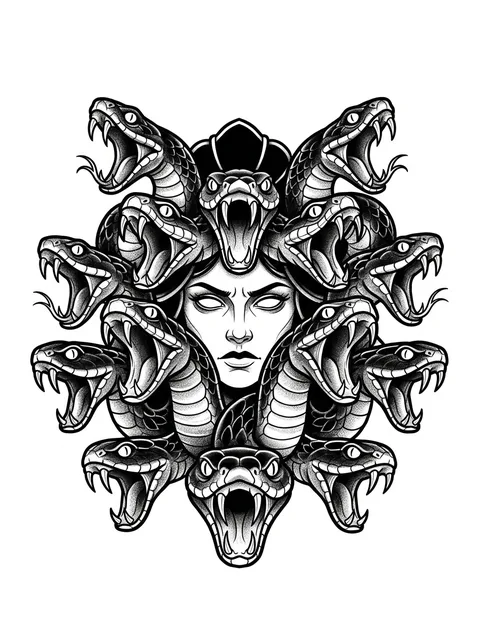
Black and grey neo traditional medusa and snake tattoo design Try it on — Black and grey neo traditional medusa and snake tattoo design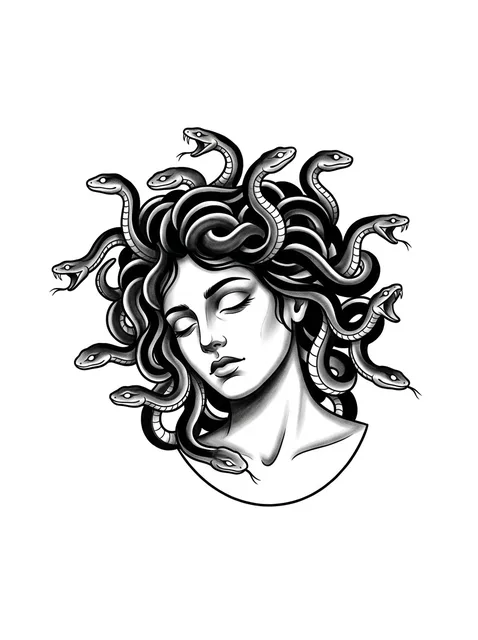
Black and grey neo traditional medusa and snake tattoo design Try it on — Black and grey neo traditional medusa and snake tattoo design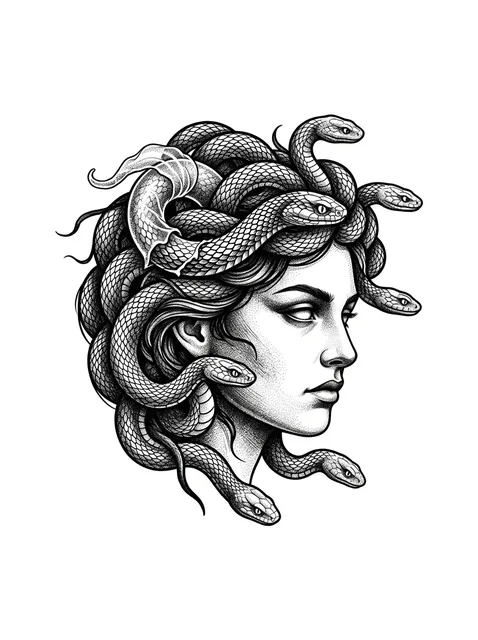
Black and grey illustrative medusa and snake tattoo design Try it on — Black and grey illustrative medusa and snake tattoo design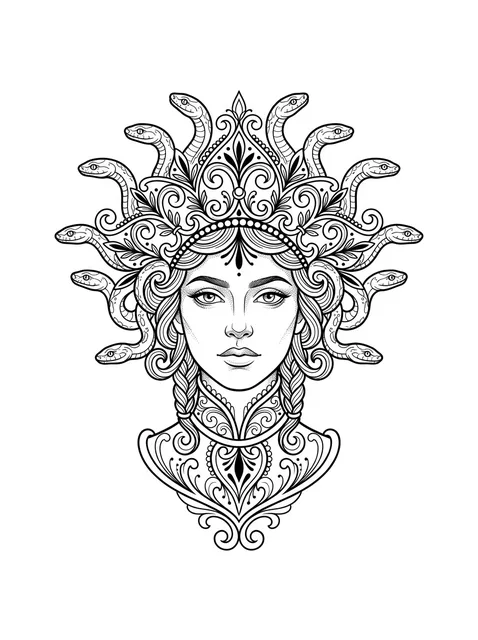
Black and grey illustrative medusa and snake tattoo design Try it on — Black and grey illustrative medusa and snake tattoo design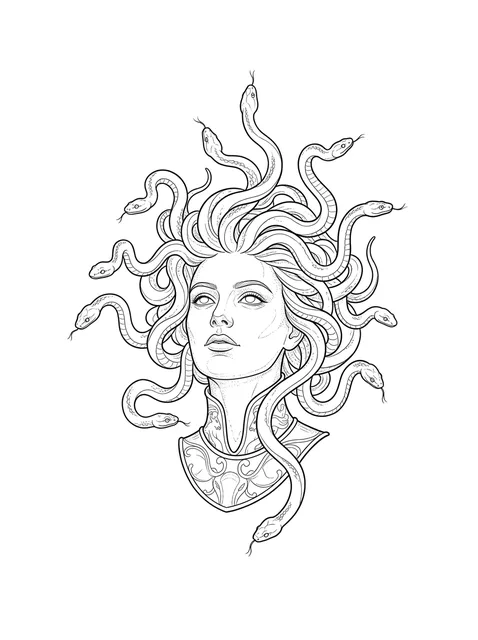
Black and white linework medusa and snake tattoo design, outline stencil Try it on — Black and white linework medusa and snake tattoo design, outline stencil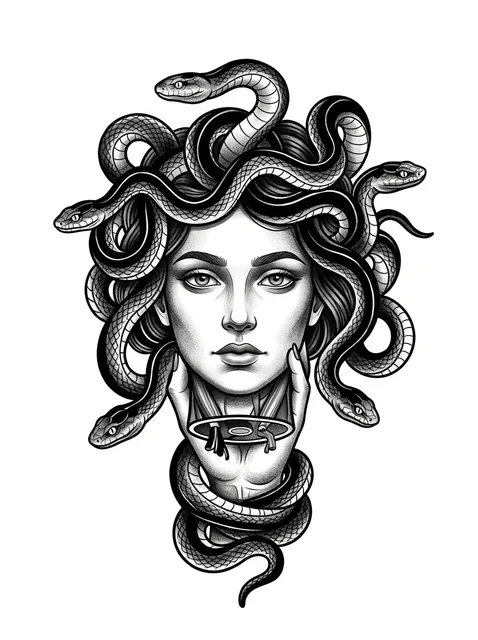
Black and grey illustrative medusa and snake tattoo design: a woman's face Try it on — Black and grey illustrative medusa and snake tattoo design: a woman's face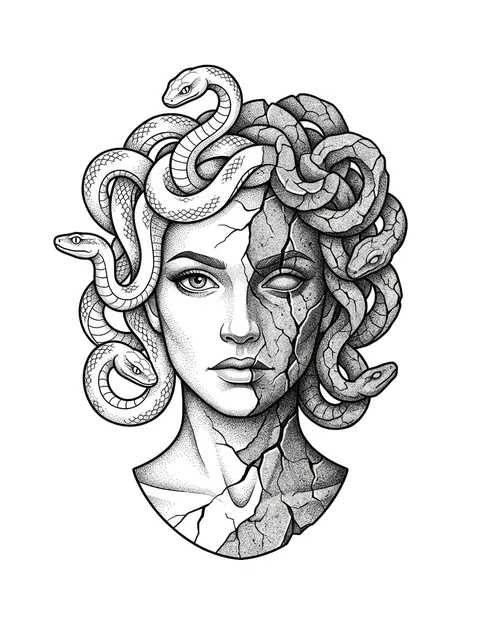
Black and grey dotwork medusa and snake tattoo design Try it on — Black and grey dotwork medusa and snake tattoo design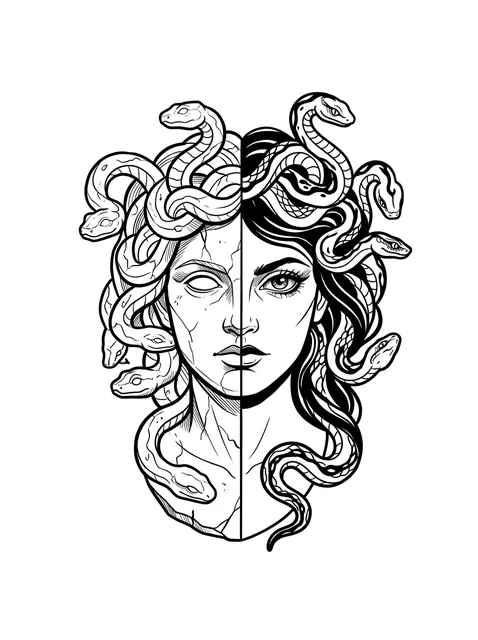
Black and white illustrative medusa and snake tattoo design: a split Medusa head Try it on — Black and white illustrative medusa and snake tattoo design: a split Medusa head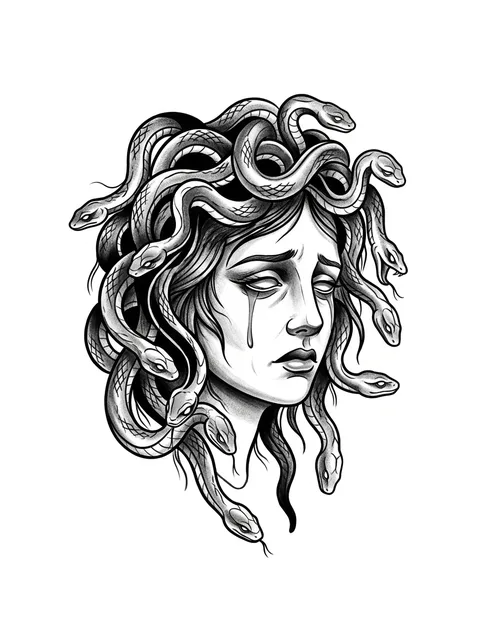
Black and grey neo traditional medusa and snake tattoo design Try it on — Black and grey neo traditional medusa and snake tattoo design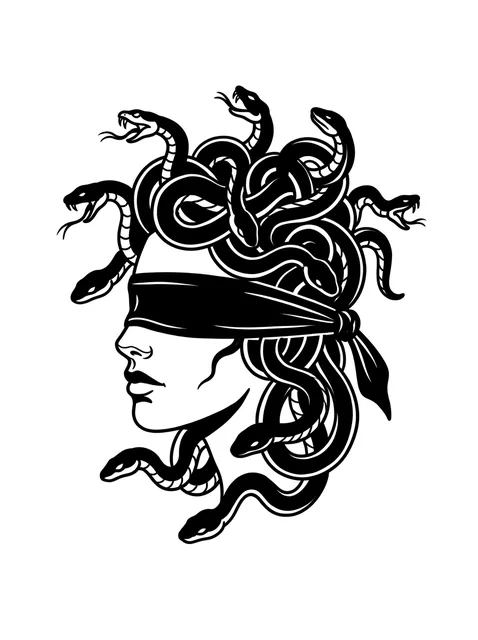
Black and white blackwork medusa and snake tattoo design Try it on — Black and white blackwork medusa and snake tattoo design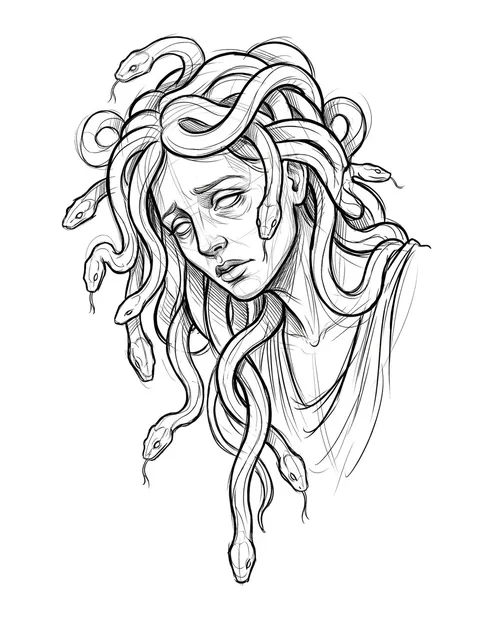
Black and grey illustrative medusa and snake tattoo design Try it on — Black and grey illustrative medusa and snake tattoo design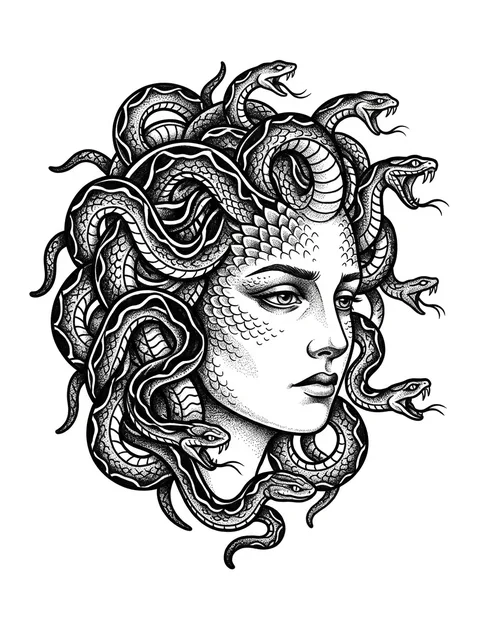
Black and white illustrative medusa and snake tattoo design Try it on — Black and white illustrative medusa and snake tattoo design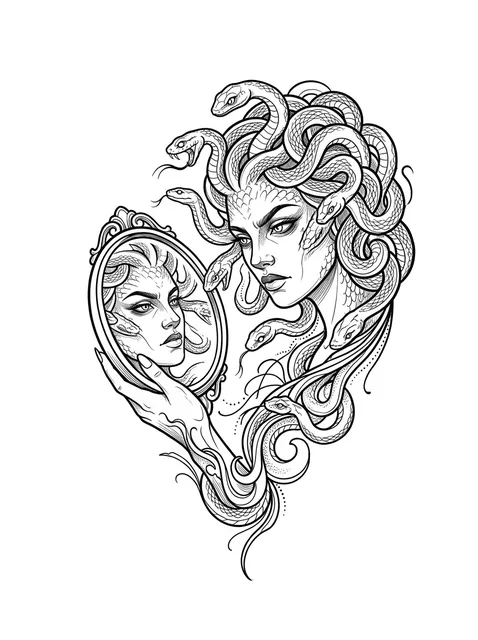
Black and grey illustrative medusa and snake tattoo design Try it on — Black and grey illustrative medusa and snake tattoo design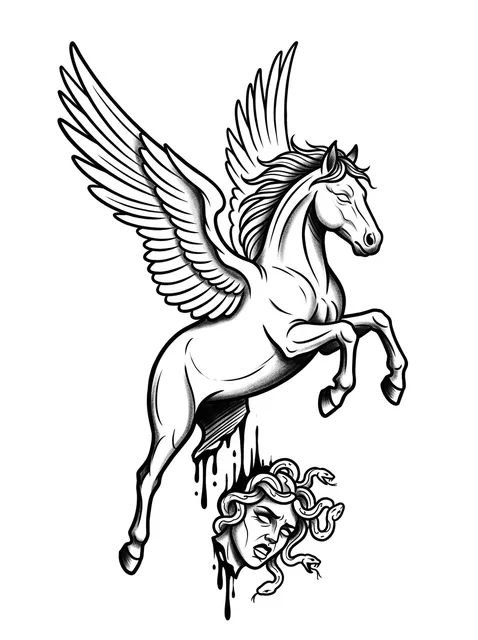
Black and grey neo traditional medusa and horse tattoo design Try it on — Black and grey neo traditional medusa and horse tattoo design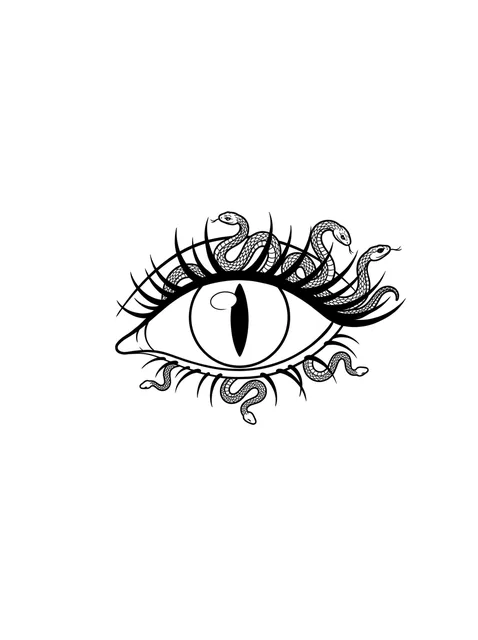
Black and grey illustrative medusa and eye tattoo design Try it on — Black and grey illustrative medusa and eye tattoo design


Tap any design to see it on your own skin in the try-on — no signup.
This set of 30 medusa designs, by the numbers
- Styles represented
- illustrative (12), neo traditional (7), blackwork (4), dotwork (3), traditional (1), geometric (1)
- Black-and-grey vs colour
- 100% black-and-grey, 0% colour
- Most often drawn with
- snake, woman portrait, hand, horse
Counted from the 30 designs shown on this page. Every one was drawn for InkCraft — none are scraped or reposted. Free to reference with a link to this page.
What a medusa tattoo means
Medusa has been read two opposite ways and both are live. The older reading is the one the Greeks used: a face so terrible it stops anyone who sees it, carved onto shields and doorways to turn harm away. That is a protective charm, not a portrait, and it is why the earliest versions are deliberately ugly, with bulging eyes, a broad grin and tusks. Nobody wore that face to be beautiful.
The reading that dominates now is close to its reverse. In Ovid she is a woman punished for something done to her, and the snakes are the sentence rather than her nature. Worn that way a Medusa marks surviving an assault and refusing to carry the shame for it, keeping the weapon the punishment gave her. If that is what you mean, say so to the artist, because it changes the face: less snarl, more composure.
The snakes carry their own meaning underneath either reading. A serpent sheds and continues, so a head of them is renewal repeated without end, which is why a Medusa reads as someone who has been through several versions of themselves and is still here.
Where the design comes from
She is the most-drawn mythological face in tattooing, and she began as a gorgoneion: a face alone, frontal and symmetrical, stamped on shields, coins and roof tiles across the archaic Greek world as a device for turning harm away. Only later did she acquire a body, a name and a story, and later still, through Caravaggio and then Cellini in bronze, the severed head that fixed her in Western art as something defeated. Tattooing inherited the defeated version and has spent the last decade undoing it.
Choosing yours
- Decide the expression before the style. Eyes open and level read as threat; eyes cast down or closed read as grief or restraint; the archaic grin reads as a charm rather than a person. Artists draw whichever you ask for and will not guess, and it is the single decision that changes the piece most.
- Count the snakes. Many small snakes need size to stay legible, because thin parallel coils are the first thing to close up as ink spreads. Few large snakes hold at half the scale, and are the better choice anywhere under about 12 cm.
Size, cost and placement
How big, and what it costs
A detailed Medusa is a half-day piece once the snakes are shaded, and most sit between 12 and 20 cm. A cropped composition, the eyes alone or a small knot of snakes, is a one-to-two-hour sitting at a fraction of the cost, and it survives small far better than a full face.
Where it sits, and how much it hurts
The outer upper arm, the forearm and the calf all take a face at the size it needs and age slowly. A symmetrical frontal Medusa wants a flat symmetric field, the centre of the chest or the spine, because a mirrored design on a curved surface lands lopsided however well it was drawn.
What to ask your artist
- Whether the expression is threatening, calm or grieving. They will draw what you ask and will not assume.
- How many snakes, and how thick. Many thin ones look best on the day and worst in fifteen years.
- For a symmetrical frontal design, whether the placement is genuinely flat enough to hold the symmetry.
Prices vary widely by city and artist — treat these as session lengths rather than quotes, and expect a shop minimum on anything small. The cost guide turns hours into money by size, placement and style.
Common questions
What does a Medusa tattoo mean?
Two readings run at once. The ancient one is protective: a face terrible enough to turn harm away, which is why it was put on shields. The modern one, far more common now, marks surviving an assault and refusing the shame for it. Both are correct, and the expression you choose is what tells people which you mean.
Is a Medusa tattoo about being a survivor?
For a large share of the people wearing one, yes. It comes from Ovid, where she is punished for something done to her rather than for anything she did. Nobody will assume it about you, though, so it stays a private reading unless you say otherwise.
What size holds up for a face made of snakes?
Around 12 cm and up for a face with many snakes, because thin coils and fine features close as ink spreads. A design built from few large snakes, or a cropped composition showing only the eyes, holds down to 6 or 7 cm.
Does a Medusa tattoo have to look frightening?
No, and most modern ones do not. A calm or downcast Medusa is now asked for more often than a snarling one. The archaic grinning version is the frightening one, and choosing it is a deliberate decision rather than the default.
What a medusa tattoo can mean
The meanings this motif carries on the pages that argue them. Each line is that page's own reason for including it.
- Greek mythology tattoos
- The most-worn figure in Greek myth and the one whose meaning has moved furthest: from monster to survivor, on the strength of Ovid's version where she is punished for what was done to her. The snakes must be individually drawn or she is simply a woman with unusual hair.
See it on your skin before you commit
InkCraft places any of these designs on a photo of you — scaled, wrapped and shaded to the placement you pick.