 InkCraft
Deer and Stag Tattoo Ideas, Designs and Meaning
26 original deer designs drawn for InkCraftBy Uladzimir TumanauUpdated
Antlers are the subject and the trap at once. They are thin branching lines, which is the first structure to close up as ink spreads, so the spacing decides whether the piece survives.
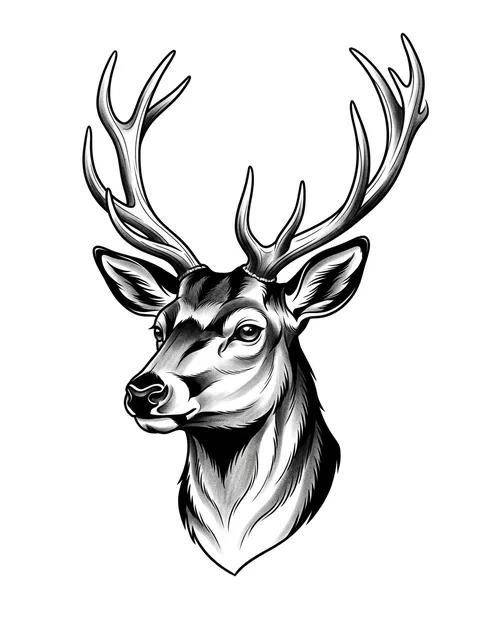
Black and grey illustrative deer tattoo design: the head of a deer Try it on — Black and grey illustrative deer tattoo design: the head of a deer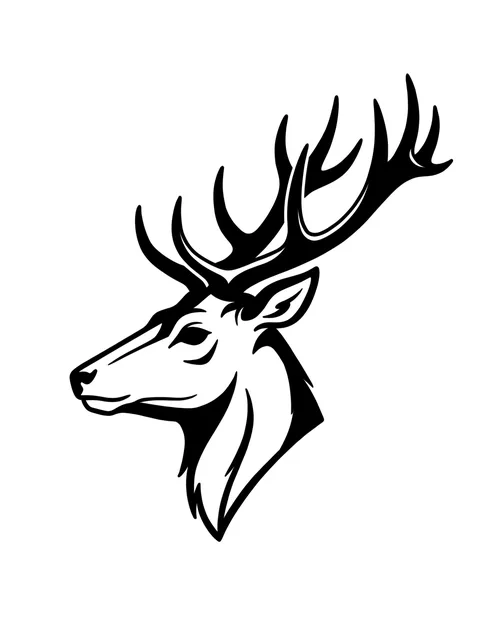
Black and white blackwork deer tattoo design: the head of a deer in profile Try it on — Black and white blackwork deer tattoo design: the head of a deer in profile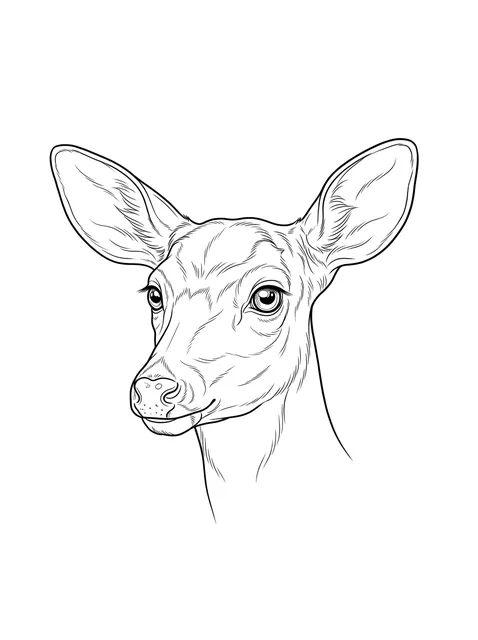
Black and grey illustrative deer tattoo design: the head of a deer Try it on — Black and grey illustrative deer tattoo design: the head of a deer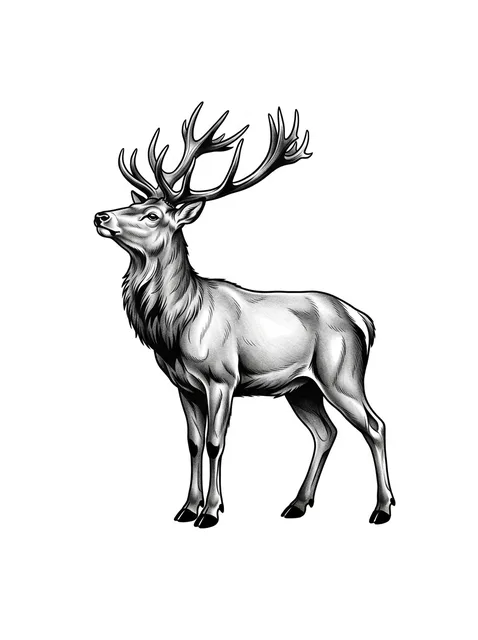
Black and grey illustrative deer tattoo design Try it on — Black and grey illustrative deer tattoo design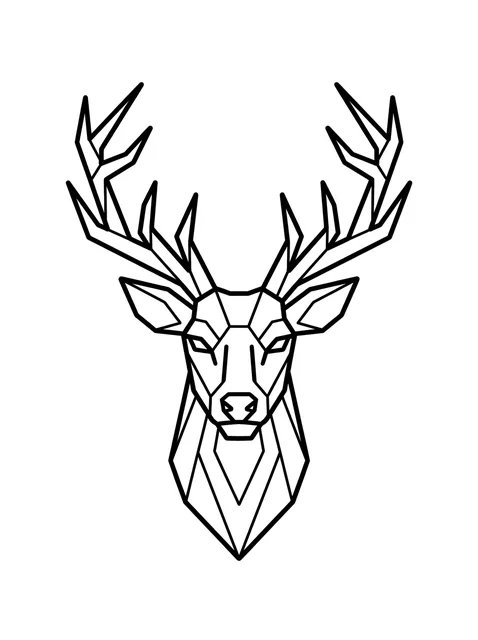
Black and white geometric deer tattoo design, outline stencil Try it on — Black and white geometric deer tattoo design, outline stencil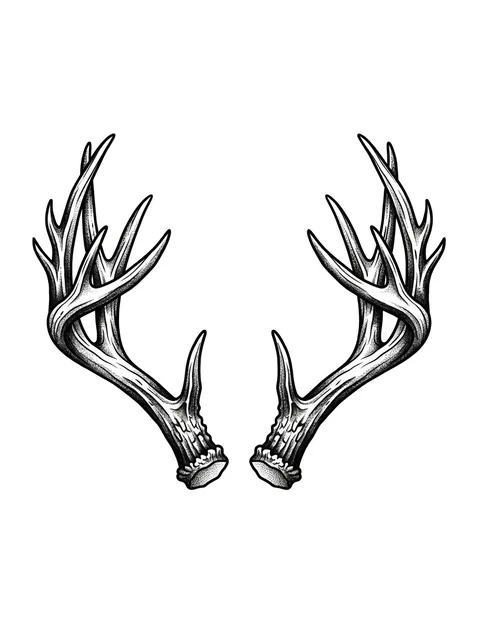
Black and grey dotwork deer tattoo design Try it on — Black and grey dotwork deer tattoo design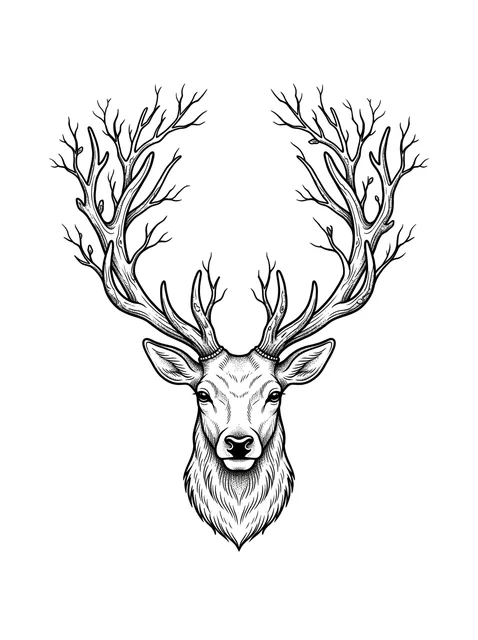
Black and white illustrative deer tattoo design Try it on — Black and white illustrative deer tattoo design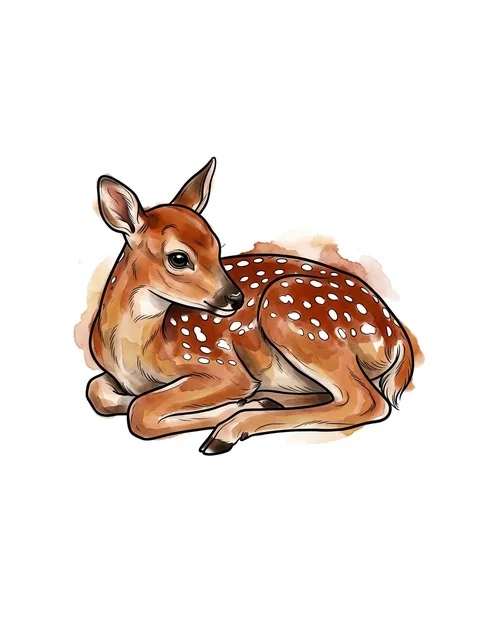
Color watercolor deer tattoo design Try it on — Color watercolor deer tattoo design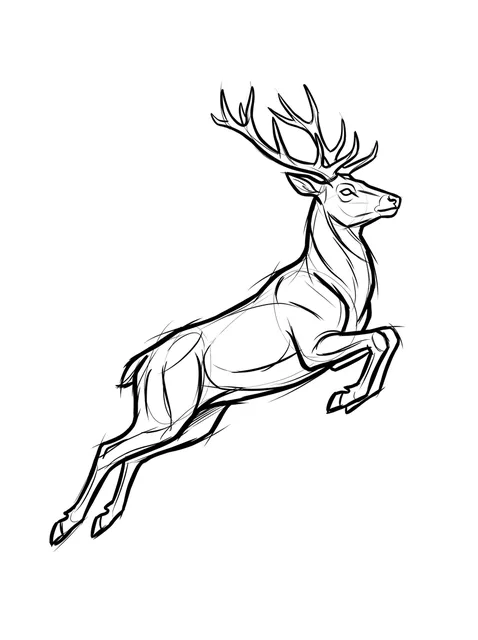
Black and grey sketch deer tattoo design: a leaping deer Try it on — Black and grey sketch deer tattoo design: a leaping deer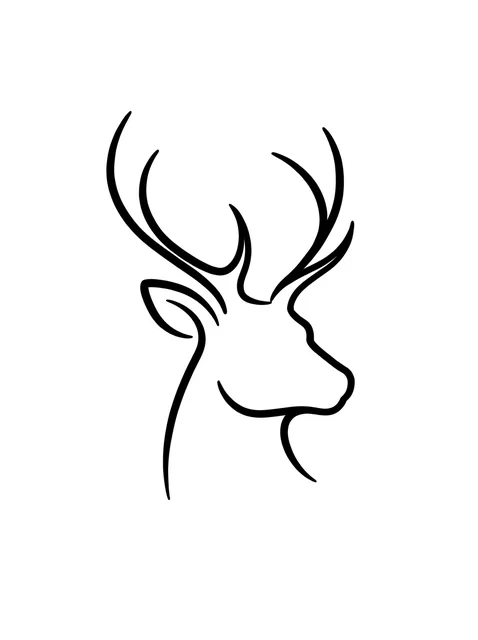
Black and white linework deer tattoo design, outline stencil Try it on — Black and white linework deer tattoo design, outline stencil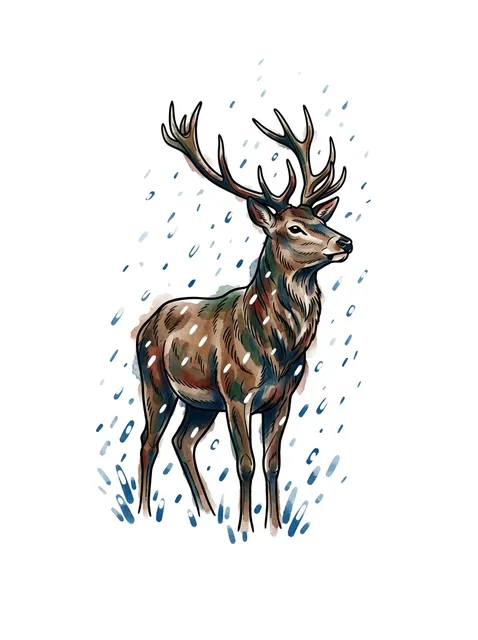
Color illustrative deer tattoo design: a majestic deer with large antlers Try it on — Color illustrative deer tattoo design: a majestic deer with large antlers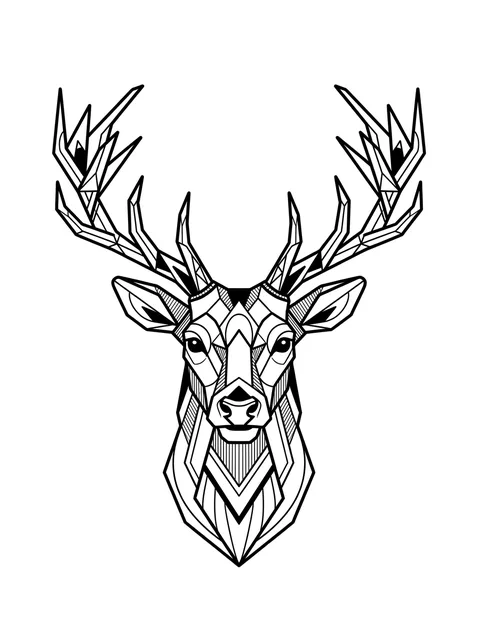
Black and white geometric deer tattoo design, outline stencil Try it on — Black and white geometric deer tattoo design, outline stencil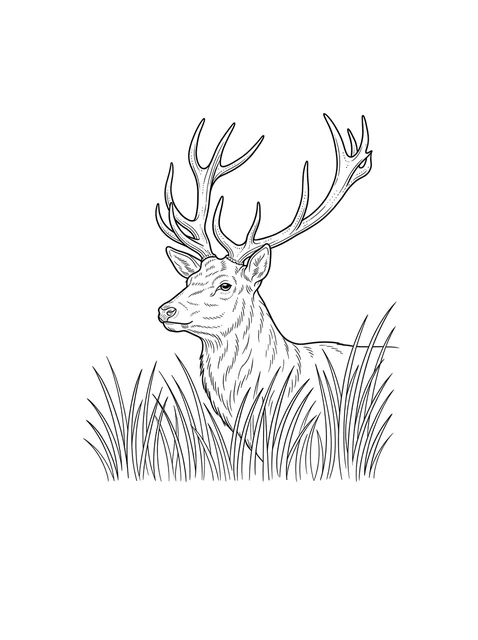
Black and white illustrative deer tattoo design Try it on — Black and white illustrative deer tattoo design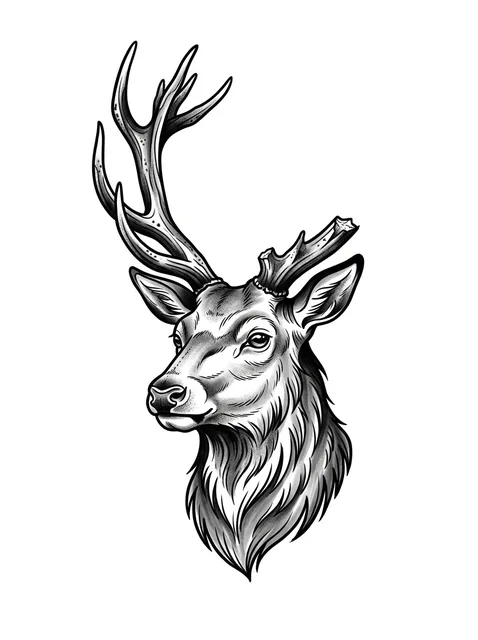
Black and grey illustrative deer tattoo design: the head of a deer with prominent antlers Try it on — Black and grey illustrative deer tattoo design: the head of a deer with prominent antlers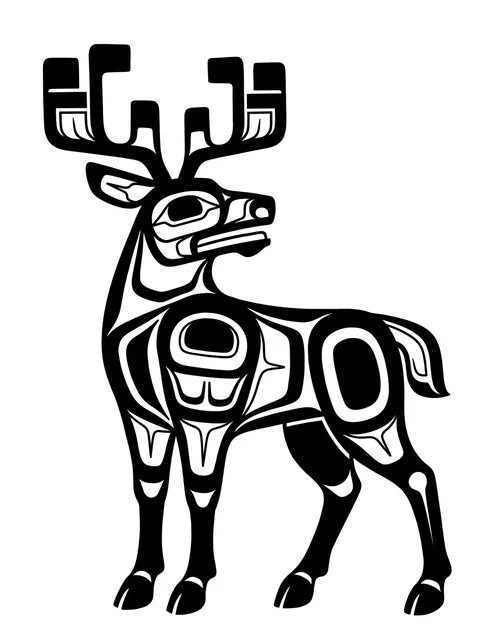
Black and white tribal deer tattoo design Try it on — Black and white tribal deer tattoo design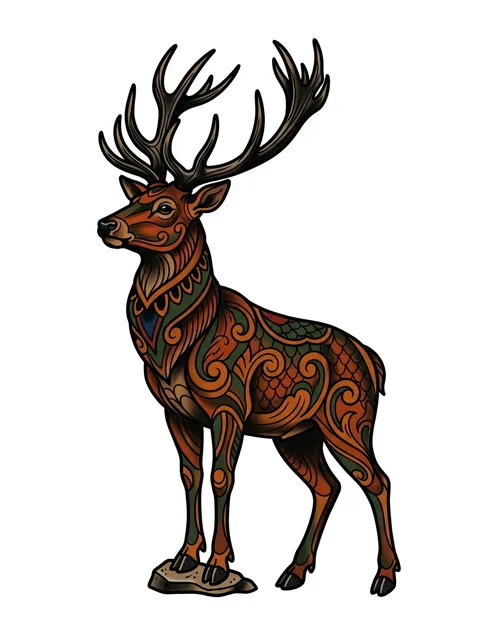
Color neo traditional deer tattoo design: a majestic deer Try it on — Color neo traditional deer tattoo design: a majestic deer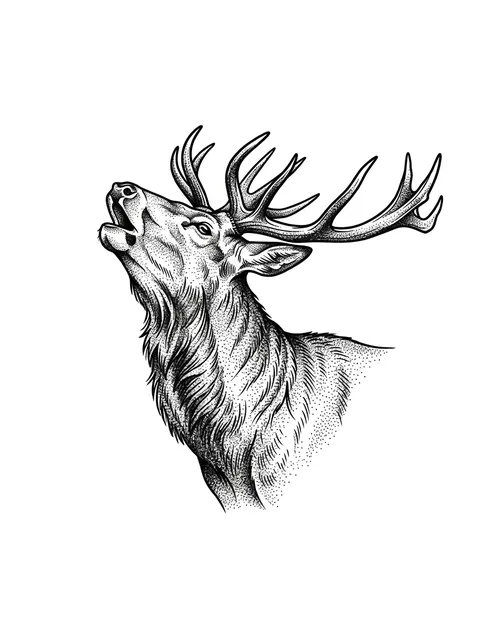
Black and white dotwork deer tattoo design: a roaring deer with impressive antlers Try it on — Black and white dotwork deer tattoo design: a roaring deer with impressive antlers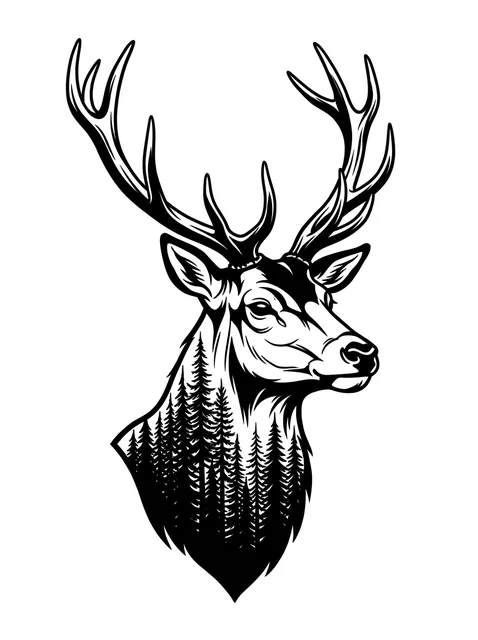
Black and white illustrative deer and tree tattoo design: the head of a deer with prominent antlers Try it on — Black and white illustrative deer and tree tattoo design: the head of a deer with prominent antlers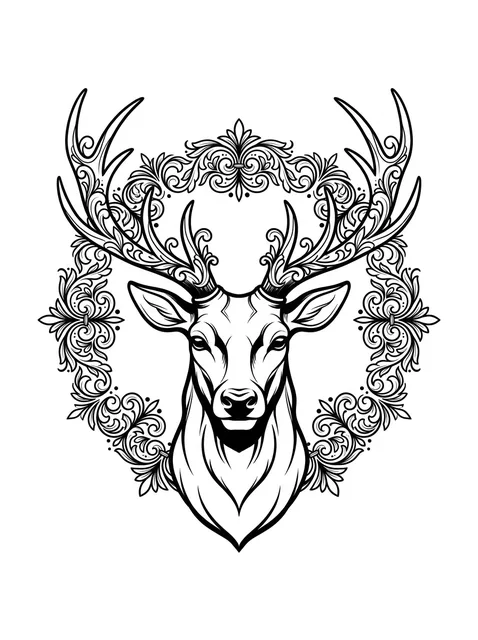
Black and white illustrative deer and leaf tattoo design Try it on — Black and white illustrative deer and leaf tattoo design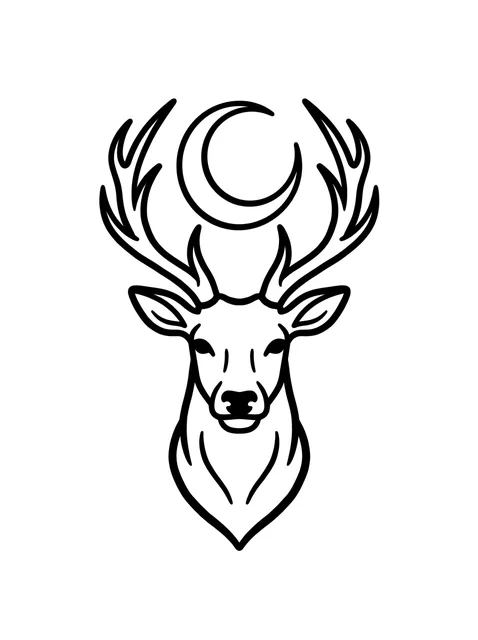
Black and white linework deer and moon tattoo design, outline stencil Try it on — Black and white linework deer and moon tattoo design, outline stencil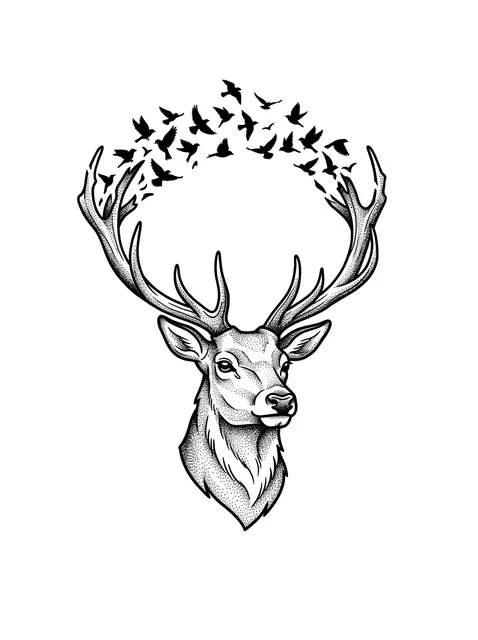
Black and grey dotwork deer and bird tattoo design: a deer head with large antlers Try it on — Black and grey dotwork deer and bird tattoo design: a deer head with large antlers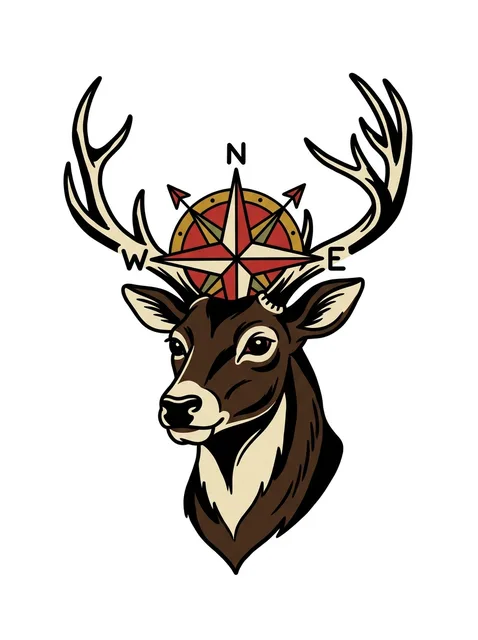
Color traditional deer and compass tattoo design Try it on — Color traditional deer and compass tattoo design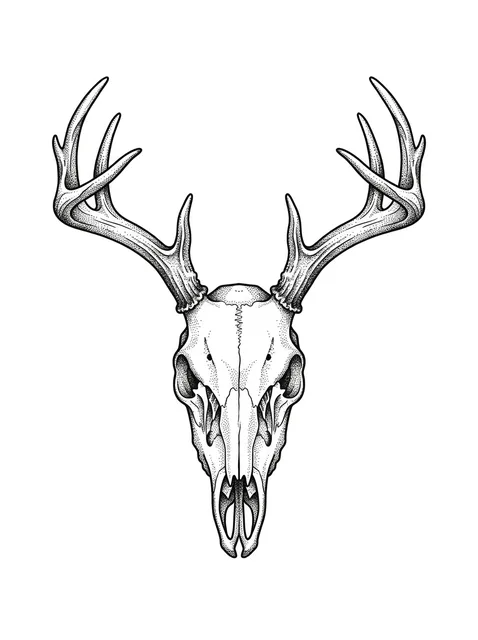
Black and grey dotwork deer and skull tattoo design: a deer skull with prominent antlers Try it on — Black and grey dotwork deer and skull tattoo design: a deer skull with prominent antlers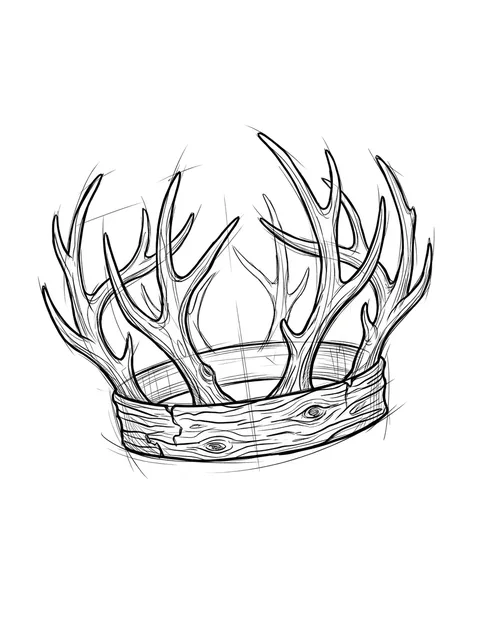
Black and grey sketch deer and crown tattoo design Try it on — Black and grey sketch deer and crown tattoo design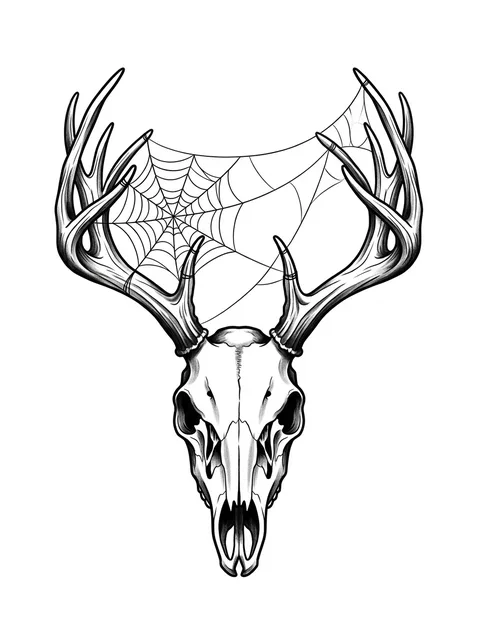
Black and grey illustrative deer and skull tattoo design Try it on — Black and grey illustrative deer and skull tattoo design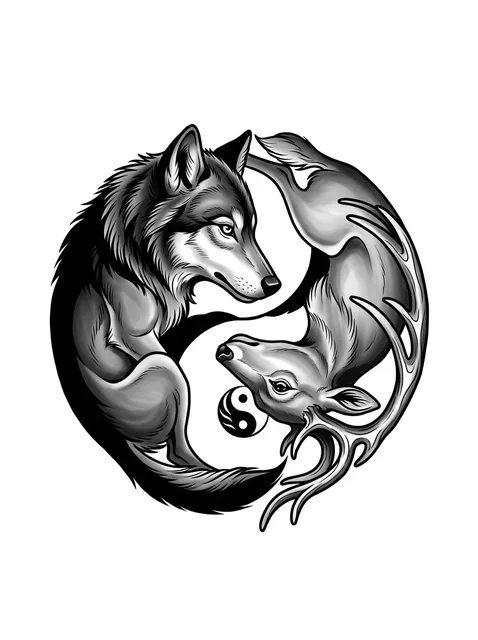
Black and grey illustrative deer and wolf tattoo design Try it on — Black and grey illustrative deer and wolf tattoo design


Tap any design to see it on your own skin in the try-on — no signup.
This set of 26 deer designs, by the numbers
- Styles represented
- illustrative (11), dotwork (4), geometric (2), sketch (2), linework (2), blackwork (1)
- Black-and-grey vs colour
- 85% black-and-grey, 15% colour
- Most often drawn with
- skull, tree, leaf, moon
Counted from the 26 designs shown on this page. Every one was drawn for InkCraft — none are scraped or reposted. Free to reference with a link to this page.
What a deer tattoo means
A stag is the animal of renewal through loss. Antlers are shed every year and regrown larger, which no other common tattoo animal does, and that is the reading underneath almost every stag piece whether the wearer names it or not.
The antlers are where a deer piece is won or lost. A real rack is asymmetric — the two sides never match, and the tines vary in number and length between them — while almost every drawn stag is given a mirrored pair because it looks tidier on the stencil. Working from a photograph of an actual animal rather than from other tattoos is the single change that stops a stag reading as heraldry.
It also carries watchfulness rather than power. A deer survives by noticing, not by fighting, so the alert posture with the head raised says something different from a predator at rest. That makes it a quieter choice than a wolf or a bear for much the same territory.
The doe is a separate subject and an underused one. Without antlers the animal loses the branching structure entirely and becomes about the face and the ears, which reads as vigilance and gentleness together rather than as strength.
Where the design comes from
Stags appear in Celtic and Norse metalwork, in medieval European heraldry and in Pacific Northwest formline work, three traditions that arrived at the same animal independently. Tattooing borrowed the heraldic silhouette first and the realistic head much later, which is why a traditional stag looks stylised and a modern one looks photographic.
Choosing yours
- Antler spacing is the whole engineering problem. Lines that sit 1 mm apart today will meet in twenty years, so either widen the gaps beyond what looks right or choose a faceted or silhouette treatment that has no thin branching at all.
- Decide between a head and a full animal early. A head reads at any distance and suits a small field; a full stag needs a long one and is the only version where posture can say anything.
Size, cost and placement
How big, and what it costs
A head with full antlers is a three-to-four-hour sitting at 12 cm or more. A silhouette carrying a landscape inside it is quicker and holds smaller. A full standing animal is a large piece and should be planned as one.
Where it sits, and how much it hurts
The outer upper arm, the thigh and the centre of the back all take the antler spread at the size it needs. Avoid narrow fields: antlers are wider than they are tall, and squeezing them into a limb is what forces the spacing too tight.
What to ask your artist
- How far apart the antler branches will sit, and whether they will still separate in twenty years.
- Whether the field is wide enough for the rack, or whether the design is being compressed to fit.
- If a faceted or silhouette treatment would hold up better at the size you want.
Prices vary widely by city and artist — treat these as session lengths rather than quotes, and expect a shop minimum on anything small. The cost guide turns hours into money by size, placement and style.
Common questions
What does a stag tattoo mean?
Renewal through loss. Antlers are shed every year and regrown larger, which no other common tattoo animal does. Underneath that it carries watchfulness rather than power, since a deer survives by noticing rather than by fighting.
Why do antlers age badly?
Because they are thin branching lines, which is exactly what ink spread destroys first. Gaps of a millimetre today will close within twenty years. Widen the spacing beyond what looks right, or choose a faceted treatment with no fine branches.
Is a doe different from a stag?
Completely, and it is underused. Without antlers the animal becomes about the face and the ears, which reads as vigilance and gentleness together rather than as strength. It is also far easier to age well.
What size does a stag head need?
Around 10 to 12 cm for a realistic one with full antlers. Below that the branches close toward one another and the rack turns into a mass. A silhouette or faceted version holds considerably smaller.
What a deer tattoo can mean
The meanings this motif carries on the pages that argue them. Each line is that page's own reason for including it.
- Peace tattoos
- The gentlest animal the corpus holds: a doe or a stag drawn still, often with a moon, is the peace tattoo for people who want an animal rather than a symbol.
See it on your skin before you commit
InkCraft places any of these designs on a photo of you — scaled, wrapped and shaded to the placement you pick.