 InkCraft
Hamsa, Claddagh and Other Hand Symbol Tattoos
41 original hand symbol designs drawn for InkCraftBy Uladzimir TumanauUpdated
Opens in your browser. No signup. Or tap any design below.
The hand as a picture rather than a placement: the hamsa, an eye in an open palm, two hands holding a heart. The gesture carries the meaning, so a palm turned outward, a closed fist and a pointing finger say three different things.
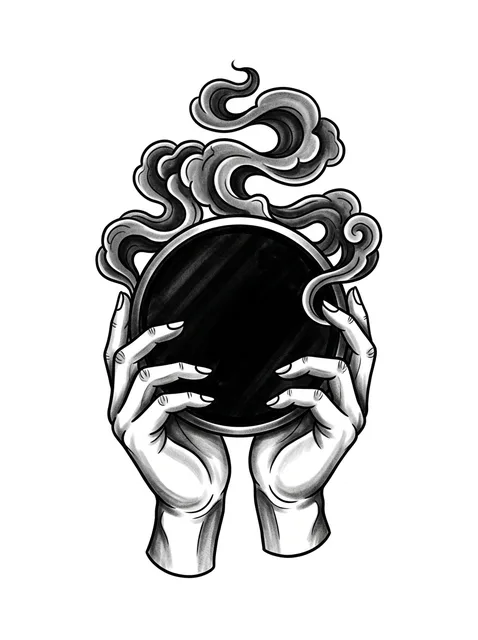
Black and grey neo traditional hand tattoo design Try it on — Black and grey neo traditional hand tattoo design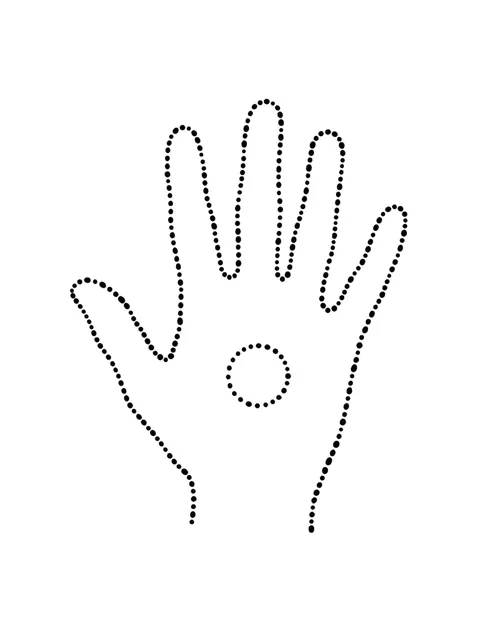
Black and grey stick and poke hand tattoo design: the outline of a human hand Try it on — Black and grey stick and poke hand tattoo design: the outline of a human hand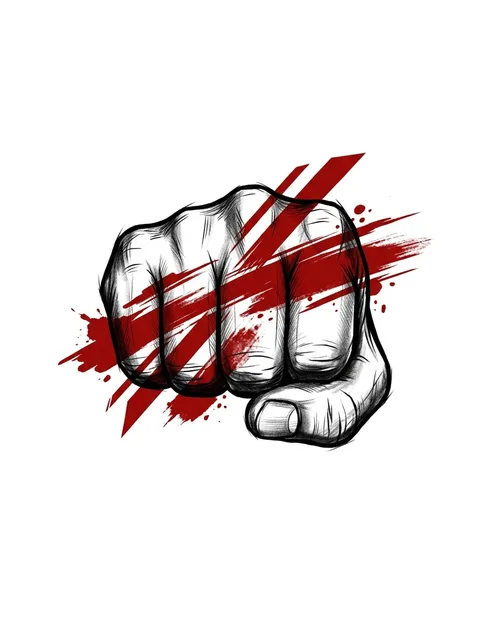
Color trash polka hand tattoo design: a clenched fist Try it on — Color trash polka hand tattoo design: a clenched fist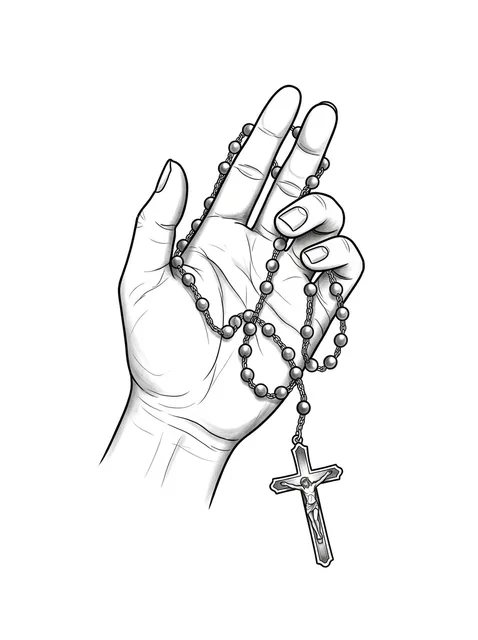
Black and grey chicano hand tattoo design Try it on — Black and grey chicano hand tattoo design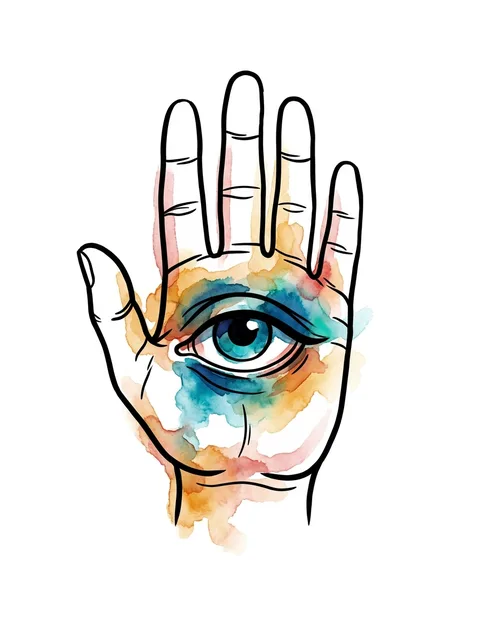
Color watercolor hand and eye tattoo design: an open hand with an eye in the palm Try it on — Color watercolor hand and eye tattoo design: an open hand with an eye in the palm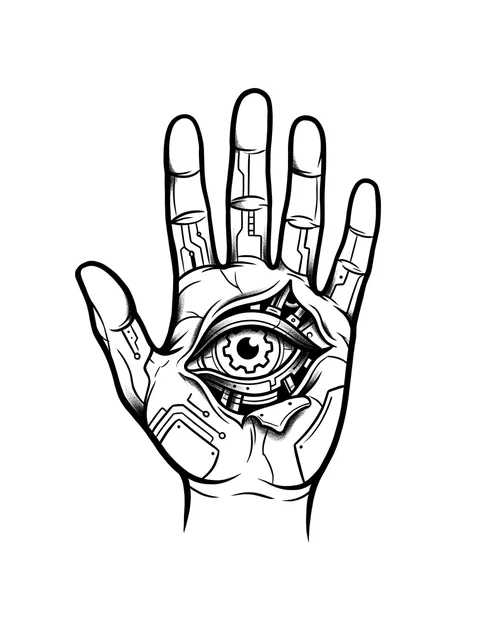
Black and white illustrative hand and eye tattoo design: a human hand Try it on — Black and white illustrative hand and eye tattoo design: a human hand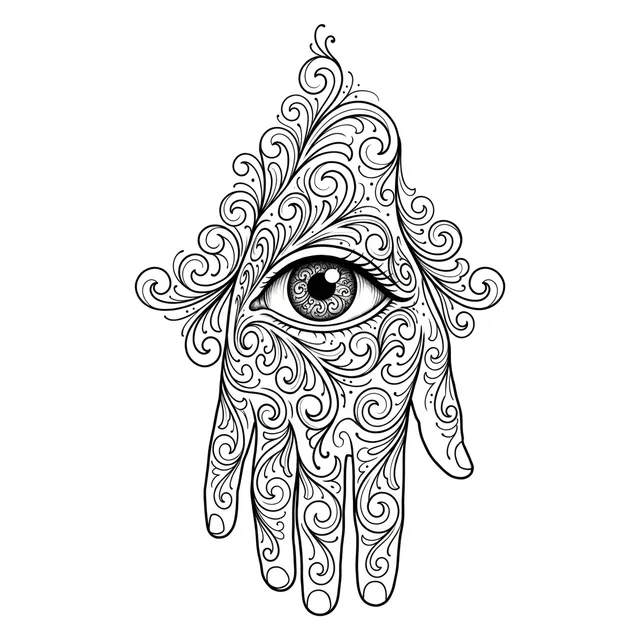
Black and white ornamental hand and eye tattoo design: a hamsa hand with an eye in the palm Try it on — Black and white ornamental hand and eye tattoo design: a hamsa hand with an eye in the palm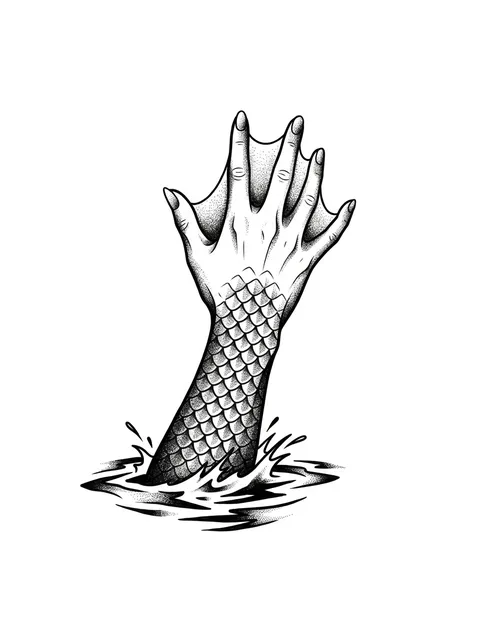
Black and grey dotwork hand and mermaid tattoo design: a mermaid's hand emerging from water Try it on — Black and grey dotwork hand and mermaid tattoo design: a mermaid's hand emerging from water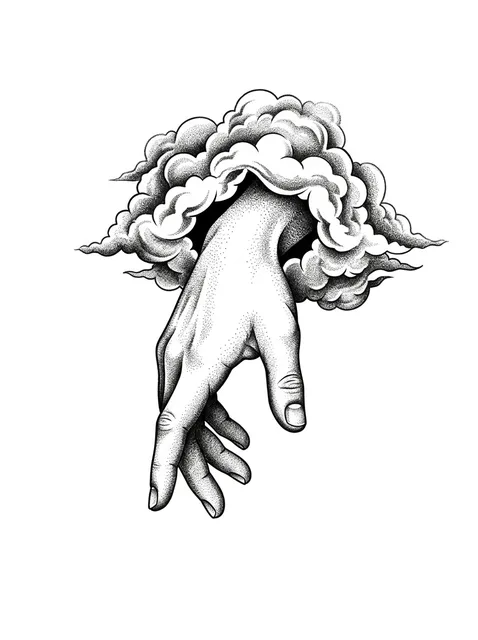
Black and grey dotwork hand and cloud tattoo design: a hand emerging from a swirling cloud formation Try it on — Black and grey dotwork hand and cloud tattoo design: a hand emerging from a swirling cloud formation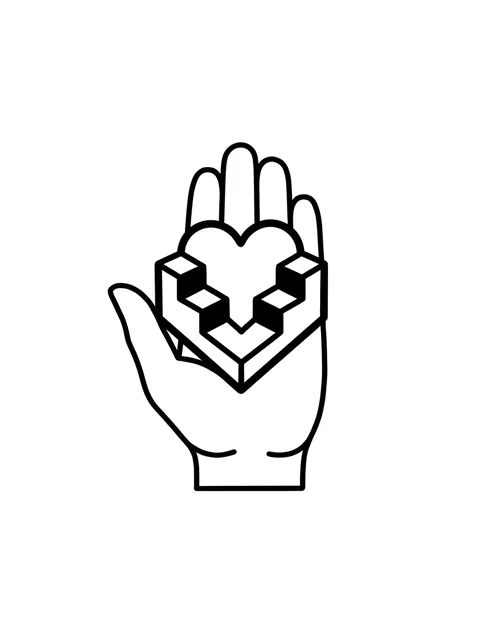
Black and white linework hand and heart tattoo design, outline stencil Try it on — Black and white linework hand and heart tattoo design, outline stencil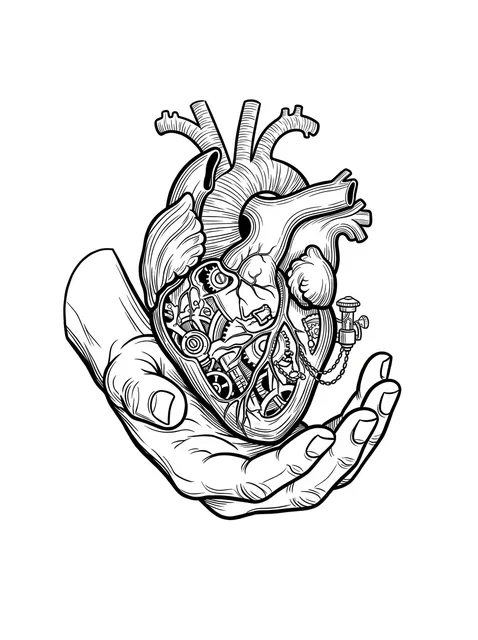
Black and grey illustrative heart and hand tattoo design: a human hand cradling an anatomical heart Try it on — Black and grey illustrative heart and hand tattoo design: a human hand cradling an anatomical heart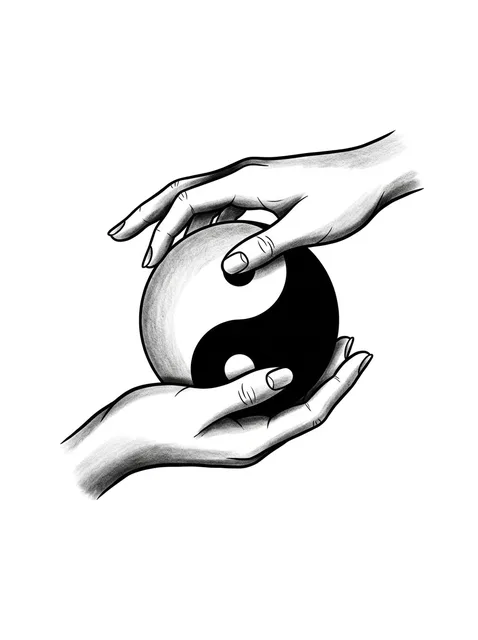
Black and grey illustrative yin yang and hand tattoo design Try it on — Black and grey illustrative yin yang and hand tattoo design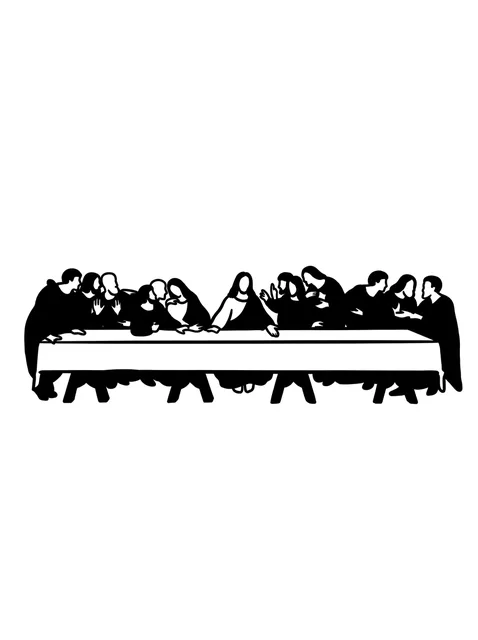
Black and white blackwork jesus and hand tattoo design: the Last Supper Try it on — Black and white blackwork jesus and hand tattoo design: the Last Supper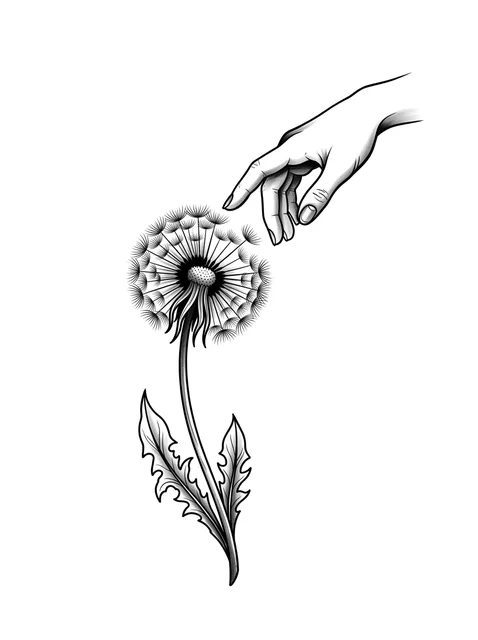
Black and grey illustrative dandelion and hand tattoo design: a delicate dandelion Try it on — Black and grey illustrative dandelion and hand tattoo design: a delicate dandelion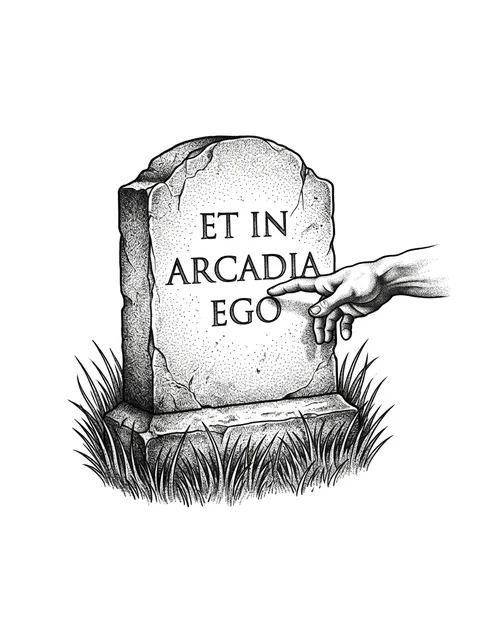
Black and white illustrative memento mori and hand tattoo design Try it on — Black and white illustrative memento mori and hand tattoo design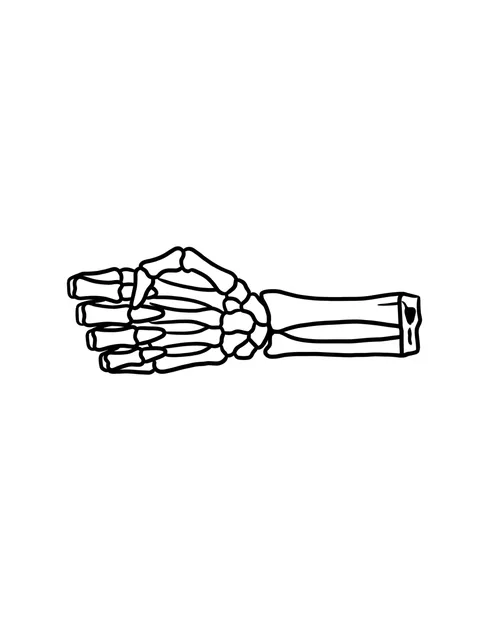
Black and white linework skeleton hand and hand tattoo design, outline stencil Try it on — Black and white linework skeleton hand and hand tattoo design, outline stencil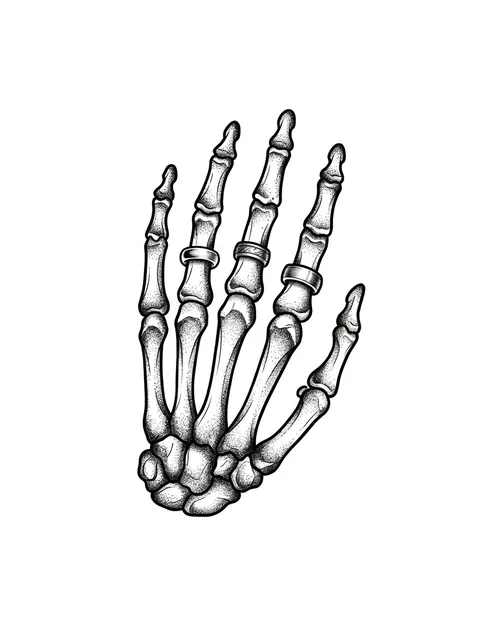
Black and grey dotwork skeleton hand and hand tattoo design Try it on — Black and grey dotwork skeleton hand and hand tattoo design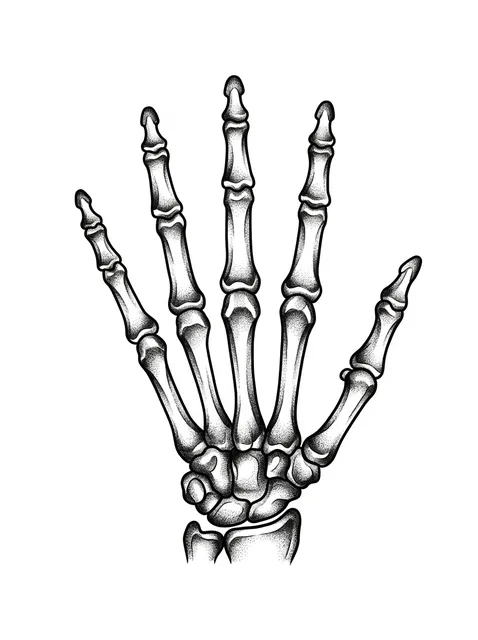
Black and grey dotwork skeleton hand and hand tattoo design: a skeleton hand Try it on — Black and grey dotwork skeleton hand and hand tattoo design: a skeleton hand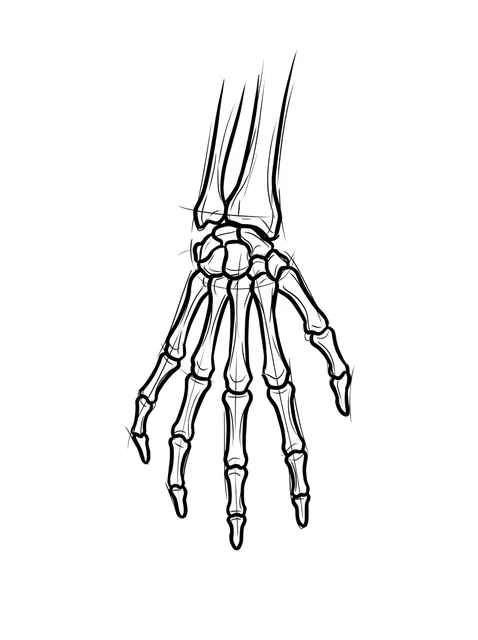
Black and grey sketch skeleton hand and hand tattoo design: a detailed skeleton hand and wrist Try it on — Black and grey sketch skeleton hand and hand tattoo design: a detailed skeleton hand and wrist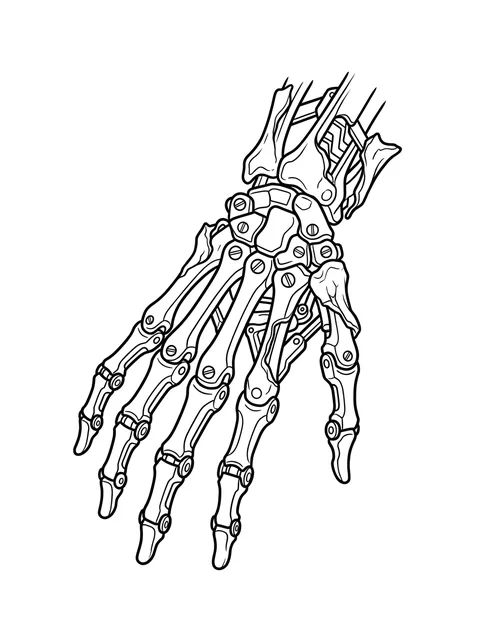
Black and grey biomechanical skeleton hand and hand tattoo design Try it on — Black and grey biomechanical skeleton hand and hand tattoo design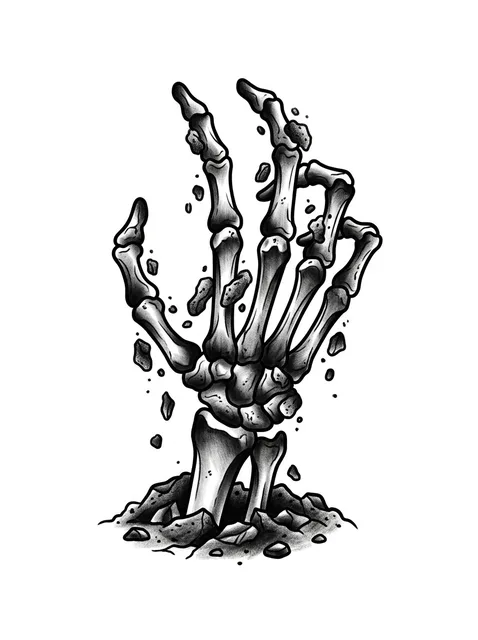
Black and grey illustrative skeleton hand and hand tattoo design Try it on — Black and grey illustrative skeleton hand and hand tattoo design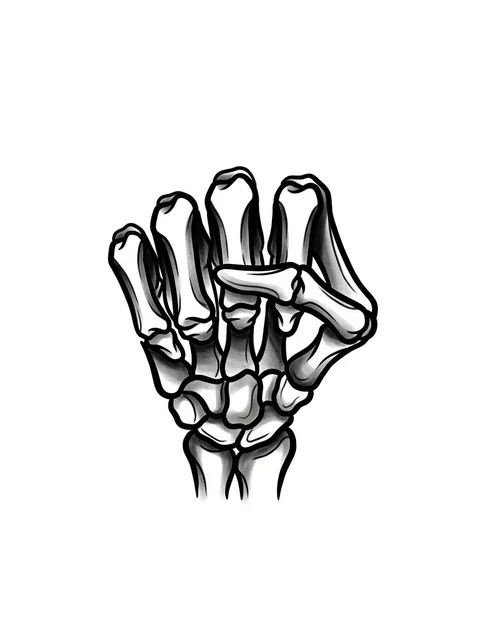
Black and grey illustrative skeleton hand and hand tattoo design: a skeleton hand in a fist Try it on — Black and grey illustrative skeleton hand and hand tattoo design: a skeleton hand in a fist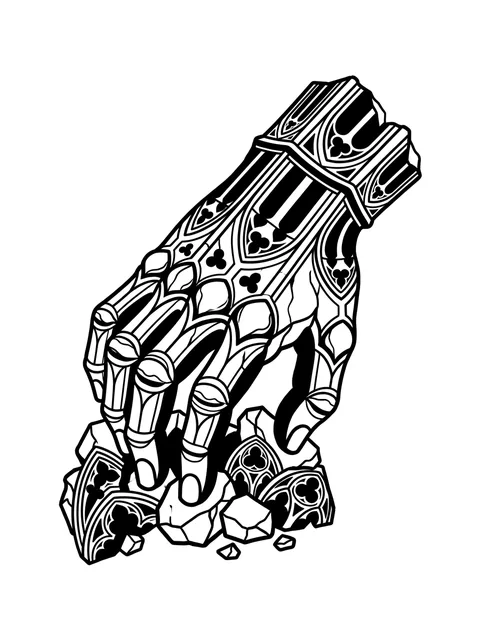
Black and grey gothic skeleton hand and hand tattoo design Try it on — Black and grey gothic skeleton hand and hand tattoo design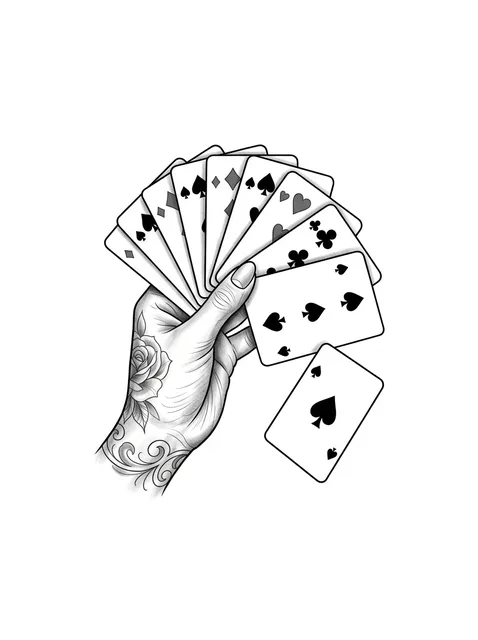
Black and grey chicano playing card and hand tattoo design Try it on — Black and grey chicano playing card and hand tattoo design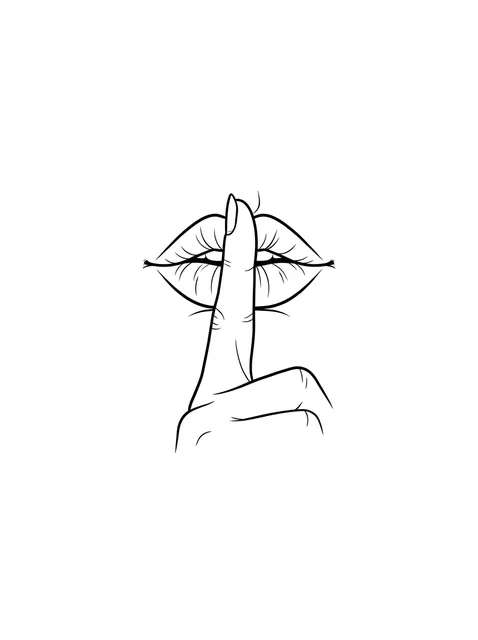
Black and white fine line lips and hand tattoo design, outline stencil: the hand curled below Try it on — Black and white fine line lips and hand tattoo design, outline stencil: the hand curled below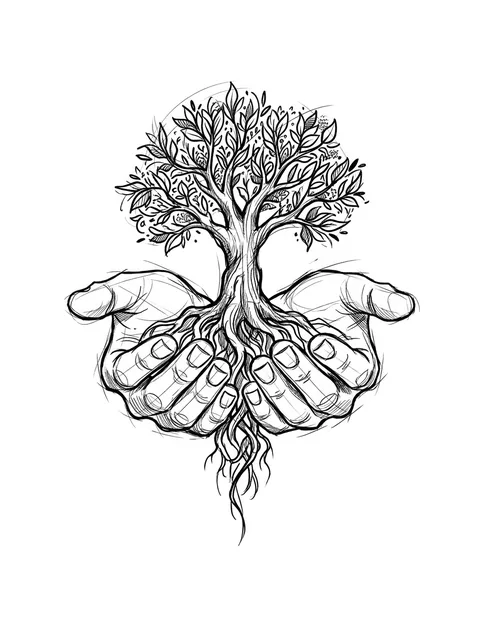
Black and grey sketch tree of life and hand tattoo design Try it on — Black and grey sketch tree of life and hand tattoo design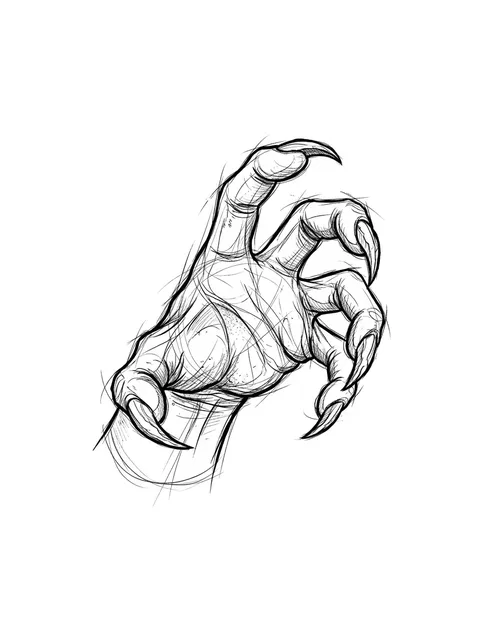
Black and grey sketch demon and hand tattoo design Try it on — Black and grey sketch demon and hand tattoo design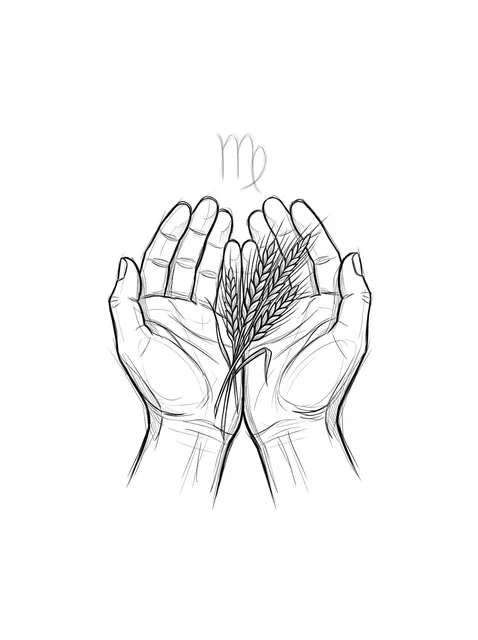
Black and grey sketch virgo and hand tattoo design: two cupped hands holding a small sheaf of wheat Try it on — Black and grey sketch virgo and hand tattoo design: two cupped hands holding a small sheaf of wheat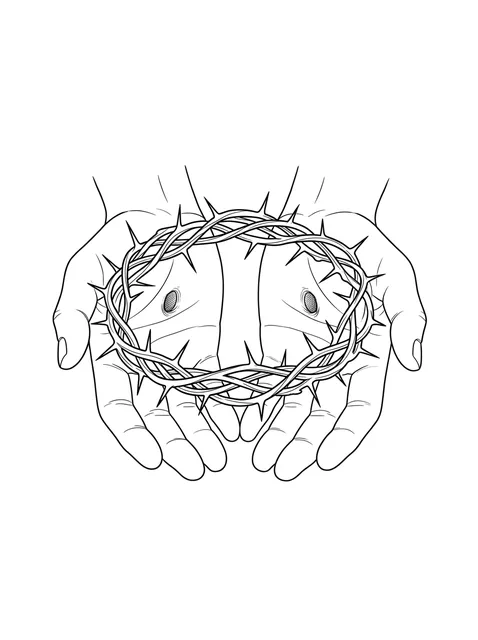
Black and white fine line crown of thorns and hand tattoo design, outline stencil Try it on — Black and white fine line crown of thorns and hand tattoo design, outline stencil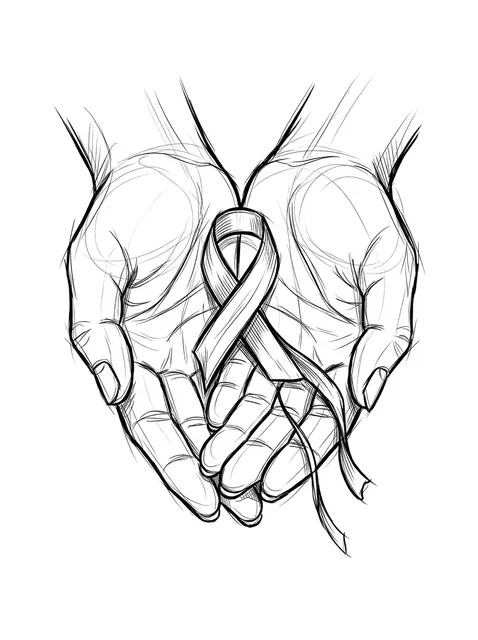
Black and grey sketch ribbon and hand tattoo design Try it on — Black and grey sketch ribbon and hand tattoo design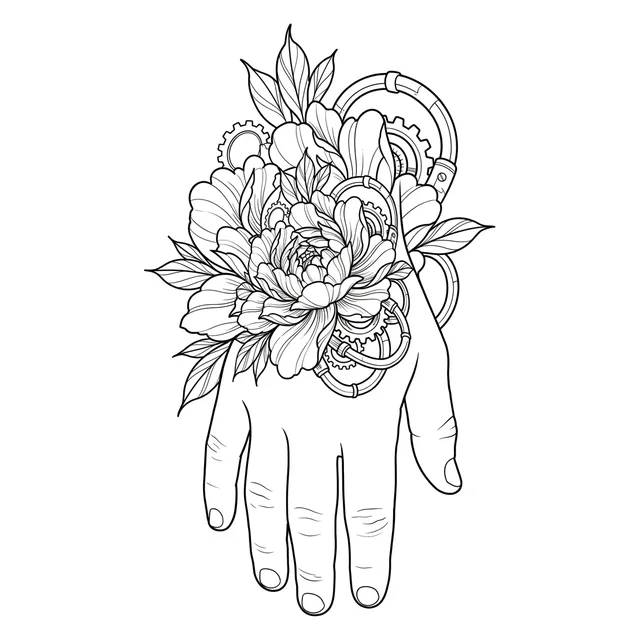
Black and grey illustrative peony and hand tattoo design Try it on — Black and grey illustrative peony and hand tattoo design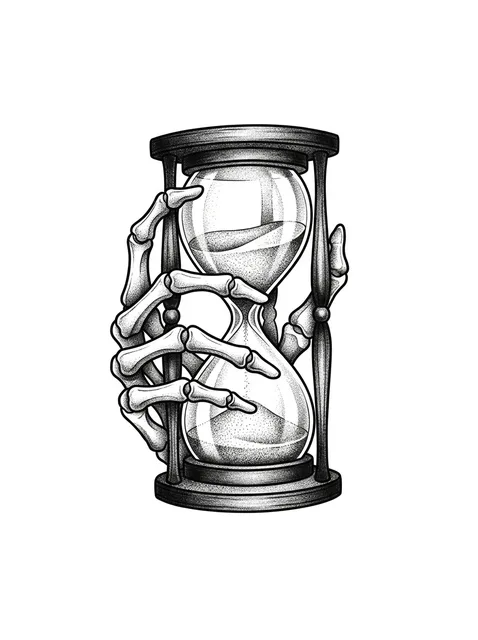
Black and grey dotwork hourglass and skeleton tattoo design: a skeleton hand gripping an hourglass Try it on — Black and grey dotwork hourglass and skeleton tattoo design: a skeleton hand gripping an hourglass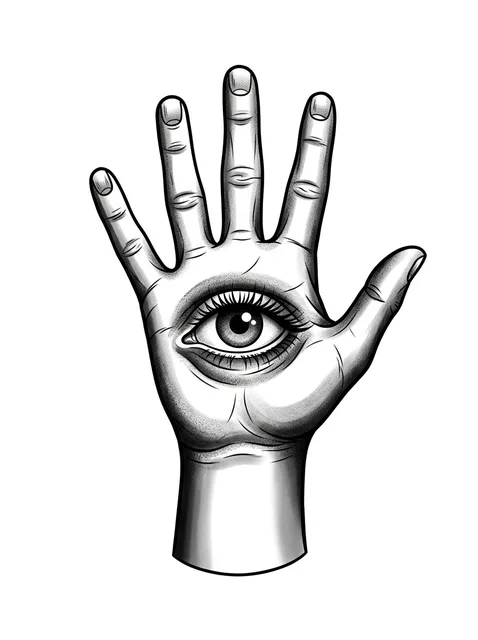
Black and grey illustrative evil eye and hand tattoo design: a human hand with an eye in the palm Try it on — Black and grey illustrative evil eye and hand tattoo design: a human hand with an eye in the palm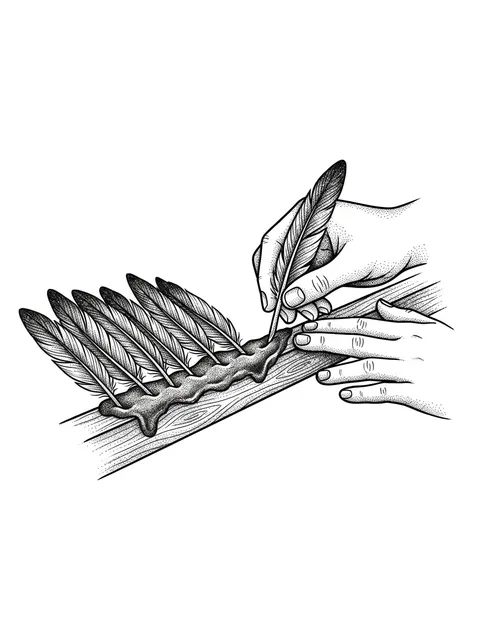
Black and grey dotwork icarus and feather tattoo design: a flowing, textured substance Try it on — Black and grey dotwork icarus and feather tattoo design: a flowing, textured substance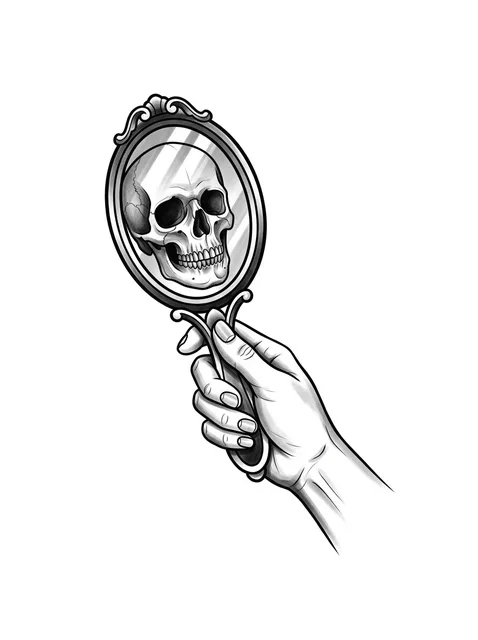
Black and grey illustrative memento mori and skull tattoo design: a hand holding an ornate mirror Try it on — Black and grey illustrative memento mori and skull tattoo design: a hand holding an ornate mirror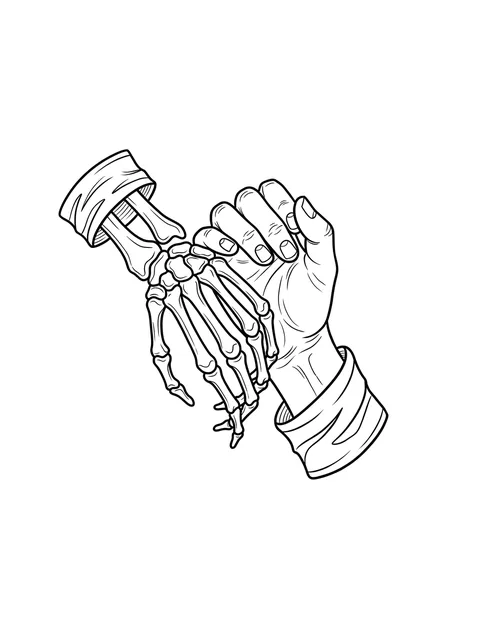
Black and white illustrative santa muerte and hand tattoo design Try it on — Black and white illustrative santa muerte and hand tattoo design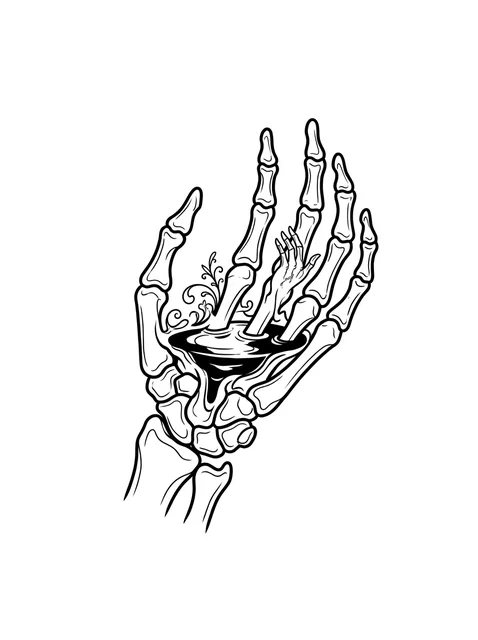
Black and white illustrative skeleton hand and hand tattoo design Try it on — Black and white illustrative skeleton hand and hand tattoo design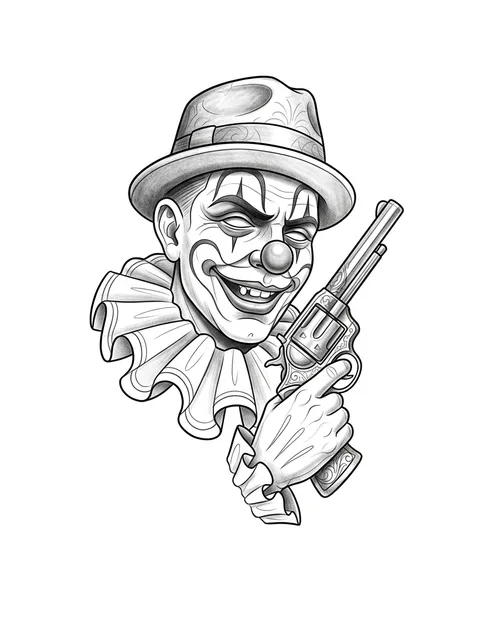
Black and grey chicano clown and gun tattoo design Try it on — Black and grey chicano clown and gun tattoo design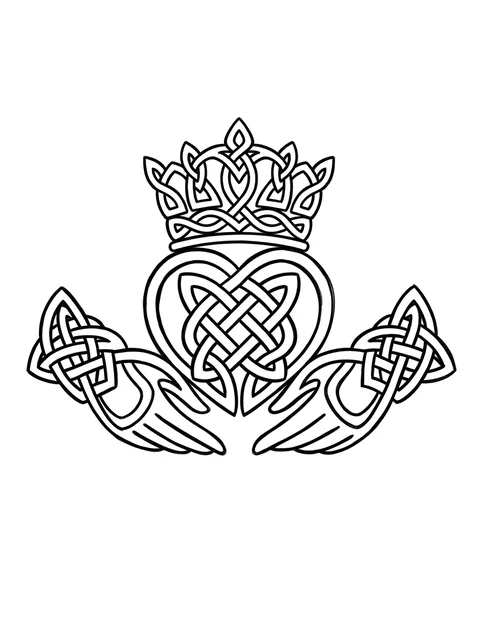
Black and grey celtic heart and hand tattoo design Try it on — Black and grey celtic heart and hand tattoo design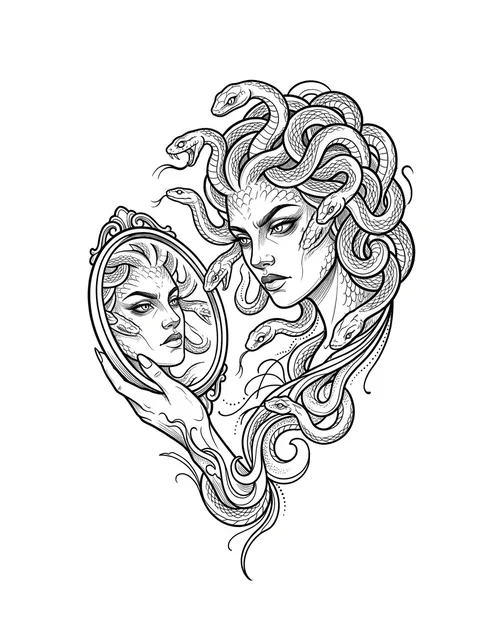
Black and grey illustrative medusa and snake tattoo design Try it on — Black and grey illustrative medusa and snake tattoo design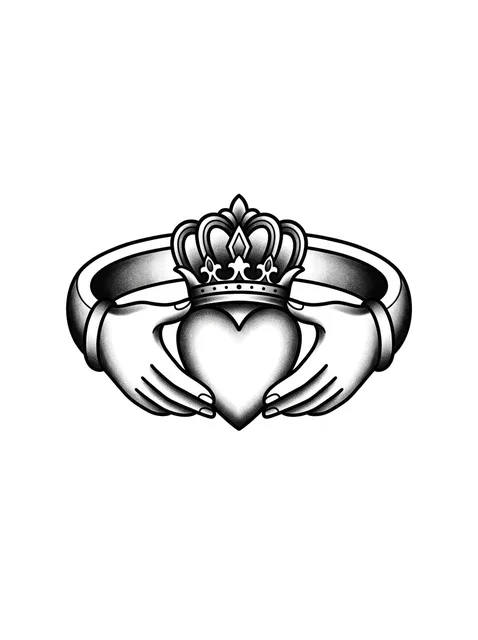
Black and grey illustrative ring and heart tattoo design Try it on — Black and grey illustrative ring and heart tattoo design


Tap any design to see it on your own skin in the try-on — no signup.
This set of 41 hand symbol designs, by the numbers
- Styles represented
- illustrative (14), dotwork (6), sketch (5), chicano (3), linework (2), fine line (2)
- Black-and-grey vs colour
- 95% black-and-grey, 5% colour
- Most often drawn with
- skeleton hand, eye, heart, memento mori
Counted from the 41 designs shown on this page. Every one was drawn for InkCraft — none are scraped or reposted. Free to reference with a link to this page.
What a hand symbol tattoo means
An open hand held up with the palm outward is the oldest way of saying stop, and the protective hand symbols are built on it. The hamsa, from the Arabic word for five, is a stylised right hand, often with a thumb on each side so that it is symmetrical, hung over doorways and round necks across North Africa and the Middle East to turn the evil eye away. Muslims call it the Hand of Fatima and some Jewish families the Hand of Miriam; the amulet is generally thought to be older than both names.
The eye set into the palm doubles the charm. The hand blocks harm and the eye sends an envious look back to whoever cast it, which is why it is so often drawn as the blue rings of a glass nazar. Designs here carry the idea into watercolour and into gears and circuitry, and the reading survives as long as the palm stays open and faces out.
Hands around a heart say something else. The Claddagh, two hands holding a crowned heart, is friendship, love and loyalty, and it grew from the fede rings of Roman and medieval Europe, whose clasped right hands were hands joined in trust. Worn on the right hand with the point of the heart outward, a Claddagh ring traditionally says the wearer is free; turned inward, that the heart is taken.
The other gestures carry one exact meaning each. A finger upright across closed lips asks for silence, and a hand reaching down from a cloud is the Hand of God of early Jewish and Christian art. A clenched fist is defiance; a hand of fanned cards is luck already dealt. About a quarter of the grid is skeleton hands, which belong to mortality rather than protection and have a page of their own.
Where the design comes from
Hands are among the oldest pictures people made: stencilled outlines survive in caves from Sulawesi to Spain, tens of thousands of years old. The Hand of God reaching from a cloud is painted in the third-century synagogue at Dura-Europos, and Poussin supplied the pointing finger, in the Louvre painting where a shepherd traces the letters on a tomb in Arcadia. All of these reached tattooing through jewellery and religious art rather than flash.
Choosing yours
- Decide which way the palm faces, since that carries the meaning. Outward and upright it protects; turned up and cupped it offers or receives; closed it is a fist. Those are three different signs, and a relaxed, half-open hand says none of them.
- Draw the hamsa as an amulet or as a real hand, not something between: two thumbs and even fingers make an amulet, knuckles and nails make a hand with an eye on it. Below about 8 cm its filigree closes into grey.
- For a Claddagh, choose the direction of the heart first; anyone who knows the ring will read its point as whether you are spoken for.
Size, cost and placement
How big, and what it costs
A plain hamsa outline is a short sitting at 5 to 7 cm; with lacework and an eye it becomes 10 cm or more and a few hours. A realistic hand in black and grey is priced like a portrait, 12 to 18 cm and half a day.
Where it sits, and how much it hurts
A hamsa stands upright and wants a vertical field that matches its symmetry: the inner forearm, the upper back or the sternum. The Claddagh is wide and short and sits across the upper chest or the outer forearm.
What to ask your artist
- Whether the hand will be drawn as an amulet or as anatomy.
- How much of the filigree survives at your size once the lines settle.
- Which way the palm faces as the arm usually hangs, so the gesture reads the right way up.
Prices vary widely by city and artist — treat these as session lengths rather than quotes, and expect a shop minimum on anything small. The cost guide turns hours into money by size, placement and style.
Common questions
Is this about tattoos on the hand itself?
No, it is about the hand as the subject of the drawing. Tattoos on the fingers, knuckles or back of the hand are on the hand placement page.
Is the hamsa Jewish or Muslim?
Both, and neither first. A hamsa with Hebrew letters or an Arabic verse in its palm belongs to one community; a plain one belongs to the whole region.
What do the hands, heart and crown of a Claddagh stand for?
Friendship, love and loyalty: let love and friendship reign. Galway tradition credits the design to Richard Joyce, a goldsmith working around 1700.
Where does the finger-to-the-lips gesture come from?
From Harpocrates, the Greek and Roman name for the child Horus, whom they made the god of silence. In Egyptian art the finger at his mouth only showed that he was a child.
See it on your skin before you commit
InkCraft places any of these designs on a photo of you — scaled, wrapped and shaded to the placement you pick.