 InkCraft
Skeleton Tattoo Ideas, Designs and Meaning
44 original skeleton designs drawn for InkCraftBy Uladzimir TumanauUpdated
A skull is a face with the face removed; a whole skeleton is a person still doing something. That difference is the entire subject, and it means the pose carries more of the meaning than the bones do.
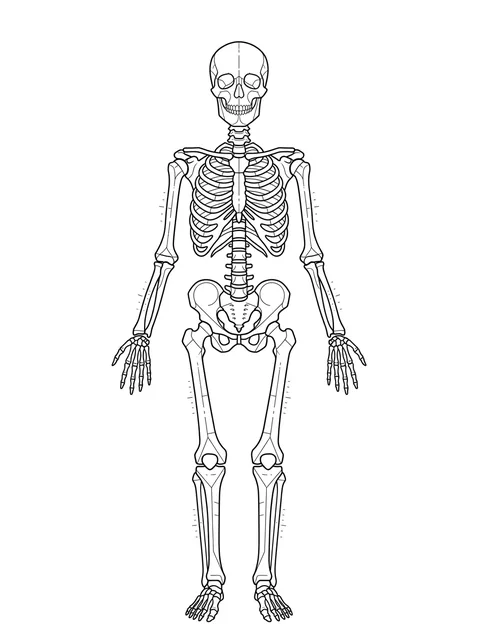
Black and white illustrative skeleton tattoo design Try it on — Black and white illustrative skeleton tattoo design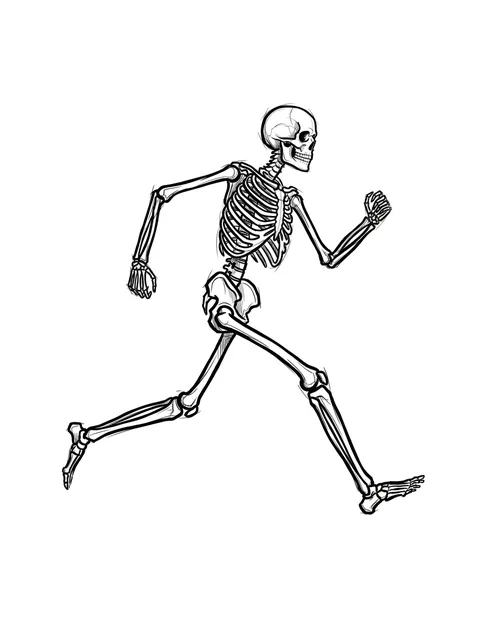
Black and grey illustrative skeleton tattoo design: a running skeleton Try it on — Black and grey illustrative skeleton tattoo design: a running skeleton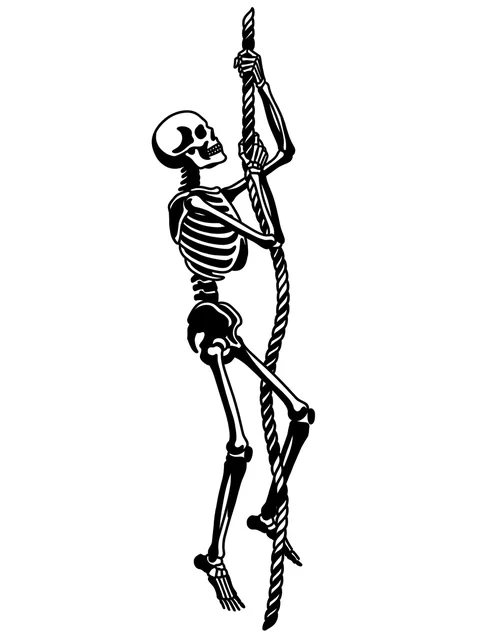
Black and white illustrative skeleton tattoo design: a skeleton climbing a rope Try it on — Black and white illustrative skeleton tattoo design: a skeleton climbing a rope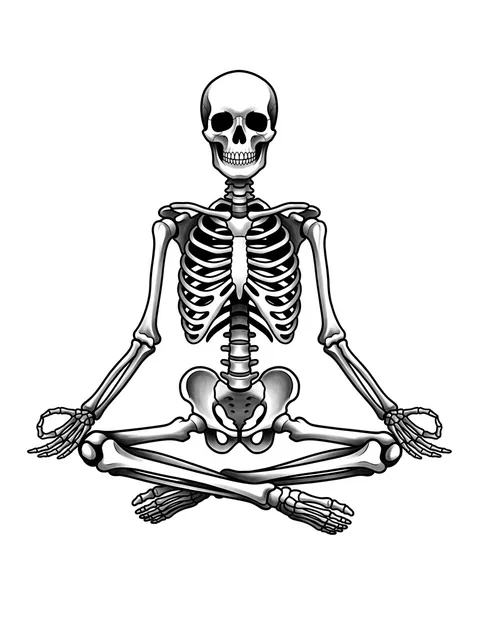
Black and grey illustrative skeleton tattoo design Try it on — Black and grey illustrative skeleton tattoo design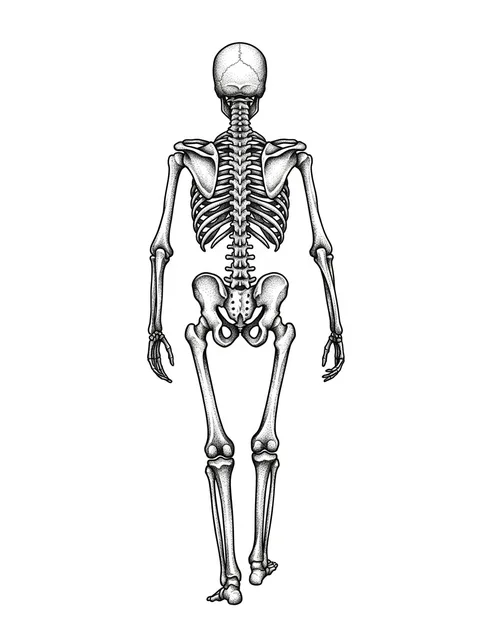
Black and grey dotwork skeleton tattoo design Try it on — Black and grey dotwork skeleton tattoo design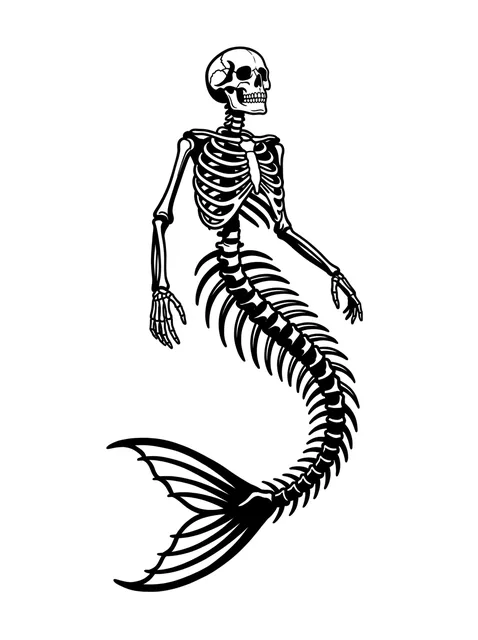
Black and white illustrative skeleton and mermaid tattoo design: a mermaid skeleton Try it on — Black and white illustrative skeleton and mermaid tattoo design: a mermaid skeleton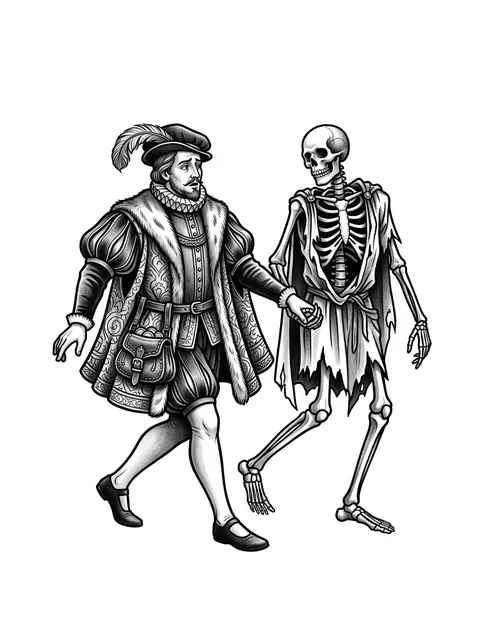
Black and grey illustrative skeleton and memento mori tattoo design Try it on — Black and grey illustrative skeleton and memento mori tattoo design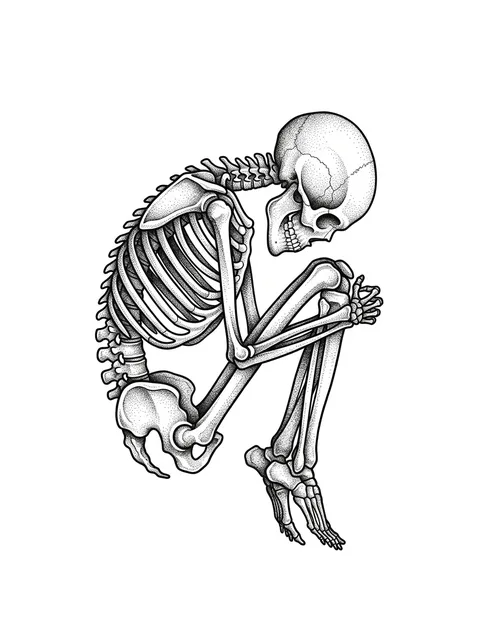
Black and white dotwork skeleton and skull tattoo design: a figure curled up in a fetal position Try it on — Black and white dotwork skeleton and skull tattoo design: a figure curled up in a fetal position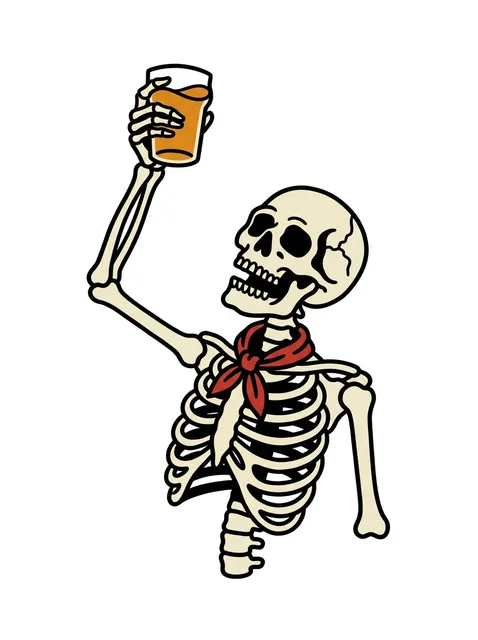
Color traditional skeleton and skull tattoo design: a skeleton raising a glass of beer in a toast Try it on — Color traditional skeleton and skull tattoo design: a skeleton raising a glass of beer in a toast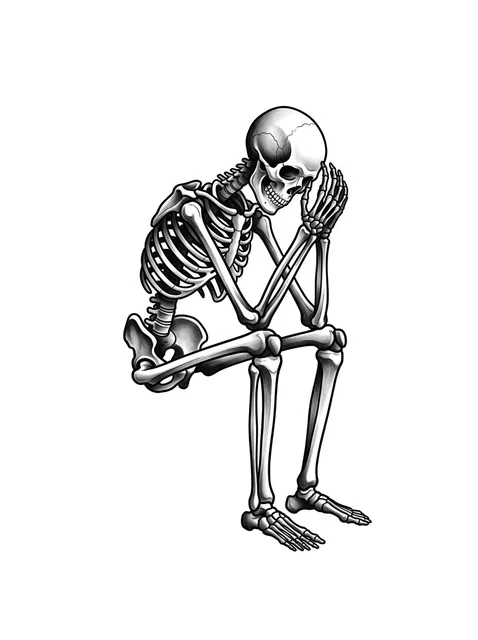
Black and grey illustrative skeleton and memento mori tattoo design Try it on — Black and grey illustrative skeleton and memento mori tattoo design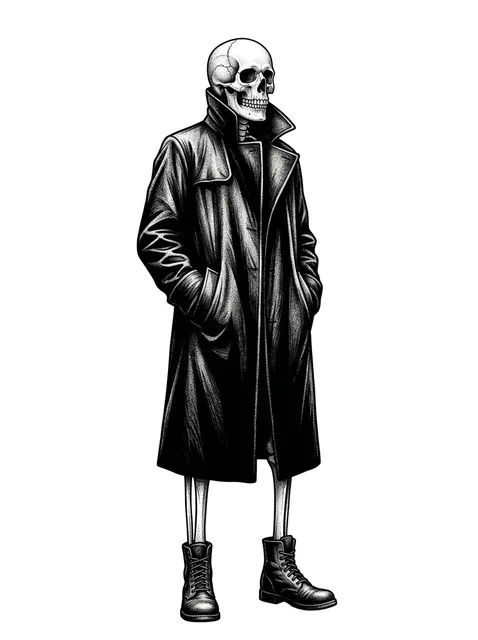
Black and grey illustrative skeleton and skull tattoo design Try it on — Black and grey illustrative skeleton and skull tattoo design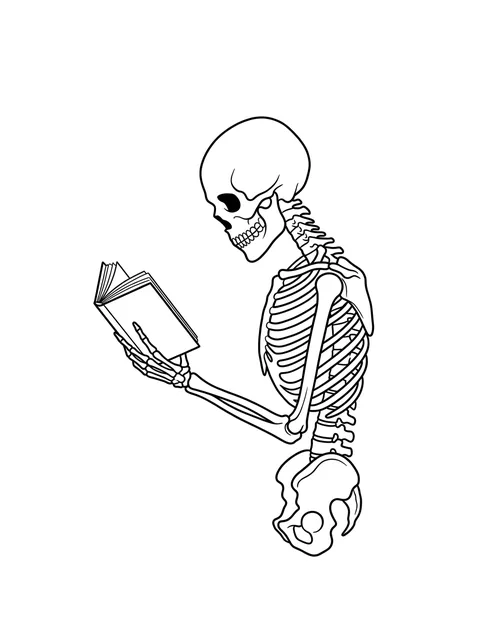
Black and white linework skeleton and skull tattoo design, outline stencil Try it on — Black and white linework skeleton and skull tattoo design, outline stencil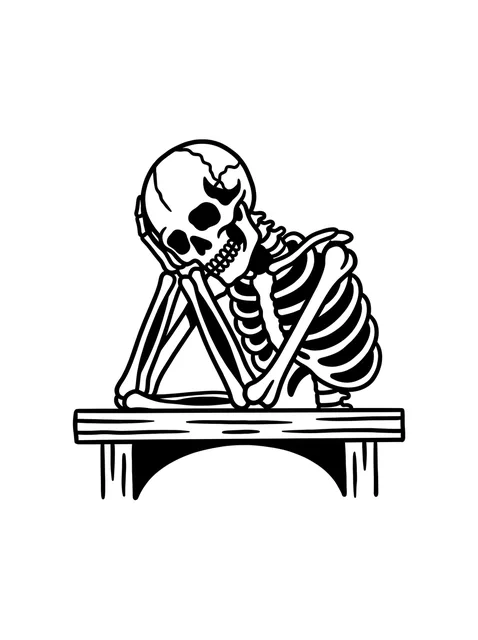
Black and white illustrative skeleton and skull tattoo design Try it on — Black and white illustrative skeleton and skull tattoo design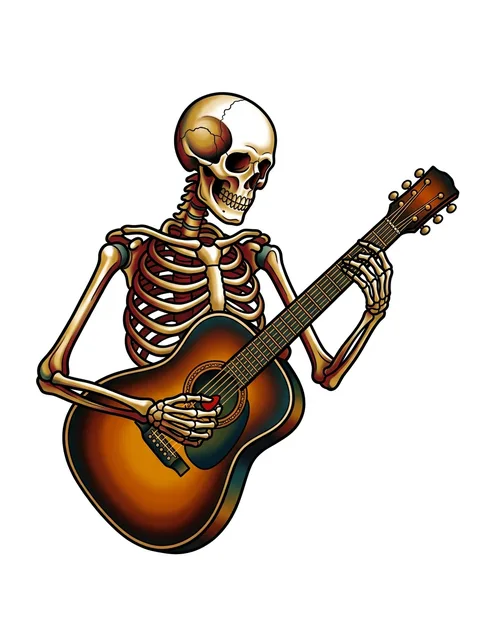
Color traditional skeleton and guitar tattoo design: a skeleton playing an acoustic guitar Try it on — Color traditional skeleton and guitar tattoo design: a skeleton playing an acoustic guitar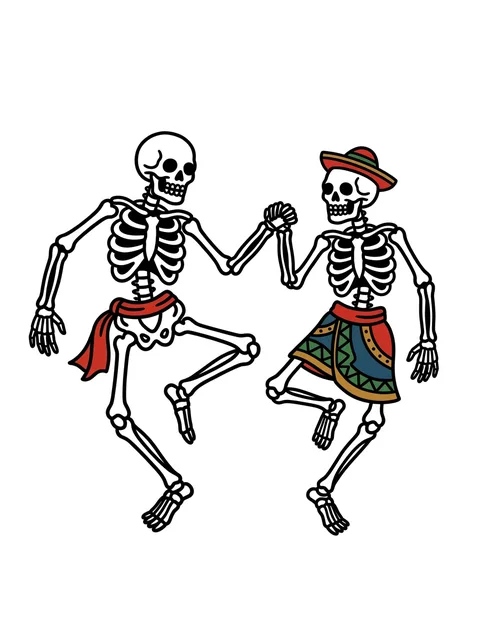
Color traditional skeleton and skull tattoo design Try it on — Color traditional skeleton and skull tattoo design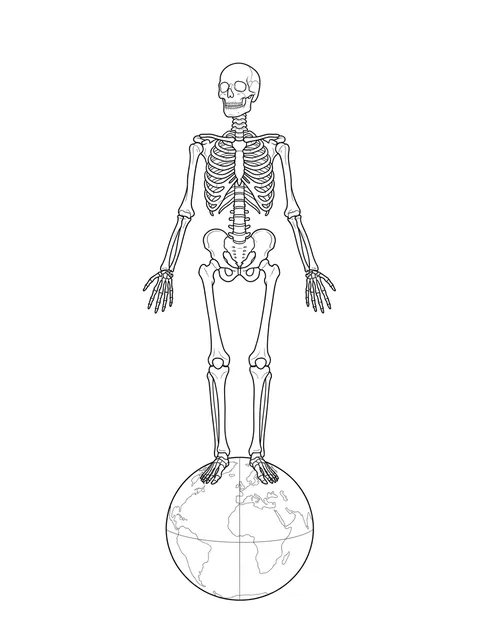
Black and white linework skeleton and globe tattoo design, outline stencil Try it on — Black and white linework skeleton and globe tattoo design, outline stencil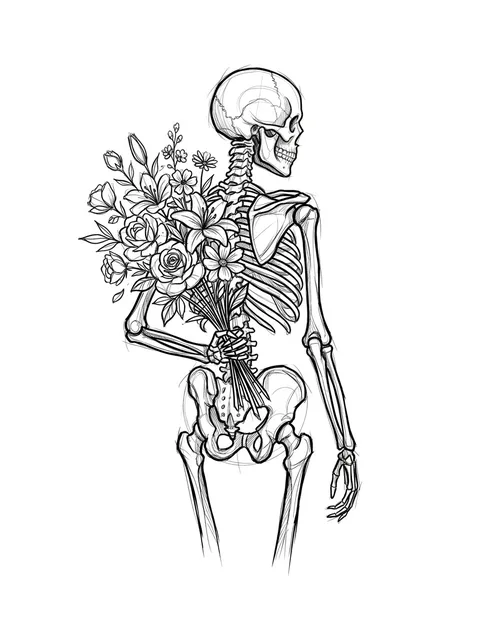
Black and grey illustrative skeleton and flower tattoo design Try it on — Black and grey illustrative skeleton and flower tattoo design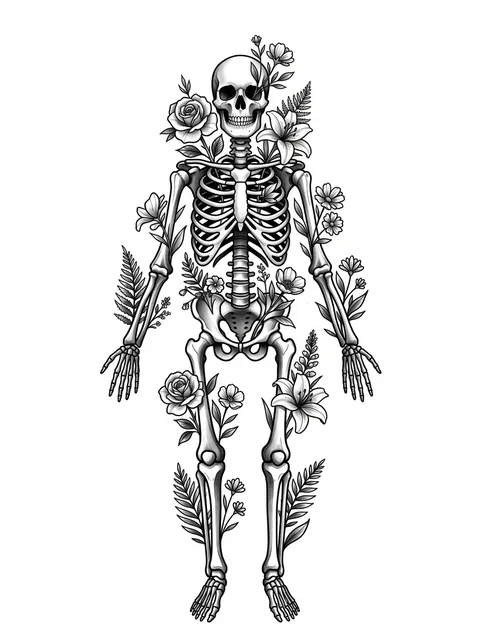
Black and grey illustrative skeleton and flower tattoo design Try it on — Black and grey illustrative skeleton and flower tattoo design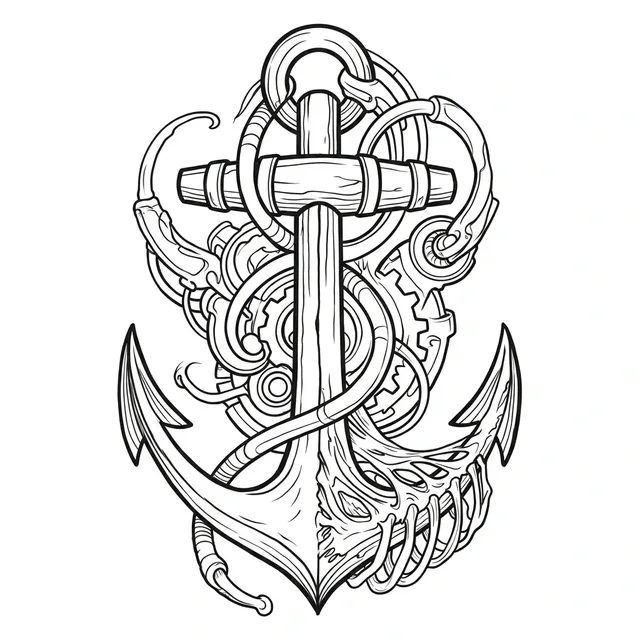
Black and white illustrative skeleton and anchor tattoo design Try it on — Black and white illustrative skeleton and anchor tattoo design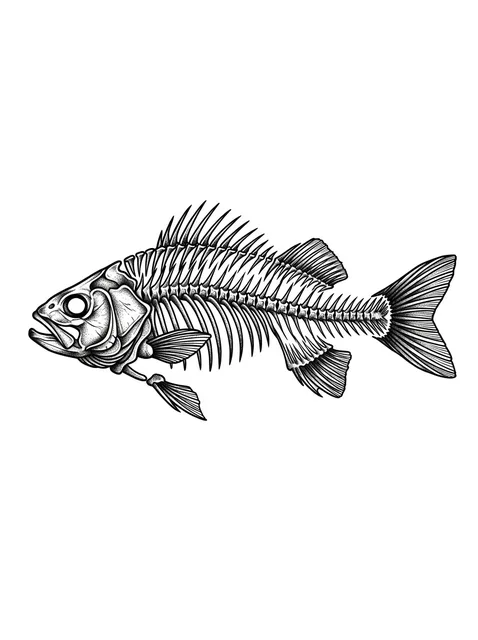
Black and grey dotwork skeleton and fish tattoo design: a fish skeleton Try it on — Black and grey dotwork skeleton and fish tattoo design: a fish skeleton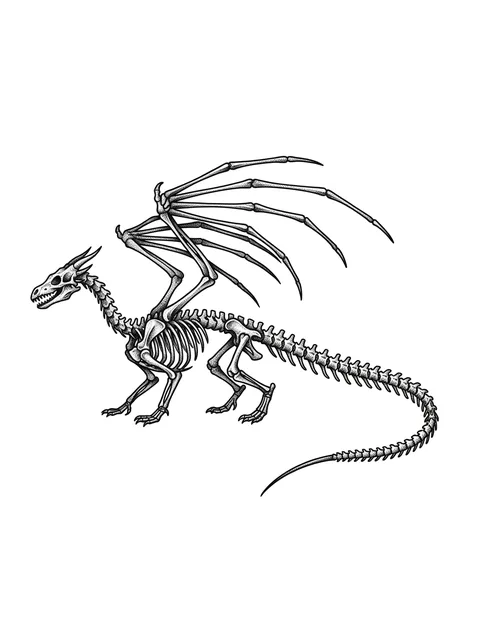
Black and white linework skeleton and dragon tattoo design, outline stencil Try it on — Black and white linework skeleton and dragon tattoo design, outline stencil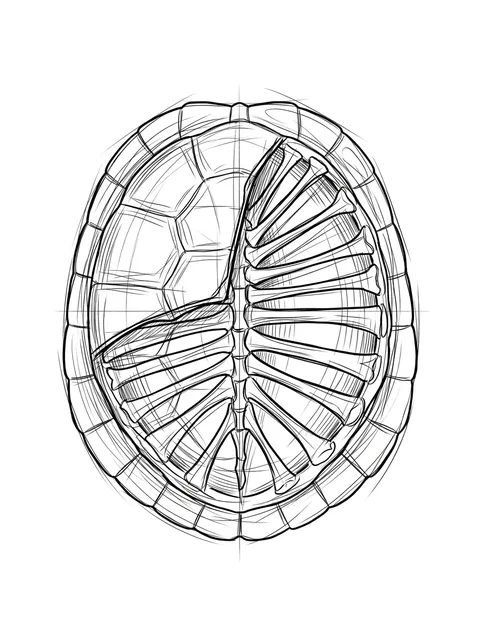
Black and white fine line skeleton and turtle tattoo design, outline stencil Try it on — Black and white fine line skeleton and turtle tattoo design, outline stencil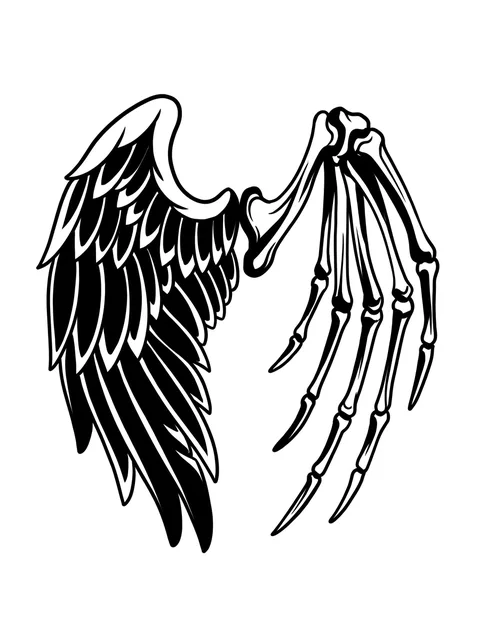
Black and white illustrative skeleton and angel wings tattoo design: a duality of wings Try it on — Black and white illustrative skeleton and angel wings tattoo design: a duality of wings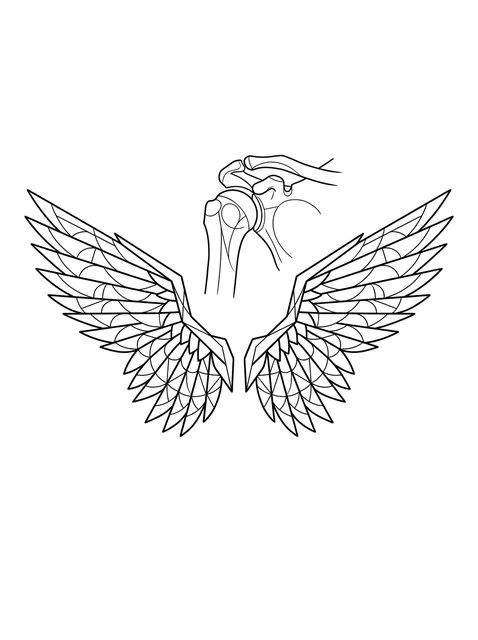
Black and white linework skeleton and angel wings tattoo design, outline stencil Try it on — Black and white linework skeleton and angel wings tattoo design, outline stencil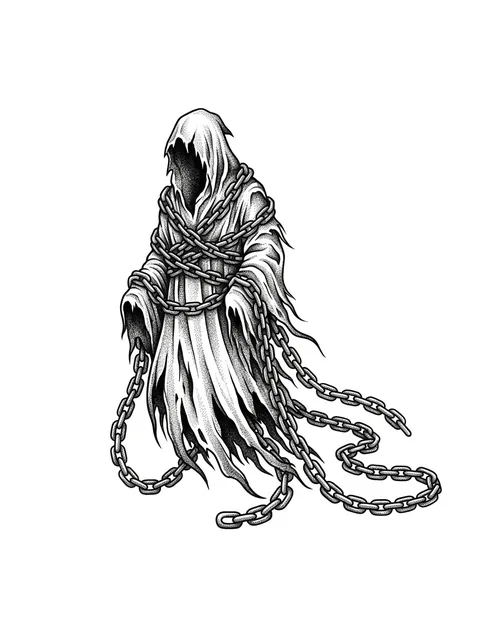
Black and grey dotwork skeleton and ghost tattoo design Try it on — Black and grey dotwork skeleton and ghost tattoo design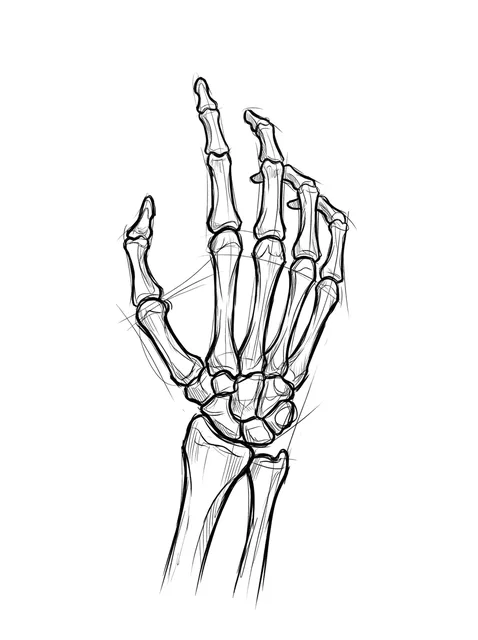
Black and grey sketch skeleton and skeleton hand tattoo design Try it on — Black and grey sketch skeleton and skeleton hand tattoo design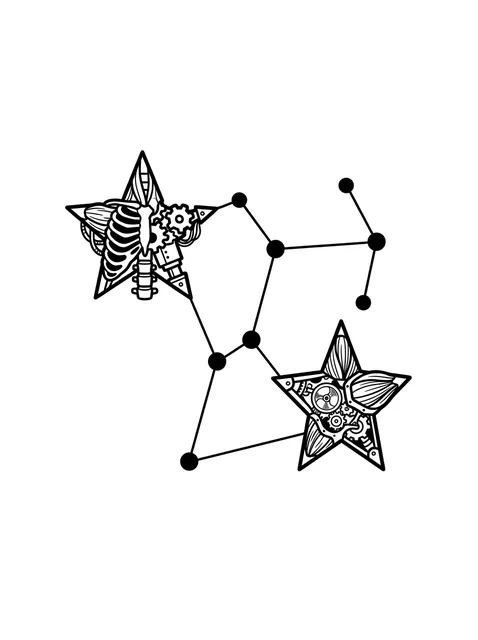
Black and white illustrative skeleton and star tattoo design: a constellation of stars Try it on — Black and white illustrative skeleton and star tattoo design: a constellation of stars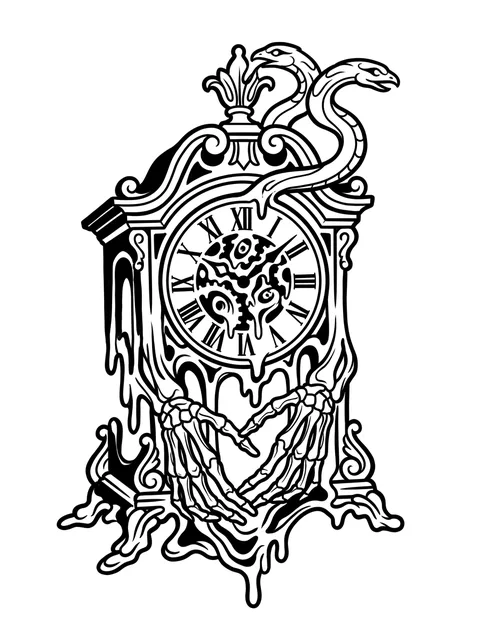
Black and white blackwork skeleton and clock tattoo design Try it on — Black and white blackwork skeleton and clock tattoo design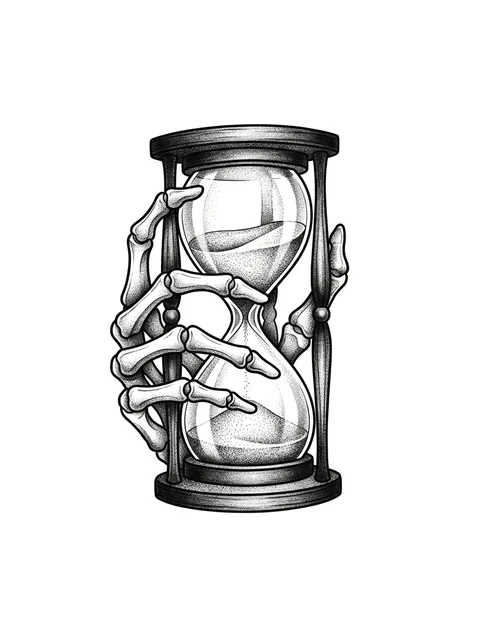
Black and grey dotwork skeleton and hourglass tattoo design: a skeleton hand gripping an hourglass Try it on — Black and grey dotwork skeleton and hourglass tattoo design: a skeleton hand gripping an hourglass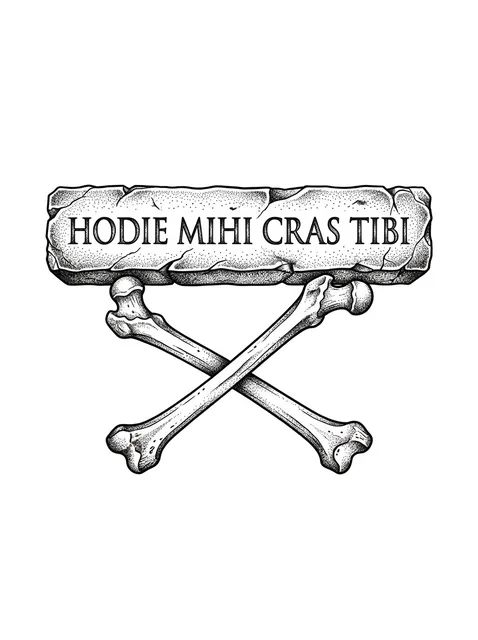
Black and white dotwork skeleton and memento mori tattoo design Try it on — Black and white dotwork skeleton and memento mori tattoo design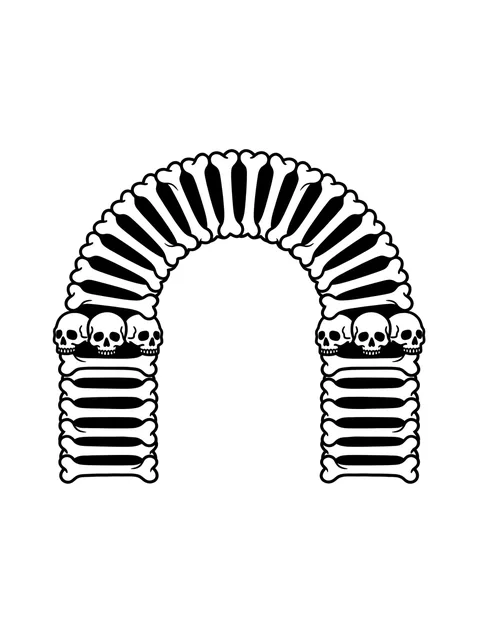
Black and grey traditional skeleton and memento mori tattoo design Try it on — Black and grey traditional skeleton and memento mori tattoo design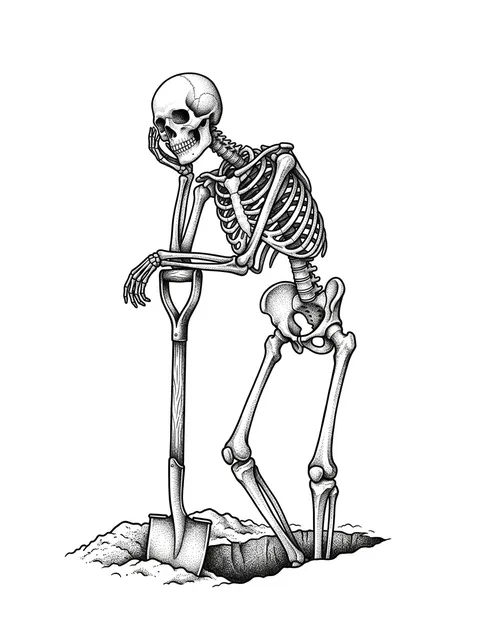
Black and white dotwork skeleton and memento mori tattoo design Try it on — Black and white dotwork skeleton and memento mori tattoo design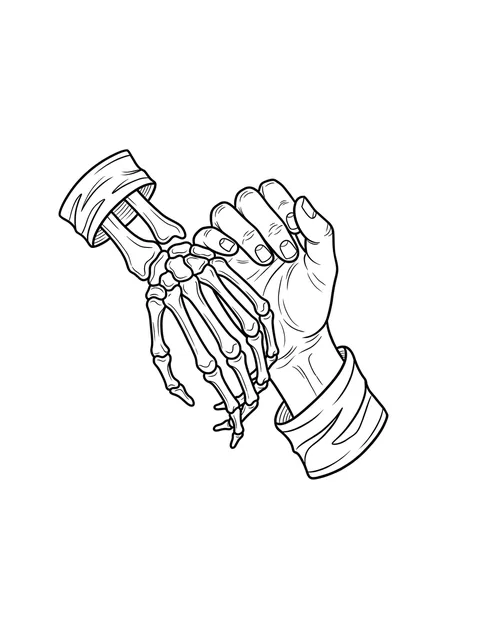
Black and white illustrative skeleton and santa muerte tattoo design Try it on — Black and white illustrative skeleton and santa muerte tattoo design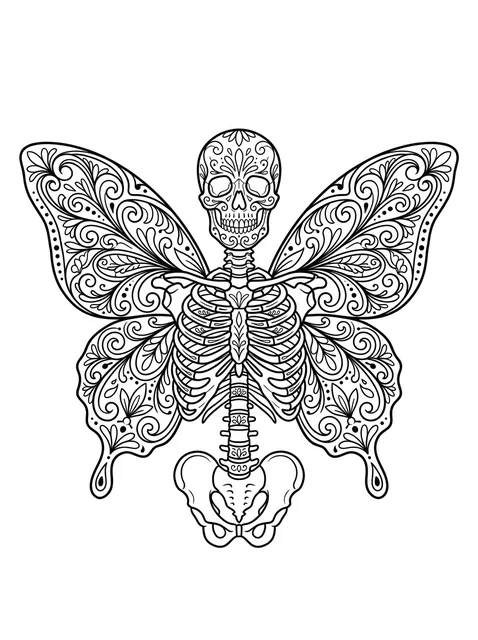
Black and white illustrative skeleton and skull tattoo design Try it on — Black and white illustrative skeleton and skull tattoo design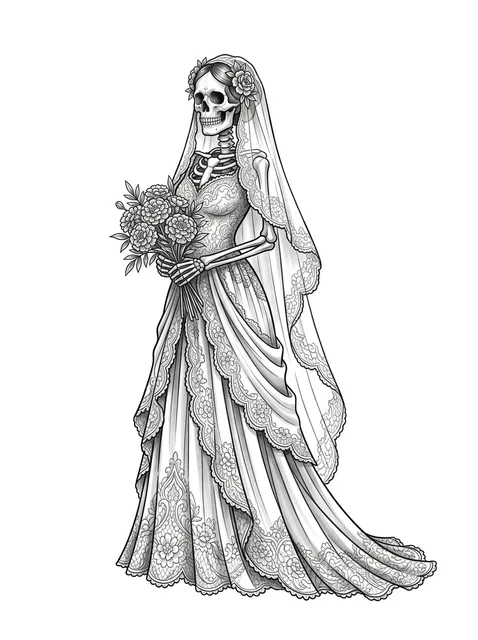
Black and grey illustrative skeleton and skull tattoo design Try it on — Black and grey illustrative skeleton and skull tattoo design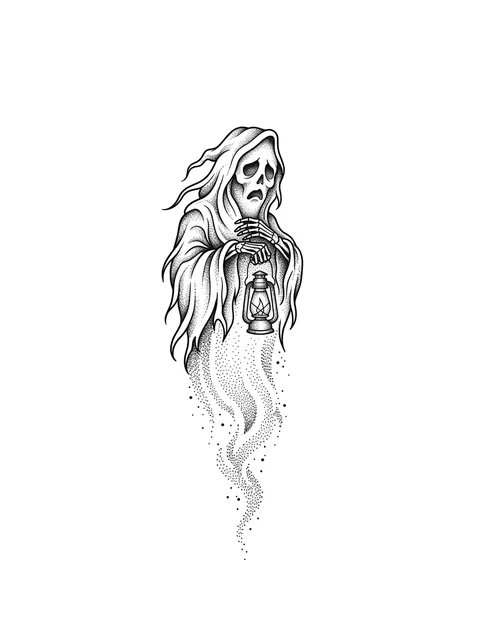
Black and grey dotwork skeleton and ghost tattoo design Try it on — Black and grey dotwork skeleton and ghost tattoo design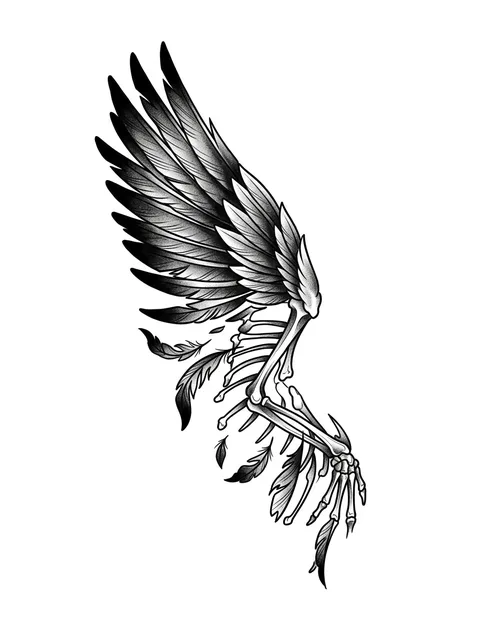
Black and grey illustrative skeleton and icarus tattoo design Try it on — Black and grey illustrative skeleton and icarus tattoo design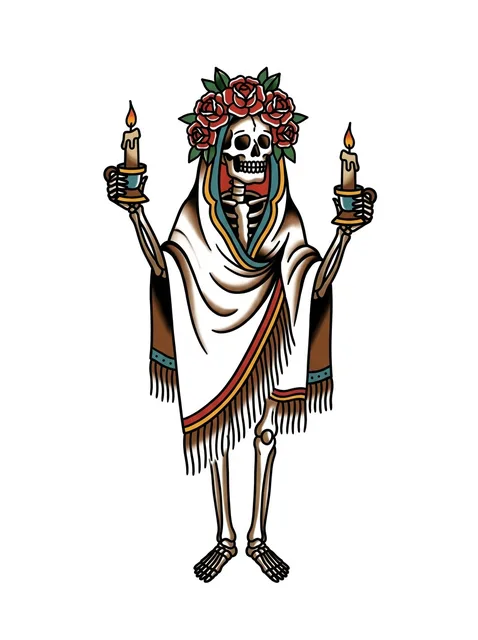
Color traditional skeleton and santa muerte tattoo design Try it on — Color traditional skeleton and santa muerte tattoo design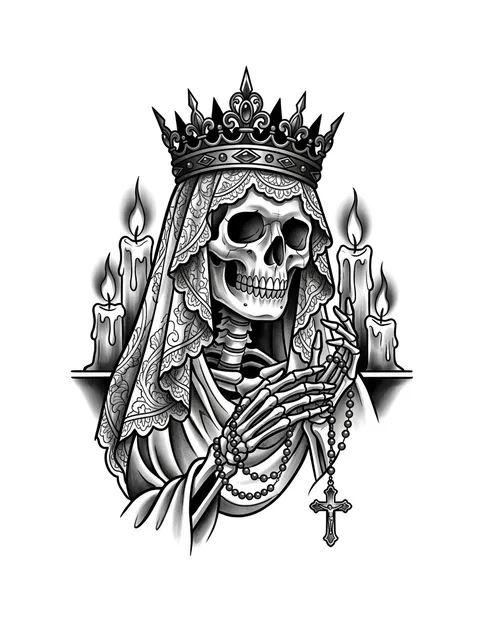
Black and grey neo traditional skeleton and santa muerte tattoo design Try it on — Black and grey neo traditional skeleton and santa muerte tattoo design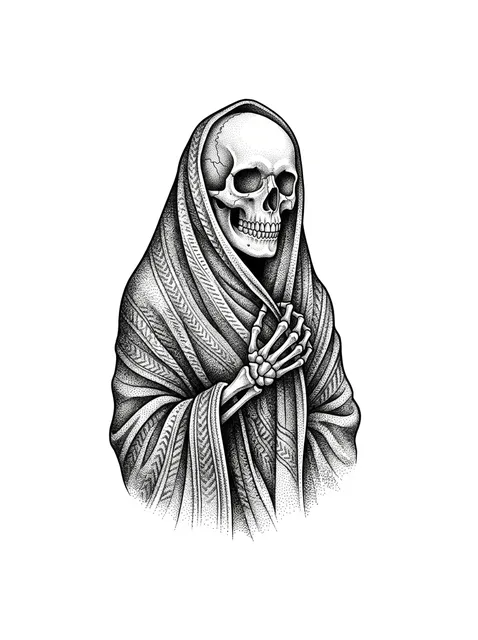
Black and grey dotwork skeleton and santa muerte tattoo design Try it on — Black and grey dotwork skeleton and santa muerte tattoo design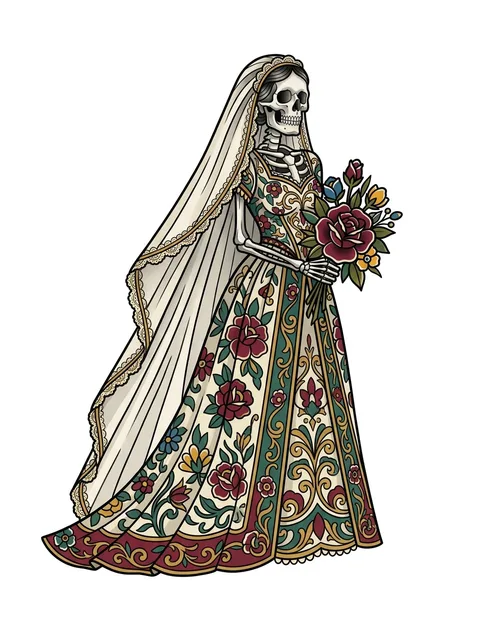
Color neo traditional skeleton and santa muerte tattoo design Try it on — Color neo traditional skeleton and santa muerte tattoo design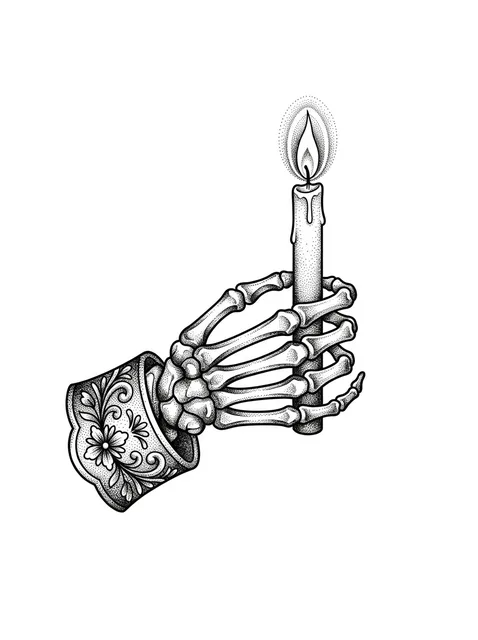
Black and grey dotwork skeleton and santa muerte tattoo design: a skeletal hand holding a lit candle Try it on — Black and grey dotwork skeleton and santa muerte tattoo design: a skeletal hand holding a lit candle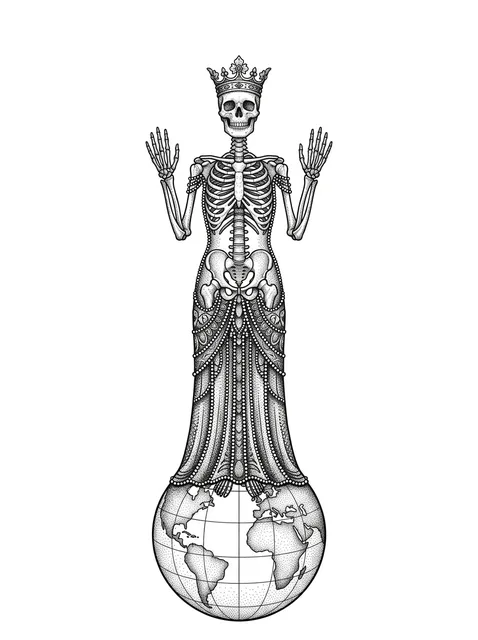
Black and grey dotwork skeleton and santa muerte tattoo design Try it on — Black and grey dotwork skeleton and santa muerte tattoo design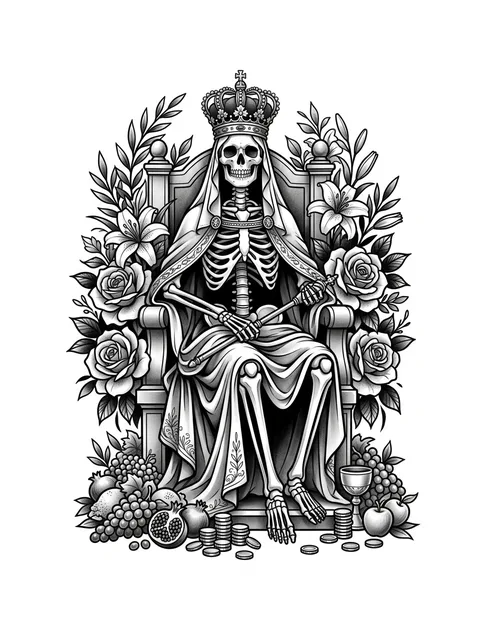
Black and grey neo traditional skeleton and santa muerte tattoo design Try it on — Black and grey neo traditional skeleton and santa muerte tattoo design


Tap any design to see it on your own skin in the try-on — no signup.
This set of 44 skeleton designs, by the numbers
- Styles represented
- illustrative (18), dotwork (11), traditional (5), linework (4), neo traditional (3), fine line (1)
- Black-and-grey vs colour
- 89% black-and-grey, 11% colour
- Most often drawn with
- skull, santa muerte, memento mori, flower
Counted from the 44 designs shown on this page. Every one was drawn for InkCraft — none are scraped or reposted. Free to reference with a link to this page.
What a skeleton tattoo means
The skeleton is the only death image that can still act. It can dance, play, read, wait, run or hold flowers behind its back, and every one of those says something a skull simply cannot, because a skull has no body to do anything with.
That capacity is what the danse macabre was built on. A skeleton leading a merchant, a bishop or a king by the hand is an argument about rank rather than about death: whatever you were, you are joining this procession, and the figure doing the leading is cheerful about it.
Read personally it is usually about persistence rather than about ending. A skeleton climbing a rope or running at full stride is a body with nothing left that is still going, which is a far more useful image for exhaustion or for recovery than a skull ever is.
The Mexican tradition takes it somewhere else entirely and is worth knowing about. Posada's calaveras, drawn from the 1870s, put skeletons in fashionable clothing doing ordinary things as political satire, and everything cheerful about the modern skeleton tattoo descends from them.
Where the design comes from
The articulated skeleton is a scientific image before it is a symbolic one. Vesalius's De humani corporis fabrica of 1543 contains the plates everything later descends from, including a skeleton leaning on a spade beside an open grave and another resting its skull on its hand in a posture of thought — anatomical illustration that is also deliberate memento mori. The danse macabre is older, a fifteenth-century mural and print subject that Holbein cut into woodblocks in 1538. In Mexico, José Guadalupe Posada's calaveras made the skeleton a satirical everyman and produced La Catrina, which became the central image of Día de Muertos. Tattooing inherited all three threads: the anatomical plate, the dancing dead of the macabre, and the dressed-up calavera.
Choosing yours
- The pose is the design. Seated and thinking, running, climbing, asleep at a table, holding flowers — a skeleton standing neutrally is an anatomy diagram, and every good one is doing something specific.
- Get the hand right or leave it out. There are twenty-seven bones in the human hand and a drawn skeleton hand with the wrong count or the wrong joints is the detail that people who look closely will notice first.
- Consider clothing. A skeleton in a coat, a hat or a dress is stranger and more memorable than a bare one, and it is the whole basis of the calavera tradition.
Size, cost and placement
How big, and what it costs
A full standing skeleton at 20-25 cm is five to seven hours, and the hands and feet account for a disproportionate amount of it. A skeletal hand alone is 10 cm and two hours. Dotwork on bone is slower than line and gives a much better surface, so the choice is a real price difference.
Where it sits, and how much it hurts
Full figures want a long vertical field: the outer arm, the calf, the outer thigh, the centre of the back. A seated or curled skeleton is compact and suits a flat panel like the shoulder blade. Avoid spreading a full figure across a joint, since the bend will break the skeleton somewhere it does not bend.
What to ask your artist
- To draw the hands and feet from an anatomical reference rather than approximating them.
- What the figure is doing, decided before the stencil rather than during it.
- Whether the bone will be stippled or line-shaded, since stipple gives bone a surface and line gives it an outline.
Prices vary widely by city and artist — treat these as session lengths rather than quotes, and expect a shop minimum on anything small. The cost guide turns hours into money by size, placement and style.
Common questions
What is the difference between a skeleton and a skull tattoo?
A skull is a symbol; a skeleton is a character. The skeleton has a body, so it can be given a posture, an action and clothing, and almost all of the meaning comes from what it is doing rather than from the bones.
Does a skeleton tattoo have to be morbid?
No. The Mexican calavera tradition draws skeletons dancing, courting and dressed for a party, and it is satirical and warm rather than grim. A skeleton reading a book or asleep at a table carries nothing frightening at all.
How big does a full skeleton need to be?
About 20 cm for a full figure with the joints reading correctly. Below that the hands and feet go first, and a skeleton with mitten hands looks wrong even to people who could not say why.
What a skeleton tattoo can mean
The meanings this motif carries on the pages that argue them. Each line is that page's own reason for including it.
- Halloween tattoos
- A whole skeleton doing something ordinary is the oldest version of this imagery in Western art and is far stranger than a skull. It is the dance of death, and it predates Halloween by centuries.
See it on your skin before you commit
InkCraft places any of these designs on a photo of you — scaled, wrapped and shaded to the placement you pick.