 InkCraft
Skeleton Hand Tattoo Ideas, Designs and Meaning
29 original skeleton hand designs drawn for InkCraftBy Uladzimir TumanauUpdated
It is the one mortality symbol that can still do something: point, hold, promise, refuse. Four different statements are made with identical anatomy, and the gesture is the only thing separating them.
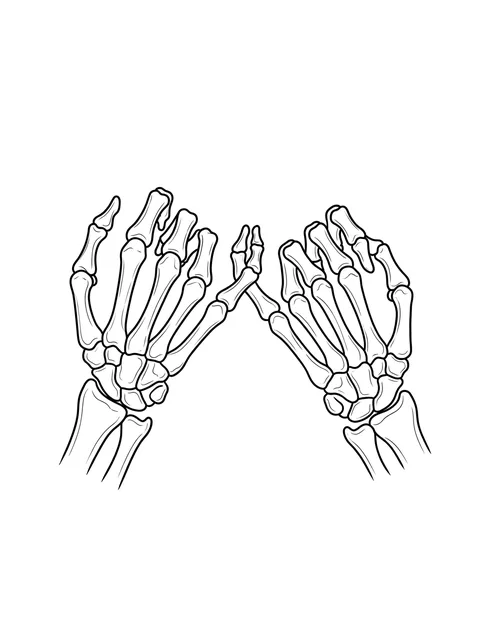
Black and white linework skeleton hand tattoo design, outline stencil Try it on — Black and white linework skeleton hand tattoo design, outline stencil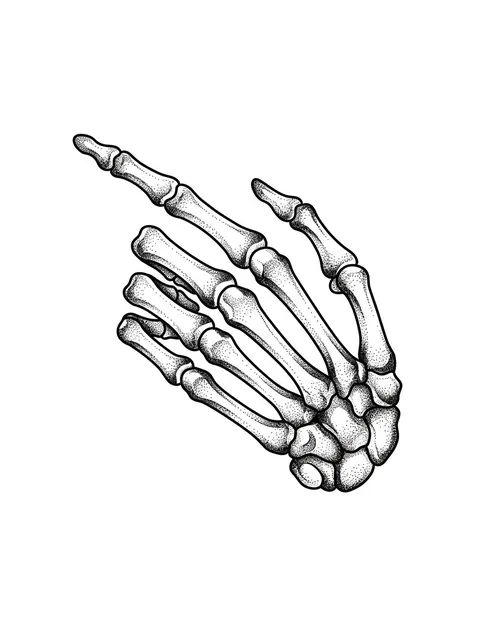
Black and grey dotwork skeleton hand tattoo design: a skeleton hand, with the index finger pointing Try it on — Black and grey dotwork skeleton hand tattoo design: a skeleton hand, with the index finger pointing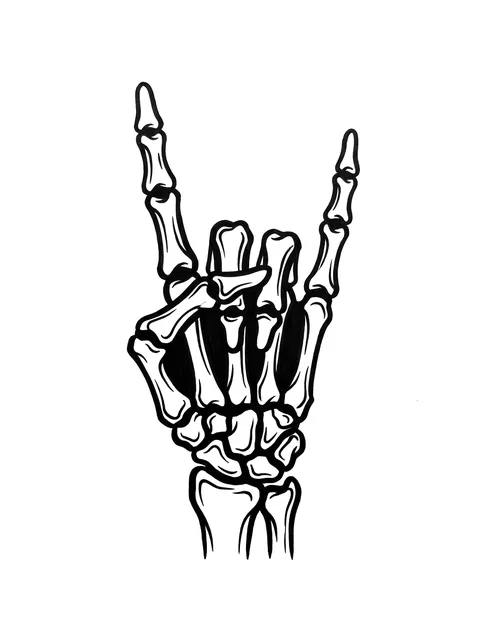
Black and grey illustrative skeleton hand tattoo design Try it on — Black and grey illustrative skeleton hand tattoo design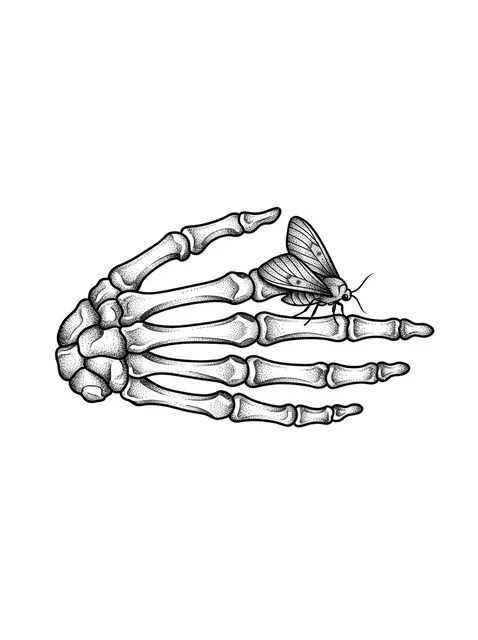
Black and grey dotwork skeleton hand and moth tattoo design Try it on — Black and grey dotwork skeleton hand and moth tattoo design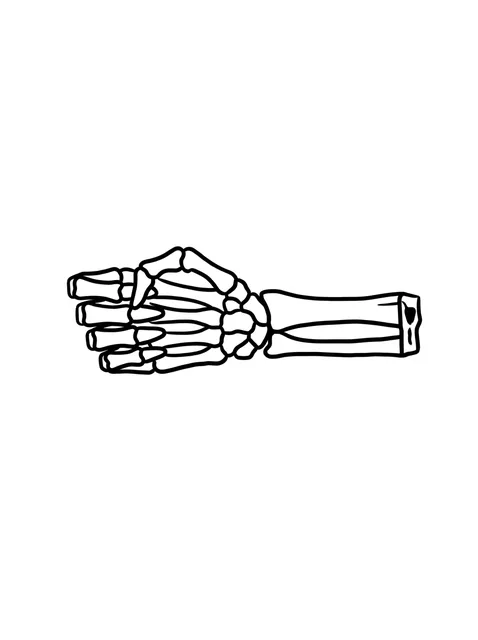
Black and white linework skeleton hand and hand tattoo design, outline stencil Try it on — Black and white linework skeleton hand and hand tattoo design, outline stencil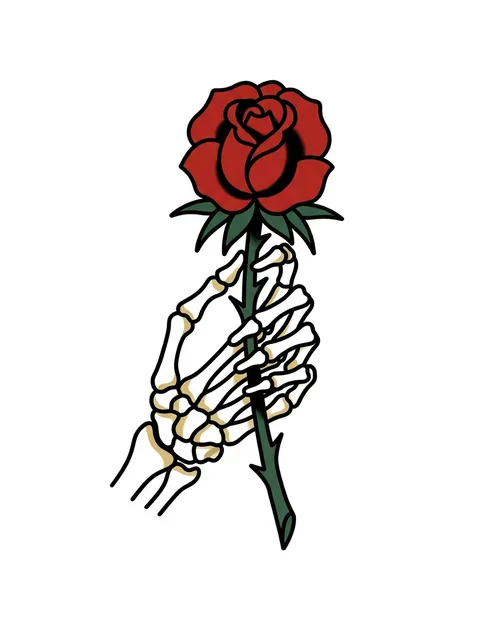
Color traditional skeleton hand and rose tattoo design Try it on — Color traditional skeleton hand and rose tattoo design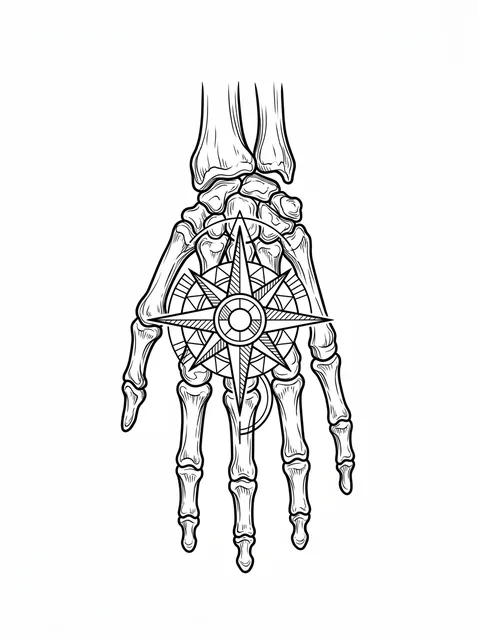
Black and white illustrative skeleton hand and compass tattoo design Try it on — Black and white illustrative skeleton hand and compass tattoo design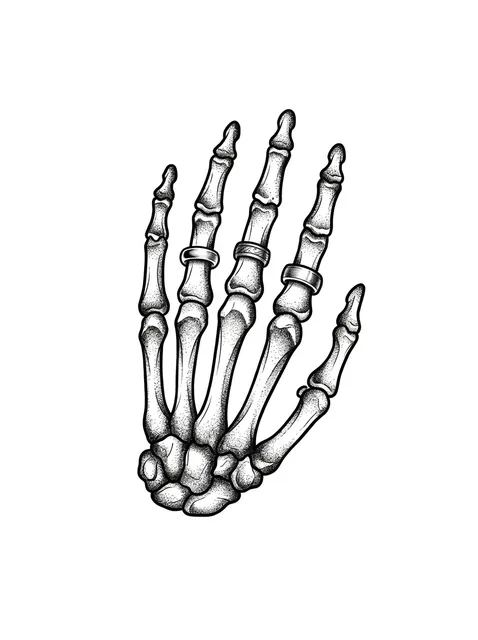
Black and grey dotwork skeleton hand and hand tattoo design Try it on — Black and grey dotwork skeleton hand and hand tattoo design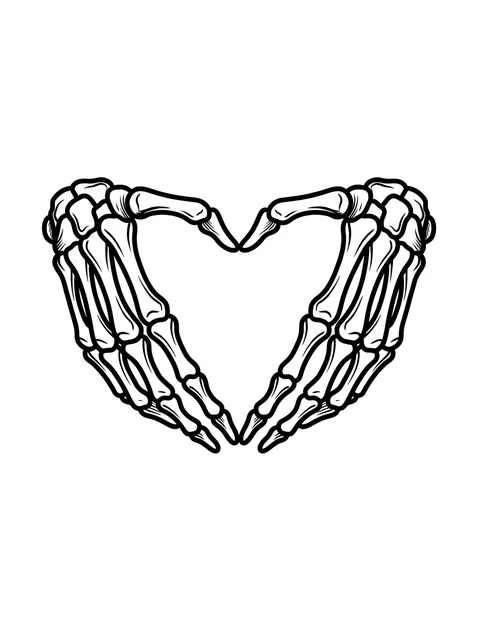
Black and grey traditional skeleton hand and heart tattoo design Try it on — Black and grey traditional skeleton hand and heart tattoo design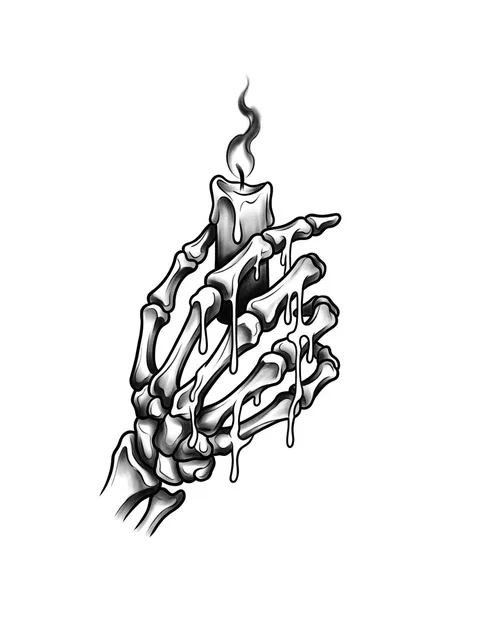
Black and grey neo traditional skeleton hand and candle tattoo design Try it on — Black and grey neo traditional skeleton hand and candle tattoo design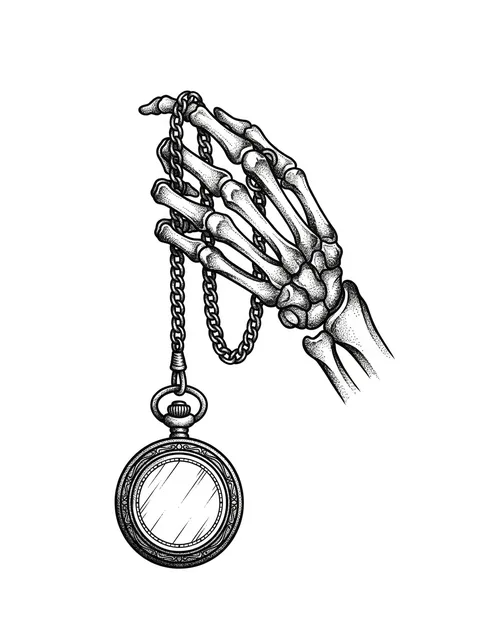
Black and grey dotwork skeleton hand and clock tattoo design Try it on — Black and grey dotwork skeleton hand and clock tattoo design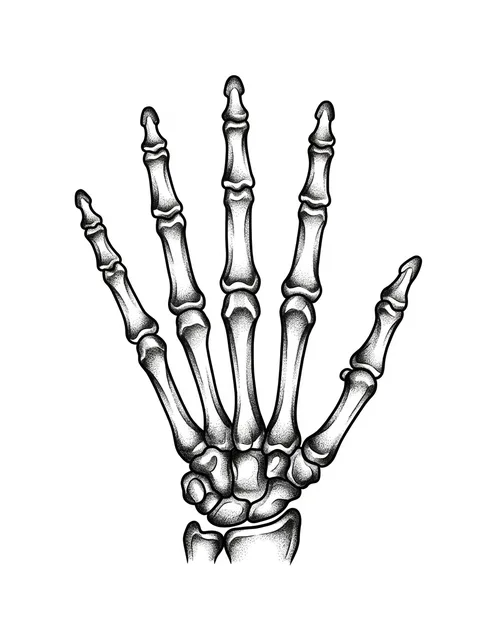
Black and grey dotwork skeleton hand and hand tattoo design: a skeleton hand Try it on — Black and grey dotwork skeleton hand and hand tattoo design: a skeleton hand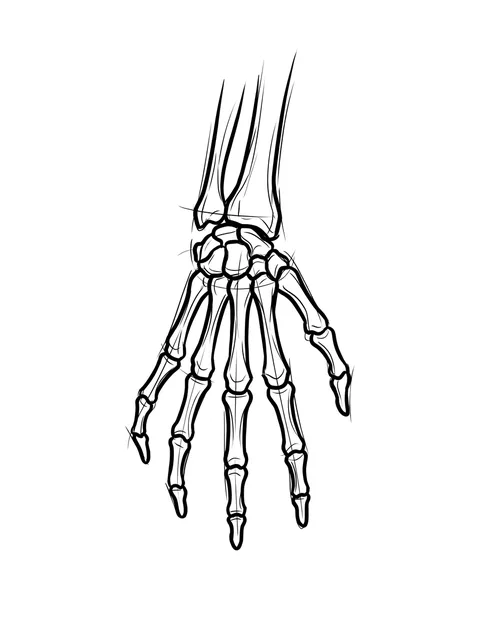
Black and grey sketch skeleton hand and hand tattoo design: a detailed skeleton hand and wrist Try it on — Black and grey sketch skeleton hand and hand tattoo design: a detailed skeleton hand and wrist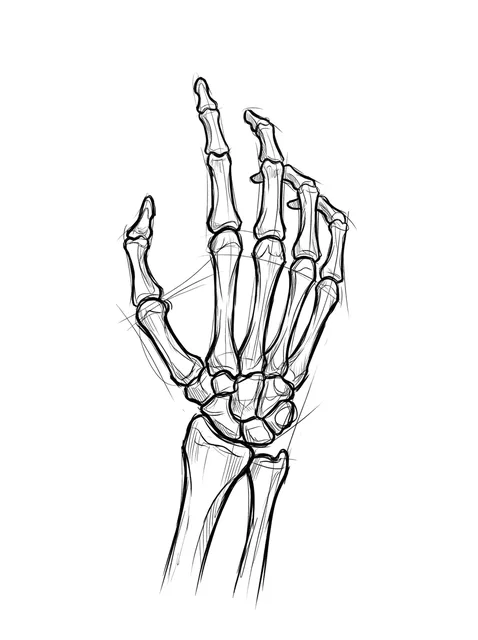
Black and grey sketch skeleton hand and skeleton tattoo design Try it on — Black and grey sketch skeleton hand and skeleton tattoo design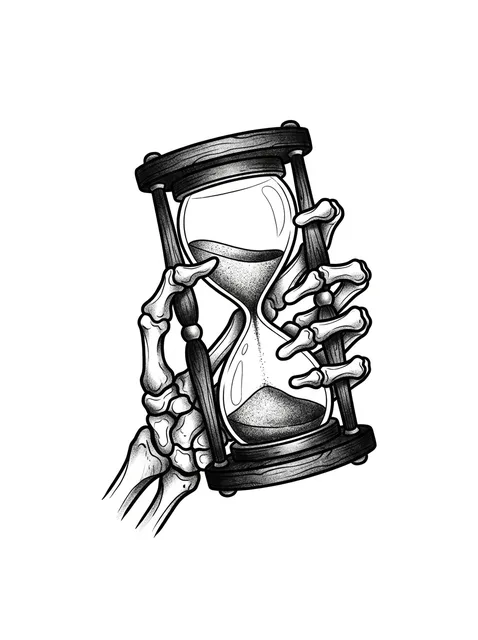
Black and grey illustrative skeleton hand and hourglass tattoo design Try it on — Black and grey illustrative skeleton hand and hourglass tattoo design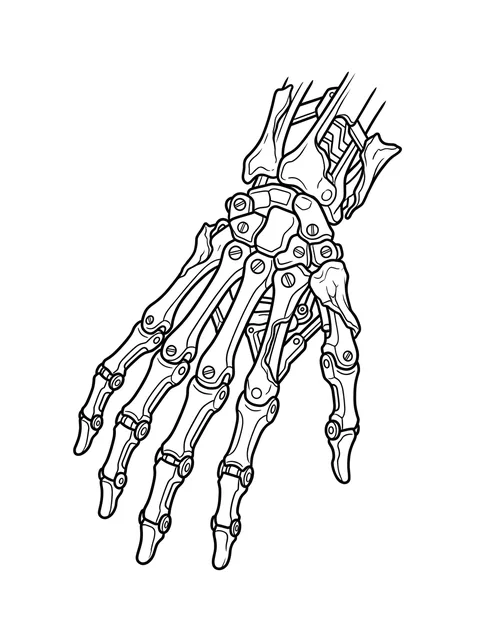
Black and grey biomechanical skeleton hand and hand tattoo design Try it on — Black and grey biomechanical skeleton hand and hand tattoo design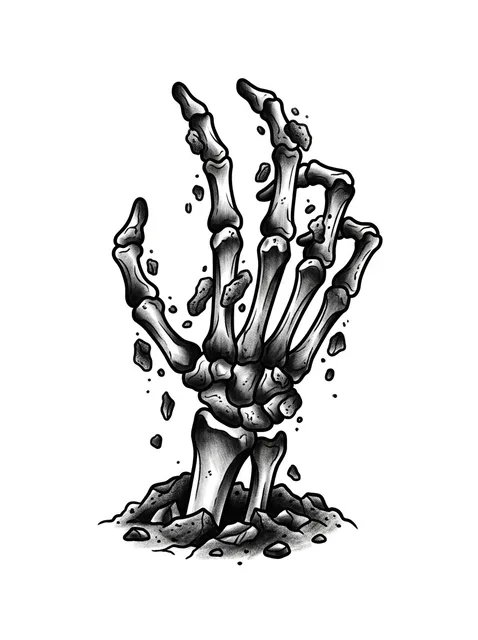
Black and grey illustrative skeleton hand and hand tattoo design Try it on — Black and grey illustrative skeleton hand and hand tattoo design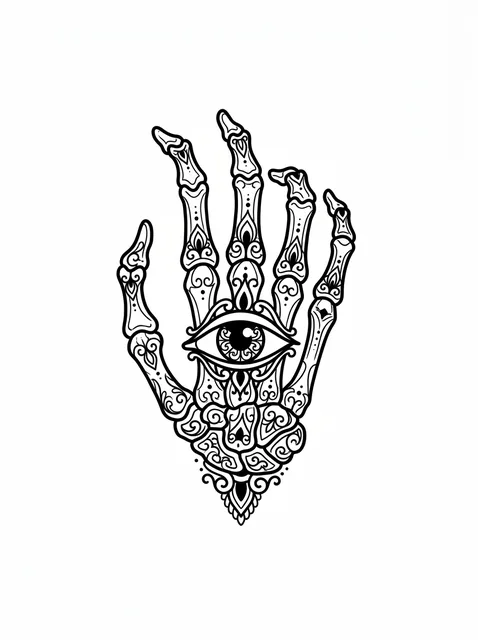
Black and grey ornamental skeleton hand and eye tattoo design Try it on — Black and grey ornamental skeleton hand and eye tattoo design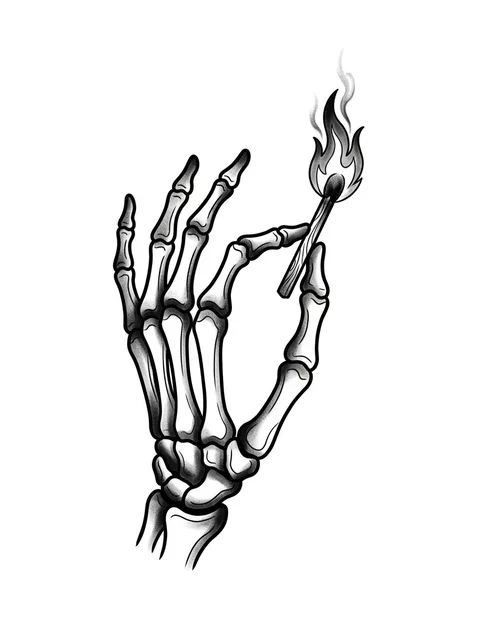
Black and grey neo traditional skeleton hand and fire tattoo design Try it on — Black and grey neo traditional skeleton hand and fire tattoo design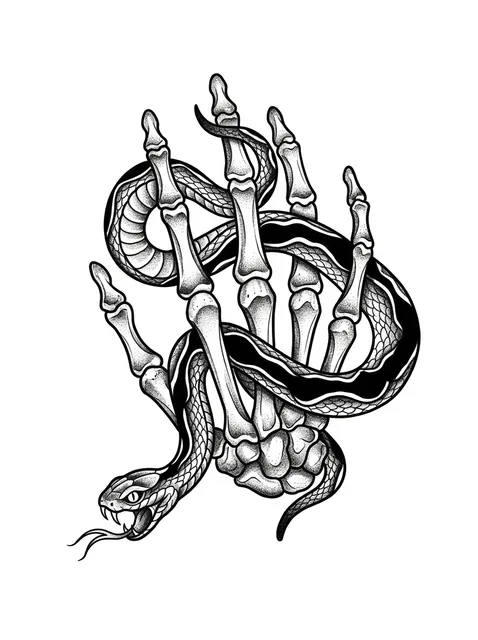
Black and grey dotwork skeleton hand and snake tattoo design Try it on — Black and grey dotwork skeleton hand and snake tattoo design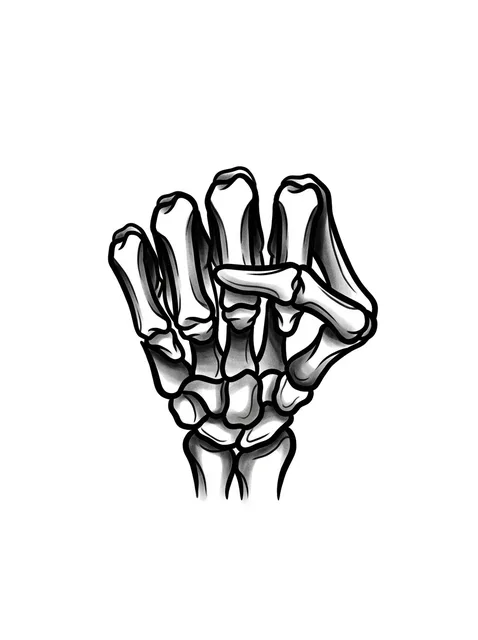
Black and grey illustrative skeleton hand and hand tattoo design: a skeleton hand in a fist Try it on — Black and grey illustrative skeleton hand and hand tattoo design: a skeleton hand in a fist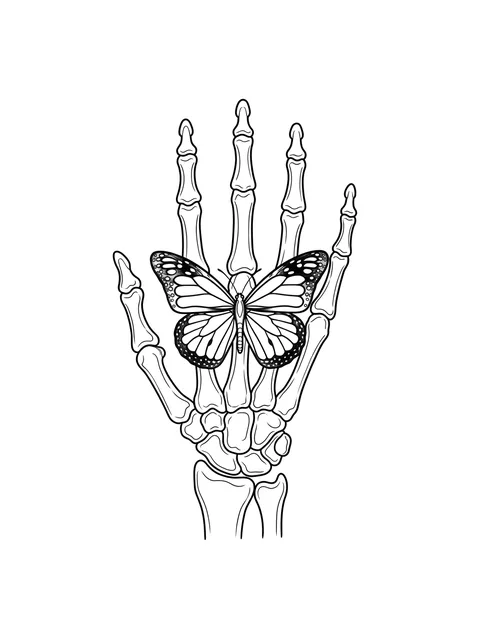
Black and white linework skeleton hand and butterfly tattoo design, outline stencil Try it on — Black and white linework skeleton hand and butterfly tattoo design, outline stencil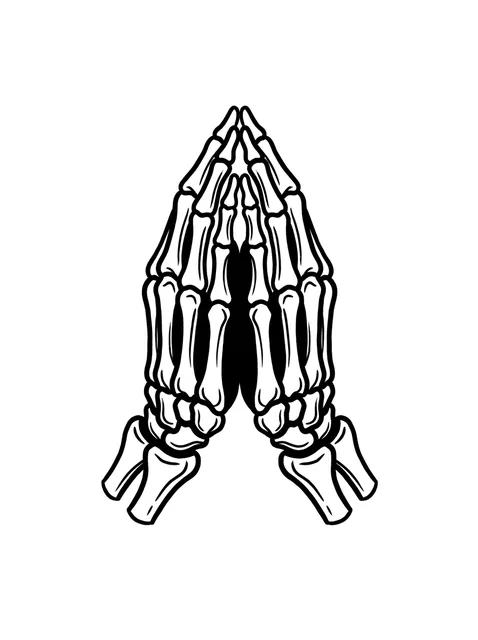
Black and white traditional skeleton hand and praying hands tattoo design Try it on — Black and white traditional skeleton hand and praying hands tattoo design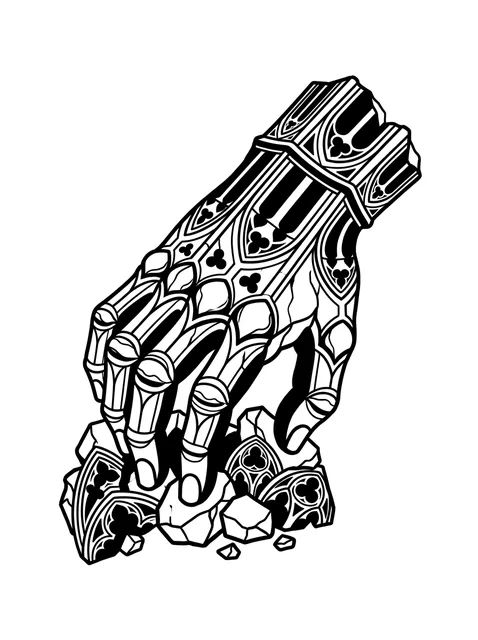
Black and grey gothic skeleton hand and hand tattoo design Try it on — Black and grey gothic skeleton hand and hand tattoo design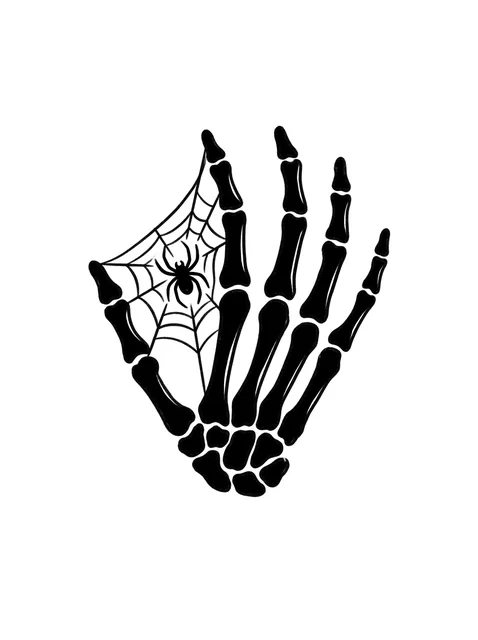
Black and white blackwork skeleton hand and spider tattoo design Try it on — Black and white blackwork skeleton hand and spider tattoo design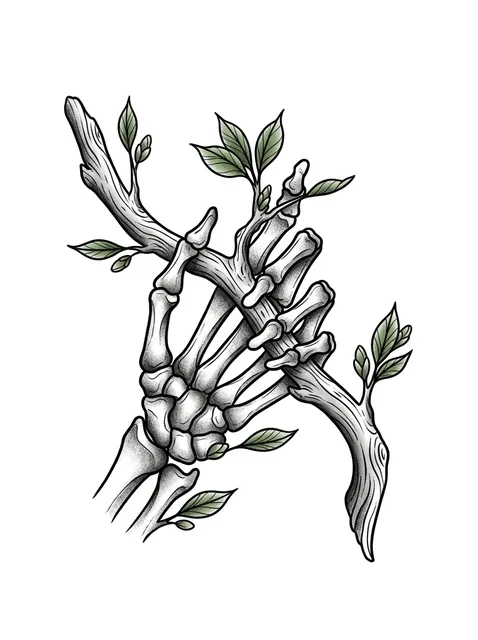
Color neo traditional skeleton hand and leaf tattoo design Try it on — Color neo traditional skeleton hand and leaf tattoo design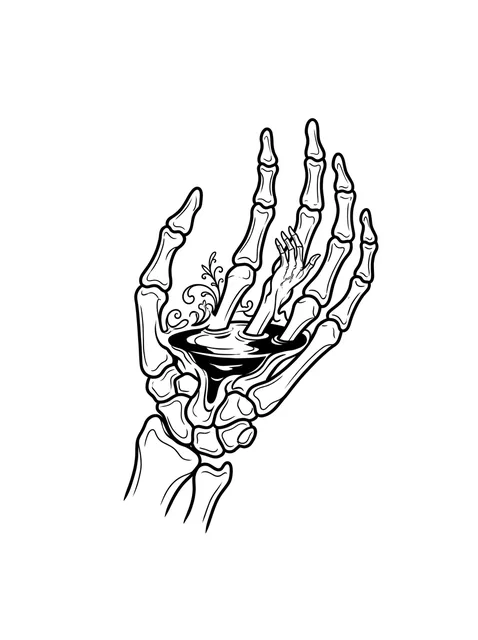
Black and white illustrative skeleton hand and hand tattoo design Try it on — Black and white illustrative skeleton hand and hand tattoo design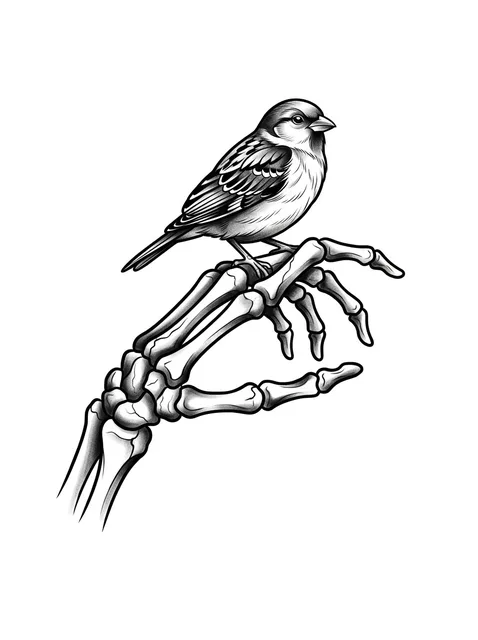
Black and grey illustrative skeleton hand and bird tattoo design Try it on — Black and grey illustrative skeleton hand and bird tattoo design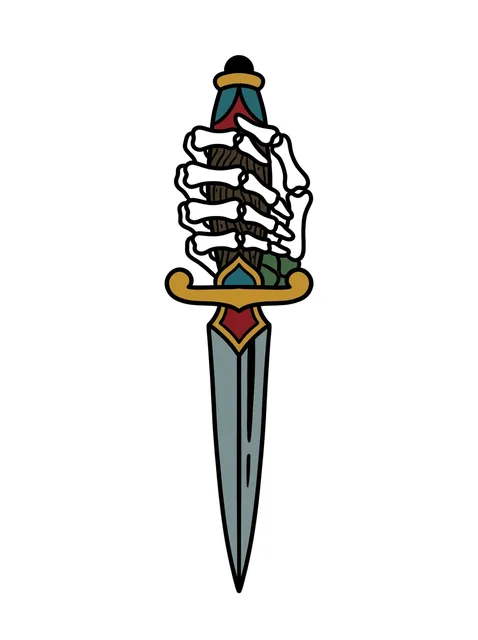
Color traditional skeleton hand and dagger tattoo design Try it on — Color traditional skeleton hand and dagger tattoo design


Tap any design to see it on your own skin in the try-on — no signup.
This set of 29 skeleton hand designs, by the numbers
- Styles represented
- illustrative (7), dotwork (6), traditional (4), linework (3), neo traditional (3), sketch (2)
- Black-and-grey vs colour
- 90% black-and-grey, 10% colour
- Most often drawn with
- hand, vine, moth, rose
Counted from the 29 designs shown on this page. Every one was drawn for InkCraft — none are scraped or reposted. Free to reference with a link to this page.
What a skeleton hand tattoo means
Every other death symbol in tattooing is passive. A skull looks back at you, an hourglass runs down on its own, a reaper waits. A hand acts — it is the part of the body that does things rather than the part that happens to things. Stripping it to bone puts mortality and agency in the same picture, which no other version of the subject manages.
That makes the gesture load-bearing rather than decorative. Two skeletal hands pressed together is devotional and reads as a prayer that outlasted the person praying. The same two hands with the little fingers hooked is a promise, and the joke is that the people who made it are gone and the promise is not. A pointing finger accuses. An open palm offers. None of those are the same tattoo, and the bones are identical in all four.
A common and much less morbid reason is trade. Hands are what a person worked with, so musicians, mechanics, surgeons and tattooers wear them as a marker of the thing they did rather than as a memento mori. Worn that way the piece is closer to a tool than to a warning.
And there is the plainest reason of all: the hand is the only part of your own skeleton you can watch move under the skin. Flex, and the tendons and knuckles show you the drawing already. People choose it because they recognise the shape before anyone explains it.
Where the design comes from
Two sources sit under almost every version drawn today. Hans Holbein the Younger cut his Dance of Death series around 1526, printed at Lyon in 1538, and its innovation was to show Death doing ordinary things — leading a ploughman, pouring for a drinker — with ordinary working hands, which turned the skeleton from a warning into a participant. Andreas Vesalius then published De humani corporis fabrica in 1543, the first anatomical plates accurate enough that an artist could draw the twenty-seven bones of the hand without guessing; those plates are still the reference behind a well-drawn one. The compositions themselves, the hand holding a rose or a dagger or an hourglass, come from twentieth-century American flash, which paired the anatomy with an object and fixed the format.
Choosing yours
- The drawing has to stop at the wrist. Carry the bones any further and the piece stops being a hand and becomes a skeleton with the rest cropped off, which reads as an accident rather than a decision. A clean end at the wrist joint is what makes it look intended.
- Twenty-seven bones is a great deal to fit into a small space. Below roughly 10 cm the finger joints merge and the hand closes into a mitten, so if you want it small, choose a gesture with the fingers folded rather than spread — a fist or a hook needs far fewer separations than an open palm.
- Decide whether the bone is clean or weathered. Smooth bone with crisp edges reads anatomical and medical; pitted, cracked, slightly porous bone reads archaeological. Stipple gives you the second and a confident line gives you the first, and they soften at different rates over twenty years.
Size, cost and placement
How big, and what it costs
Roughly 10 to 18 cm, and the quote tracks how many joints are visible rather than the overall size. An open palm with every finger separated is several hours of careful spacing; a closed fist at the same dimensions can be half that. Ask for the price against the gesture you have chosen, because two designs of identical height can differ by a factor of two.
Where it sits, and how much it hurts
The inner and outer forearm suit it best — a long field that matches a hand-sized vertical, and gentle for pain. The upper arm and the calf both work for larger versions. Avoid putting a skeleton hand on your actual hand unless you want the joke: the area sheds ink fastest of anywhere on the body and the fine joint separations are the first thing to go.
What to ask your artist
- Which gesture, decided before anything else, because it carries more meaning than the rendering does.
- Whether the bone will be drawn clean or weathered, and how each will look once the lines have spread.
- How the design ends at the wrist — a straight cut, a ragged break, or a fade — since that edge is what stops it reading as a cropped skeleton.
Prices vary widely by city and artist — treat these as session lengths rather than quotes, and expect a shop minimum on anything small. The cost guide turns hours into money by size, placement and style.
Common questions
Is a skeleton hand about death or about the gesture?
Mortality, but with agency attached — it is the only death symbol that can still act. Most of the meaning comes from the gesture rather than the bones: hands clasped in prayer, little fingers hooked in a promise, a finger pointing and an open palm are four different statements made with identical anatomy.
Should the design stop at the wrist?
Yes, and it matters more than it sounds. Bones continuing past the wrist turn the piece into a cropped skeleton, which looks like a framing mistake. A clean end at the wrist joint is what makes the hand read as the whole subject rather than as a fragment of something larger.
How small can a skeleton hand go before the joints merge?
Around 10 cm is a sensible floor for an open hand, because twenty-seven bones need space between them or the fingers merge. If you want it smaller, ask for a folded gesture — a fist or a hooked finger has far fewer separations to hold and stays legible at a size a spread palm cannot.
Does it have to hold something?
No, and the empty ones are often stronger. An object gives the eye somewhere to go, but it also splits the attention: a hand holding a rose is partly a rose tattoo. If the anatomy is the reason you want it, leave the hand alone and let the gesture do the work.
See it on your skin before you commit
InkCraft places any of these designs on a photo of you — scaled, wrapped and shaded to the placement you pick.