 InkCraft
Chicano tattoos: fine line, soft grey, no outline
32 original chicano tattoos designs drawn for InkCraftBy Uladzimir TumanauUpdated
Mexican-American, and defined by an absence: there is no outline anywhere in it. The drawing is held together entirely by soft greywash, which is the technical opposite of everything American traditional does.
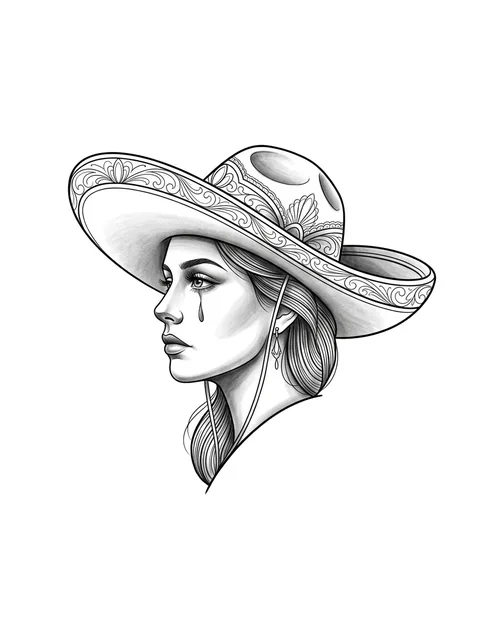
Black and grey chicano woman portrait tattoo design Try it on — Black and grey chicano woman portrait tattoo design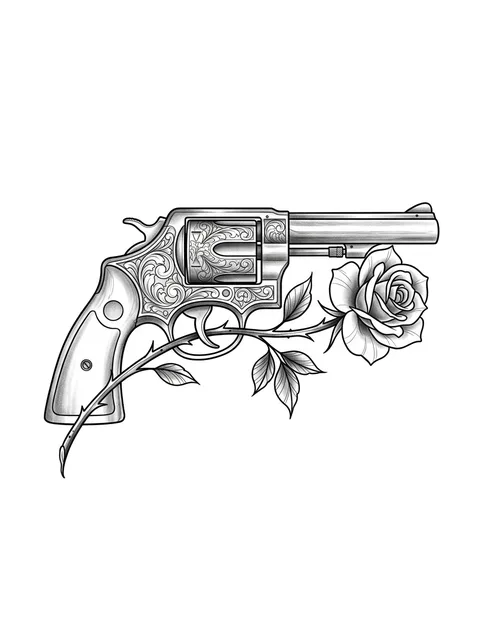
Black and grey chicano gun and rose tattoo design Try it on — Black and grey chicano gun and rose tattoo design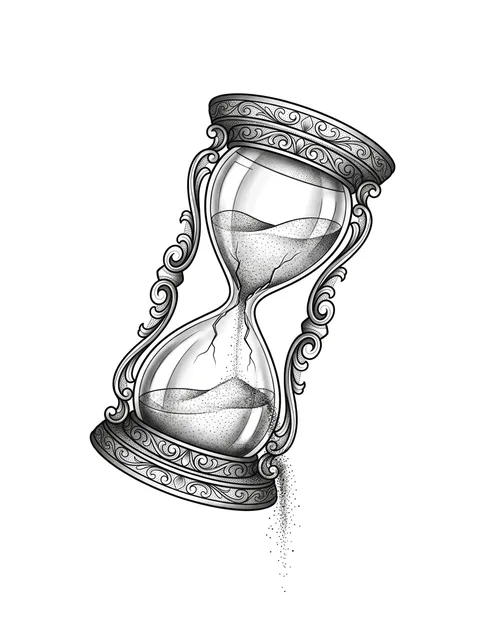
Black and grey chicano hourglass tattoo design Try it on — Black and grey chicano hourglass tattoo design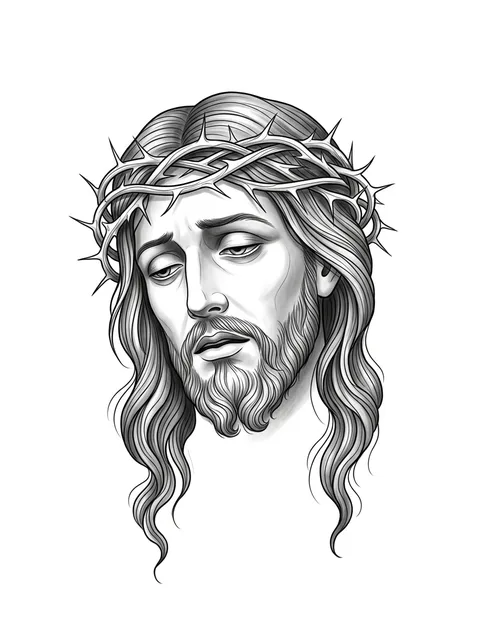
Black and grey chicano jesus tattoo design Try it on — Black and grey chicano jesus tattoo design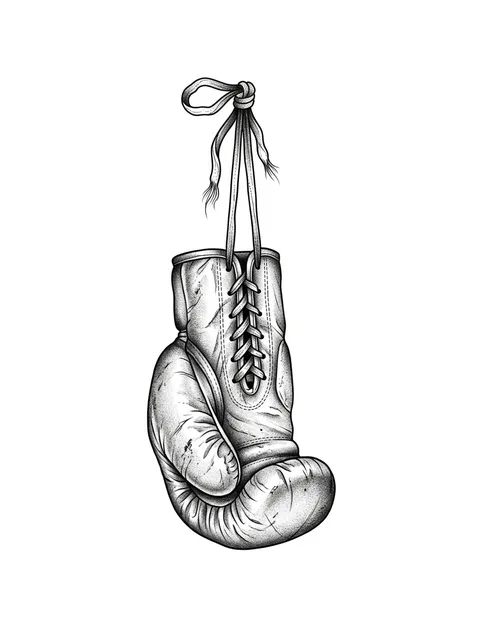
Black and grey chicano boxing glove tattoo design: a single boxing glove, hanging by its laces Try it on — Black and grey chicano boxing glove tattoo design: a single boxing glove, hanging by its laces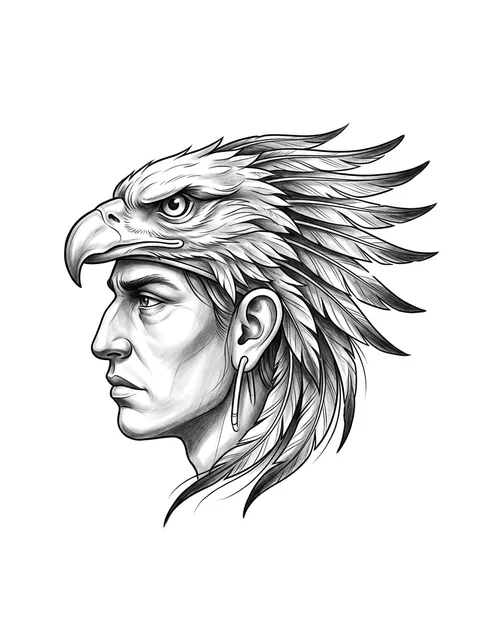
Black and grey chicano aztec tattoo design Try it on — Black and grey chicano aztec tattoo design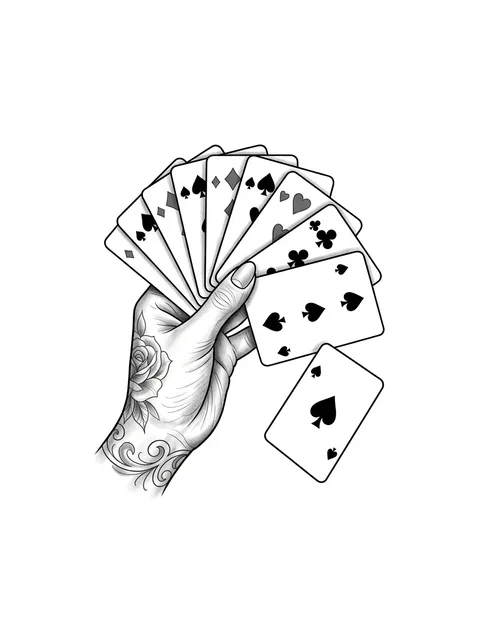
Black and grey chicano playing card and hand tattoo design Try it on — Black and grey chicano playing card and hand tattoo design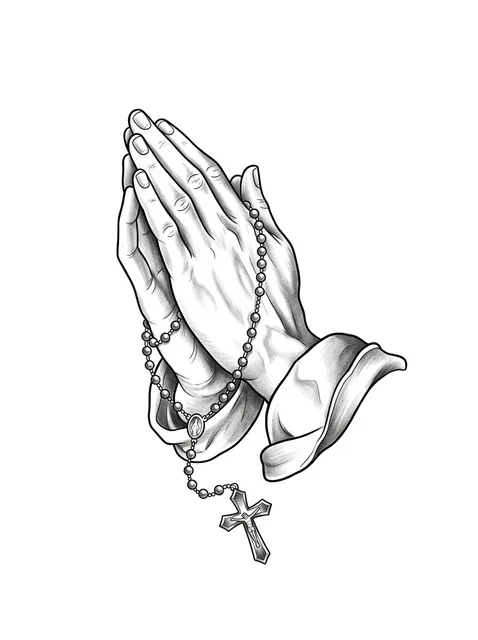
Black and grey chicano praying hands tattoo design Try it on — Black and grey chicano praying hands tattoo design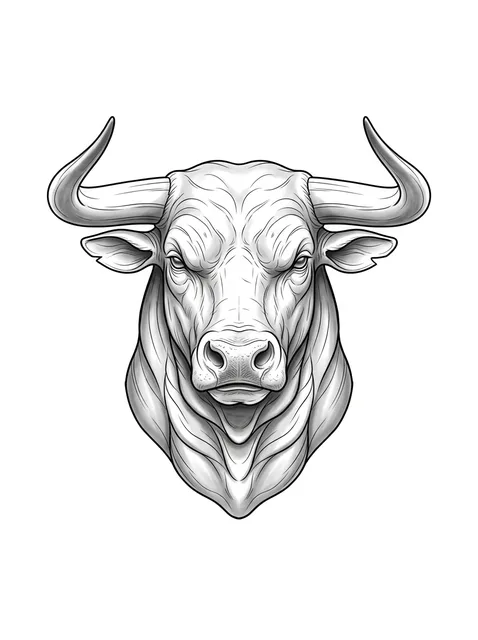
Black and grey chicano bull tattoo design Try it on — Black and grey chicano bull tattoo design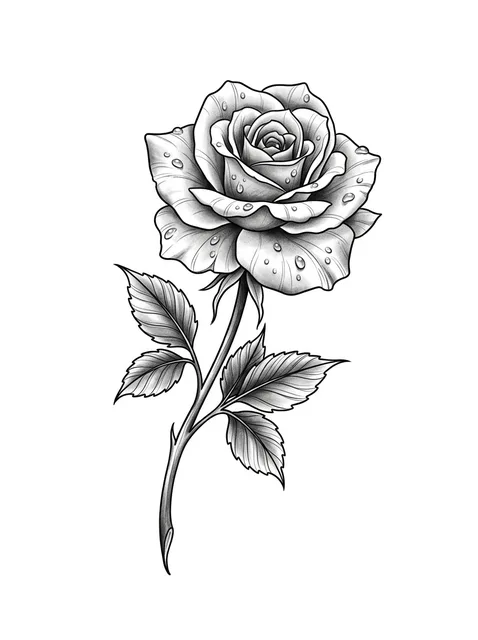
Black and grey chicano rose tattoo design Try it on — Black and grey chicano rose tattoo design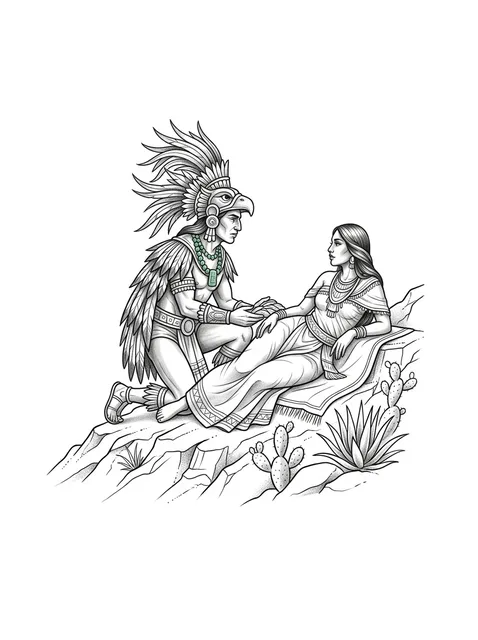
Black and grey chicano aztec and mountain tattoo design Try it on — Black and grey chicano aztec and mountain tattoo design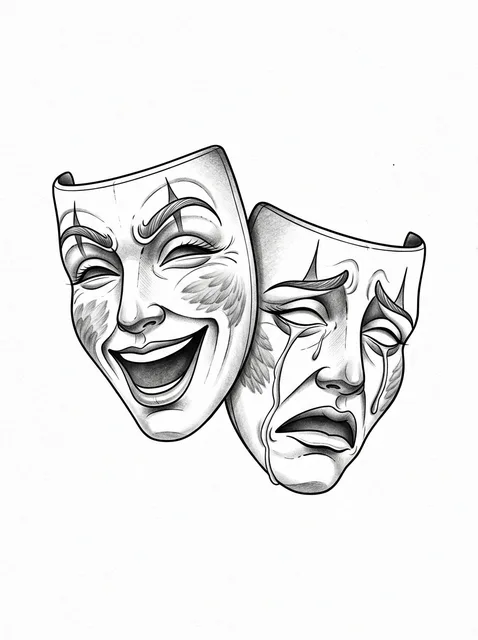
Black and grey chicano clown tattoo design Try it on — Black and grey chicano clown tattoo design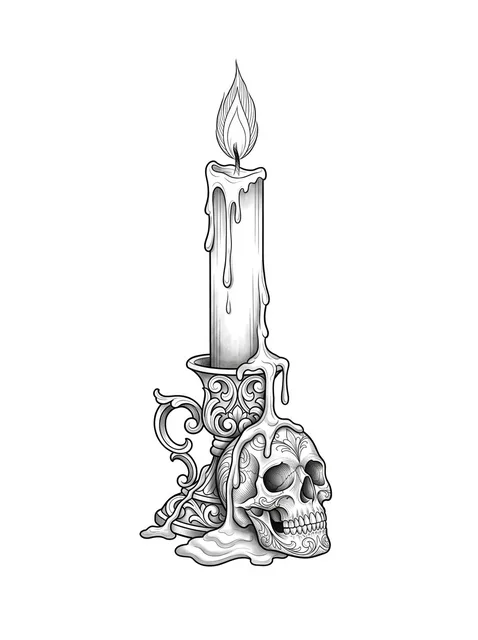
Black and grey chicano candle and skull tattoo design Try it on — Black and grey chicano candle and skull tattoo design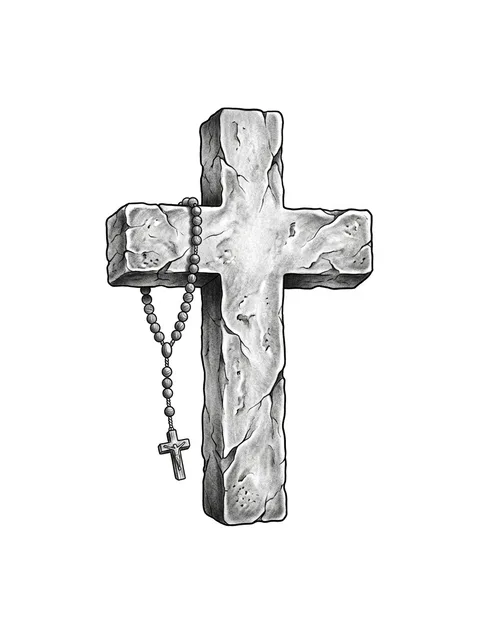
Black and grey chicano cross and crucifix tattoo design Try it on — Black and grey chicano cross and crucifix tattoo design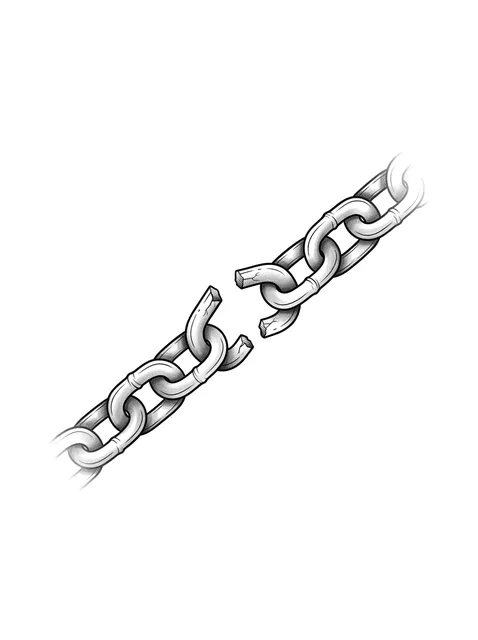
Black and grey chicano abstract tattoo design: a broken chain Try it on — Black and grey chicano abstract tattoo design: a broken chain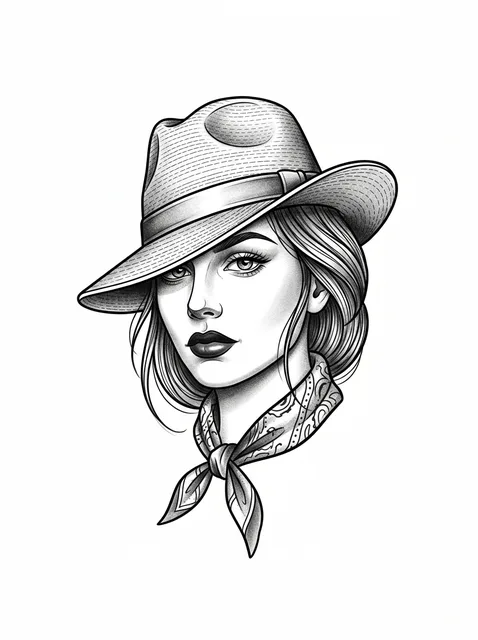
Black and grey chicano woman portrait tattoo design Try it on — Black and grey chicano woman portrait tattoo design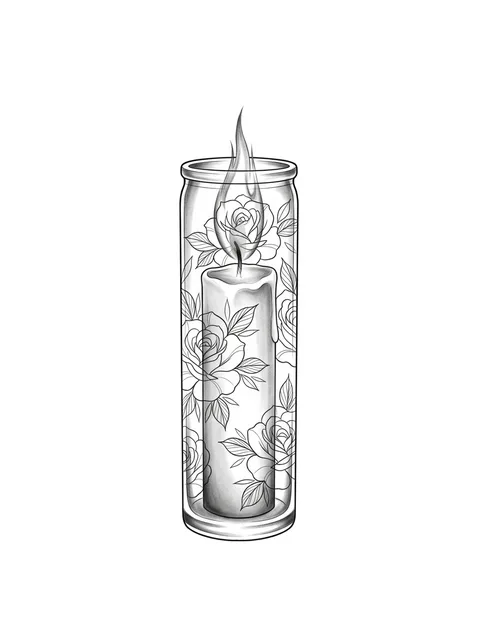
Black and grey chicano candle and rose tattoo design: a lit candle encased in a glass jar Try it on — Black and grey chicano candle and rose tattoo design: a lit candle encased in a glass jar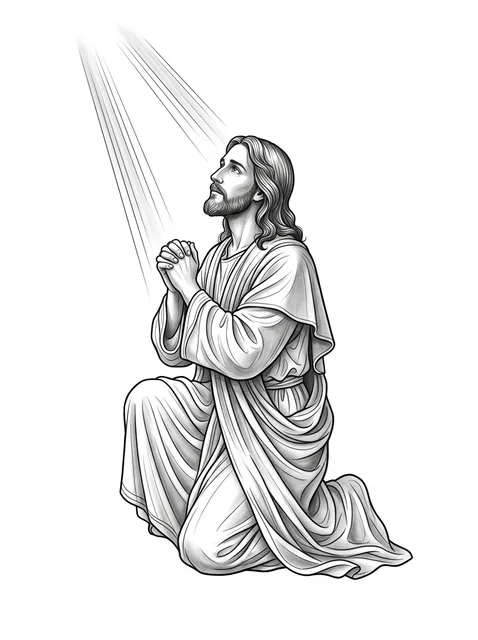
Black and grey chicano jesus and praying hands tattoo design Try it on — Black and grey chicano jesus and praying hands tattoo design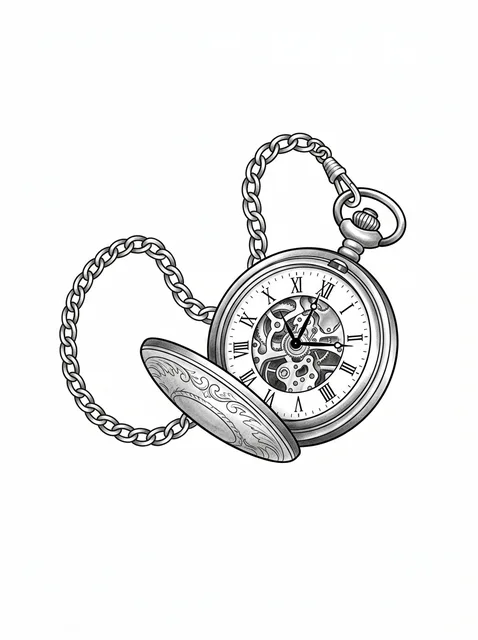
Black and grey chicano clock tattoo design Try it on — Black and grey chicano clock tattoo design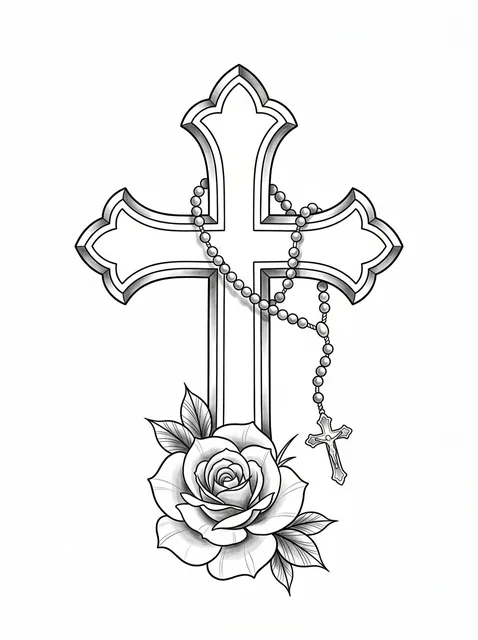
Black and grey chicano cross and rose tattoo design Try it on — Black and grey chicano cross and rose tattoo design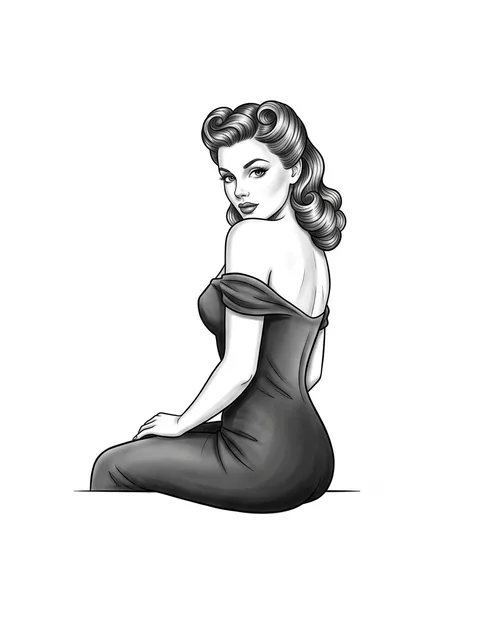
Black and grey chicano pin up and woman portrait tattoo design Try it on — Black and grey chicano pin up and woman portrait tattoo design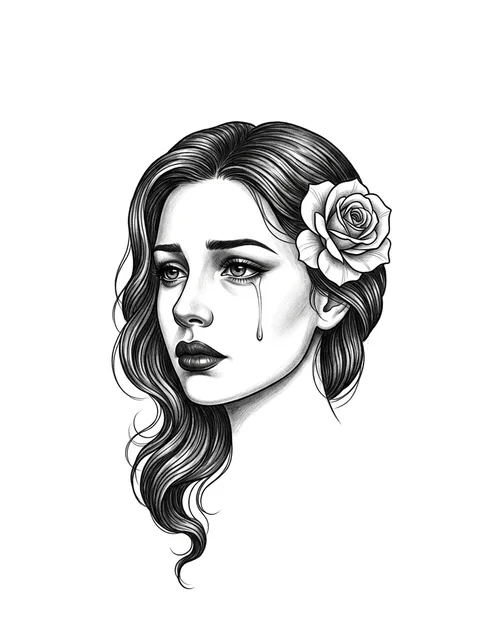
Black and grey chicano woman portrait and rose tattoo design Try it on — Black and grey chicano woman portrait and rose tattoo design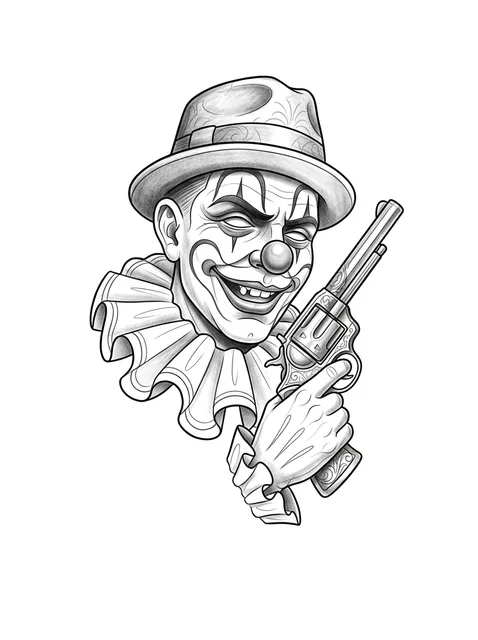
Black and grey chicano clown and gun tattoo design Try it on — Black and grey chicano clown and gun tattoo design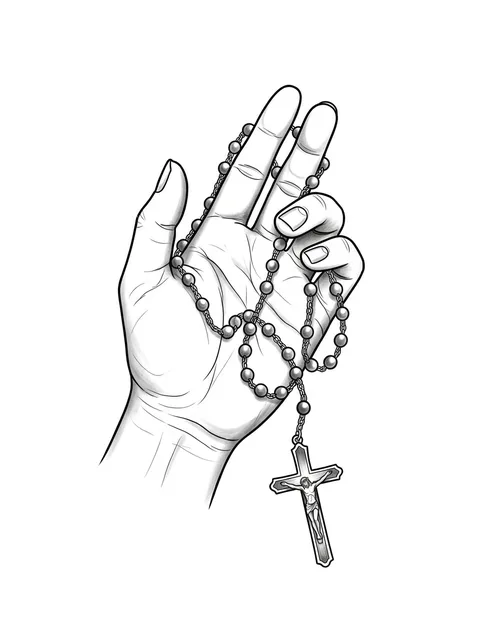
Black and grey chicano hand tattoo design Try it on — Black and grey chicano hand tattoo design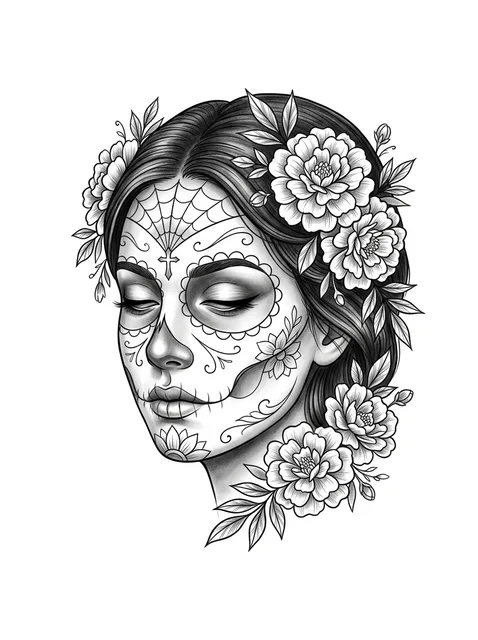
Black and grey chicano sugar skull and flower tattoo design: the Dead sugar skull with marigolds Try it on — Black and grey chicano sugar skull and flower tattoo design: the Dead sugar skull with marigolds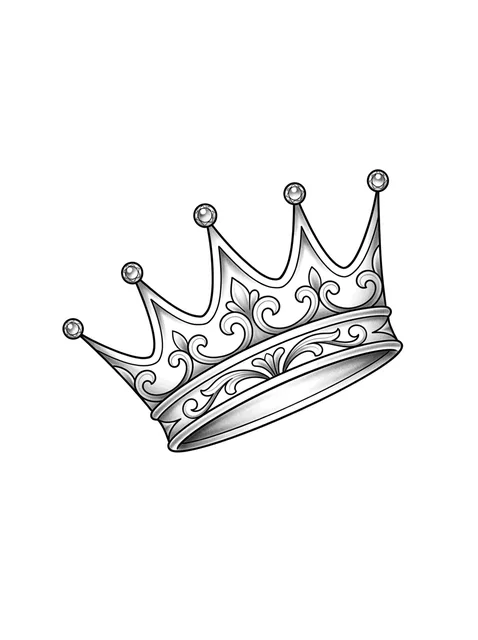
Black and grey chicano crown tattoo design Try it on — Black and grey chicano crown tattoo design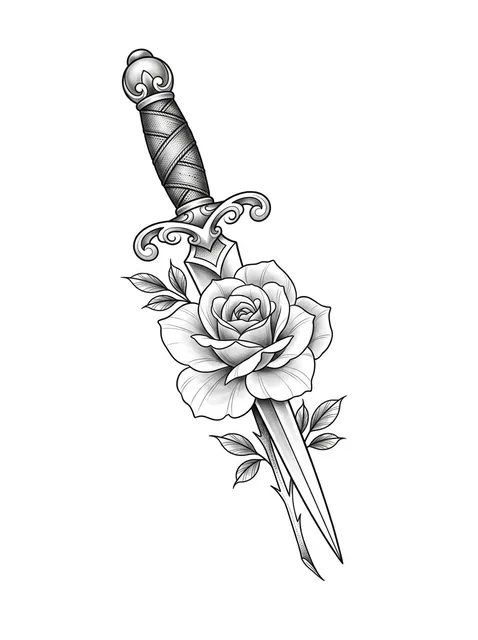
Black and grey chicano dagger and rose tattoo design Try it on — Black and grey chicano dagger and rose tattoo design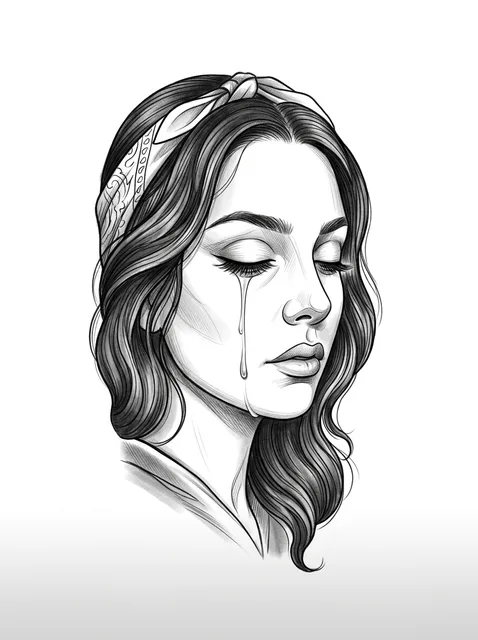
Black and grey chicano woman portrait tattoo design Try it on — Black and grey chicano woman portrait tattoo design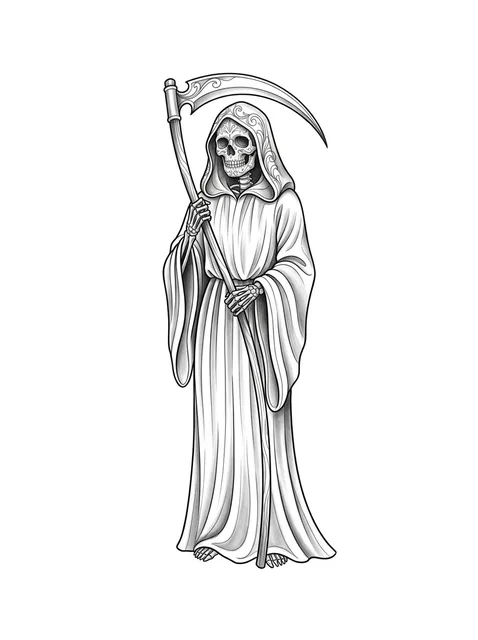
Black and grey chicano santa muerte tattoo design Try it on — Black and grey chicano santa muerte tattoo design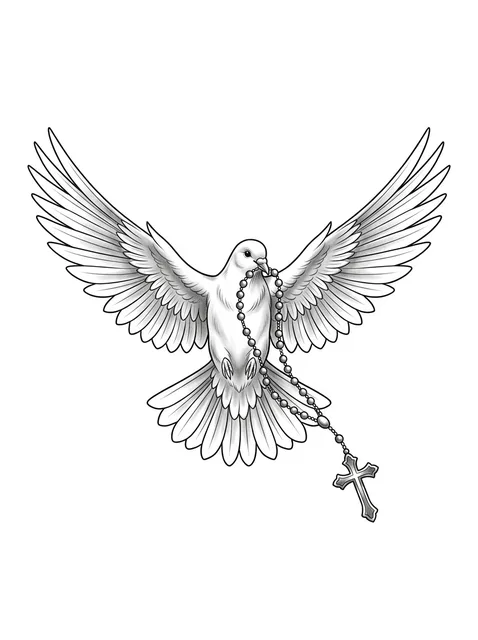
Black and grey chicano bird tattoo design Try it on — Black and grey chicano bird tattoo design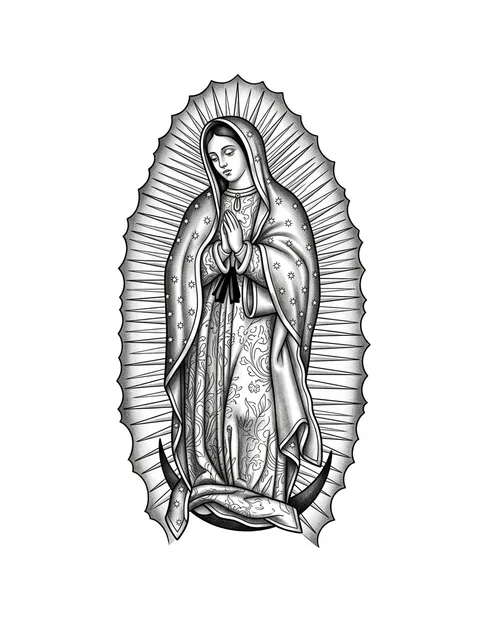
Black and grey chicano virgin mary tattoo design Try it on — Black and grey chicano virgin mary tattoo design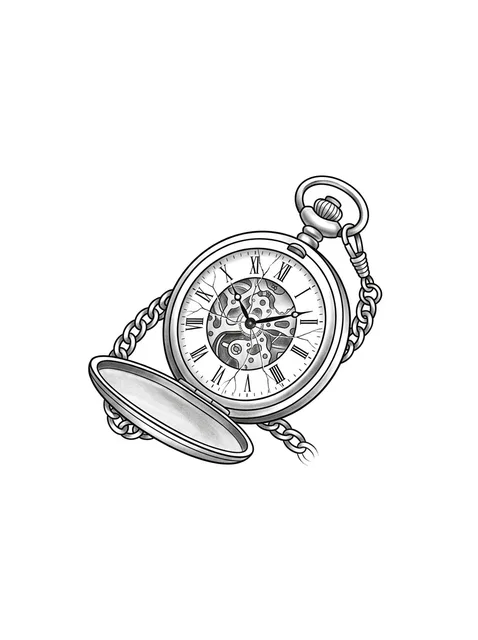
Black and grey chicano clock tattoo design Try it on — Black and grey chicano clock tattoo design


32 designs drawn for InkCraft in this style. Tap any one to place it on a photo of your own skin.
These 32 designs, in numbers
- Black and grey
- 32
- Colour
- 0
- Subjects covered
- 27
Where it comes from
The technique started where machines were not available. Single-needle work done in California prisons through the 1950s and 60s used whatever could be improvised, and a single needle produces exactly one thing well: a very fine line and very soft grey. What began as a limitation became the signature.
It reached studios through Good Time Charlie's Tattooland, opened in Boyle Heights in East Los Angeles in 1976, where Charlie Cartwright and Jack Rudy adapted the single-needle approach to a machine — and where Freddy Negrete, who had learned the style inside, began tattooing shortly after. That shop is the specific point at which a prison technique became a professional style, and nearly every chicano artist working today traces back through it.
The imagery came with it and is worth knowing rather than borrowing blind. The payasa and payaso masks say smile now, cry later. The rosary, the Virgin of Guadalupe and the veladora candle are devotional. The lowrider is a specific culture of building cars to sit low and move slowly, which is the opposite of what a modified car is usually for.
The technique is the style
No outline is the rule and it is unforgiving. Every other black-and-grey style has a line holding the edges, so shading only has to fill. Here the shading has to define the form as well, which means a tonal error is a drawing error — there is nothing to fall back on. This is why chicano work is usually done by specialists and why a generalist attempting it tends to reach for a line halfway through.
The greywash is smooth rather than textured, which sets it apart from black-and-grey realism. Realism builds tone from dense hard-edged stipple and whip shading; chicano lays soft, even, continuous grey. Side by side the difference is obvious, and it is the reason a realism artist is not automatically a chicano artist.
It ages differently from bold work, and honestly. Soft grey lightens over the years and the piece gets gentler rather than blurrier, because there are no adjacent hard lines to merge. A twenty-year-old chicano piece typically looks faded rather than damaged, which many people prefer to the alternative.
Choosing a piece
Size for the faces. Portraits are central to the tradition and they are the part that suffers most when scaled down: a face needs its tonal transitions, and below about 12 cm those compress into a single mid-grey. Objects — a rosary, a pocket watch, dice, a candle — work much smaller.
Ask about the shading medium at the consultation. Many chicano artists work with a heavily diluted grey wash mixed on the spot rather than pre-mixed greys, and the smoothness of the result depends on it. An artist who has a specific answer to that question is the one you want.
And be deliberate about the imagery. The vocabulary carries real meaning inside the culture it comes from, and wearing it well means knowing what it says — a rosary, a mask with a tear, a Guadalupe are not interchangeable decorative options. Asking your artist what a motif means is a better opening than asking what would look good.
What an hour of this work costs, and how many hours chicano tattoos takes at each size, is in the cost guide. How it behaves later — under a laser, and as the thing doing the covering — is in the removal and cover-up guide.
Common questions
- What makes a tattoo chicano style?
- No outline anywhere. The whole drawing is held together by soft, smooth greywash laid with a fine single needle, so the shading has to define the form as well as fill it. Every other black-and-grey style has a line holding the edges; this one deliberately does not.
- How is it different from black-and-grey realism?
- The texture of the shading. Realism builds tone from dense hard-edged stipple and whip shading; chicano lays soft, even, continuous grey. Side by side it is obvious, and it is why a realism specialist is not automatically able to do chicano work.
- Where did the style start?
- With single-needle work improvised in California prisons through the 1950s and 60s, where a single needle produced a very fine line and very soft grey. It became professional at Good Time Charlie's Tattooland in Boyle Heights, East Los Angeles, from 1976 — nearly every chicano artist working traces back through that shop.
- Does chicano work age well?
- It ages gently rather than badly. Soft grey lightens over the years but there are no adjacent hard lines to merge into each other, so a twenty-year-old piece usually reads as faded rather than blurred. Many people prefer that to the alternative.
See this style on your own skin
InkCraft places a design on a photo of you — scaled, wrapped and shaded to the spot you pick, so you can judge how the style reads on your body before it is permanent.