 InkCraft
Sketch tattoo designs: the drawing, not the piece
48 original sketch style tattoos designs drawn for InkCraftBy Uladzimir TumanauUpdated
Construction lines left visible, strokes that overshoot, corrections still on the page. It looks like a sketchbook rather than a finished illustration, and that is the intention rather than an accident.
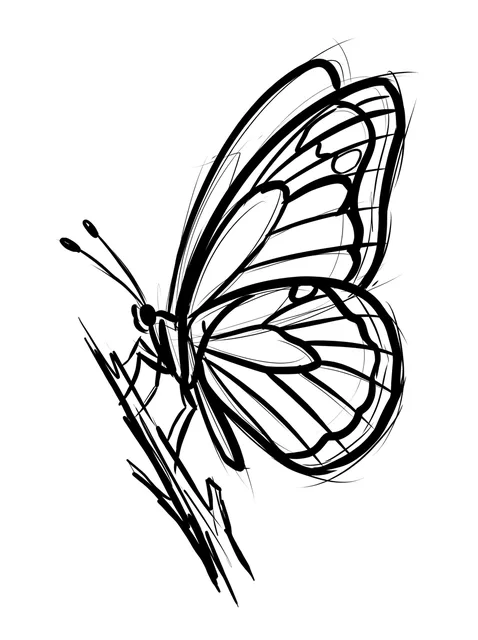
Black and grey sketch butterfly tattoo design: a butterfly in flight Try it on — Black and grey sketch butterfly tattoo design: a butterfly in flight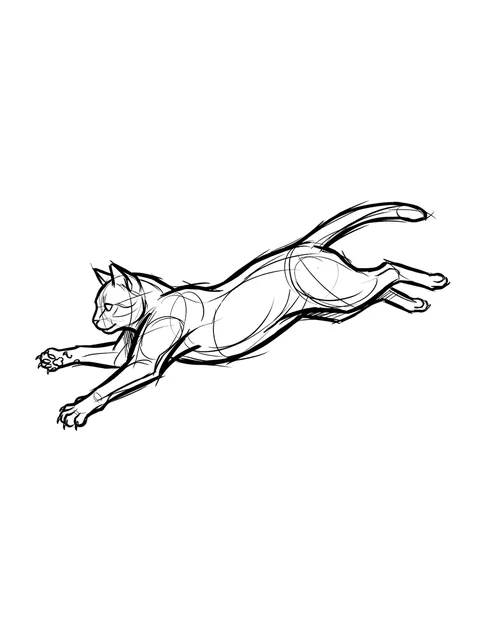
Black and grey sketch cat tattoo design Try it on — Black and grey sketch cat tattoo design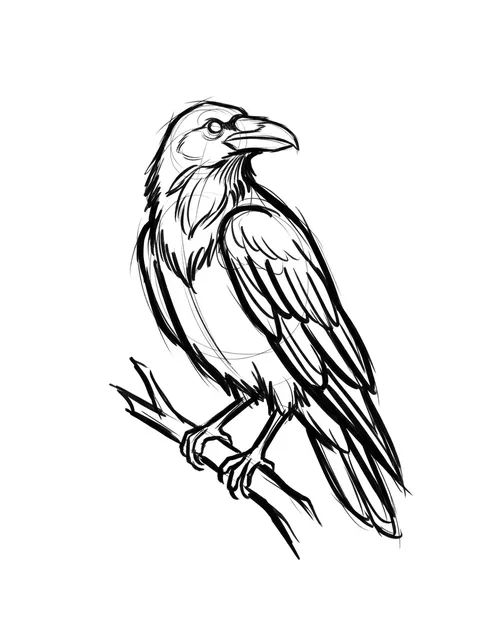
Black and grey sketch raven tattoo design: a raven perched on a branch, looking to the right Try it on — Black and grey sketch raven tattoo design: a raven perched on a branch, looking to the right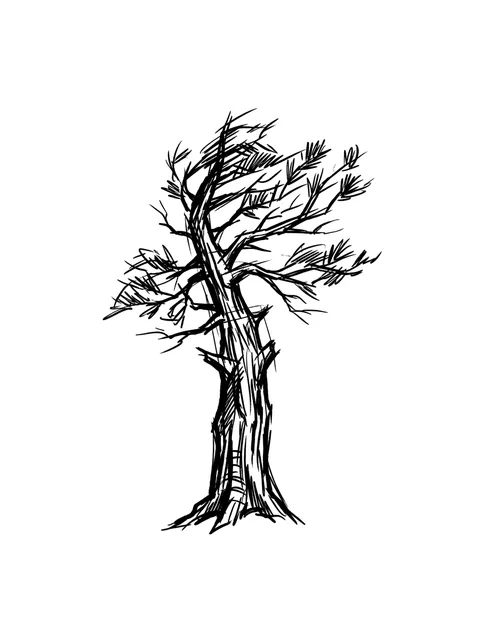
Black and grey sketch tree tattoo design Try it on — Black and grey sketch tree tattoo design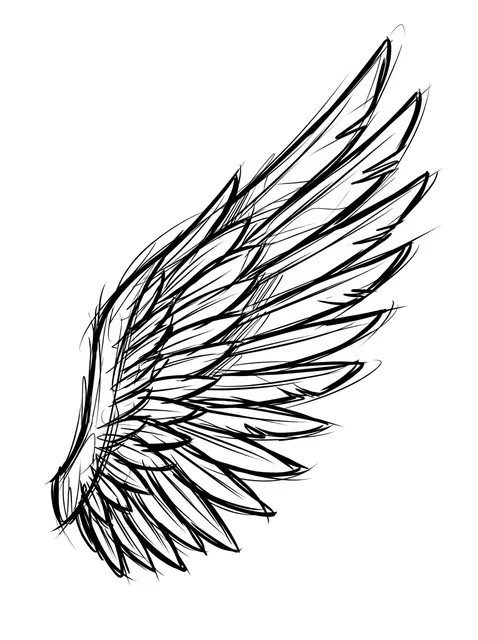
Black and grey sketch angel wings tattoo design: a single angel wing Try it on — Black and grey sketch angel wings tattoo design: a single angel wing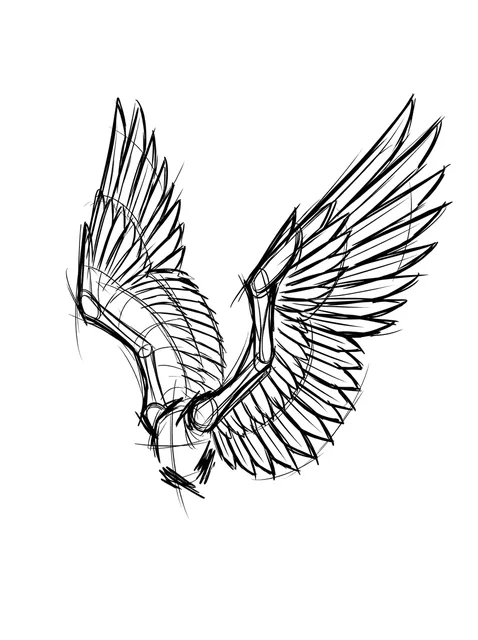
Black and grey sketch angel wings tattoo design: a pair of angel wings Try it on — Black and grey sketch angel wings tattoo design: a pair of angel wings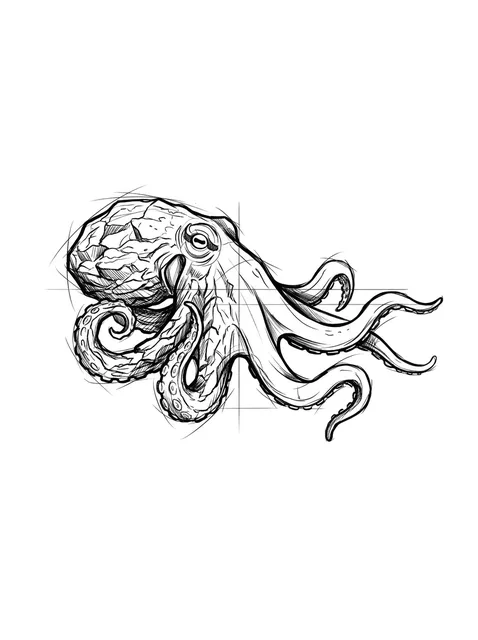
Black and white sketch octopus tattoo design Try it on — Black and white sketch octopus tattoo design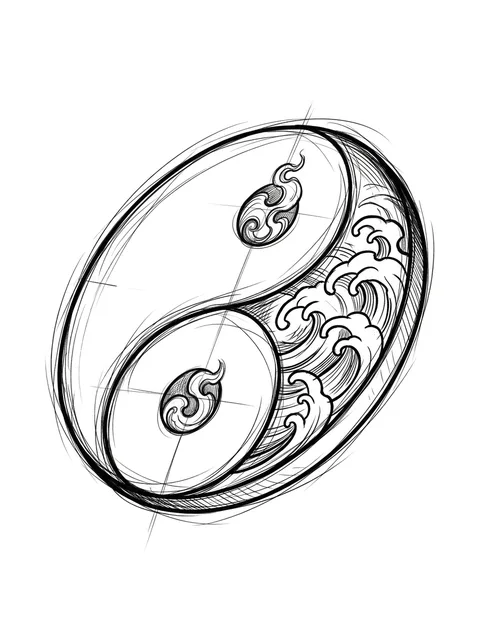
Black and grey sketch yin yang and wave tattoo design Try it on — Black and grey sketch yin yang and wave tattoo design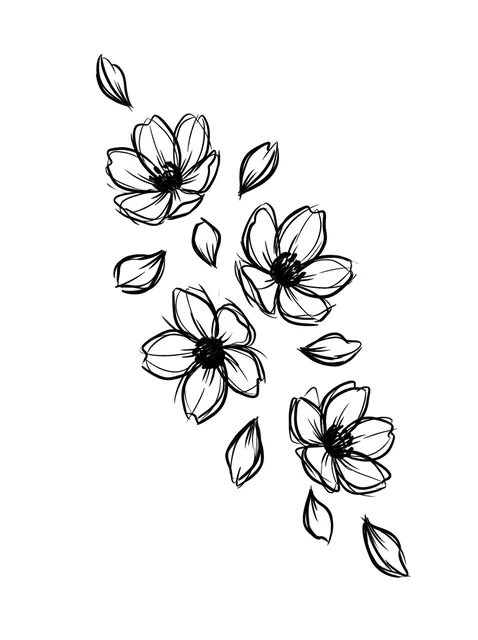
Black and grey sketch flower and leaf tattoo design Try it on — Black and grey sketch flower and leaf tattoo design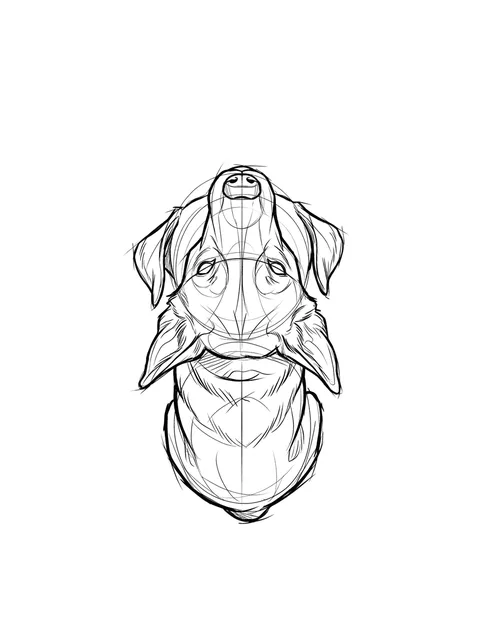
Black and grey sketch dog and pet portrait tattoo design Try it on — Black and grey sketch dog and pet portrait tattoo design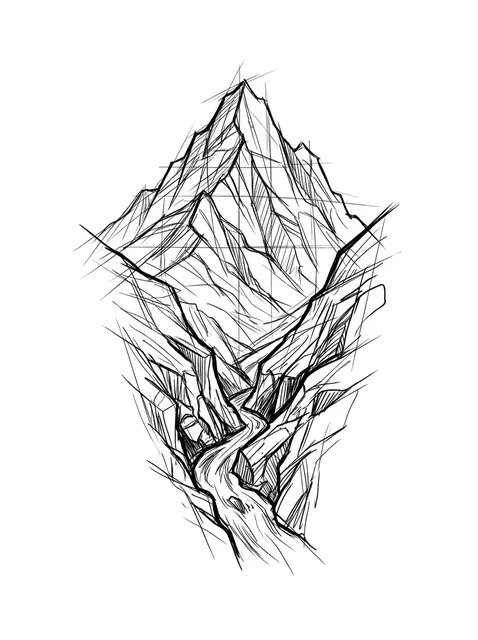
Black and grey sketch mountain tattoo design Try it on — Black and grey sketch mountain tattoo design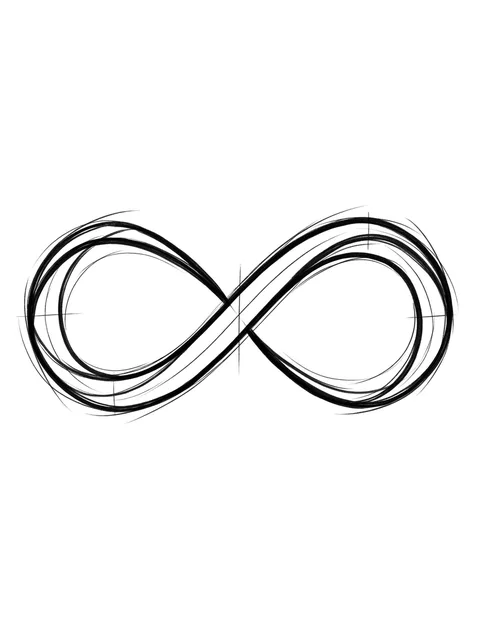
Black and grey sketch infinity tattoo design: a hand-drawn, sketchy quality Try it on — Black and grey sketch infinity tattoo design: a hand-drawn, sketchy quality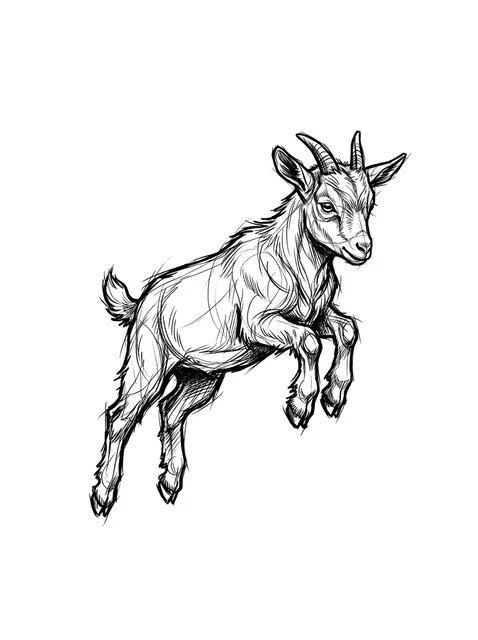
Black and grey sketch goat tattoo design: a goat mid-leap Try it on — Black and grey sketch goat tattoo design: a goat mid-leap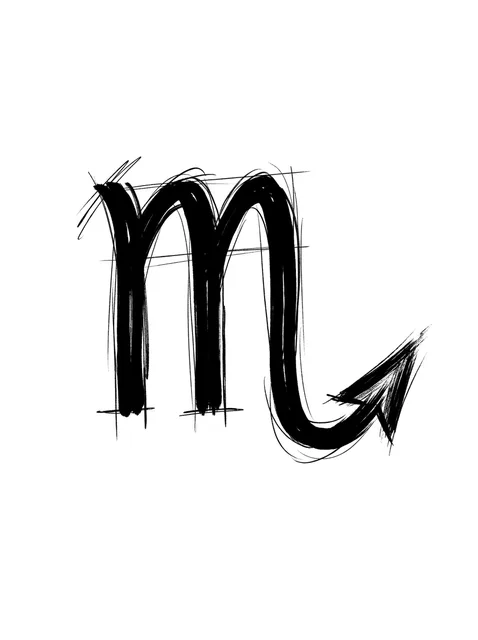
Black and grey sketch scorpio tattoo design Try it on — Black and grey sketch scorpio tattoo design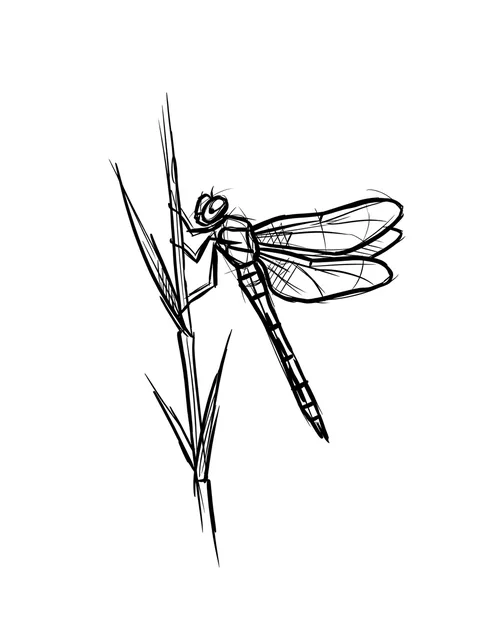
Black and grey sketch dragonfly and leaf tattoo design: a dragonfly perched on a slender leaf Try it on — Black and grey sketch dragonfly and leaf tattoo design: a dragonfly perched on a slender leaf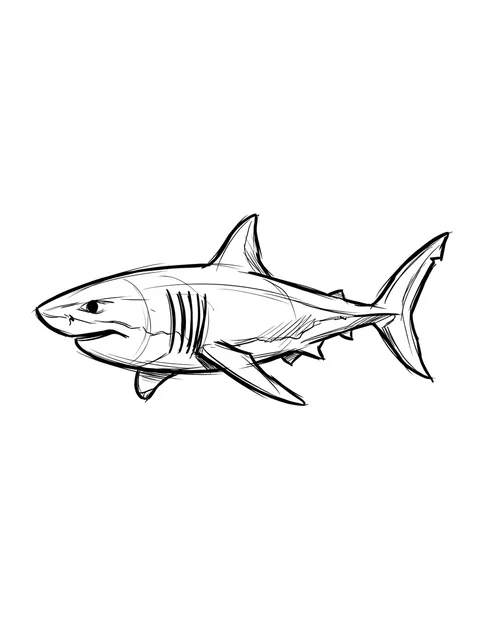
Black and grey sketch shark tattoo design Try it on — Black and grey sketch shark tattoo design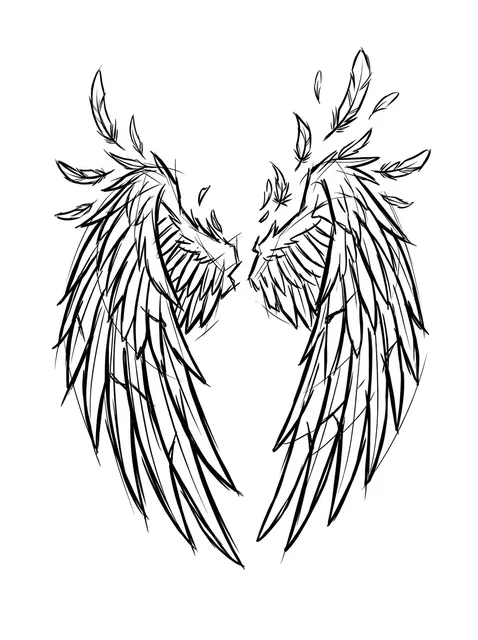
Black and grey sketch angel wings and feather tattoo design Try it on — Black and grey sketch angel wings and feather tattoo design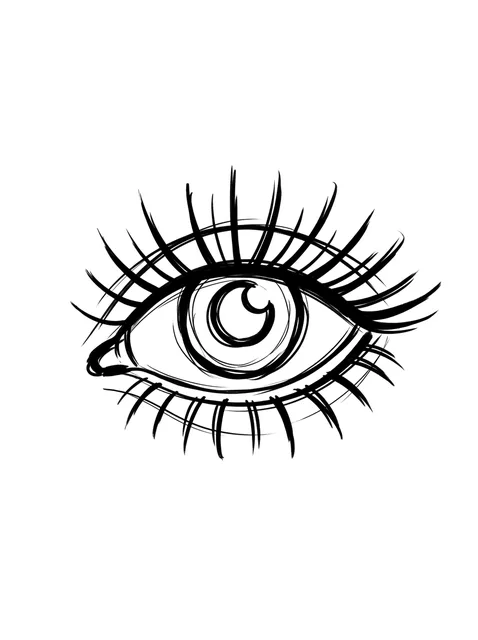
Black and grey sketch eye and moon tattoo design: an eye with long, spiky lashes Try it on — Black and grey sketch eye and moon tattoo design: an eye with long, spiky lashes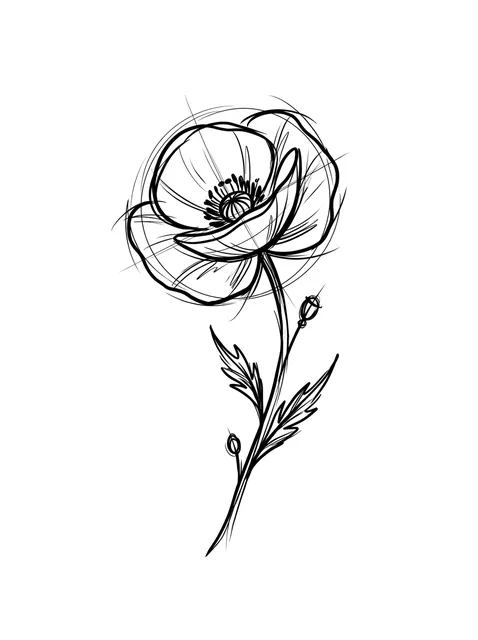
Black and grey sketch poppy and flower tattoo design: a single poppy flower with a bud and leaves Try it on — Black and grey sketch poppy and flower tattoo design: a single poppy flower with a bud and leaves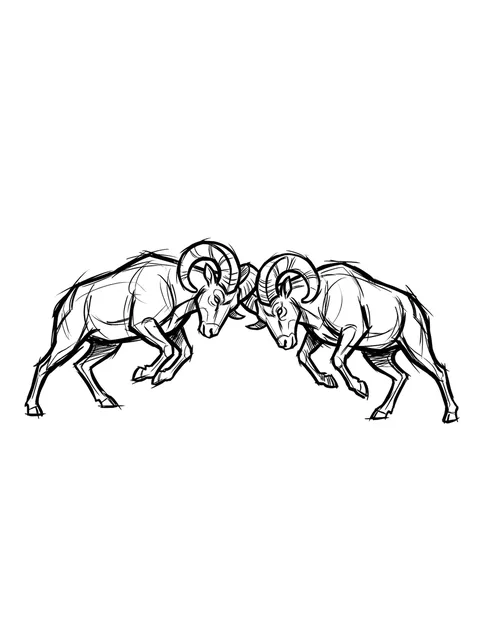
Black and grey sketch goat tattoo design: two rams in mid-charge, about to clash horns Try it on — Black and grey sketch goat tattoo design: two rams in mid-charge, about to clash horns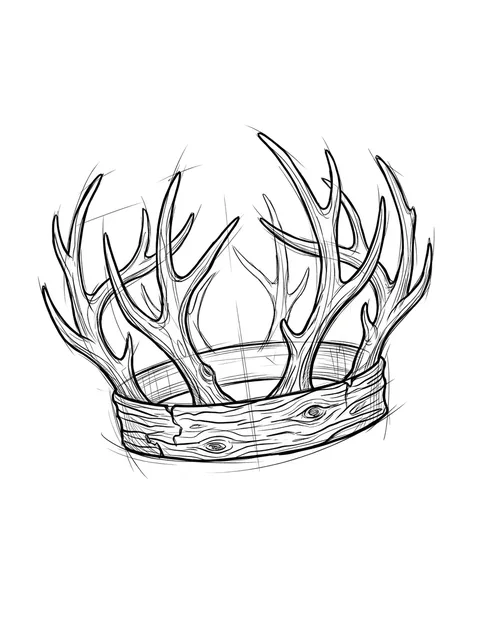
Black and grey sketch crown and deer tattoo design Try it on — Black and grey sketch crown and deer tattoo design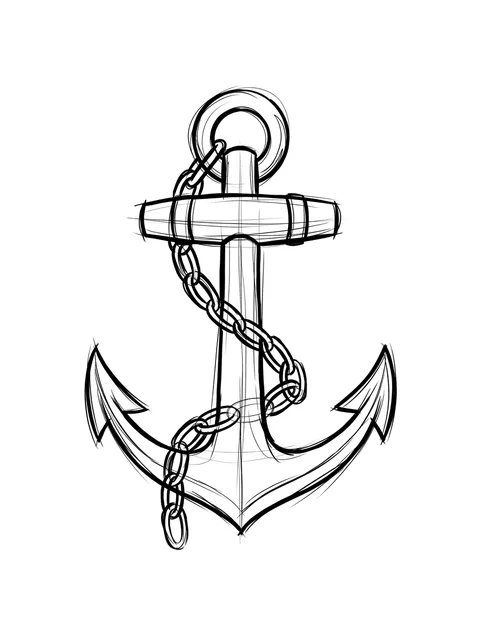
Black and grey sketch anchor tattoo design: a chain wrapped around its shaft Try it on — Black and grey sketch anchor tattoo design: a chain wrapped around its shaft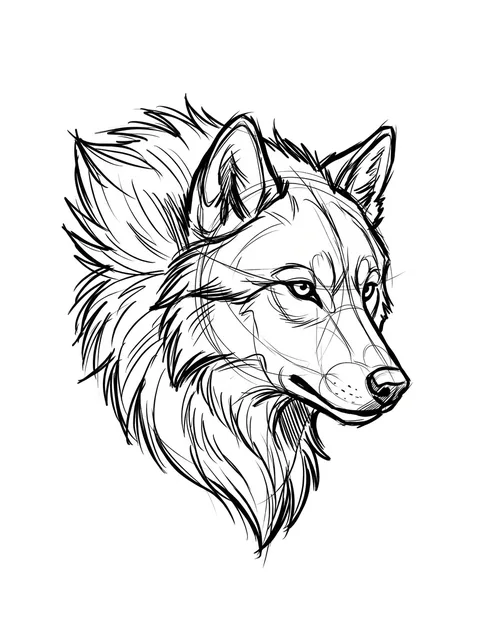
Black and grey sketch wolf tattoo design: a wolf's head in profile, looking to the right Try it on — Black and grey sketch wolf tattoo design: a wolf's head in profile, looking to the right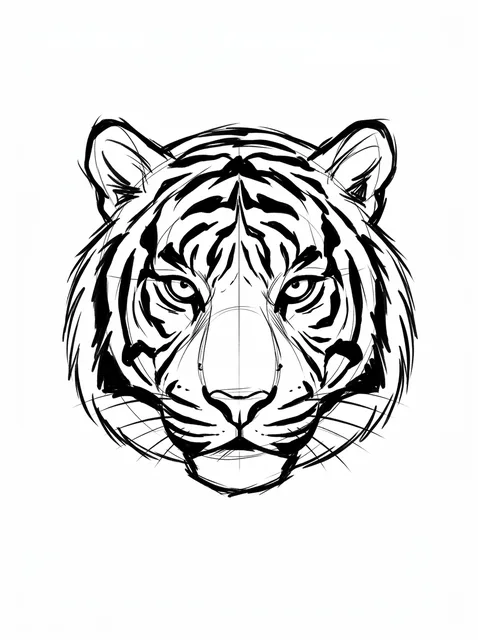
Black and white sketch tiger tattoo design: a tiger's head Try it on — Black and white sketch tiger tattoo design: a tiger's head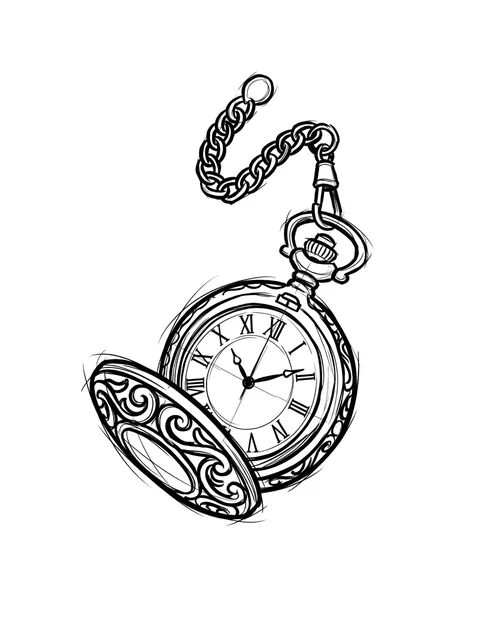
Black and white sketch clock tattoo design: an open pocket watch with Roman numerals on its face Try it on — Black and white sketch clock tattoo design: an open pocket watch with Roman numerals on its face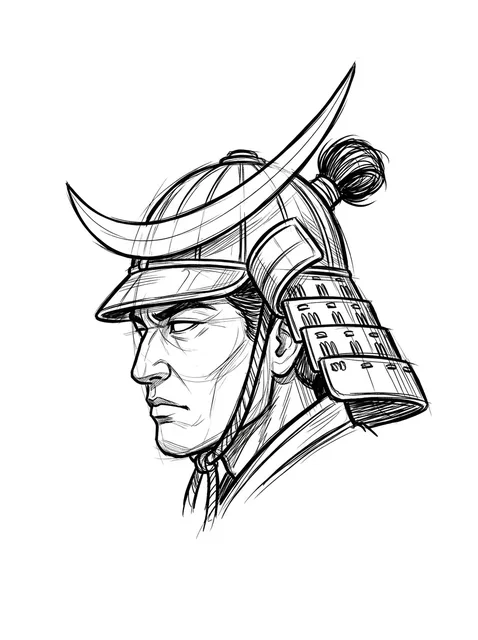
Black and grey sketch samurai tattoo design: a wide crescent crest, no face mask and the jaw Try it on — Black and grey sketch samurai tattoo design: a wide crescent crest, no face mask and the jaw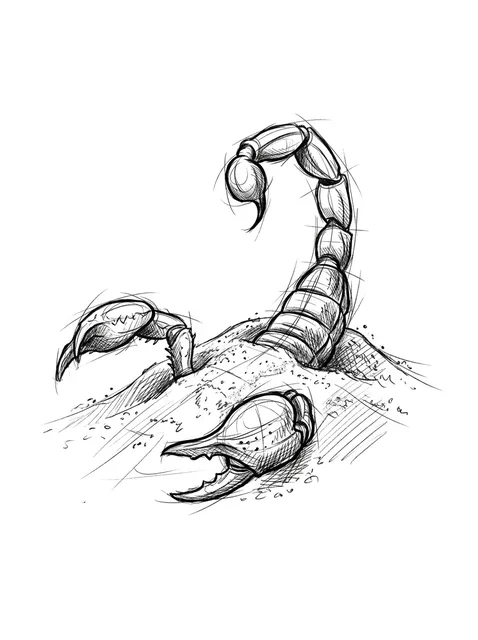
Black and white sketch scorpion tattoo design: a scorpion emerging from sand Try it on — Black and white sketch scorpion tattoo design: a scorpion emerging from sand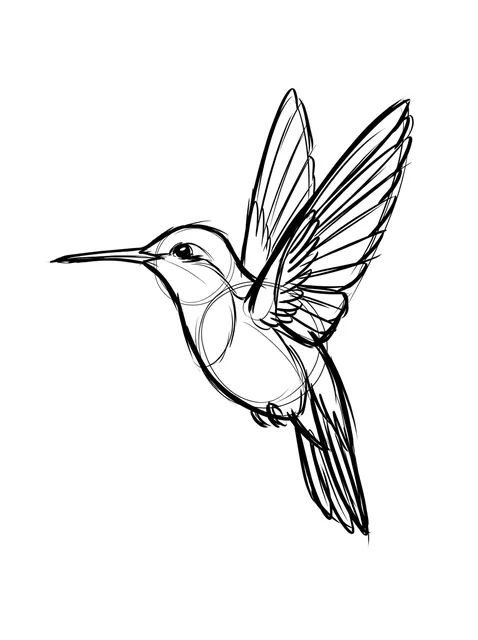
Black and grey sketch hummingbird tattoo design: a hummingbird in flight Try it on — Black and grey sketch hummingbird tattoo design: a hummingbird in flight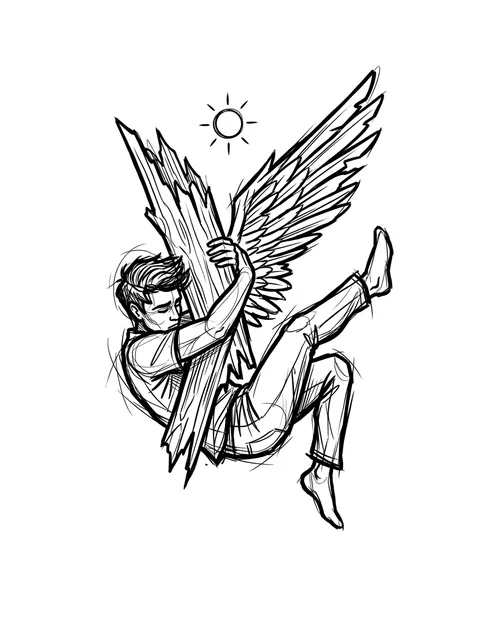
Black and white sketch icarus and angel wings tattoo design Try it on — Black and white sketch icarus and angel wings tattoo design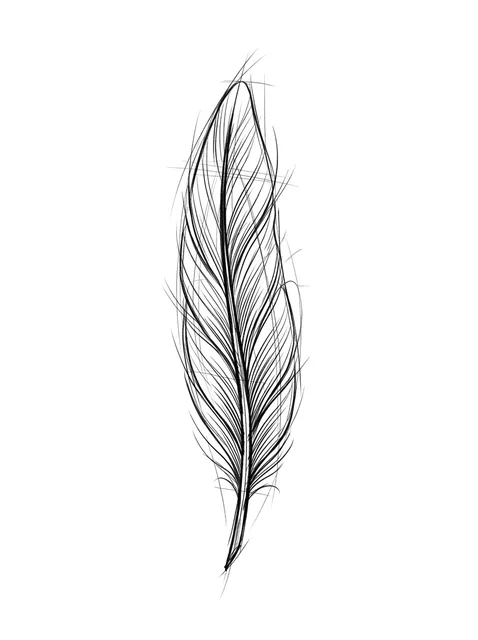
Black and grey sketch feather tattoo design Try it on — Black and grey sketch feather tattoo design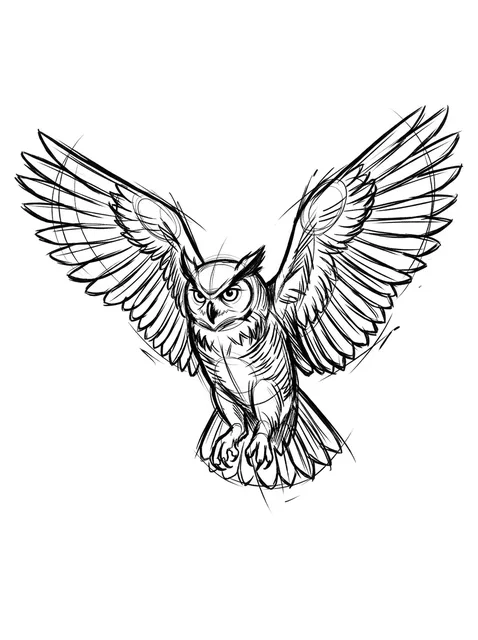
Black and grey sketch owl tattoo design: an owl in mid-flight, wings spread wide Try it on — Black and grey sketch owl tattoo design: an owl in mid-flight, wings spread wide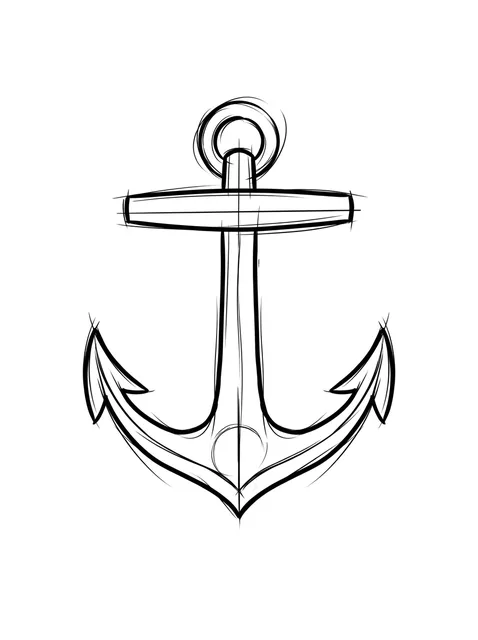
Black and white sketch anchor tattoo design Try it on — Black and white sketch anchor tattoo design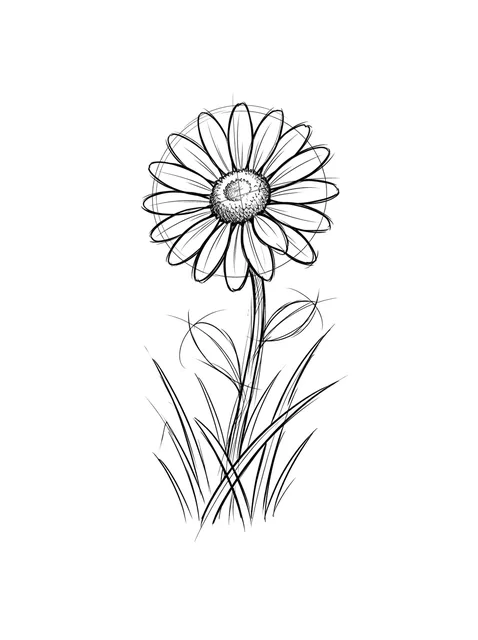
Black and grey sketch daisy and flower tattoo design Try it on — Black and grey sketch daisy and flower tattoo design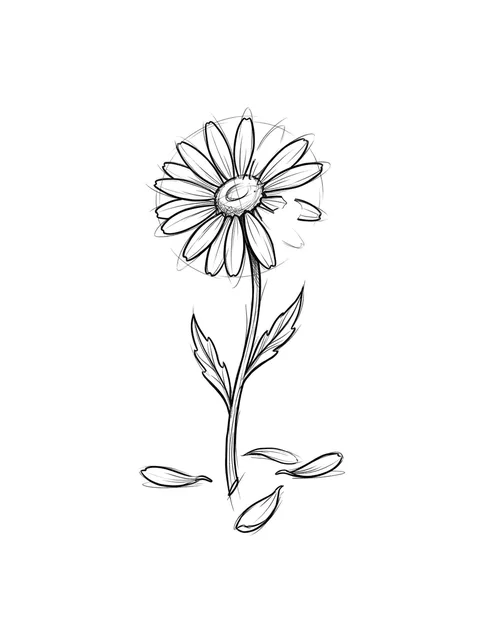
Black and grey sketch daisy and flower tattoo design: a daisy with some petals falling Try it on — Black and grey sketch daisy and flower tattoo design: a daisy with some petals falling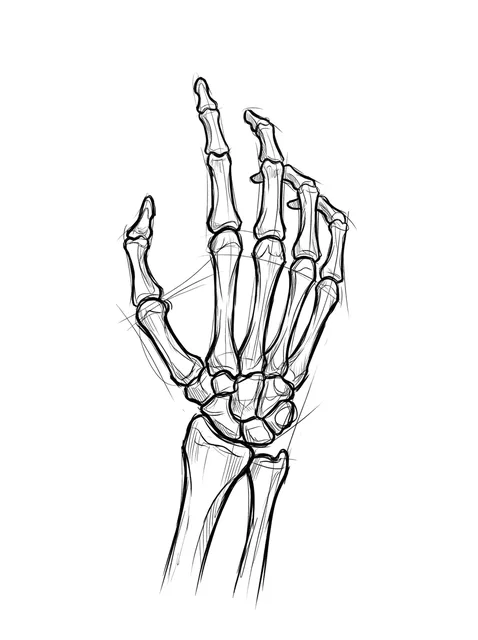
Black and grey sketch skeleton hand and skeleton tattoo design Try it on — Black and grey sketch skeleton hand and skeleton tattoo design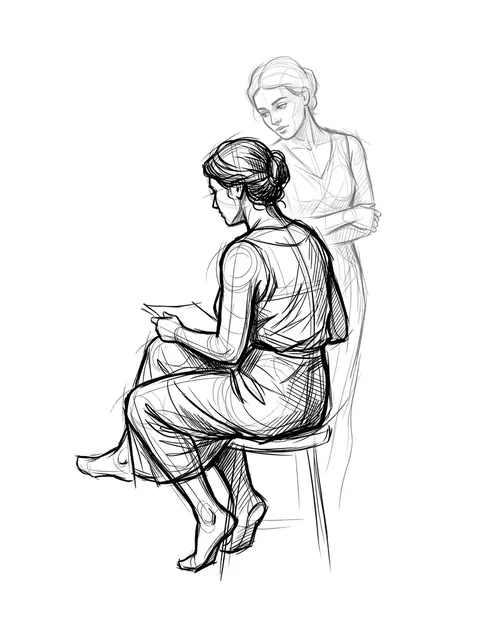
Black and grey sketch woman portrait tattoo design Try it on — Black and grey sketch woman portrait tattoo design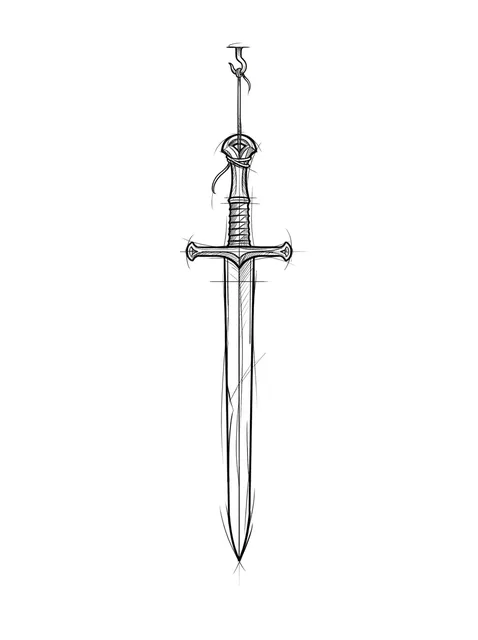
Black and grey sketch sword tattoo design: a medieval sword, hanging from a hook by a thin rope Try it on — Black and grey sketch sword tattoo design: a medieval sword, hanging from a hook by a thin rope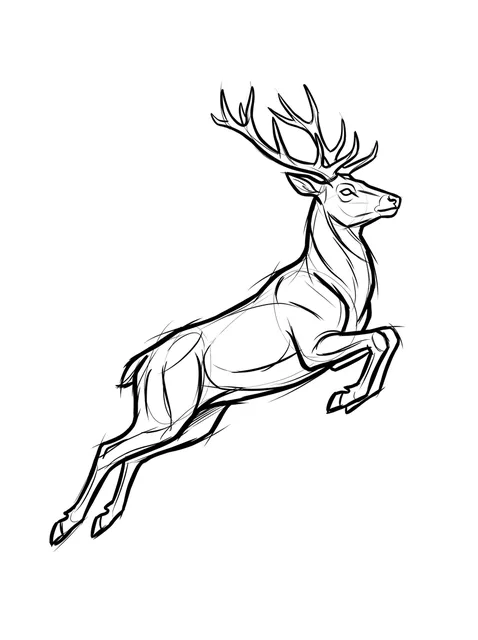
Black and grey sketch deer tattoo design: a leaping deer Try it on — Black and grey sketch deer tattoo design: a leaping deer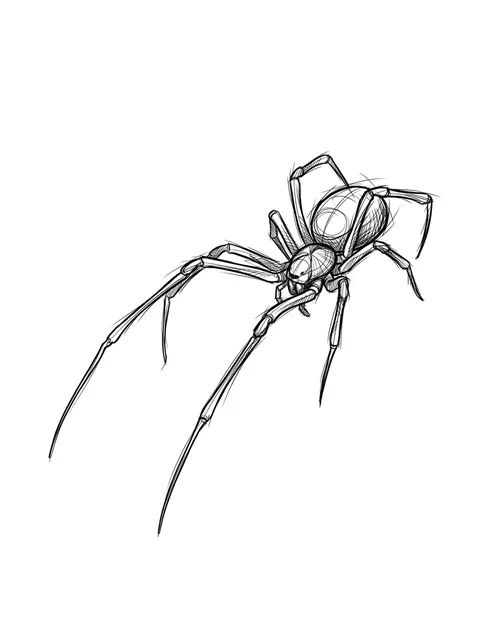
Black and grey sketch spider tattoo design Try it on — Black and grey sketch spider tattoo design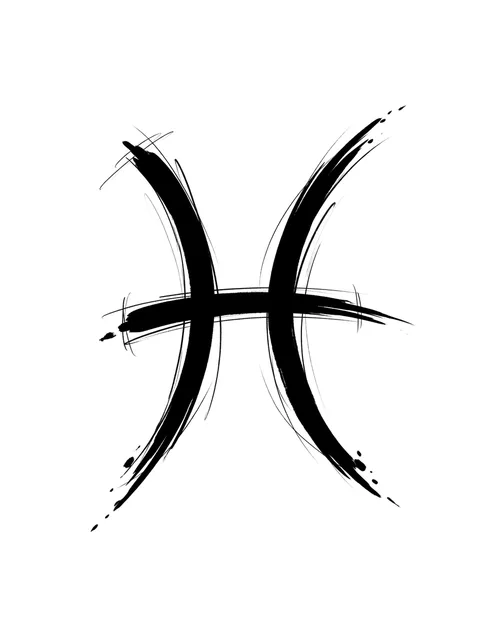
Black and grey sketch pisces tattoo design Try it on — Black and grey sketch pisces tattoo design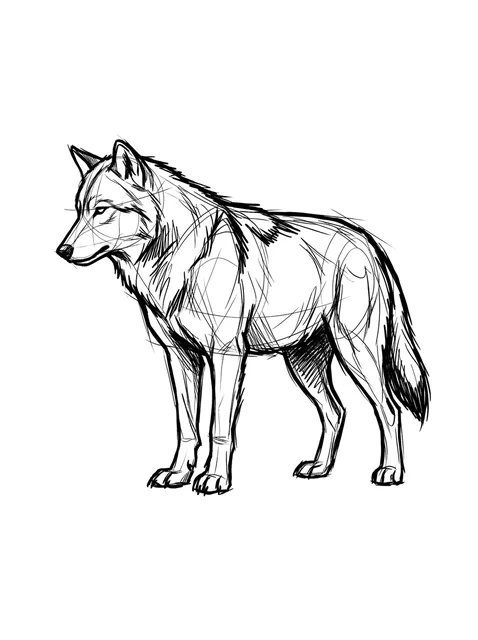
Black and grey sketch wolf tattoo design: a wolf standing in profile Try it on — Black and grey sketch wolf tattoo design: a wolf standing in profile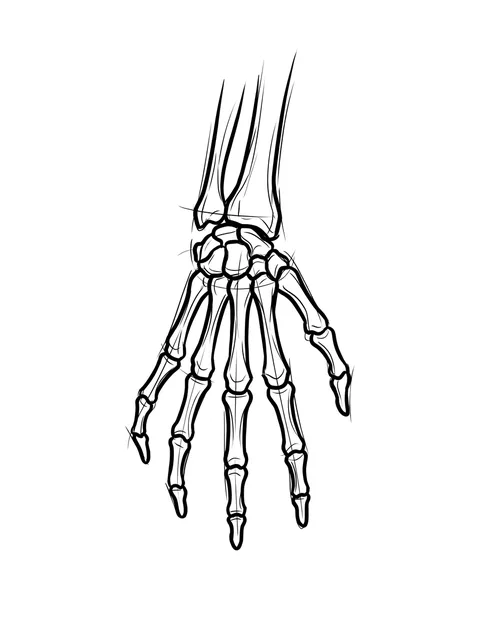
Black and grey sketch skeleton hand and hand tattoo design: a detailed skeleton hand and wrist Try it on — Black and grey sketch skeleton hand and hand tattoo design: a detailed skeleton hand and wrist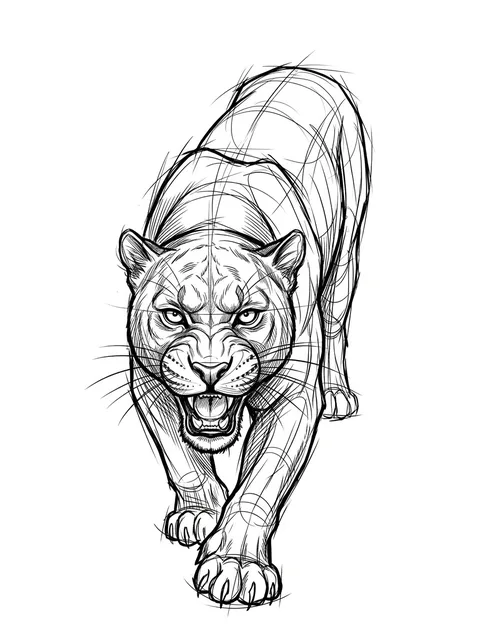
Black and grey sketch panther tattoo design: a snarling panther Try it on — Black and grey sketch panther tattoo design: a snarling panther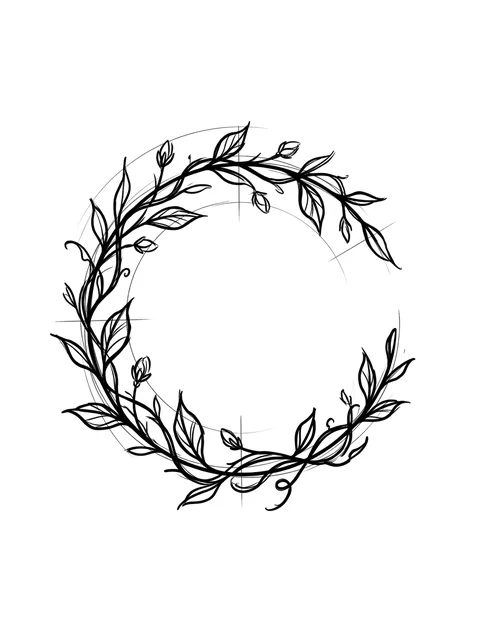
Black and grey sketch vine and leaf tattoo design Try it on — Black and grey sketch vine and leaf tattoo design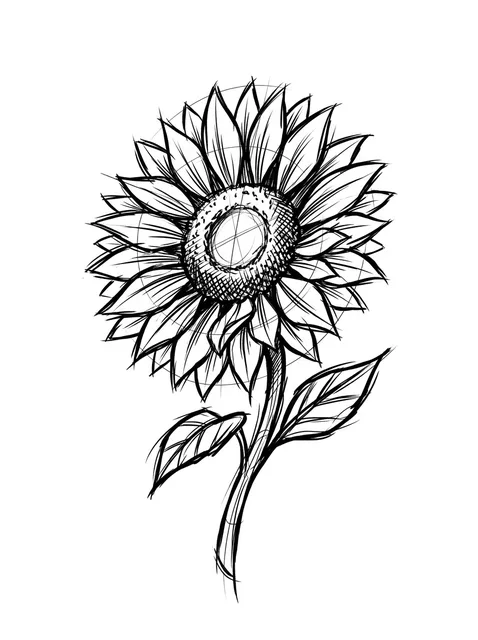
Black and grey sketch sunflower and flower tattoo design Try it on — Black and grey sketch sunflower and flower tattoo design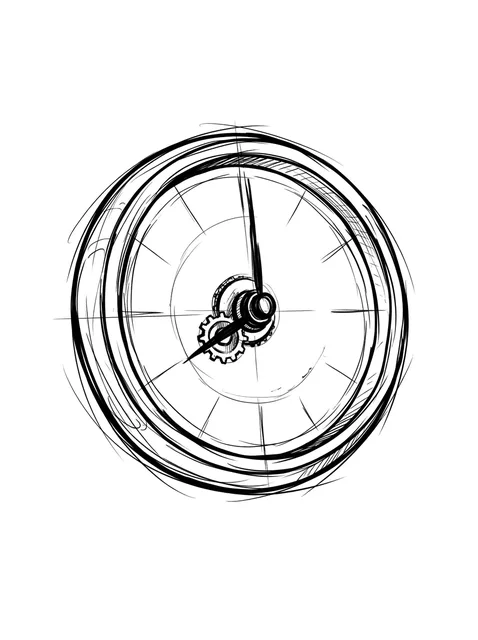
Black and grey sketch clock tattoo design: a clock face with visible gears and hands Try it on — Black and grey sketch clock tattoo design: a clock face with visible gears and hands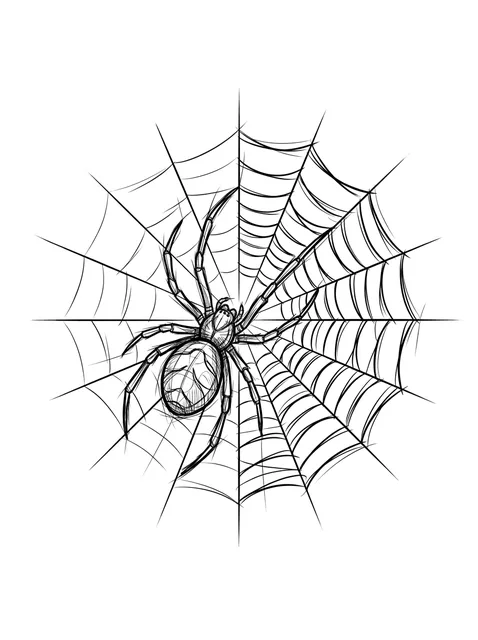
Black and white sketch spider tattoo design: a spider on a web Try it on — Black and white sketch spider tattoo design: a spider on a web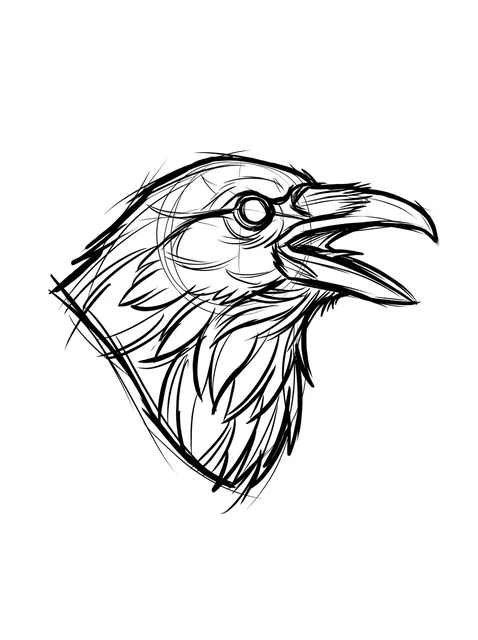
Black and grey sketch raven and bird tattoo design: the head of a raven with its beak open Try it on — Black and grey sketch raven and bird tattoo design: the head of a raven with its beak open


48 designs drawn for InkCraft in this style. Tap any one to place it on a photo of your own skin.
These 48 designs, in numbers
- Black and grey
- 48
- Colour
- 0
- Subjects covered
- 46
Deliberate looseness is not loose work
The appeal is immediacy: a drawing caught mid-thought, with the searching lines that found the form still visible around it. Done well it has an energy that a cleaned-up rendering of the same subject does not, because you can see the hand that made it.
The trap is that it looks easy. A sketch tattoo is not a rough tattoo — every overshooting stroke was placed on purpose, at a chosen weight, in a chosen direction, and the ones that would read as mistakes were left out. Actual hesitation looks nothing like drawn hesitation, and the difference is visible immediately.
The way to judge an artist here is to look at whether the construction marks describe the same form as the finished line. In good work they are a record of getting somewhere. In poor work they are decoration scattered around a drawing that did not need them.
Where the style has room to work
It reads best at medium size, roughly 10 to 18 cm. Too small and the overlapping strokes merge into a grey tangle as they settle; too large and the looseness starts to look like an unfinished commission rather than a style.
It wants a reasonably flat area with space around it, because the stray construction marks extend past the subject and need somewhere to sit — a forearm, an outer thigh, an upper arm or a calf. Crowding one against an existing piece removes exactly the open space that makes it read as a sketch.
It is also one of the more personal choices available, which cuts both ways. Because the mark-making is specific to the artist, you are buying their hand rather than a solved composition, and it will not blend with a neighbouring piece from someone else the way a traditional design would.
How it ages
The honest answer is that it softens more than most. Fine overlapping strokes set close together are precisely the geometry that spread closes up first — the loose halo around the subject is at most risk, and after a decade it can read as a grey wash rather than as individual marks.
That is manageable if it is planned for. Ask for more spacing between the construction marks than a paper drawing would have, and for the primary line describing the subject to be laid in at a noticeably heavier weight, so there is a clear hierarchy left when the fine work softens.
Seeing it at true size on the actual spot is worth doing here, because the working area is larger than the subject — people routinely underestimate how much room the loose marks need.
What an hour of this work costs, and how many hours sketch style tattoos takes at each size, is in the cost guide. How it behaves later — under a laser, and as the thing doing the covering — is in the removal and cover-up guide.
Common questions
- Is a sketch style tattoo just an unfinished drawing?
- No — the visible construction marks are placed deliberately, at chosen weights and directions, and anything that would read as a genuine mistake is left out. Real hesitation and drawn hesitation look very different on skin.
- What size does sketch style need?
- Roughly 10 to 18 cm. Smaller and the overlapping strokes merge into a grey tangle as they settle; much larger and the looseness starts to read as an unfinished piece rather than as a style.
- How does it age?
- It softens faster than most styles, because fine overlapping strokes set close together are the first geometry to close up as ink spreads. Extra spacing between construction marks and a heavier primary line give it a hierarchy that survives.
- Will it sit well beside my other tattoos?
- Less easily than a traditional piece. The mark-making is specific to the artist who drew it, so it reads as their hand rather than as a shared visual language — and it needs open space around it, which a crowded arm may not have.
See this style on your own skin
InkCraft places a design on a photo of you — scaled, wrapped and shaded to the spot you pick, so you can judge how the style reads on your body before it is permanent.