 InkCraft
Pirate Tattoo Ideas, Designs and Meaning
22 original pirate designs drawn for InkCraftBy Uladzimir TumanauUpdated
Pirate flags were threats, flown so that a merchant crew would surrender without a fight, and the romance came later with Treasure Island. A skull and crossbones holds at a few centimetres, while a ship, a kraken or a treasure pile needs fifteen or more.
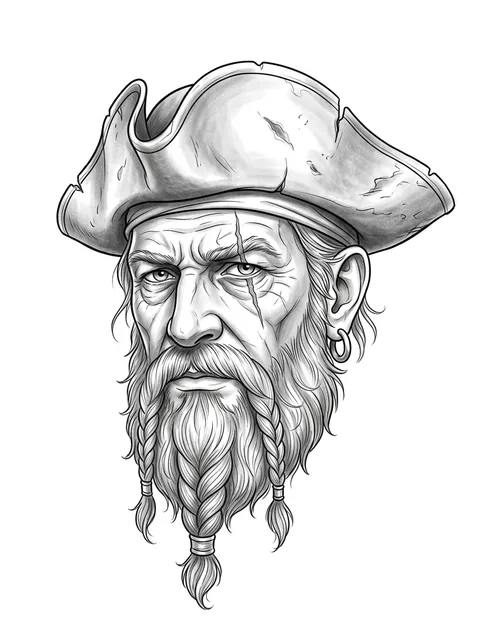
Black and grey realism pirate tattoo design Try it on — Black and grey realism pirate tattoo design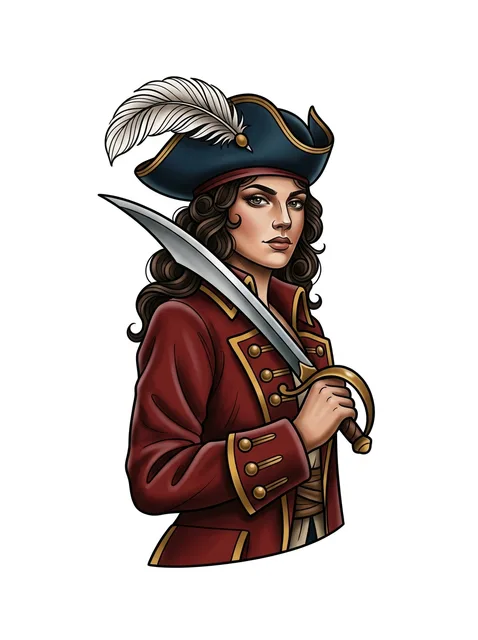
Color neo traditional pirate and woman portrait tattoo design Try it on — Color neo traditional pirate and woman portrait tattoo design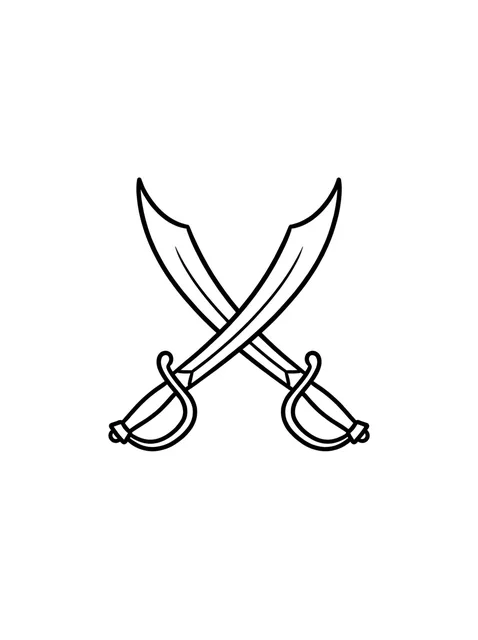
Black and white minimalist pirate and sword tattoo design, outline stencil: two crossed cutlasses Try it on — Black and white minimalist pirate and sword tattoo design, outline stencil: two crossed cutlasses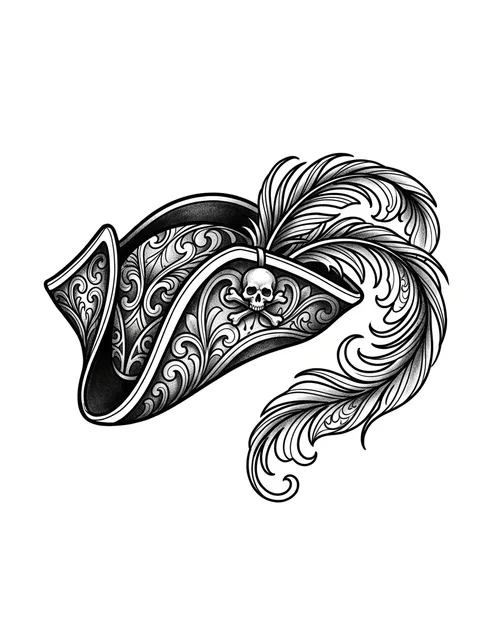
Black and grey illustrative pirate and tricorn hat tattoo design Try it on — Black and grey illustrative pirate and tricorn hat tattoo design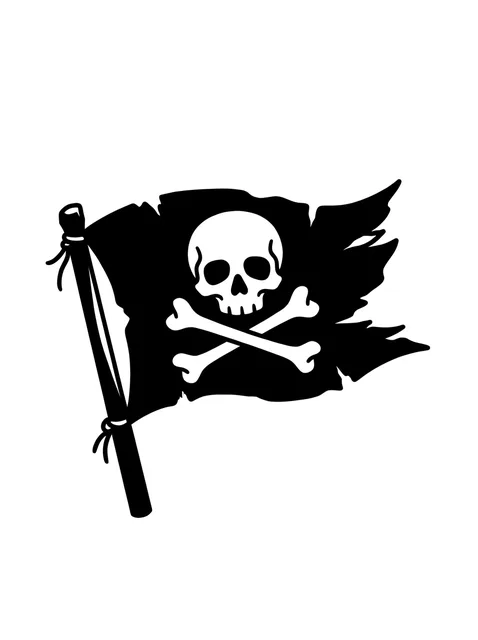
Black and white blackwork pirate and skull tattoo design Try it on — Black and white blackwork pirate and skull tattoo design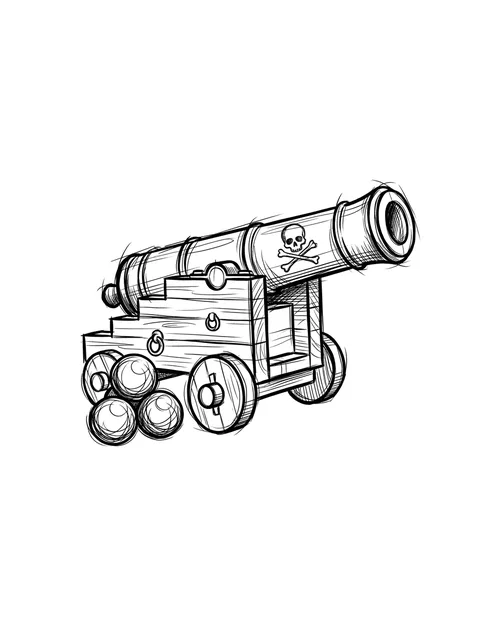
Black and grey sketch pirate and cannon tattoo design Try it on — Black and grey sketch pirate and cannon tattoo design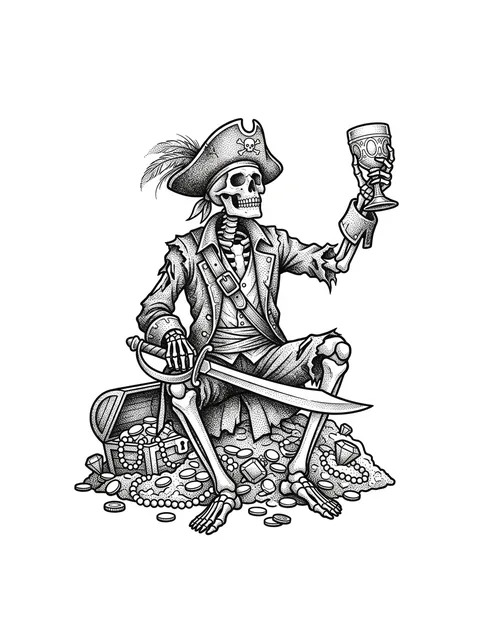
Black and grey illustrative pirate and skeleton tattoo design Try it on — Black and grey illustrative pirate and skeleton tattoo design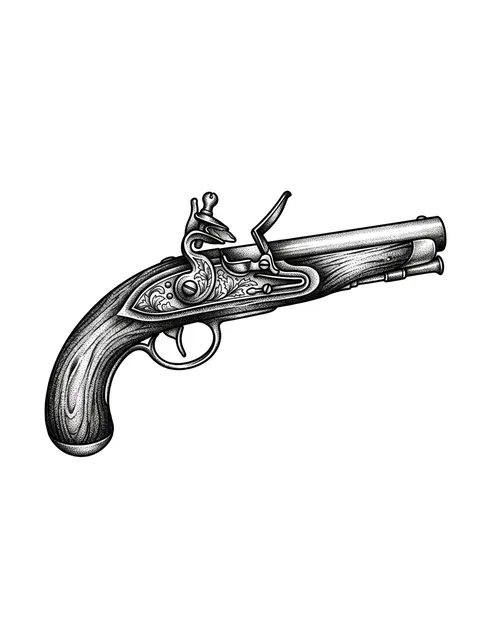
Black and grey illustrative pirate and gun tattoo design Try it on — Black and grey illustrative pirate and gun tattoo design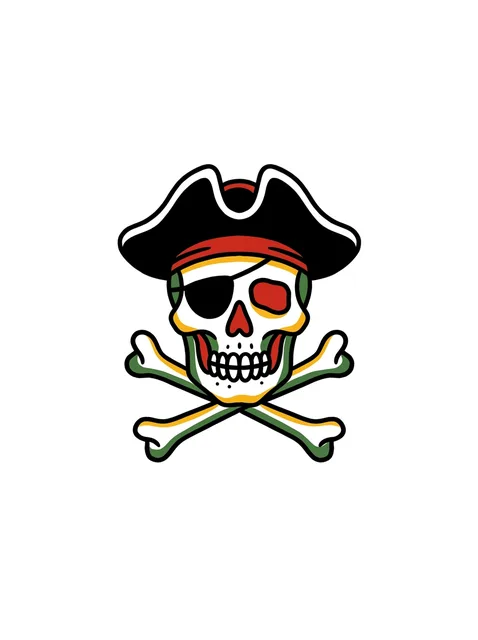
Color traditional pirate and skull tattoo design Try it on — Color traditional pirate and skull tattoo design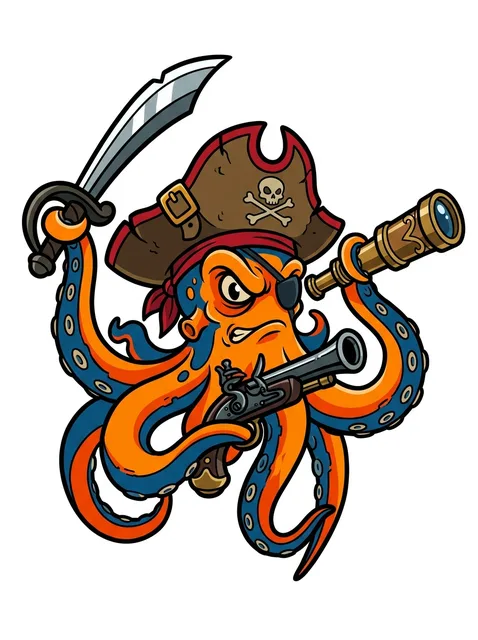
Color new school pirate and octopus tattoo design Try it on — Color new school pirate and octopus tattoo design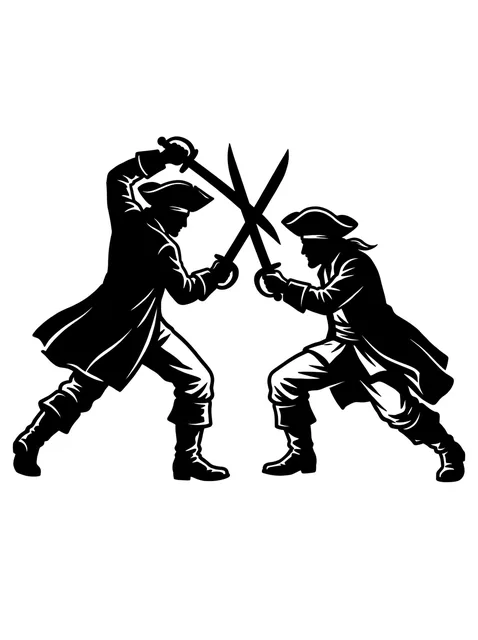
Black and white blackwork pirate and sword tattoo design Try it on — Black and white blackwork pirate and sword tattoo design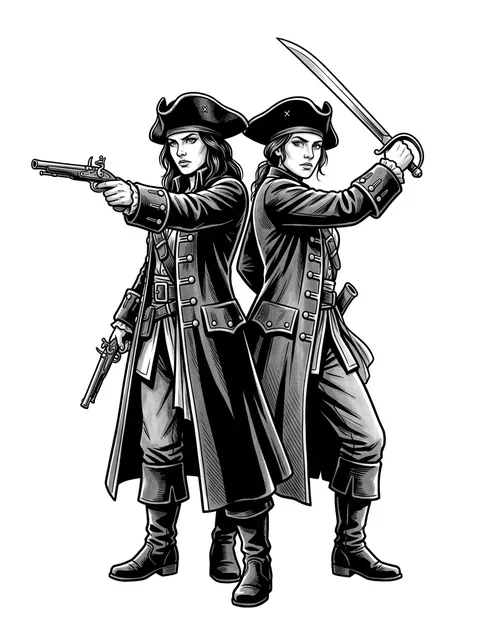
Black and grey illustrative pirate and woman portrait tattoo design Try it on — Black and grey illustrative pirate and woman portrait tattoo design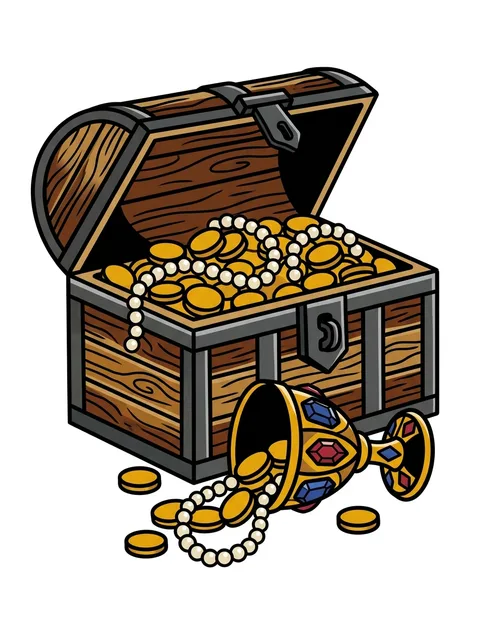
Color traditional pirate and treasure chest tattoo design Try it on — Color traditional pirate and treasure chest tattoo design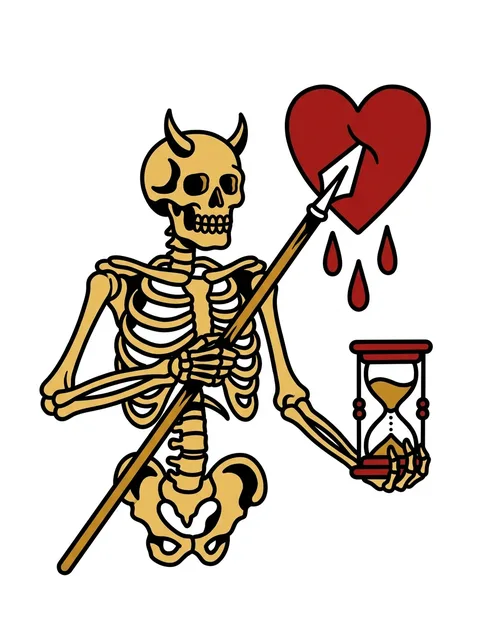
Color traditional pirate and skeleton tattoo design Try it on — Color traditional pirate and skeleton tattoo design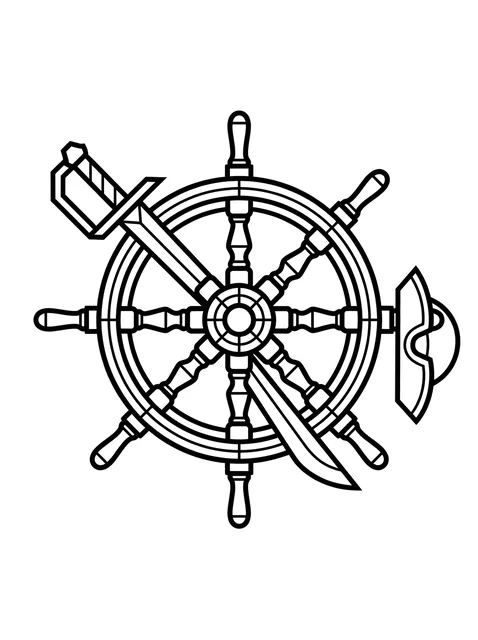
Black and white linework pirate and ship wheel tattoo design, outline stencil: a ship's wheel Try it on — Black and white linework pirate and ship wheel tattoo design, outline stencil: a ship's wheel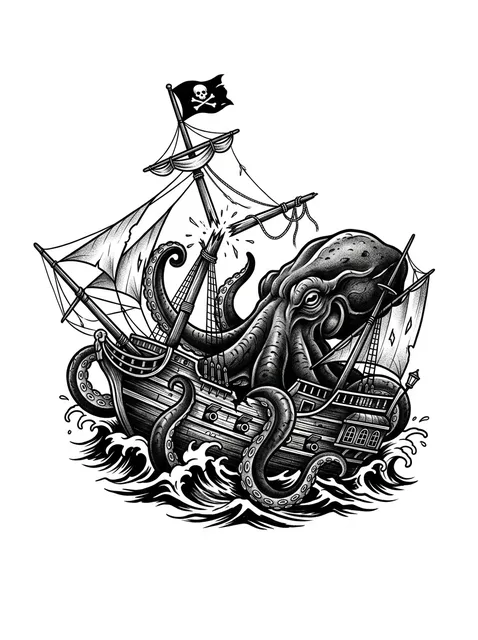
Black and grey blackwork pirate and octopus tattoo design Try it on — Black and grey blackwork pirate and octopus tattoo design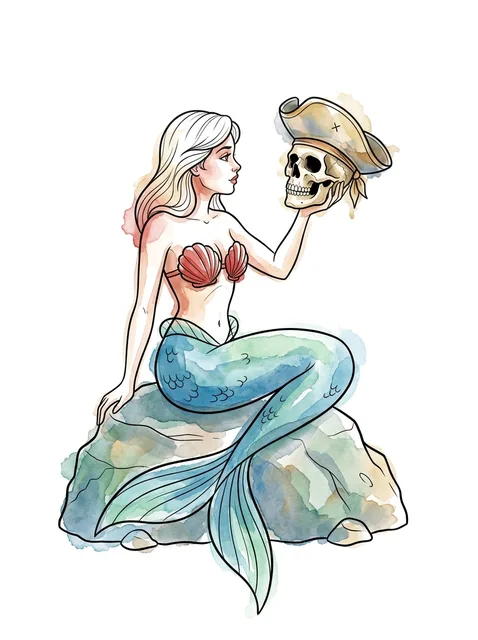
Color watercolor pirate and mermaid tattoo design Try it on — Color watercolor pirate and mermaid tattoo design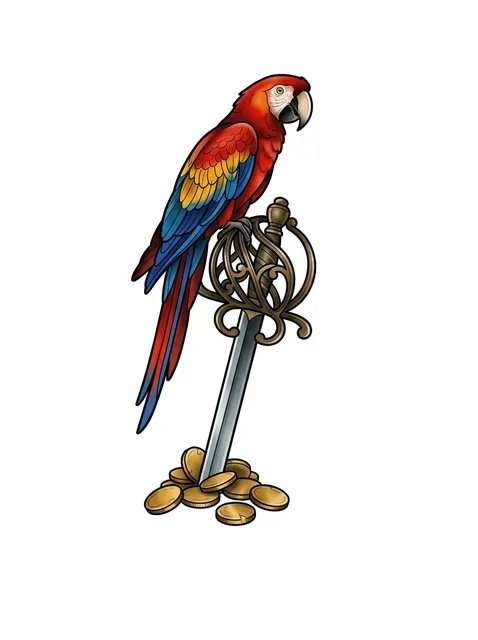
Color neo traditional pirate and parrot tattoo design Try it on — Color neo traditional pirate and parrot tattoo design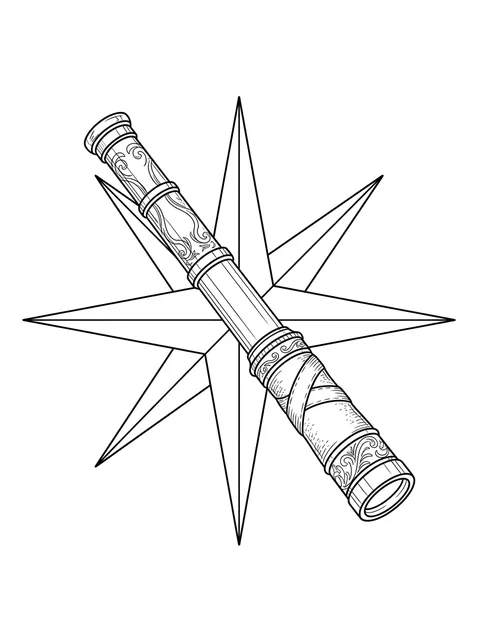
Black and white fine line pirate and spyglass tattoo design, outline stencil Try it on — Black and white fine line pirate and spyglass tattoo design, outline stencil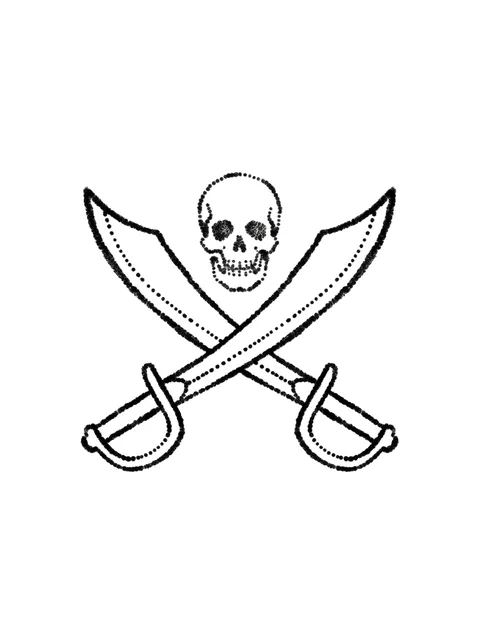
Black and grey stick and poke pirate and skull tattoo design Try it on — Black and grey stick and poke pirate and skull tattoo design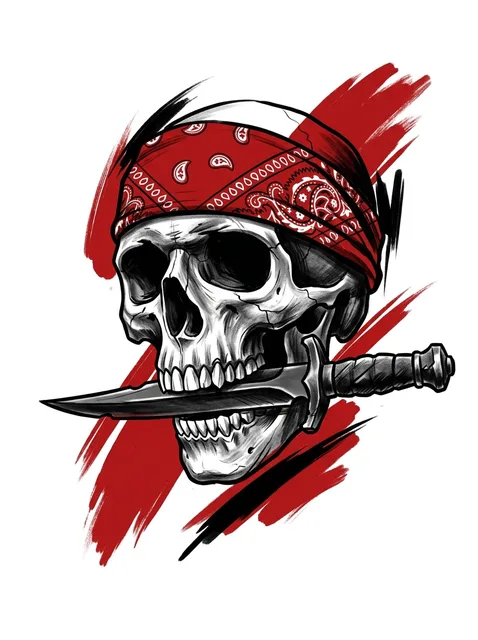
Color trash polka pirate and skull tattoo design Try it on — Color trash polka pirate and skull tattoo design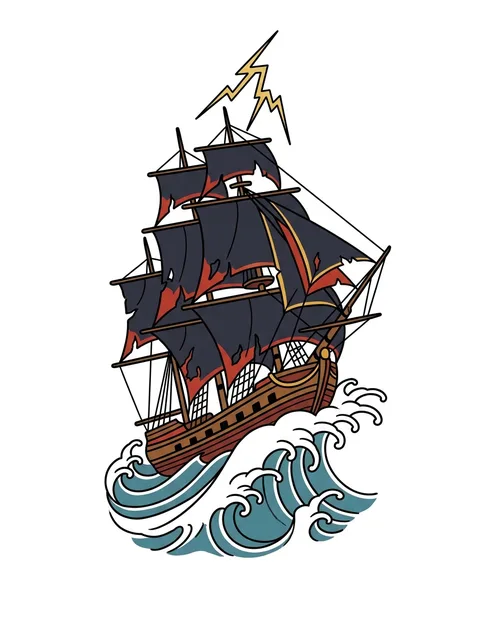
Color traditional pirate and ship tattoo design Try it on — Color traditional pirate and ship tattoo design


Tap any design to see it on your own skin in the try-on — no signup.
This set of 22 pirate designs, by the numbers
- Styles represented
- illustrative (4), traditional (4), blackwork (3), neo traditional (2), realism (1), minimalist (1)
- Black-and-grey vs colour
- 59% black-and-grey, 41% colour
- Most often drawn with
- sword, skull, woman portrait, skeleton
Counted from the 22 designs shown on this page. Every one was drawn for InkCraft — none are scraped or reposted. Free to reference with a link to this page.
What a pirate tattoo means
A pirate tattoo is worn for the legend, not the men. Real pirates of the early eighteenth century robbed ships and sometimes tortured and killed the crews they caught, and their black flags offered mercy for surrender and none for resistance; a plain red flag meant that no quarter would be given. What people mean by the image is the version storytellers built afterwards: freedom from rules, a life at sea answerable to nobody, and luck taken rather than waited for.
The skull and crossbones did not start with pirates. It was cut into gravestones and mourning rings as a reminder of death long before any crew sewed it onto black cloth, and it keeps that reading, so a Jolly Roger on skin defies death as much as the law. Submariners made it a badge of success: in September 1914 Max Horton brought HMS E9 into Harwich flying one after sinking the German cruiser Hela, and British submarines still hoist a Jolly Roger coming home from an operation.
The props carry separate meanings, so a design can say more than piracy. Crossed cutlasses are a fight chosen and met; the spyglass laid across its star is looking ahead for a course; the treasure chest and the macaw perched on a cutlass hilt over gold coins are fortune; the ship heeling up a wave under a fork of lightning is a storm come through. The skeleton captain raising a goblet from his heap of treasure says what the old flag skeletons said, only with a drink in his hand.
Women pirates are part of the record rather than a modern twist. Anne Bonny and Mary Read, drawn back to back here with pistol and cutlass, sailed with Calico Jack Rackham and were convicted of piracy in Jamaica in 1720, and the woman captain in her red coat stands in the same line.
Where the design comes from
The pirate flag as a design belongs to the early eighteenth century, when captains such as Bartholomew Roberts, around 1720, flew black flags bearing skeletons and hourglasses to announce who was coming. Most of the named flags on posters now were assigned much later. The horned skeleton spearing a bleeding heart was printed as a generic pirate flag in 1912 and only called Blackbeard's decades afterwards, and the skull over crossed cutlasses credited to Calico Jack has no source from his lifetime either. The costume is younger still: Robert Louis Stevenson supplied the one-legged cook, the shoulder parrot and the treasure map in Treasure Island in 1883, and the American illustrator Howard Pyle dressed pirates in the sashes, bandanas and earrings the portraits here still wear.
Choosing yours
- Start from the flag if the space is small. A skull and crossbones is a bold, symmetrical shape that holds at 3 or 4 cm, and the crossed cutlasses drawn in a few strokes hold nearly as small; a skeleton, a kraken or a ship in full rig has fine parts that merge below about fifteen centimetres.
- Know which flag you are wearing. The horned skeleton is popularly credited to Blackbeard and the skull over crossed cutlasses to Calico Jack, but neither attribution rests on evidence from the time, which matters only if the tattoo is meant to name a real man.
- Decide between the man and his kit. A portrait needs 12 cm or more for the face to hold; the tricorn, the flintlock or the cannon on its own says pirate at half that size.
Size, cost and placement
How big, and what it costs
A skull and crossbones or a pair of cutlasses is shop-minimum work at 3 to 6 cm. A single shaded object, the flintlock, the tricorn or the cannon, is one to two hours at 8 to 12 cm; a portrait or the skeleton on his treasure takes three to five hours at 12 to 15 cm, and the kraken dragging a galleon under is a full day at 20 cm or more.
Where it sits, and how much it hurts
The forearm is the sailor's spot and suits the tall pieces: the cutlass through a ship's wheel, the spyglass. The kraken and the ship on its wave want the width of an upper arm, a shoulder blade or a calf; ribs and sternum are the painful fields.
What to ask your artist
- Whether the skull and bones stay separate at your size, or the gaps between them close up.
- For a ship or a kraken, how many ropes, tentacles and sails survive the stencil.
- If a named flag matters to you, which version they are drawing from.
Prices vary widely by city and artist — treat these as session lengths rather than quotes, and expect a shop minimum on anything small. The cost guide turns hours into money by size, placement and style.
Common questions
Where does the name Jolly Roger come from?
Nobody knows for certain. It is in print by 1724, in the General History of the Pyrates published under the name Captain Charles Johnson, and a news report of 1723 has pirates calling their black flag Old Roger, a nickname for the Devil.
Did pirates really bury treasure?
Almost never; they spent it. The famous exception is William Kidd, who left gold on Gardiners Island off New York in 1699, and it was dug up and used as evidence against him. The buried chest and the map marked with a cross are Stevenson's.
Why does the old captain wear a hoop earring?
Sailor lore, not law. The story goes that a gold ring paid for a burial if the body washed ashore; treat it as legend, since none of it is well documented.
Was Blackbeard's beard really braided?
Johnson's book says he twisted it into small tails tied with ribbon and went into a fight with lit slow matches under his hat, which the braided beard of the realism captain here nods to.
See it on your skin before you commit
InkCraft places any of these designs on a photo of you — scaled, wrapped and shaded to the placement you pick.