 InkCraft
Octopus Tattoo Ideas, Designs and Meaning
20 original octopus designs drawn for InkCraftBy Uladzimir TumanauUpdated
An octopus is eight identical limbs radiating from a bag, which is why most designs end up as a starburst. The solutions are to use the eight-fold symmetry deliberately from above, or to draw one arm and let it stand for the animal.
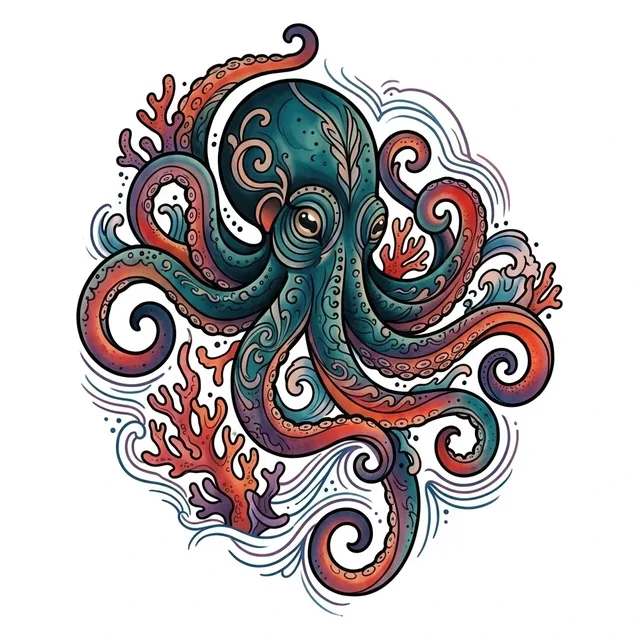
Color illustrative octopus tattoo design Try it on — Color illustrative octopus tattoo design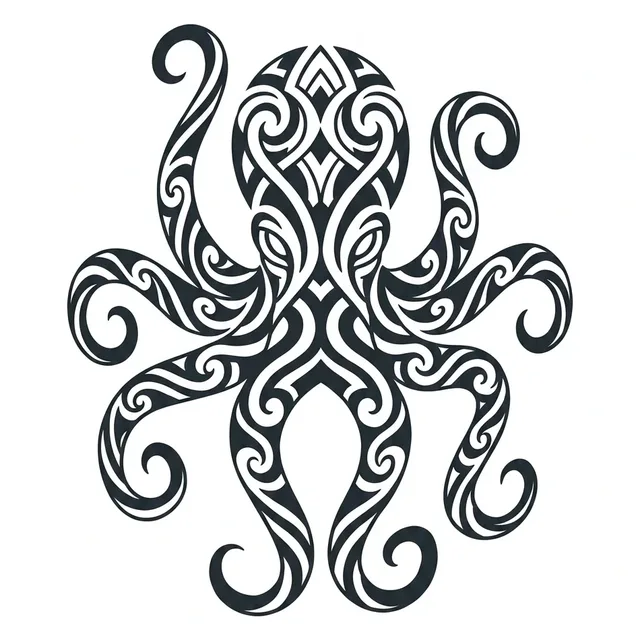
Black and white tribal octopus tattoo design Try it on — Black and white tribal octopus tattoo design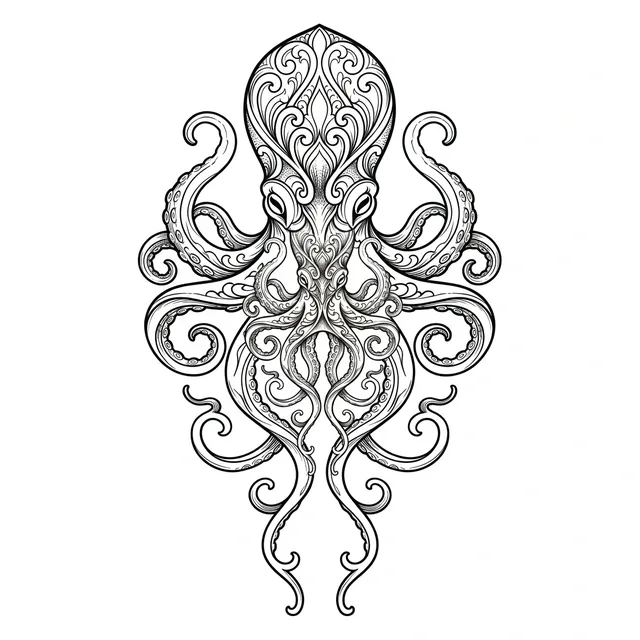
Black and grey ornamental octopus tattoo design Try it on — Black and grey ornamental octopus tattoo design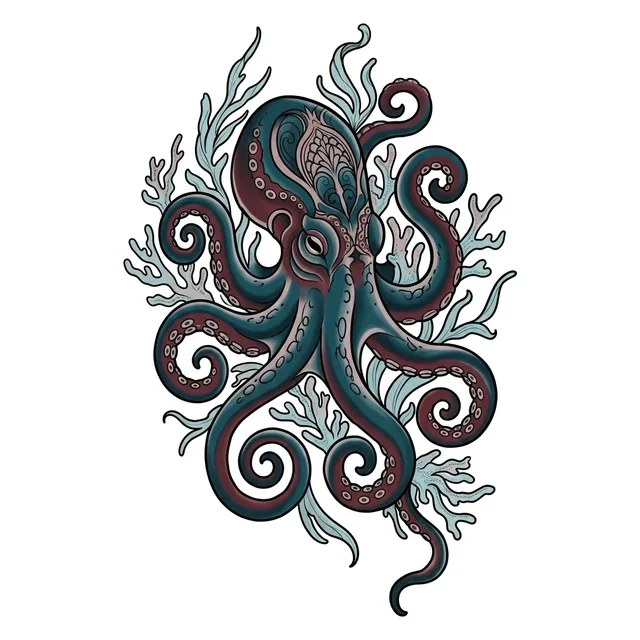
Color illustrative octopus tattoo design: an octopus with intricate patterns on its head Try it on — Color illustrative octopus tattoo design: an octopus with intricate patterns on its head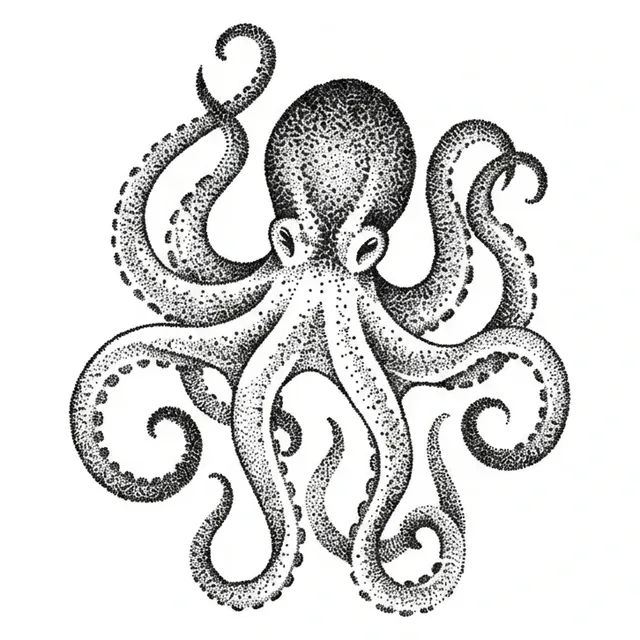
Black and grey dotwork octopus tattoo design Try it on — Black and grey dotwork octopus tattoo design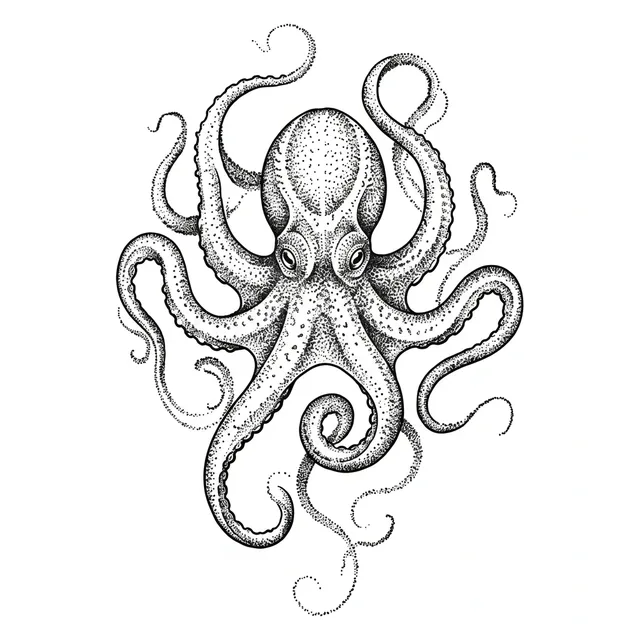
Black and grey dotwork octopus tattoo design: its tentacles swirling outwards, some ending Try it on — Black and grey dotwork octopus tattoo design: its tentacles swirling outwards, some ending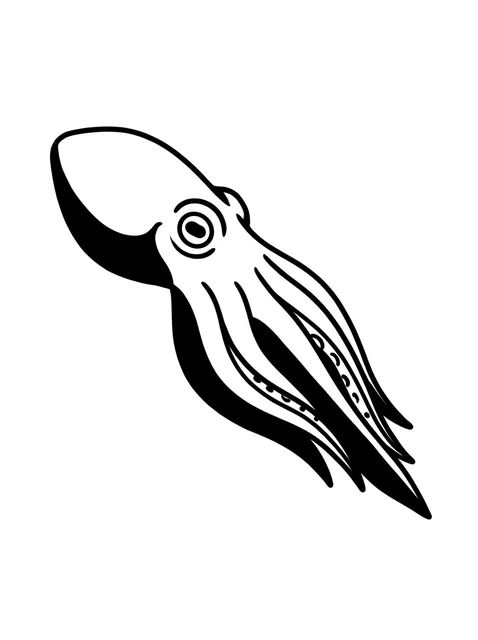
Black and white blackwork octopus tattoo design Try it on — Black and white blackwork octopus tattoo design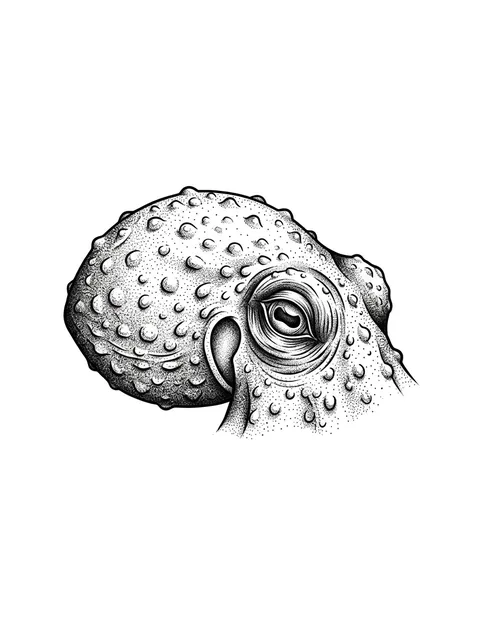
Black and grey dotwork octopus tattoo design: an octopus head Try it on — Black and grey dotwork octopus tattoo design: an octopus head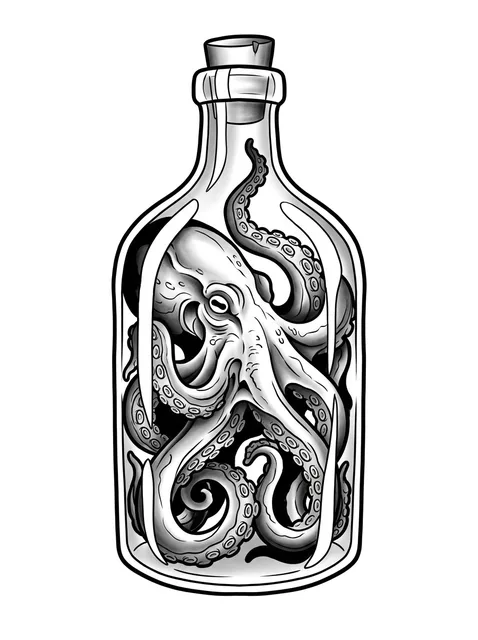
Black and grey neo traditional octopus tattoo design: an octopus trapped inside a glass bottle Try it on — Black and grey neo traditional octopus tattoo design: an octopus trapped inside a glass bottle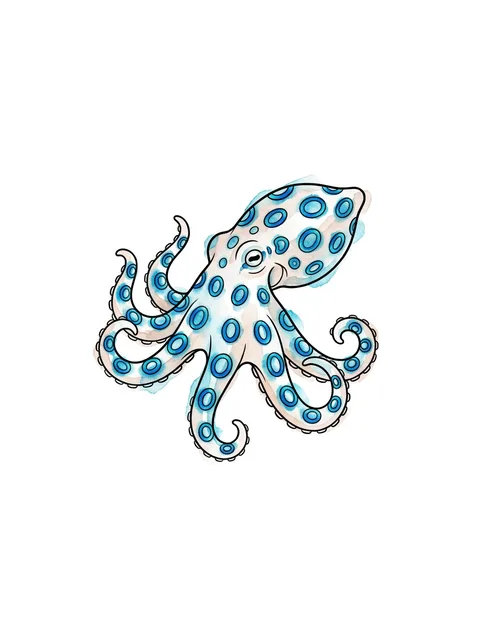
Color watercolor octopus tattoo design: a blue-ringed octopus Try it on — Color watercolor octopus tattoo design: a blue-ringed octopus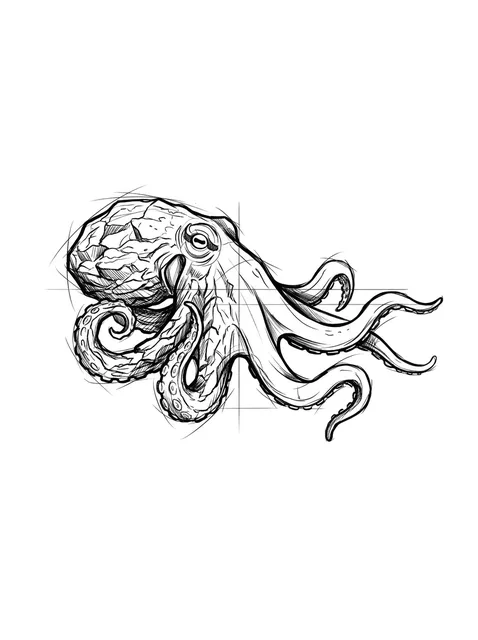
Black and white sketch octopus tattoo design Try it on — Black and white sketch octopus tattoo design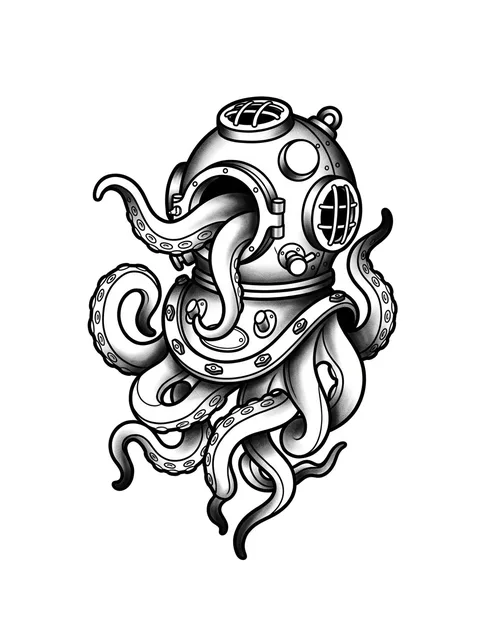
Black and grey neo traditional octopus tattoo design Try it on — Black and grey neo traditional octopus tattoo design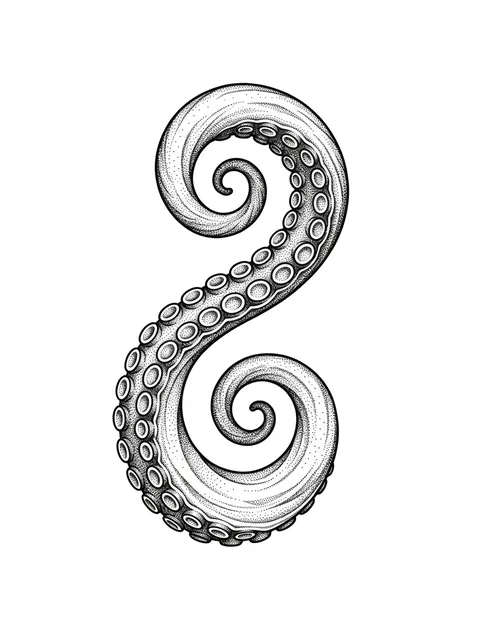
Black and grey dotwork octopus tattoo design: a single, gracefully curved octopus tentacle Try it on — Black and grey dotwork octopus tattoo design: a single, gracefully curved octopus tentacle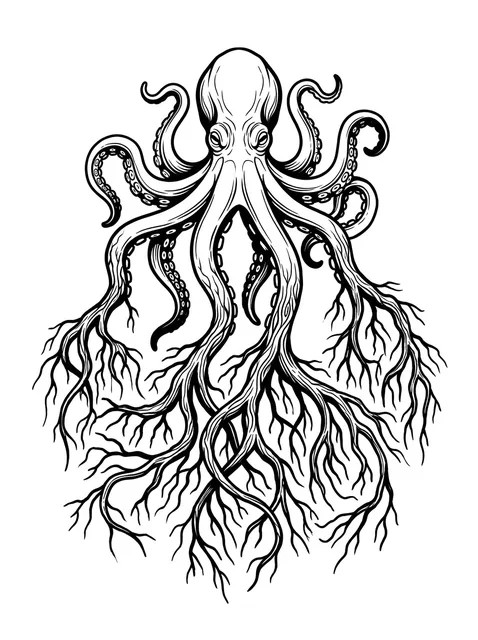
Black and white illustrative octopus tattoo design Try it on — Black and white illustrative octopus tattoo design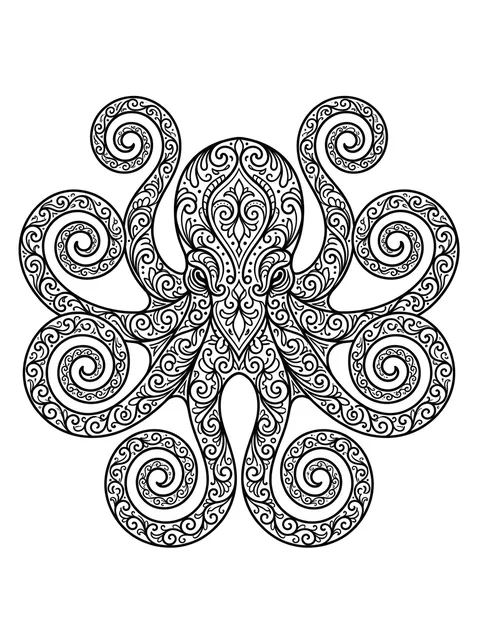
Black and white ornamental octopus tattoo design Try it on — Black and white ornamental octopus tattoo design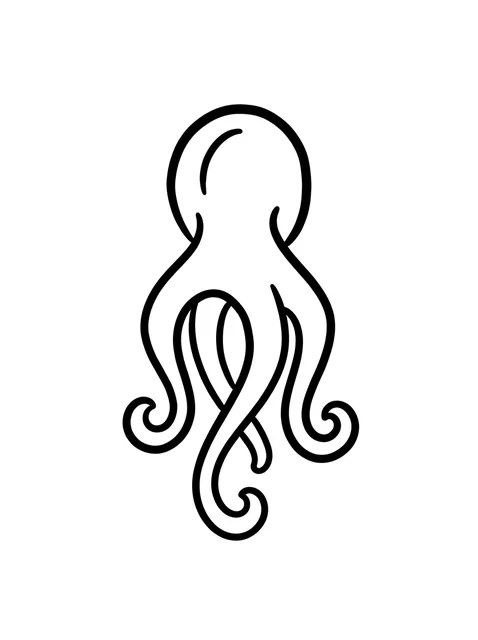
Black and white linework octopus tattoo design, outline stencil Try it on — Black and white linework octopus tattoo design, outline stencil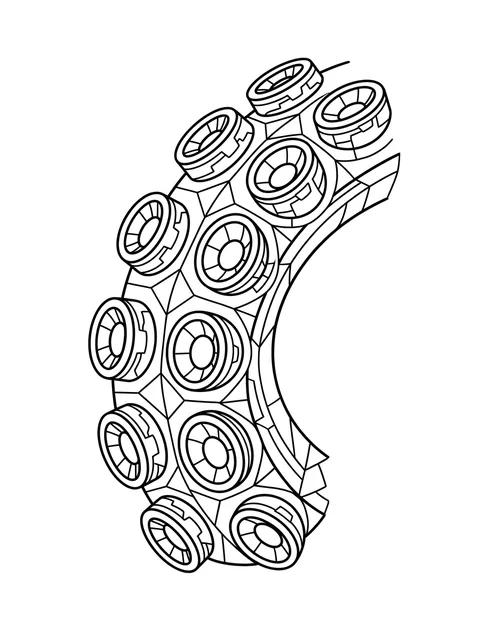
Black and white linework octopus tattoo design, outline stencil: an octopus tentacle Try it on — Black and white linework octopus tattoo design, outline stencil: an octopus tentacle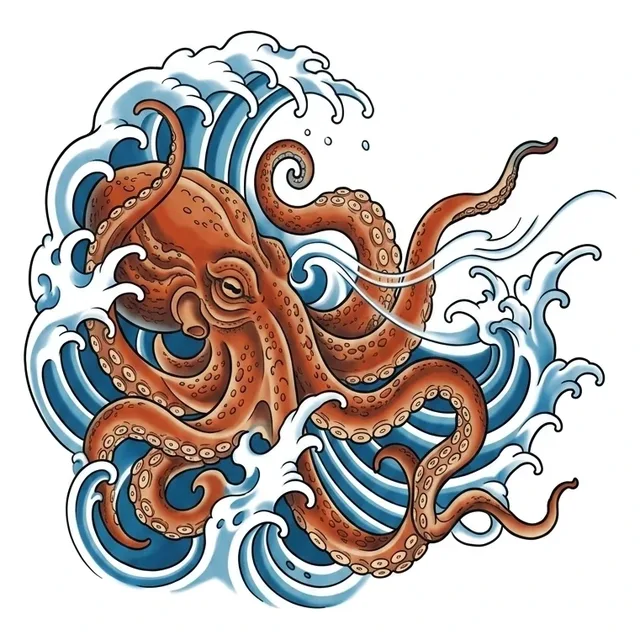
Color Japanese octopus and wave tattoo design Try it on — Color Japanese octopus and wave tattoo design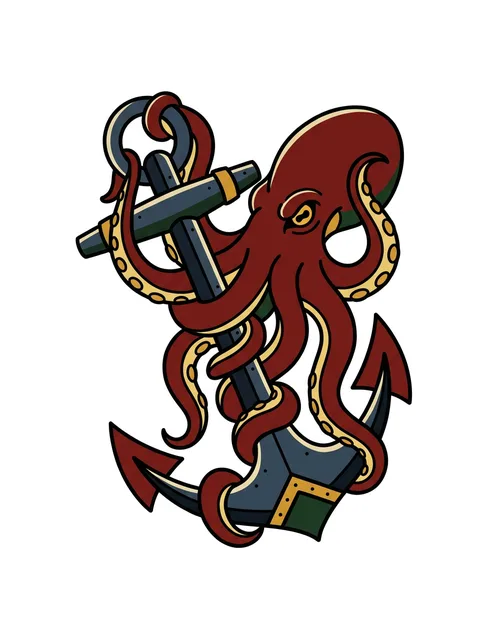
Color traditional octopus and anchor tattoo design Try it on — Color traditional octopus and anchor tattoo design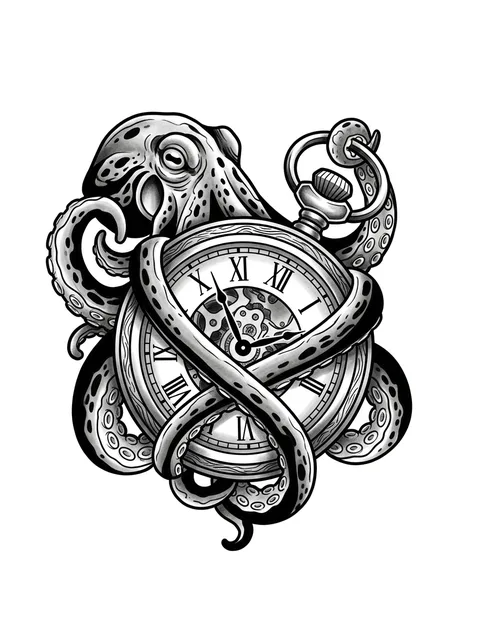
Black and grey illustrative octopus and clock tattoo design Try it on — Black and grey illustrative octopus and clock tattoo design


Tap any design to see it on your own skin in the try-on — no signup.
This set of 20 octopus designs, by the numbers
- Styles represented
- illustrative (4), dotwork (4), ornamental (2), neo traditional (2), linework (2), tribal (1)
- Black-and-grey vs colour
- 75% black-and-grey, 25% colour
- Most often drawn with
- wave, anchor, clock
Counted from the 20 designs shown on this page. Every one was drawn for InkCraft — none are scraped or reposted. Free to reference with a link to this page.
What a octopus tattoo means
The octopus is the most alien intelligence a person is likely to meet. Two thirds of its neurons are in the arms rather than the head, so each limb solves problems semi-independently — a genuinely distributed mind, not a metaphor for one. People who know that usually want the tattoo for exactly that reason.
At sea it meant something simpler and worse. The kraken and the giant devilfish of nineteenth-century sailors' accounts were the thing that took ships down, and the octopus arrived in western imagination as a grasping horror long before anyone thought of it as clever. The maritime flash version still carries that reading.
Camouflage is the quality most worth building a design around. An octopus changes colour and skin texture in under a second, and it does so while being colourblind — the match is made by an organ it cannot see with. Adaptation without understanding is a much stranger idea than the flexibility the animal is usually sold as.
Escape is the other real reading. A boneless animal can pass through any gap its beak fits through, which is why the jar and the bottle compositions work: confinement that is never quite confinement. It is a far more specific statement than "adaptable".
Where the design comes from
The octopus enters western tattooing through maritime flash, where it is the antagonist — wrapped around an anchor or pulling down a ship, drawn from the same 1860s illustrations that gave Victor Hugo and Jules Verne their sea monsters. Japanese tattooing had it much earlier and much less fearfully; the tako appears in ukiyo-e as both a food animal and a supernatural one, and Hokusai drew the most notorious octopus image in art history in 1814. The modern scientific octopus — clever, curious, sympathetic — is a twenty-first-century arrival and is why the subject has grown so fast since about 2010.
Choosing yours
- Decide whether the animal is the subject or the arms are. A whole octopus needs a compact field where the mantle and all eight limbs can be seen at once; a single arm or a pair of them can run anywhere and is the version that suits a long narrow placement.
- The suckers are the detail that sells it, and they are also the first thing to merge. Two clear rows drawn as distinct cups on one arm reads far better than eight arms of suggested stippling, especially below 20 cm.
- Avoid the even radial spread. Eight arms at equal angles makes a snowflake; gathering some, curling others and letting one or two leave the composition entirely is what makes it an animal rather than a diagram.
Size, cost and placement
How big, and what it costs
A single arm or a mantle study at 12-15 cm is two to three hours. A full animal with all eight limbs rendered is 20-25 cm minimum and six to eight hours, because every sucker is drawn individually. The cost scales with arm count rather than with overall size, which is not obvious in advance.
Where it sits, and how much it hurts
A whole octopus wants a broad flat field — the shoulder blade, the chest, the outer thigh. Individual arms are the most placement-flexible thing on this page and will follow almost any limb, which is why wrapped arm designs are the most common version. Avoid a small round field, because the radial spread has nowhere to go.
What to ask your artist
- How the suckers will be handled at your size, and whether they will still be distinct cups after ten years.
- To break the radial symmetry deliberately rather than spacing the arms evenly, since even spacing is what makes these read as decoration.
- If you want a wrapped design, to lay the stencil out on the limb in the position you hold it most, not flat.
Prices vary widely by city and artist — treat these as session lengths rather than quotes, and expect a shop minimum on anything small. The cost guide turns hours into money by size, placement and style.
Common questions
Is an octopus tattoo the same as a kraken?
Not quite, and the difference shows in the drawing. A kraken is a ship-scale monster and is composed with something to destroy — a vessel, a lighthouse, a diver. An octopus alone is an animal study, and the arms behave differently: curious rather than gripping.
How many arms should be visible?
Three is enough at small sizes and eight is only worth drawing if the field allows each one to be distinct. The common failure is squeezing all eight into a small circle, where they merge into a fringe and the design reads as a jellyfish.
Does an octopus work in black and grey?
Very well — the skin texture and the sucker rows are value problems, not colour ones. Colour only becomes essential for a specific animal like the blue-ringed octopus, where the rings are the entire subject and grey cannot carry them.
See it on your skin before you commit
InkCraft places any of these designs on a photo of you — scaled, wrapped and shaded to the placement you pick.