 InkCraft
Turtle Tattoo Ideas, Designs and Meaning
21 original turtle designs drawn for InkCraftBy Uladzimir TumanauUpdated
The shell is the gift here: it is the only animal that arrives with a ready-made geometric pattern, and the scute grid is already a tessellation. Half the good designs simply draw it strictly and let the pattern do the work.
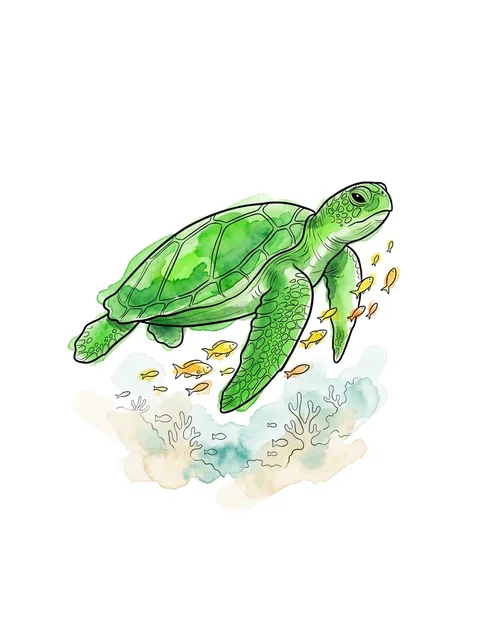
Color watercolor turtle tattoo design: a green sea turtle swimming gracefully Try it on — Color watercolor turtle tattoo design: a green sea turtle swimming gracefully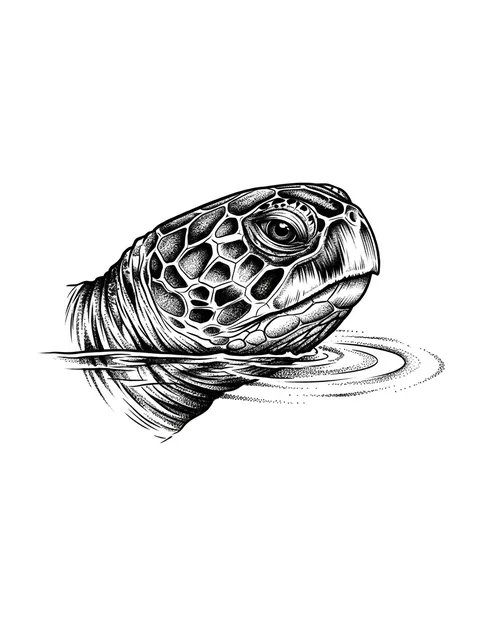
Black and grey dotwork turtle tattoo design: a sea turtle's head emerging from water Try it on — Black and grey dotwork turtle tattoo design: a sea turtle's head emerging from water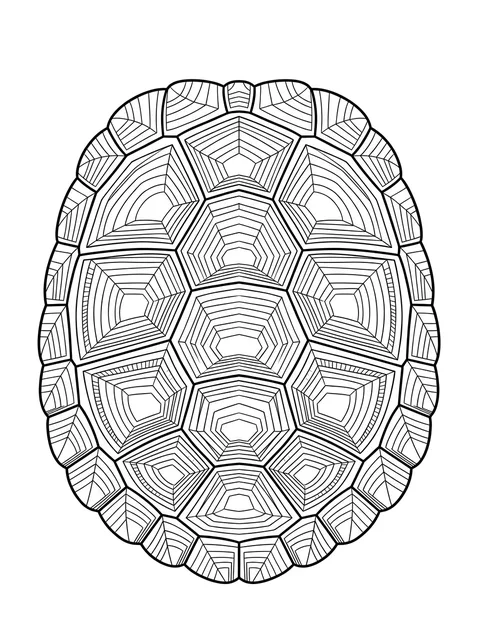
Black and white geometric turtle tattoo design, outline stencil Try it on — Black and white geometric turtle tattoo design, outline stencil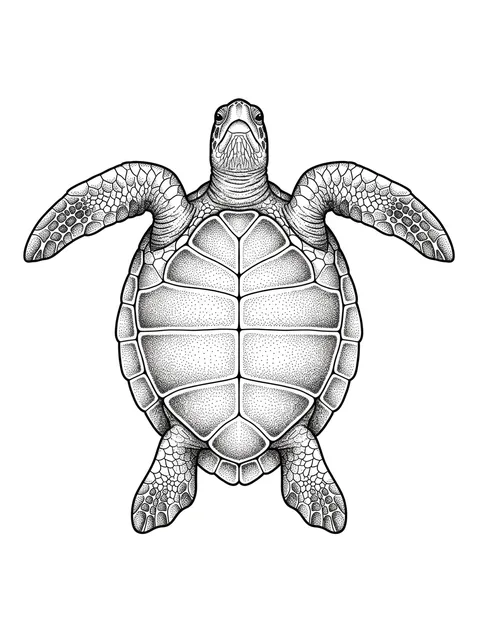
Black and grey dotwork turtle tattoo design: a sea turtle, viewed from above Try it on — Black and grey dotwork turtle tattoo design: a sea turtle, viewed from above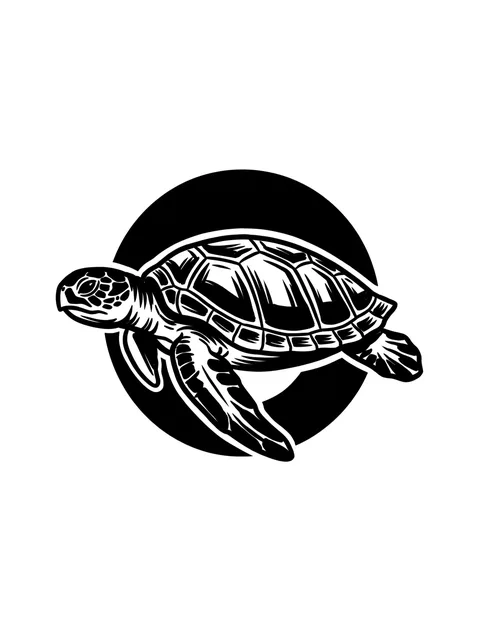
Black and white illustrative turtle tattoo design: a sea turtle Try it on — Black and white illustrative turtle tattoo design: a sea turtle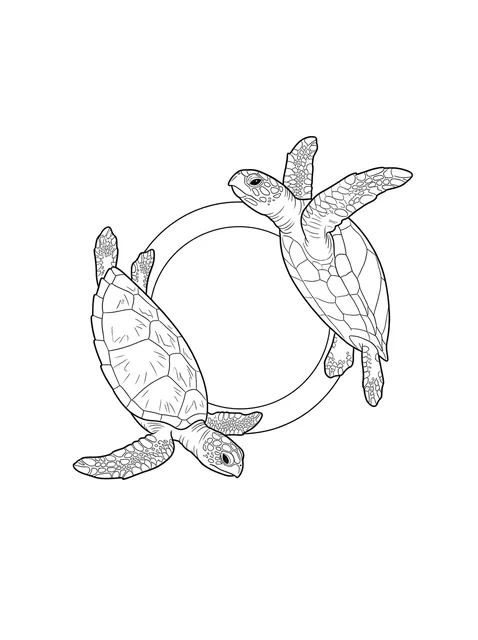
Black and grey illustrative turtle tattoo design: two sea turtles swimming in a circular formation Try it on — Black and grey illustrative turtle tattoo design: two sea turtles swimming in a circular formation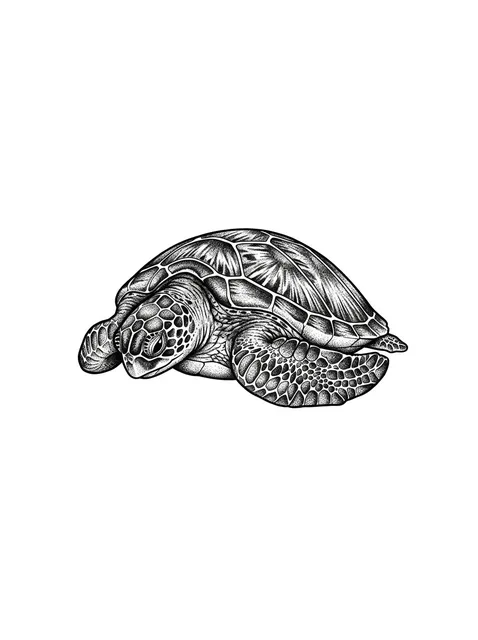
Black and grey dotwork turtle tattoo design Try it on — Black and grey dotwork turtle tattoo design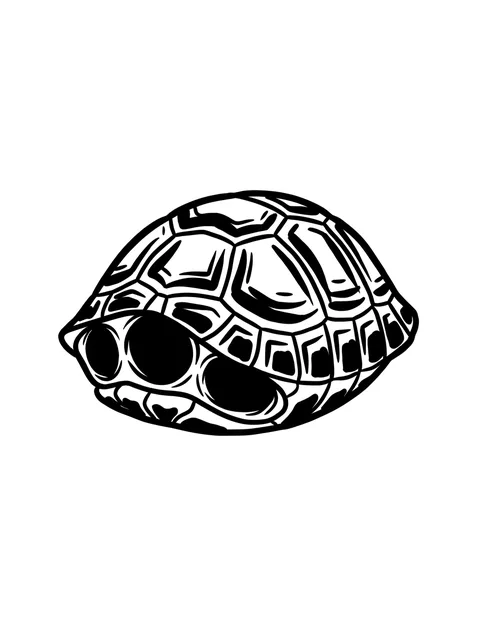
Black and white blackwork turtle tattoo design: a turtle shell Try it on — Black and white blackwork turtle tattoo design: a turtle shell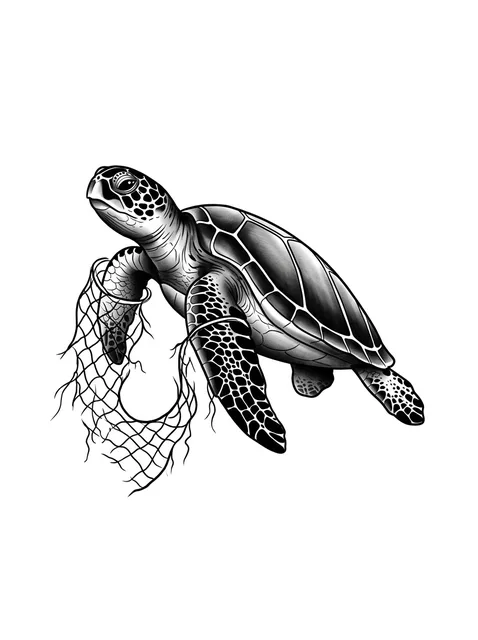
Black and grey illustrative turtle tattoo design: a sea turtle Try it on — Black and grey illustrative turtle tattoo design: a sea turtle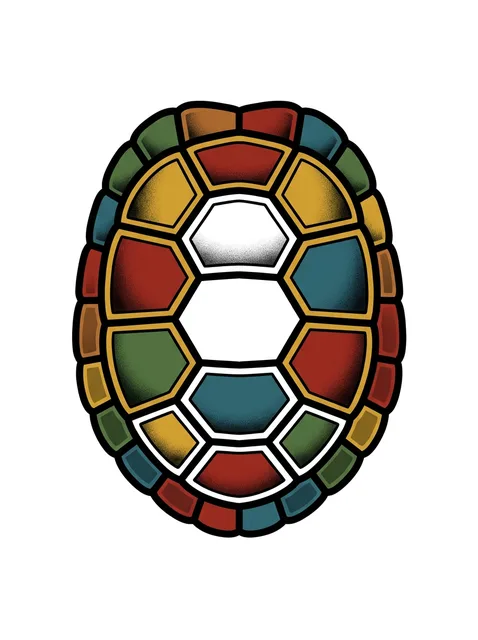
Color traditional turtle tattoo design: a turtle shell Try it on — Color traditional turtle tattoo design: a turtle shell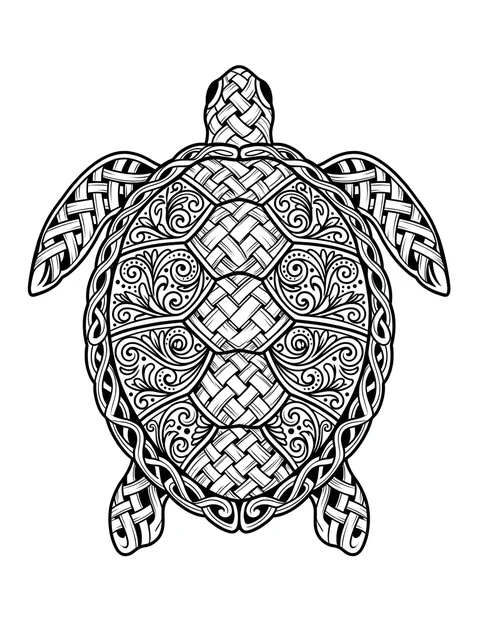
Black and white ornamental turtle tattoo design Try it on — Black and white ornamental turtle tattoo design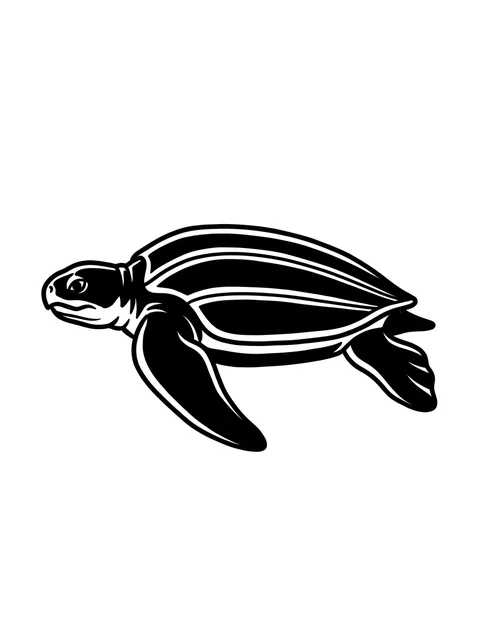
Black and white blackwork turtle tattoo design: a sea turtle Try it on — Black and white blackwork turtle tattoo design: a sea turtle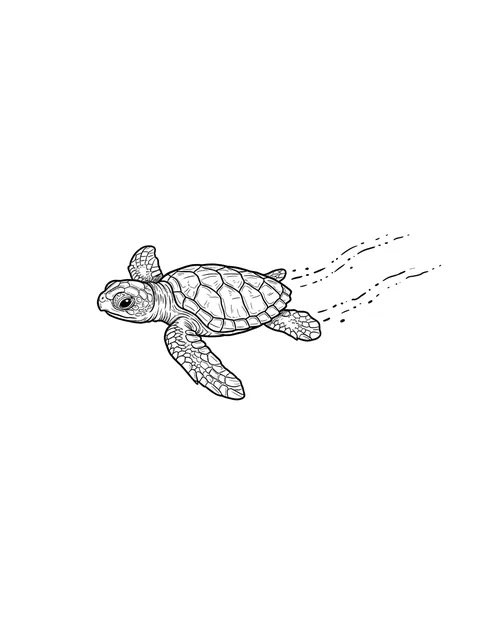
Black and grey illustrative turtle tattoo design: a baby sea turtle swimming Try it on — Black and grey illustrative turtle tattoo design: a baby sea turtle swimming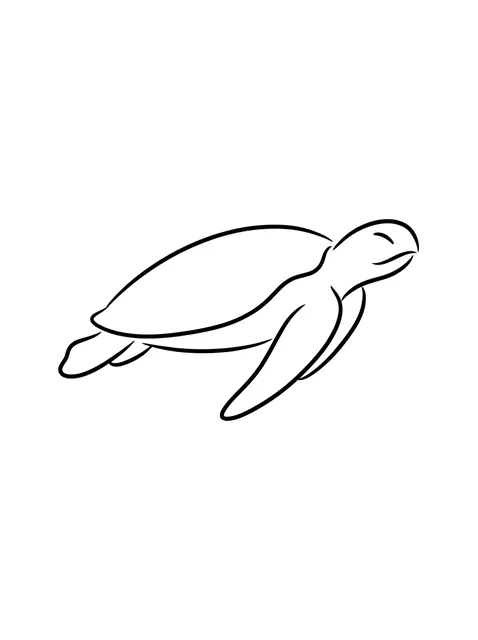
Black and white minimalist turtle tattoo design, outline stencil: a sea turtle in profile Try it on — Black and white minimalist turtle tattoo design, outline stencil: a sea turtle in profile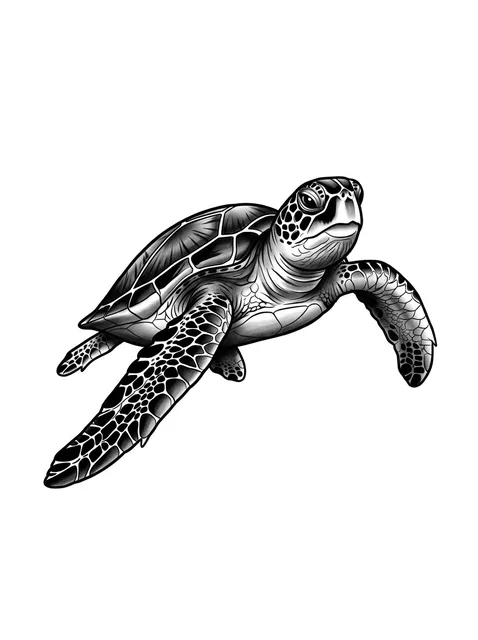
Black and grey illustrative turtle tattoo design: a sea turtle Try it on — Black and grey illustrative turtle tattoo design: a sea turtle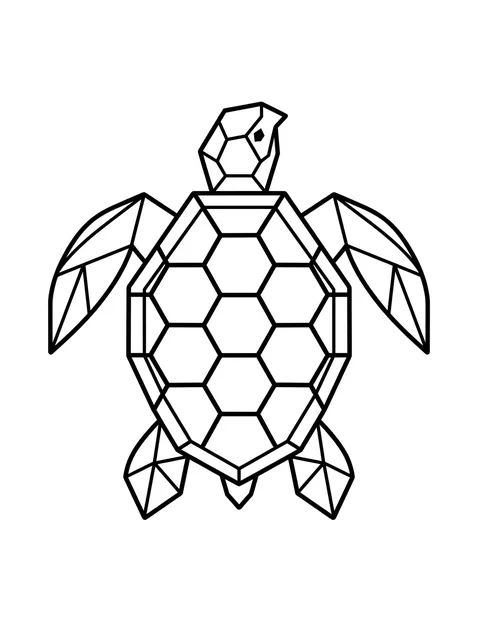
Black and white geometric turtle tattoo design, outline stencil: a sea turtle Try it on — Black and white geometric turtle tattoo design, outline stencil: a sea turtle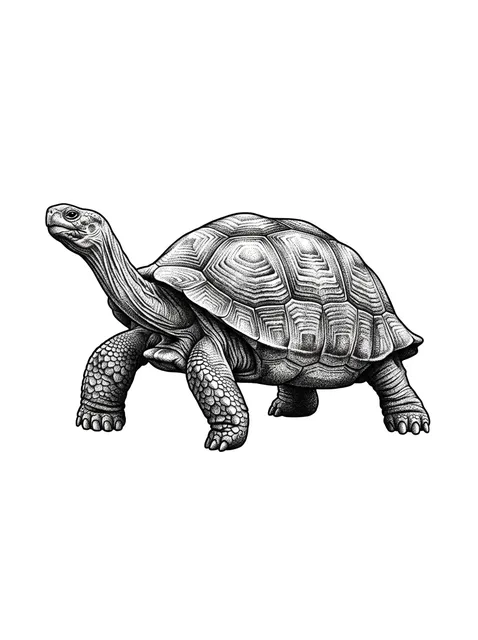
Black and grey dotwork turtle tattoo design Try it on — Black and grey dotwork turtle tattoo design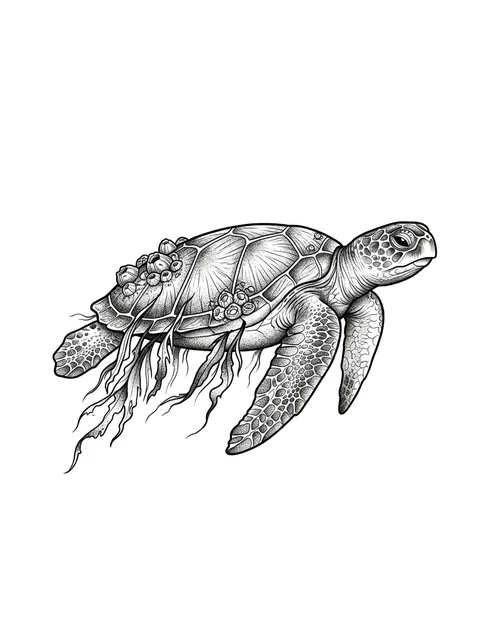
Black and grey dotwork turtle and leaf tattoo design: a sea turtle Try it on — Black and grey dotwork turtle and leaf tattoo design: a sea turtle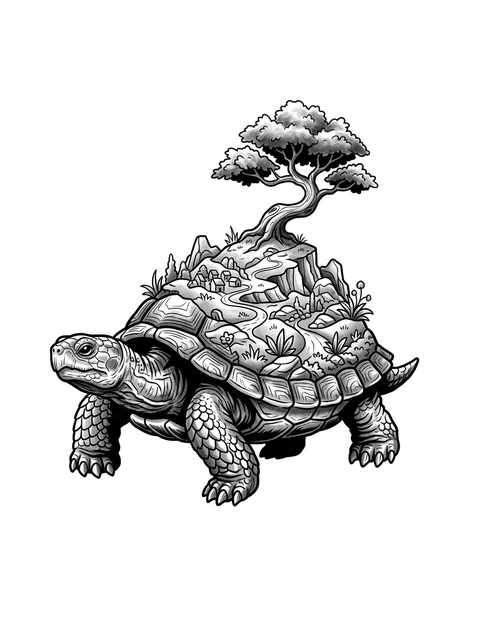
Black and grey illustrative turtle and tree tattoo design Try it on — Black and grey illustrative turtle and tree tattoo design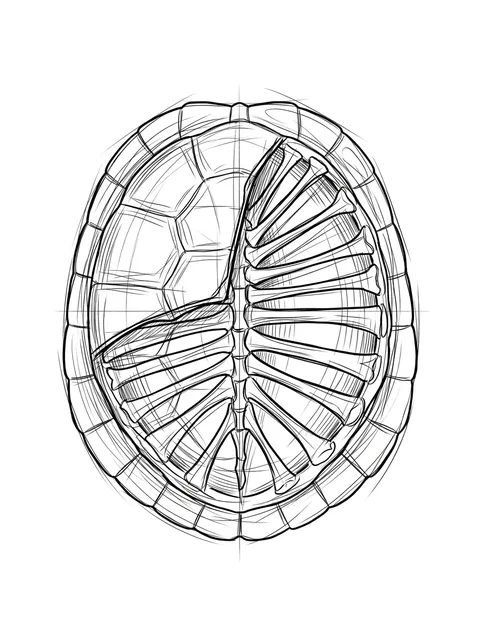
Black and white fine line turtle and skeleton tattoo design, outline stencil Try it on — Black and white fine line turtle and skeleton tattoo design, outline stencil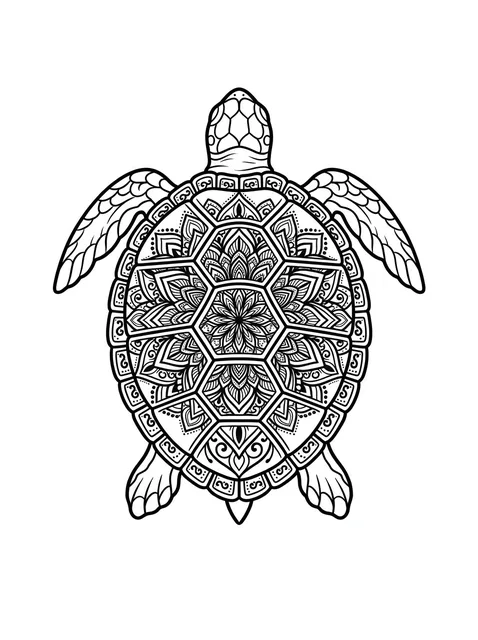
Black and white illustrative turtle and mandala tattoo design Try it on — Black and white illustrative turtle and mandala tattoo design


Tap any design to see it on your own skin in the try-on — no signup.
This set of 21 turtle designs, by the numbers
- Styles represented
- illustrative (7), dotwork (5), geometric (2), blackwork (2), watercolor (1), traditional (1)
- Black-and-grey vs colour
- 90% black-and-grey, 10% colour
- Most often drawn with
- leaf, tree, skeleton, mandala
Counted from the 21 designs shown on this page. Every one was drawn for InkCraft — none are scraped or reposted. Free to reference with a link to this page.
What a turtle tattoo means
The turtle means long life in a way that is literal rather than symbolic. Some species live well past a hundred, and a sea turtle returns to the beach it hatched on decades later to nest — endurance and homing in the same animal, which is why it attaches so readily to both patience and belonging.
In Polynesian cultures the honu is among the most important motifs there is, tied to navigation, to safe passage across open water and to the family line. It is not a general good-luck animal in that context; it has a specific role, and the geometric Polynesian styling of the shell is doing real symbolic work rather than decorating it.
Hindu and several Indigenous North American traditions place a turtle beneath the world, carrying it. That image is the source of the modern reading about steadiness under weight, and it is also why the world-turtle composition — an island or a tree growing from the shell — still lands as easily as it does.
The shell itself carries the quieter meaning, and it surprises most people. It is not armour the animal wears but simply its own skeleton, fused and turned outward; a turtle cannot leave it. That makes it a far more ambiguous symbol of protection than it first appears.
Where the design comes from
The turtle is one of the oldest continuously tattooed motifs in the world. Polynesian tattooing carried the honu long before any European contact, and it survived the missionary suppressions in Hawai'i and elsewhere to become one of the central forms in the twentieth-century revival of Polynesian tattoo. The western tattoo tradition picked it up much later and largely second-hand, through the surf culture of the 1960s and 70s and through the tribal wave of the 1990s that borrowed Polynesian shell geometry without the meanings attached to it. That borrowing is why a great many turtle tattoos use Polynesian patterning that was never chosen for what it says.
Choosing yours
- Decide whether the shell is a pattern or a surface. Drawn strictly as separate scutes with their growth rings it becomes the subject; shaded as a smooth dome it becomes background for the head and flippers. Both work, and they are very different designs.
- If you want Polynesian styling, find an artist who works in that tradition and can tell you what the elements mean. The geometry is a language, and a shell filled with decorative-looking patterns chosen for their shape alone is the thing practitioners actually object to.
- The head-on swimming view is the strongest composition available and almost nobody uses it. Seen from the front with the flippers spread, a sea turtle reads as something flying, which no side view manages.
Size, cost and placement
How big, and what it costs
A simple silhouette is a shop-minimum piece under an hour. A shell with every scute drawn and its growth rings rendered is 12-15 cm and three to four hours of precise repetitive work. Polynesian geometric shells are priced higher than their size suggests because the pattern is designed rather than filled.
Where it sits, and how much it hurts
Shells want a flat field where the pattern stays undistorted: the shoulder blade, the outer thigh, the calf, the upper arm. A swimming turtle seen from above suits the same spots. Avoid strongly curved placements for geometric shells, because a tessellation that bends stops reading as a grid.
What to ask your artist
- Whether the scutes will be drawn as separate plates or shaded as one surface, and to show you a healed example.
- If you want Polynesian patterning, what the specific elements they are proposing actually mean.
- For a sea turtle, to get the flipper proportions from reference rather than from other tattoos, since they are almost always drawn too short.
Prices vary widely by city and artist — treat these as session lengths rather than quotes, and expect a shop minimum on anything small. The cost guide turns hours into money by size, placement and style.
Common questions
What does a turtle tattoo mean in Polynesian culture?
The honu is tied to navigation, safe voyage and family lineage, and it is a significant motif rather than a general good-luck charm. If you want that reading, it is worth working with an artist inside the tradition rather than borrowing the pattern.
Sea turtle or tortoise — does it matter?
Substantially. A sea turtle has flippers, a flattened shell and reads as movement; a tortoise has columnar legs, a domed shell and reads as stillness and age. They carry different meanings and people frequently ask for one while describing the other.
How small can a turtle tattoo go?
A silhouette works down to about 5 cm. A detailed shell does not, because the scute divisions and their growth rings are fine internal lines that merge — below roughly 10 cm you should be drawing the outline and the pattern, not the texture.
See it on your skin before you commit
InkCraft places any of these designs on a photo of you — scaled, wrapped and shaded to the placement you pick.