 InkCraft
Japanese tattoo designs built for the body
48 original japanese tattoos designs drawn for InkCraftBy Uladzimir TumanauUpdated
A grammar rather than a look. The subject is only half of it: the wind, water and cloud behind it are what make the piece sit on a shoulder instead of floating on one.
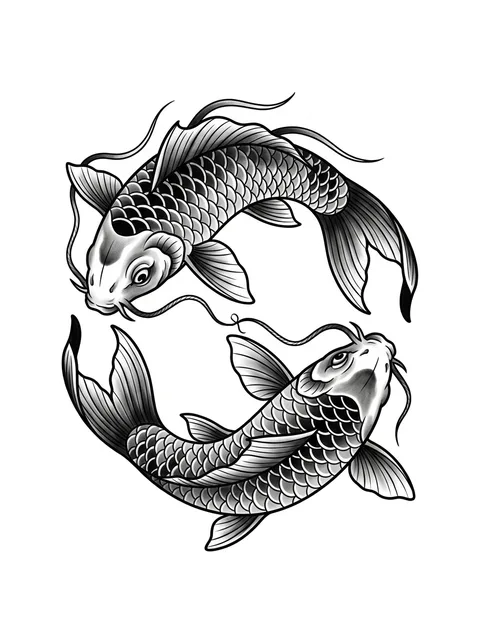
Black and grey Japanese koi and fish tattoo design Try it on — Black and grey Japanese koi and fish tattoo design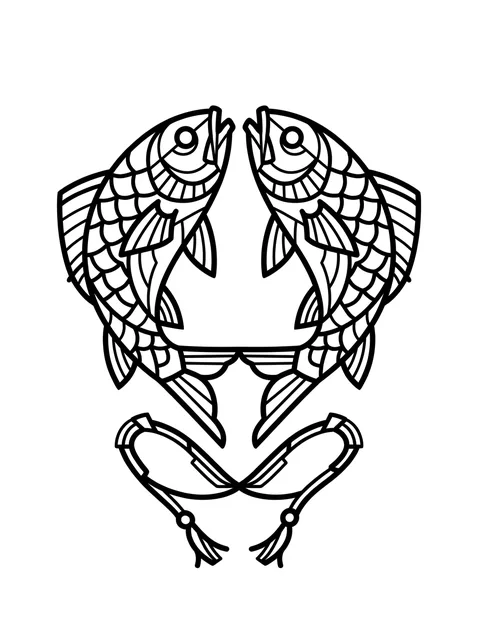
Black and white Japanese fish tattoo design Try it on — Black and white Japanese fish tattoo design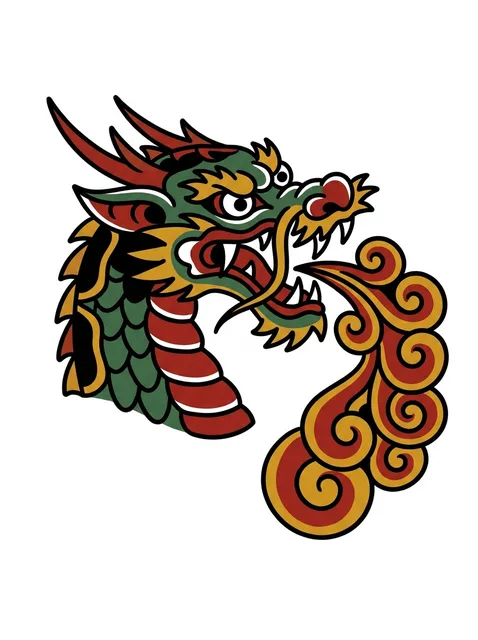
Color Japanese dragon tattoo design Try it on — Color Japanese dragon tattoo design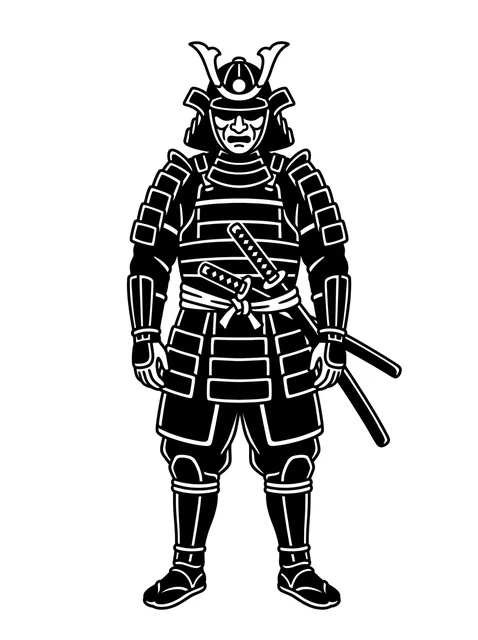
Black and grey Japanese samurai tattoo design: a full-body samurai warrior Try it on — Black and grey Japanese samurai tattoo design: a full-body samurai warrior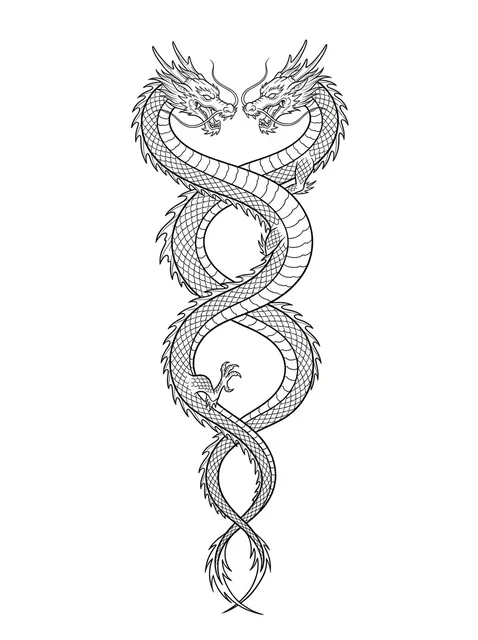
Black and white Japanese dragon tattoo design Try it on — Black and white Japanese dragon tattoo design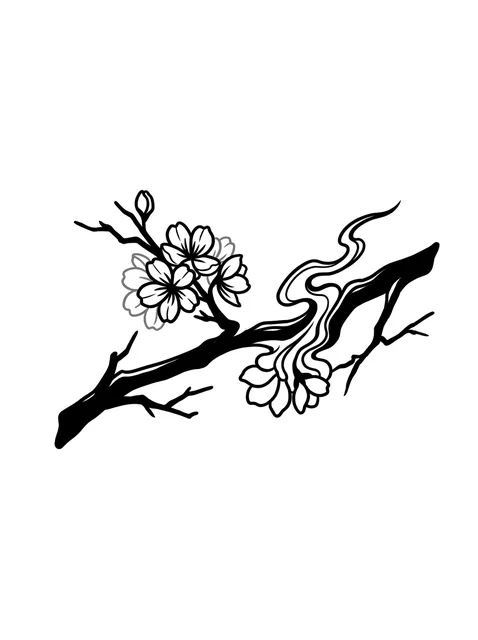
Black and grey Japanese cherry blossom and flower tattoo design: a branch of cherry blossoms Try it on — Black and grey Japanese cherry blossom and flower tattoo design: a branch of cherry blossoms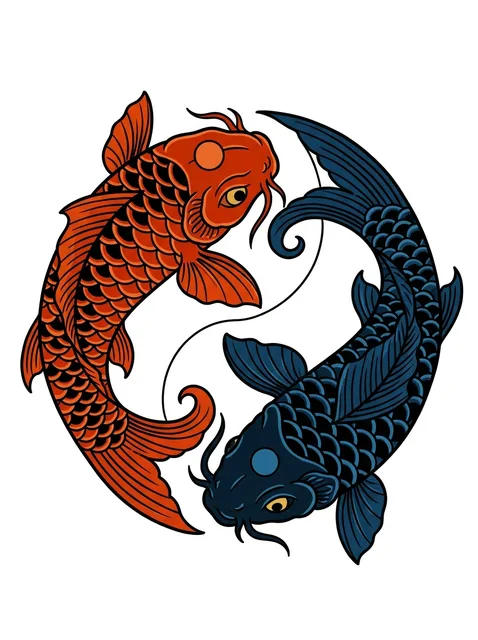
Color Japanese koi and yin yang tattoo design Try it on — Color Japanese koi and yin yang tattoo design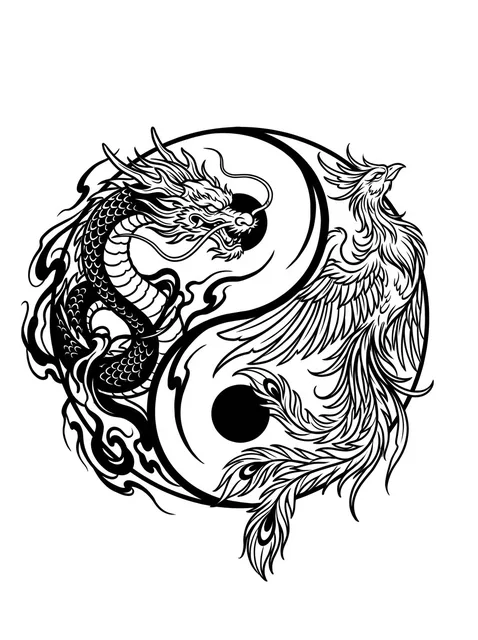
Black and grey Japanese dragon and phoenix tattoo design Try it on — Black and grey Japanese dragon and phoenix tattoo design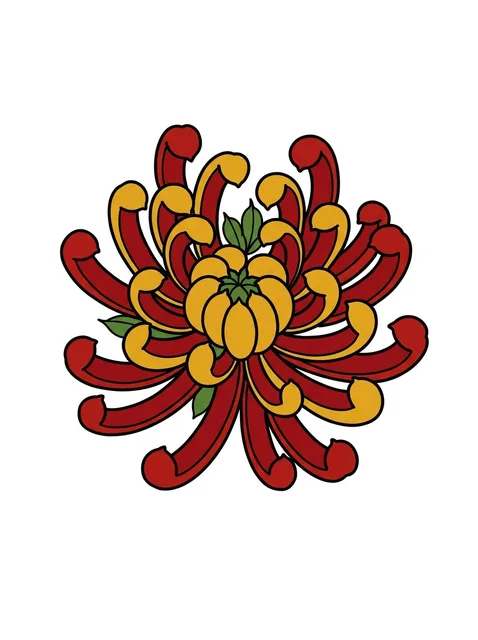
Color Japanese chrysanthemum and flower tattoo design Try it on — Color Japanese chrysanthemum and flower tattoo design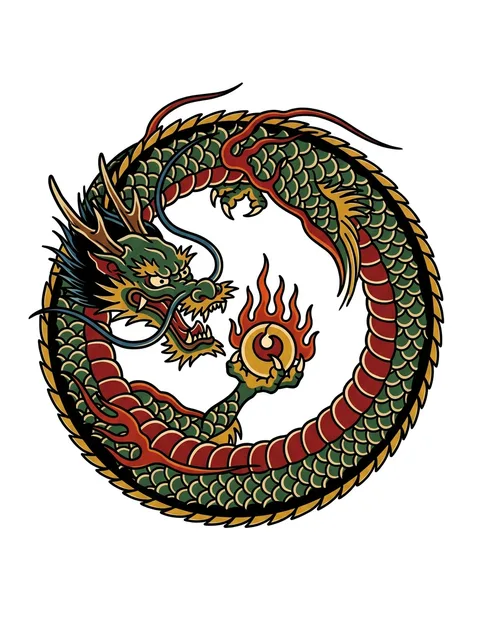
Color Japanese dragon tattoo design Try it on — Color Japanese dragon tattoo design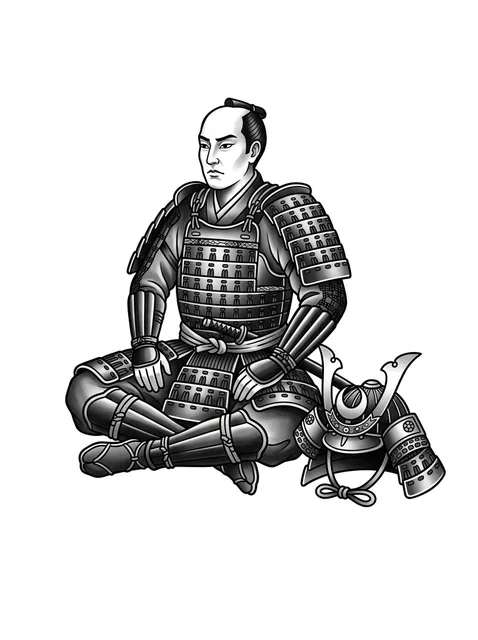
Black and grey Japanese samurai tattoo design: its faceguard resting beside him Try it on — Black and grey Japanese samurai tattoo design: its faceguard resting beside him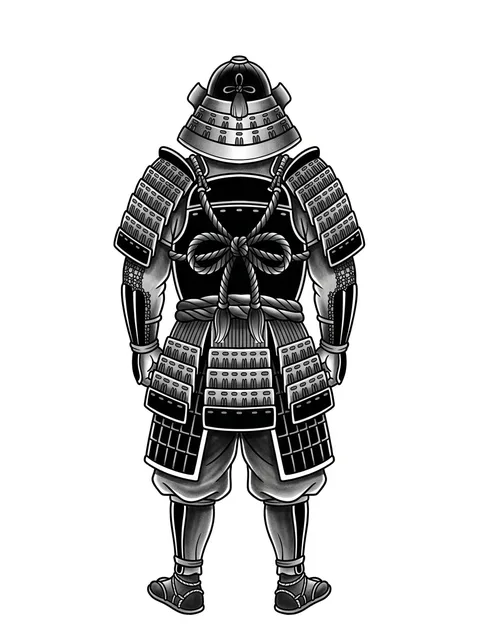
Black and grey Japanese samurai tattoo design: a samurai warrior's armor, viewed from the back Try it on — Black and grey Japanese samurai tattoo design: a samurai warrior's armor, viewed from the back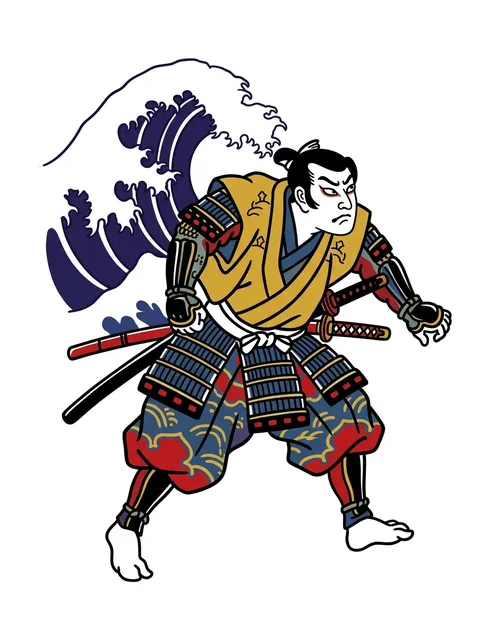
Color Japanese samurai and wave tattoo design Try it on — Color Japanese samurai and wave tattoo design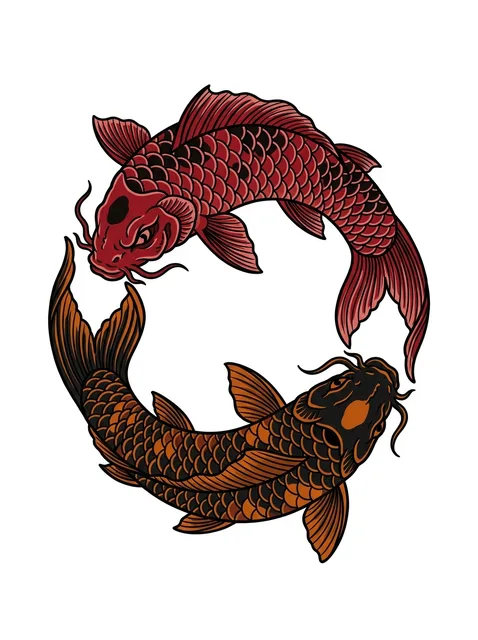
Color Japanese koi and fish tattoo design Try it on — Color Japanese koi and fish tattoo design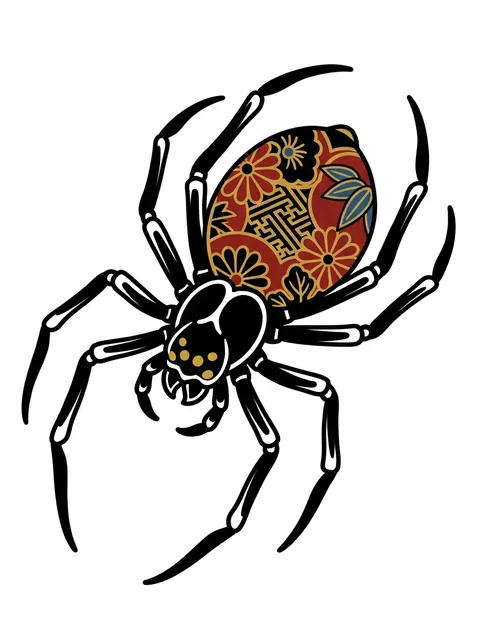
Color Japanese spider and flower tattoo design: a spider with a richly patterned abdomen Try it on — Color Japanese spider and flower tattoo design: a spider with a richly patterned abdomen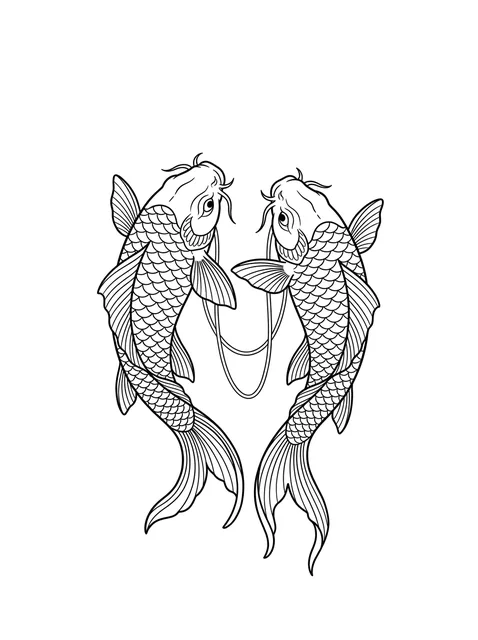
Black and grey Japanese koi and fish tattoo design Try it on — Black and grey Japanese koi and fish tattoo design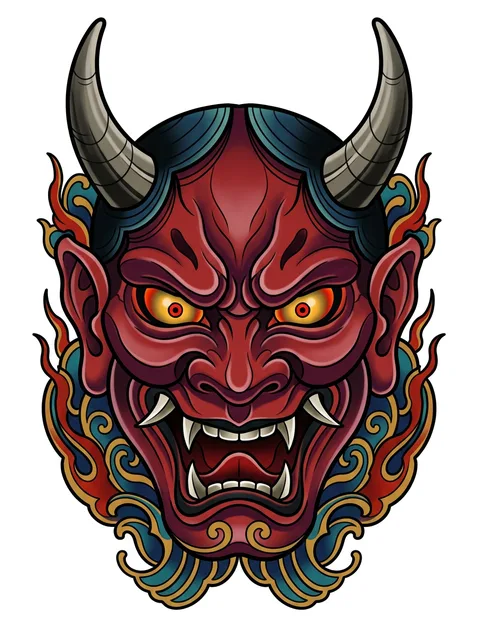
Color Japanese demon tattoo design: a fierce red demon face with prominent horns and sharp fangs Try it on — Color Japanese demon tattoo design: a fierce red demon face with prominent horns and sharp fangs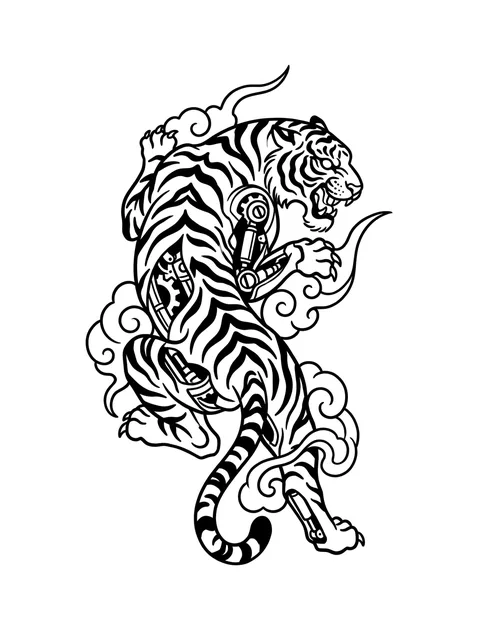
Black and white Japanese tiger tattoo design Try it on — Black and white Japanese tiger tattoo design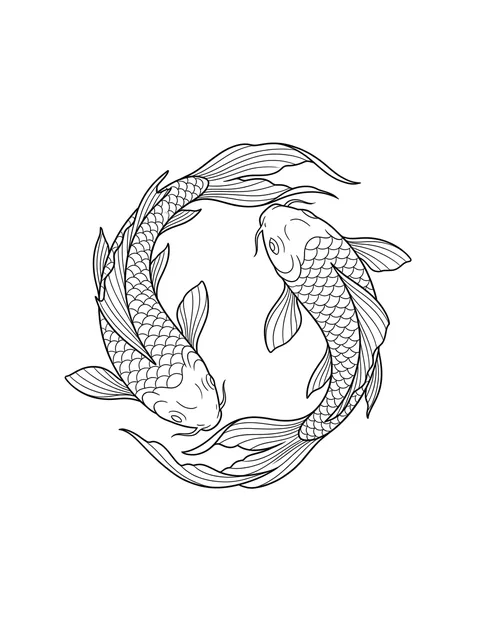
Black and grey Japanese koi and fish tattoo design Try it on — Black and grey Japanese koi and fish tattoo design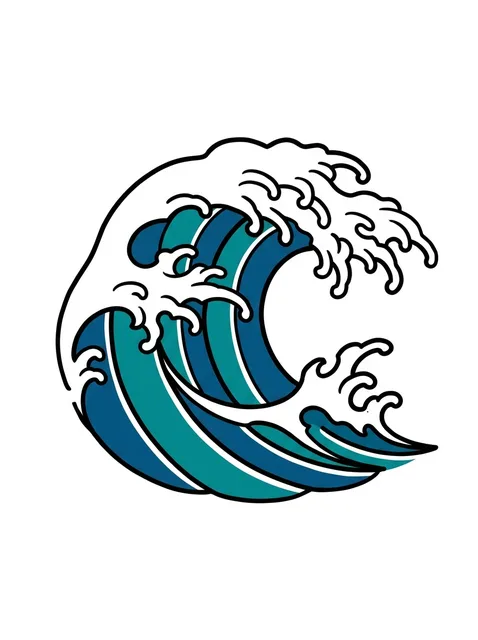
Color Japanese wave tattoo design Try it on — Color Japanese wave tattoo design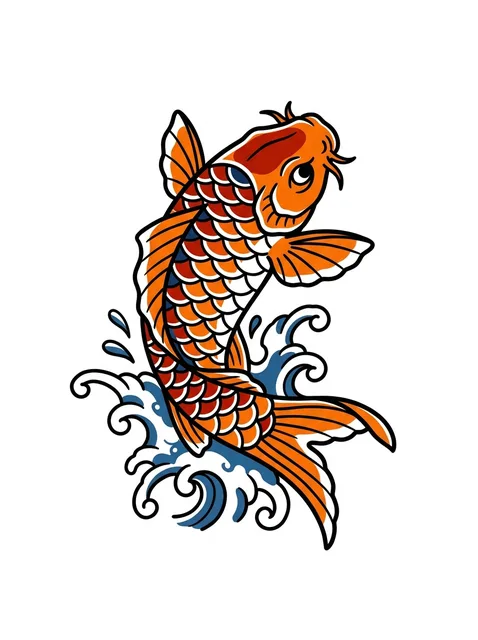
Color Japanese koi and wave tattoo design Try it on — Color Japanese koi and wave tattoo design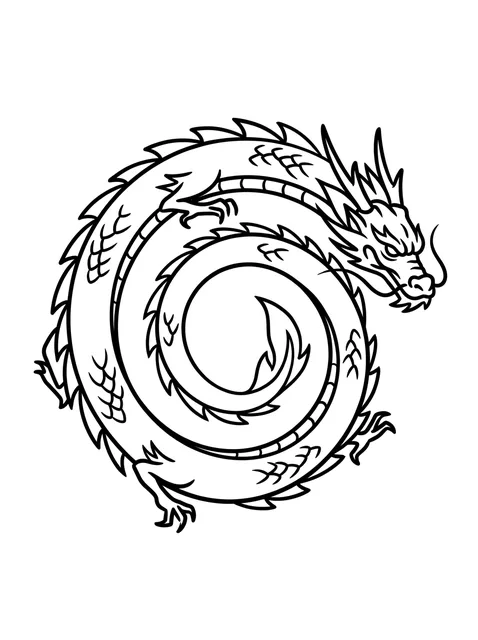
Black and grey Japanese dragon tattoo design Try it on — Black and grey Japanese dragon tattoo design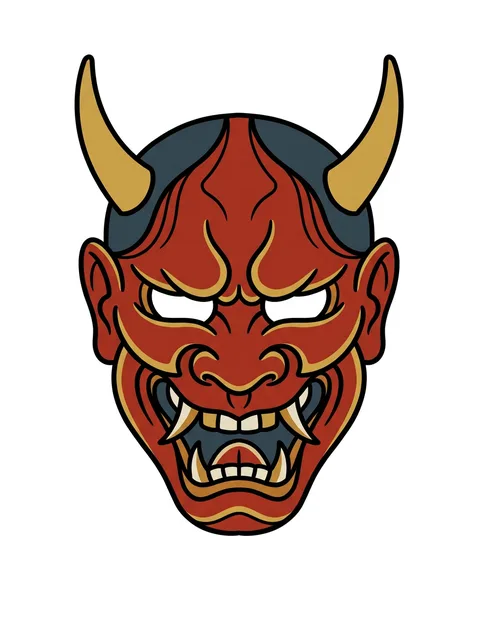
Color Japanese demon tattoo design Try it on — Color Japanese demon tattoo design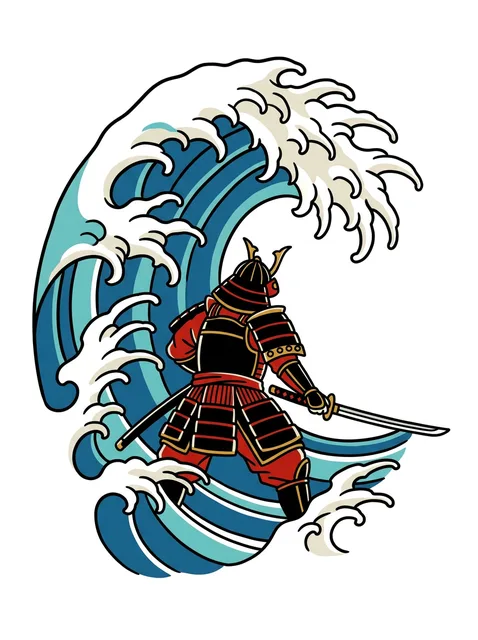
Color Japanese samurai and wave tattoo design Try it on — Color Japanese samurai and wave tattoo design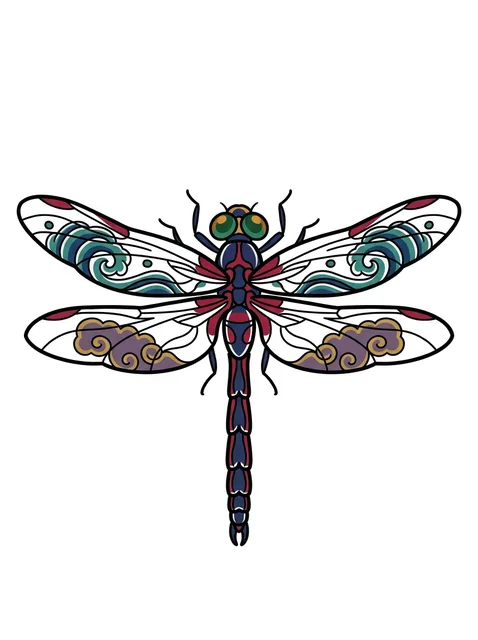
Color Japanese dragonfly tattoo design Try it on — Color Japanese dragonfly tattoo design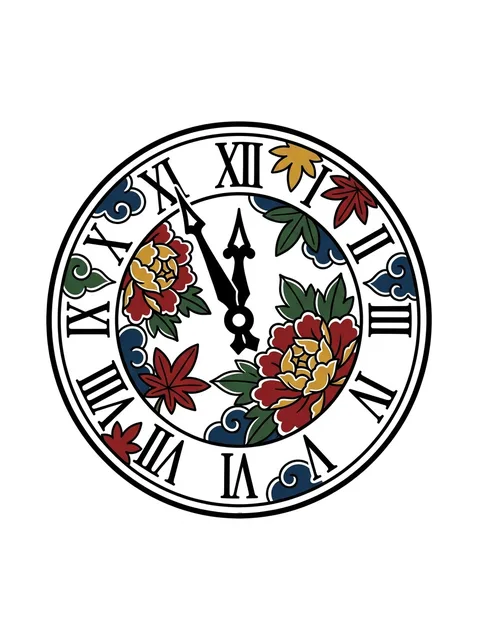
Color Japanese clock and peony tattoo design: a clock face with Roman numerals Try it on — Color Japanese clock and peony tattoo design: a clock face with Roman numerals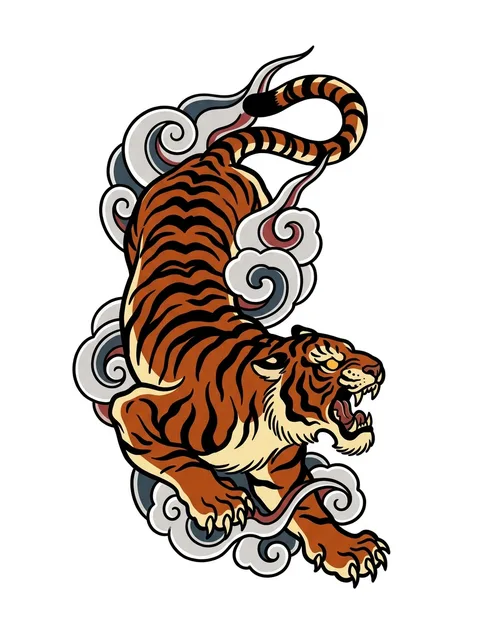
Color Japanese tiger tattoo design: a powerful tiger amidst stylized clouds Try it on — Color Japanese tiger tattoo design: a powerful tiger amidst stylized clouds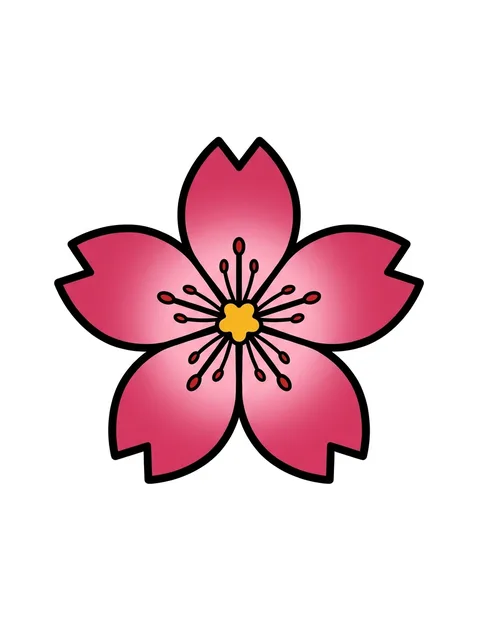
Color Japanese cherry blossom and flower tattoo design Try it on — Color Japanese cherry blossom and flower tattoo design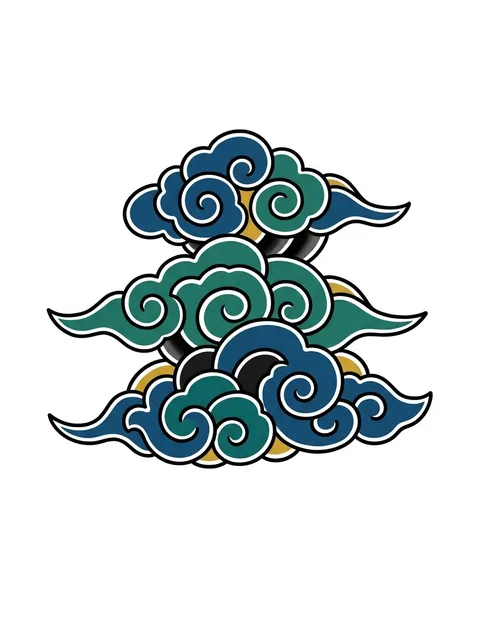
Color Japanese cloud tattoo design Try it on — Color Japanese cloud tattoo design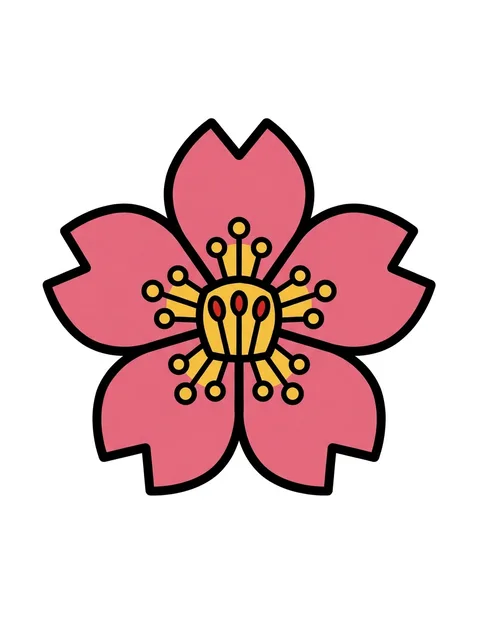
Color Japanese cherry blossom and flower tattoo design Try it on — Color Japanese cherry blossom and flower tattoo design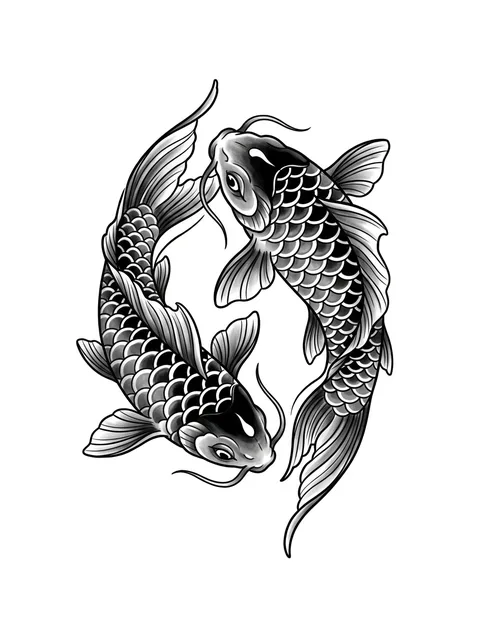
Black and grey Japanese koi and fish tattoo design: two koi fish Try it on — Black and grey Japanese koi and fish tattoo design: two koi fish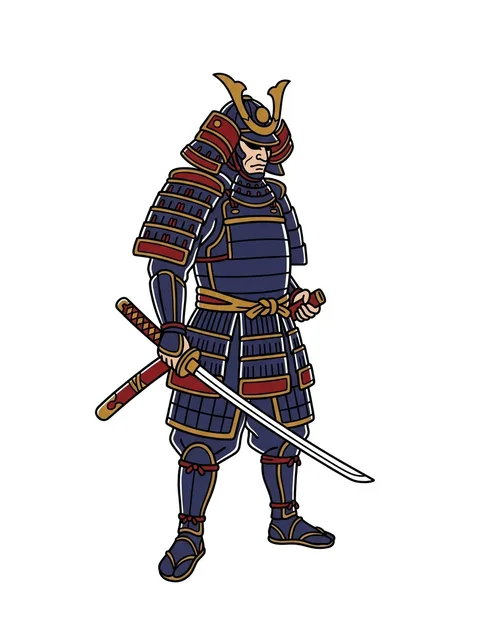
Color Japanese samurai and sword tattoo design Try it on — Color Japanese samurai and sword tattoo design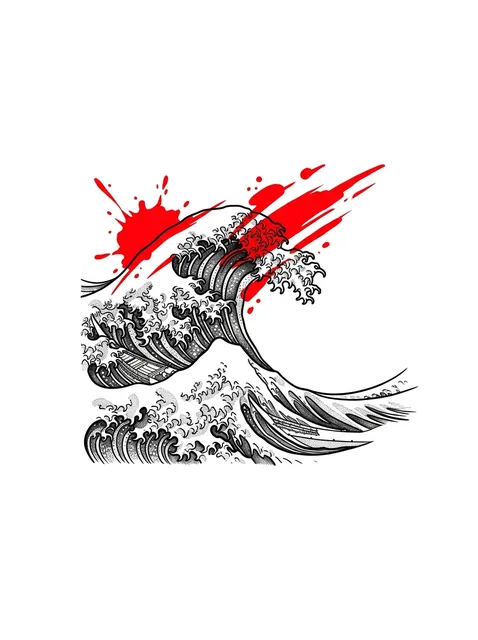
Color Japanese wave tattoo design: the wave, adding a dynamic and modern touch Try it on — Color Japanese wave tattoo design: the wave, adding a dynamic and modern touch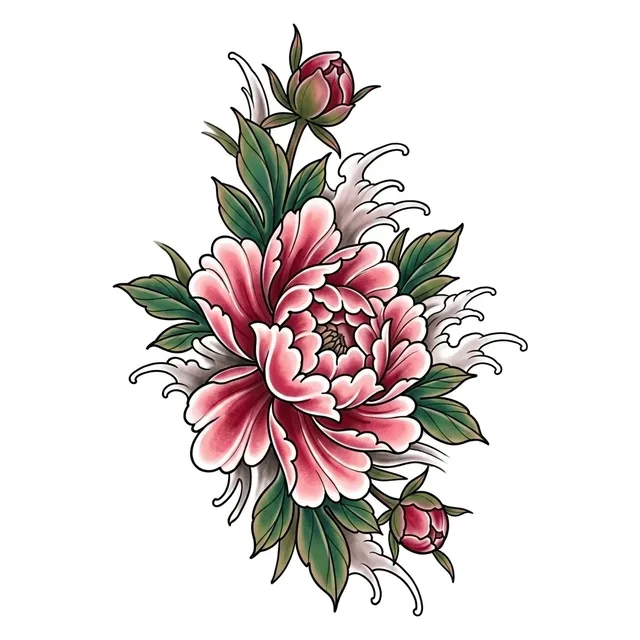
Color Japanese peony and flower tattoo design Try it on — Color Japanese peony and flower tattoo design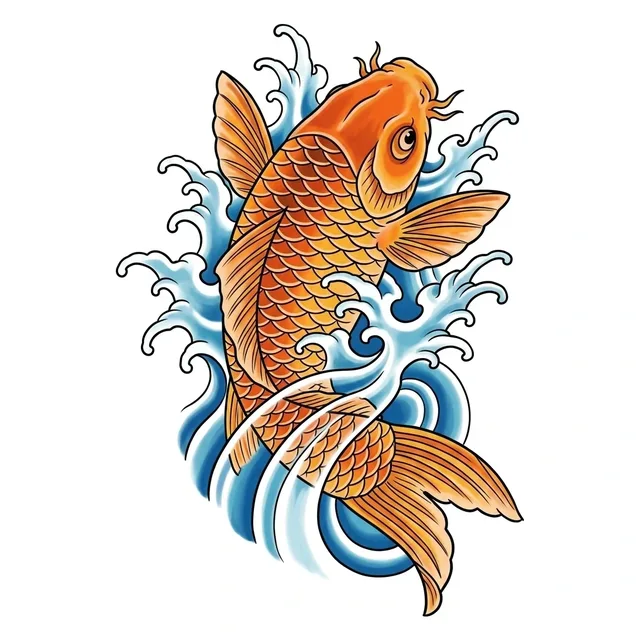
Color Japanese koi and wave tattoo design: a golden koi fish swimming amidst blue waves Try it on — Color Japanese koi and wave tattoo design: a golden koi fish swimming amidst blue waves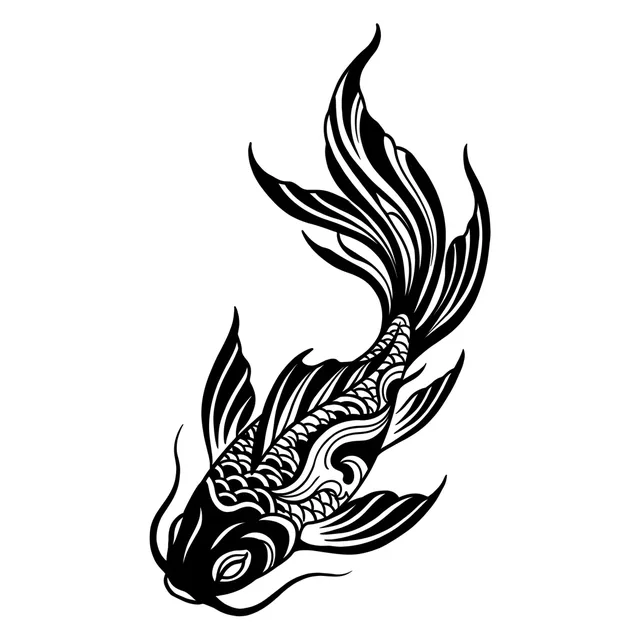
Black and grey Japanese koi and fish tattoo design Try it on — Black and grey Japanese koi and fish tattoo design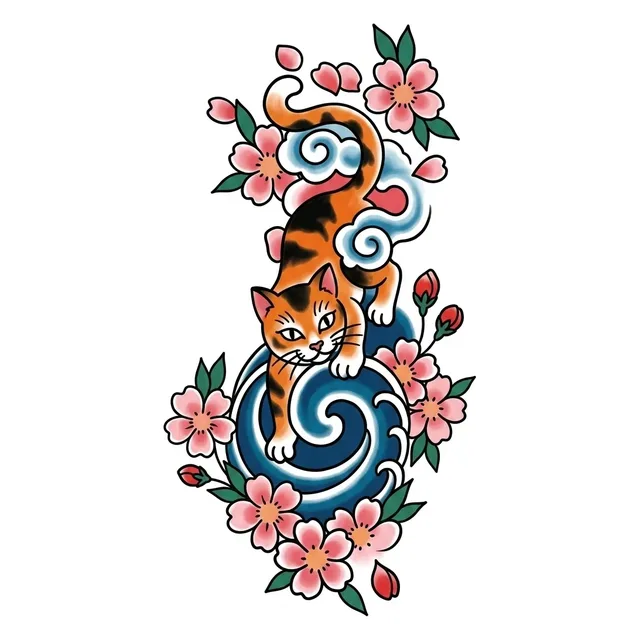
Color Japanese cat and cherry blossom tattoo design: a playful expression Try it on — Color Japanese cat and cherry blossom tattoo design: a playful expression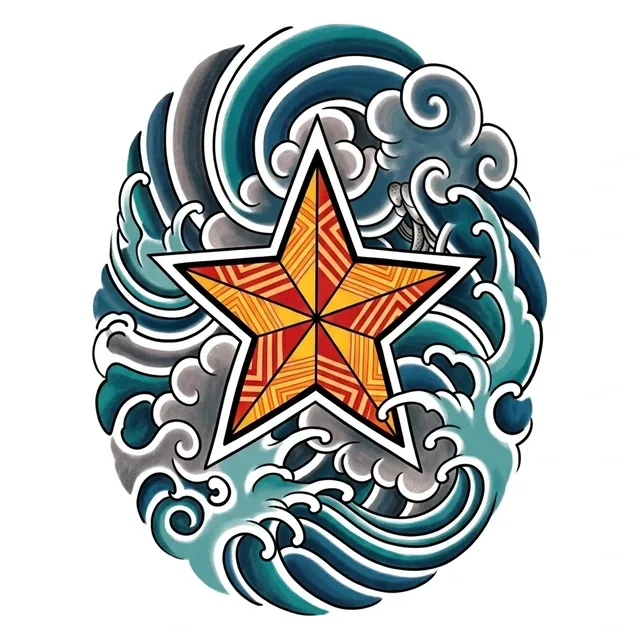
Color Japanese star and wave tattoo design: a bold, patterned star at its center Try it on — Color Japanese star and wave tattoo design: a bold, patterned star at its center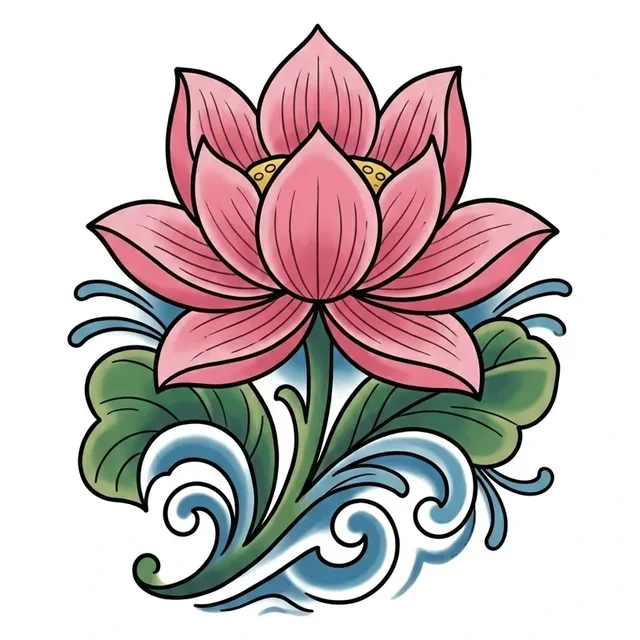
Color Japanese lotus and wave tattoo design: a pink lotus flower in full bloom Try it on — Color Japanese lotus and wave tattoo design: a pink lotus flower in full bloom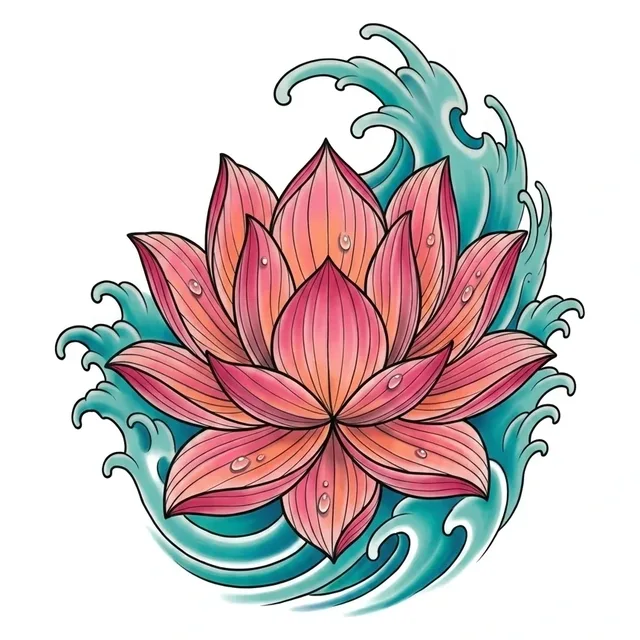
Color Japanese lotus and wave tattoo design Try it on — Color Japanese lotus and wave tattoo design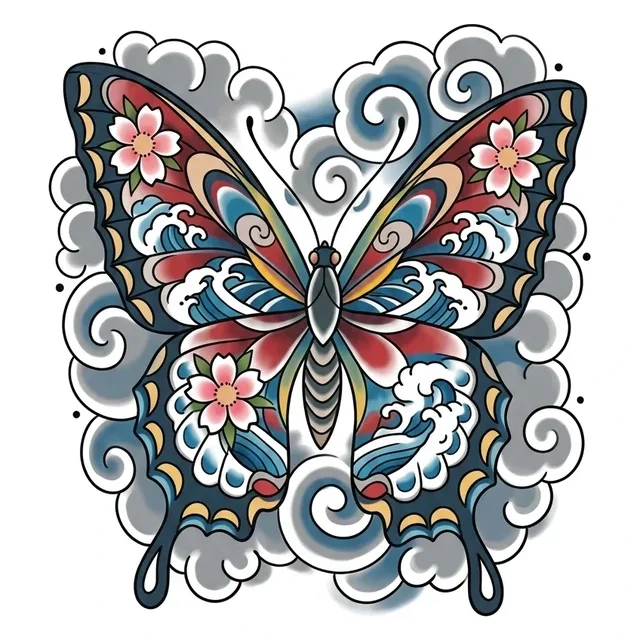
Color Japanese butterfly and cherry blossom tattoo design Try it on — Color Japanese butterfly and cherry blossom tattoo design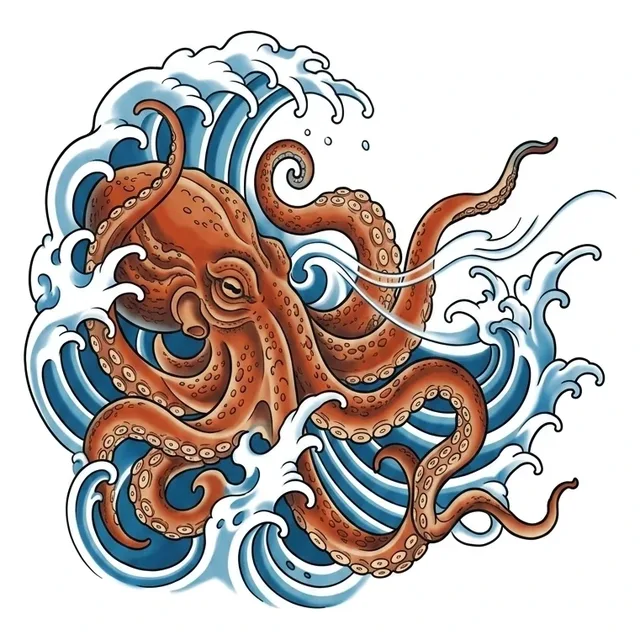
Color Japanese octopus and wave tattoo design Try it on — Color Japanese octopus and wave tattoo design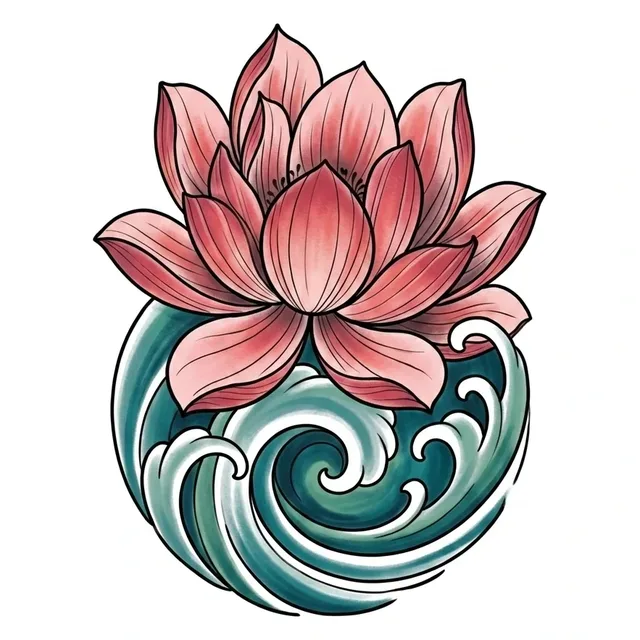
Color Japanese lotus and wave tattoo design Try it on — Color Japanese lotus and wave tattoo design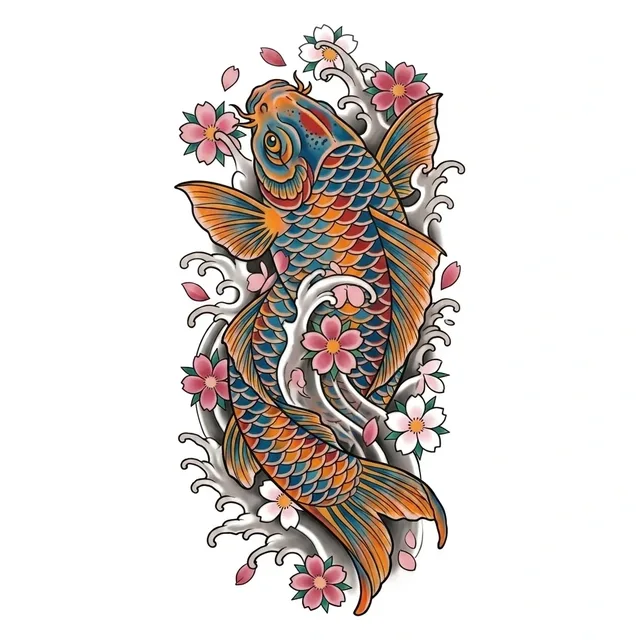
Color Japanese koi and cherry blossom tattoo design Try it on — Color Japanese koi and cherry blossom tattoo design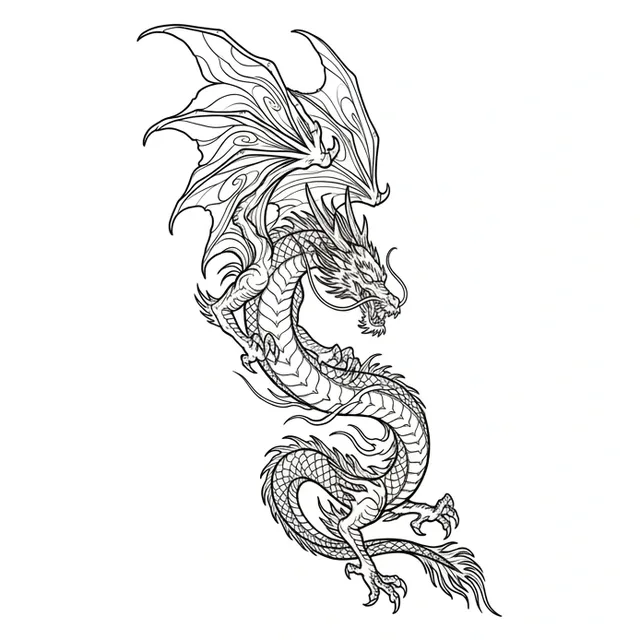
Black and white Japanese dragon tattoo design: a fierce Japanese dragon with large, intricate wings Try it on — Black and white Japanese dragon tattoo design: a fierce Japanese dragon with large, intricate wings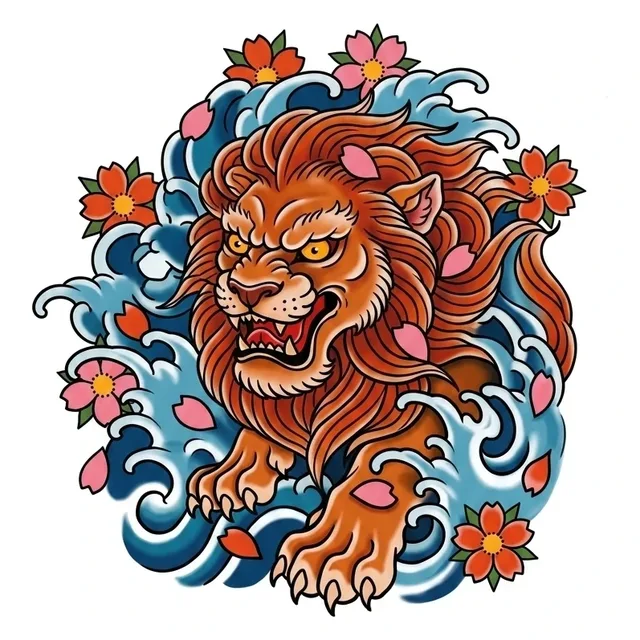
Color Japanese lion and wave tattoo design Try it on — Color Japanese lion and wave tattoo design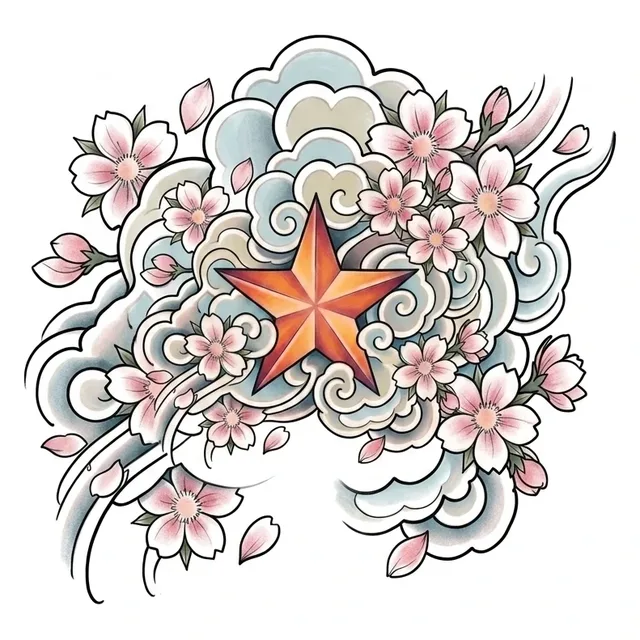
Color Japanese cherry blossom and star tattoo design Try it on — Color Japanese cherry blossom and star tattoo design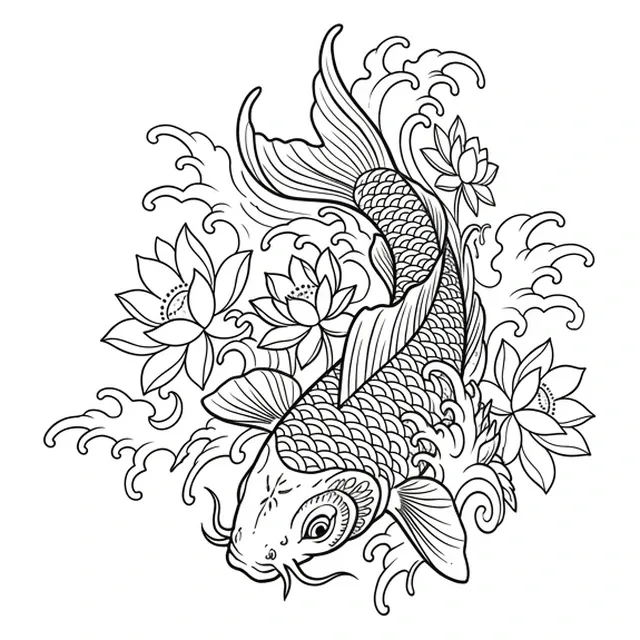
Black and grey Japanese koi and lotus tattoo design: the fish and the delicate petals of the lotus Try it on — Black and grey Japanese koi and lotus tattoo design: the fish and the delicate petals of the lotus


48 designs drawn for InkCraft in this style. Tap any one to place it on a photo of your own skin.
These 48 designs, in numbers
- Black and grey
- 16
- Colour
- 32
- Subjects covered
- 25
Subject, background, and the shape of the body
What separates this from a drawing of a dragon is the background. Wind bars, water, clouds and falling petals are not decoration filling gaps — they set the direction the piece moves in, and they are drawn to the shape of the body part before the subject is placed. That is why a well-executed sleeve looks like it grew on the arm and a subject pasted onto one does not.
It follows that the compositions are designed for large, continuous areas: a full sleeve, a back, a chest panel, a thigh. Cut one down to a wrist and you lose the background, and without the background it stops being this style and becomes a small picture of an animal.
It also means the body part is chosen before the drawing is finished. An artist working in this tradition will often want to see the arm or back, mark the flow on it, and design into that rather than scale a flat sketch down.
The motifs mean things, and they pair
The vocabulary is settled and it carries meaning: koi for perseverance upstream, dragons for power and protection, tigers for courage, phoenixes for rebirth, snakes for wisdom and regeneration. The flowers are seasonal markers as much as ornament — cherry blossom for the brevity of things, chrysanthemum for autumn and longevity, peony for wealth and standing.
They also pair conventionally. Dragon with clouds, koi with water, snake with peony, tiger with bamboo. Those pairings are not rules you must obey, but they are the reason certain combinations look resolved and others look assembled, and an artist will usually steer you towards them for that reason rather than out of orthodoxy.
Worth knowing before you commit: in Japan the tradition still carries an association with organised crime, and tattoos remain a barrier to onsen, gyms and pools there. That is not a reason to avoid the style, but it is a fact people are routinely surprised by.
Time, money and sequence
These are projects rather than appointments. A full sleeve is normally several sittings spread over months, priced by the session, with healing time between them — and the order matters, because the background has to be laid out before the subjects are finished or the flow will not connect.
Say at the first consultation how far you eventually want it to go, even if you are starting with one panel. An artist can map a whole sleeve or back on paper, leave the connecting passages empty, and begin somewhere that will still fit. Retrofitting a background around finished pieces is the hardest version of this job and it always shows.
Because the commitment is long, seeing the footprint on your own body early is worth more than usual. Place a design on a photo, look at where it lands on the shoulder and how much arm it claims, and take that to the consultation — it makes the scale conversation concrete instead of hypothetical.
What an hour of this work costs, and how many hours japanese tattoos takes at each size, is in the cost guide. How it behaves later — under a laser, and as the thing doing the covering — is in the removal and cover-up guide.
Common questions
- What is irezumi?
- The Japanese term for tattooing, used in the West to mean the traditional style — a main subject set in a background of wind, water or clouds, composed for the body part it covers. Tebori refers specifically to the hand-poked method, which some artists still use.
- How long does a Japanese sleeve take?
- Months rather than days. It is normally several sittings priced by the session, with healing time between them, and the background is laid out before the subjects are finished so the flow connects. Say at the first consultation how far you want it to go.
- Do the motifs have fixed meanings?
- Broadly yes — koi for perseverance, dragons for power and protection, phoenix for rebirth, and flowers that mark seasons. They also pair conventionally: dragon with clouds, koi with water, snake with peony. The pairings are why some combinations look resolved and others look assembled.
- Can it be done small?
- A single motif can, but it stops being this style. The background is what makes a Japanese piece sit on the body rather than float on it, and there is no room for it at wrist scale. Small versions read as a picture of an animal instead.
See this style on your own skin
InkCraft places a design on a photo of you — scaled, wrapped and shaded to the spot you pick, so you can judge how the style reads on your body before it is permanent.