 InkCraft
Koi Tattoo Ideas, Designs and Meaning
21 original koi designs drawn for InkCraftBy Uladzimir TumanauUpdated
The koi is the most over-drawn subject in Japanese tattooing and the direction it swims is the entire meaning. A fish fighting the current is the struggle and one going with it is the struggle finished, and artists will pick for you if you do not.
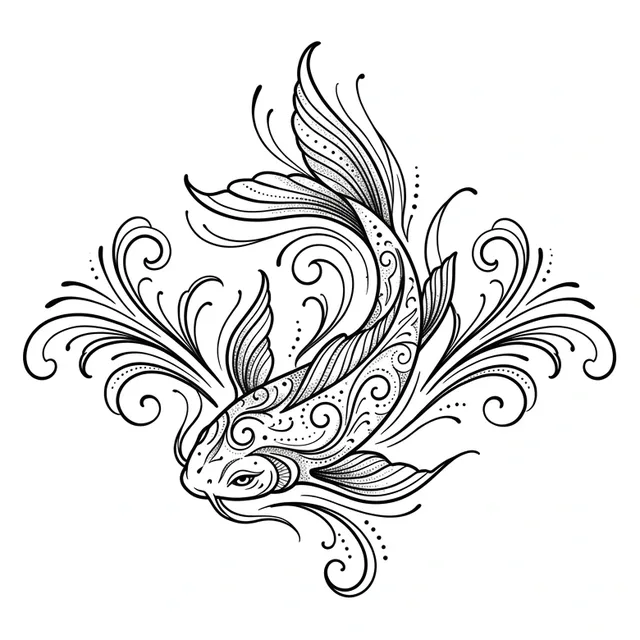
Black and white fine line koi tattoo design, outline stencil Try it on — Black and white fine line koi tattoo design, outline stencil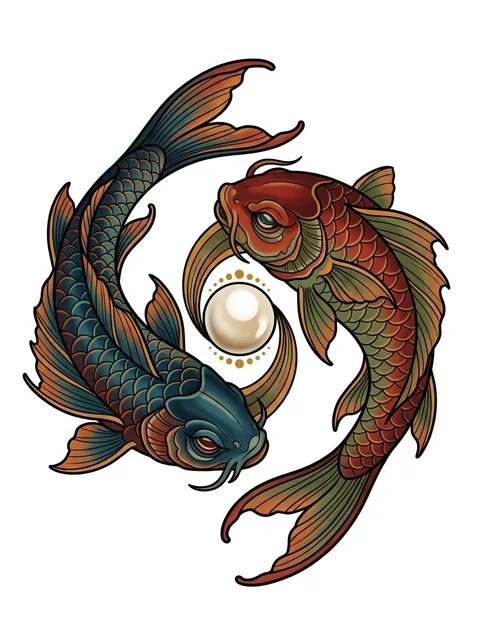
Color neo traditional koi tattoo design Try it on — Color neo traditional koi tattoo design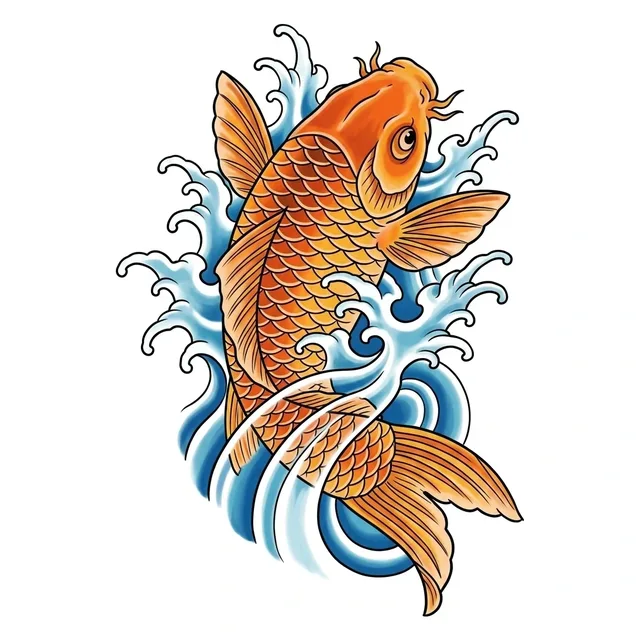
Color Japanese koi and wave tattoo design: a golden koi fish swimming amidst blue waves Try it on — Color Japanese koi and wave tattoo design: a golden koi fish swimming amidst blue waves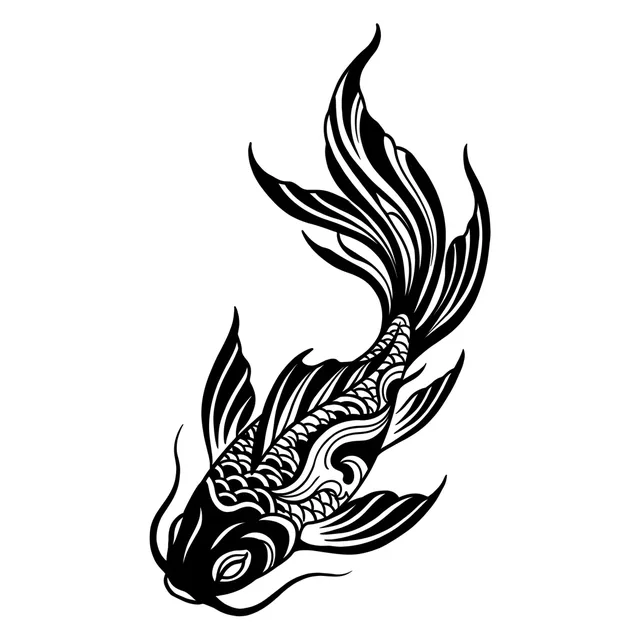
Black and grey Japanese koi and fish tattoo design Try it on — Black and grey Japanese koi and fish tattoo design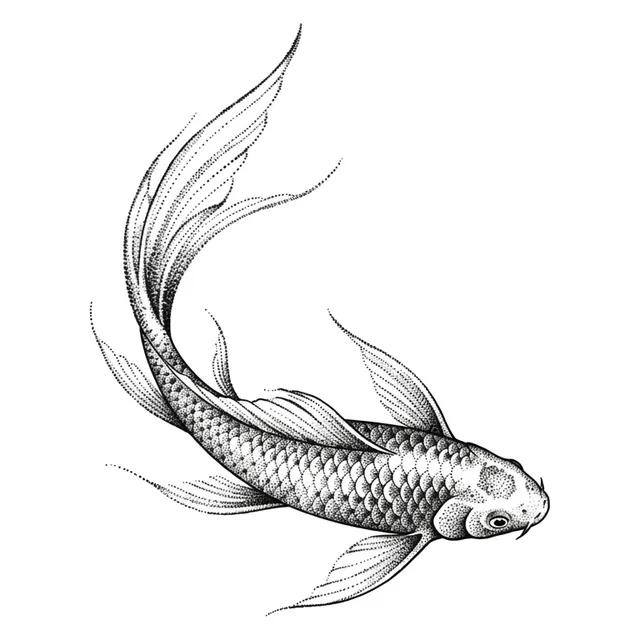
Black and grey dotwork koi and fish tattoo design: its tail elegantly curved Try it on — Black and grey dotwork koi and fish tattoo design: its tail elegantly curved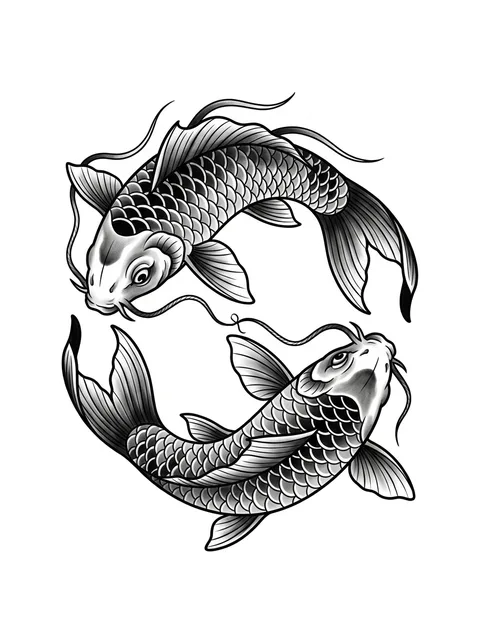
Black and grey Japanese koi and fish tattoo design Try it on — Black and grey Japanese koi and fish tattoo design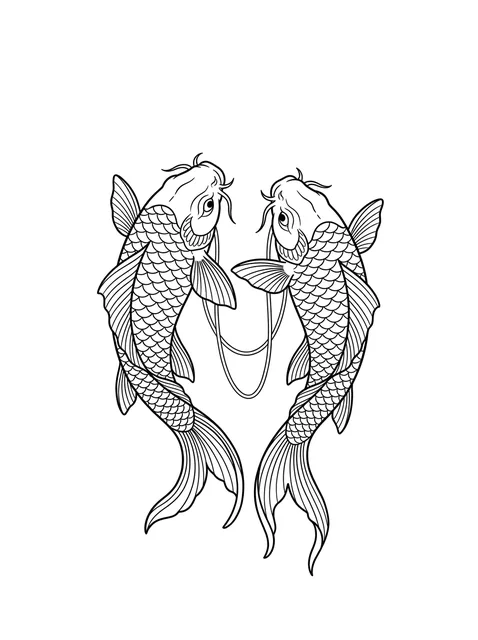
Black and grey Japanese koi and fish tattoo design Try it on — Black and grey Japanese koi and fish tattoo design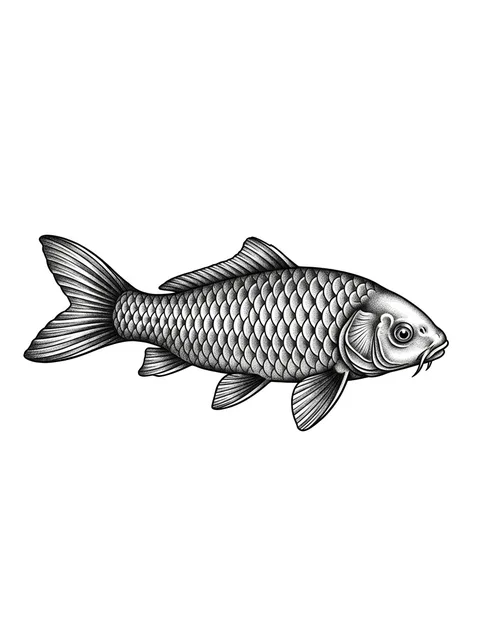
Black and grey dotwork koi and fish tattoo design: a koi fish Try it on — Black and grey dotwork koi and fish tattoo design: a koi fish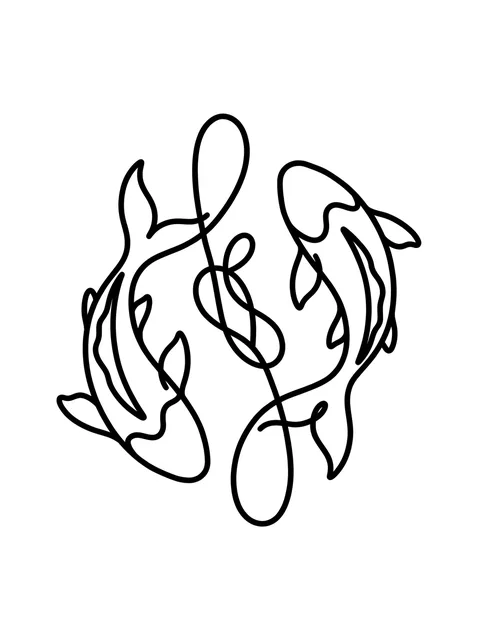
Black and white linework koi and fish tattoo design, outline stencil Try it on — Black and white linework koi and fish tattoo design, outline stencil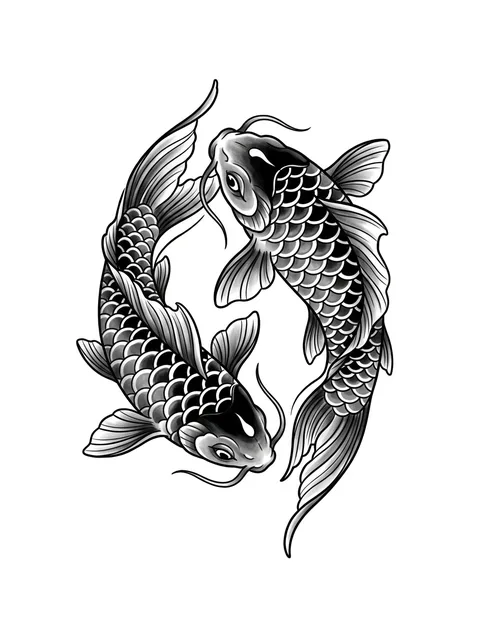
Black and grey Japanese koi and fish tattoo design: two koi fish Try it on — Black and grey Japanese koi and fish tattoo design: two koi fish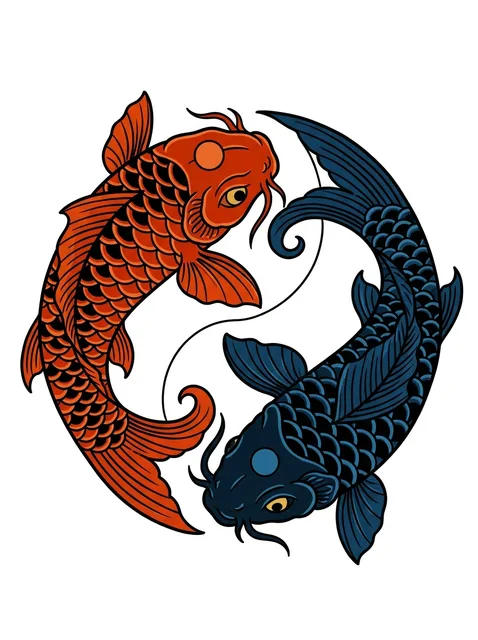
Color Japanese koi and yin yang tattoo design Try it on — Color Japanese koi and yin yang tattoo design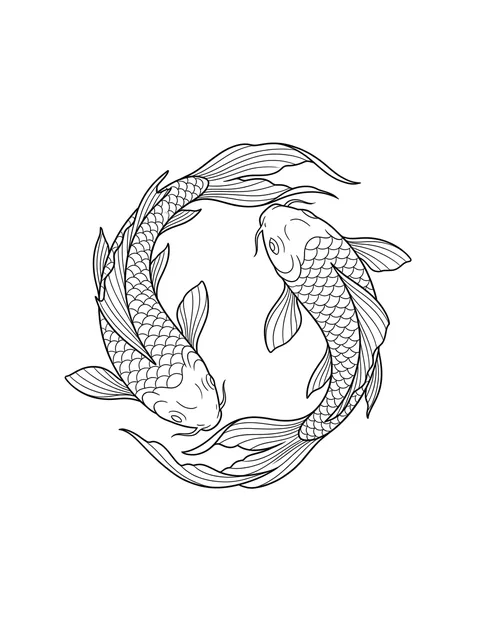
Black and grey Japanese koi and fish tattoo design Try it on — Black and grey Japanese koi and fish tattoo design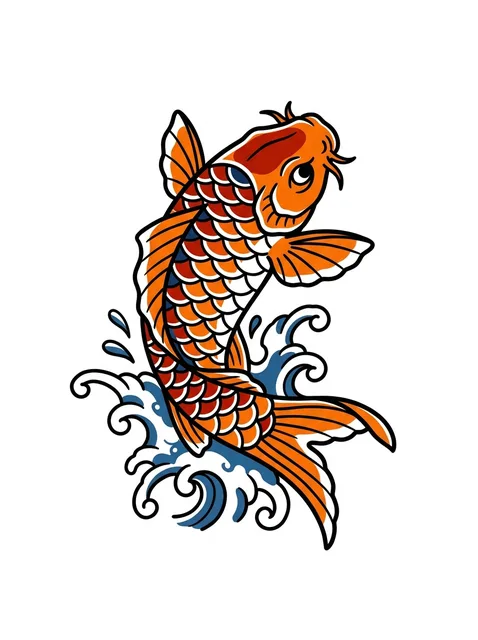
Color Japanese koi and wave tattoo design Try it on — Color Japanese koi and wave tattoo design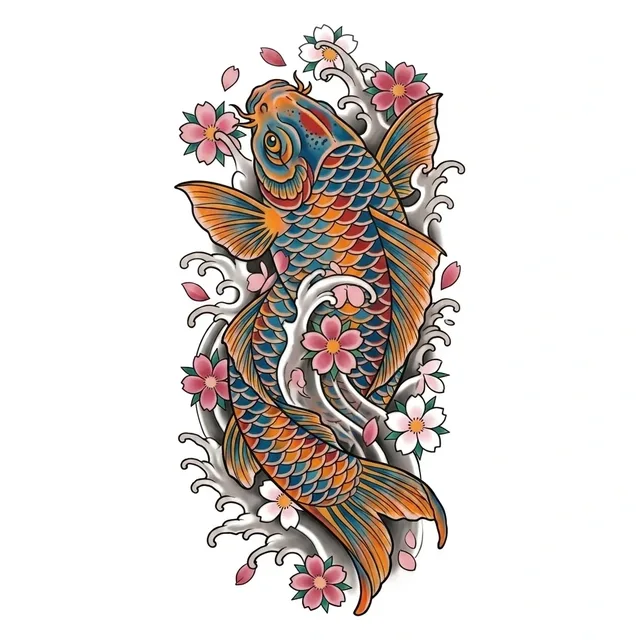
Color Japanese koi and cherry blossom tattoo design Try it on — Color Japanese koi and cherry blossom tattoo design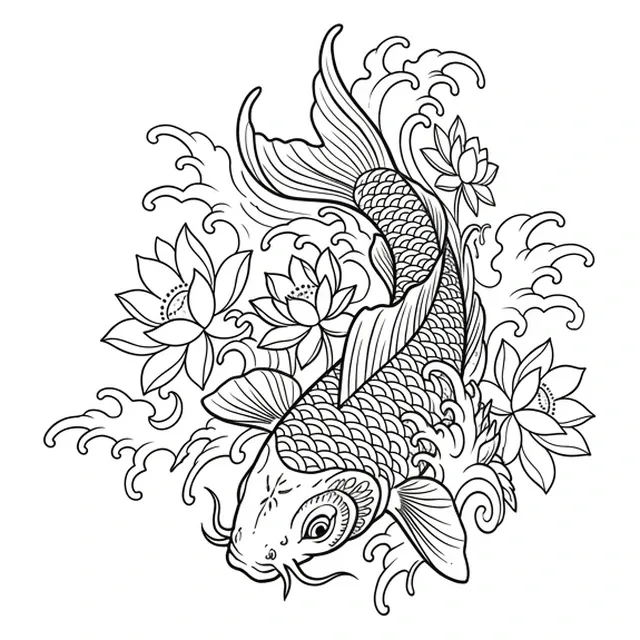
Black and grey Japanese koi and lotus tattoo design: the fish and the delicate petals of the lotus Try it on — Black and grey Japanese koi and lotus tattoo design: the fish and the delicate petals of the lotus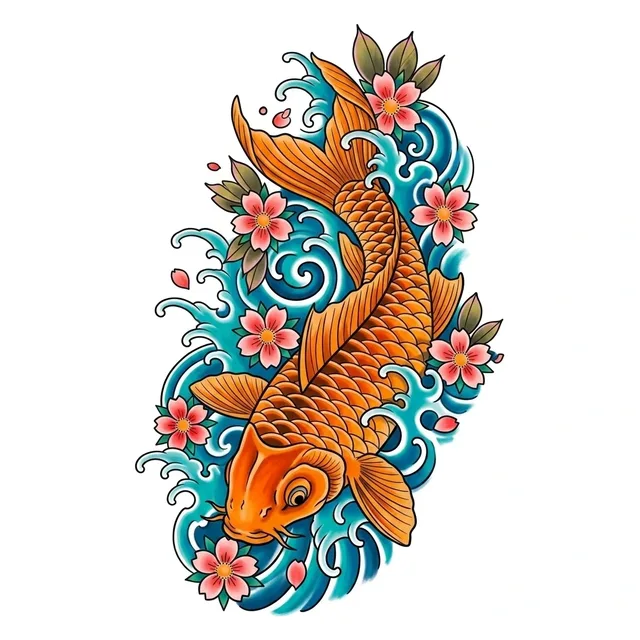
Color Japanese koi and cherry blossom tattoo design Try it on — Color Japanese koi and cherry blossom tattoo design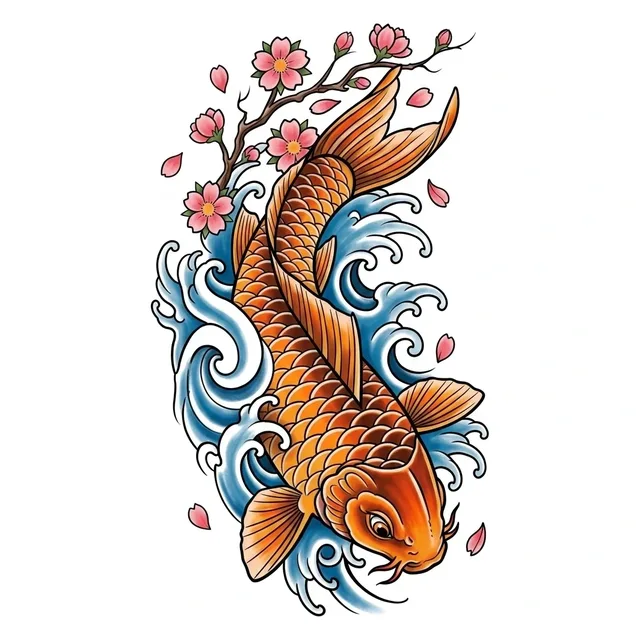
Color Japanese koi and cherry blossom tattoo design Try it on — Color Japanese koi and cherry blossom tattoo design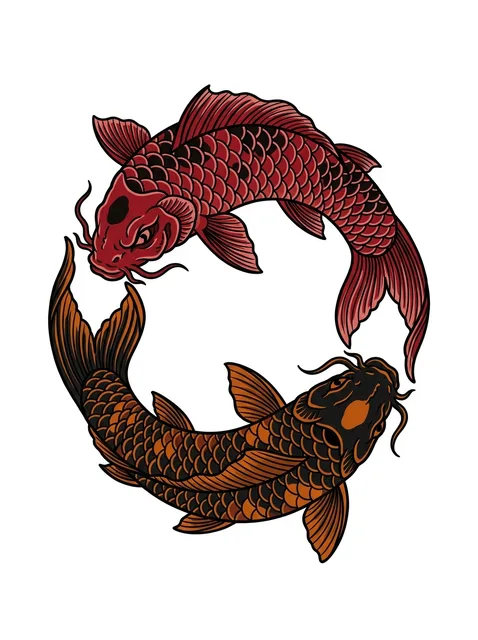
Color Japanese koi and fish tattoo design Try it on — Color Japanese koi and fish tattoo design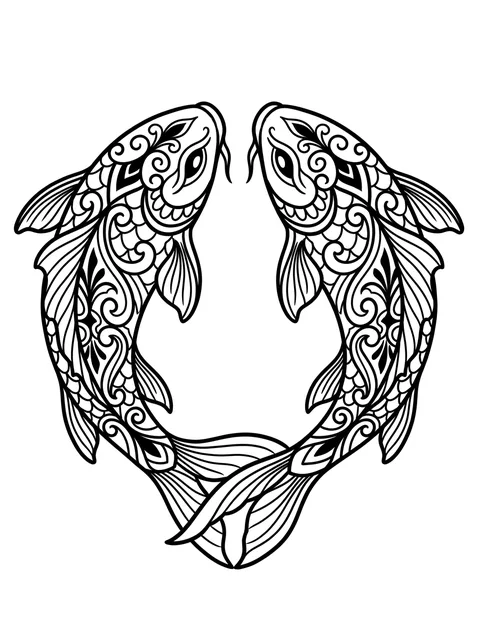
Black and grey illustrative koi and fish tattoo design Try it on — Black and grey illustrative koi and fish tattoo design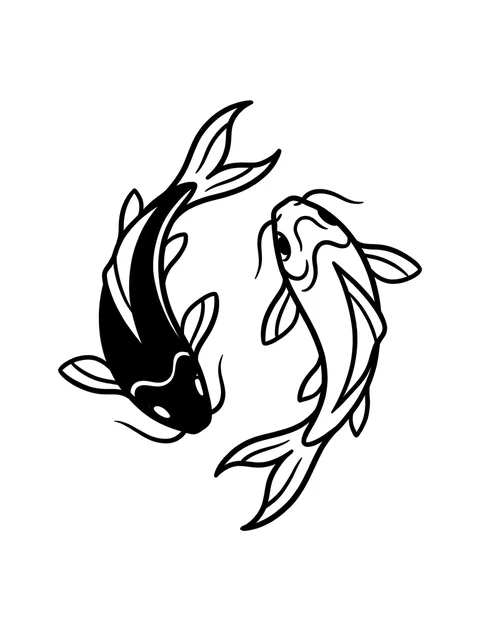
Black and white linework koi and fish tattoo design, outline stencil Try it on — Black and white linework koi and fish tattoo design, outline stencil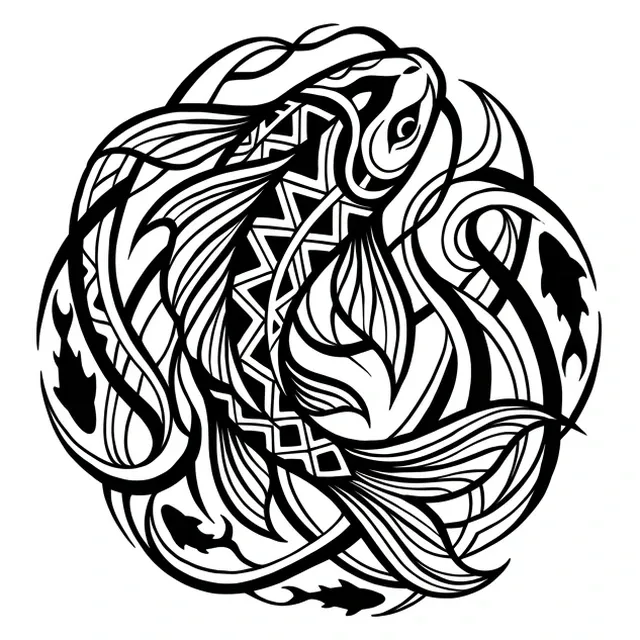
Black and white tribal koi and fish tattoo design Try it on — Black and white tribal koi and fish tattoo design


Tap any design to see it on your own skin in the try-on — no signup.
This set of 21 koi designs, by the numbers
- Styles represented
- japanese asian (13), dotwork (2), linework (2), fine line (1), neo traditional (1), illustrative (1)
- Black-and-grey vs colour
- 62% black-and-grey, 38% colour
- Most often drawn with
- fish, wave, yin yang, cherry blossom
Counted from the 21 designs shown on this page. Every one was drawn for InkCraft — none are scraped or reposted. Free to reference with a link to this page.
What a koi tattoo means
The koi carries one legend and it is worth knowing properly. A carp that swims up the Yellow River and leaps the falls at the Dragon Gate is transformed into a dragon — so the fish is not a symbol of success but of the effort before it, and the transformation is the reward rather than the subject.
That makes the swimming direction the whole decision. Upstream, against a drawn current, is a struggle still under way; downstream or drifting is the same story finished, or a deliberate statement that the striving is over. Both are legitimate and they are opposite, and the drawing cannot be neutral about it.
Colour carries specific meanings in Japanese use, and they are more settled than most tattoo symbolism. Black koi are associated with overcoming adversity and often with the father; red with love and with the mother; gold with wealth; blue with masculinity and calm. These conventions are real enough that an artist working in the tradition will ask.
The koi-to-dragon composition is the full version of the legend and is far less common than it should be. A fish whose head has already begun to change while the body is still carp is the only image that shows the transformation rather than either state, and it is the strongest thing available on this subject.
Where the design comes from
Koi entered tattooing through Kuniyoshi's prints in the 1820s and 30s, the same channel that brought dragons and the Suikoden heroes, and by the late Edo period the carp-and-waterfall was a fixed irezumi subject with the meaning already attached. The ornamental koi itself is younger than the symbolism — coloured varieties were bred in Niigata from the 1820s onward and only became widely known outside Japan in the twentieth century, so the older images depict a plain carp rather than the patterned fish people now picture. Western tattooing took the subject up in the 1970s and 80s alongside the rest of the Japanese revival, largely without the colour conventions.
Choosing yours
- Settle the direction before anything else, and make sure there is a current drawn for the fish to be fighting. Without water, an upstream koi and a downstream koi are the same picture at different angles.
- Choose the colour deliberately if the piece is in colour at all, because the conventions are specific and an artist in the tradition will assume you meant them. Black and grey sidesteps the question entirely and suits the subject well.
- Consider the transformation rather than the fish. A koi partway into becoming a dragon tells the whole legend in one image and is dramatically rarer than another carp among waves.
Size, cost and placement
How big, and what it costs
A koi is rarely a small tattoo and should not be. With water worked around it, 20 cm is a sensible minimum and five to eight hours is typical; the current usually takes as long as the fish. A koi-to-dragon transformation is a larger piece again and is normally planned as part of a sleeve or a thigh panel.
Where it sits, and how much it hurts
Koi want length and a limb that curves, because water is supposed to bend — the outer forearm, the calf, the thigh and the ribs are all traditional. In Japanese work the fish is oriented to the body rather than to the ground, so a koi on an arm typically swims up or down the limb, and that is a decision made with the artist.
What to ask your artist
- Which way the fish swims and how much current is going in, since one is meaningless without the other.
- Whether they work in the Japanese tradition, because the water conventions are a separate skill from drawing the fish.
- If it is in colour, what the colours they are proposing conventionally mean, so the choice is deliberate.
Prices vary widely by city and artist — treat these as session lengths rather than quotes, and expect a shop minimum on anything small. The cost guide turns hours into money by size, placement and style.
Common questions
Does the direction a koi swims change the meaning?
Yes, and it is the main decision. Swimming upstream against a current is a struggle in progress; swimming with it is that struggle completed or set down. Neither is wrong, but the drawing commits to one, so say which you want.
What do koi colours mean?
Black is associated with overcoming hardship and often with the father, red with love and with the mother, gold with prosperity, blue with calm. These are genuine conventions in Japanese use rather than tattoo folklore, and an artist working in that tradition will usually ask.
What is the koi and dragon legend?
A carp that swims up the Yellow River and leaps the falls at the Dragon Gate becomes a dragon. The point is the effort rather than the outcome, which is why the fish rather than the dragon is what people wear.
Is black and grey a loss on this subject?
No. Black and grey suits it well, because the composition is carried by the body line and the water rather than by hue, and it avoids committing to a colour convention you may not have intended.
See it on your skin before you commit
InkCraft places any of these designs on a photo of you — scaled, wrapped and shaded to the placement you pick.