 InkCraft
Ornamental tattoo designs that follow the anatomy
48 original ornamental tattoos designs drawn for InkCraftBy Uladzimir TumanauUpdated
Borrowed from jewellery and architecture rather than from pictures. There is no subject here, which means where it sits is not a detail of the design — it is the design.
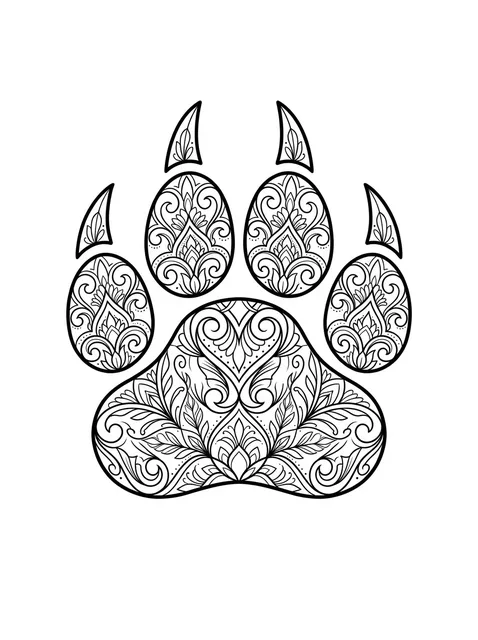
Black and white ornamental mandala tattoo design: a stylized animal paw print Try it on — Black and white ornamental mandala tattoo design: a stylized animal paw print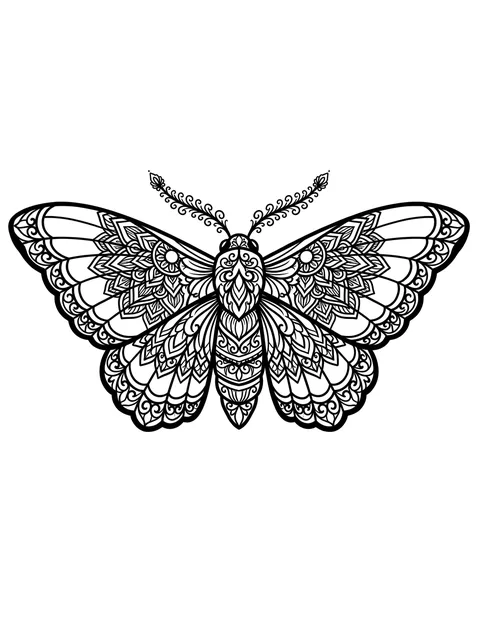
Black and grey ornamental moth and mandala tattoo design Try it on — Black and grey ornamental moth and mandala tattoo design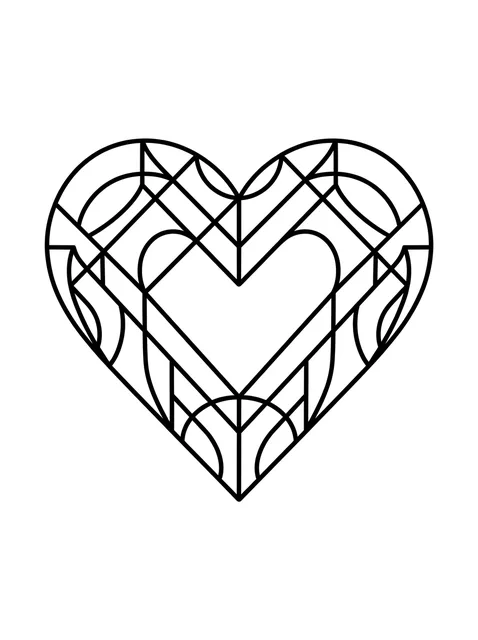
Black and grey ornamental heart tattoo design Try it on — Black and grey ornamental heart tattoo design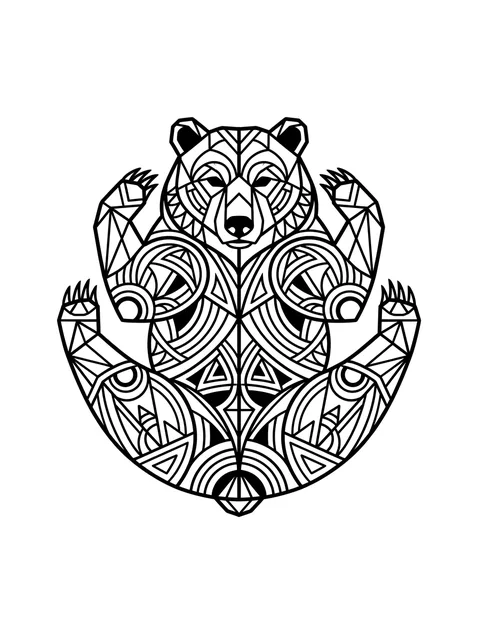
Black and grey ornamental bear tattoo design Try it on — Black and grey ornamental bear tattoo design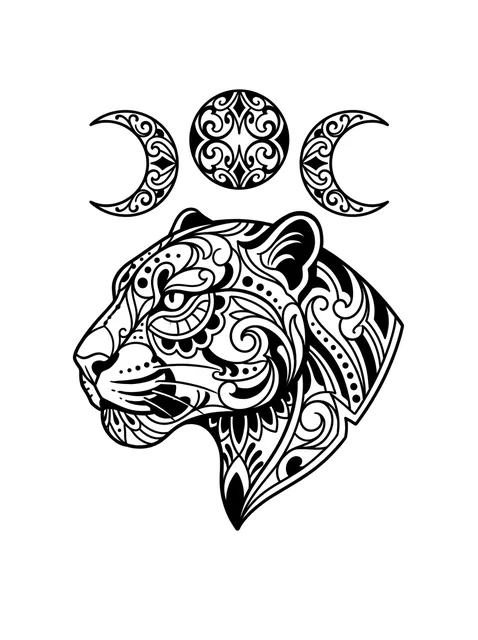
Black and grey ornamental panther and moon tattoo design Try it on — Black and grey ornamental panther and moon tattoo design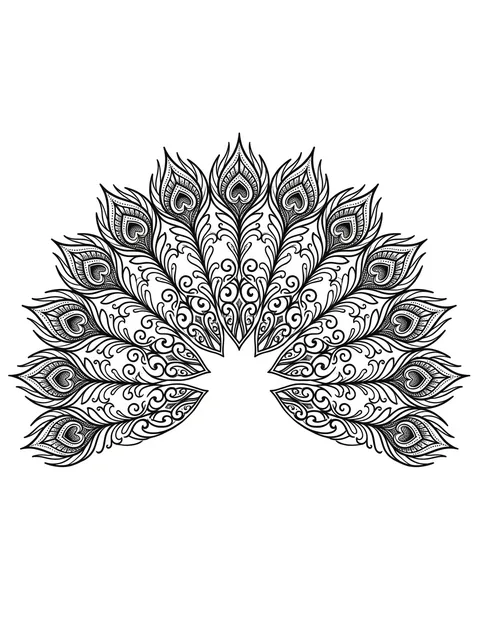
Black and white ornamental feather and mandala tattoo design: a fan of peacock feathers Try it on — Black and white ornamental feather and mandala tattoo design: a fan of peacock feathers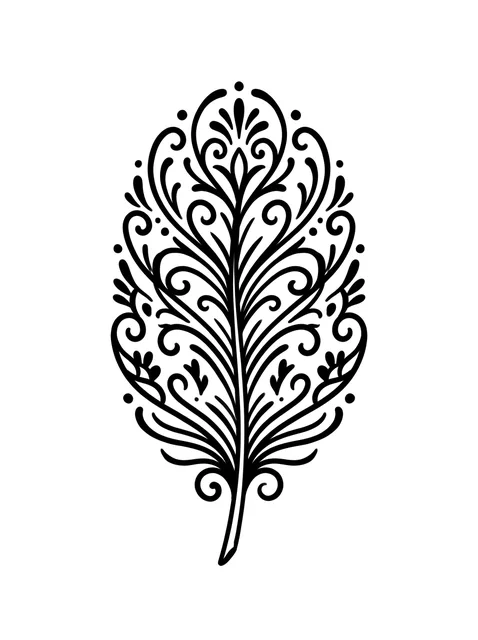
Black and grey ornamental feather tattoo design Try it on — Black and grey ornamental feather tattoo design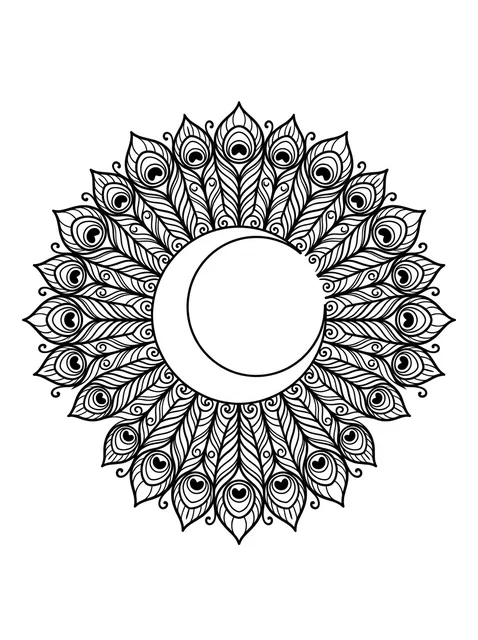
Black and grey ornamental moon and feather tattoo design Try it on — Black and grey ornamental moon and feather tattoo design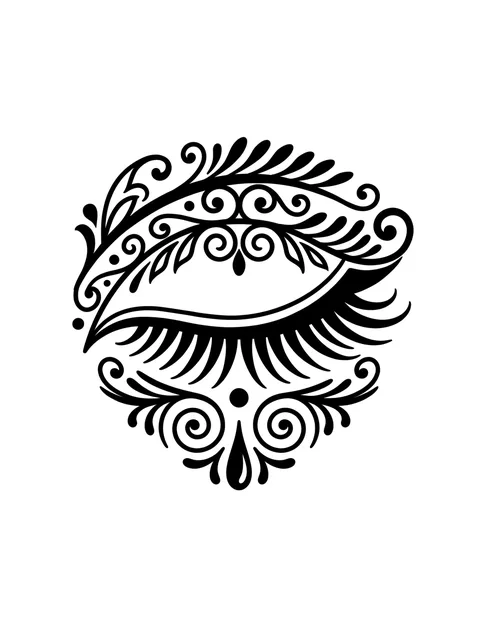
Black and grey ornamental eye and leaf tattoo design Try it on — Black and grey ornamental eye and leaf tattoo design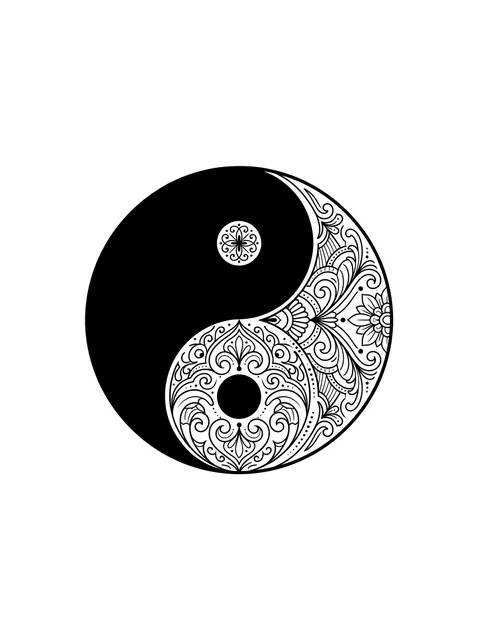
Black and white ornamental yin yang and mandala tattoo design Try it on — Black and white ornamental yin yang and mandala tattoo design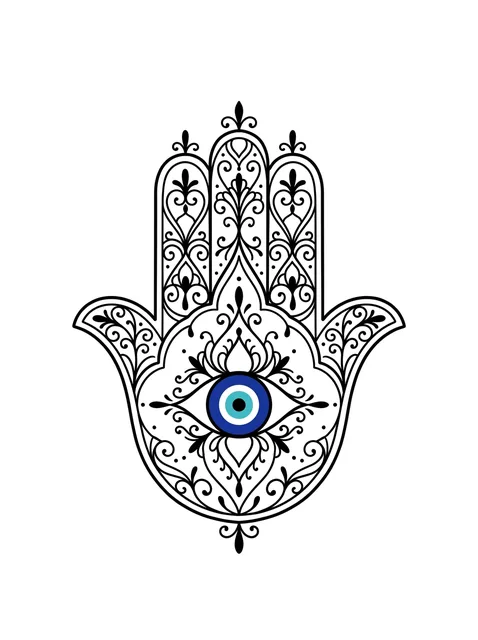
Color ornamental hamsa and evil eye tattoo design Try it on — Color ornamental hamsa and evil eye tattoo design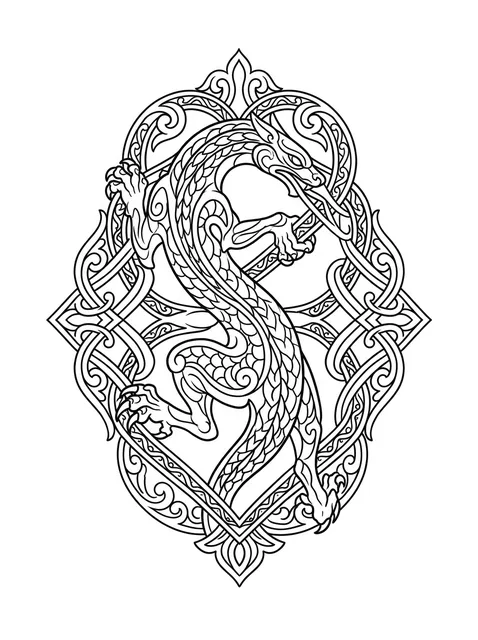
Black and grey ornamental viking and dragon tattoo design Try it on — Black and grey ornamental viking and dragon tattoo design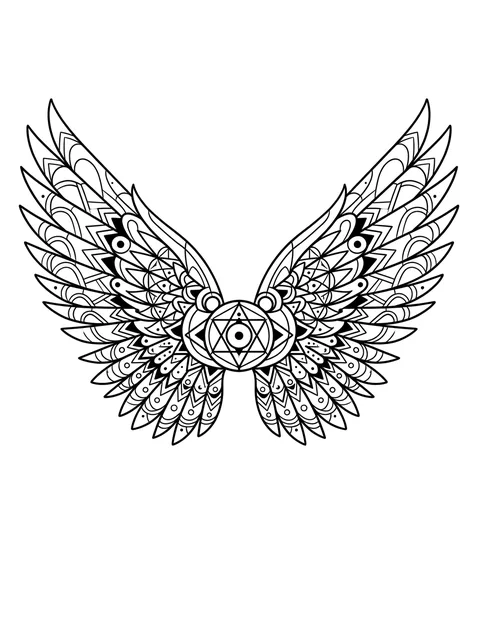
Black and grey ornamental angel wings and mandala tattoo design: a pair of angel wings Try it on — Black and grey ornamental angel wings and mandala tattoo design: a pair of angel wings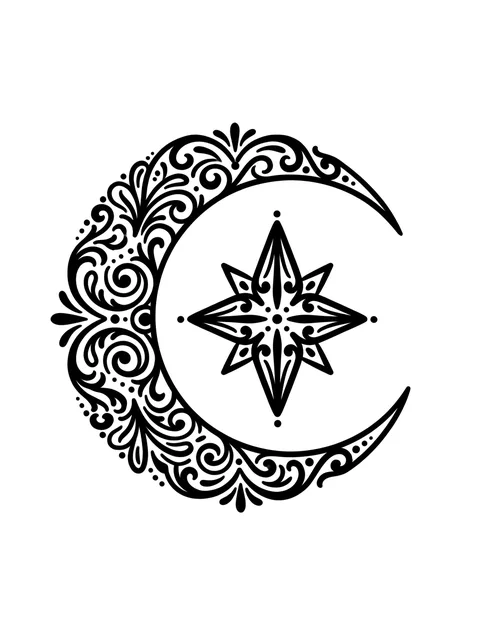
Black and grey ornamental moon and star tattoo design Try it on — Black and grey ornamental moon and star tattoo design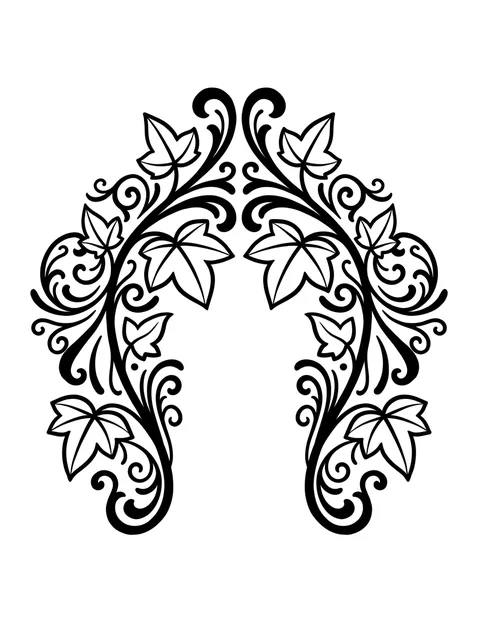
Black and grey ornamental leaf and vine tattoo design Try it on — Black and grey ornamental leaf and vine tattoo design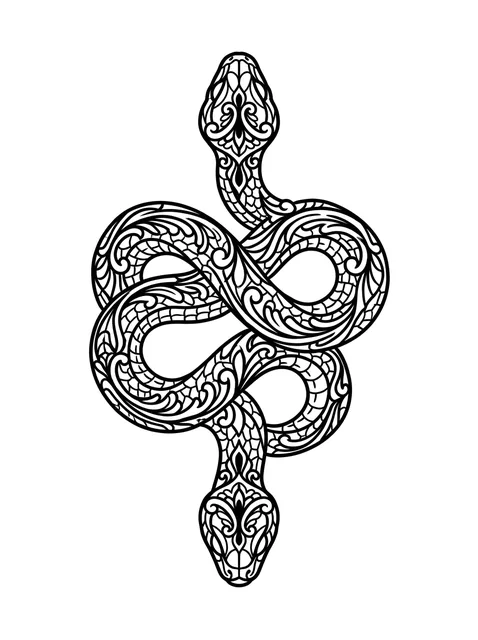
Black and grey ornamental aztec and snake tattoo design: two intertwined snakes Try it on — Black and grey ornamental aztec and snake tattoo design: two intertwined snakes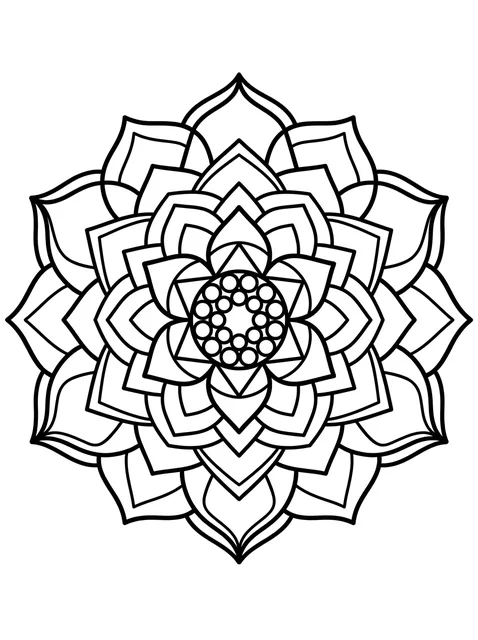
Black and white ornamental mandala and flower tattoo design Try it on — Black and white ornamental mandala and flower tattoo design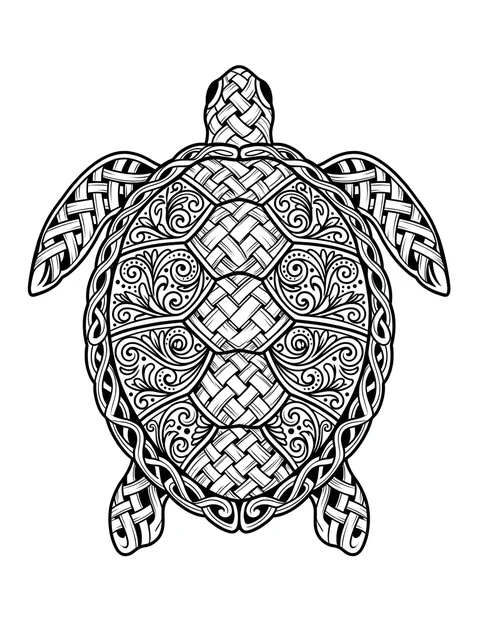
Black and white ornamental turtle tattoo design Try it on — Black and white ornamental turtle tattoo design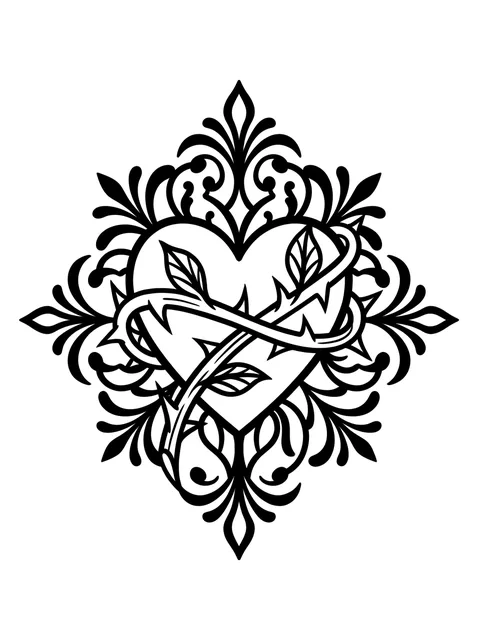
Black and grey ornamental heart and vine tattoo design Try it on — Black and grey ornamental heart and vine tattoo design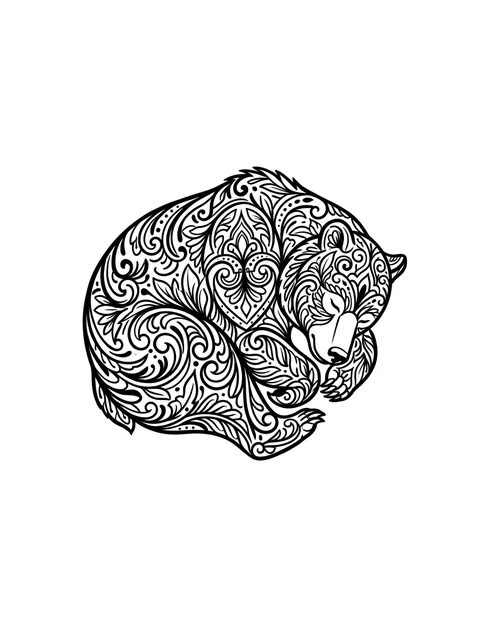
Black and grey ornamental bear tattoo design Try it on — Black and grey ornamental bear tattoo design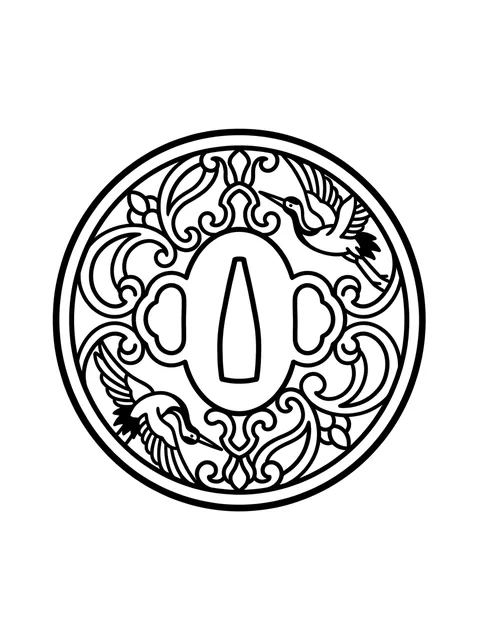
Black and grey ornamental samurai tattoo design Try it on — Black and grey ornamental samurai tattoo design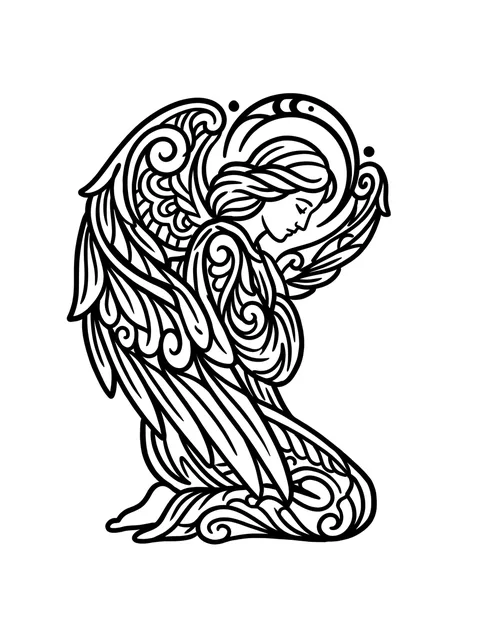
Black and grey ornamental angel tattoo design Try it on — Black and grey ornamental angel tattoo design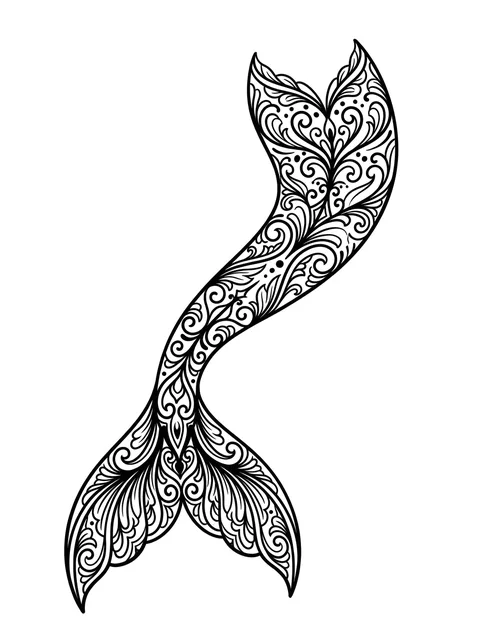
Black and white ornamental mermaid tattoo design: a mermaid's tail Try it on — Black and white ornamental mermaid tattoo design: a mermaid's tail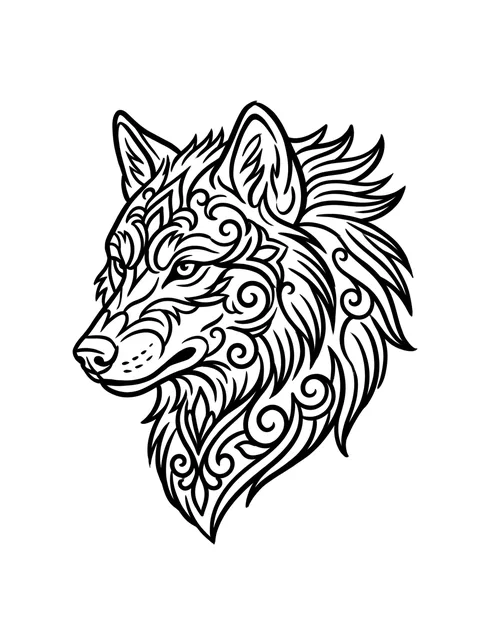
Black and grey ornamental wolf tattoo design: a wolf's head in profile Try it on — Black and grey ornamental wolf tattoo design: a wolf's head in profile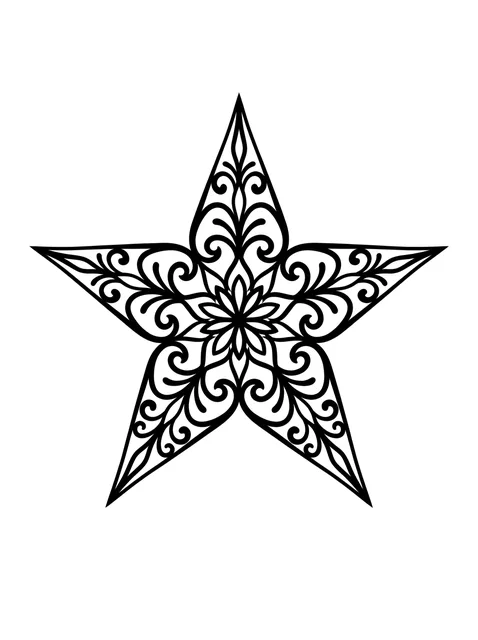
Black and grey ornamental star and mandala tattoo design Try it on — Black and grey ornamental star and mandala tattoo design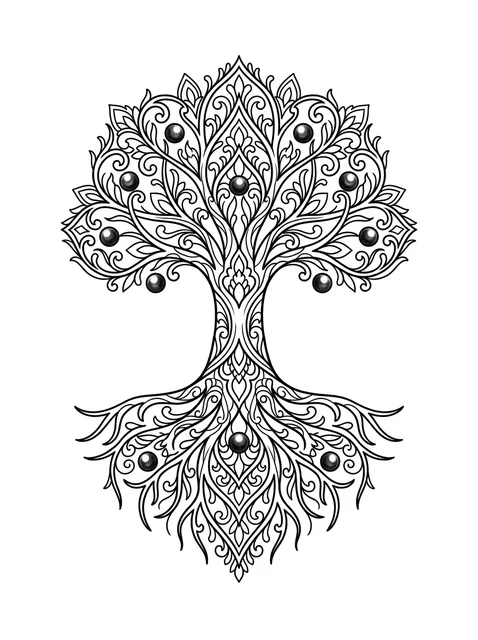
Black and grey ornamental tree of life and mandala tattoo design Try it on — Black and grey ornamental tree of life and mandala tattoo design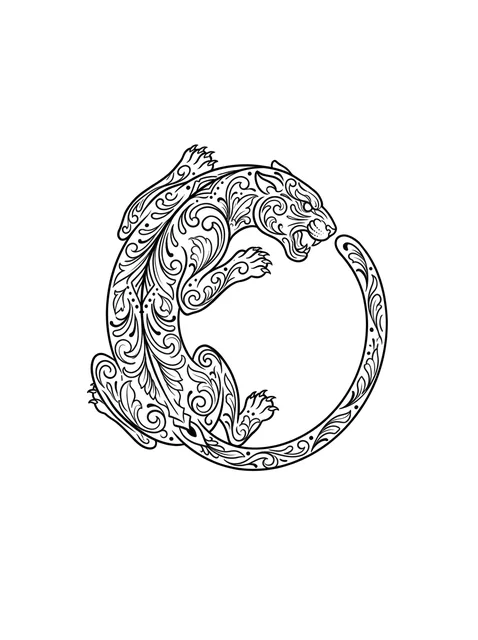
Black and white ornamental panther and mandala tattoo design Try it on — Black and white ornamental panther and mandala tattoo design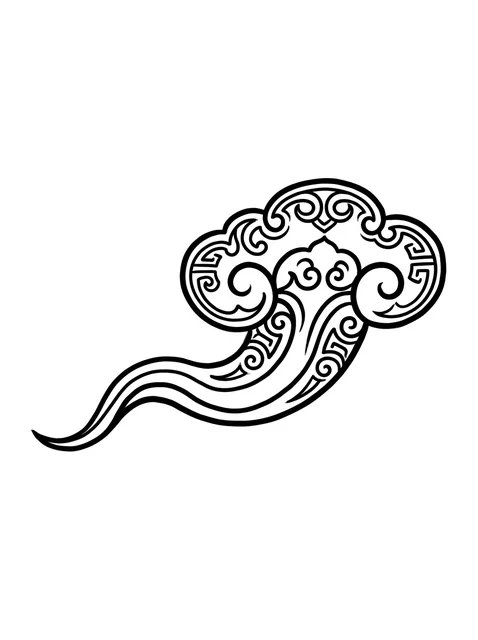
Black and grey ornamental cloud tattoo design Try it on — Black and grey ornamental cloud tattoo design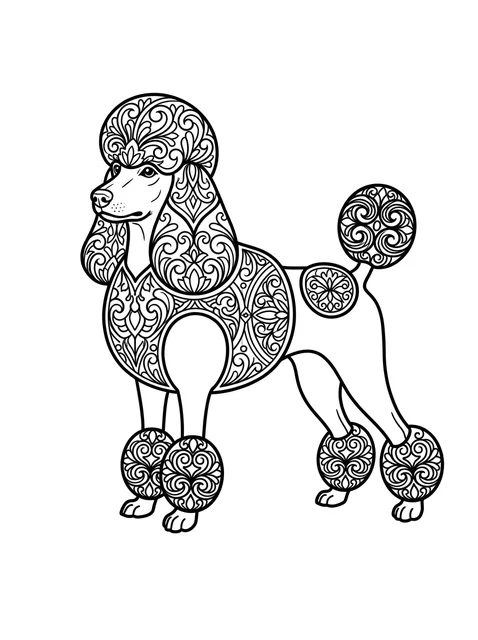
Black and grey ornamental dog and mandala tattoo design Try it on — Black and grey ornamental dog and mandala tattoo design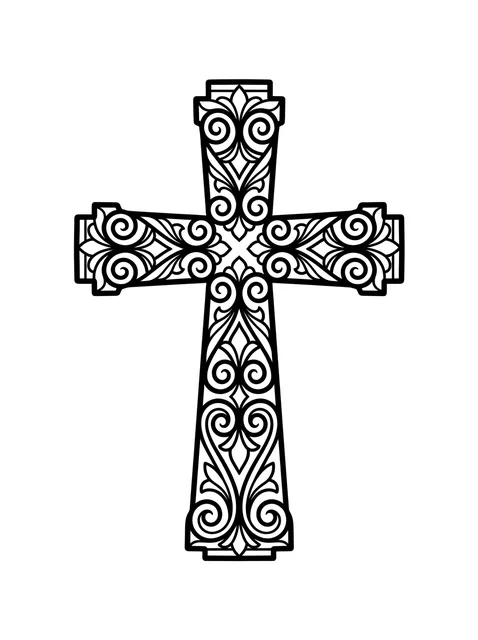
Black and grey ornamental cross tattoo design Try it on — Black and grey ornamental cross tattoo design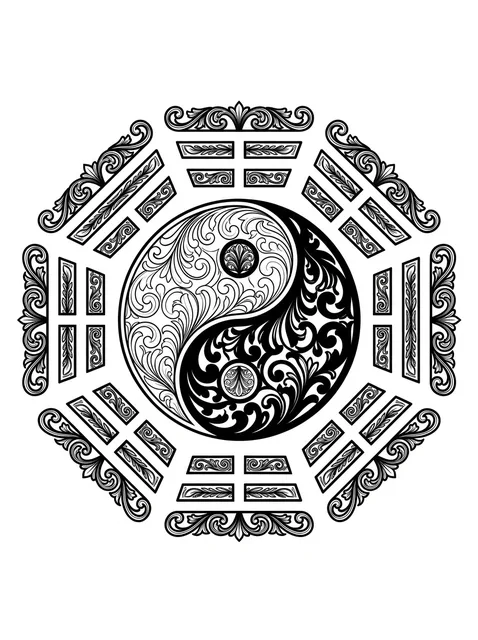
Black and grey ornamental yin yang and mandala tattoo design Try it on — Black and grey ornamental yin yang and mandala tattoo design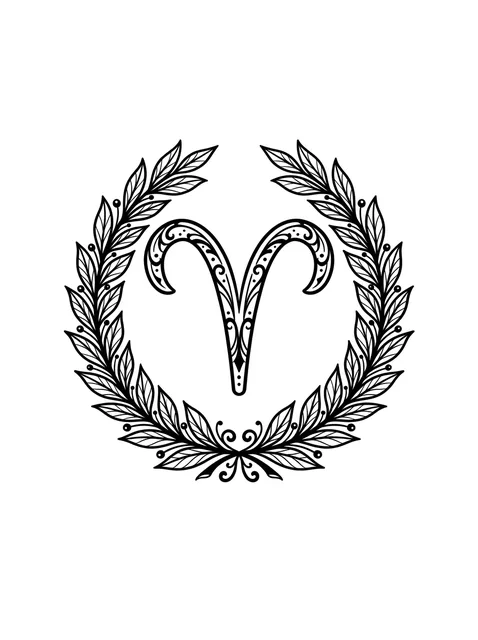
Black and grey ornamental aries and leaf tattoo design Try it on — Black and grey ornamental aries and leaf tattoo design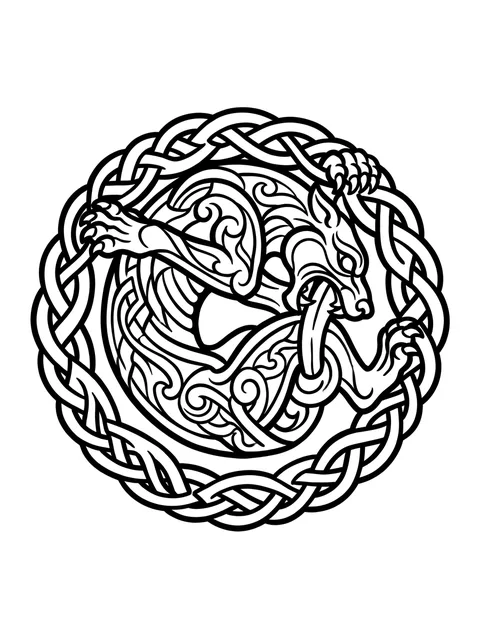
Black and grey ornamental viking tattoo design Try it on — Black and grey ornamental viking tattoo design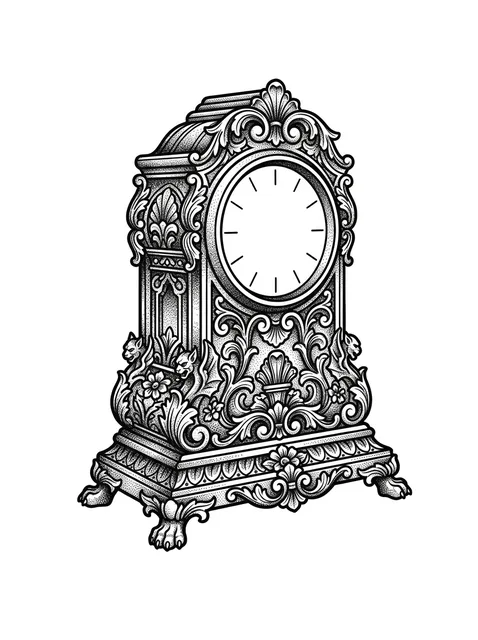
Black and grey ornamental clock tattoo design Try it on — Black and grey ornamental clock tattoo design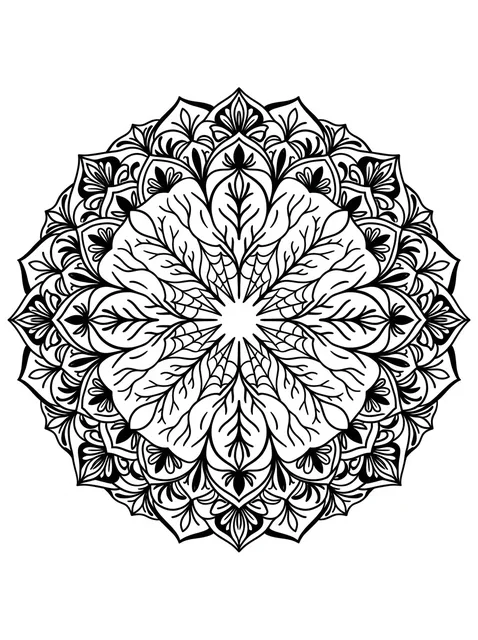
Black and grey ornamental mandala and leaf tattoo design Try it on — Black and grey ornamental mandala and leaf tattoo design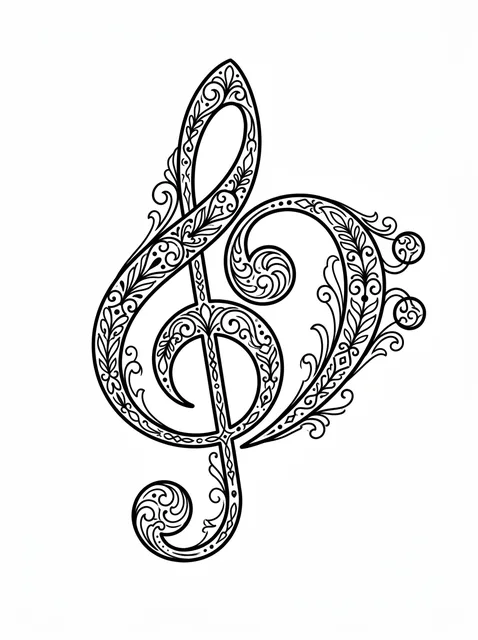
Black and grey ornamental music note tattoo design Try it on — Black and grey ornamental music note tattoo design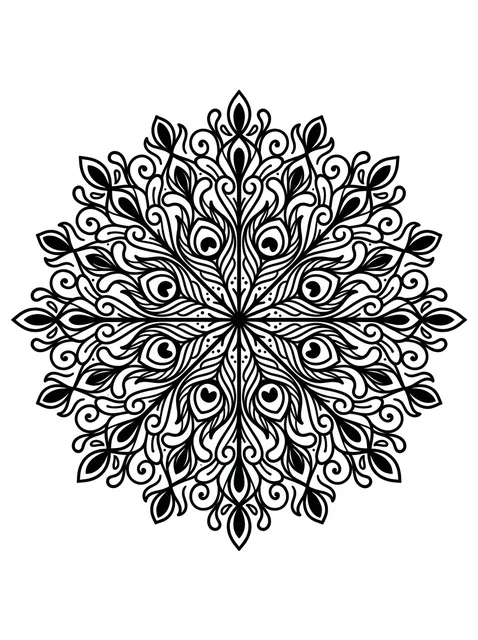
Black and grey ornamental mandala and peacock tattoo design Try it on — Black and grey ornamental mandala and peacock tattoo design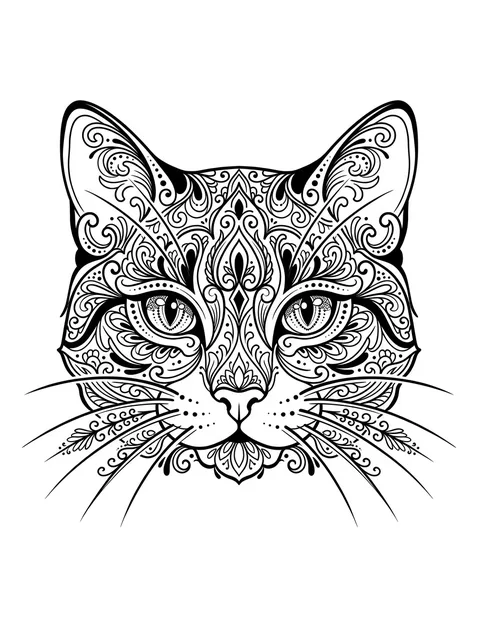
Black and grey ornamental cat and mandala tattoo design Try it on — Black and grey ornamental cat and mandala tattoo design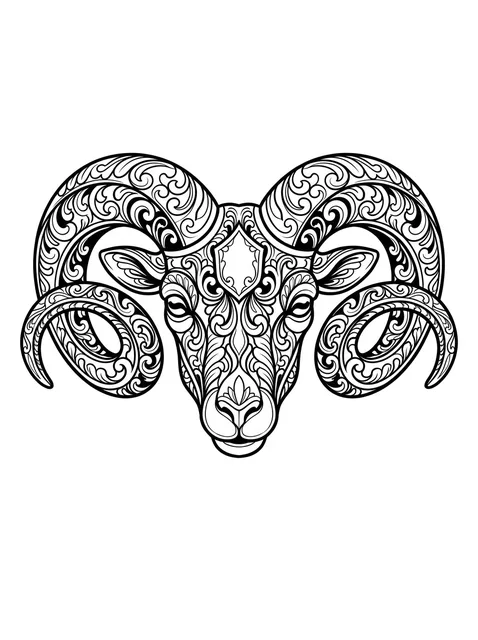
Black and grey ornamental aries and goat tattoo design: the head of an Aries ram Try it on — Black and grey ornamental aries and goat tattoo design: the head of an Aries ram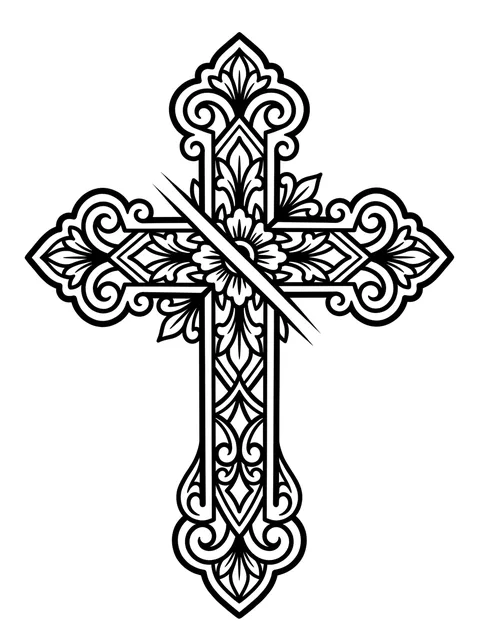
Black and grey ornamental cross and flower tattoo design Try it on — Black and grey ornamental cross and flower tattoo design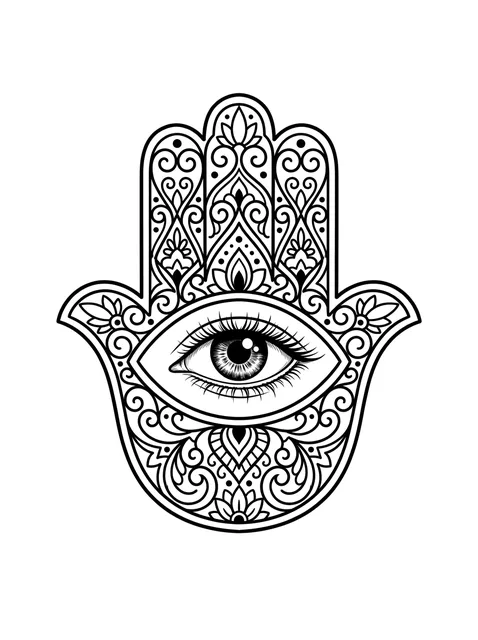
Black and grey ornamental evil eye and hamsa tattoo design Try it on — Black and grey ornamental evil eye and hamsa tattoo design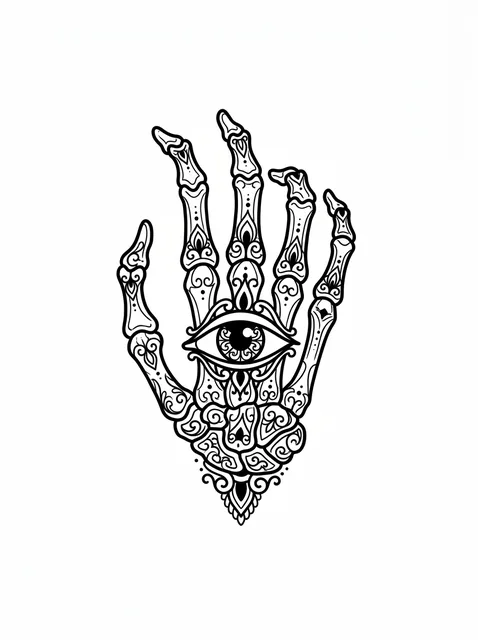
Black and grey ornamental skeleton hand and eye tattoo design Try it on — Black and grey ornamental skeleton hand and eye tattoo design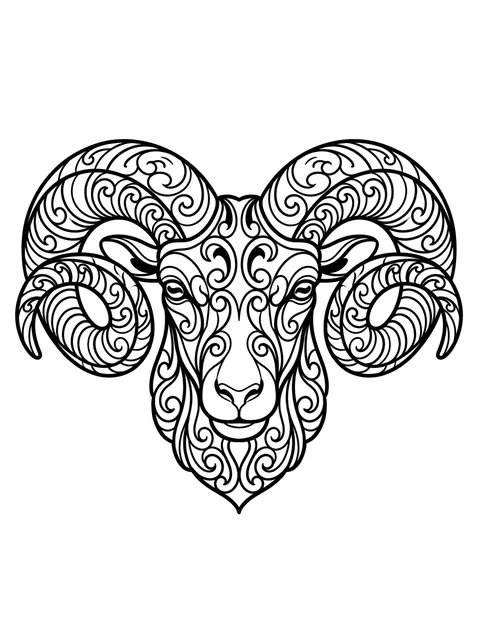
Black and grey ornamental aries and goat tattoo design: the ram's face and large, curling horns Try it on — Black and grey ornamental aries and goat tattoo design: the ram's face and large, curling horns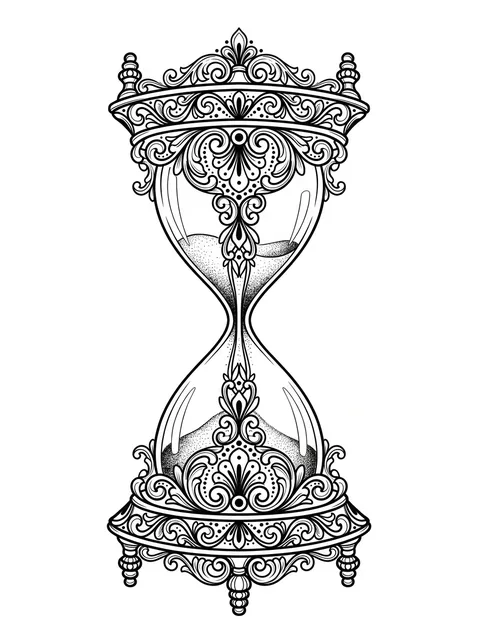
Black and grey ornamental hourglass tattoo design Try it on — Black and grey ornamental hourglass tattoo design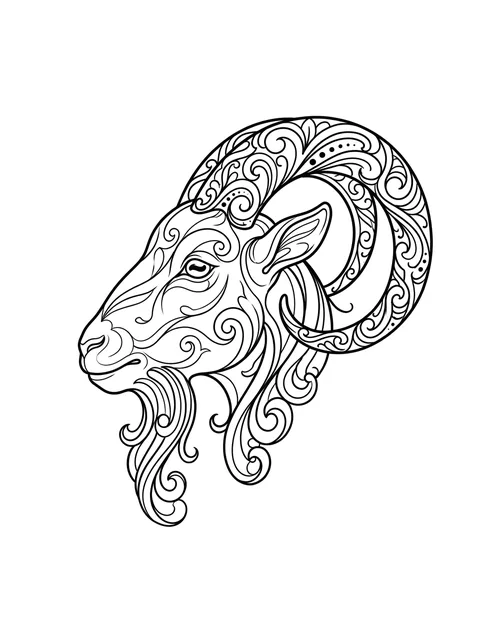
Black and grey ornamental goat and aries tattoo design Try it on — Black and grey ornamental goat and aries tattoo design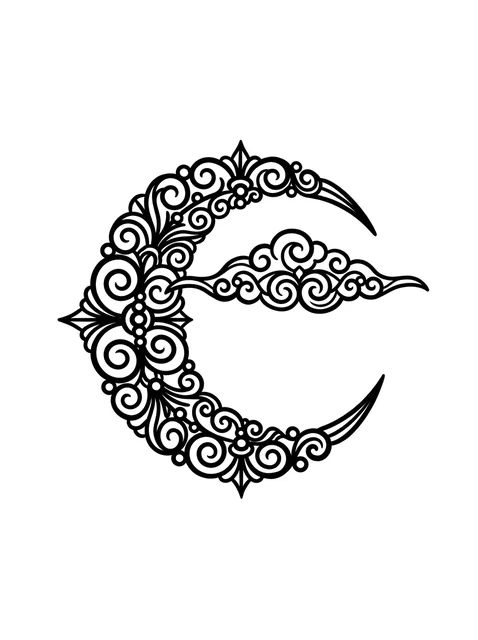
Black and grey ornamental moon and cloud tattoo design Try it on — Black and grey ornamental moon and cloud tattoo design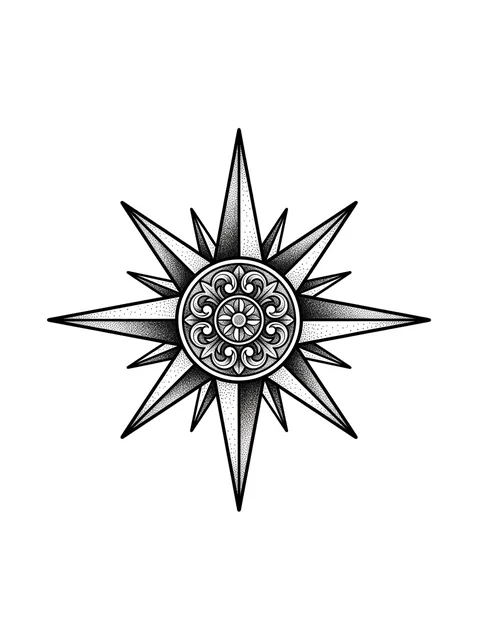
Black and grey ornamental compass and mandala tattoo design: a detailed mandala-like center Try it on — Black and grey ornamental compass and mandala tattoo design: a detailed mandala-like center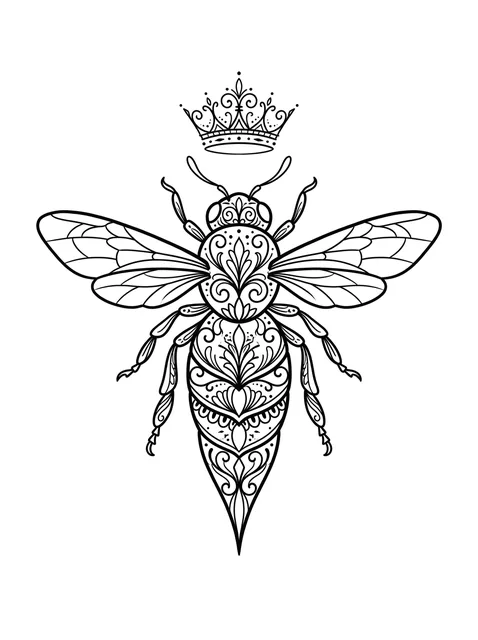
Black and white ornamental bee and crown tattoo design Try it on — Black and white ornamental bee and crown tattoo design


48 designs drawn for InkCraft in this style. Tap any one to place it on a photo of your own skin.
These 48 designs, in numbers
- Black and grey
- 47
- Colour
- 1
- Subjects covered
- 41
Nothing to be about
Almost every other style starts with a thing: a rose, a wolf, a portrait. This one starts with a surface. The vocabulary is filigree, lace, beadwork, scrollwork and repeated geometric motifs — the language of a pendant or a carved screen — and none of it depicts anything.
That absence is the appeal for a lot of people. A piece with no subject cannot date the way a subject can, it does not require explaining, and it can be read as decoration rather than as a statement. It also sidesteps the most common regret, which is not disliking the drawing but having outgrown what it was about.
What replaces the subject is anatomy. An ornamental piece is designed to answer a particular collarbone, sternum or spine, and the same pattern on a different body is a different design. This is the style where an artist most needs to see you before drawing.
Where the body offers a frame
The classic placements are the ones with a natural axis or edge: along a collarbone, down a sternum, either side of a spine, around an upper arm, across the back of a hand. These give the repetition something to resolve against, which is what stops a pattern reading as wallpaper.
Symmetry is the main technical risk, and it is the same problem geometric work has: a body is not symmetrical, so a design mirrored on paper will not be mirrored on skin unless it was placed with that in mind. Expect the stencil to go on and come off more than once, and treat an artist who does that as careful rather than slow.
Scale behaves differently here too. Because the elements repeat, an ornamental piece can grow or shrink without being redrawn — the same motif simply runs further. That makes it unusually easy to extend later, and unusually easy to get wrong by asking for a small version of something that needed the run.
How it wears
The fine elements — beading, hairline scrolls, the thinnest parts of a filigree — are the first things to soften, in the same way any small detail set close together does. The structure survives because it repeats: losing definition in one bead of a row is not very visible, where losing it in the one eye of a portrait is.
That makes this style age gracefully in a specific way. It does not stay crisp, but it stays legible as a pattern, which is what it was. Keeping a little more space between elements than a paper drawing would have is the single change that buys the most years.
Because it is drawn to your body rather than chosen from a sheet, seeing it on yourself matters more than usual. Put a design on a photo and look at how it crosses the collarbone or follows the sternum before you book — that is the question this style lives or dies on.
What an hour of this work costs, and how many hours ornamental tattoos takes at each size, is in the cost guide. How it behaves later — under a laser, and as the thing doing the covering — is in the removal and cover-up guide.
Common questions
- What counts as an ornamental tattoo?
- Pattern drawn from decorative traditions rather than from pictures — filigree, lace, beadwork, scrollwork, repeated geometric motifs. The defining feature is that it does not depict anything, so what it is about is where it sits.
- Where does it work best?
- Placements with a natural axis or edge: along a collarbone, down a sternum, either side of a spine, around an upper arm. The repetition needs something to resolve against, or it reads as wallpaper.
- Can it be extended later?
- More easily than most styles. Because the elements repeat, the pattern can simply run further without redrawing anything — which also means a small version of a design that needed the run will look truncated rather than compact.
- How does it age?
- The finest beading and hairline scrolls soften first, as any small detail does. The structure survives because it repeats: definition lost in one bead of a row barely shows. Extra space between elements buys the most years.
See this style on your own skin
InkCraft places a design on a photo of you — scaled, wrapped and shaded to the spot you pick, so you can judge how the style reads on your body before it is permanent.