 InkCraft
Orchid Tattoo Ideas, Designs and Meaning
22 original orchid designs drawn for InkCraftBy Uladzimir TumanauUpdated
An orchid is built on a mirror line, three sepals, two petals and a lip, and the lip is the part a lily does not have. Keep that lip hanging at the bottom, and below about 5 cm draw its speckled throat as one clean shape.
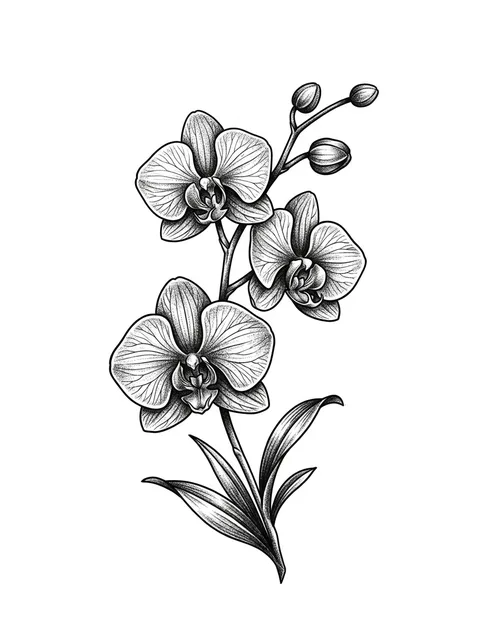
Black and grey illustrative orchid tattoo design Try it on — Black and grey illustrative orchid tattoo design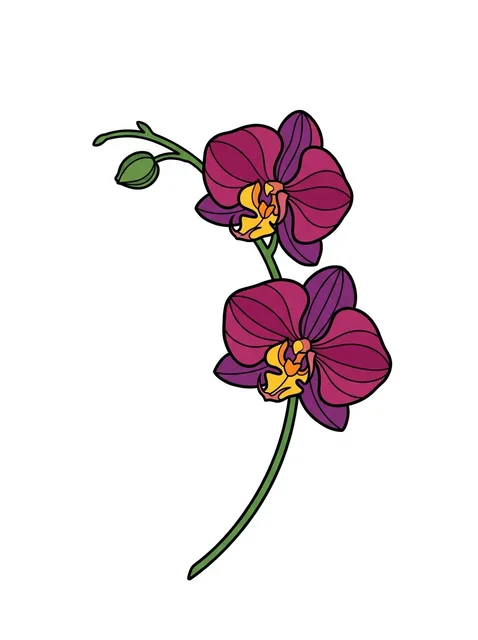
Color illustrative orchid tattoo design Try it on — Color illustrative orchid tattoo design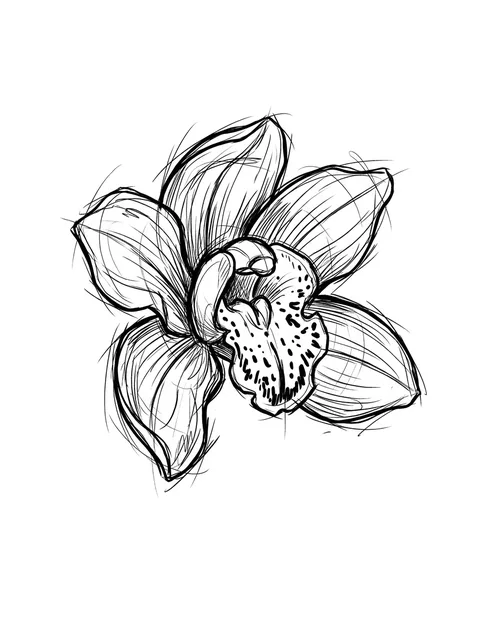
Black and grey sketch orchid tattoo design Try it on — Black and grey sketch orchid tattoo design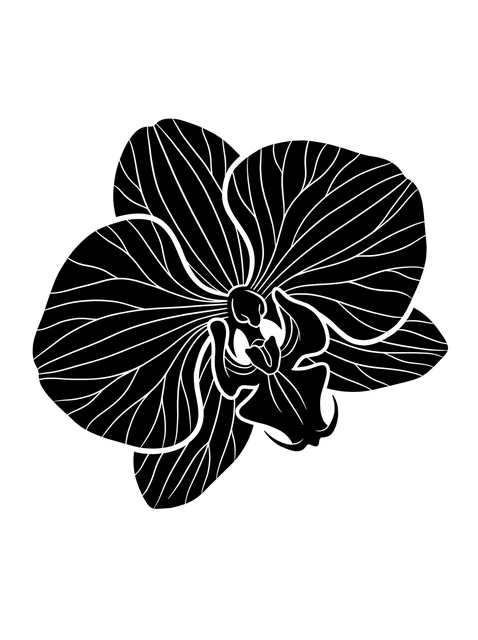
Black and white blackwork orchid tattoo design Try it on — Black and white blackwork orchid tattoo design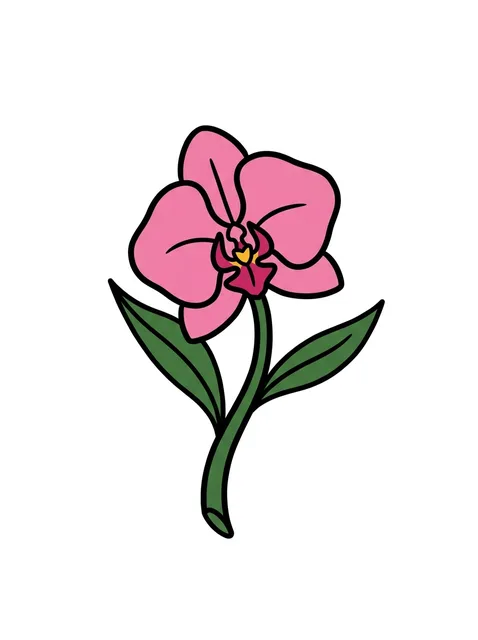
Color traditional orchid tattoo design: a yellow centre on a short green stem with two leaves Try it on — Color traditional orchid tattoo design: a yellow centre on a short green stem with two leaves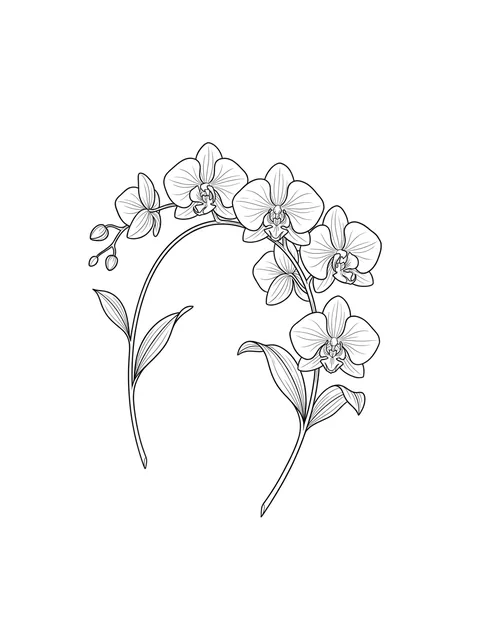
Black and white fine line orchid tattoo design, outline stencil: a few leaves Try it on — Black and white fine line orchid tattoo design, outline stencil: a few leaves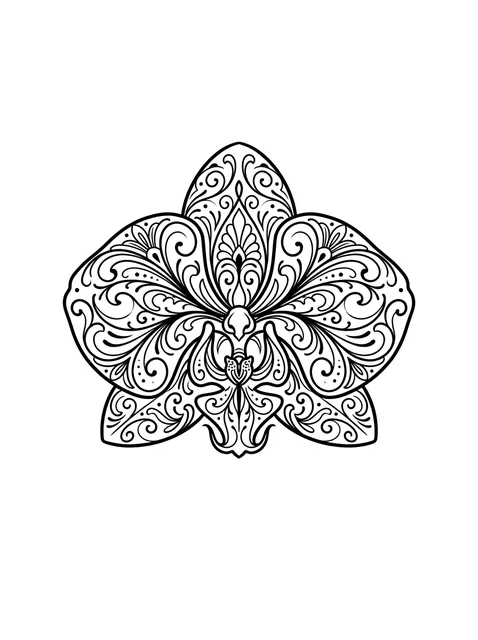
Black and grey ornamental orchid tattoo design Try it on — Black and grey ornamental orchid tattoo design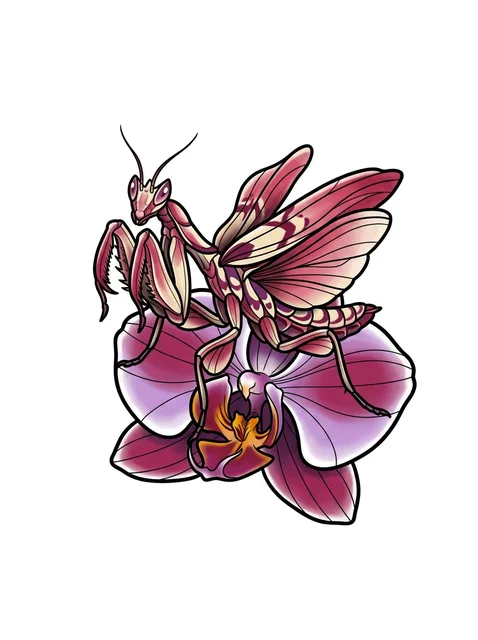
Color illustrative orchid tattoo design Try it on — Color illustrative orchid tattoo design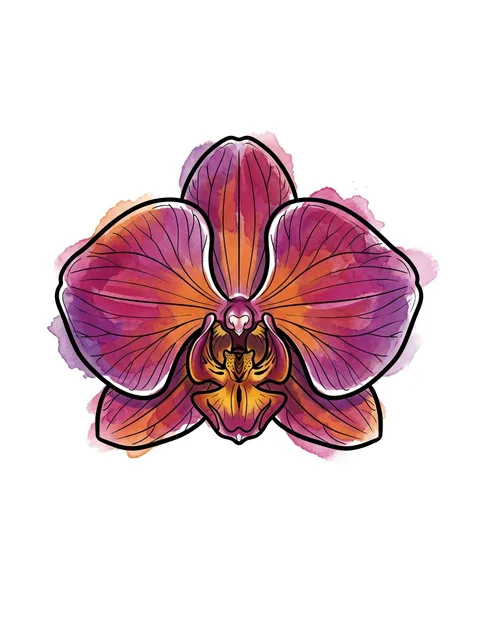
Color watercolor orchid tattoo design Try it on — Color watercolor orchid tattoo design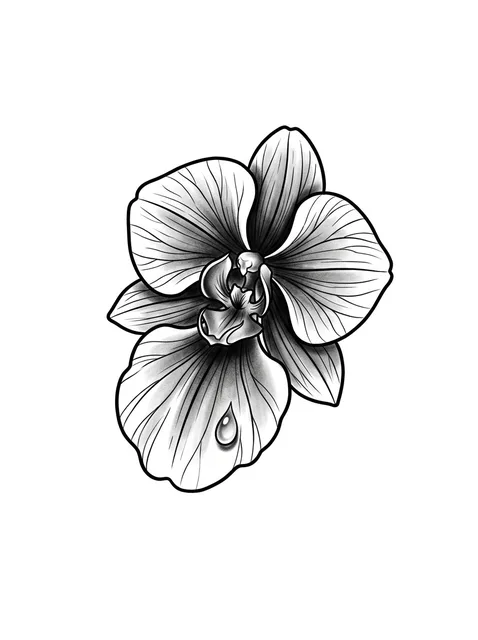
Black and grey illustrative orchid tattoo design Try it on — Black and grey illustrative orchid tattoo design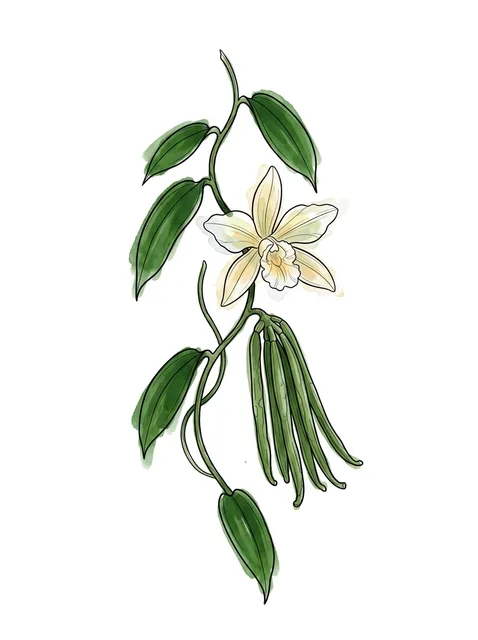
Color watercolor orchid tattoo design Try it on — Color watercolor orchid tattoo design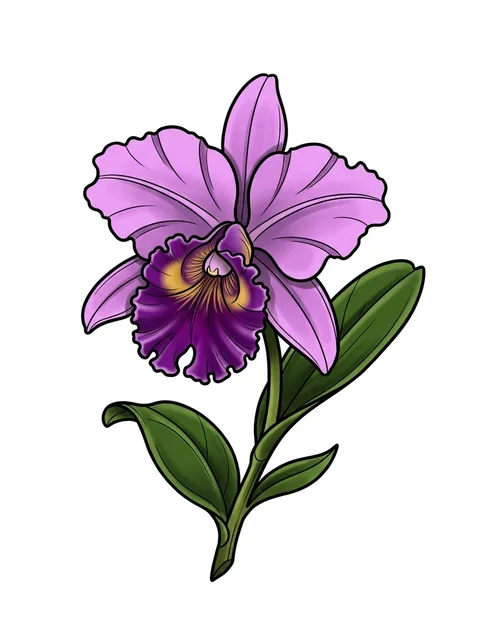
Color neo traditional orchid tattoo design Try it on — Color neo traditional orchid tattoo design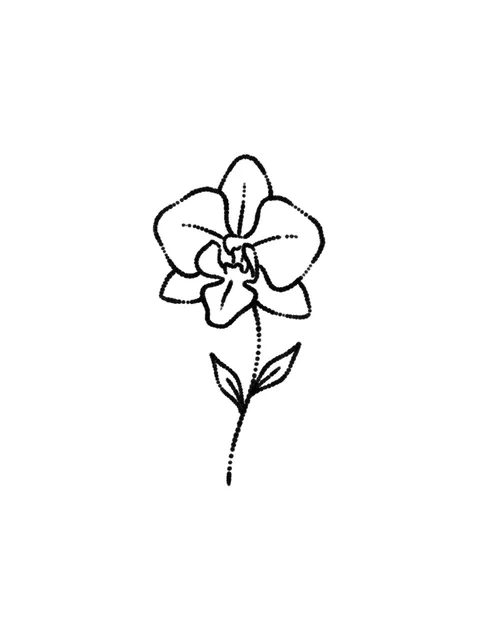
Black and grey stick and poke orchid tattoo design Try it on — Black and grey stick and poke orchid tattoo design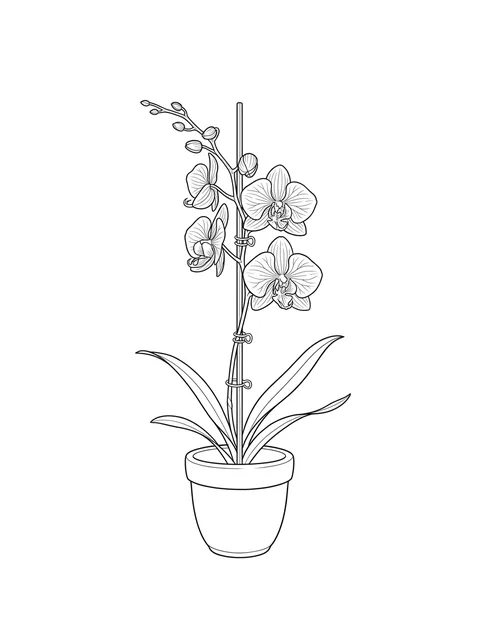
Black and white fine line orchid tattoo design, outline stencil Try it on — Black and white fine line orchid tattoo design, outline stencil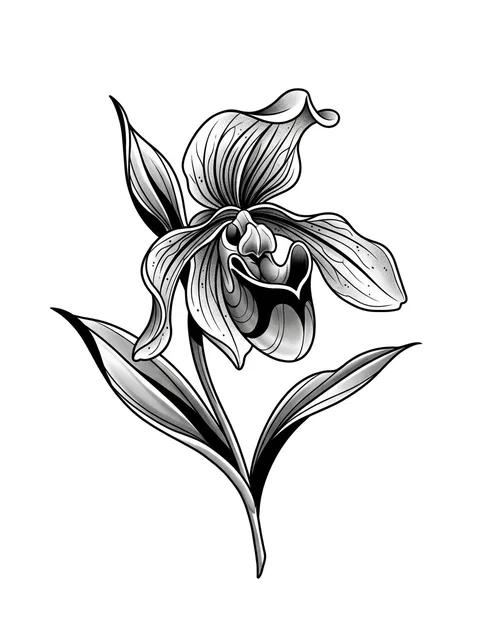
Black and grey illustrative orchid tattoo design Try it on — Black and grey illustrative orchid tattoo design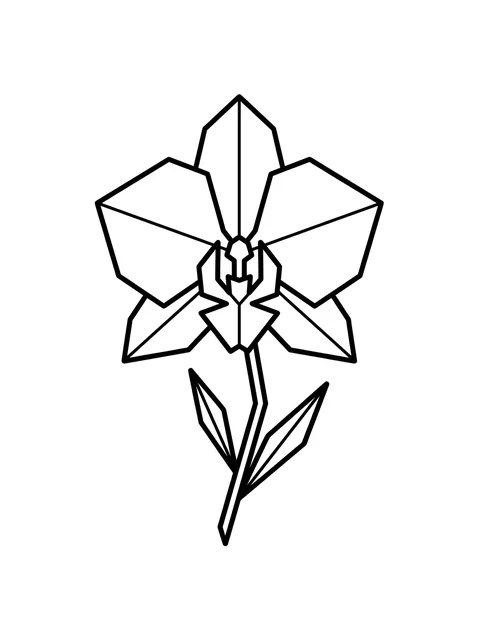
Black and white geometric orchid tattoo design, outline stencil Try it on — Black and white geometric orchid tattoo design, outline stencil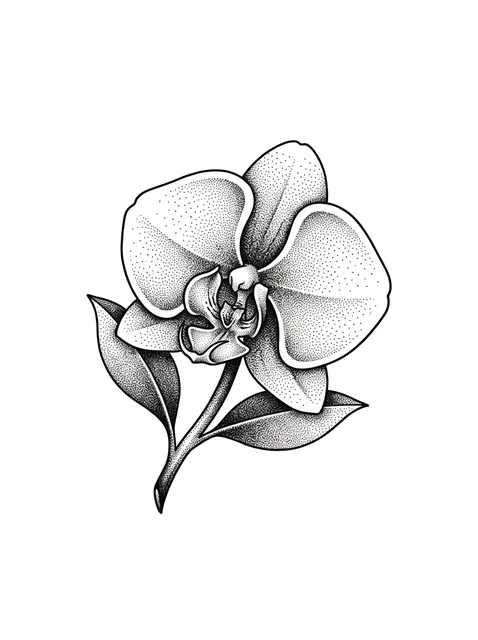
Black and grey dotwork orchid tattoo design Try it on — Black and grey dotwork orchid tattoo design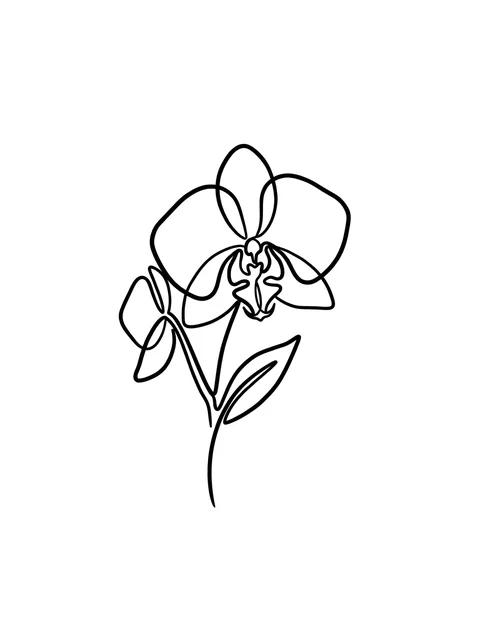
Black and white linework orchid tattoo design, outline stencil Try it on — Black and white linework orchid tattoo design, outline stencil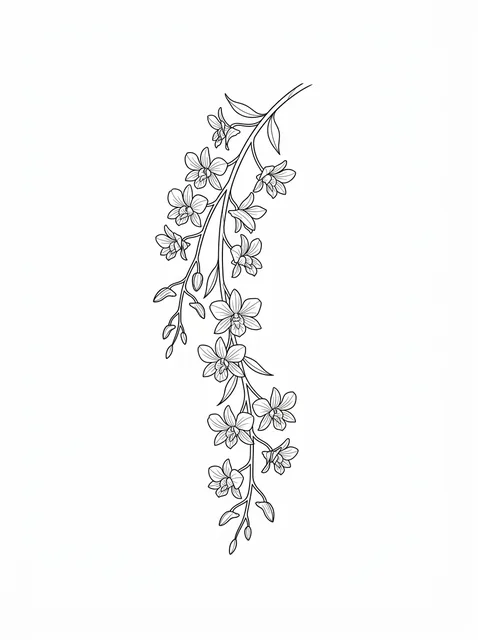
Black and white fine line orchid tattoo design, outline stencil Try it on — Black and white fine line orchid tattoo design, outline stencil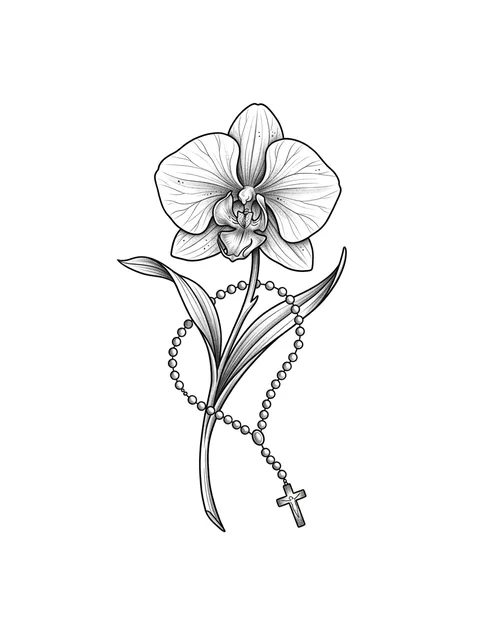
Black and grey fine line orchid and cross tattoo design, outline stencil Try it on — Black and grey fine line orchid and cross tattoo design, outline stencil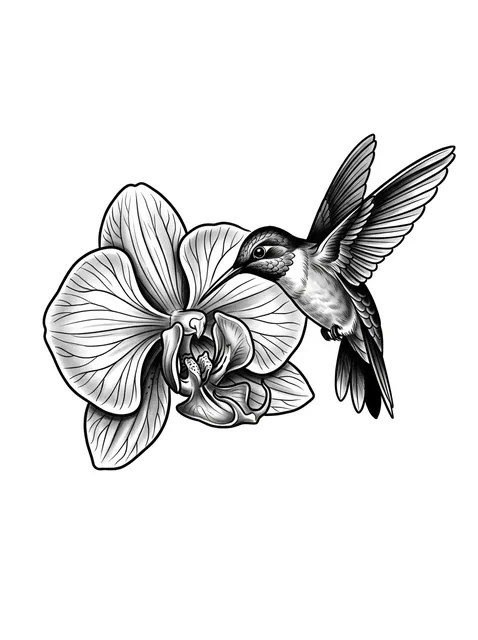
Black and grey illustrative orchid and hummingbird tattoo design Try it on — Black and grey illustrative orchid and hummingbird tattoo design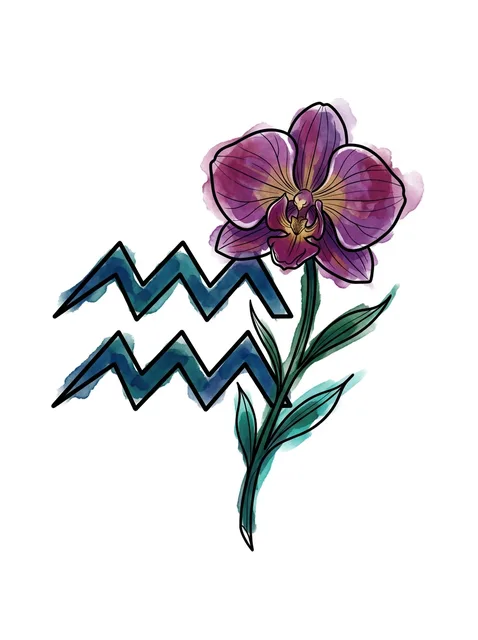
Color watercolor orchid and aquarius tattoo design Try it on — Color watercolor orchid and aquarius tattoo design


Tap any design to see it on your own skin in the try-on — no signup.
This set of 22 orchid designs, by the numbers
- Styles represented
- illustrative (6), fine line (4), watercolor (3), sketch (1), blackwork (1), traditional (1)
- Black-and-grey vs colour
- 68% black-and-grey, 32% colour
- Most often drawn with
- cross, hummingbird, aquarius
Counted from the 22 designs shown on this page. Every one was drawn for InkCraft — none are scraped or reposted. Free to reference with a link to this page.
What a orchid tattoo means
Orchids have carried opposite reputations in different places, and a tattoo inherits whichever one its wearer means. The name is the bluntest. Orchis is Greek for testicle, given by Theophrastus to the paired round tubers of Mediterranean ground orchids, and the doctrine of signatures later made those roots a remedy for failing virility. Desire and fertility are the oldest meanings the flower has in the West.
China reads it almost the other way round. The lan, usually a Cymbidium with long grassy leaves and small scented flowers, is one of the Four Gentlemen of Chinese painting beside the plum blossom, bamboo and chrysanthemum, and it stands for the scholar of quiet integrity. A saying attributed to Confucius compares a good person to an orchid growing unseen in a deep valley, fragrant whether or not anybody passes. Worn in that sense, the flower is about character kept in private.
Victorian Britain added rarity and expense. Wild plants were stripped out of forests in South America and Asia to feed a craze for glasshouse orchids, and the rarest changed hands at London auctions for hundreds of guineas. The flower became shorthand for luxury and for a taste that is hard to satisfy, which is the reading that survives in the corsage and the florist's single stem in cellophane.
The plainest modern reading is patience. A potted moth orchid, like the staked one on this page, flowers for months, then sits as a few leaves for most of a year before it blooms again, and plenty of people who wear one mean a person or a recovery that came back after looking finished. The rosary looped round one stem here turns the flower into a memorial, and the hummingbird at another is a real partnership: hummingbirds live only in the Americas, where some orchids depend on them to carry pollen.
Where the design comes from
Orchids are one of the two largest families of flowering plants. The Aztecs flavoured chocolate with the cured pods of a climbing orchid they called tlilxochitl, the black flower, and that is the vanilla drawn with its pods on this page. Planted in the colonies it flowered without fruiting until 1841, when Edmond Albius, a twelve-year-old enslaved boy on Réunion, found a quick way to pollinate it by hand that growers still use. Charles Darwin devoted a book to orchid pollination in 1862 and, from a Madagascar orchid with a nectar spur nearly a foot long, predicted a moth with a tongue to match; one was described in 1903 and named praedicta. Frederick Sander of St Albans meanwhile sent collectors across the tropics to feed the Victorian craze.
Choosing yours
- Name the orchid, because the family covers very different outlines: the flat round moth orchid on an arching stem, the ruffled cattleya with its frilled purple lip, the pouched lady's slipper, a dendrobium cascading along a cane, the vanilla vine. The page has each of them, plus a faceted geometric bloom and one drawn in a single unbroken line.
- Put the lip at the bottom. Most orchid flowers twist half a turn on their stalks as the bud develops, a habit botanists call resupination, so the lip hangs below the rest. Its speckled throat is the first detail lost when the bloom is small, so below about 5 cm let the lip be one clean shape.
- Use the stem. A long spray curving to one side follows a forearm or the ribs, where a single bloom set flat can pass for any flower.
Size, cost and placement
How big, and what it costs
A single bloom at 5 to 8 cm is an hour or two. A spray of five or more flowers wants 15 to 25 cm and three to four hours, since each bloom repeats the same lip and throat. The dendrobium cascade and the vanilla vine are sized by the run of the limb.
Where it sits, and how much it hurts
A spray follows the inner forearm, the ribs, the spine or the back of the calf; a single bloom suits the wrist, the ankle or the back of the shoulder; a vine can wrap an ankle or climb the upper arm. Ribs and spine hurt most.
What to ask your artist
- Which orchid they are drawing from, and whether they have a photograph of that genus.
- That the lip sits at the bottom of each bloom and stays one clear shape at your size.
- For pink or lilac, how much black stays underneath as the pastels soften.
Prices vary widely by city and artist — treat these as session lengths rather than quotes, and expect a shop minimum on anything small. The cost guide turns hours into money by size, placement and style.
Common questions
How do I stop an orchid being mistaken for a lily?
Draw the lip. A lily has six matching tepals opening in a star; an orchid has one petal changed into a lip, larger, ruffled or spotted, hanging at the bottom. Keep it bold and the flower reads as an orchid at any size.
Which orchid is the one sold in supermarkets?
The moth orchid, Phalaenopsis, from the Greek for moth, because its flat round blooms look like one in flight. It is the watercolour bloom and the potted, staked plant on this page.
Is vanilla really an orchid?
Yes, a climbing orchid from Mexico, and the only one grown as a food crop on any scale. The long green pods on the watercolour vine here are vanilla beans before curing, and Madagascar, which grows most of them, still pollinates every flower by hand.
What is the insect perched on one of the blooms?
An orchid mantis, a Southeast Asian predator with petal-shaped legs. A study in Malaysia found it copies no particular orchid: it simply looks like a flower, draws more pollinating insects than real flowers do, and eats them.
See it on your skin before you commit
InkCraft places any of these designs on a photo of you — scaled, wrapped and shaded to the placement you pick.