 InkCraft
Shark Tattoo Ideas, Designs and Meaning
43 original shark designs drawn for InkCraftBy Uladzimir TumanauUpdated
Opens in your browser. No signup. Or tap any design below.
Long, tapering shapes that need a field to move through. Gesture does the work rather than detail, so look at the silhouette before you look at the shading.
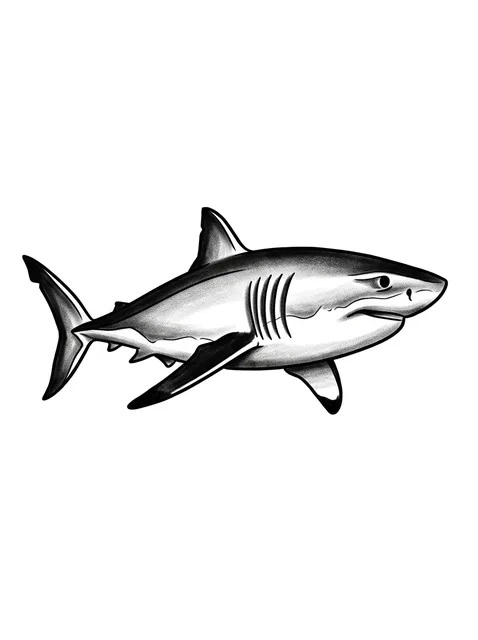
Black and grey illustrative shark tattoo design: a great white shark swimming horizontally Try it on — Black and grey illustrative shark tattoo design: a great white shark swimming horizontally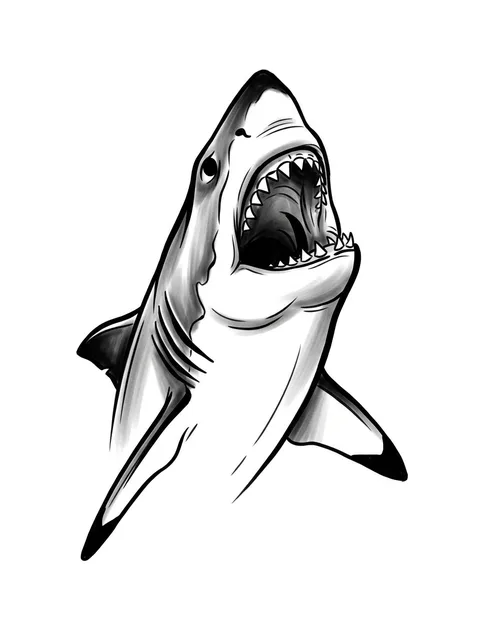
Black and grey illustrative shark tattoo design (1 of 2) Try it on — Black and grey illustrative shark tattoo design (1 of 2)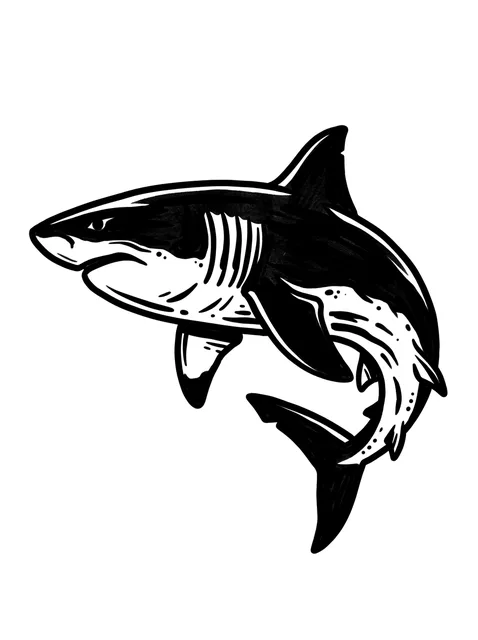
Black and grey traditional shark tattoo design: a great white shark in mid-swim Try it on — Black and grey traditional shark tattoo design: a great white shark in mid-swim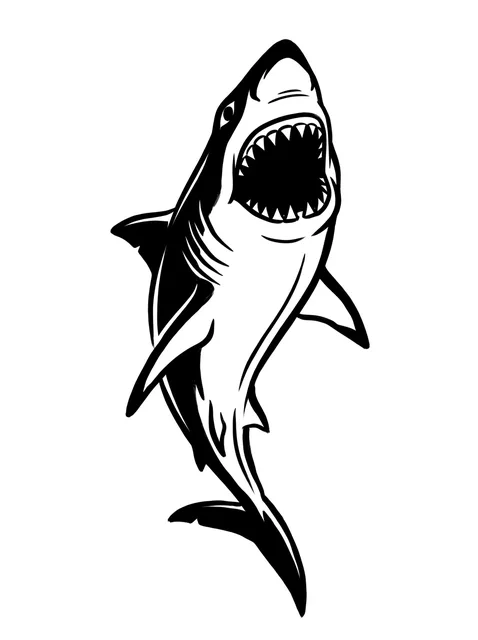
Black and white illustrative shark tattoo design (1 of 3) Try it on — Black and white illustrative shark tattoo design (1 of 3)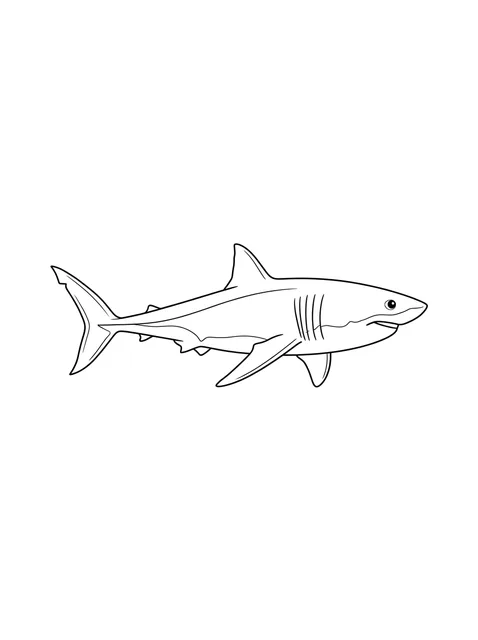
Black and white linework shark tattoo design, outline stencil: a shark in profile Try it on — Black and white linework shark tattoo design, outline stencil: a shark in profile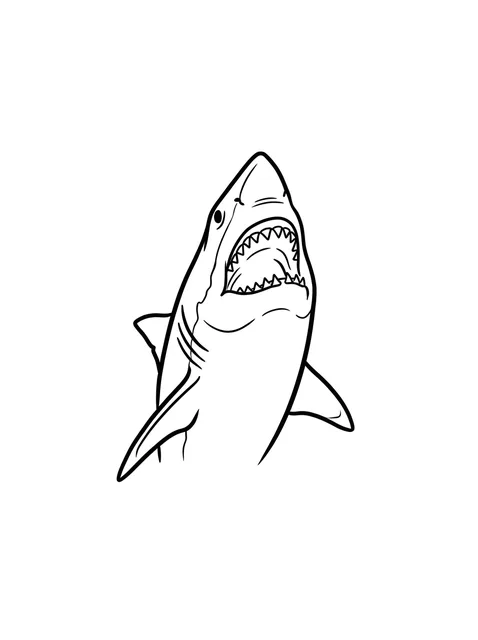
Black and white linework shark tattoo design, outline stencil Try it on — Black and white linework shark tattoo design, outline stencil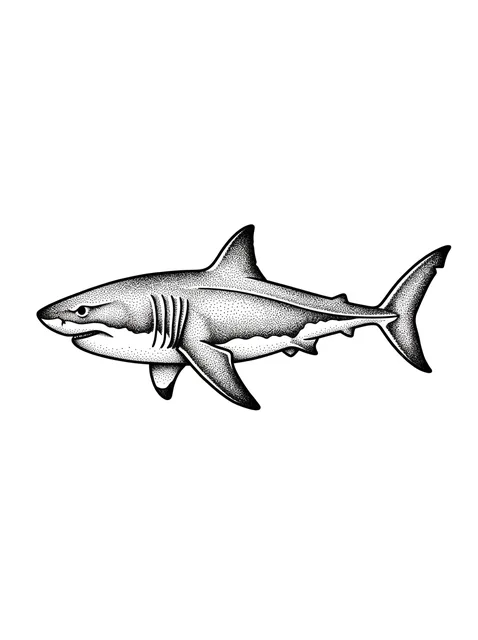
Black and grey dotwork shark tattoo design: the marine predator Try it on — Black and grey dotwork shark tattoo design: the marine predator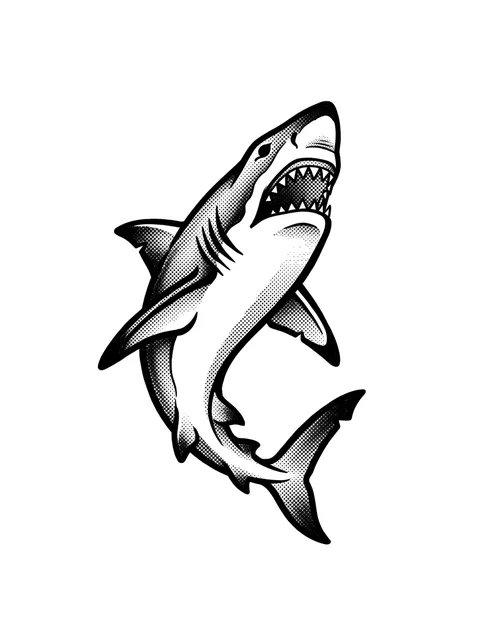
Black and white illustrative shark tattoo design: a great white shark, mouth agape and teeth bared Try it on — Black and white illustrative shark tattoo design: a great white shark, mouth agape and teeth bared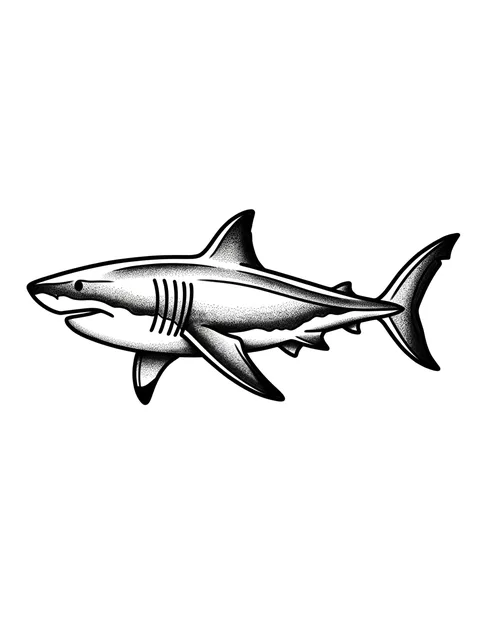
Black and grey dotwork shark tattoo design Try it on — Black and grey dotwork shark tattoo design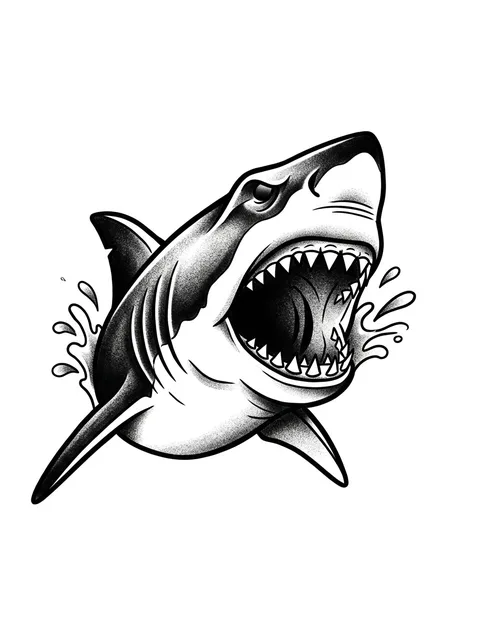
Black and grey neo traditional shark tattoo design: a shark bursting from the water Try it on — Black and grey neo traditional shark tattoo design: a shark bursting from the water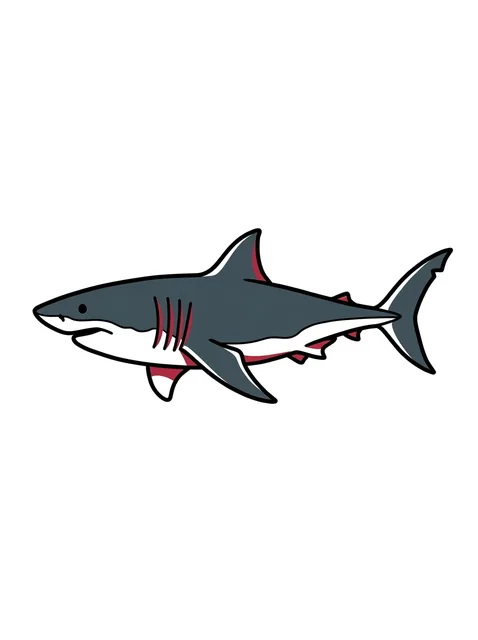
Color illustrative shark tattoo design: a shark in a side profile Try it on — Color illustrative shark tattoo design: a shark in a side profile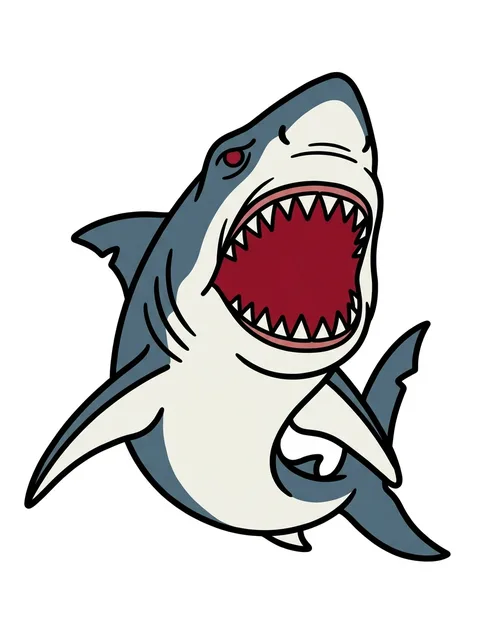
Color new school shark tattoo design: a cartoonish shark Try it on — Color new school shark tattoo design: a cartoonish shark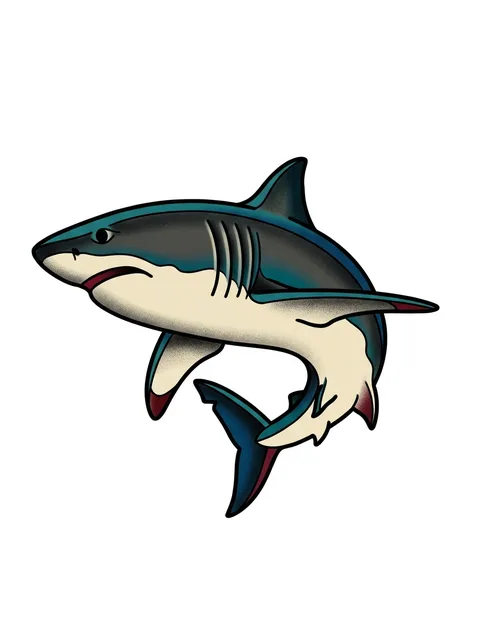
Color traditional shark tattoo design: a shark in mid-swim Try it on — Color traditional shark tattoo design: a shark in mid-swim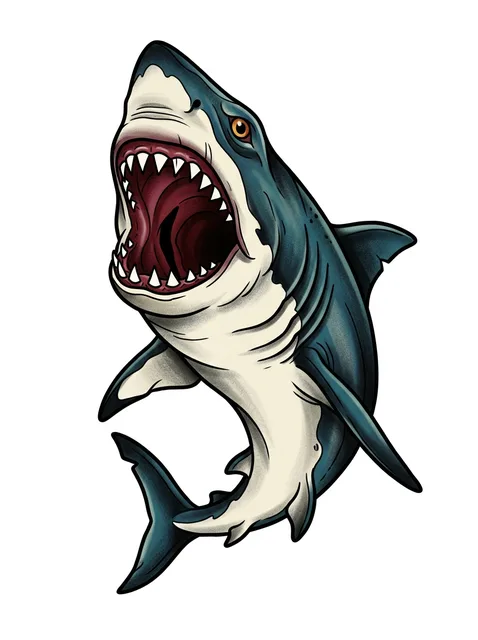
Color neo traditional shark tattoo design Try it on — Color neo traditional shark tattoo design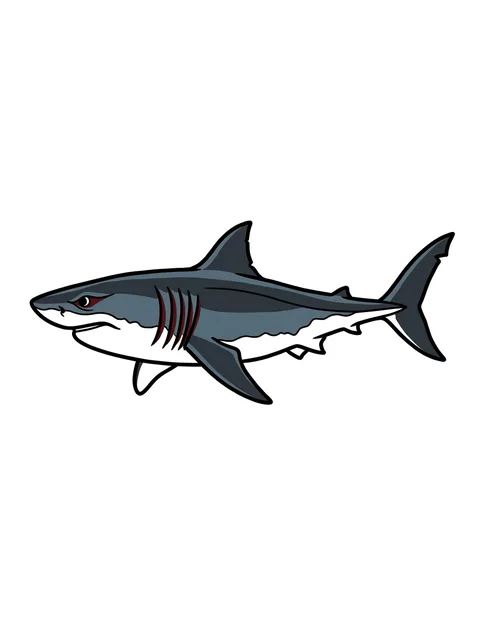
Color illustrative shark tattoo design: a menacing red eye and sharp gill slits Try it on — Color illustrative shark tattoo design: a menacing red eye and sharp gill slits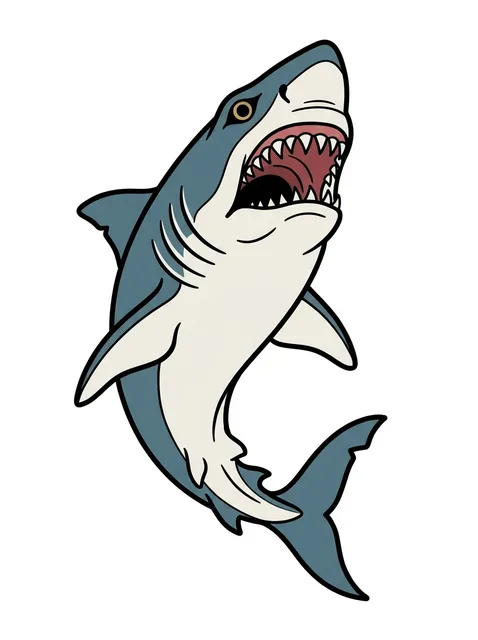
Color illustrative shark tattoo design: a great white shark Try it on — Color illustrative shark tattoo design: a great white shark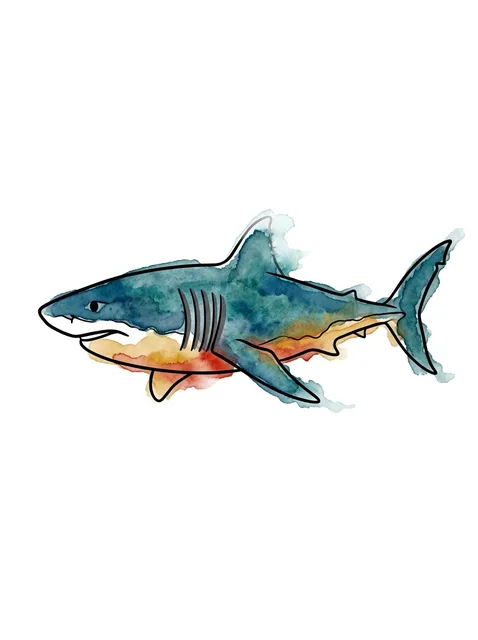
Color watercolor shark tattoo design Try it on — Color watercolor shark tattoo design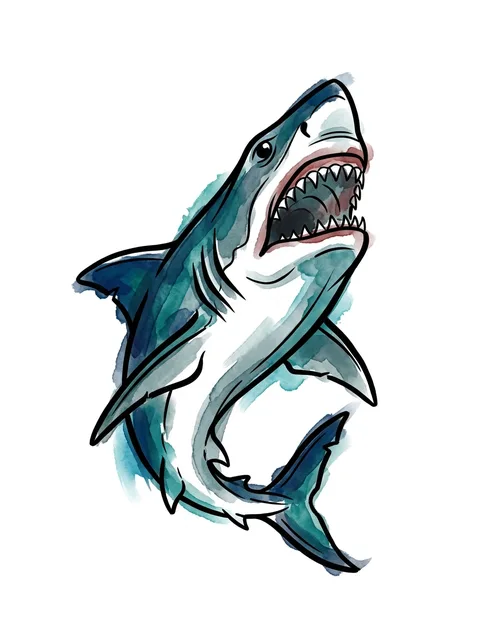
Color watercolor shark tattoo design: a great white shark, mouth agape to reveal rows of sharp teeth Try it on — Color watercolor shark tattoo design: a great white shark, mouth agape to reveal rows of sharp teeth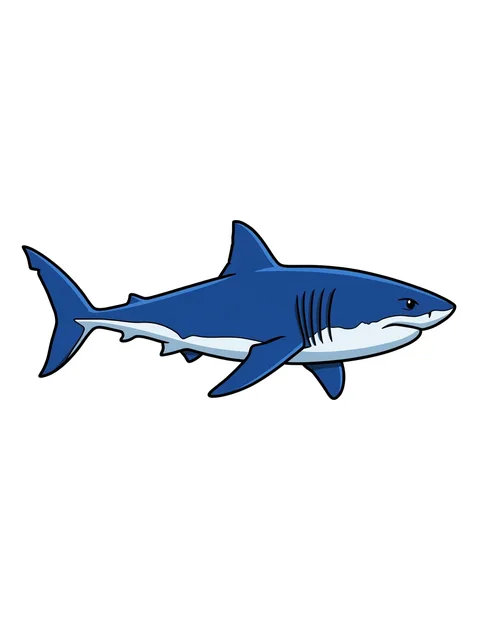
Color illustrative shark tattoo design Try it on — Color illustrative shark tattoo design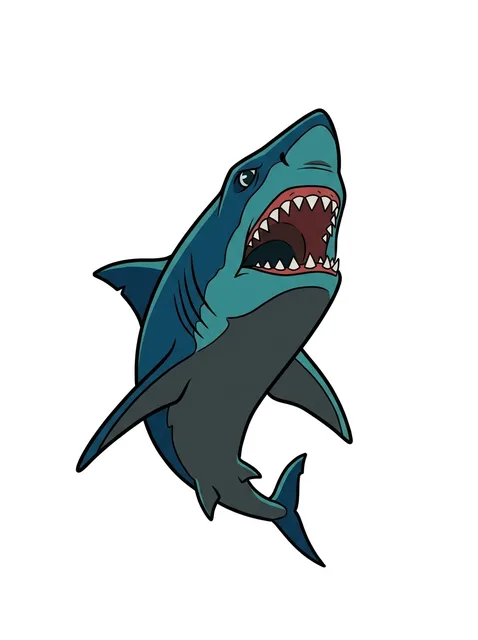
Color illustrative shark tattoo design: a shark with its mouth wide open, showcasing sharp teeth Try it on — Color illustrative shark tattoo design: a shark with its mouth wide open, showcasing sharp teeth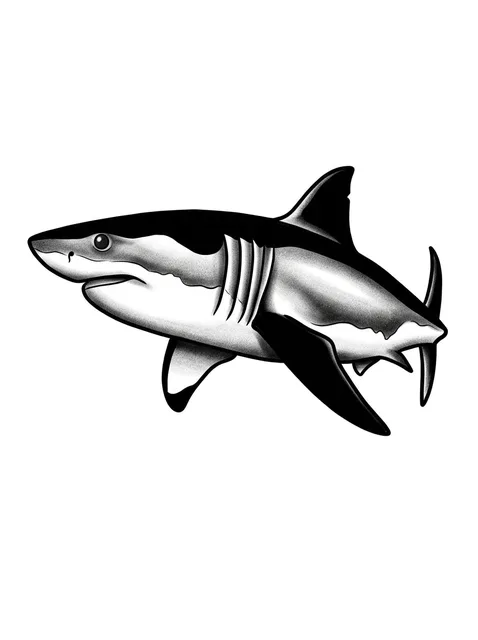
Black and grey neo traditional shark tattoo design Try it on — Black and grey neo traditional shark tattoo design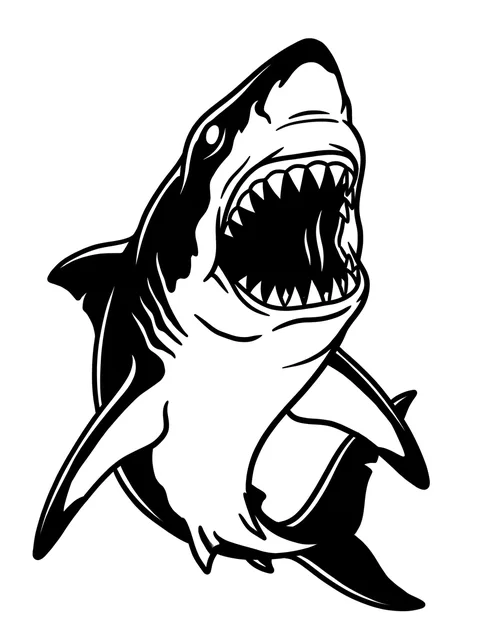
Black and white illustrative shark tattoo design (2 of 3) Try it on — Black and white illustrative shark tattoo design (2 of 3)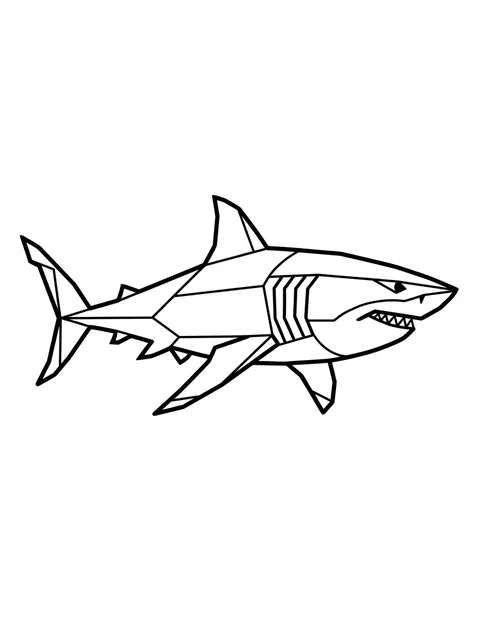
Black and white geometric shark tattoo design, outline stencil Try it on — Black and white geometric shark tattoo design, outline stencil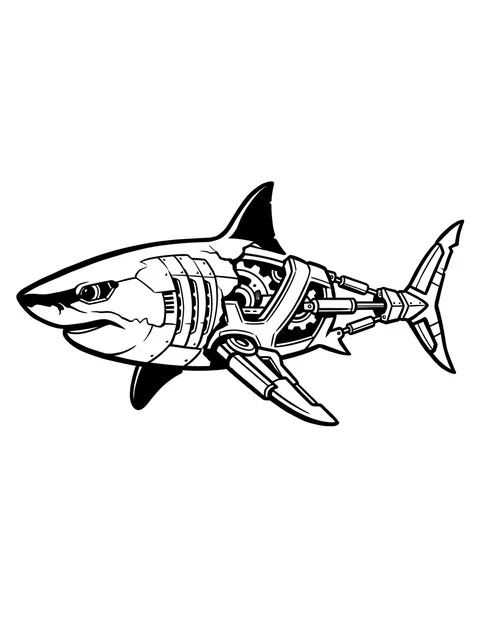
Black and white illustrative shark tattoo design: a robotic shark Try it on — Black and white illustrative shark tattoo design: a robotic shark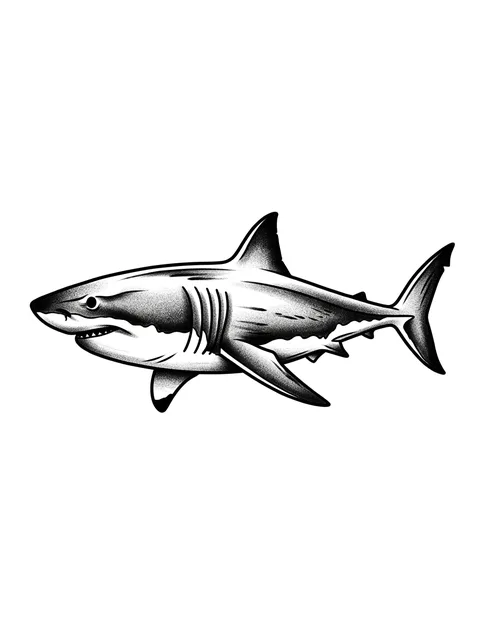
Black and grey illustrative shark tattoo design: a great white shark in profile Try it on — Black and grey illustrative shark tattoo design: a great white shark in profile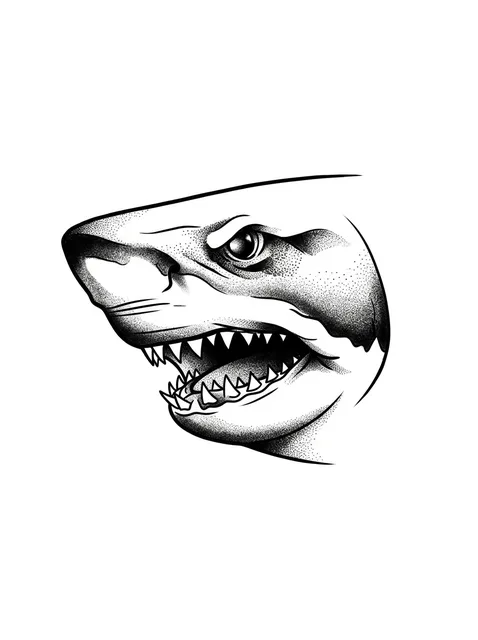
Black and grey dotwork shark tattoo design: the head of a shark Try it on — Black and grey dotwork shark tattoo design: the head of a shark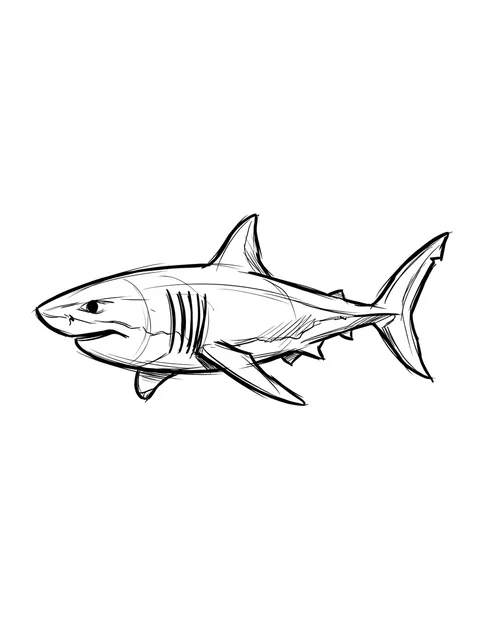
Black and grey sketch shark tattoo design Try it on — Black and grey sketch shark tattoo design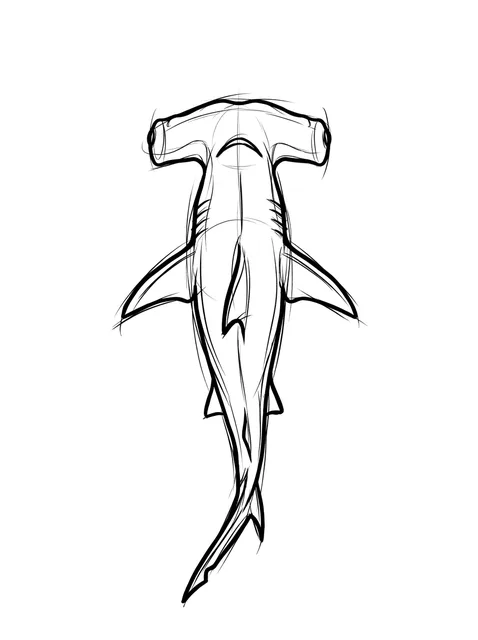
Black and grey illustrative shark tattoo design: a hammerhead shark, viewed from above Try it on — Black and grey illustrative shark tattoo design: a hammerhead shark, viewed from above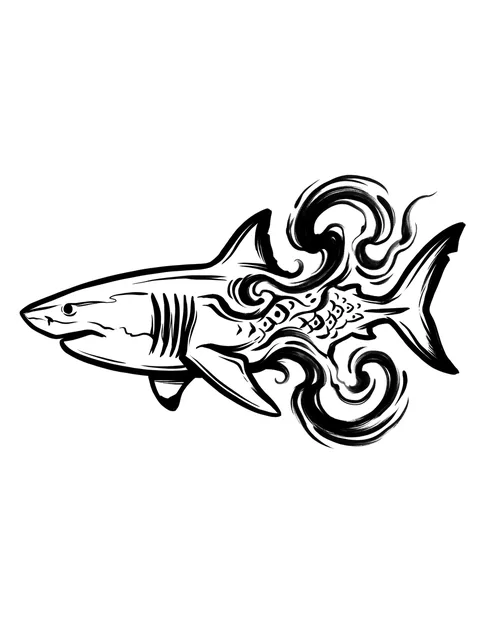
Black and white illustrative shark tattoo design: the shark is Try it on — Black and white illustrative shark tattoo design: the shark is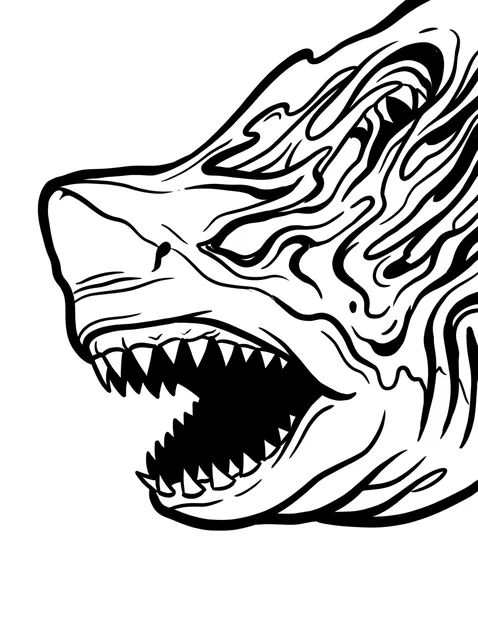
Black and white illustrative shark tattoo design (3 of 3) Try it on — Black and white illustrative shark tattoo design (3 of 3)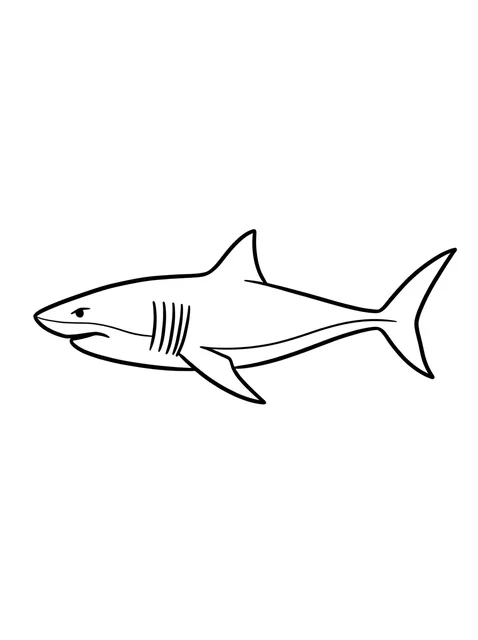
Black and grey illustrative shark tattoo design: a shark in profile Try it on — Black and grey illustrative shark tattoo design: a shark in profile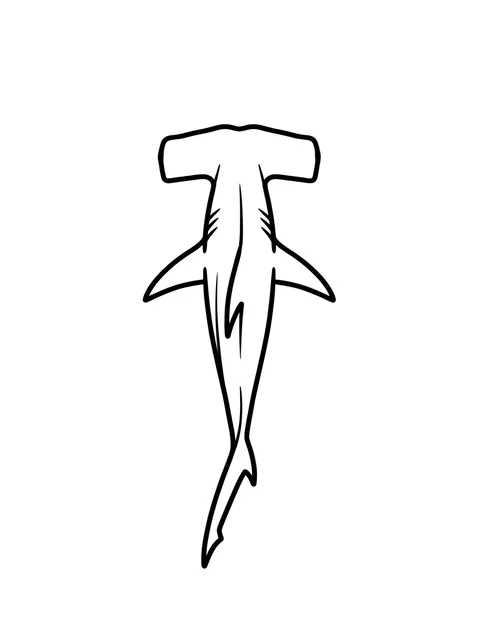
Black and white linework shark tattoo design, outline stencil: a hammerhead shark, viewed from above Try it on — Black and white linework shark tattoo design, outline stencil: a hammerhead shark, viewed from above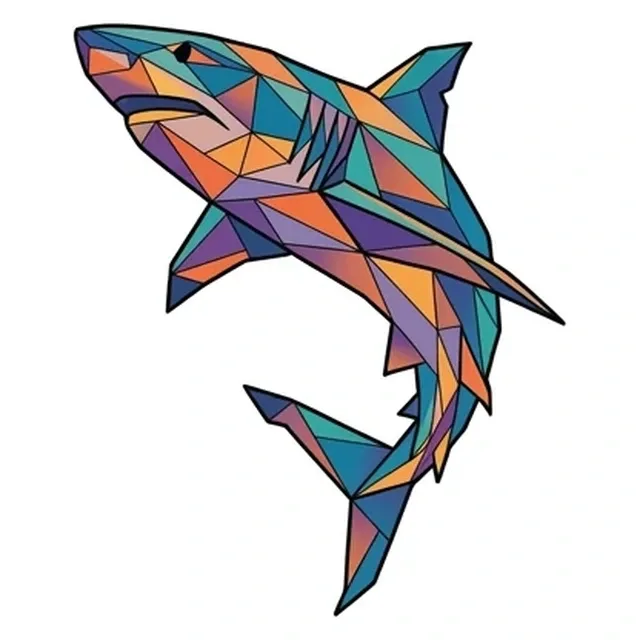
Color geometric shark tattoo design, outline stencil (1 of 2) Try it on — Color geometric shark tattoo design, outline stencil (1 of 2)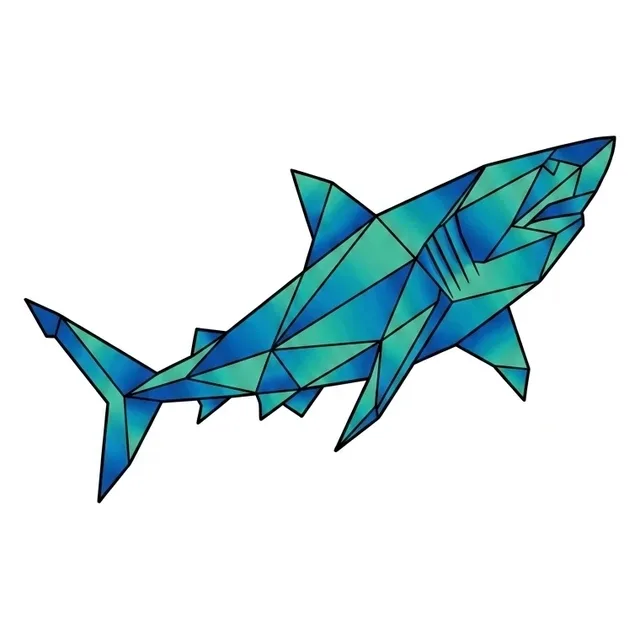
Color geometric shark tattoo design, outline stencil (2 of 2) Try it on — Color geometric shark tattoo design, outline stencil (2 of 2)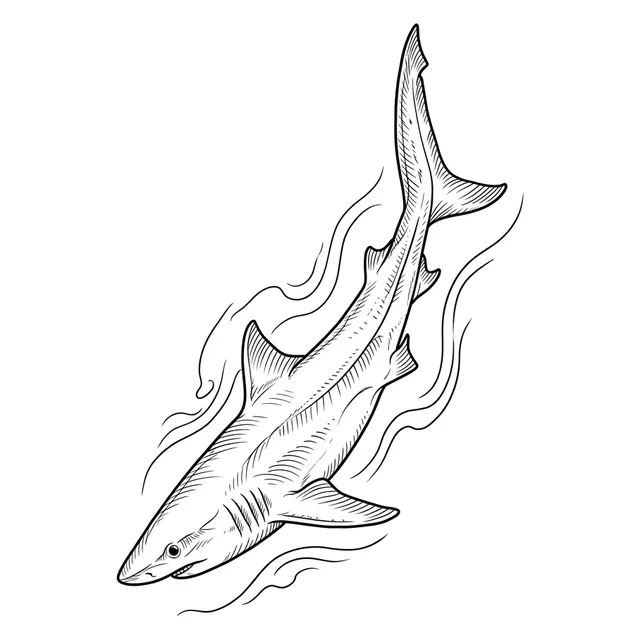
Black and white illustrative shark tattoo design: a shark in motion Try it on — Black and white illustrative shark tattoo design: a shark in motion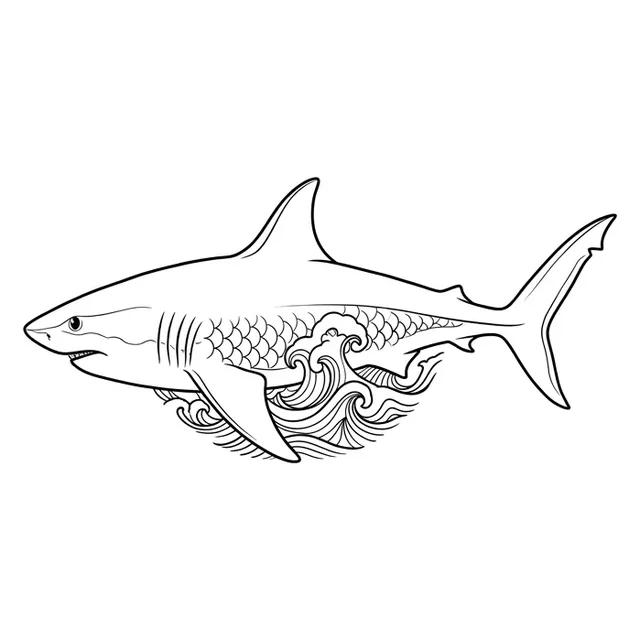
Black and grey illustrative shark tattoo design (2 of 2) Try it on — Black and grey illustrative shark tattoo design (2 of 2)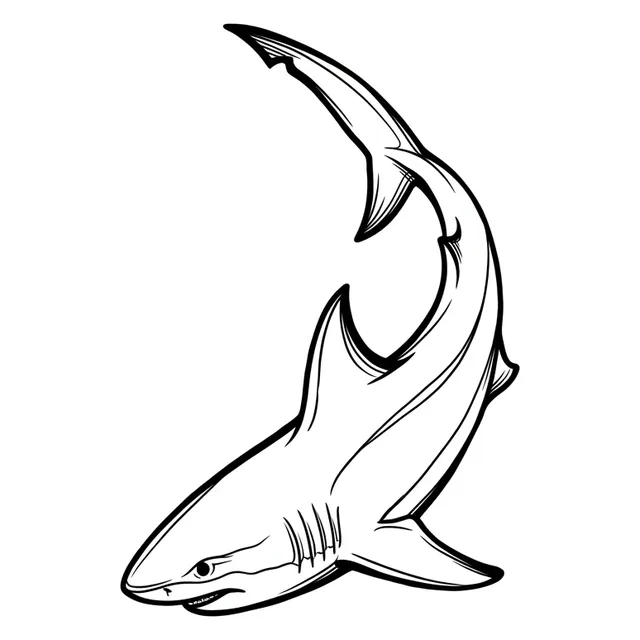
Black and grey illustrative shark tattoo design: its body curved Try it on — Black and grey illustrative shark tattoo design: its body curved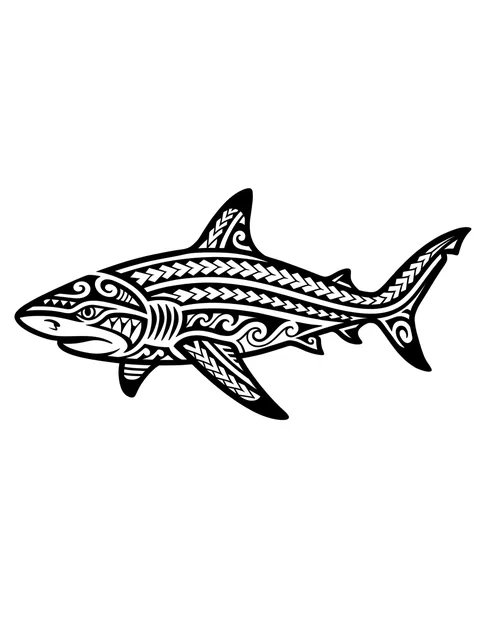
Black and grey polynesian shark tattoo design (1 of 2) Try it on — Black and grey polynesian shark tattoo design (1 of 2)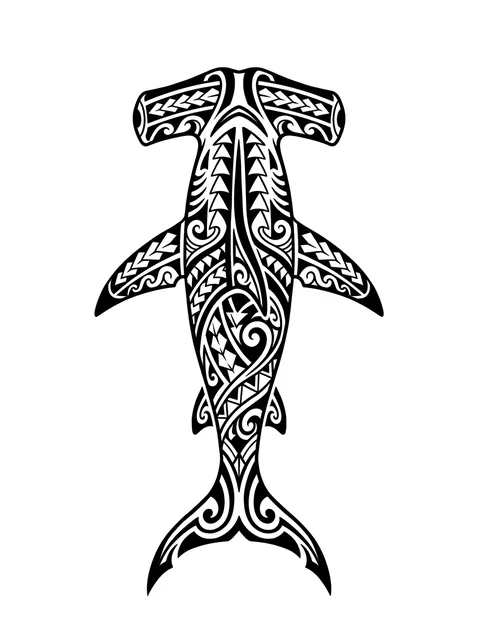
Black and grey polynesian shark tattoo design (2 of 2) Try it on — Black and grey polynesian shark tattoo design (2 of 2)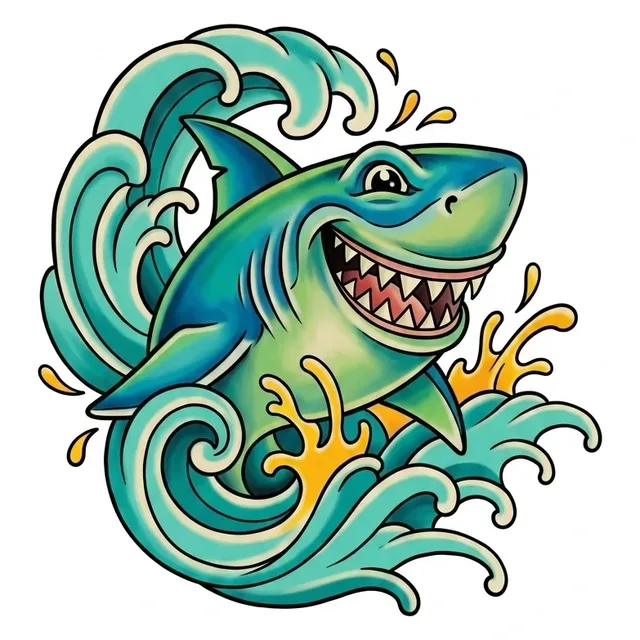
Color new school shark and wave tattoo design: a cartoonish shark with a wide, toothy grin Try it on — Color new school shark and wave tattoo design: a cartoonish shark with a wide, toothy grin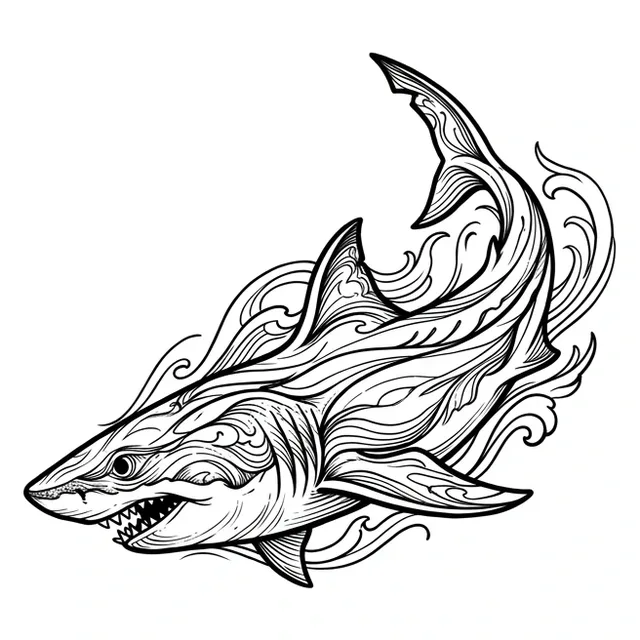
Black and white illustrative shark and wave tattoo design Try it on — Black and white illustrative shark and wave tattoo design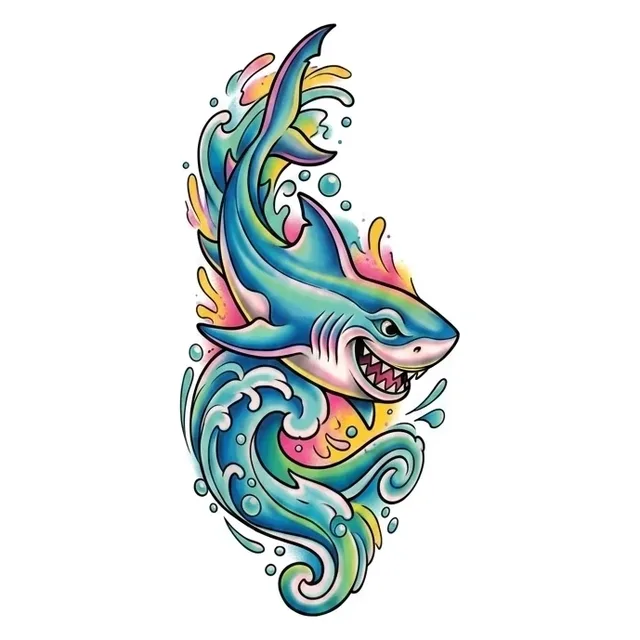
Color new school shark and wave tattoo design: a dynamic shark emerging from colorful waves Try it on — Color new school shark and wave tattoo design: a dynamic shark emerging from colorful waves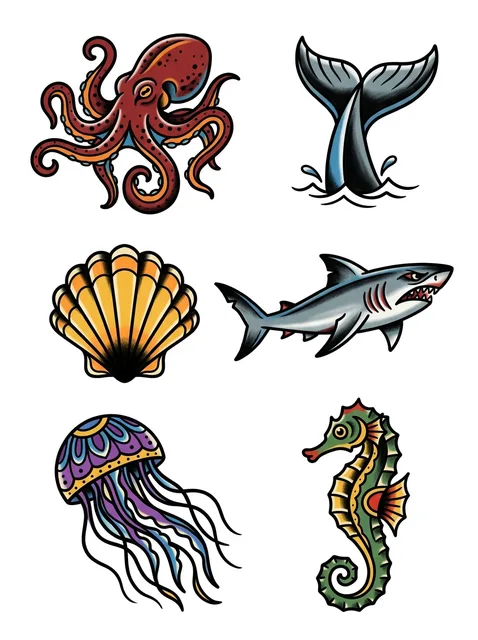
Color flash shark and octopus tattoo design: a scallop shell, a jellyfish and a seahorse Try it on — Color flash shark and octopus tattoo design: a scallop shell, a jellyfish and a seahorse


Tap any design to see it on your own skin in the try-on — no signup.
This set of 43 shark designs, by the numbers
- Styles represented
- illustrative (20), linework (3), dotwork (3), neo traditional (3), new school (3), geometric (3)
- Black-and-grey vs colour
- 65% black-and-grey, 35% colour
- Most often drawn with
- wave, octopus, whale
Counted from the 43 designs shown on this page. Every one was drawn for InkCraft — none are scraped or reposted. Free to reference with a link to this page.
What a shark tattoo means
The shark means forward motion, and the reason is anatomical. Many species must keep swimming to pass water over their gills, and several cannot swim backwards at all — so the animal is an image of something that only works by continuing to move. People who choose a shark are usually choosing that idea rather than menace, whatever the design looks like.
In Hawaiian tradition the shark is an aumakua, a family guardian spirit, and this is close to the opposite of the Western reading. An aumakua protects descendants and is treated with respect rather than fear, and shark motifs in Polynesian tattooing — rows of triangular teeth, the niho mano — are protective marks. Wearing Polynesian shark-tooth patterning is a specific cultural reference and worth understanding before choosing it.
The Western fear reading is remarkably recent and traceable. Jaws was released in 1975 and reshaped how a whole hemisphere thought about the animal; almost every menacing open-jawed shark tattoo descends from that film rather than from any older tradition.
Species matters more than people expect. A hammerhead, a great white and a whale shark are three different statements — the last is a filter feeder and reads as gentleness and scale rather than threat, which surprises people who assume any shark is an aggressive image.
Where the design comes from
Sharks appear across Pacific Islander art for centuries as guardians and ancestors, with distinct traditions in Hawaii, Samoa and Aotearoa. Western tattooing had almost no shark motif before the twentieth century — it is absent from the sailor flash that gave us the anchor and the swallow, which is telling, since those sailors had more reason than anyone to think about sharks. The modern shark tattoo is a post-1975 phenomenon, and the more recent shift toward accurate, respectful and conservation-minded shark work is a direct reaction to that.
Choosing yours
- A shark is a long, tapering, largely featureless shape, and that is harder to make interesting than a face-forward animal. The good designs solve it with gesture — the arc of the body, the angle of the fins — rather than with detail, so look at silhouette before you look at shading.
- It suits a long field: the outside of a forearm, a calf, along the ribs. A shark placed in a square field has nowhere to go and tends to look like it is stuck rather than moving, which undercuts the whole meaning.
- Seventy percent of our shark designs are black-and-grey, and that reflects the subject rather than a house preference — sharks are counter-shaded grey animals, and colour adds surprisingly little except in neo-traditional work where it is doing a stylistic job.
Size, cost and placement
How big, and what it costs
A linework shark at 10-12 cm is a two-hour piece. A detailed illustrative one with proper texture and shading wants 15-20 cm and a half to full day. It is a large shape by nature, and shrinking it costs the gesture that makes it work.
Where it sits, and how much it hurts
Outer forearm, calf and along the ribs all give the long body somewhere to travel. The upper arm works for a compact composition. Avoid square fields — a shark that cannot move looks wrong in a way that is hard to name but easy to see.
What to ask your artist
- Which species, since a great white and a whale shark are opposite statements.
- To show you the silhouette before any shading, because gesture is what carries this subject.
- If you want Polynesian patterning, whether they have the background to do it properly.
Prices vary widely by city and artist — treat these as session lengths rather than quotes, and expect a shop minimum on anything small. The cost guide turns hours into money by size, placement and style.
Common questions
Are shark tattoos aggressive?
Only if drawn that way. The older meaning is forward motion — many sharks must keep swimming to breathe — and in Hawaiian tradition the shark is a protective family guardian, an aumakua.
Is Polynesian shark-tooth patterning appropriate to get?
The niho mano is a specific cultural mark with protective meaning, not decoration. It is worth understanding what you are wearing and finding an artist who can explain it.
Which shark should I pick?
They read very differently — a great white is threat, a hammerhead is strangeness, a whale shark is gentleness and scale. Choose the species deliberately.
What a shark tattoo can mean
The meanings this motif carries on the pages that argue them. Each line is that page's own reason for including it.
- Strength tattoos
- Has to keep moving to breathe. Read as relentlessness rather than aggression, which is why it turns up in recovery work as often as in bravado.
See it on your skin before you commit
InkCraft places any of these designs on a photo of you — scaled, wrapped and shaded to the placement you pick.