 InkCraft
Cloud Tattoo Ideas, Designs and Meaning
27 original cloud designs drawn for InkCraftBy Uladzimir TumanauUpdated
A cloud has no edge and no structure, so a design needs something to measure it against: rain drawn as straight strokes, a sun cut into wedges, an underside dissolving into stipple. Without that a cloud outline reads as a speech bubble.
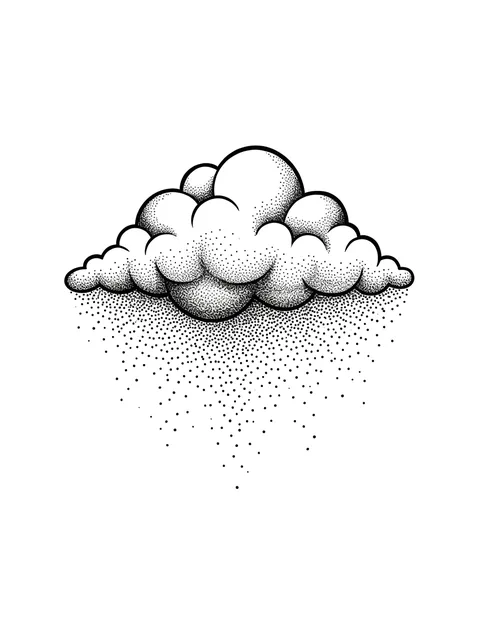
Black and grey dotwork cloud tattoo design Try it on — Black and grey dotwork cloud tattoo design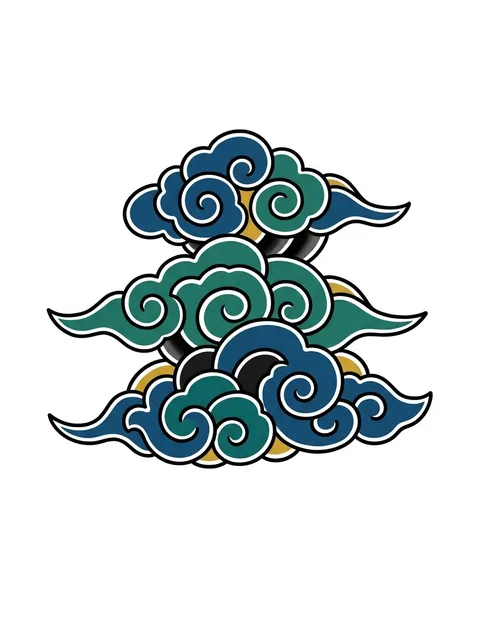
Color Japanese cloud tattoo design Try it on — Color Japanese cloud tattoo design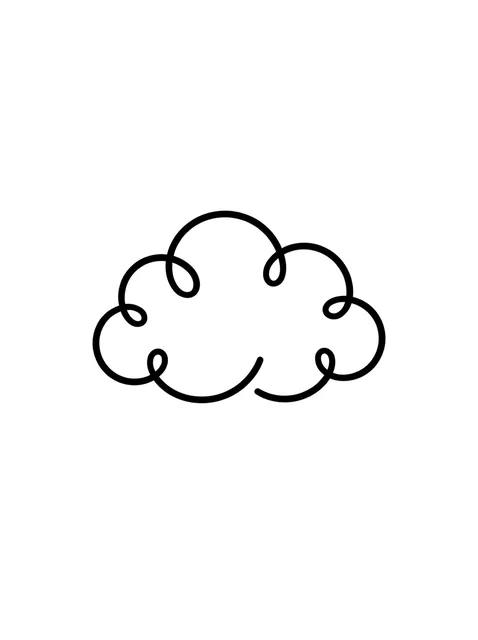
Black and white fine line cloud tattoo design, outline stencil Try it on — Black and white fine line cloud tattoo design, outline stencil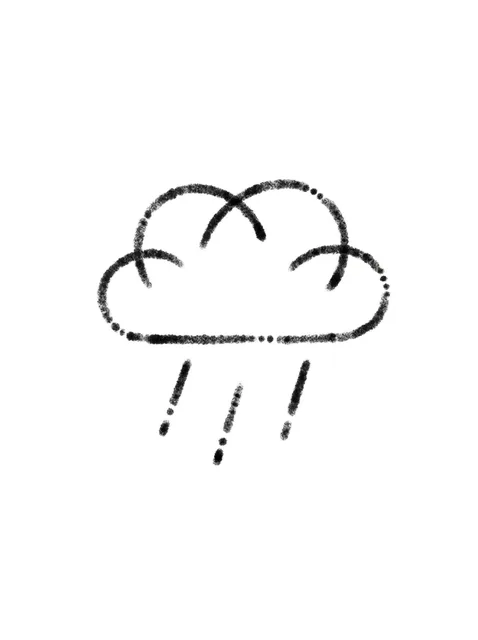
Black and grey stick and poke cloud tattoo design: a simple cloud with falling rain Try it on — Black and grey stick and poke cloud tattoo design: a simple cloud with falling rain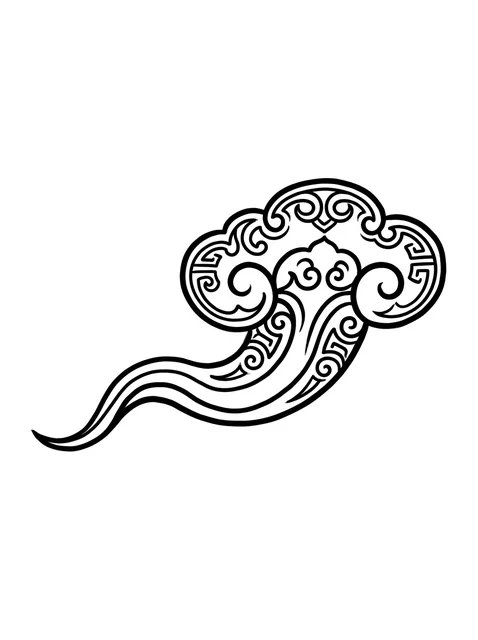
Black and grey ornamental cloud tattoo design Try it on — Black and grey ornamental cloud tattoo design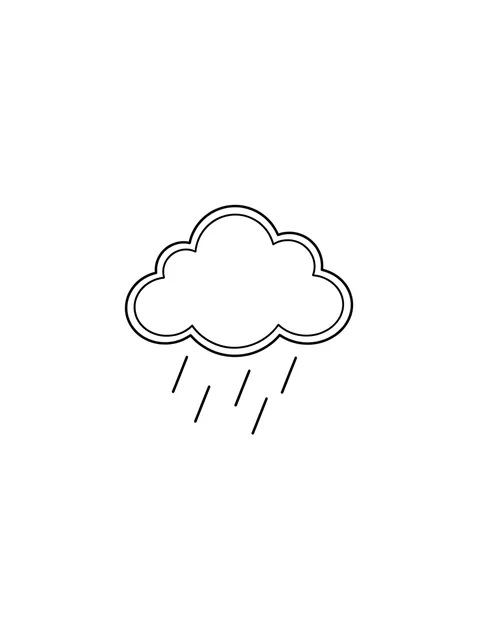
Black and white fine line cloud tattoo design, outline stencil Try it on — Black and white fine line cloud tattoo design, outline stencil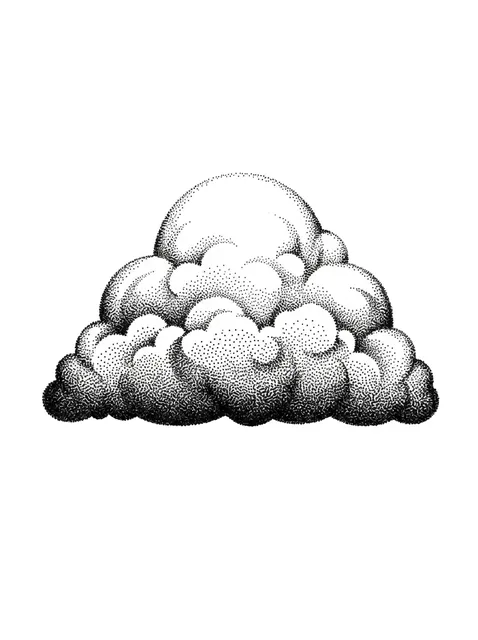
Black and grey dotwork cloud tattoo design Try it on — Black and grey dotwork cloud tattoo design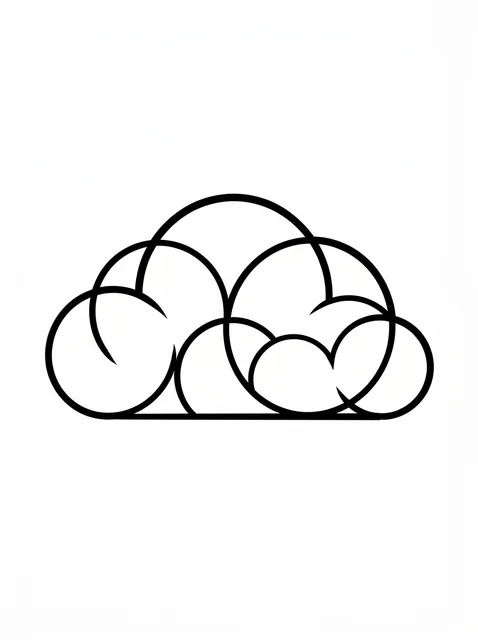
Black and white geometric cloud tattoo design, outline stencil Try it on — Black and white geometric cloud tattoo design, outline stencil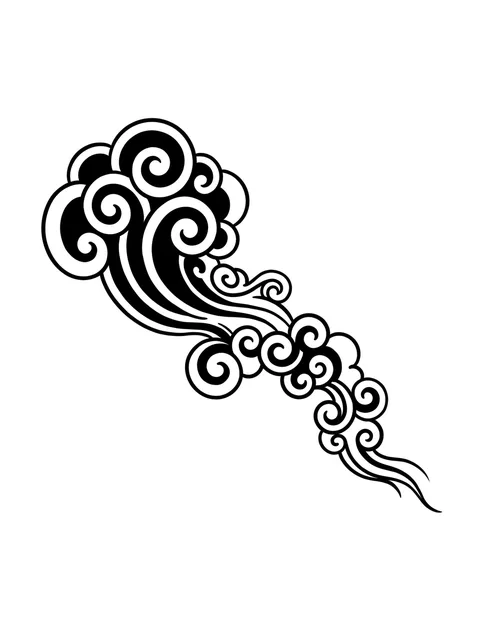
Black and white blackwork cloud tattoo design Try it on — Black and white blackwork cloud tattoo design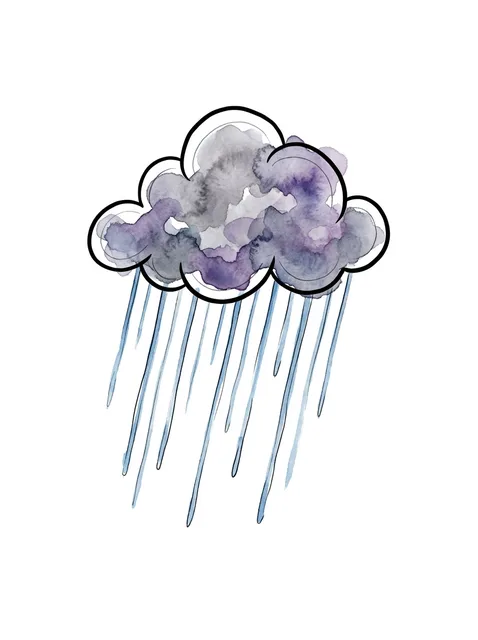
Color watercolor cloud tattoo design Try it on — Color watercolor cloud tattoo design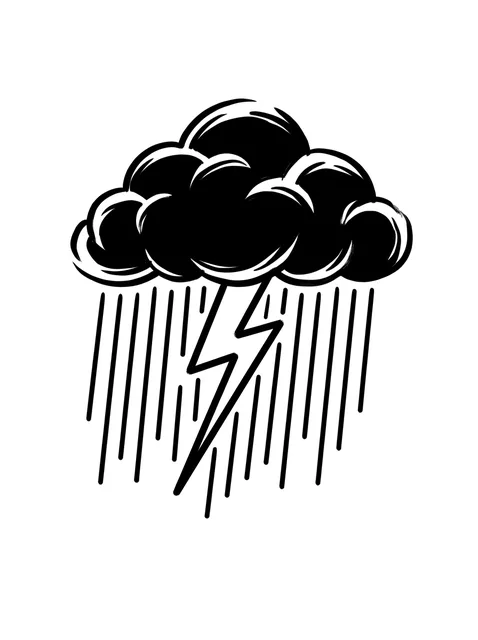
Black and white blackwork cloud and lightning tattoo design Try it on — Black and white blackwork cloud and lightning tattoo design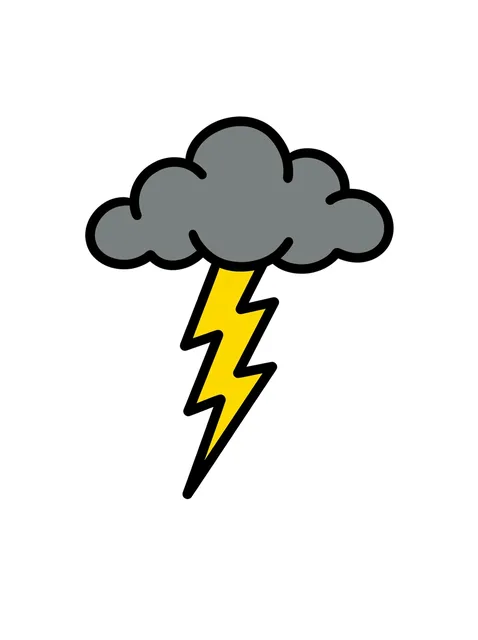
Color traditional cloud and lightning tattoo design Try it on — Color traditional cloud and lightning tattoo design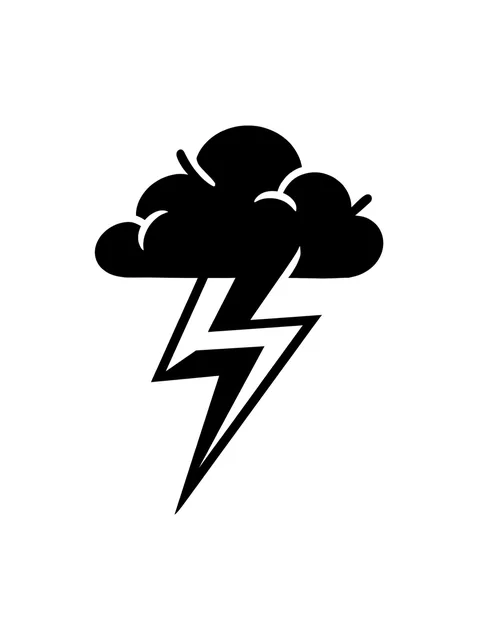
Black and white blackwork cloud and lightning tattoo design Try it on — Black and white blackwork cloud and lightning tattoo design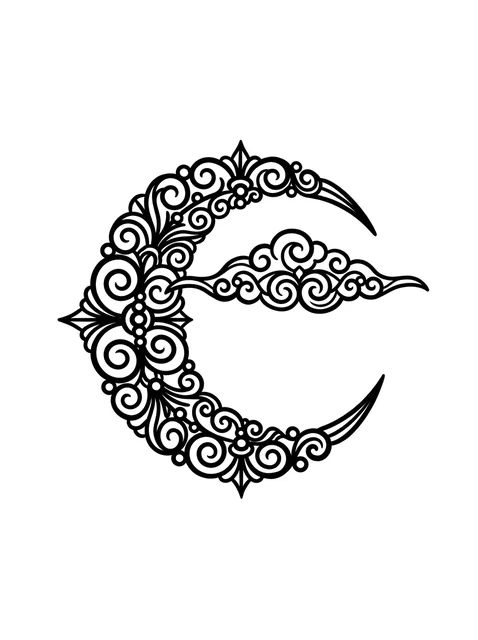
Black and grey ornamental cloud and moon tattoo design Try it on — Black and grey ornamental cloud and moon tattoo design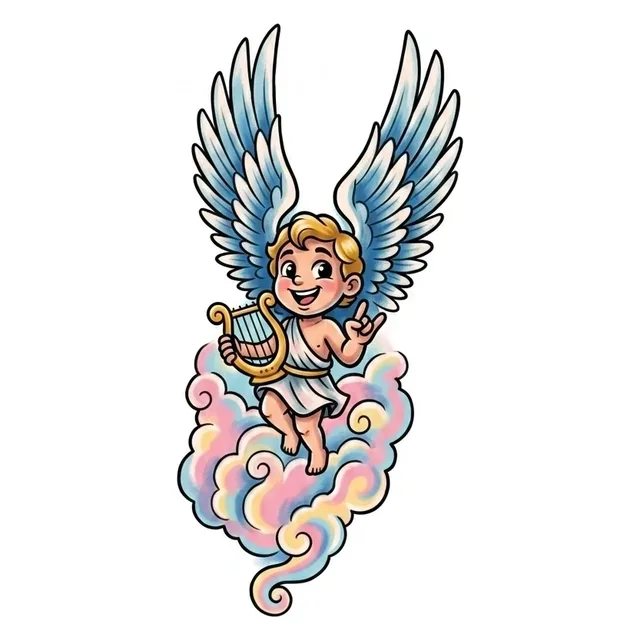
Color new school cloud and angel tattoo design Try it on — Color new school cloud and angel tattoo design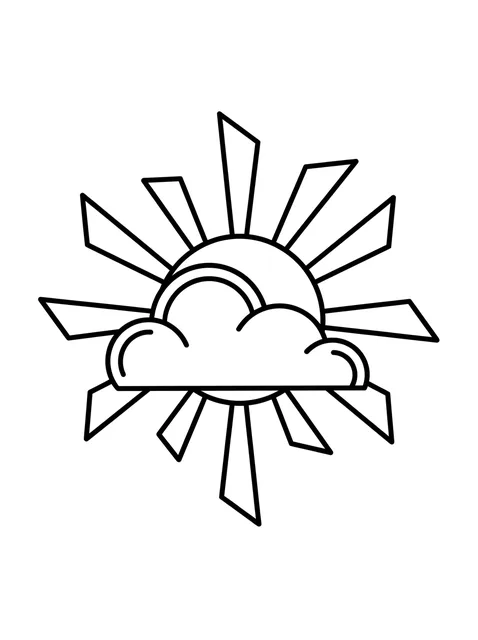
Black and white linework cloud and sun tattoo design, outline stencil Try it on — Black and white linework cloud and sun tattoo design, outline stencil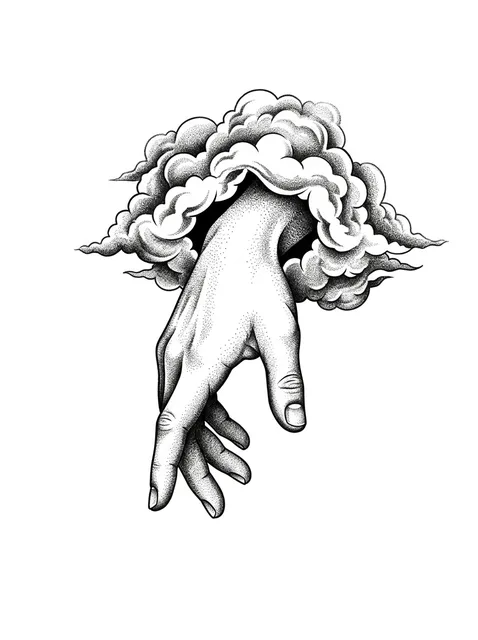
Black and grey dotwork cloud and hand tattoo design: a hand emerging from a swirling cloud formation Try it on — Black and grey dotwork cloud and hand tattoo design: a hand emerging from a swirling cloud formation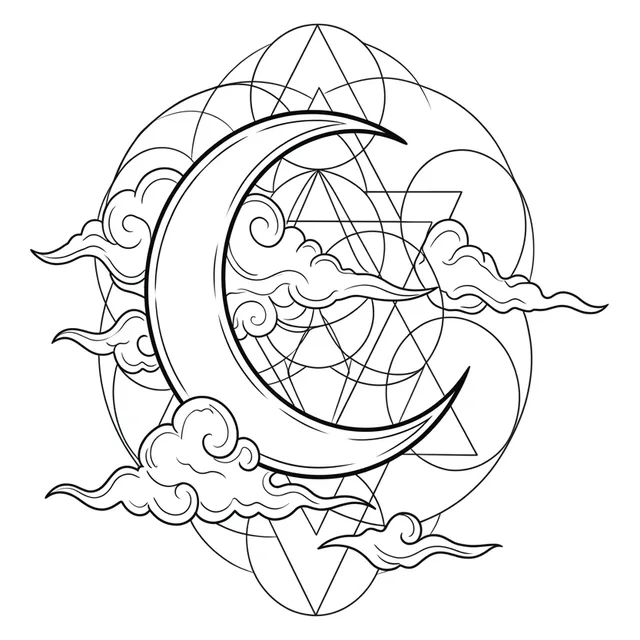
Black and grey illustrative cloud and moon tattoo design Try it on — Black and grey illustrative cloud and moon tattoo design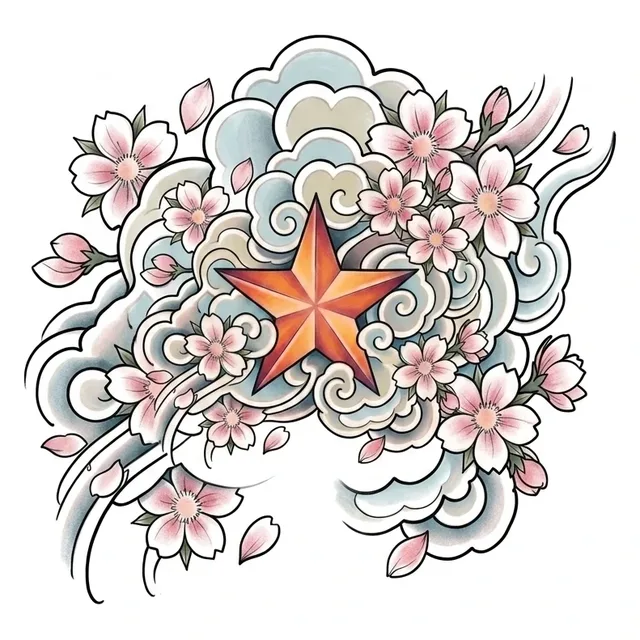
Color Japanese cloud and cherry blossom tattoo design Try it on — Color Japanese cloud and cherry blossom tattoo design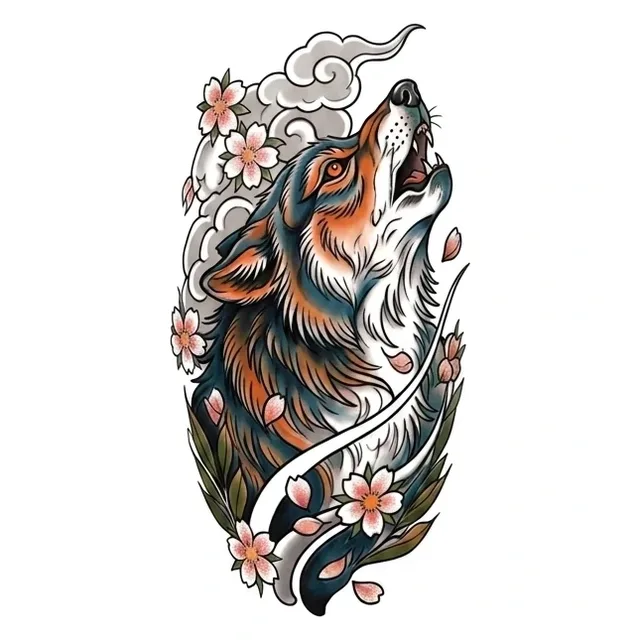
Color neo traditional cloud and wolf tattoo design: a howling wolf's head Try it on — Color neo traditional cloud and wolf tattoo design: a howling wolf's head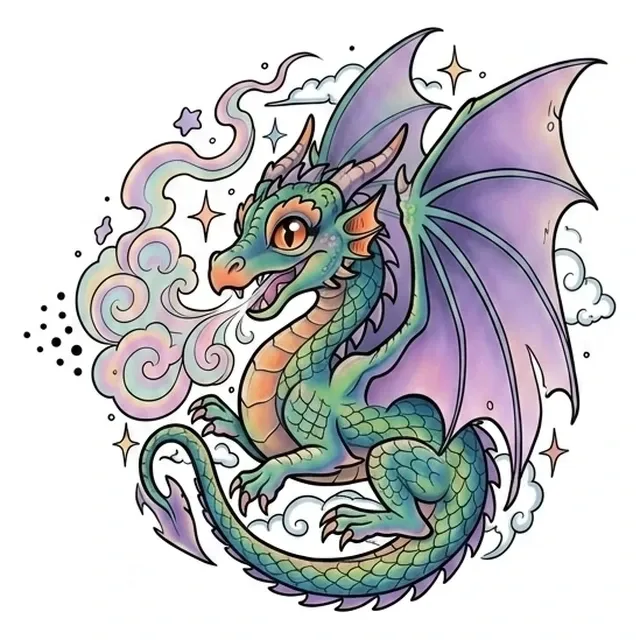
Color illustrative cloud and dragon tattoo design Try it on — Color illustrative cloud and dragon tattoo design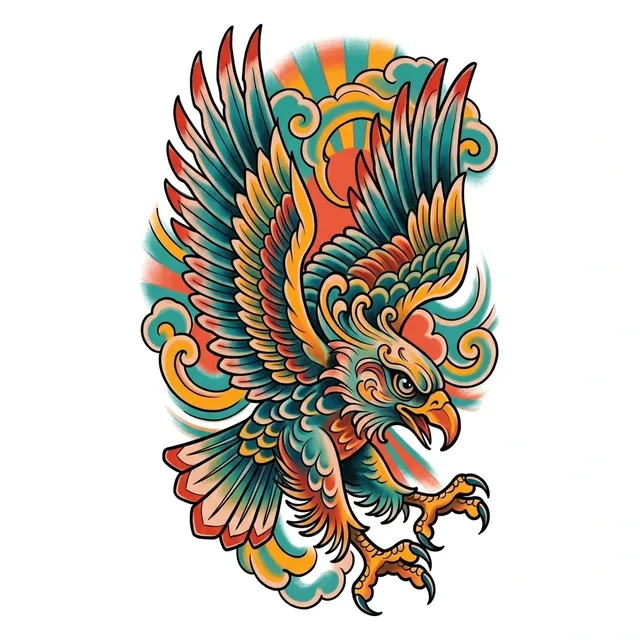
Color neo traditional cloud and eagle tattoo design Try it on — Color neo traditional cloud and eagle tattoo design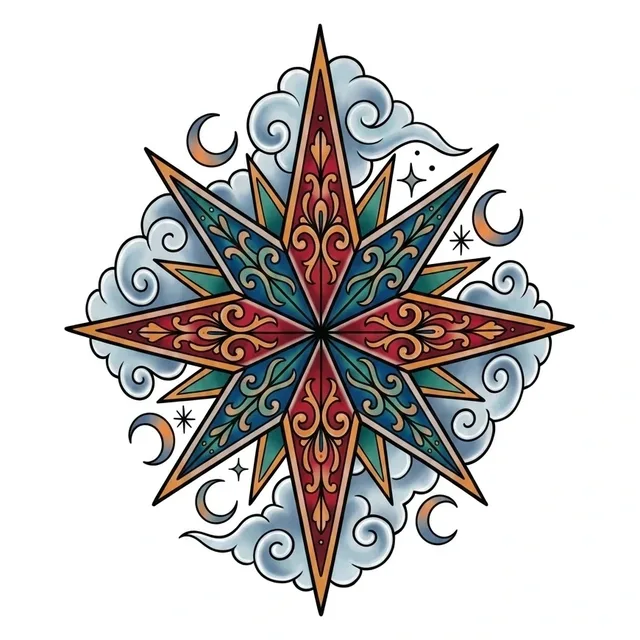
Color neo traditional cloud and star tattoo design Try it on — Color neo traditional cloud and star tattoo design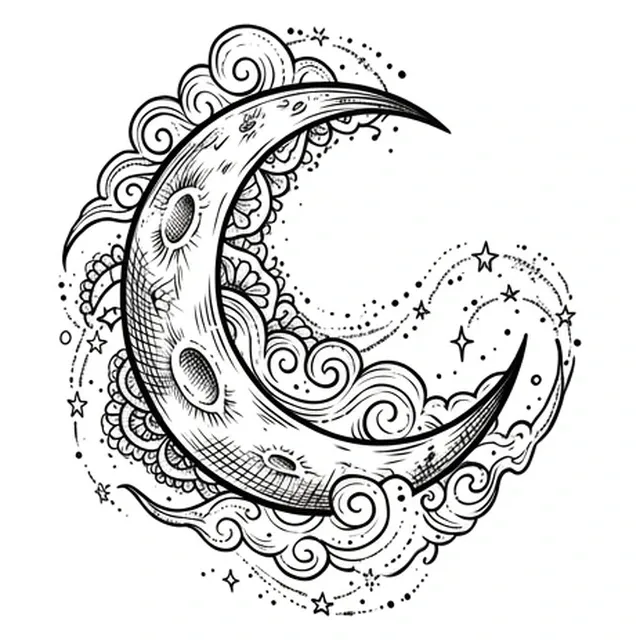
Black and grey illustrative cloud and moon tattoo design Try it on — Black and grey illustrative cloud and moon tattoo design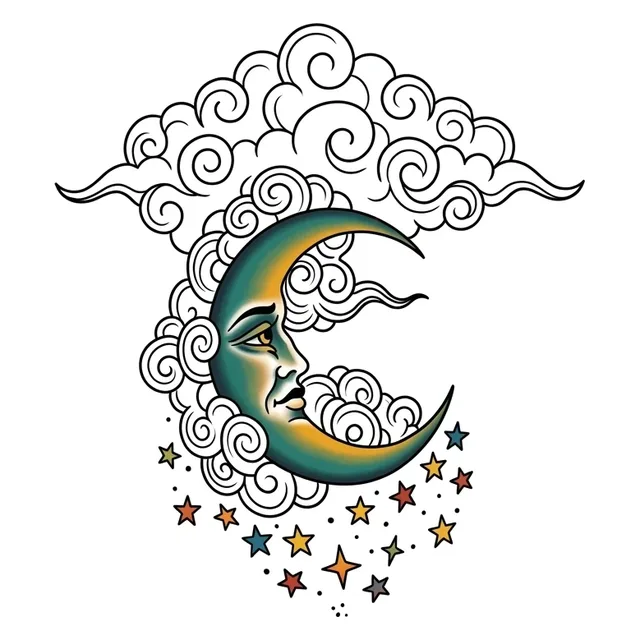
Color traditional cloud and moon tattoo design Try it on — Color traditional cloud and moon tattoo design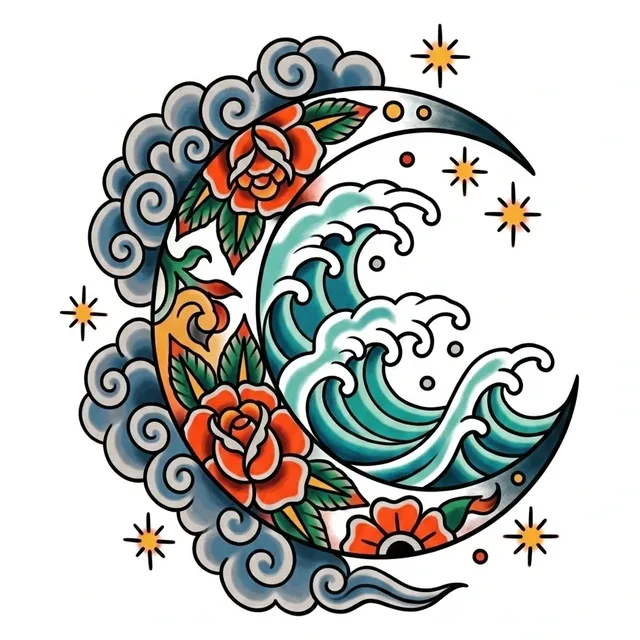
Color traditional cloud and moon tattoo design Try it on — Color traditional cloud and moon tattoo design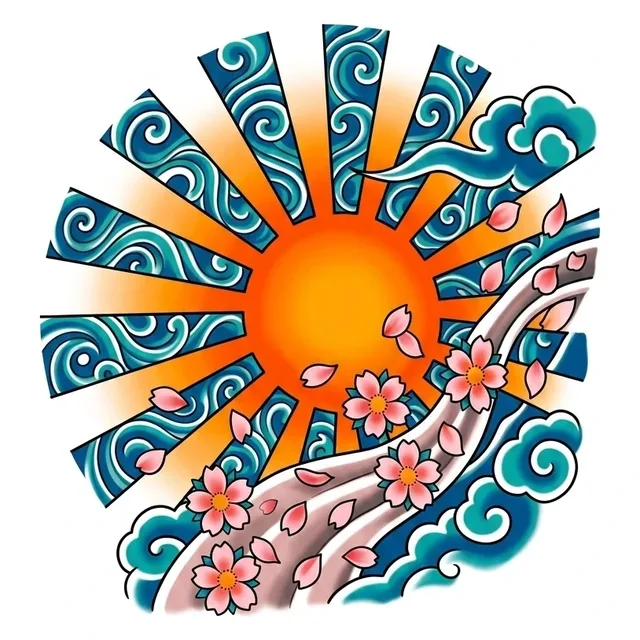
Color Japanese cloud and sun tattoo design Try it on — Color Japanese cloud and sun tattoo design


Tap any design to see it on your own skin in the try-on — no signup.
This set of 27 cloud designs, by the numbers
- Styles represented
- dotwork (3), japanese asian (3), blackwork (3), traditional (3), illustrative (3), neo traditional (3)
- Black-and-grey vs colour
- 56% black-and-grey, 44% colour
- Most often drawn with
- moon, star, lightning, sun
Counted from the 27 designs shown on this page. Every one was drawn for InkCraft — none are scraped or reposted. Free to reference with a link to this page.
What a cloud tattoo means
The cloud is the standard image for impermanence, and it earns it more honestly than most. It has no fixed shape, no boundary you could point to, and it is gone within the hour — which is why it appears in Buddhist and Daoist imagery as the thing that demonstrates transience rather than merely symbolising it.
In Chinese use the reading is almost the opposite and considerably older. Auspicious clouds carry immortals, mark the presence of the divine and stand for good fortune, and the stylised ruyi cloud is a blessing rather than a memento mori. The same shape means luck in one tradition and dissolution in another.
In Japanese tattooing the cloud is structural rather than symbolic. Clouds and wind bars are the framing devices that separate one subject from another across a large piece and give the whole composition its direction; a dragon means something different depending on which way the clouds are moving around it.
The storm cloud is the one version with a clear modern reading, and it is usually personal. A dark cloud with rain falling in straight parallel strokes is worn as a marker of depression, of a period endured, or of something still going on — and it is one of the few images on this page people are typically quite precise about.
Where the design comes from
Clouds are among the oldest structural elements in Japanese tattooing, inherited directly from woodblock printing, where a bank of stylised finger-curls was the standard device for separating planes in a crowded scene. That grammar is why Japanese tattoo clouds have a fixed vocabulary — tight scrolling curls stacked in tiers — while western clouds have none and default to an outlined puff. Chinese ruyi cloud motifs are older still and run through textiles, ceramics and architecture for well over a thousand years. The western cloud tattoo as a subject in its own right is recent, and mostly arrived with the fine-line and single-needle wave of the 2010s.
Choosing yours
- Give the cloud something hard next to it. Rain as straight parallel strokes, a lightning fork, a sun cut into straight wedges — a soft mass needs a rigid element to register against or it has no scale and no weight.
- Decide whether the cloud is the subject or the setting. As a background element in a Japanese piece it should be designed with everything else from the start, not added afterwards to fill space, which is how most of them end up there.
- Stipple is what makes an edge stop existing. If you want the underside to dissolve rather than to end, that is a dotwork problem, and it is worth asking for specifically because a line artist will give you an outline by default.
Size, cost and placement
How big, and what it costs
A small cloud with rain is a shop-minimum piece under an hour. A stippled cumulus with a dissolving underside is slow work — dotwork is priced by time and a soft gradient takes far longer than it looks, often two to three hours at 10 cm. Japanese cloud banks are usually part of a larger piece and priced with it.
Where it sits, and how much it hurts
Clouds are among the most placement-tolerant subjects because they have no correct orientation and no symmetry to break. They suit the inner forearm, the ribs, the shoulder and the ankle equally. As background in a larger Japanese piece they follow the limb, which is the entire reason they exist in that tradition.
What to ask your artist
- Whether the edge should be a line or a dissolve, since those are two different techniques and the default will be a line.
- If it is a Japanese piece, to design the clouds with the subject rather than adding them once the main figure is placed.
- For a stippled cloud, to show you one that has healed, because dotwork gradients settle differently from how they look on the day.
Prices vary widely by city and artist — treat these as session lengths rather than quotes, and expect a shop minimum on anything small. The cost guide turns hours into money by size, placement and style.
Common questions
What does a storm cloud tattoo mean?
It is most often worn as a mark of a difficult period, either survived or ongoing, and people are usually quite specific about which. The rain and lightning are what carry it — a dark cloud on its own reads as weather rather than as anything personal.
Why do Japanese clouds look so different from western ones?
They come from woodblock printing, where clouds were a device for separating planes in a busy scene rather than an attempt to depict weather. That gives them a fixed grammar of scrolling finger-curls, which is why they read as designed rather than observed.
Can a cloud work as a small standalone tattoo?
Only if it has one clear idea. A plain outlined puff at 4 cm reads as a speech bubble or a sheep. A cloud with three rain strokes beneath it, or one broken contour, holds up because there is something to see besides the shape.
See it on your skin before you commit
InkCraft places any of these designs on a photo of you — scaled, wrapped and shaded to the placement you pick.