 InkCraft
Polynesian, Samoan and Māori-inspired tattoos
22 original polynesian tattoos designs drawn for InkCraftBy Uladzimir TumanauUpdated
Tattoo is a Polynesian word, and the traditions it came from are living ones with rules. Nothing on this page is a pe'a, a malu or a moko: these are shared public motifs, and the Māori-inspired pieces are kirituhi, made to be worn outside whakapapa.
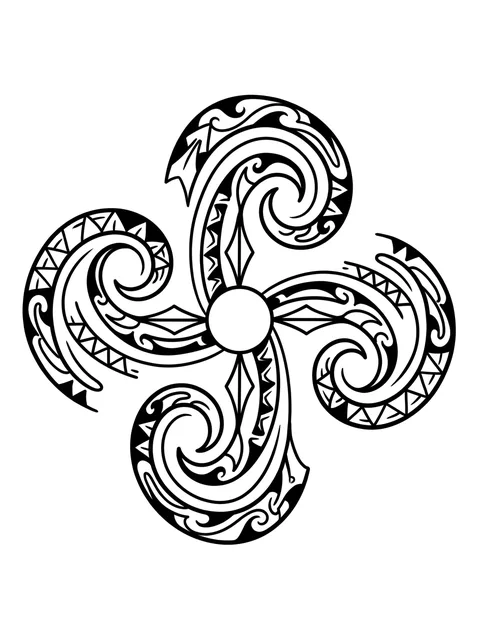
Black and grey polynesian abstract tattoo design Try it on — Black and grey polynesian abstract tattoo design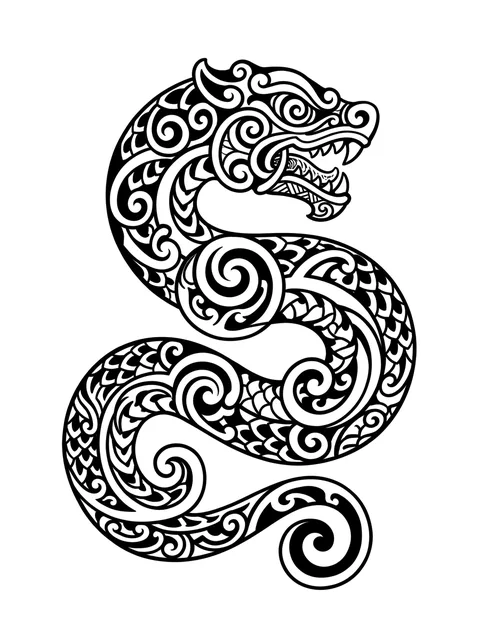
Black and grey polynesian dragon tattoo design Try it on — Black and grey polynesian dragon tattoo design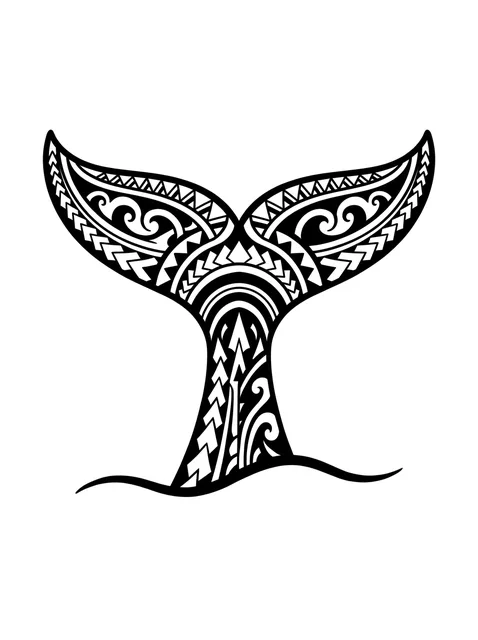
Black and grey polynesian whale tattoo design Try it on — Black and grey polynesian whale tattoo design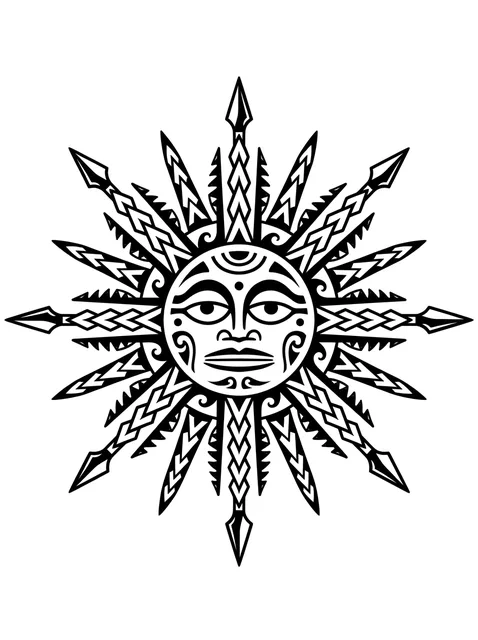
Black and grey polynesian sun tattoo design Try it on — Black and grey polynesian sun tattoo design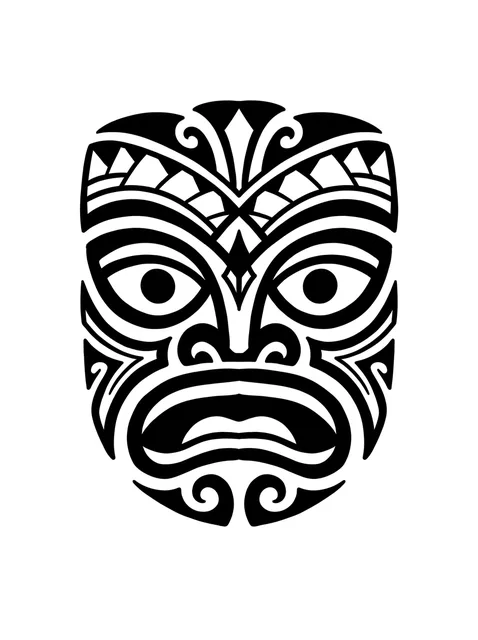
Black and grey polynesian abstract tattoo design Try it on — Black and grey polynesian abstract tattoo design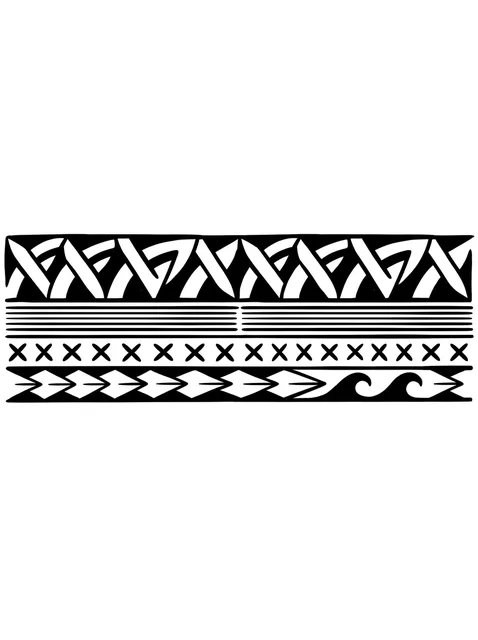
Black and grey polynesian abstract tattoo design Try it on — Black and grey polynesian abstract tattoo design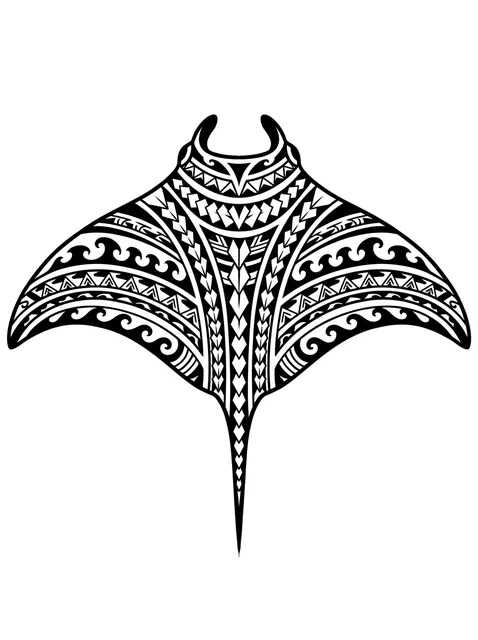
Black and grey polynesian fish tattoo design Try it on — Black and grey polynesian fish tattoo design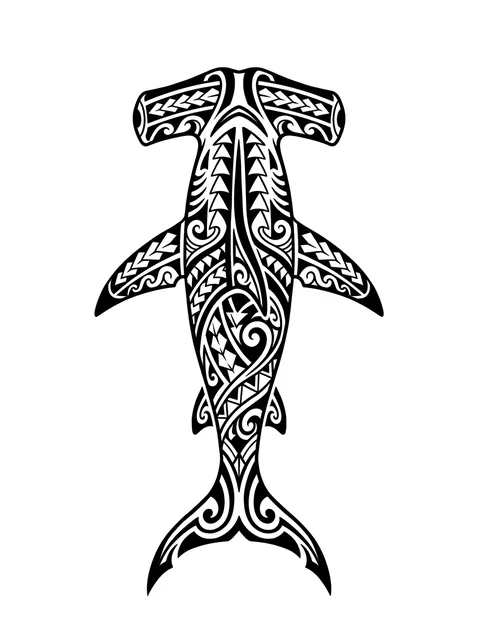
Black and grey polynesian shark tattoo design Try it on — Black and grey polynesian shark tattoo design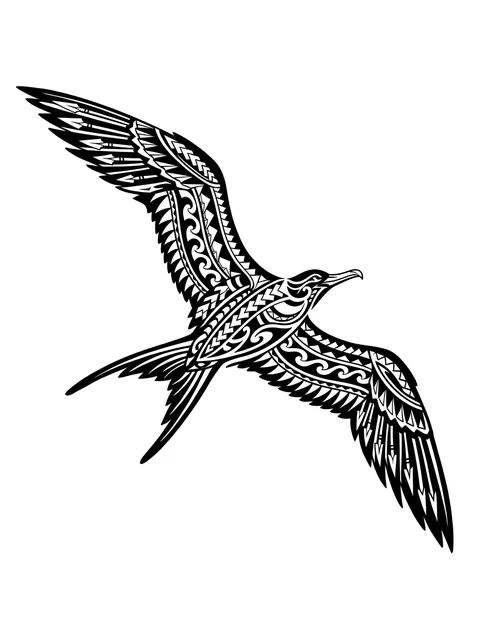
Black and grey polynesian bird tattoo design Try it on — Black and grey polynesian bird tattoo design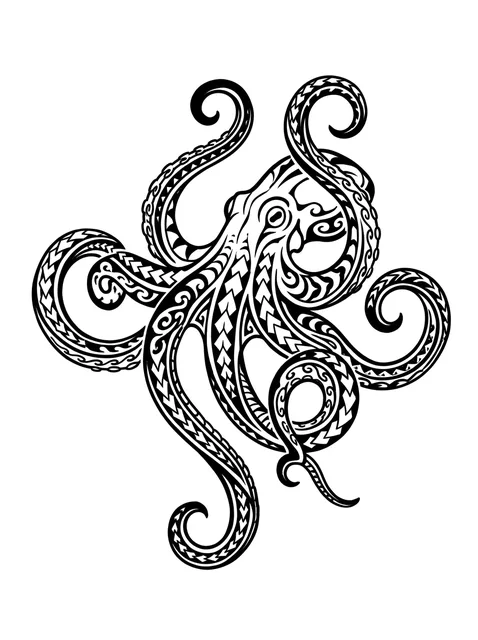
Black and grey polynesian octopus tattoo design: the tentacle tips curled into tight coils Try it on — Black and grey polynesian octopus tattoo design: the tentacle tips curled into tight coils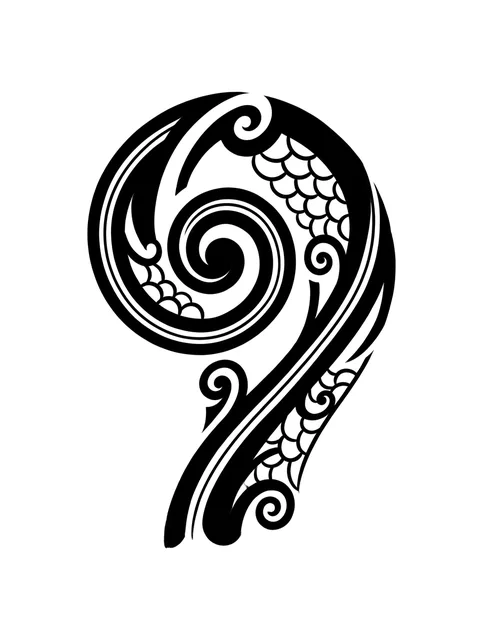
Black and grey polynesian fern tattoo design Try it on — Black and grey polynesian fern tattoo design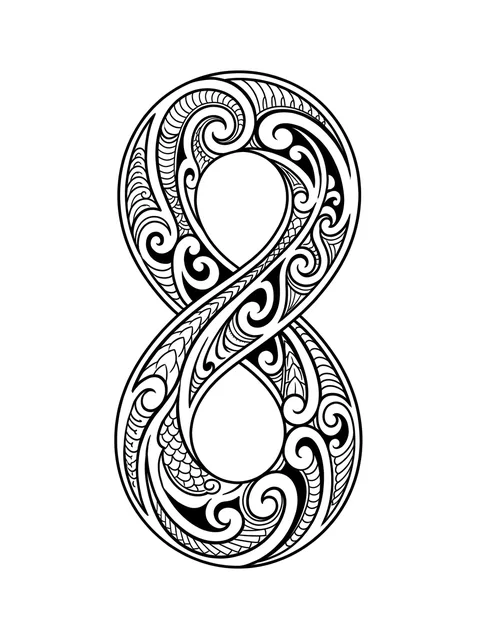
Black and grey polynesian infinity tattoo design Try it on — Black and grey polynesian infinity tattoo design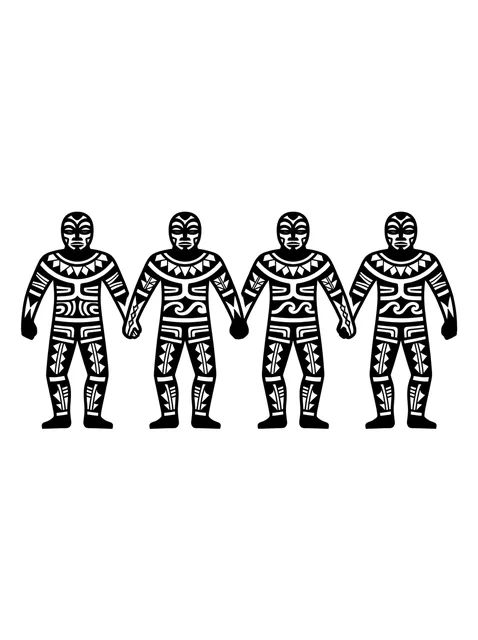
Black and grey polynesian abstract tattoo design Try it on — Black and grey polynesian abstract tattoo design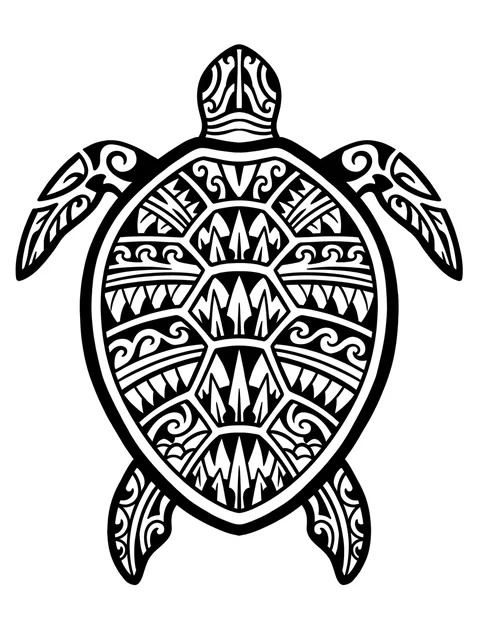
Black and grey polynesian turtle tattoo design Try it on — Black and grey polynesian turtle tattoo design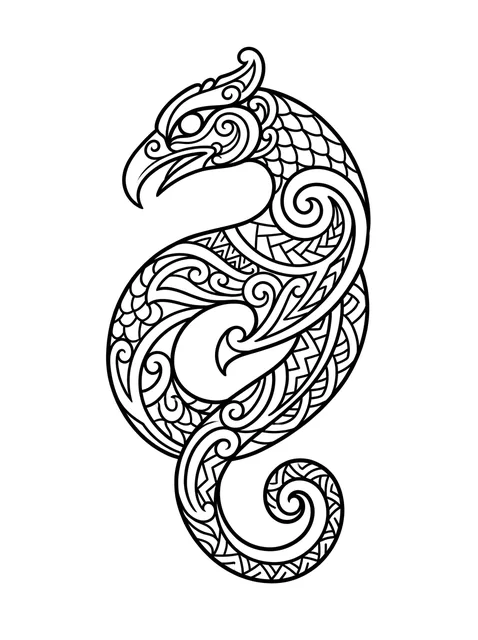
Black and grey polynesian bird tattoo design Try it on — Black and grey polynesian bird tattoo design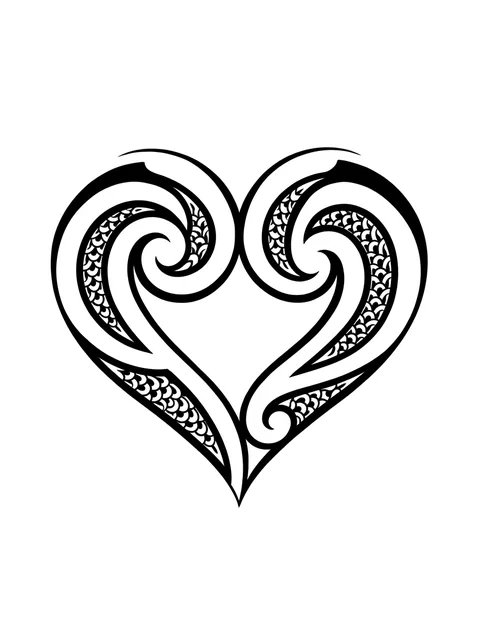
Black and grey polynesian heart tattoo design Try it on — Black and grey polynesian heart tattoo design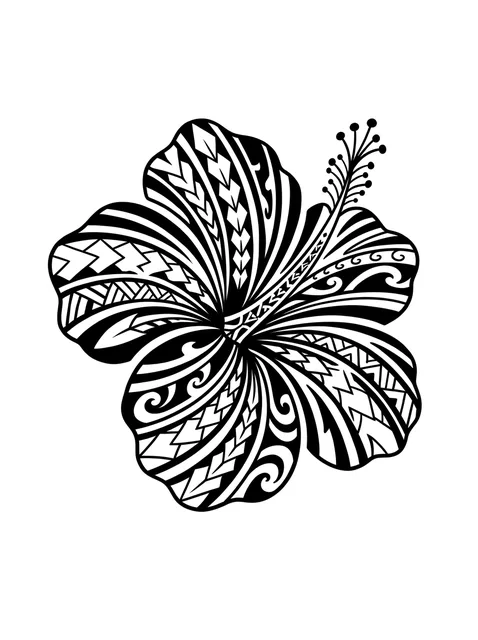
Black and grey polynesian flower tattoo design Try it on — Black and grey polynesian flower tattoo design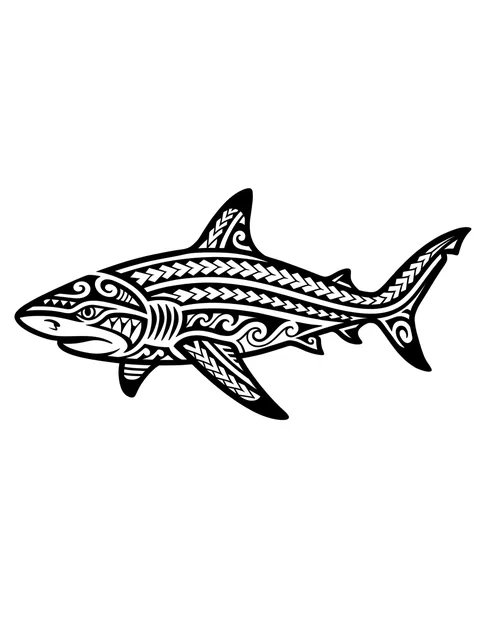
Black and grey polynesian shark tattoo design Try it on — Black and grey polynesian shark tattoo design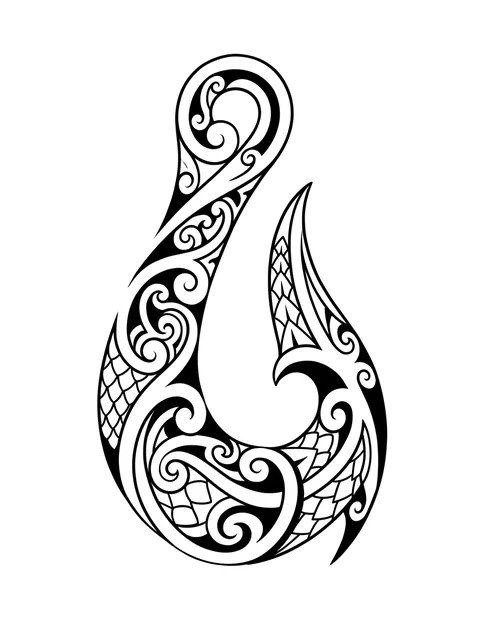
Black and grey polynesian abstract tattoo design Try it on — Black and grey polynesian abstract tattoo design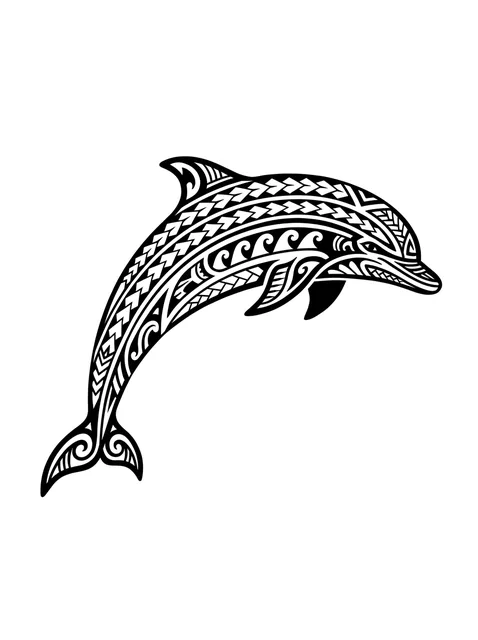
Black and grey polynesian whale tattoo design: a solid black lower flipper and a patterned tail Try it on — Black and grey polynesian whale tattoo design: a solid black lower flipper and a patterned tail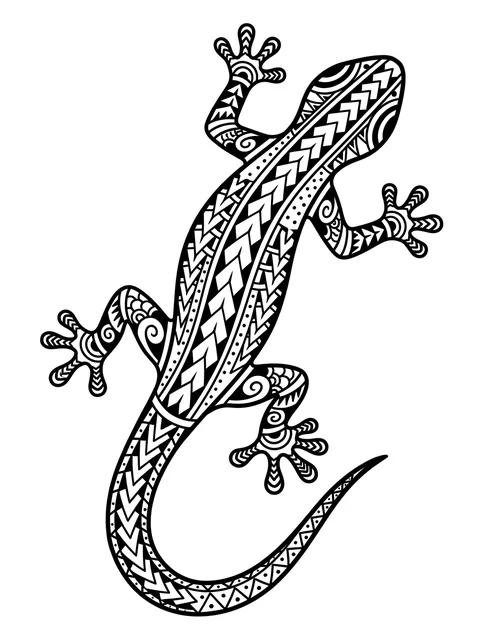
Black and grey polynesian lizard tattoo design Try it on — Black and grey polynesian lizard tattoo design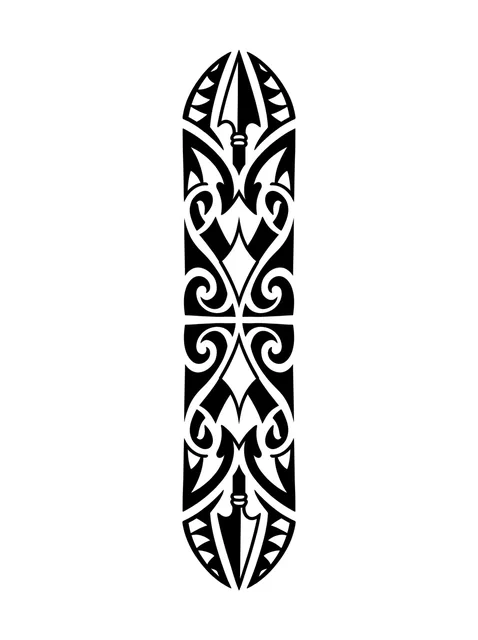
Black and grey polynesian abstract tattoo design Try it on — Black and grey polynesian abstract tattoo design


22 designs drawn for InkCraft in this style. Tap any one to place it on a photo of your own skin.
These 22 designs, in numbers
- Black and grey
- 22
- Colour
- 0
- Subjects covered
- 14
Three living traditions behind one label
Tattoo entered English from the Pacific. Cook's account of Tahiti in 1769 spells the word tattow, after the Polynesian tatau, and the practice ran from Hawaiʻi to Aotearoa with a different grammar on almost every island group. Three of them supply most of what studios call Polynesian, and they are not interchangeable.
Samoan tatau never stopped, through missionary pressure and colonial rule alike. The pe'a, worn by men, is dense black from the waist to the knees and is named after the flying fox; the malu, worn by women, is finer, open work across the thighs, named for the motif placed behind the knee. Both are tapped in over several sittings with bone combs and a mallet by a tufuga ta tatau, a master whose right to the work passes through families. A pe'a abandoned unfinished, a pe'a mutu, is a lasting shame.
Marquesan work was among the most extensive anywhere, covering whole bodies including the face, and it came close to disappearing under French rule. Its revival from the 1980s leaned on the drawings the German ethnologist Karl von den Steinen made on the islands in the 1890s, which is partly why the enata figures and the Marquesan cross travel so easily: they were recorded in books.
Māori tā moko was cut rather than punctured. The uhi, a small chisel, carved grooves into the skin, and the face was the principal site. A moko records the wearer's whakapapa, their descent and standing, and is designed for that one person; it cannot move to someone else.
What the designs here borrow, and from where
For people outside those lines, Māori artists offer kirituhi, written skin: work in the visual language of moko that carries no one's whakapapa and does not go on the face. It is the respectful route for a non-Māori who loves the form, and the six Māori-inspired pieces here, the koru, the koru heart, the pikorua, the hei matau, the manaia and the taniwha, are drawn as kirituhi from carving motifs long worn as bone and pounamu pendants.
Each carries a reading. The koru is the unfurling fern frond, new growth; the hei matau recalls the hook with which Māui hauled up the North Island; the pikorua is two paths that cross, part and meet again; the manaia is a guardian messenger; the taniwha guards water and can drown as readily as it protects.
The Polynesian pieces use the public vocabulary shared across island groups: the honu, the shark and its teeth, the manta, the gecko, the frigate bird that navigators watched for because it roosts on land, the enata and the tiki face. None copies anyone's pe'a or malu, and the Samoan-style band follows the stacked-row structure of tatau without reproducing a particular one. The one-word glossaries studios hand out, spearheads for courage and shark teeth for protection, are a modern convenience; in the traditions a motif's weight also depends on where it sits and who wears it.
Solid black, drawn to the muscle
Everything in this set is black, because the traditions were: a single soot-based pigment, with tone made from how much skin was left bare. Thin parallel lines, rows of small triangles and solid fields sit side by side, and the thin lines age first. Set closer than a couple of millimetres they merge into a grey band, so a creature filled with pattern wants 10 cm or more.
The work is composed in panels that follow the body rather than sit on it. A shoulder piece in this manner runs across the deltoid, the upper chest and the top of the arm as one design, with bands that break where the muscles do, and a leg piece wraps the whole calf. Artists in the tradition often draw freehand onto the skin. The single motifs here are starting points: a turtle or manta at 10 to 12 cm sits well alone on a shoulder blade or outer calf, and joins a panel only when an artist builds bands around it.
Solid black is the most durable thing in tattooing and among the hardest to remove, so treat placement as final. If what you want is the real thing, a malu, a pe'a or a moko, that is a relationship with a practitioner from the culture rather than a design from a grid; some will not do it for anyone outside, and others will after a long conversation. Try a motif on a photo to settle size first.
What an hour of this work costs, and how many hours polynesian tattoos takes at each size, is in the cost guide. How it behaves later — under a laser, and as the thing doing the covering — is in the removal and cover-up guide.
Common questions
- Can someone who is not Polynesian get a Polynesian tattoo?
- The shared motifs, turtles, sharks, spearheads and enata figures, are worn widely and asked for by name. Traditional pieces are different: a pe'a or malu is taken through a tufuga, some of whom decline anyone outside the culture. Tā moko belongs only to those whose whakapapa it records.
- What is the difference between tā moko and kirituhi?
- Tā moko records a Māori person's genealogy and standing and is designed for that one person. Kirituhi, written skin, uses the same visual language without carrying anyone's whakapapa, and exists so that people outside it can wear Māori-inspired work respectfully. The Māori-inspired designs on this page are kirituhi.
- What is a Samoan pe'a?
- The traditional men's tatau: dense black from the waist to the knees, tapped in with bone combs by a tufuga ta tatau over several sittings, and named after the flying fox. The women's malu is lighter, open work on the thighs, with its namesake motif behind the knee.
- Where does the word tattoo come from?
- From the Polynesian tatau. Cook's crew heard it on Tahiti in 1769 and he wrote it down as tattow; the English word dates from that voyage.
- How big should a Polynesian design be?
- Larger than the motif count suggests. Rows of small triangles and thin parallel lines need a couple of millimetres of skin between marks to stay separate, so any creature packed with pattern needs at least 10 cm, and a shoulder or calf panel is a project of several sessions.
See this style on your own skin
InkCraft places a design on a photo of you — scaled, wrapped and shaded to the spot you pick, so you can judge how the style reads on your body before it is permanent.