 InkCraft
Tribal tattoo designs that follow the body
48 original tribal tattoos designs drawn for InkCraftBy Uladzimir TumanauUpdated
No shading, no colour, no interior. A tribal piece is a black shape, and everything that makes it good or bad happens at its edge.
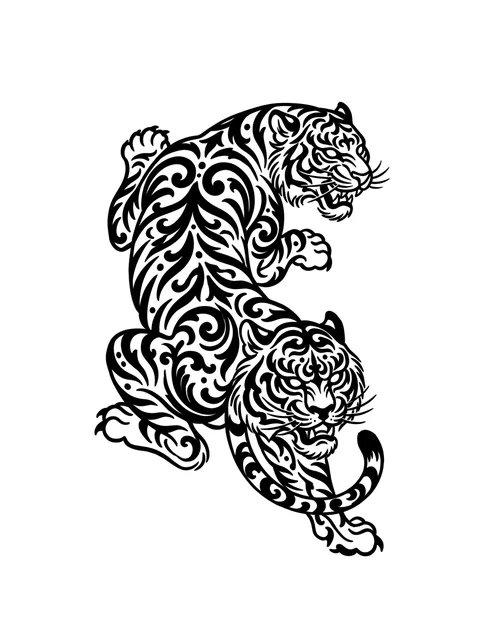
Black and white tribal tiger tattoo design Try it on — Black and white tribal tiger tattoo design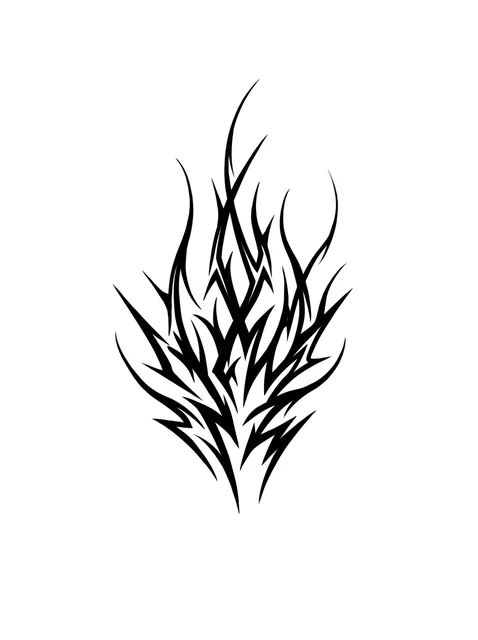
Black and white tribal abstract tattoo design Try it on — Black and white tribal abstract tattoo design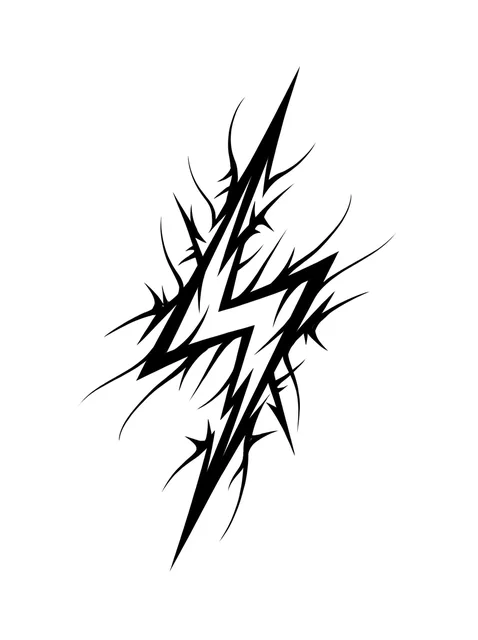
Black and white tribal lightning tattoo design Try it on — Black and white tribal lightning tattoo design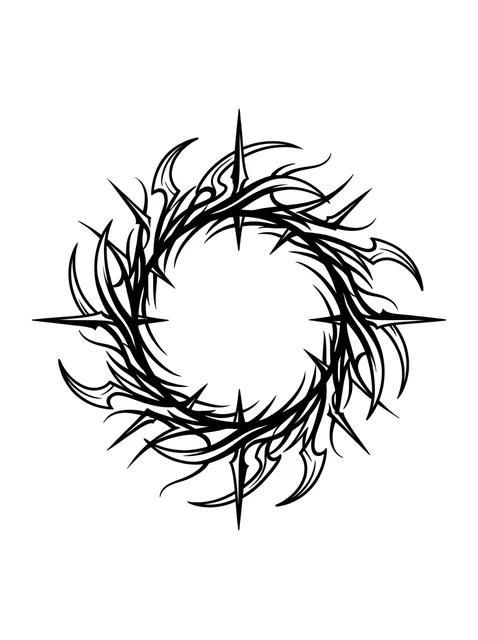
Black and white tribal crown tattoo design Try it on — Black and white tribal crown tattoo design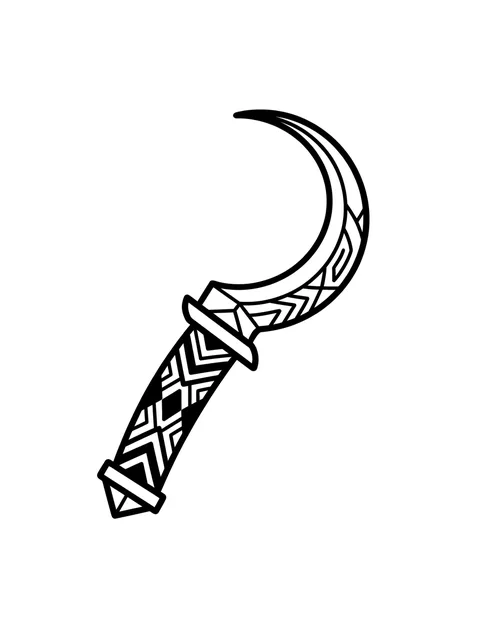
Black and white tribal dagger tattoo design Try it on — Black and white tribal dagger tattoo design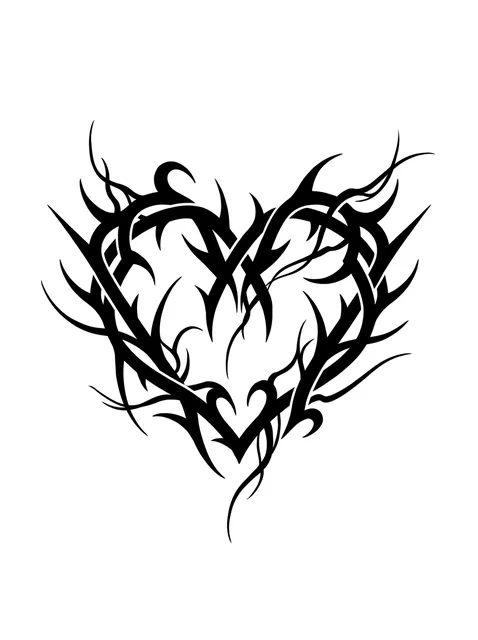
Black and white tribal heart tattoo design Try it on — Black and white tribal heart tattoo design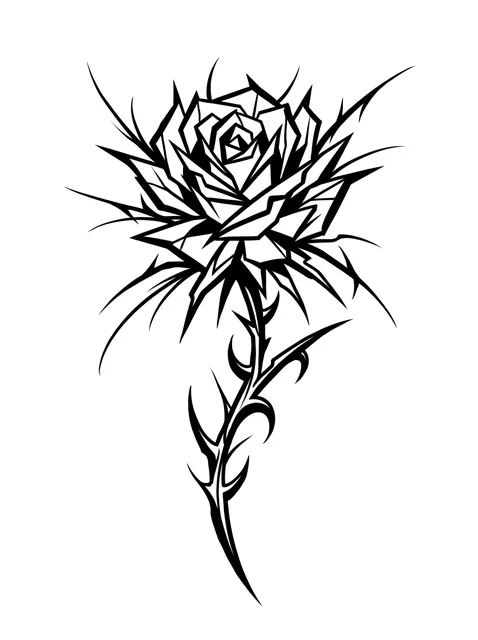
Black and white tribal rose and leaf tattoo design Try it on — Black and white tribal rose and leaf tattoo design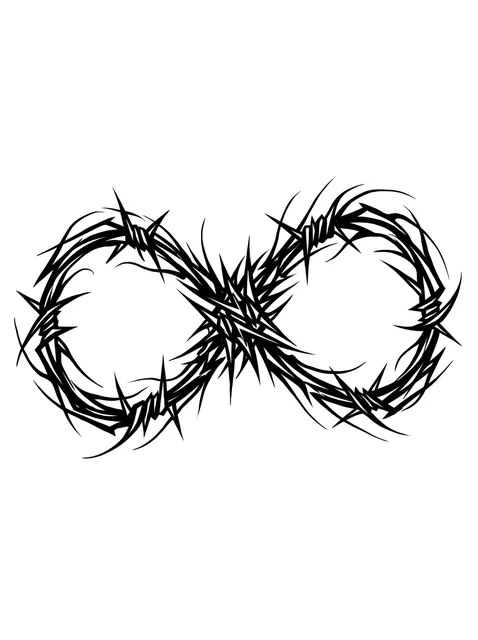
Black and white tribal infinity tattoo design Try it on — Black and white tribal infinity tattoo design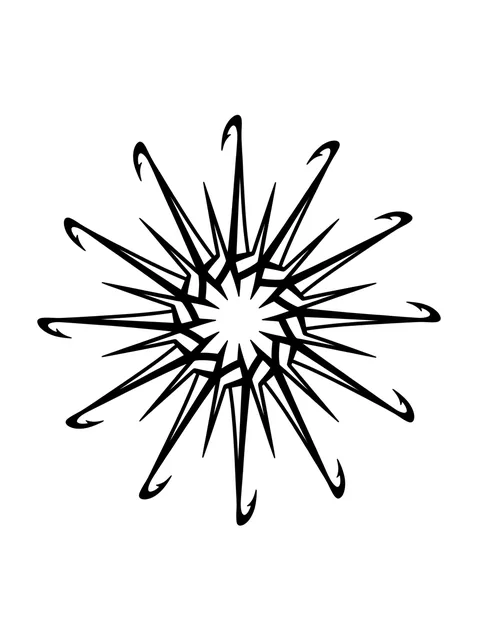
Black and white tribal abstract tattoo design: a star-like abstract pattern Try it on — Black and white tribal abstract tattoo design: a star-like abstract pattern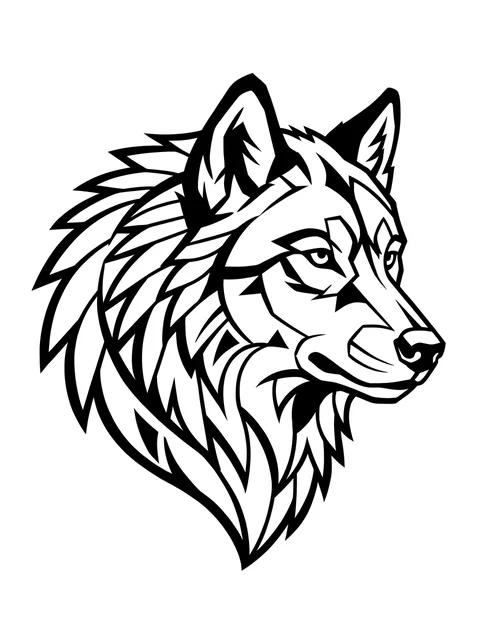
Black and white tribal wolf tattoo design Try it on — Black and white tribal wolf tattoo design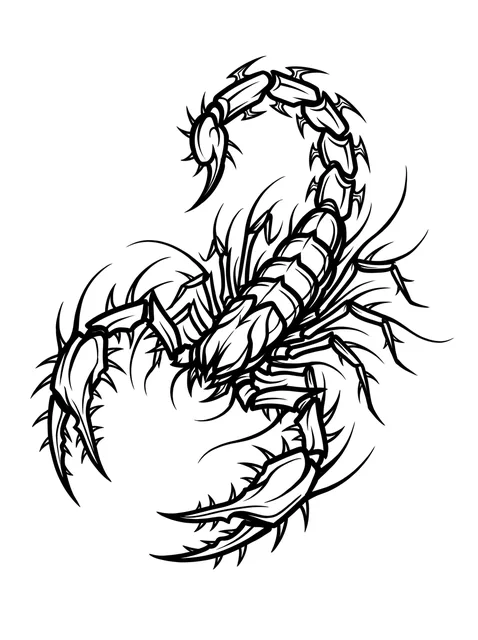
Black and white tribal scorpion tattoo design Try it on — Black and white tribal scorpion tattoo design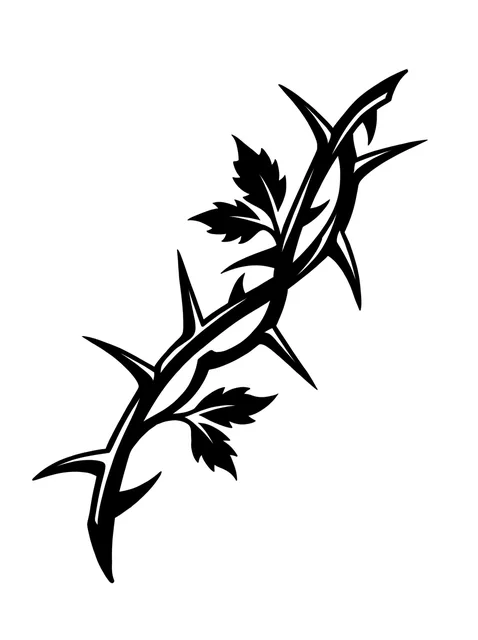
Black and white tribal vine and leaf tattoo design: a thorny vine with small leaves Try it on — Black and white tribal vine and leaf tattoo design: a thorny vine with small leaves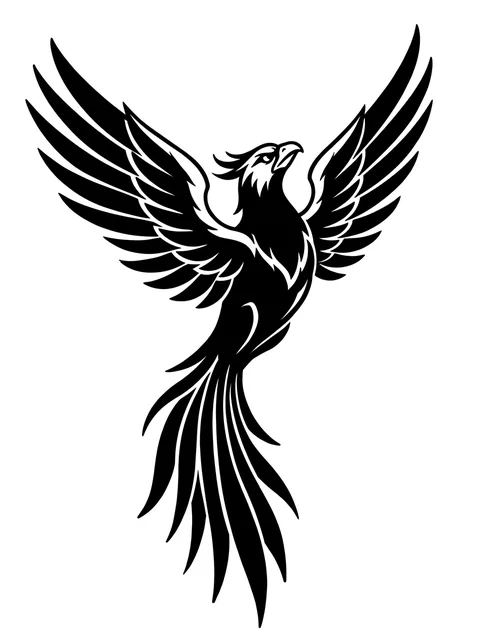
Black and white tribal phoenix tattoo design Try it on — Black and white tribal phoenix tattoo design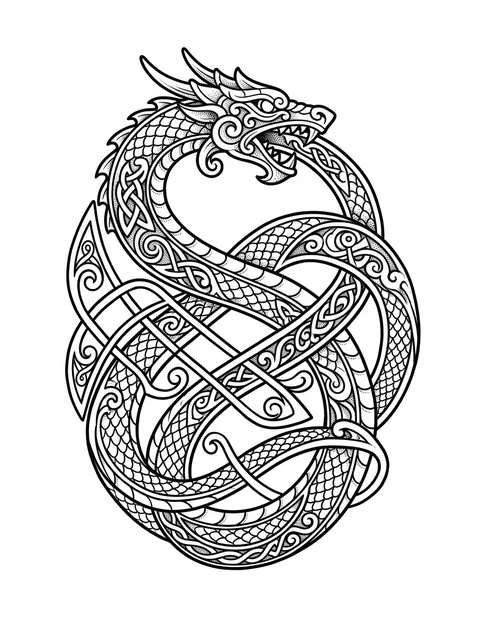
Black and white tribal dragon tattoo design: a Celtic knot dragon Try it on — Black and white tribal dragon tattoo design: a Celtic knot dragon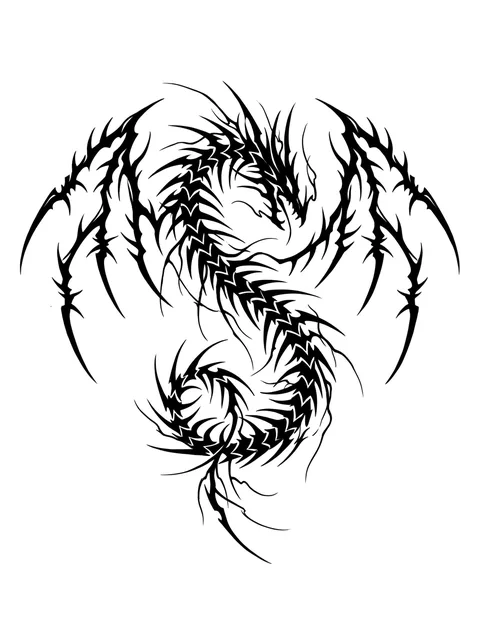
Black and white tribal dragon tattoo design Try it on — Black and white tribal dragon tattoo design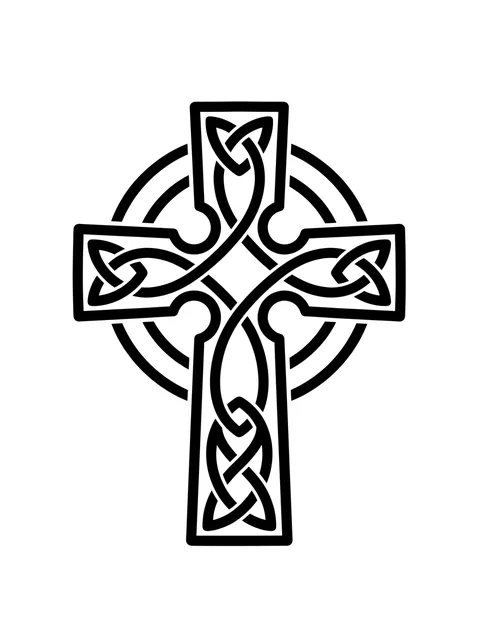
Black and white tribal cross tattoo design Try it on — Black and white tribal cross tattoo design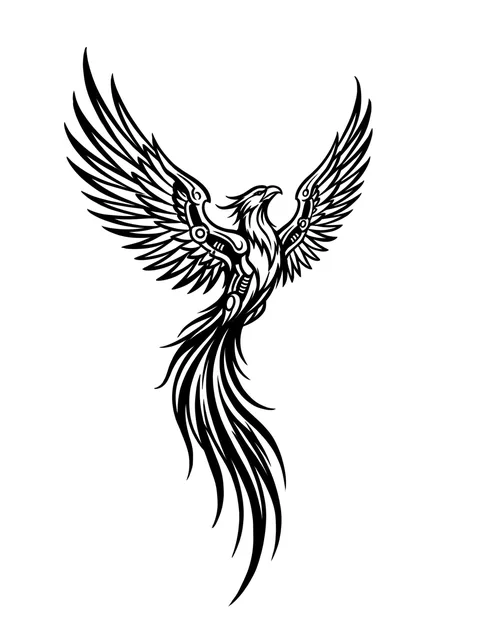
Black and white tribal phoenix tattoo design: its wings spread wide Try it on — Black and white tribal phoenix tattoo design: its wings spread wide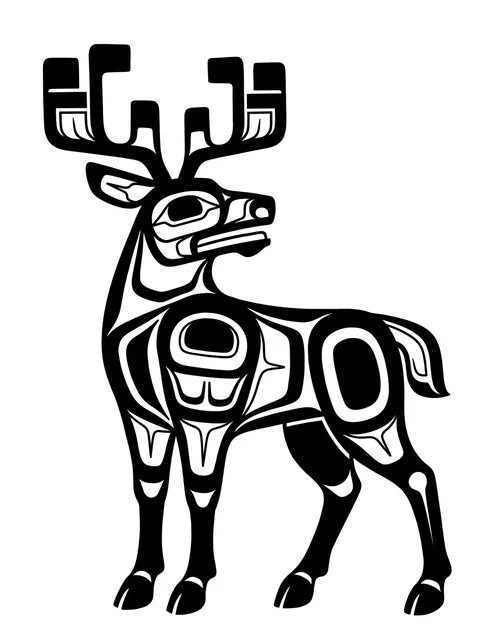
Black and white tribal deer tattoo design Try it on — Black and white tribal deer tattoo design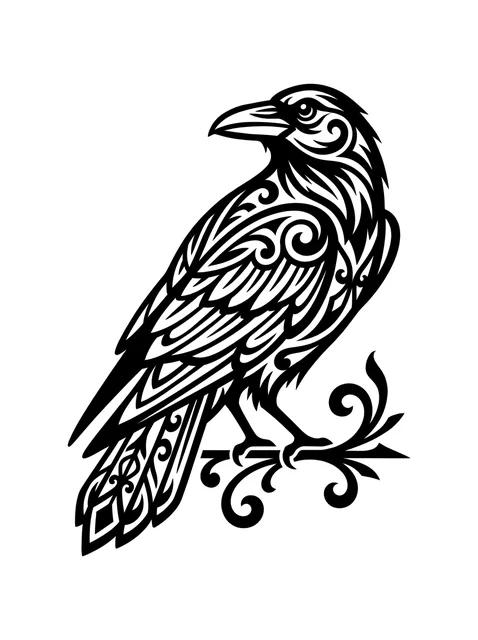
Black and white tribal raven tattoo design Try it on — Black and white tribal raven tattoo design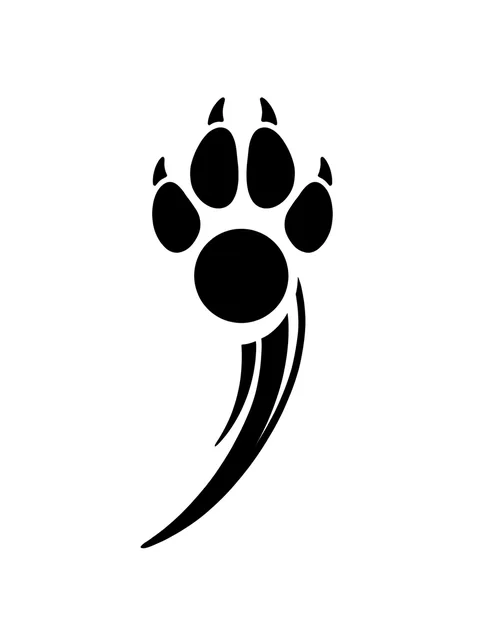
Black and white tribal paw tattoo design Try it on — Black and white tribal paw tattoo design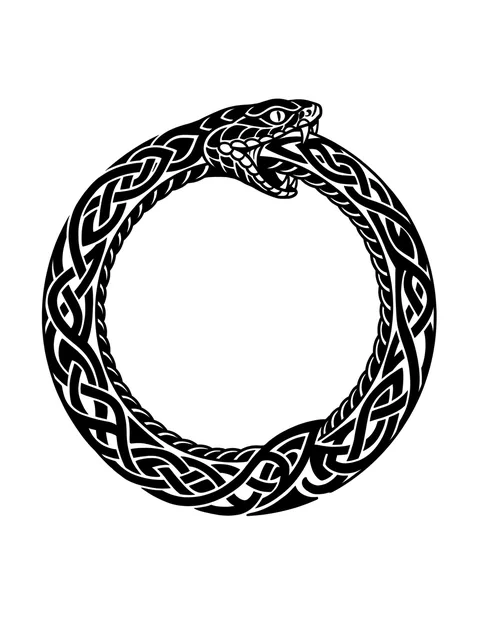
Black and white tribal viking and ouroboros tattoo design Try it on — Black and white tribal viking and ouroboros tattoo design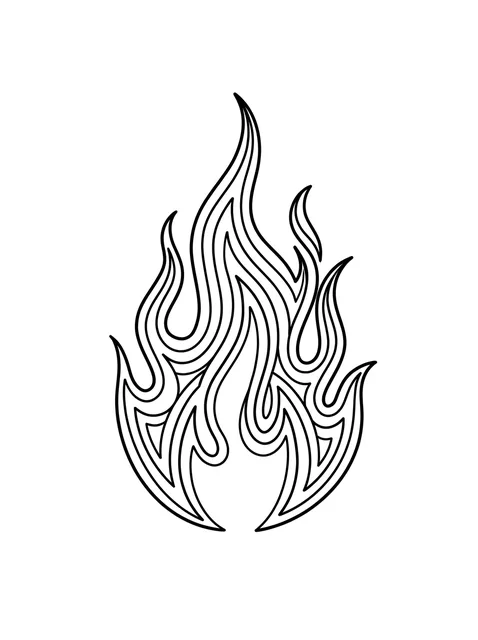
Black and white tribal fire tattoo design Try it on — Black and white tribal fire tattoo design
Black and white tribal abstract tattoo design Try it on — Black and white tribal abstract tattoo design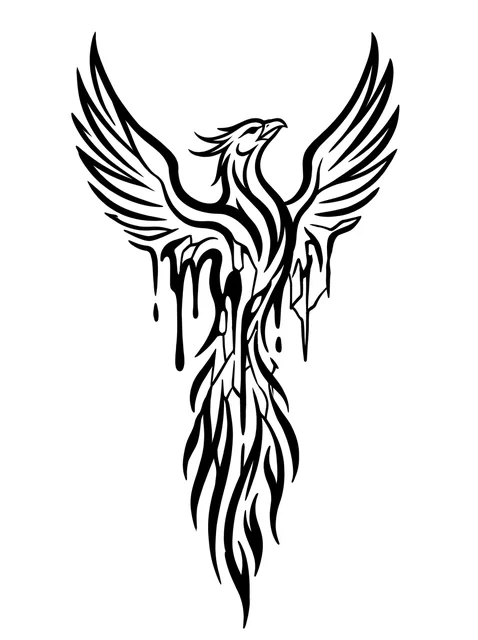
Black and white tribal phoenix tattoo design Try it on — Black and white tribal phoenix tattoo design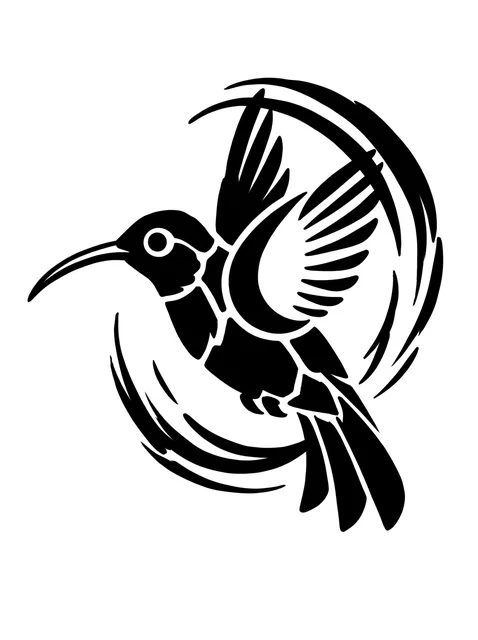
Black and white tribal hummingbird tattoo design Try it on — Black and white tribal hummingbird tattoo design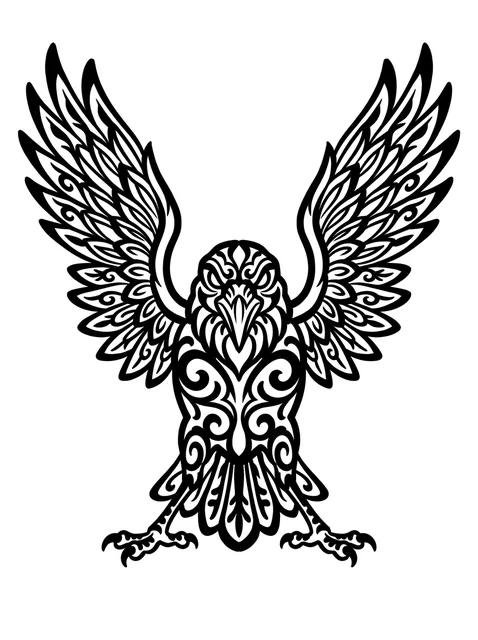
Black and white tribal eagle and bird tattoo design Try it on — Black and white tribal eagle and bird tattoo design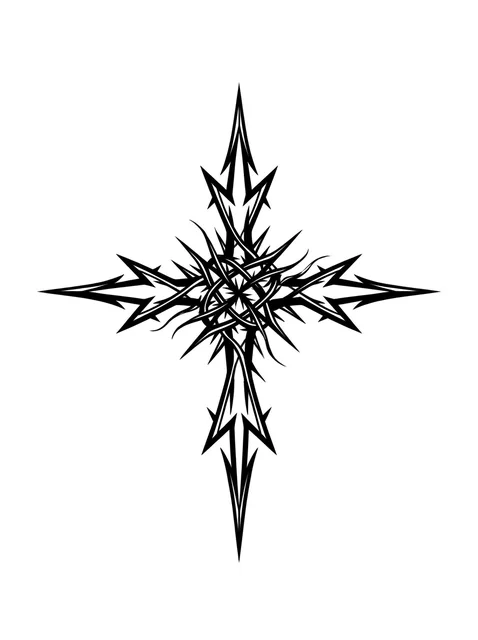
Black and white tribal cross and vine tattoo design Try it on — Black and white tribal cross and vine tattoo design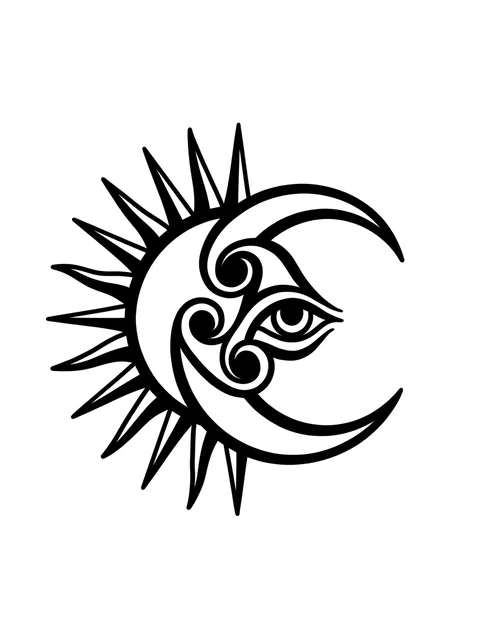
Black and white tribal moon and sun tattoo design Try it on — Black and white tribal moon and sun tattoo design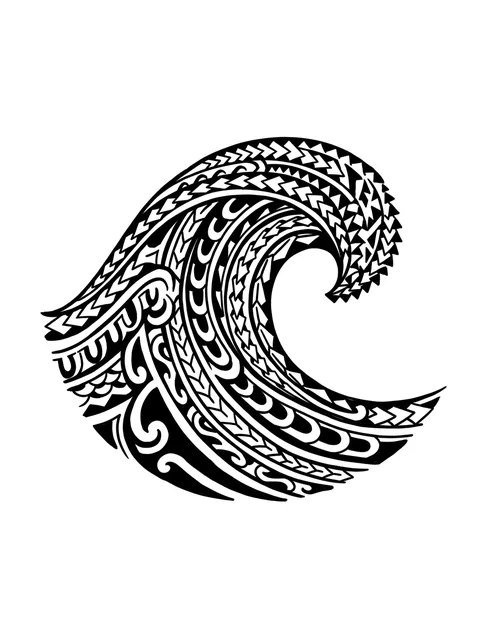
Black and white tribal wave tattoo design Try it on — Black and white tribal wave tattoo design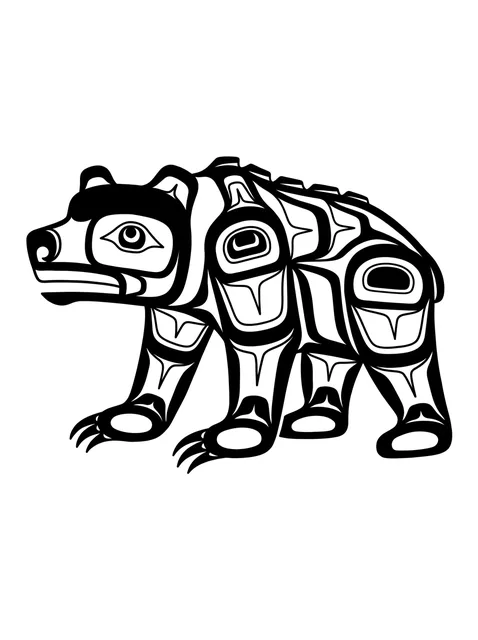
Black and white tribal bear tattoo design Try it on — Black and white tribal bear tattoo design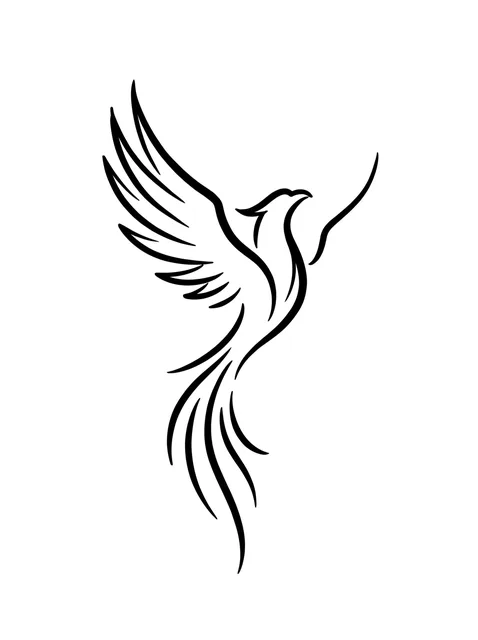
Black and white tribal phoenix tattoo design: a phoenix in flight Try it on — Black and white tribal phoenix tattoo design: a phoenix in flight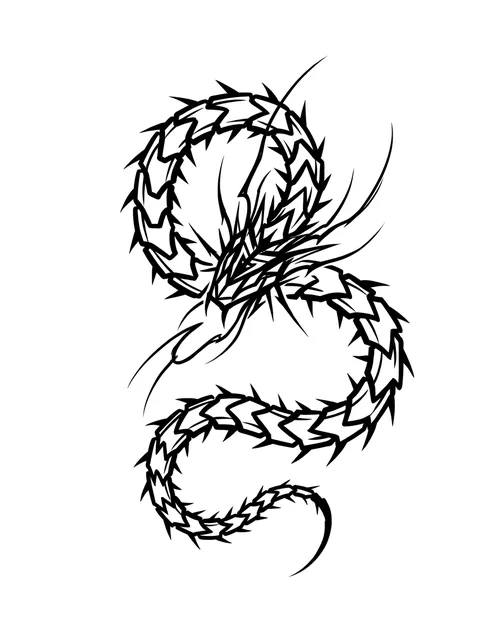
Black and white tribal dragon and snake tattoo design Try it on — Black and white tribal dragon and snake tattoo design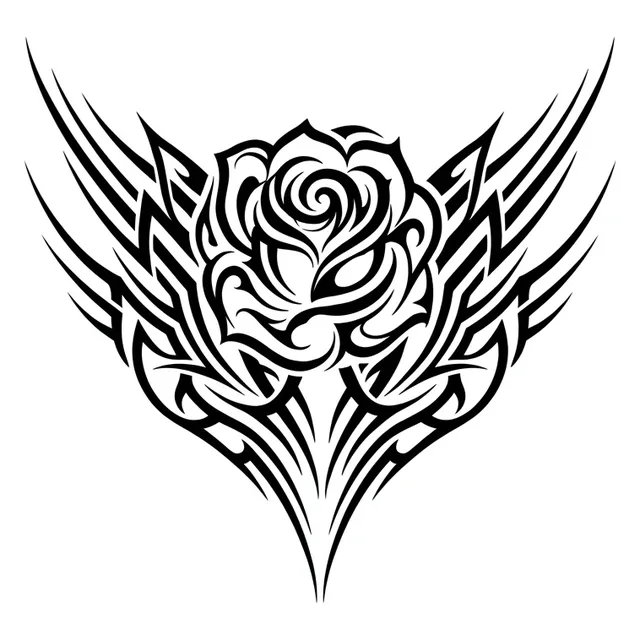
Black and white tribal rose tattoo design Try it on — Black and white tribal rose tattoo design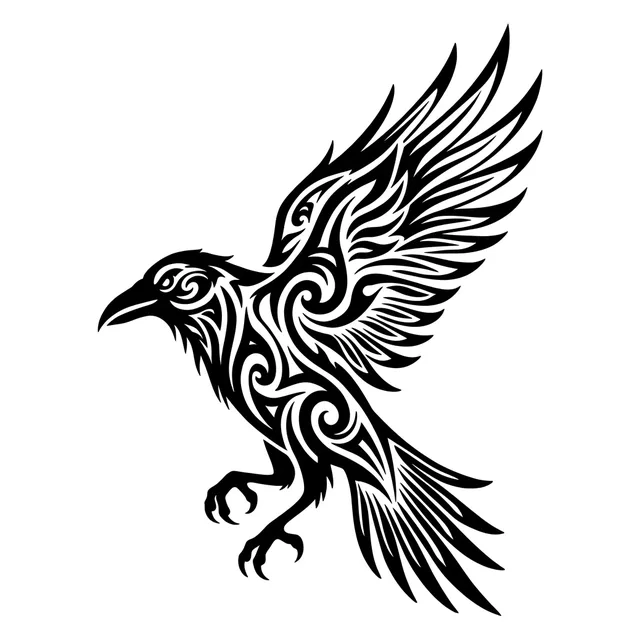
Black and white tribal raven and bird tattoo design Try it on — Black and white tribal raven and bird tattoo design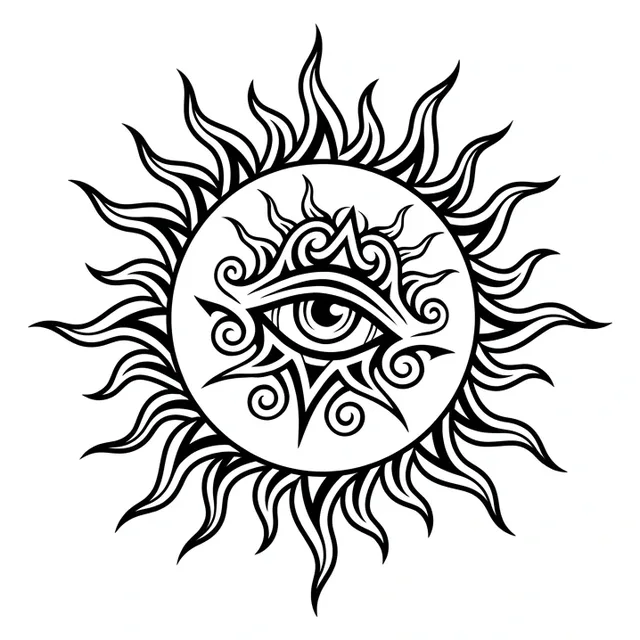
Black and white tribal sun and eye tattoo design Try it on — Black and white tribal sun and eye tattoo design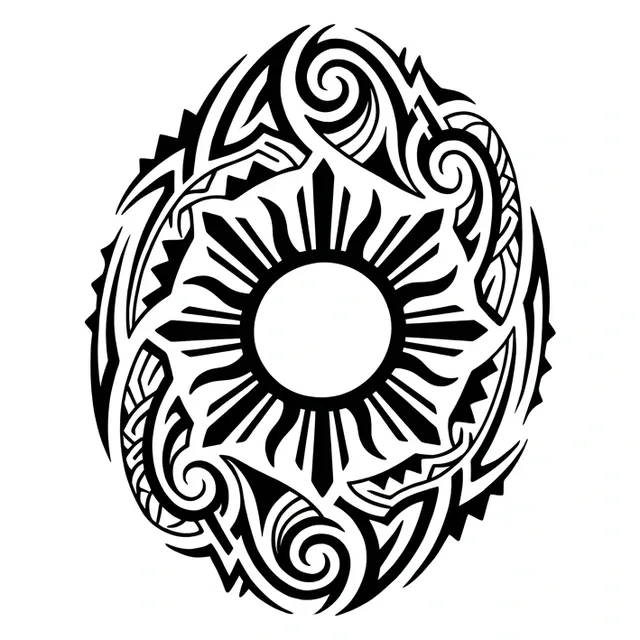
Black and white tribal sun tattoo design Try it on — Black and white tribal sun tattoo design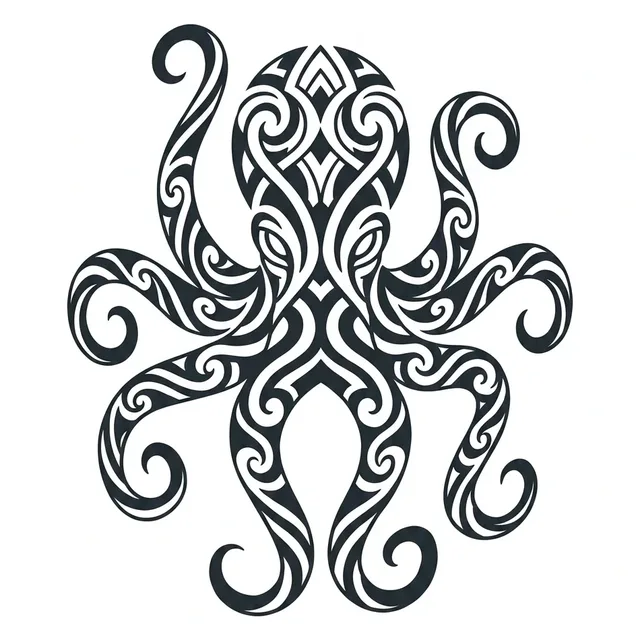
Black and white tribal octopus tattoo design Try it on — Black and white tribal octopus tattoo design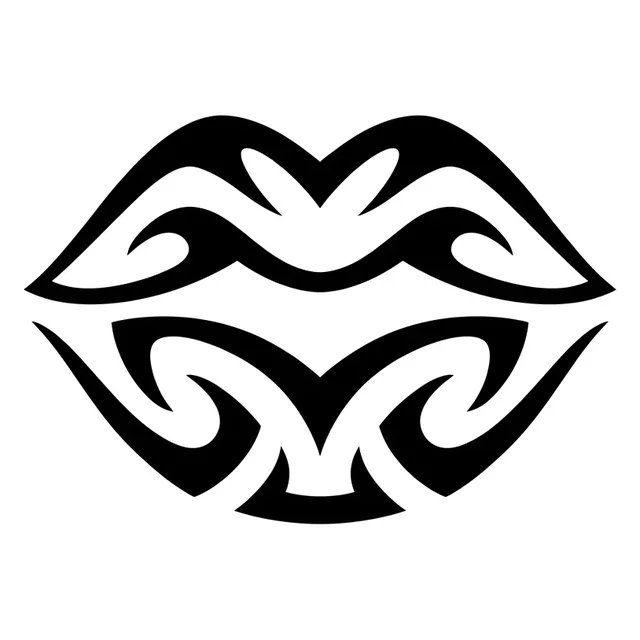
Black and white tribal abstract tattoo design Try it on — Black and white tribal abstract tattoo design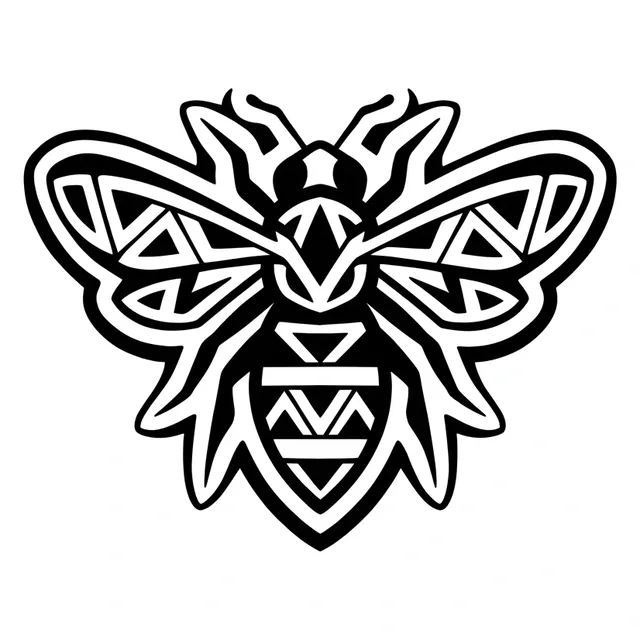
Black and white tribal bee tattoo design Try it on — Black and white tribal bee tattoo design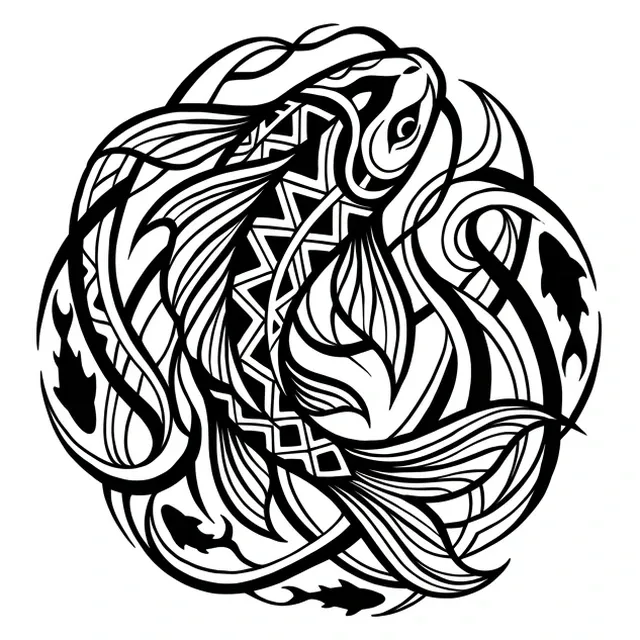
Black and white tribal fish and koi tattoo design Try it on — Black and white tribal fish and koi tattoo design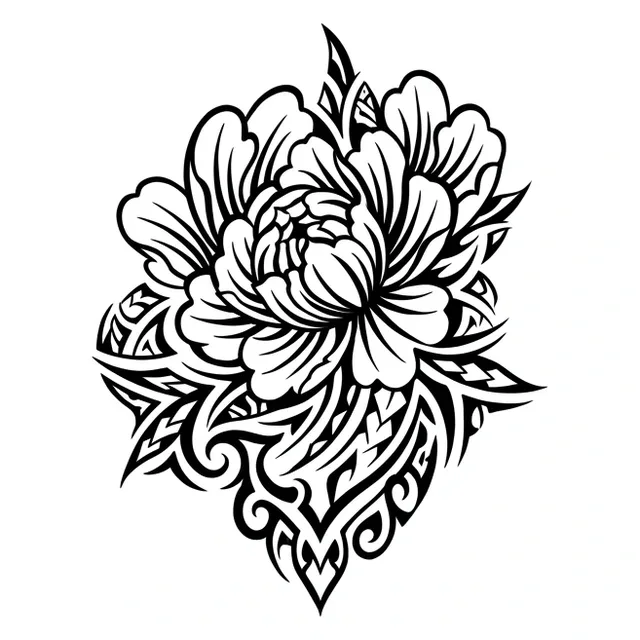
Black and white tribal peony and flower tattoo design Try it on — Black and white tribal peony and flower tattoo design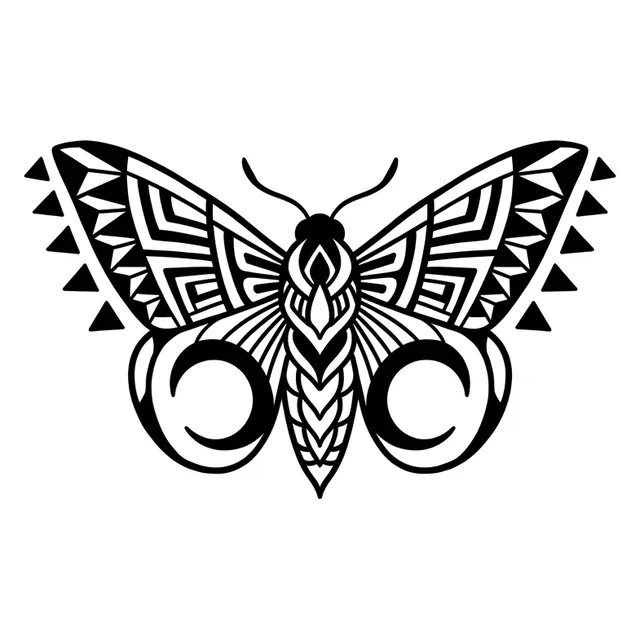
Black and grey tribal butterfly tattoo design Try it on — Black and grey tribal butterfly tattoo design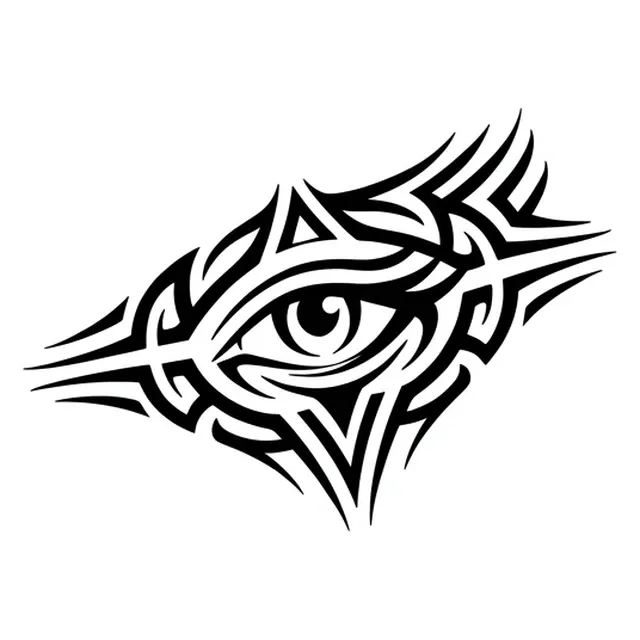
Black and white tribal eye tattoo design: a stylized eye at its center Try it on — Black and white tribal eye tattoo design: a stylized eye at its center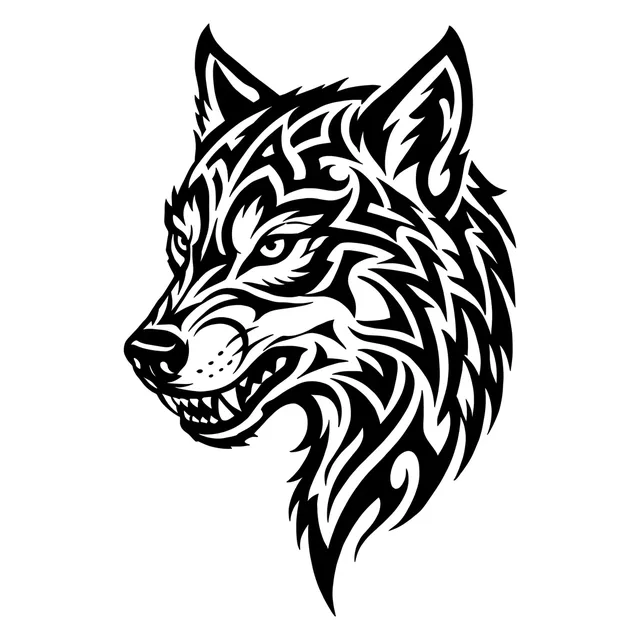
Black and white tribal wolf tattoo design: the head of a wolf in profile, snarling with bared teeth Try it on — Black and white tribal wolf tattoo design: the head of a wolf in profile, snarling with bared teeth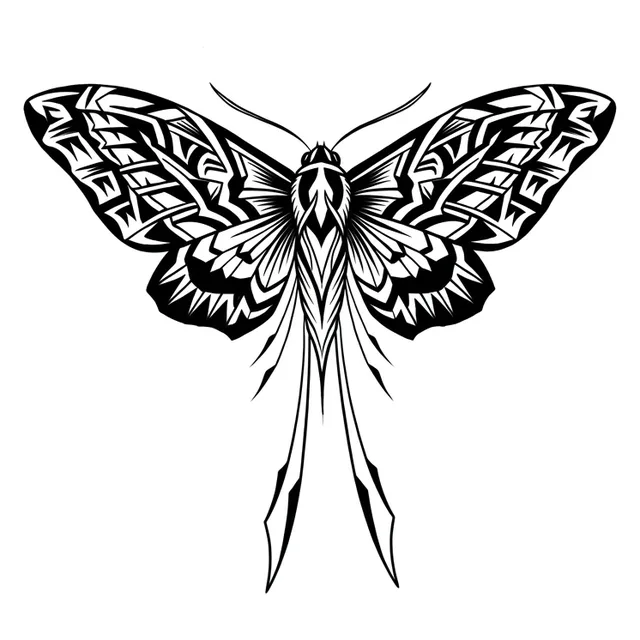
Black and white tribal moth tattoo design Try it on — Black and white tribal moth tattoo design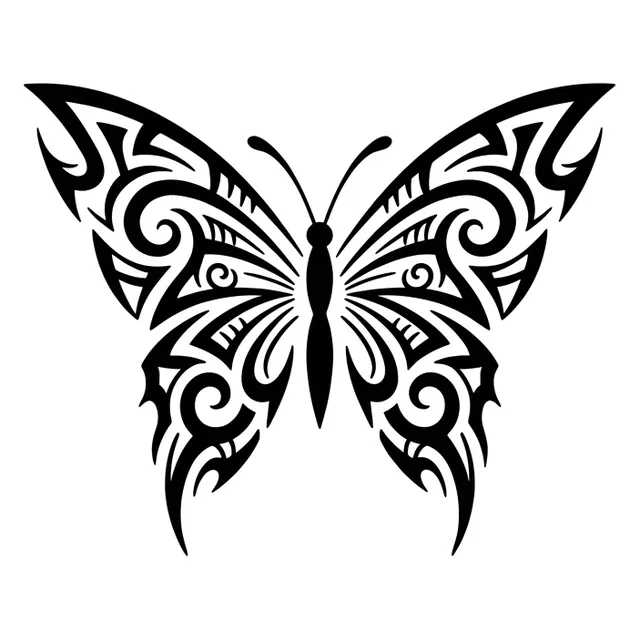
Black and white tribal butterfly tattoo design Try it on — Black and white tribal butterfly tattoo design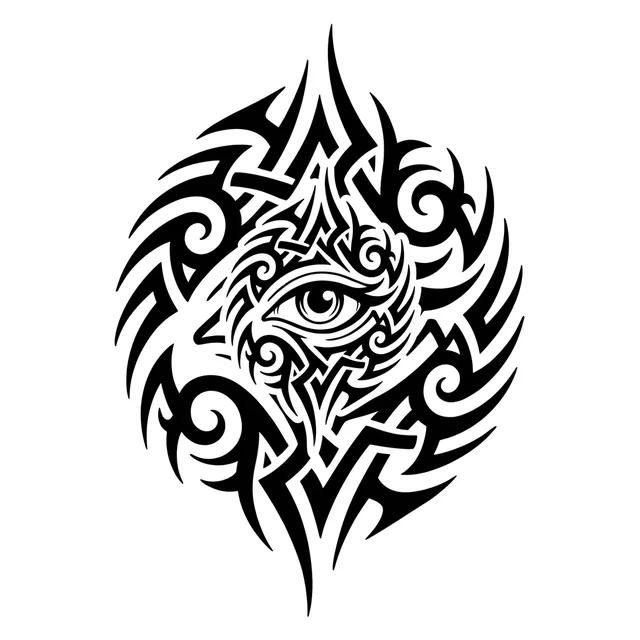
Black and white tribal eye tattoo design: a central eye motif Try it on — Black and white tribal eye tattoo design: a central eye motif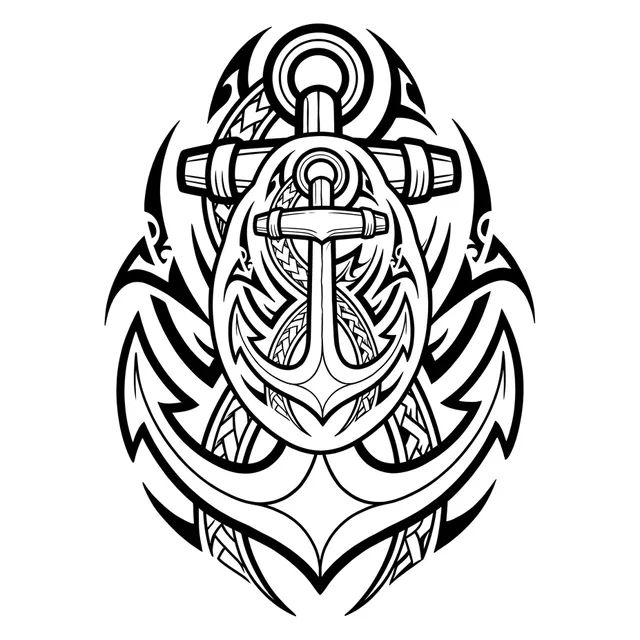
Black and white tribal anchor tattoo design: an anchor as the central element Try it on — Black and white tribal anchor tattoo design: an anchor as the central element


48 designs drawn for InkCraft in this style. Tap any one to place it on a photo of your own skin.
These 48 designs, in numbers
- Black and grey
- 48
- Colour
- 0
- Subjects covered
- 39
The silhouette is the entire drawing
Strip a tattoo of tone and you are left with one decision repeated a few hundred times: where the black stops. That is the whole craft here. A well-drawn tribal piece has edges that accelerate and slow — thick through a curve, tapering to a point that ends exactly where it should — and a poorly drawn one has edges of roughly constant width that end because the artist ran out of arm.
It is also why negative space matters more than in any other style. The skin left bare is not background, it is a shape in its own right, and in the older Pacific work it often carries as much of the design as the ink does. When a piece looks crowded it is almost always the gaps that were mismanaged, not the black.
This unforgiving quality is the reason tribal reads so well from across a room and so poorly in a photograph taken at arm's length. It was made to be seen on a moving body at conversational distance, which is not how most people choose one.
Two traditions wearing one name
The word covers two quite different things. There are the living Pacific traditions — Samoan, Marquesan, Māori and others — where the patterns are a language, carry lineage and status, and are placed according to rules that are not ours to improvise with. And there is the style that borrowed their visual grammar in the 1990s without the grammar itself: bold black shapes arranged for looks.
The second is what most studios mean by tribal, and there is nothing dishonest about wearing it as long as you know which one you are getting. If you want the first, that is a conversation with an artist from that tradition, not a design picked off a page — including ours.
The designs here are the second kind, drawn as abstract black shapes rather than as anyone's heritage marks. That is the honest description of them, and it is why they are named by shape and flow rather than borrowing terms that mean something specific to someone else.
It ages best and covers worst
Solid black at a decent scale is the most durable thing you can put in skin. There is no gradient to blur, no fine line to close up, and no colour to fade — a twenty-year-old tribal piece has softened at its edges and is otherwise the tattoo it always was. On that measure nothing else comes close.
The same property makes it nearly impossible to cover. A saturated black field cannot be tattooed over with anything except more black, so a cover-up usually means enlarging the shape rather than replacing it, or laser removal across several sessions before anything else can go there. Choose the shape as though it is permanent in a way most tattoos are not.
Healing takes more care than the simplicity suggests. Large solid areas are a lot of trauma over one sitting, they weep more, and patchy healing shows immediately against an even black. Expect at least one touch-up on a big piece, and expect your artist to plan it in rather than treat it as a failure. Seeing the shape on your own arm first is worth more here than anywhere — try it on a photo before the stencil goes anywhere near you.
What an hour of this work costs, and how many hours tribal tattoos takes at each size, is in the cost guide. How it behaves later — under a laser, and as the thing doing the covering — is in the removal and cover-up guide.
Common questions
- Is it disrespectful to get a tribal tattoo?
- It depends which kind. Genuine Polynesian, Māori and Marquesan marks encode lineage and status and are placed by rules — those are worth approaching through an artist from that tradition. The abstract black shapes most studios call tribal borrow the look without the meaning, and wearing those is a matter of taste rather than of appropriation.
- Why does tribal age so well?
- Because there is nothing in it that degrades visibly. Gradients blur, fine lines close up and colour fades, but a solid black field at scale only softens at its edges. It is the most durable thing you can put in skin.
- Can a tribal tattoo be covered up?
- Barely. Saturated black takes nothing over it except more black, so a cover-up usually means growing the shape rather than replacing it. Laser removal across several sessions is the realistic alternative. Treat the shape as a permanent decision.
- Does it hurt more than other styles?
- The sitting is longer and more repetitive rather than sharper — packing a large area of solid black means going over the same skin until it is even. It also weeps more while healing, and patchy healing shows against flat black, so aftercare matters more than usual.
See this style on your own skin
InkCraft places a design on a photo of you — scaled, wrapped and shaded to the spot you pick, so you can judge how the style reads on your body before it is permanent.