 InkCraft
3D tattoo designs: shadow, depth and illusion
22 original 3D tattoos designs drawn for InkCraftBy Uladzimir TumanauUpdated
Ink cannot rise off the skin, so every 3D tattoo is light and shadow painted flat. The trick holds only where the shadow falls the way real light would, which makes the placement part of the drawing.
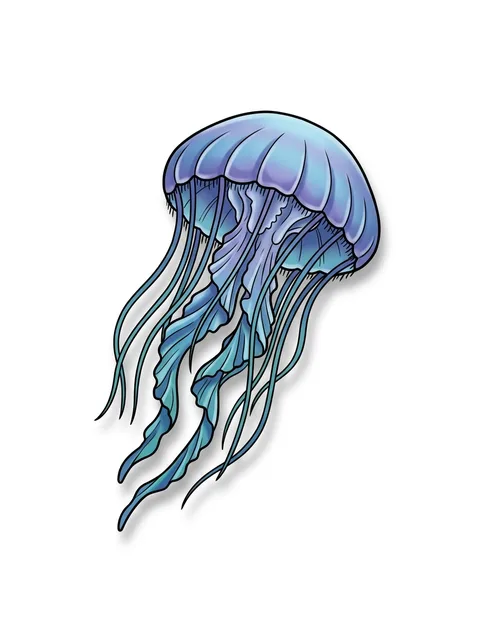
Color 3D jellyfish tattoo design Try it on — Color 3D jellyfish tattoo design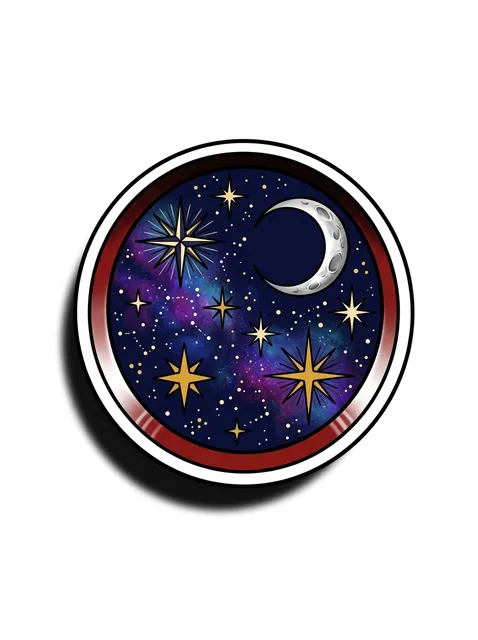
Color 3D galaxy and moon tattoo design Try it on — Color 3D galaxy and moon tattoo design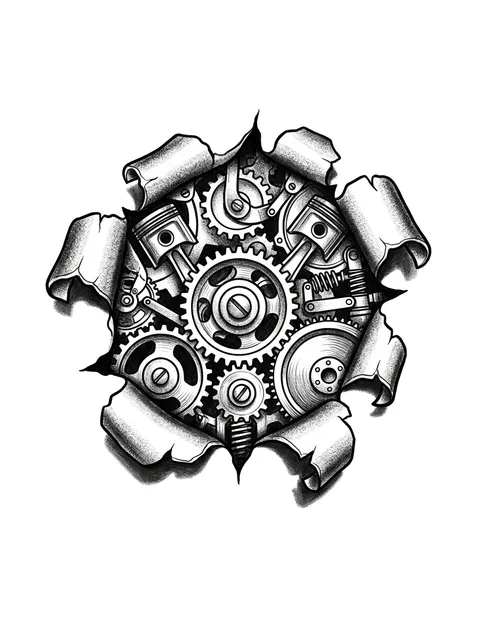
Black and grey 3D abstract tattoo design Try it on — Black and grey 3D abstract tattoo design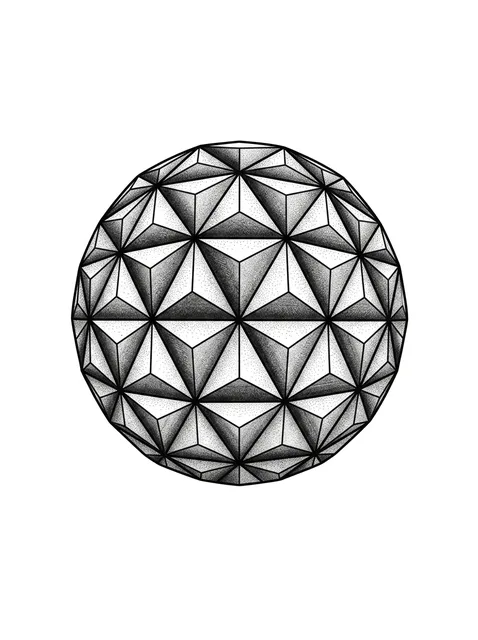
Black and grey 3D abstract tattoo design Try it on — Black and grey 3D abstract tattoo design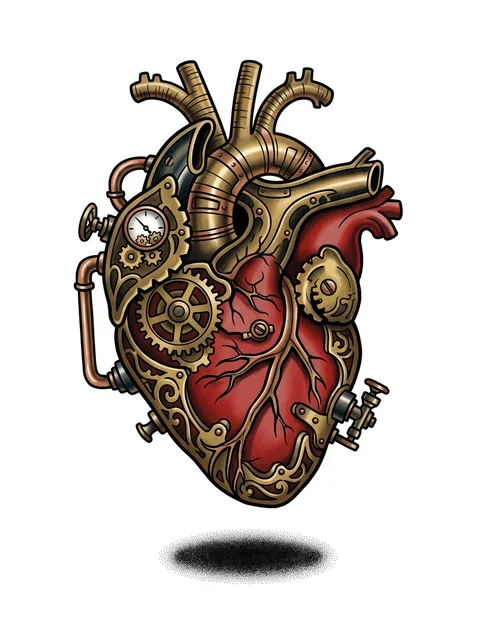
Color 3D heart tattoo design Try it on — Color 3D heart tattoo design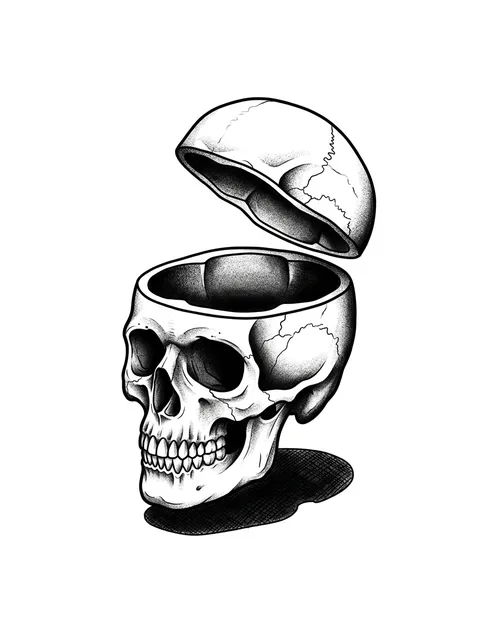
Black and grey 3D skull tattoo design Try it on — Black and grey 3D skull tattoo design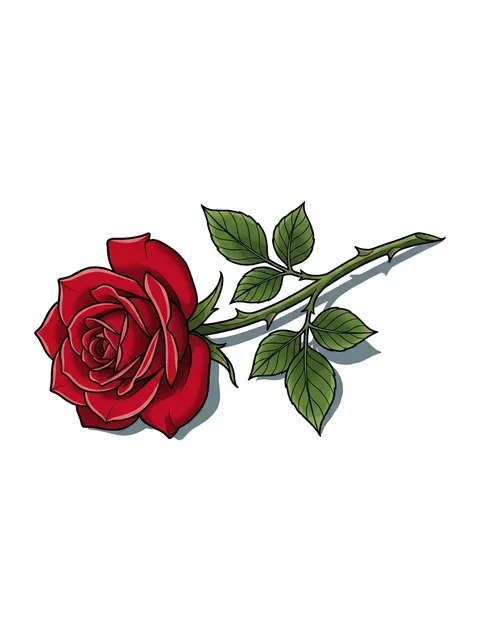
Color 3D rose tattoo design: a thorny stem and green leaves, a grey cast shadow Try it on — Color 3D rose tattoo design: a thorny stem and green leaves, a grey cast shadow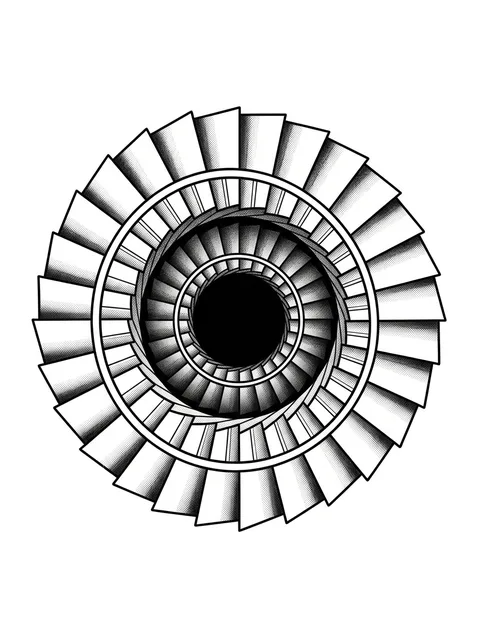
Black and grey 3D abstract tattoo design Try it on — Black and grey 3D abstract tattoo design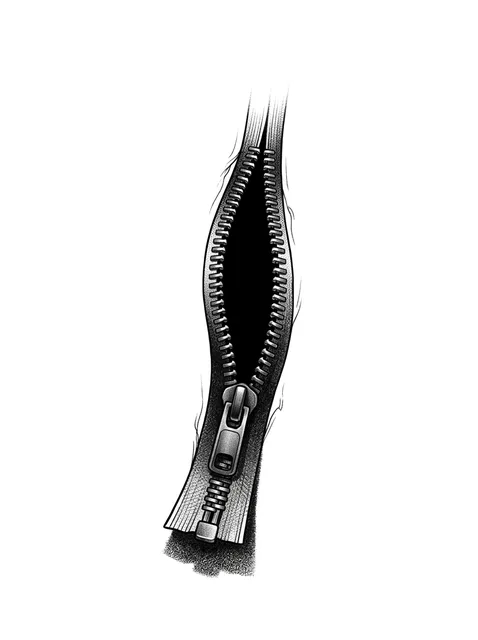
Black and grey 3D abstract tattoo design Try it on — Black and grey 3D abstract tattoo design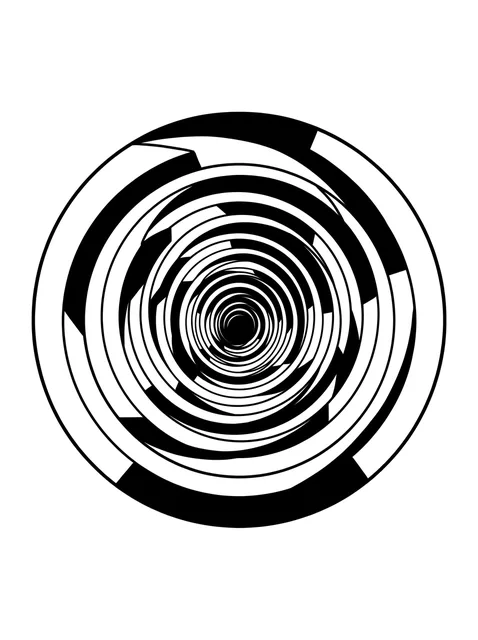
Black and white 3D abstract tattoo design Try it on — Black and white 3D abstract tattoo design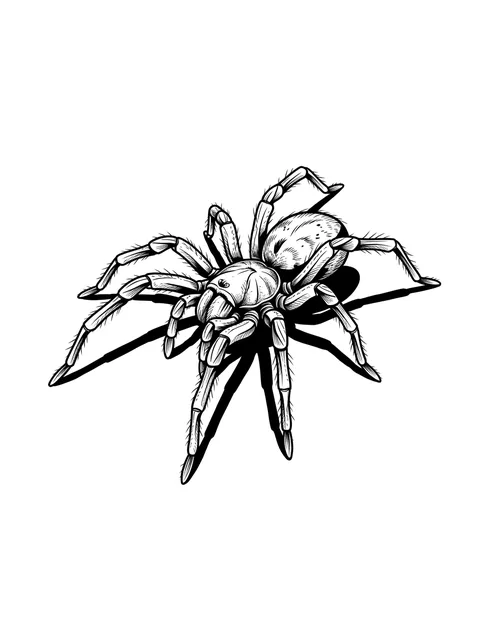
Black and grey 3D spider tattoo design Try it on — Black and grey 3D spider tattoo design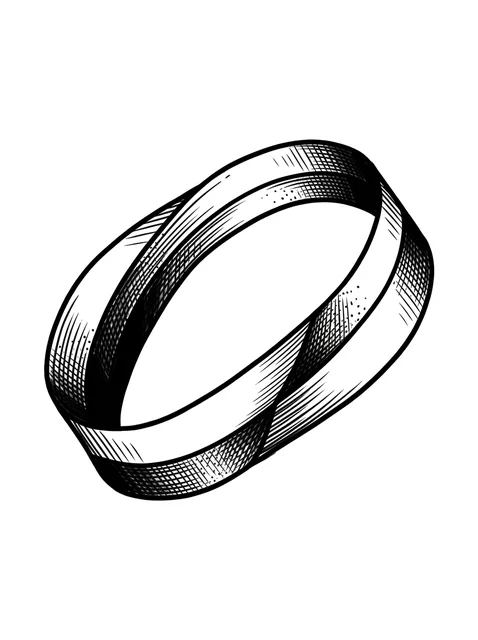
Black and grey 3D abstract tattoo design Try it on — Black and grey 3D abstract tattoo design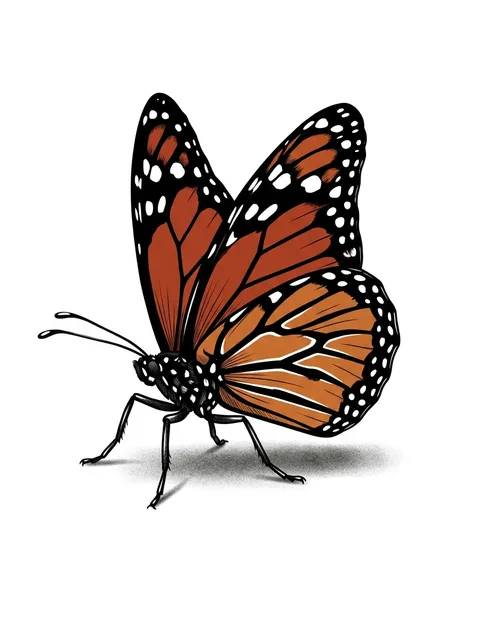
Color 3D butterfly tattoo design: its wings raised, orange wing panels veined and edged Try it on — Color 3D butterfly tattoo design: its wings raised, orange wing panels veined and edged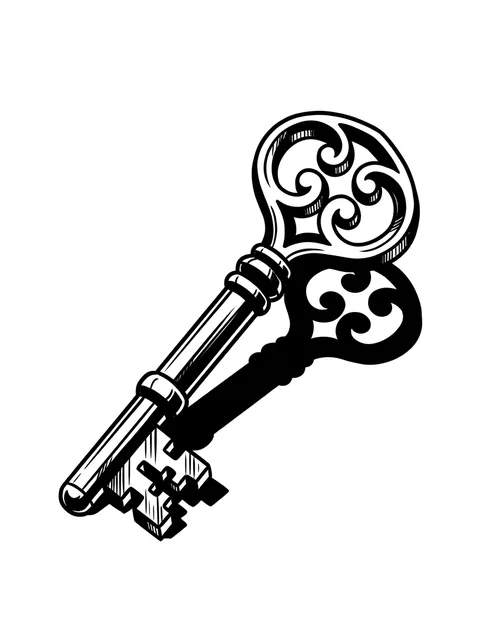
Black and white 3D key tattoo design Try it on — Black and white 3D key tattoo design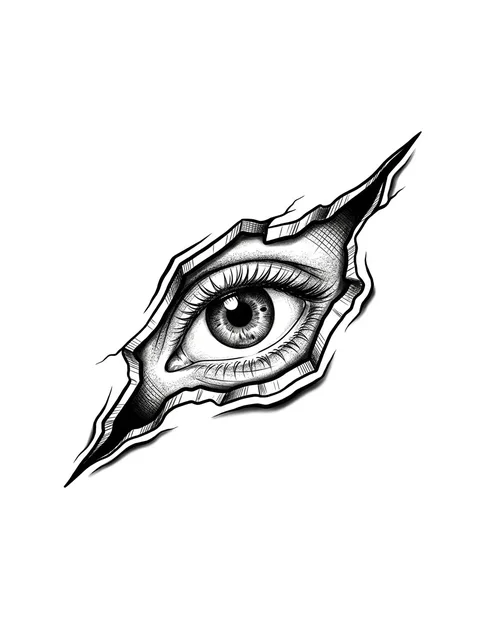
Black and grey 3D eye tattoo design Try it on — Black and grey 3D eye tattoo design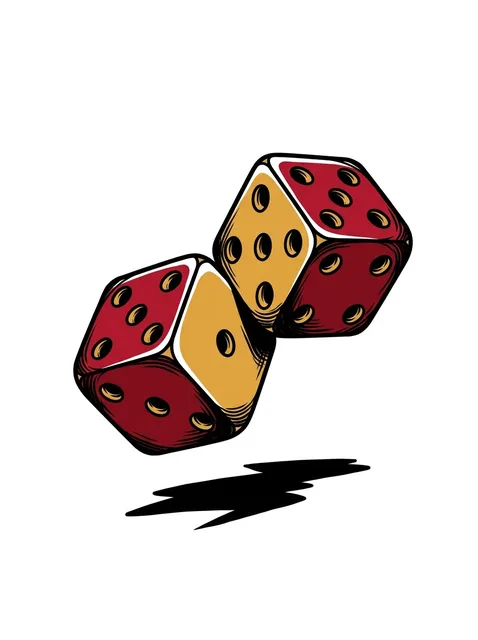
Color 3D abstract tattoo design: a 3D effect Try it on — Color 3D abstract tattoo design: a 3D effect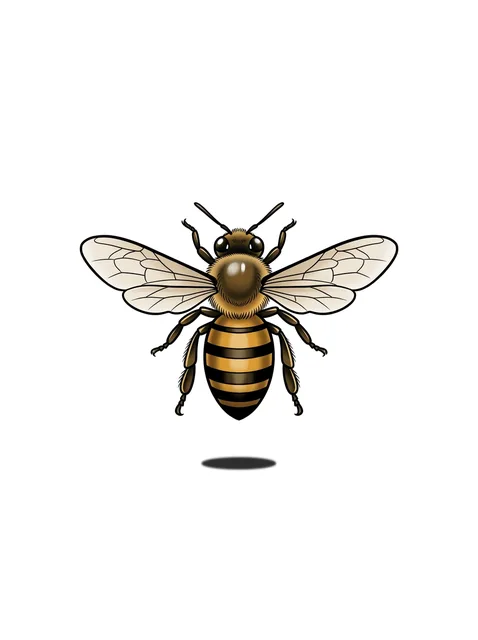
Color 3D bee tattoo design Try it on — Color 3D bee tattoo design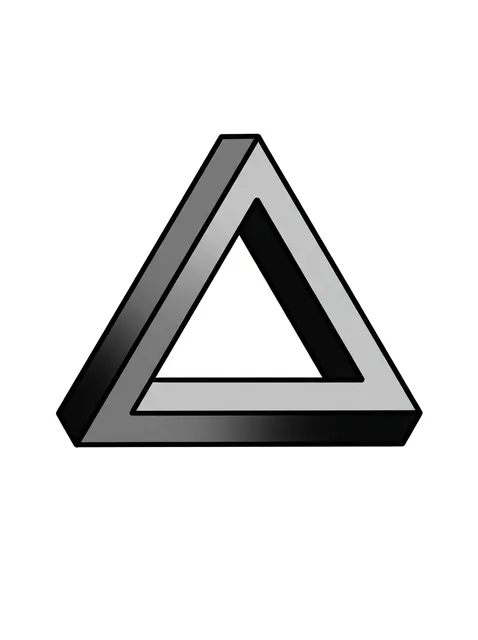
Black and grey 3D abstract tattoo design Try it on — Black and grey 3D abstract tattoo design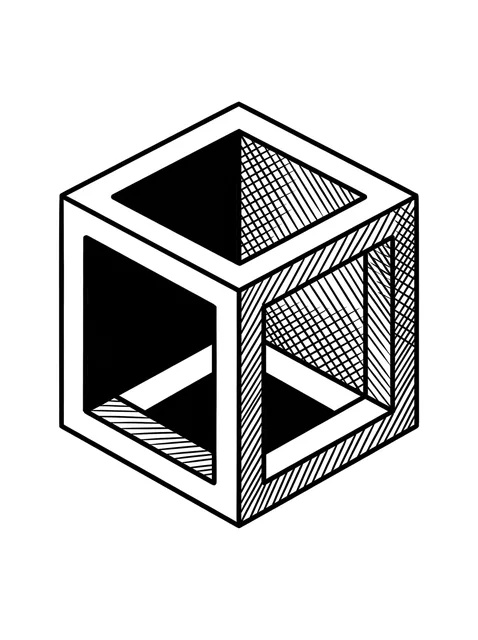
Black and white 3D abstract tattoo design Try it on — Black and white 3D abstract tattoo design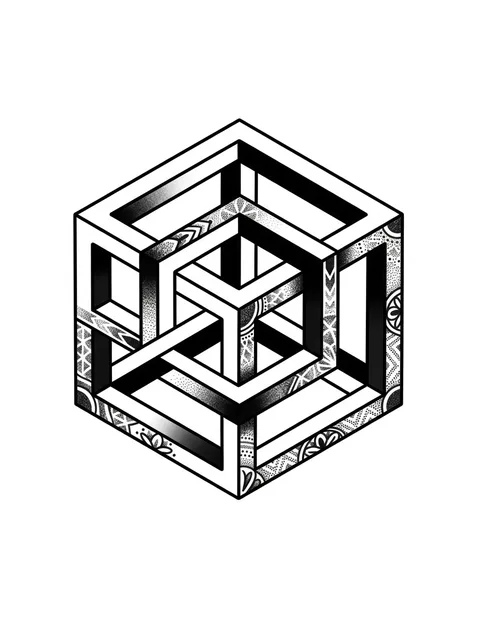
Black and grey 3D abstract tattoo design Try it on — Black and grey 3D abstract tattoo design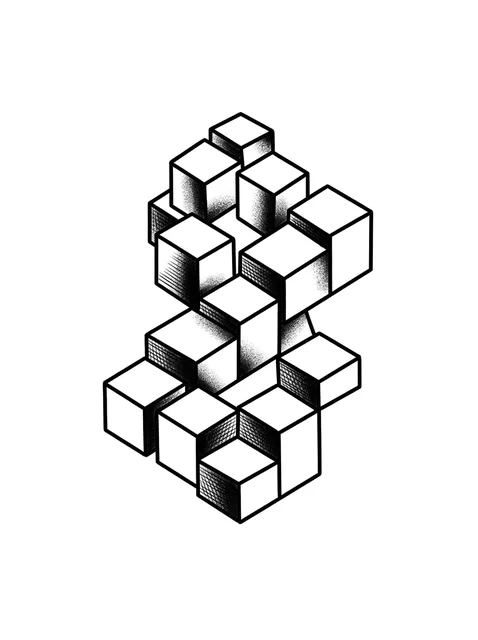
Black and grey 3D abstract tattoo design Try it on — Black and grey 3D abstract tattoo design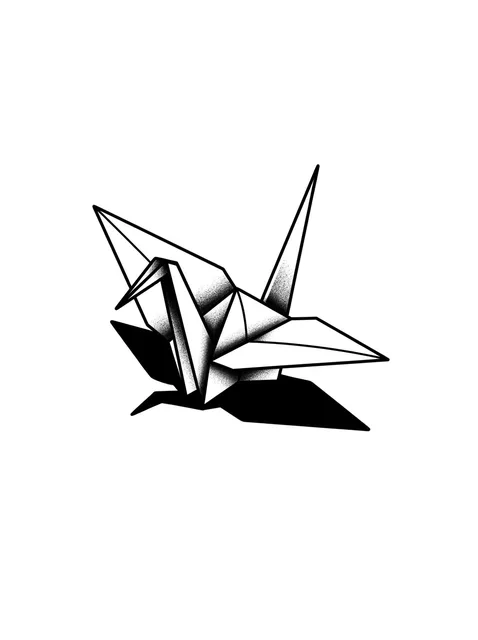
Black and white 3D bird tattoo design Try it on — Black and white 3D bird tattoo design


22 designs drawn for InkCraft in this style. Tap any one to place it on a photo of your own skin.
These 22 designs, in numbers
- Black and grey
- 15
- Colour
- 7
- Subjects covered
- 14
How flat ink is made to look solid
Painters have played this trick for a very long time. Pliny the Elder tells of Zeuxis painting grapes that birds flew down to peck at, and of his rival Parrhasius painting a curtain that Zeuxis reached out to pull aside. The French name for the genre, trompe-l'oeil, means deceive the eye, and a 3D tattoo borrows two of its tools and very little else.
The first is the cast shadow. An object resting on a surface throws a shadow onto it, darkest where the two touch and softening as it moves away, and inking that shadow on the skin itself is what makes a butterfly, a key or a spider seem to sit on top of the arm rather than be printed into it. It has to fall opposite one consistent light source; a butterfly lit from the left with its shadow also on the left looks like a sticker.
The second is the hard highlight, a sharp bright edge where light strikes a surface, set directly against the darkest shading. On skin the brightest value available is usually bare skin, because white ink is the least stable pigment and tends to fade or yellow within a few years, so artists leave highlights untouched rather than trusting white. Everything between that edge and the shadow is mid-tone, and its job is to tell the eye which way each surface faces.
Illusions, objects and openings
The designs on this page fall into three families. Impossible figures come from geometry and psychology rather than painting: the triangle Oscar Reutersvärd first drew in 1934 and Lionel and Roger Penrose published in 1958, the reversing cube Louis Albert Necker described in 1832, the one-sided band named after August Möbius. M. C. Escher built whole prints on them, the impossible cube in Belvedere and the triangle in Waterfall among them, and three flat tones on three faces are enough to make the eye insist on a solid.
Trompe-l'oeil objects are the second family: a rose laid on its side, a pair of dice, an origami crane, a honeybee, each with a shadow inked beneath it as if it had been set down on the arm. These only convince at life size. A spider as wide as a hand reads as a picture of a spider, while one at its real scale makes people reach to brush it off.
The third family opens the surface instead of sitting on it: a zip pulled half down, a tear with curled edges showing machinery, a round hole onto a night sky, an eye looking out through a crack. The torn-skin reveal shares its idea with biomechanical work; the difference is that here the opening is the subject, and what shows through it can be anything.
Placement, distance and age
An illusion drawn for a flat surface bends when it is wrapped round a limb. A Penrose triangle on the curve of a forearm loses its straight edges and the eye stops believing it, while the flatter planes of the outer thigh, the shoulder blade, the calf and the outer upper arm hold geometry far better. Light matters as well: people are mostly lit from above, so a shadow drawn below an object reads correctly on an arm hanging at the side and oddly once that arm is raised.
Depth only survives distance when the contrast is large. At conversational range the fine gradients do the work; from across a room only strong darks against bare skin remain, and a piece built on subtle grey alone flattens into a smudge. The designs that carry furthest put the deepest black right against the brightest edge where the eye needs it, and keep the outline of the object simple.
Age wears away the effect before it wears away the drawing. Soft grey lightens, the edge of a shadow blurs, and the range between the darkest and lightest values narrows year by year, so a piece that looked solid at six months can look like a picture of an object at ten years. Expect to have the shadows darkened again at some point, keep it out of the sun, and check it on a photo of the actual spot before committing, since the curve there decides whether the illusion holds at all.
What an hour of this work costs, and how many hours 3D tattoos takes at each size, is in the cost guide. How it behaves later — under a laser, and as the thing doing the covering — is in the removal and cover-up guide.
Common questions
- How do 3D tattoos work?
- With a cast shadow and a hard highlight. The shadow is inked on the skin as though the object were resting on it, falling opposite a single light source, and the brightest edge is left as bare skin against the darkest shading. Together they tell the eye the object has volume.
- Do 3D tattoos age well?
- They lose depth before they lose shape. Grey gradients lighten and shadow edges soften, so the contrast that creates the illusion narrows over the years. The drawing stays readable while the sense of a solid object fades, and darkening the shadows again restores most of it.
- Where does a 3D tattoo work best?
- On the flatter areas: the outer thigh, the calf, the shoulder blade and the outer upper arm. Geometric illusions drawn for a flat plane distort when wrapped round a narrow limb, and a cast shadow needs to fall the way daylight usually does, downward.
- How big should a 3D tattoo be?
- For a real object, its real size: a bee or a spider at life size is what makes the trick convincing. Impossible figures need enough width to hold three clearly separate tones on their faces, which usually means palm-sized rather than wrist-sized.
- Can a 3D tattoo be in colour?
- Yes, and several here are, but the depth still comes from value rather than hue. A red rose or a gold-striped bee reads as solid only if its shadow side is genuinely dark and its lit edge genuinely light; bright colour at one even strength looks flat however realistic the drawing.
See this style on your own skin
InkCraft places a design on a photo of you — scaled, wrapped and shaded to the spot you pick, so you can judge how the style reads on your body before it is permanent.