 InkCraft
Celtic knot tattoo designs and where they began
26 original celtic tattoos designs drawn for InkCraftBy Uladzimir TumanauUpdated
Knotwork is younger than it is usually sold as, and more interesting for it. The spirals are prehistoric, the interlace comes from monasteries of the seventh century onward, and most named knots with a meaning attached were drawn in the last hundred years.
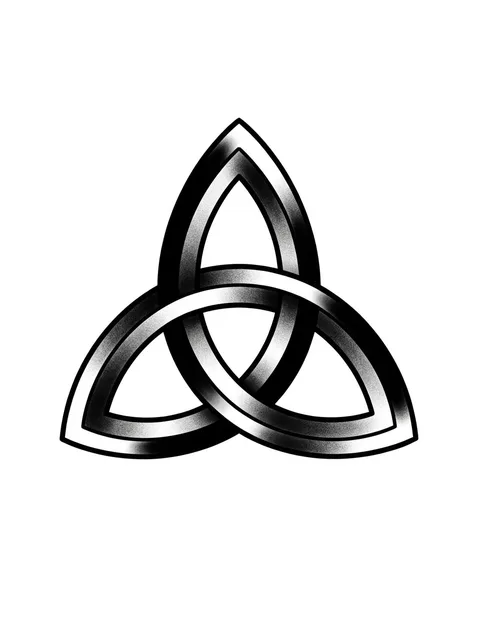
Black and grey celtic abstract tattoo design Try it on — Black and grey celtic abstract tattoo design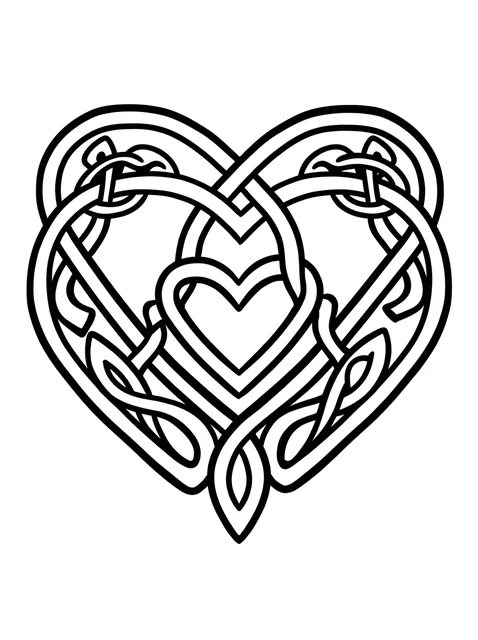
Black and grey celtic heart tattoo design Try it on — Black and grey celtic heart tattoo design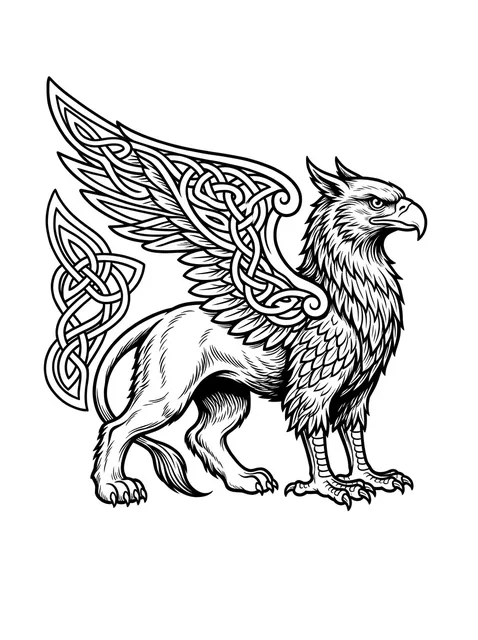
Black and grey celtic griffin tattoo design Try it on — Black and grey celtic griffin tattoo design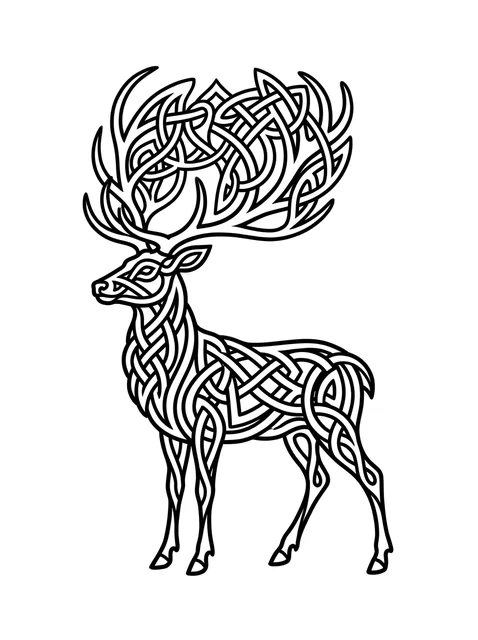
Black and grey celtic deer tattoo design Try it on — Black and grey celtic deer tattoo design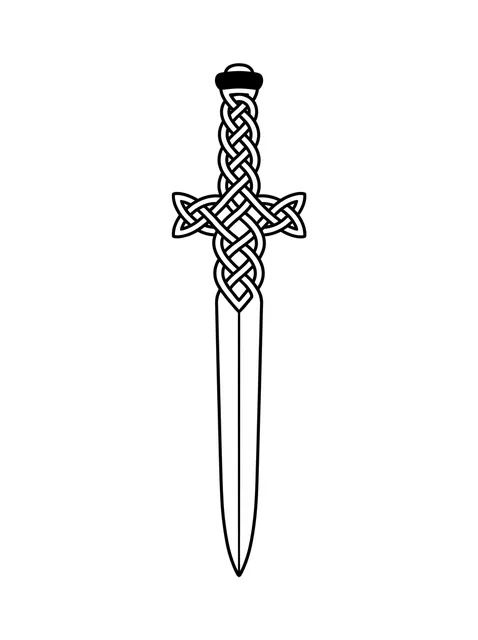
Black and grey celtic sword tattoo design Try it on — Black and grey celtic sword tattoo design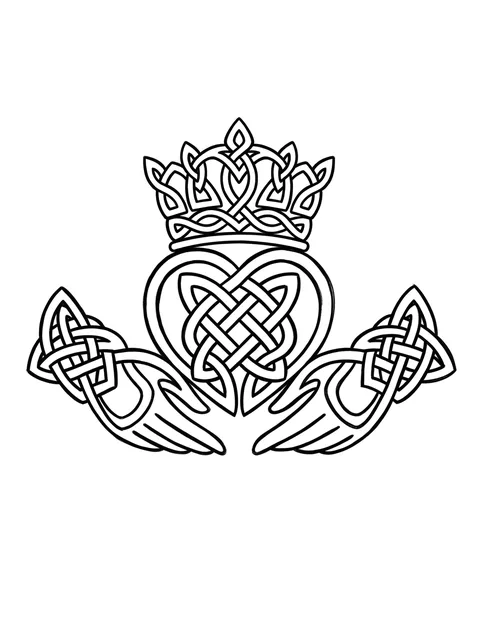
Black and grey celtic heart and hand tattoo design Try it on — Black and grey celtic heart and hand tattoo design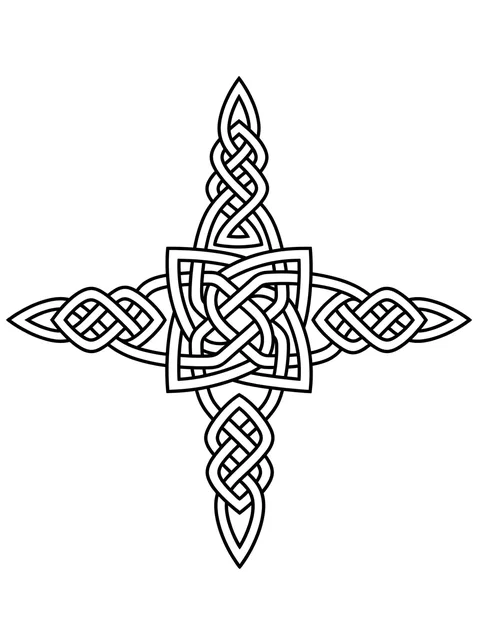
Black and grey celtic cross tattoo design Try it on — Black and grey celtic cross tattoo design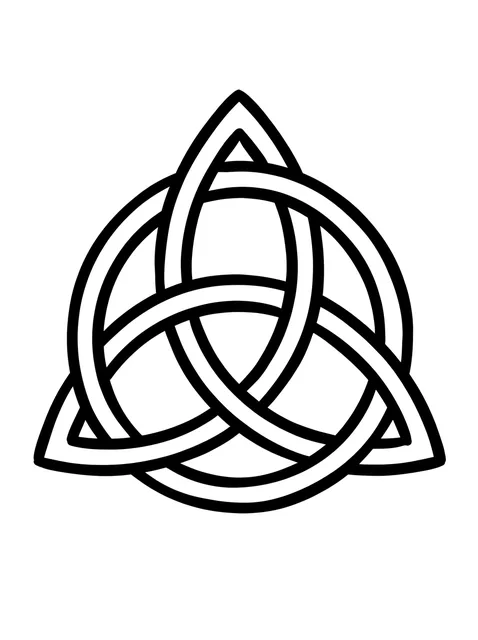
Black and grey celtic abstract tattoo design Try it on — Black and grey celtic abstract tattoo design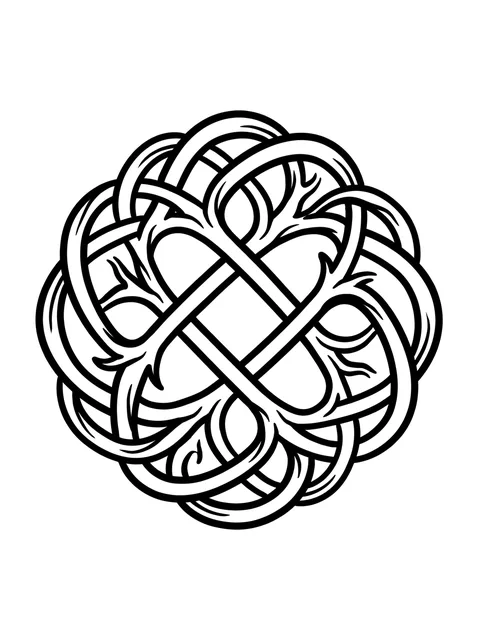
Black and grey celtic abstract tattoo design Try it on — Black and grey celtic abstract tattoo design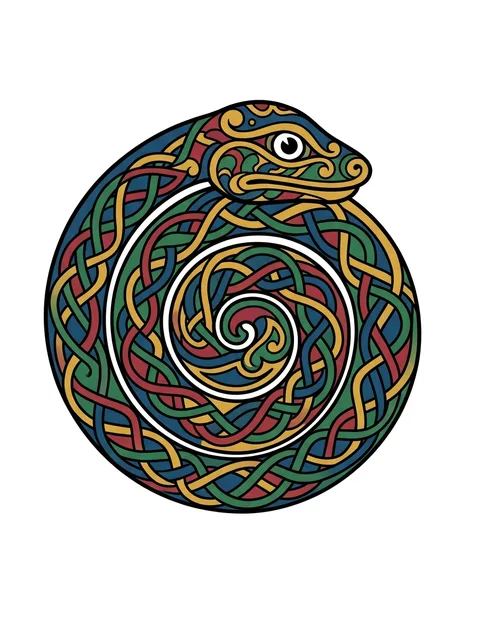
Color celtic snake tattoo design Try it on — Color celtic snake tattoo design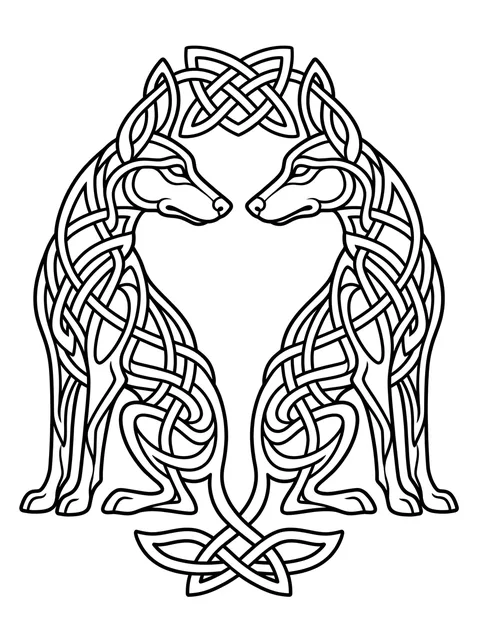
Black and grey celtic dog tattoo design Try it on — Black and grey celtic dog tattoo design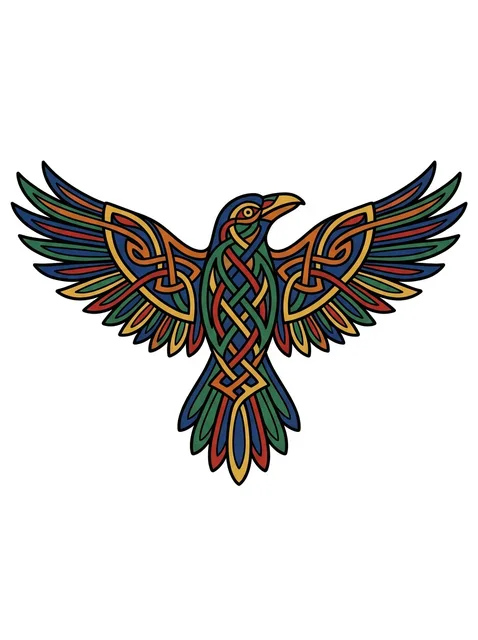
Color celtic raven tattoo design Try it on — Color celtic raven tattoo design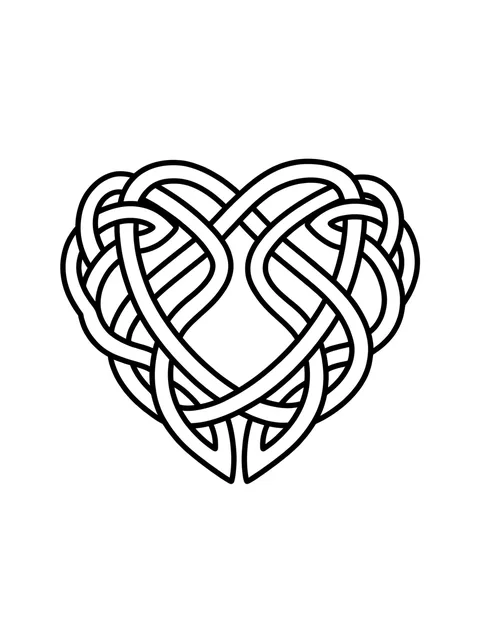
Black and grey celtic heart tattoo design Try it on — Black and grey celtic heart tattoo design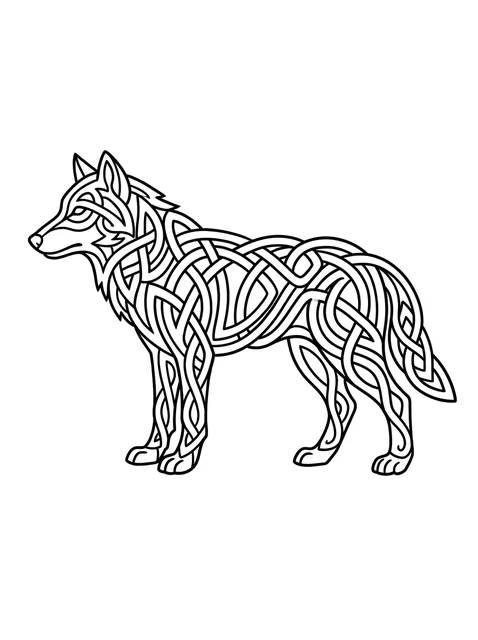
Black and grey celtic wolf tattoo design Try it on — Black and grey celtic wolf tattoo design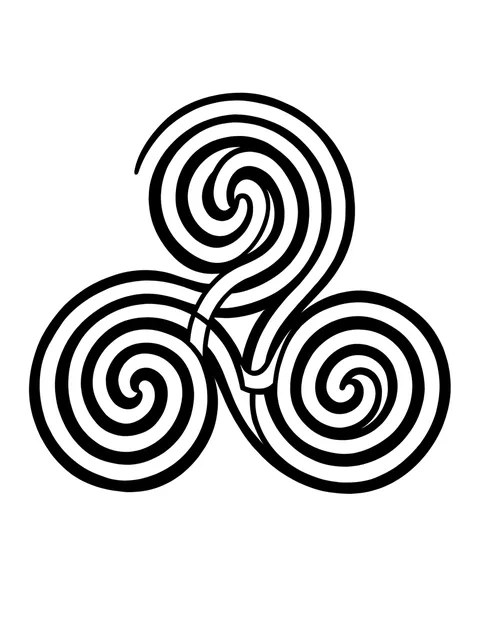
Black and grey celtic abstract tattoo design Try it on — Black and grey celtic abstract tattoo design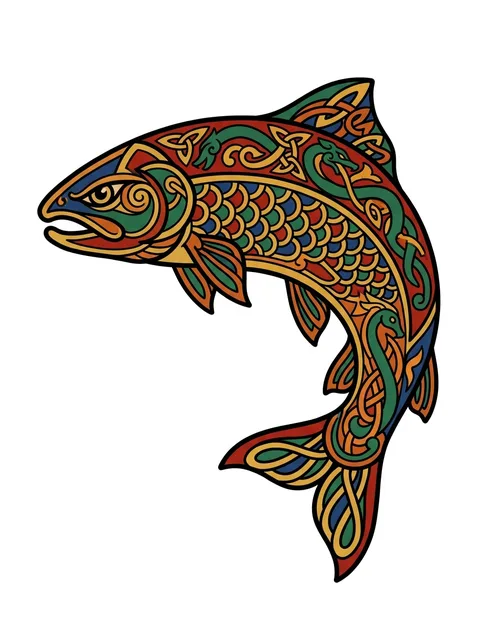
Color celtic fish tattoo design: a bold black outline Try it on — Color celtic fish tattoo design: a bold black outline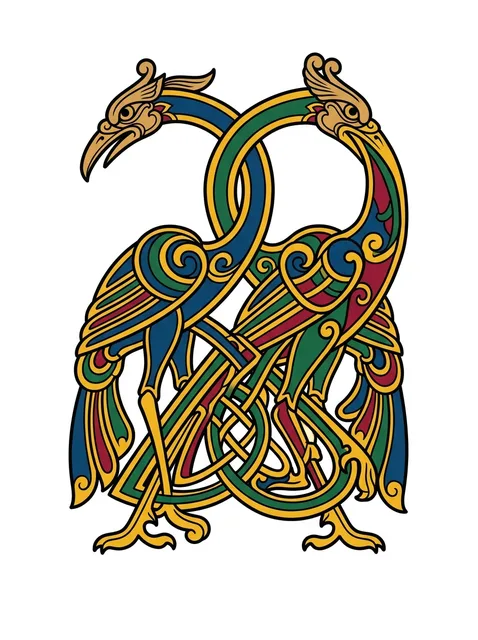
Color celtic bird tattoo design Try it on — Color celtic bird tattoo design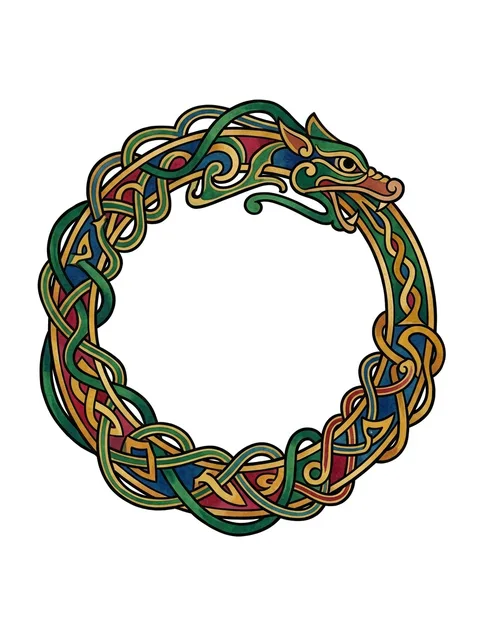
Color celtic dragon and ouroboros tattoo design: the head at the upper right Try it on — Color celtic dragon and ouroboros tattoo design: the head at the upper right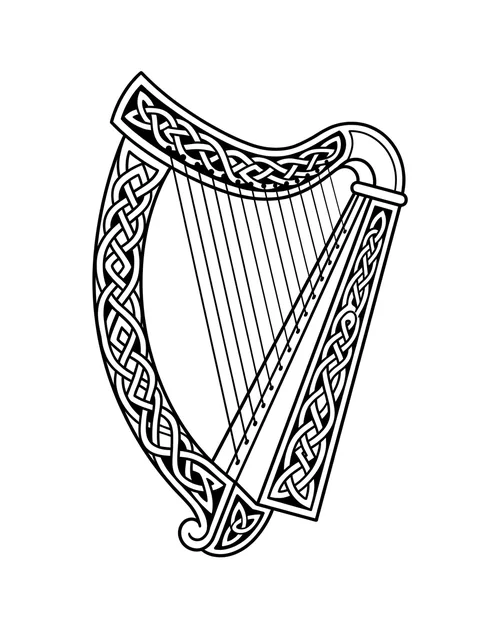
Black and grey celtic abstract tattoo design Try it on — Black and grey celtic abstract tattoo design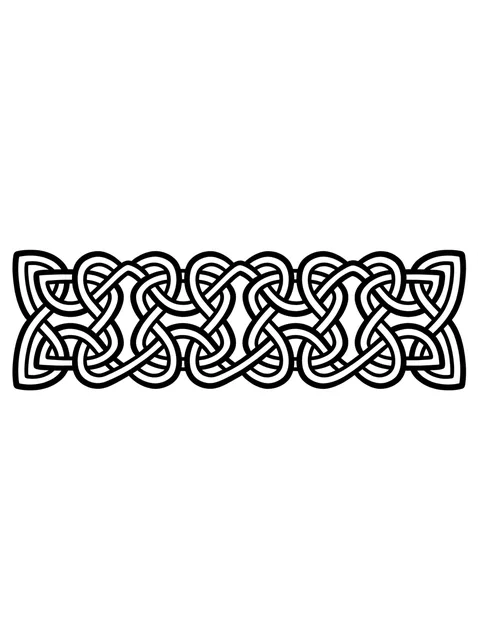
Black and grey celtic abstract tattoo design: an over-under weave and squared ends Try it on — Black and grey celtic abstract tattoo design: an over-under weave and squared ends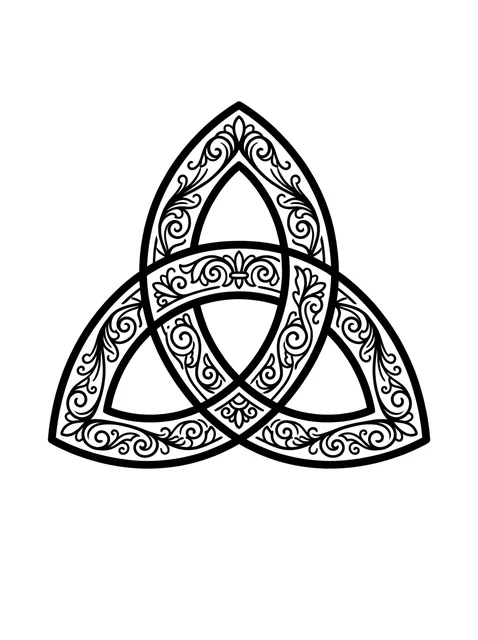
Black and grey celtic abstract tattoo design Try it on — Black and grey celtic abstract tattoo design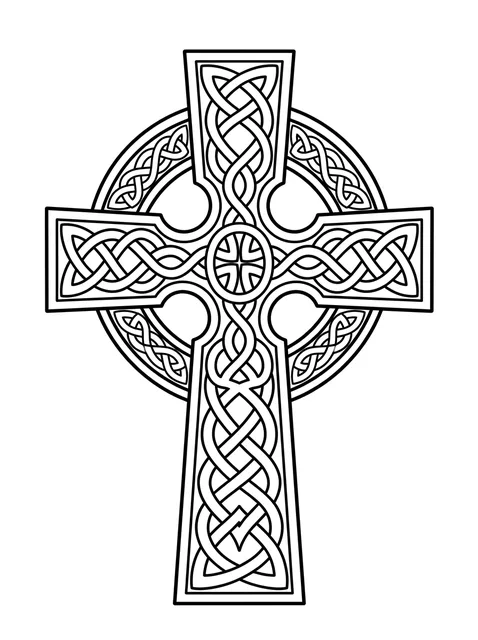
Black and grey celtic cross tattoo design Try it on — Black and grey celtic cross tattoo design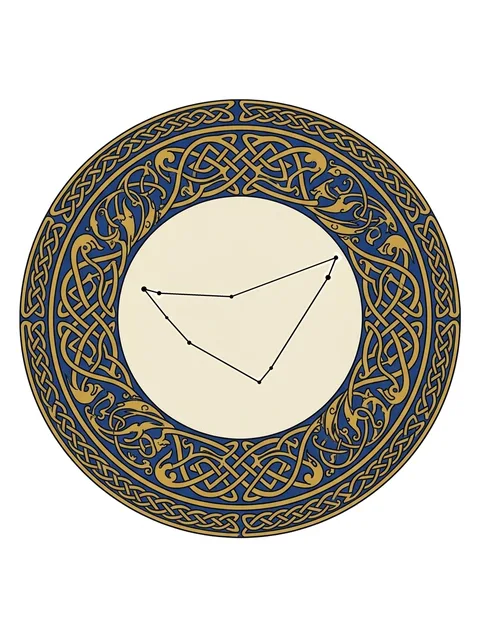
Color celtic capricorn and constellation tattoo design Try it on — Color celtic capricorn and constellation tattoo design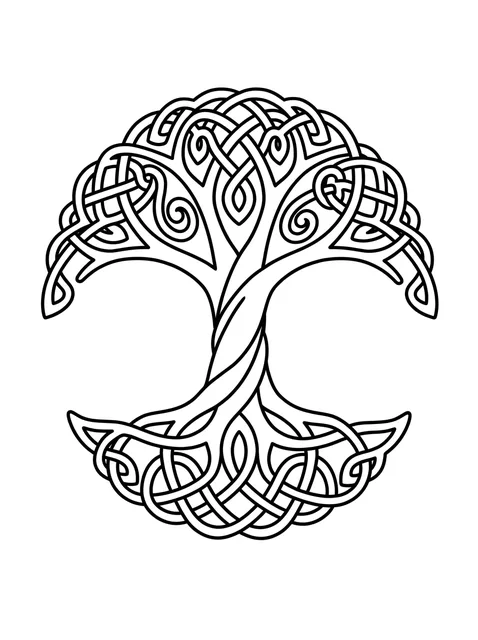
Black and grey celtic tree tattoo design Try it on — Black and grey celtic tree tattoo design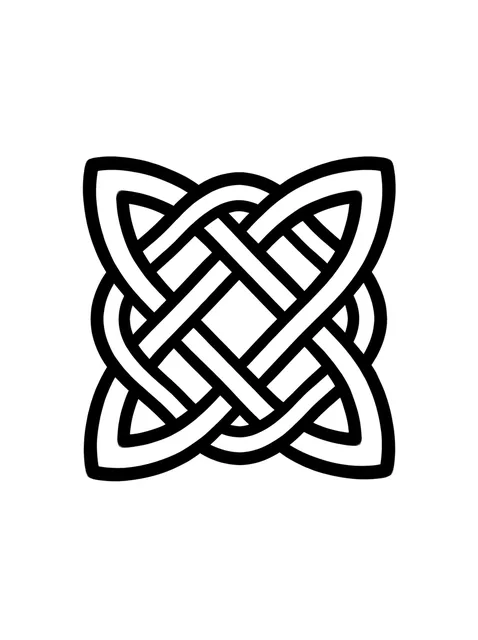
Black and grey celtic abstract tattoo design Try it on — Black and grey celtic abstract tattoo design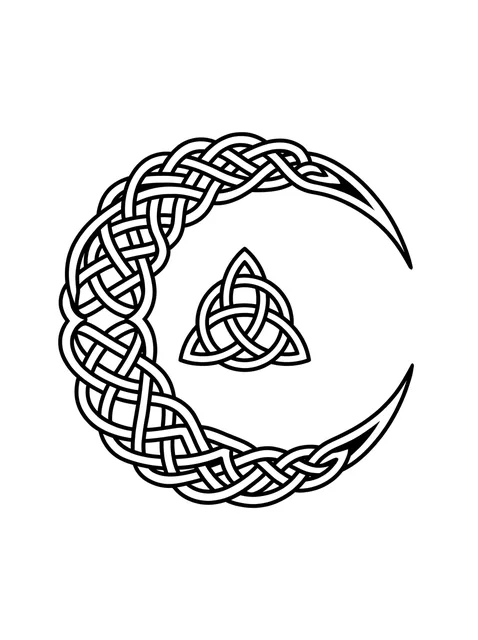
Black and grey celtic moon tattoo design Try it on — Black and grey celtic moon tattoo design


26 designs drawn for InkCraft in this style. Tap any one to place it on a photo of your own skin.
These 26 designs, in numbers
- Black and grey
- 20
- Colour
- 6
- Subjects covered
- 20
Four ages under one name
The oldest thing sold as Celtic is not Celtic at all. The spirals carved into the kerbstones and chamber at Newgrange in County Meath were cut around 3200 BC, long before any Celtic language is thought to have reached Ireland, so the triple spiral a tattoo borrows from them is prehistoric in the strict sense.
The second age is the Iron Age. La Tène metalwork, named after a site on Lake Neuchâtel in Switzerland, spread curving trumpet shapes, spirals and triskeles across Europe from about the fifth century BC, and it contains almost no knotwork.
Interlace came with the monasteries. From the seventh century onward, scribes and stone carvers in Ireland, Scotland and Northumbria combined Mediterranean plaitwork, the animal ornament of Germanic metalwork and the older spirals into one style, and produced the Book of Durrow, the Lindisfarne Gospels and, around 800, the Book of Kells. The ringed high crosses of Ireland and the Pictish cross-slabs of eastern Scotland, such as those at Aberlemno, carry the same bands in stone. Almost every knot a tattoo artist draws comes from this period.
The fourth age is the revival. Dublin jewellers copied the Tara Brooch within a few years of its discovery in 1850, ringed crosses spread through Victorian cemeteries, and in 1951 the Scottish art teacher George Bain made knotwork teachable with Celtic Art: The Methods of Construction. Named knots with a meaning attached, such as the Dara knot and the motherhood knot, have no early example at all: they belong to the last hundred years, and to jewellery rather than manuscripts.
The weave has rules a stencil must keep
A knot is judged on one thing before any other: whether each band goes over, then under, then over again at every crossing it meets. Bain's grid method guarantees that alternation, and a band that passes over twice in a row is the mistake a knotwork enthusiast will spot across a room. Check the stencil crossing by crossing, the way you would proofread a name.
Continuity is the second test. Classic knots are one unbroken band or a small fixed number of them, and a band that stops mid-weave or butts into its neighbour is a drawing error rather than a style. The trinity knot is the main subject three times in this set, flat with a ring through it, shaded like polished metal, and filled with scrolling filigree, and the weave underneath is the same each time; only the surface changes.
Gaps set the size. The bare skin between bands has to stay at least as wide as the bands themselves, because ink spreading over the decades narrows every gap, and a knot whose gaps have closed becomes a dark lump with a woven edge. For an outline triquetra that means about 7 cm at the least; a stag, a tree of life or a high cross built from many thin bands needs 15 cm or more. Filling the background solid black, so the bands read as bare skin, holds smaller and carries further.
Manuscript colour, Irish objects, open doors
Most knotwork is tattooed as black outline, which is how it was cut in stone. The colour pieces here, among them the dragon eating its tail, the coiled serpent, the salmon and the long-necked birds, follow the other source: the Gospel books, where interlaced creatures were painted in red, yellow, green and blue inside dark contour lines. That palette suits skin, because each colour sits in a closed cell with an outline to hold it.
The Irish objects travel with the knots. The salmon is the salmon of knowledge, which Fionn mac Cumhaill tasted while cooking it for the poet Finnegas. The harp has stood for Ireland since the sixteenth century, and the state emblem is modelled on the medieval harp kept at Trinity College Dublin. The Claddagh is a Galway ring from around 1700 with no knotwork on it at all, so the woven cuffs are a tattoo addition, and a real Brigid's cross is woven from rushes for St Brigid's Day on 1 February rather than drawn as interlace.
Nothing in this vocabulary is restricted. It is monastic decoration, not a mark of lineage, and no community asks anything of the person who wears it, which sets it apart from the Pacific traditions. Many people choose it for Irish, Scottish or Welsh roots, and the honest caution is about claims rather than permission: be wary of any knot sold with an ancient meaning, because the monks who drew them left none.
What an hour of this work costs, and how many hours celtic tattoos takes at each size, is in the cost guide. How it behaves later — under a laser, and as the thing doing the covering — is in the removal and cover-up guide.
Common questions
- Is Celtic knotwork ancient?
- Parts of it. The spirals go back to Newgrange, around 3200 BC, and the curving La Tène ornament to the Iron Age. Interlace itself belongs to Christian manuscripts and stone crosses from the seventh century onward, and most knots sold with a name and a meaning are modern.
- What does a Celtic knot mean?
- No early source says. The scribes of the Book of Kells left no explanation of their knots, and the meanings now attached, eternity, protection, the Trinity, were supplied later. The one reading the form supports on its own is continuity: a band with no beginning and no end.
- Did the Picts have tattoos?
- Possibly, but nobody can show it. Roman writers from the late third century called them Picti, usually read as painted people, and whether that meant tattooing, body paint or neither is still argued. Their carved symbol stones survive, and nothing links those symbols to skin.
- How big should a Celtic knot tattoo be?
- Big enough that the bare gaps between bands stay at least as wide as the bands. A simple outline triquetra holds from about 7 cm; a stag, a tree or a high cross made of many thin bands needs 15 cm or more. Filling the background solid black lets any knot go a little smaller.
- Is wearing Celtic designs appropriation?
- Not in the sense that applies to Samoan or Māori work. Knotwork was church and jewellery decoration rather than a mark of lineage, and no community restricts it. The fair caution is about invented history, not permission.
See this style on your own skin
InkCraft places a design on a photo of you — scaled, wrapped and shaded to the spot you pick, so you can judge how the style reads on your body before it is permanent.