 InkCraft
Warrior Tattoo Ideas, Helmets and Meaning
22 original warrior designs drawn for InkCraftBy Uladzimir TumanauUpdated
A warrior tattoo is usually worn for discipline, loyalty or loss rather than for fighting, and many of these show armour with nobody inside it. The helmet, shield and weapon date a figure to one army and century, so mixing periods is the commonest mistake.
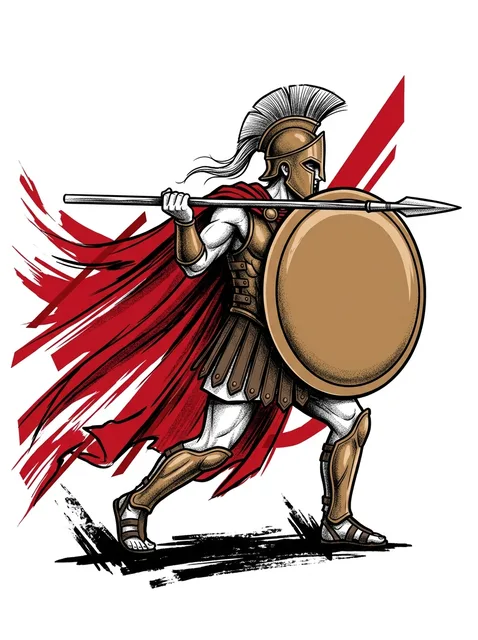
Color illustrative warrior tattoo design Try it on — Color illustrative warrior tattoo design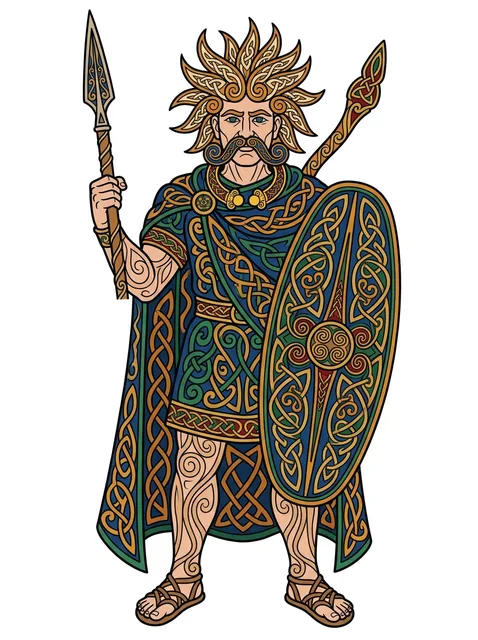
Color celtic warrior tattoo design Try it on — Color celtic warrior tattoo design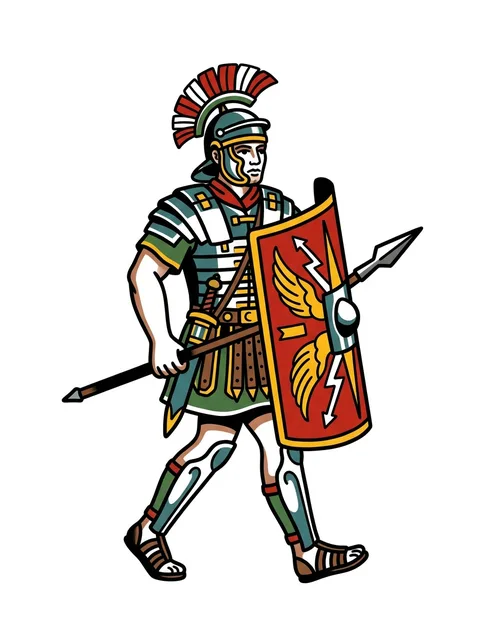
Color traditional warrior tattoo design Try it on — Color traditional warrior tattoo design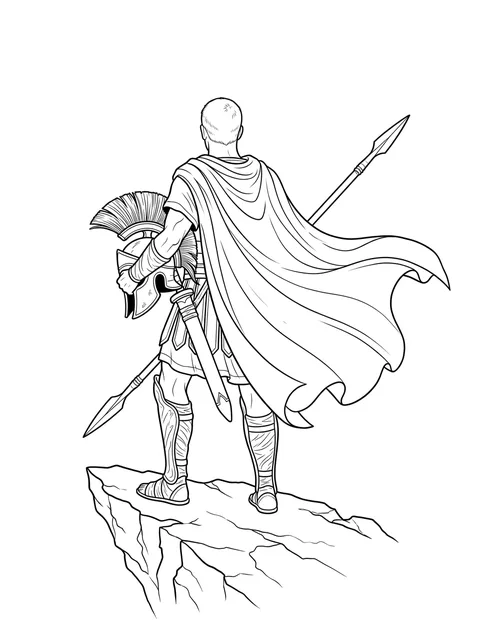
Black and white fine line warrior and spartan helmet tattoo design, outline stencil Try it on — Black and white fine line warrior and spartan helmet tattoo design, outline stencil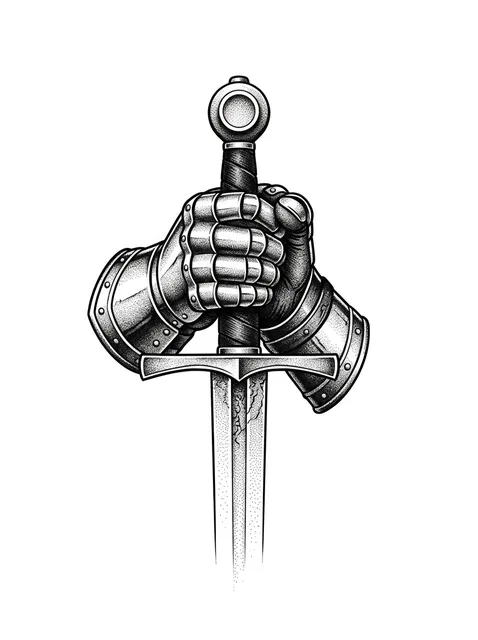
Black and grey illustrative warrior and sword tattoo design Try it on — Black and grey illustrative warrior and sword tattoo design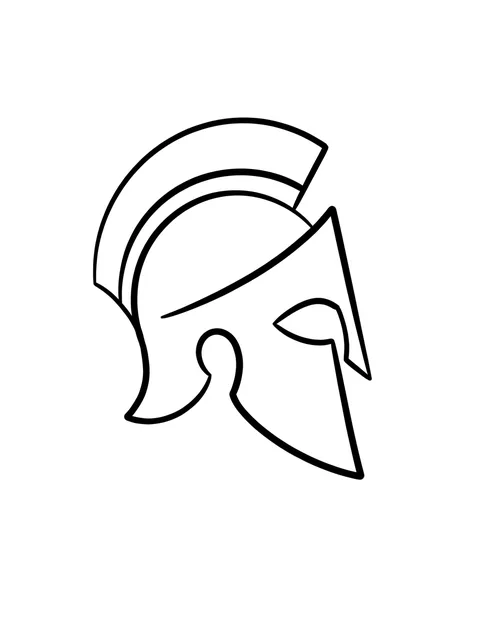
Black and white minimalist warrior and spartan helmet tattoo design, outline stencil Try it on — Black and white minimalist warrior and spartan helmet tattoo design, outline stencil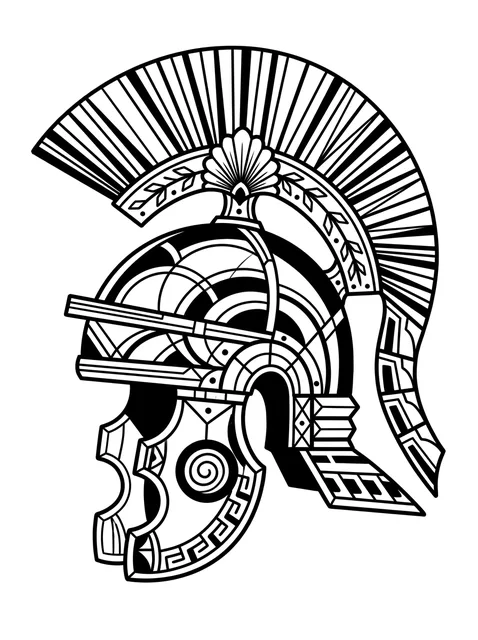
Black and white blackwork warrior and roman helmet tattoo design Try it on — Black and white blackwork warrior and roman helmet tattoo design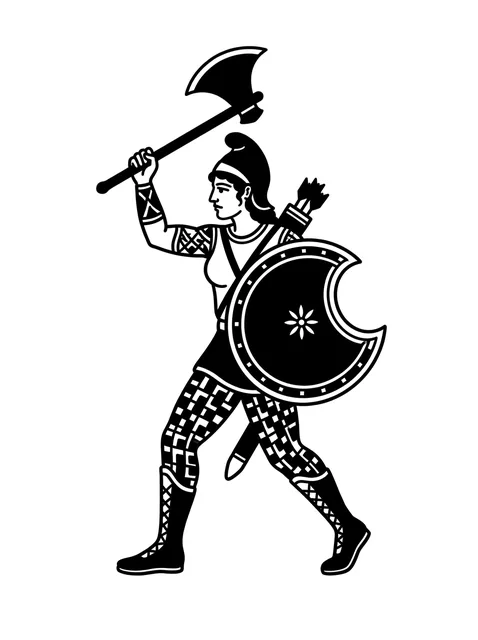
Black and white blackwork warrior and woman portrait tattoo design Try it on — Black and white blackwork warrior and woman portrait tattoo design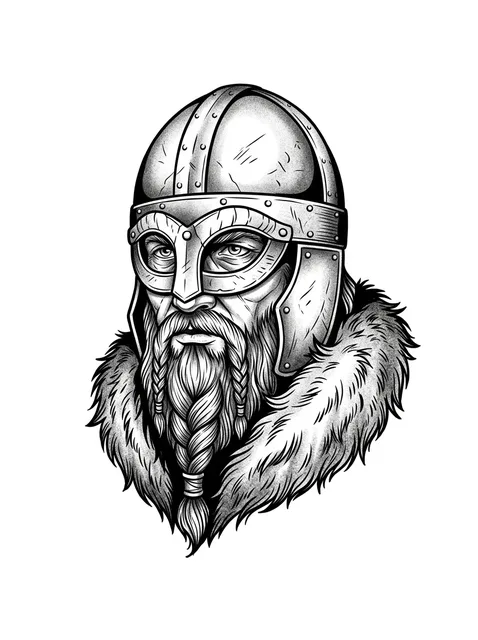
Black and grey illustrative warrior and viking tattoo design Try it on — Black and grey illustrative warrior and viking tattoo design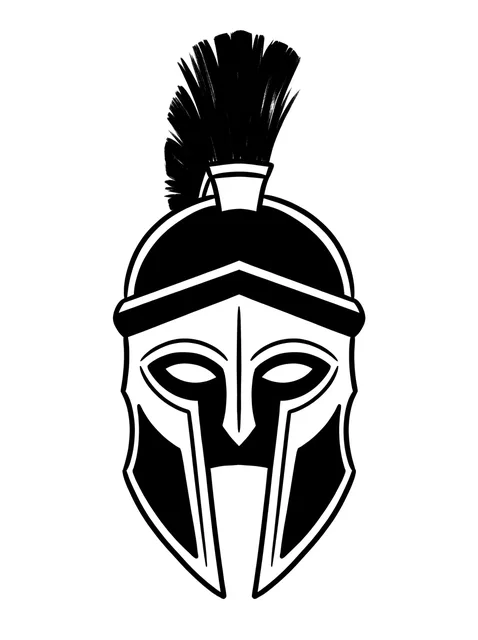
Black and white blackwork warrior and spartan helmet tattoo design Try it on — Black and white blackwork warrior and spartan helmet tattoo design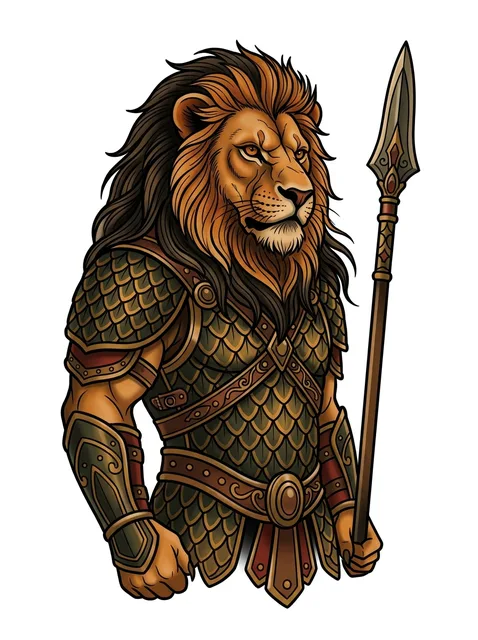
Color neo traditional warrior and lion tattoo design Try it on — Color neo traditional warrior and lion tattoo design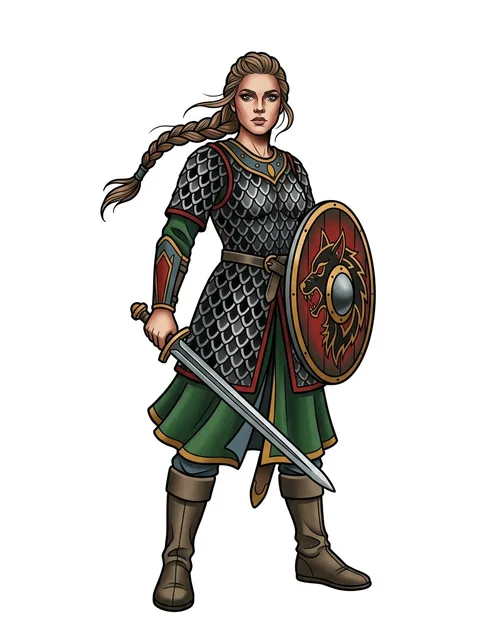
Color illustrative warrior and woman portrait tattoo design Try it on — Color illustrative warrior and woman portrait tattoo design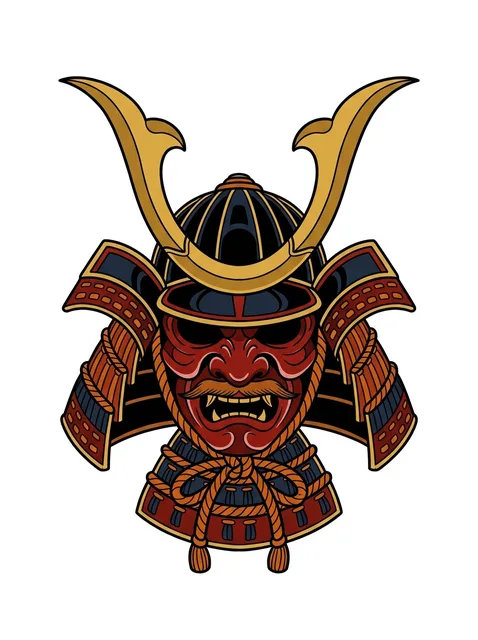
Color Japanese warrior and samurai tattoo design Try it on — Color Japanese warrior and samurai tattoo design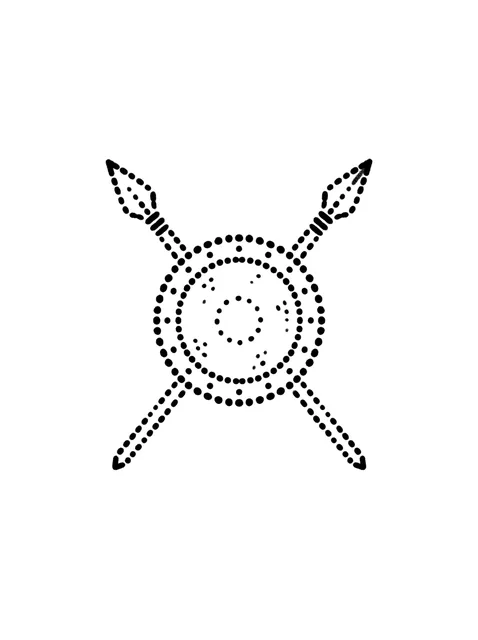
Black and grey dotwork warrior and shield tattoo design Try it on — Black and grey dotwork warrior and shield tattoo design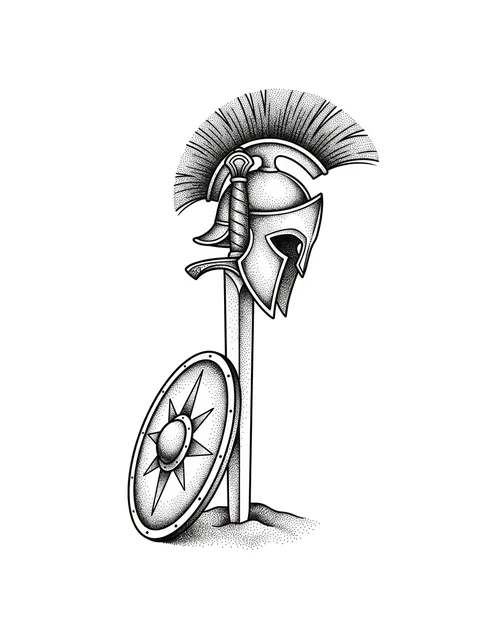
Black and grey illustrative warrior and spartan helmet tattoo design Try it on — Black and grey illustrative warrior and spartan helmet tattoo design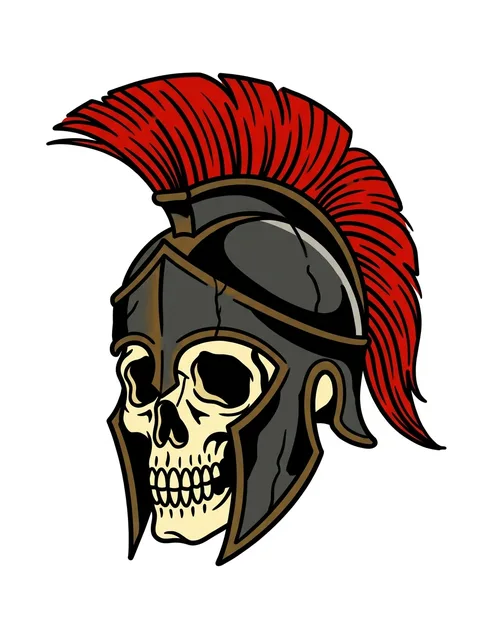
Color traditional warrior and skull tattoo design Try it on — Color traditional warrior and skull tattoo design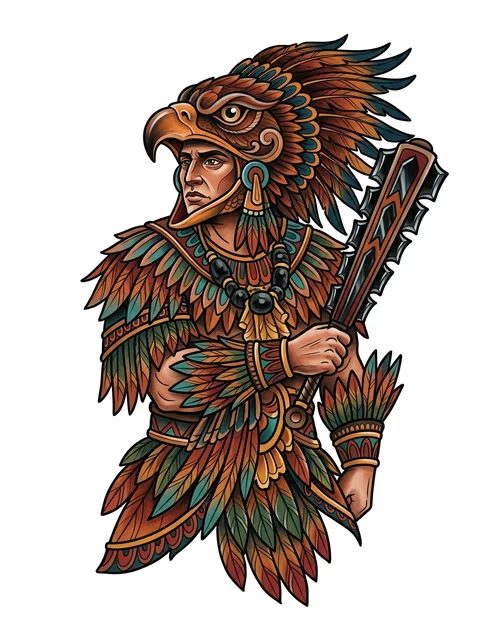
Color neo traditional warrior and aztec tattoo design: the Aztec eagle order Try it on — Color neo traditional warrior and aztec tattoo design: the Aztec eagle order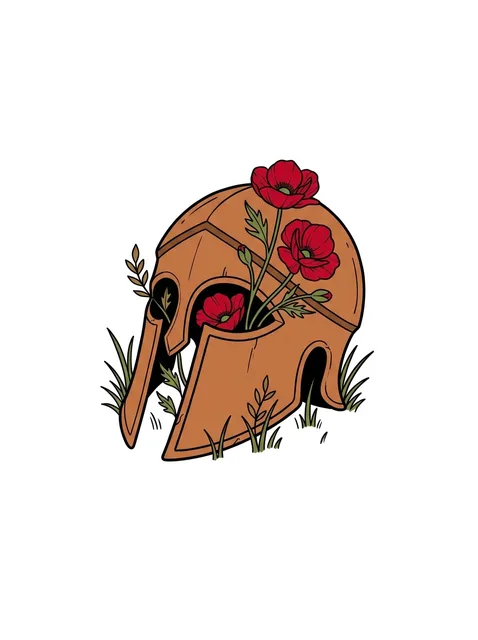
Color illustrative warrior and spartan helmet tattoo design Try it on — Color illustrative warrior and spartan helmet tattoo design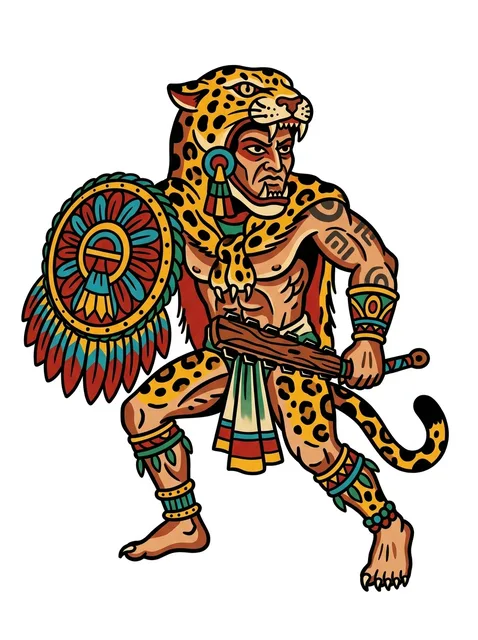
Color traditional warrior and aztec tattoo design: the Aztec jaguar order crouched and ready Try it on — Color traditional warrior and aztec tattoo design: the Aztec jaguar order crouched and ready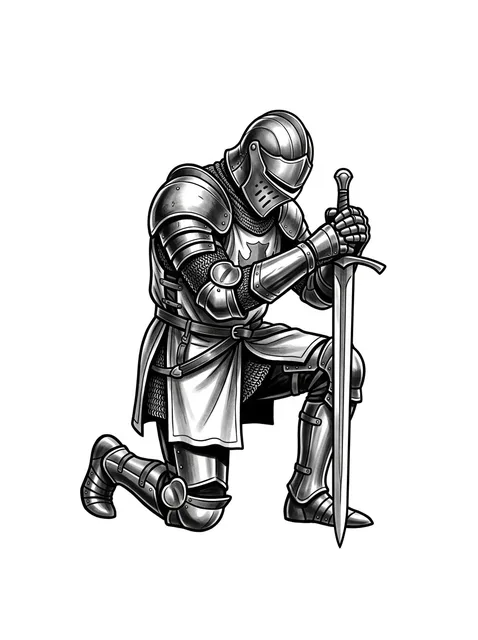
Black and grey illustrative warrior and knight tattoo design Try it on — Black and grey illustrative warrior and knight tattoo design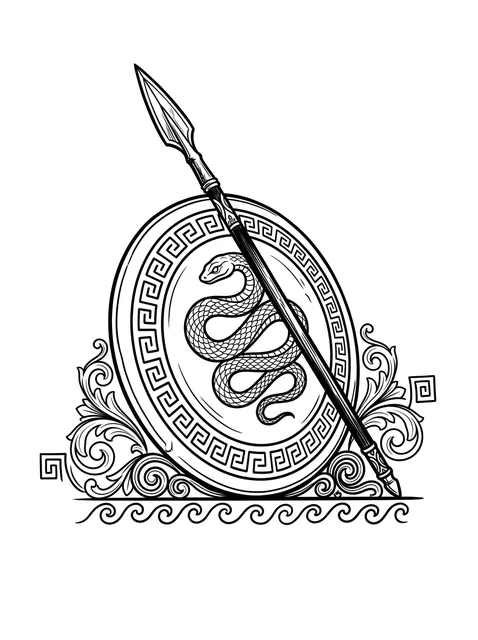
Black and grey ornamental warrior and shield tattoo design Try it on — Black and grey ornamental warrior and shield tattoo design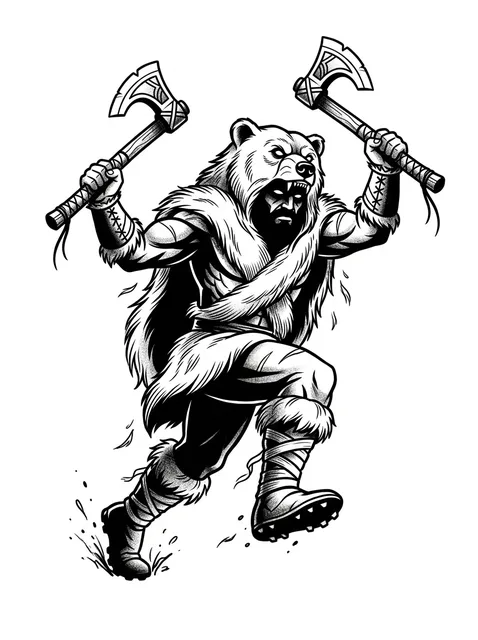
Black and white blackwork warrior and viking tattoo design Try it on — Black and white blackwork warrior and viking tattoo design


Tap any design to see it on your own skin in the try-on — no signup.
This set of 22 warrior designs, by the numbers
- Styles represented
- illustrative (7), blackwork (4), traditional (3), neo traditional (2), celtic (1), fine line (1)
- Black-and-grey vs colour
- 55% black-and-grey, 45% colour
- Most often drawn with
- spartan helmet, sword, woman portrait, viking
Counted from the 22 designs shown on this page. Every one was drawn for InkCraft — none are scraped or reposted. Free to reference with a link to this page.
What a warrior tattoo means
Few people wear a warrior to celebrate fighting. They usually mean discipline, loyalty to the people beside them, or a hard stretch they came through standing up, and some wear one for someone who served. The armour tells a viewer which army the figure belongs to, so choosing the period is choosing the reading.
Many designs here have nobody inside the armour, and they carry the most specific meanings. A crested helmet hung on the hilt of a sword driven into the earth repeats the battlefield cross still set up for the fallen, a rifle standing bayonet down with a helmet on its stock. The empty Corinthian helmet with red poppies growing through its eye openings borrows the remembrance poppy of the First World War, from John McCrae's poem In Flanders Fields of 1915. Both are memorials first. The skull in a crested helmet makes the older memento mori point: the armour outlasted the man.
The helmet sold as Spartan is the Corinthian, beaten from one sheet of bronze and closed over the face but for narrow eye slits and a gap at the mouth; hoplites across the Greek world wore it. Greek art also shows it pushed up off the face, as in the Roman copies of Kresilas's portrait of Pericles, a general in office rather than a fight in progress. The fine-line figure on the ridge, helmet under his arm, makes the same quieter point.
Three figures widen who counts as a warrior. The Amazon drawn like a Greek vase painting wears the patterned trousers and pointed cap Greek painters gave the steppe peoples, among whom Scythian women were buried with their weapons. The braided swordswoman with a black wolf on her red shield is the shieldmaiden of the sagas. The berserker in a bear's pelt and the lion-headed spearman take the animal into the man.
Where the design comes from
Much of the equipment here can be checked against a real object. The spectacle guard on the Viking's iron cap follows the best-known Viking Age helmet, dug from a grave mound at Gjermundbu in Norway in 1943. The legionary's segmented plates and the curved shield painted with wings and thunderbolts come from the reliefs of Trajan's Column in Rome, dedicated in 113. The centurion's crest runs from ear to ear because, as Vegetius wrote, it let his own men find him. The Celt's spiked hair, gold torc and drooping moustache are those of the Dying Gaul, a Roman marble copy of a lost bronze from Pergamon; the knotwork on his cloak comes from Insular manuscripts such as the Book of Kells, centuries younger. The berserker comes from Snorri Sturluson, who wrote in the thirteenth century of Odin's men fighting without mail, biting their shields, strong as bears.
Choosing yours
- Keep to one period. The crest, the shield and the weapon date a figure, and mixing centuries is the commonest mistake in warrior work: horns on a Norse cap, a knight's sword in a hoplite's hand. For a Celt whose ornament matches his torc, ask for the curling spirals of the Battersea Shield, pulled from the Thames in 1857, rather than manuscript knotwork.
- Use the helmet alone when the space is small. A Corinthian helmet is a complete silhouette at 6 cm, as the three-line profile here shows; a whole figure needs room for face, hands and weapon to stay apart.
Size, cost and placement
How big, and what it costs
A helmet alone is the economical warrior: the minimalist profile fits 6 cm and an hour, a shaded Corinthian or kabuto 10 to 12 cm and two to four hours. Full figures such as the jaguar warrior, the legionary or the Celt need 15 to 20 cm to keep faces, hands and shield patterns apart, and five hours or more in colour.
Where it sits, and how much it hurts
A single helmet sits well on the outer upper arm or the shoulder cap, where its dome follows the curve; standing figures want the run of a calf, a forearm or the outer thigh. The symmetrical frontal Corinthian suits the sternum or the centre of the back, both sorer than the arm.
What to ask your artist
- Which army and century the figure belongs to, and that helmet, shield and weapon all match it rather than mixing periods.
- On the frontal Corinthian, how the eye slits and the mouth gap keep their shape as the black spreads.
- Whether a name or a date fits under an empty helmet without crowding it.
Prices vary widely by city and artist — treat these as session lengths rather than quotes, and expect a shop minimum on anything small. The cost guide turns hours into money by size, placement and style.
Common questions
Is the Spartan helmet really Spartan?
It is the Corinthian helmet, worn by hoplites all over Greece from the seventh century BC, and Spartans were only some of them. A marble bust found at Sparta in 1925 wears one and is nicknamed Leonidas, although nobody knows whom it shows.
Who were the Aztec eagle and jaguar warriors?
Two elite ranks of the Mexica army, reached by bringing captives home alive. The Codex Mendoza lists jaguar suits among the tribute in red, blue and yellow, which suggests feathers rather than real pelts; the spotted skin on the traditional jaguar warrior here is the popular version.
Can a warrior tattoo be a memorial?
Many are. An empty helmet, a helmet on a planted sword or a knight kneeling with both hands on the hilt belongs to mourning more than to battle, and a name, unit or date beneath it makes that plain.
Where does the word berserker come from?
Old Norse berserkr, usually read as bear-shirt, though some scholars prefer bare-shirt, a man fighting without mail. The blackwork berserker here takes the first, the bear's head worn as a hood.
See it on your skin before you commit
InkCraft places any of these designs on a photo of you — scaled, wrapped and shaded to the placement you pick.