 InkCraft
Biomechanical tattoo designs mapped to anatomy
27 original biomechanical tattoos designs drawn for InkCraftBy Uladzimir TumanauUpdated
The skin opened to show machinery underneath. It is the only major style whose design cannot be finished before the artist has seen the limb it is going on, because the illusion is made of your own anatomy.
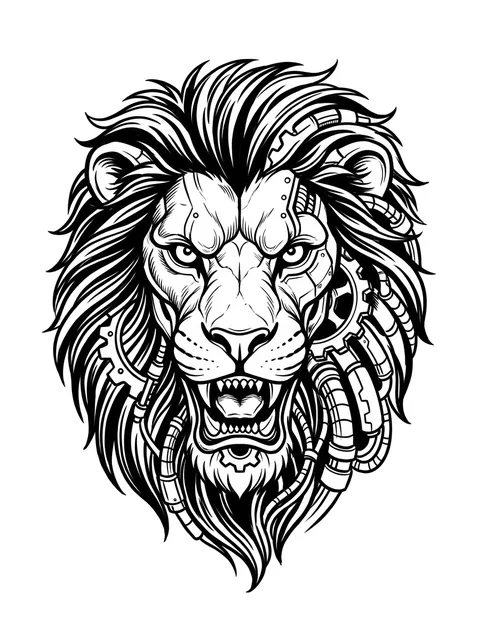
Black and white biomechanical lion tattoo design Try it on — Black and white biomechanical lion tattoo design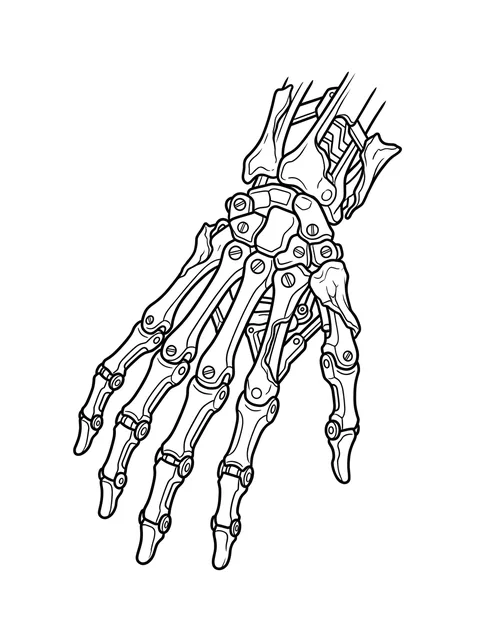
Black and grey biomechanical skeleton hand and hand tattoo design Try it on — Black and grey biomechanical skeleton hand and hand tattoo design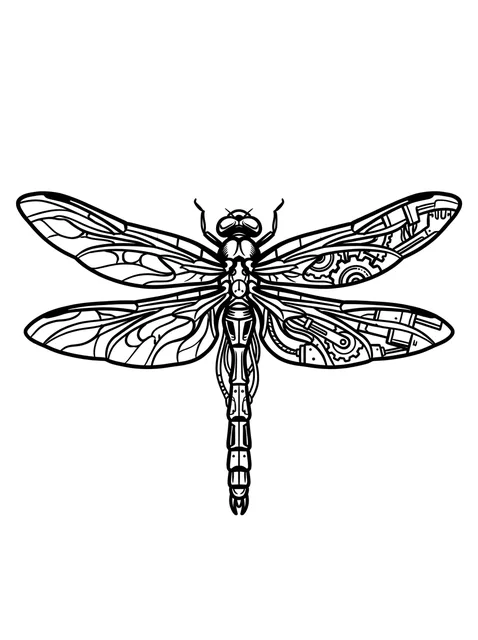
Black and white biomechanical dragonfly tattoo design Try it on — Black and white biomechanical dragonfly tattoo design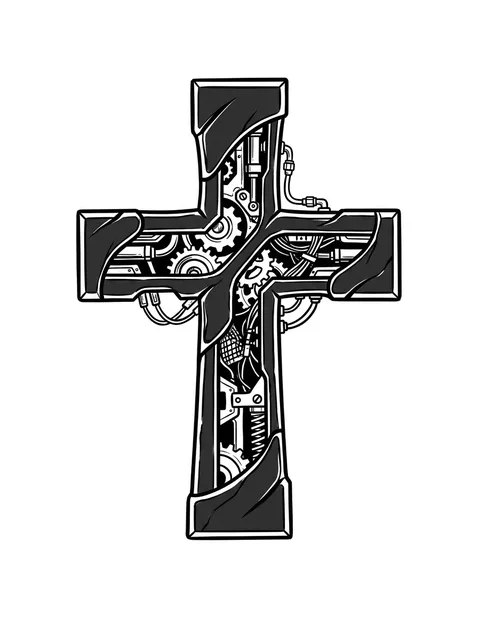
Black and grey biomechanical cross tattoo design Try it on — Black and grey biomechanical cross tattoo design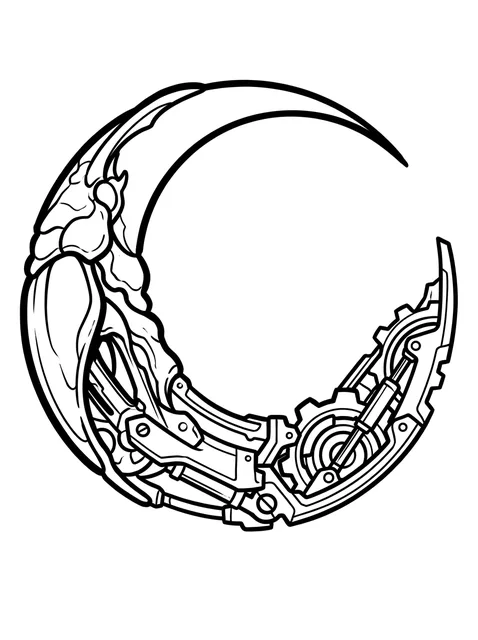
Black and grey biomechanical moon tattoo design: a crescent moon Try it on — Black and grey biomechanical moon tattoo design: a crescent moon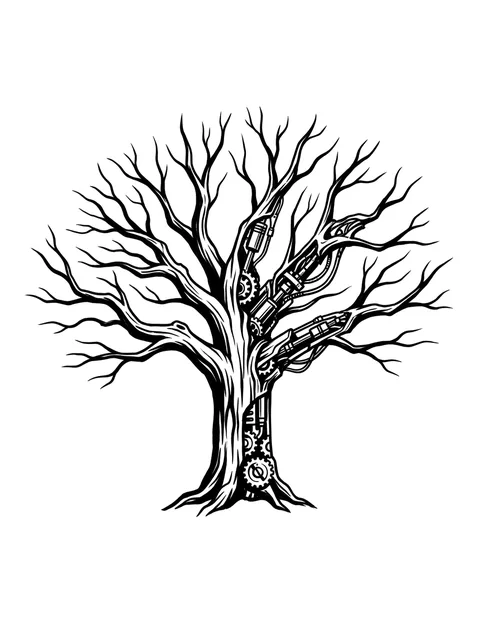
Black and white biomechanical tree tattoo design Try it on — Black and white biomechanical tree tattoo design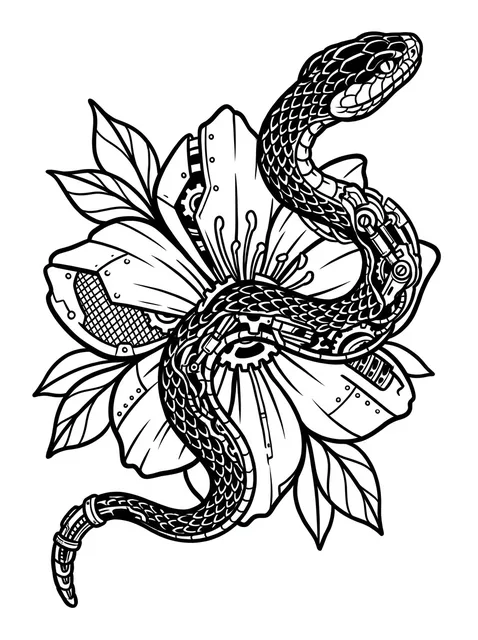
Black and grey biomechanical snake and flower tattoo design: a snake intertwined with a flower Try it on — Black and grey biomechanical snake and flower tattoo design: a snake intertwined with a flower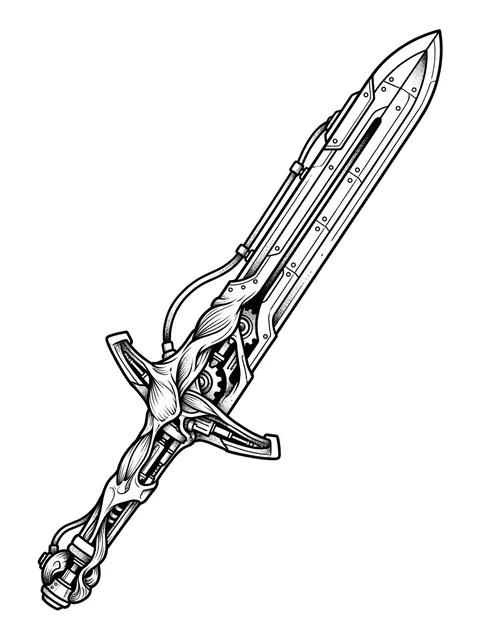
Black and grey biomechanical sword tattoo design Try it on — Black and grey biomechanical sword tattoo design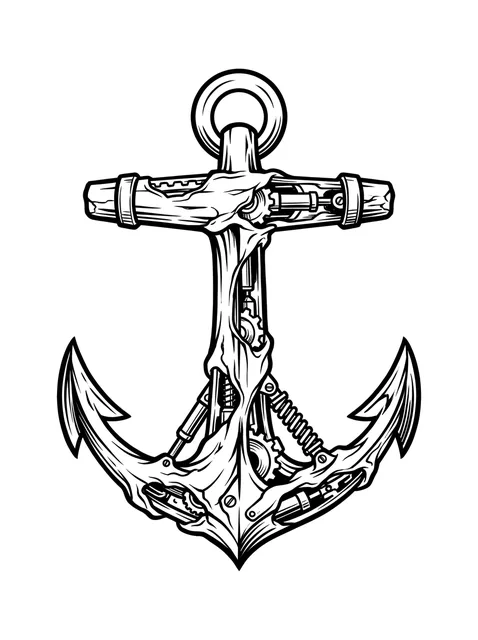
Black and grey biomechanical anchor tattoo design Try it on — Black and grey biomechanical anchor tattoo design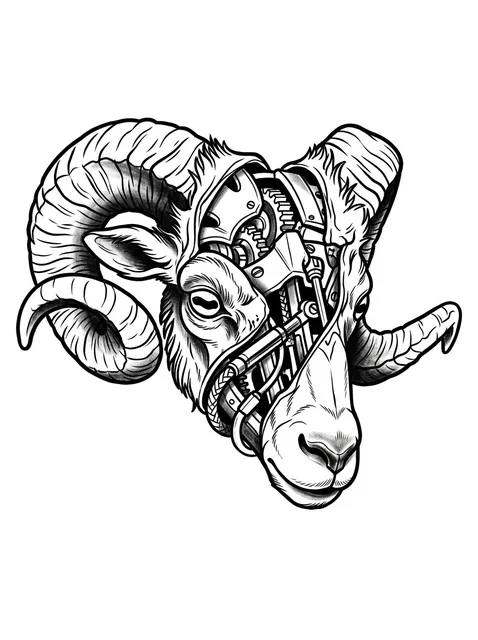
Black and grey biomechanical goat tattoo design: a ram's head with a biomechanical twist Try it on — Black and grey biomechanical goat tattoo design: a ram's head with a biomechanical twist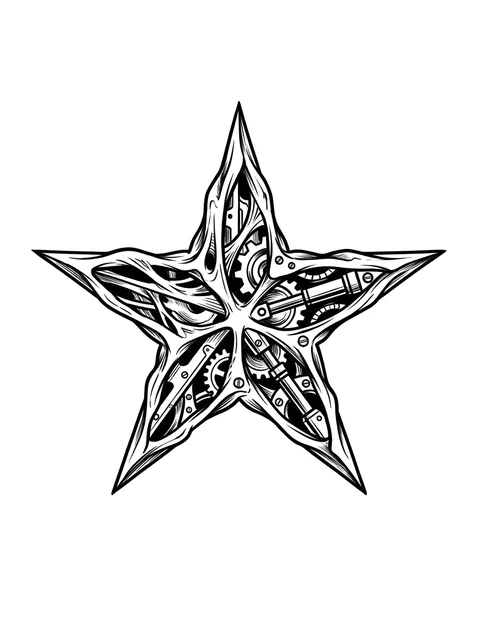
Black and white biomechanical star tattoo design Try it on — Black and white biomechanical star tattoo design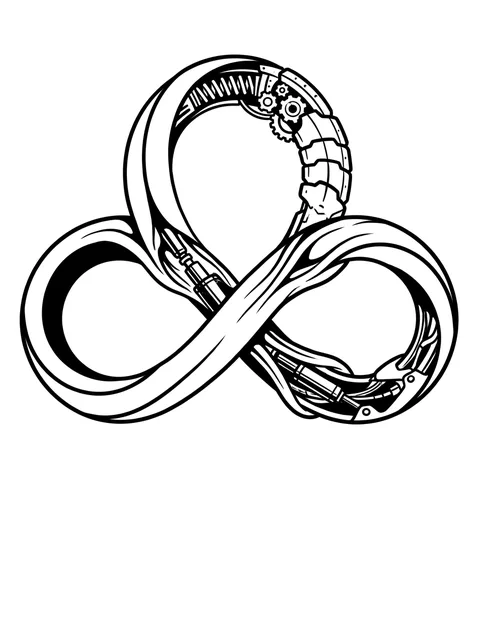
Black and white biomechanical infinity tattoo design Try it on — Black and white biomechanical infinity tattoo design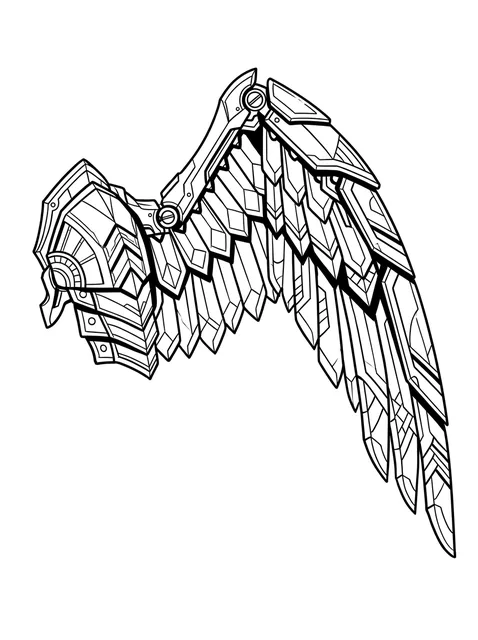
Black and grey biomechanical angel wings tattoo design Try it on — Black and grey biomechanical angel wings tattoo design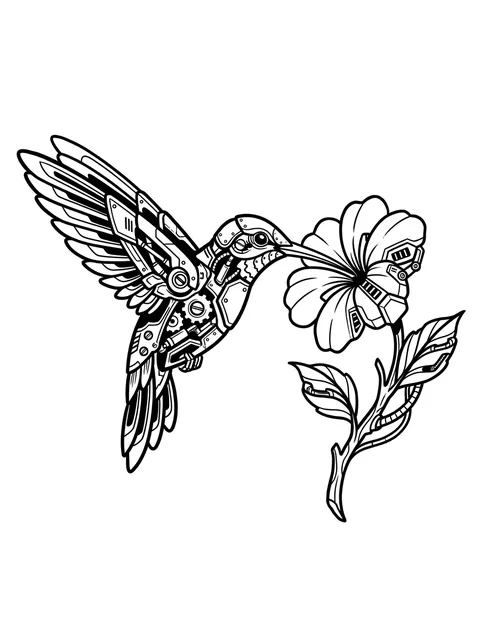
Black and white biomechanical hummingbird and flower tattoo design Try it on — Black and white biomechanical hummingbird and flower tattoo design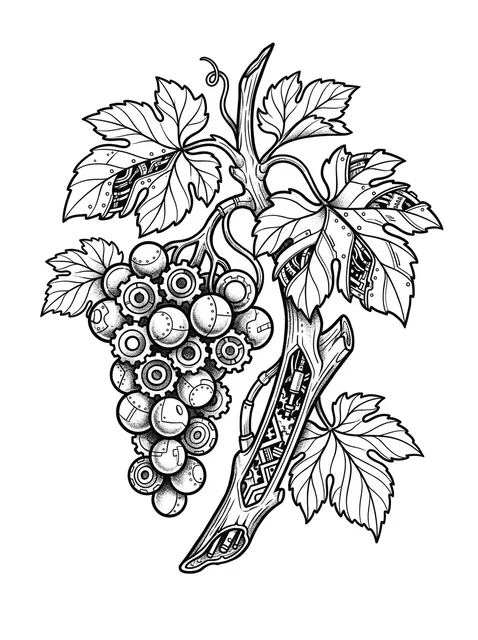
Black and grey biomechanical leaf and vine tattoo design: a cluster of grapes and vine leaves Try it on — Black and grey biomechanical leaf and vine tattoo design: a cluster of grapes and vine leaves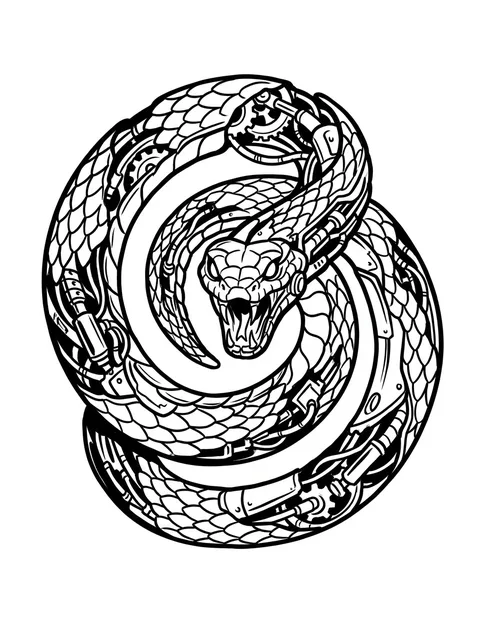
Black and white biomechanical snake and ouroboros tattoo design Try it on — Black and white biomechanical snake and ouroboros tattoo design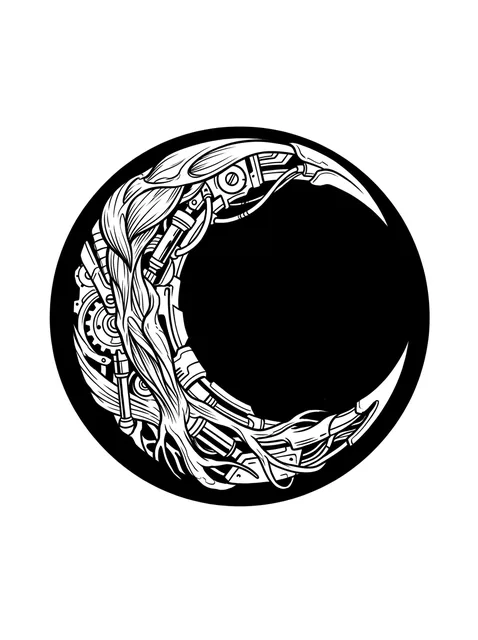
Black and grey biomechanical moon tattoo design: a crescent moon Try it on — Black and grey biomechanical moon tattoo design: a crescent moon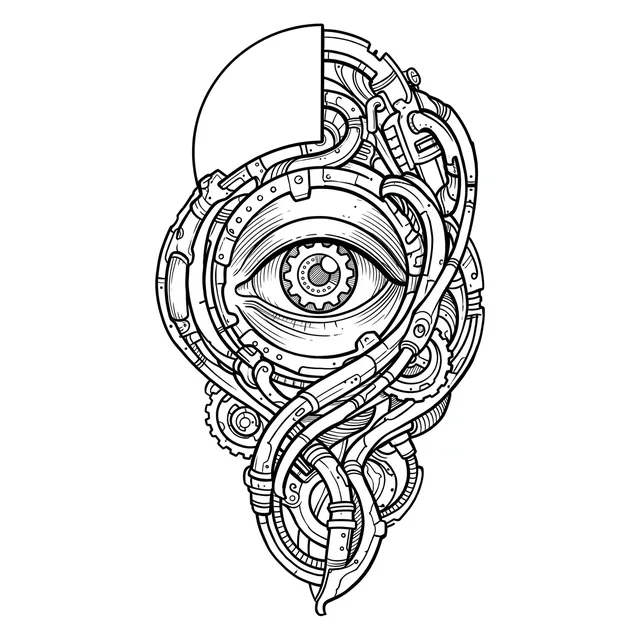
Black and grey biomechanical eye tattoo design Try it on — Black and grey biomechanical eye tattoo design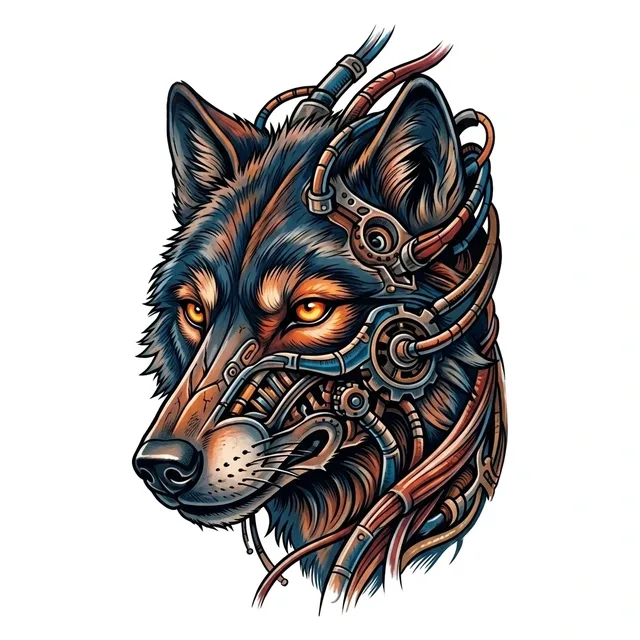
Color biomechanical wolf tattoo design: a wolf's head with intricate biomechanical elements Try it on — Color biomechanical wolf tattoo design: a wolf's head with intricate biomechanical elements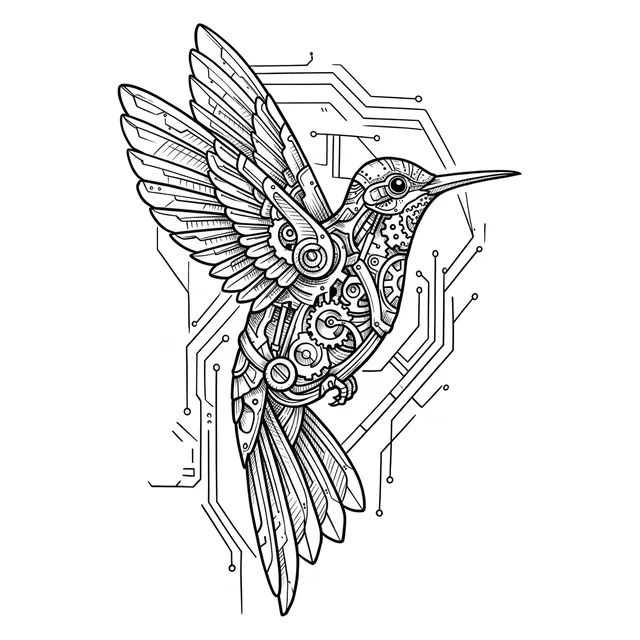
Black and white biomechanical hummingbird tattoo design Try it on — Black and white biomechanical hummingbird tattoo design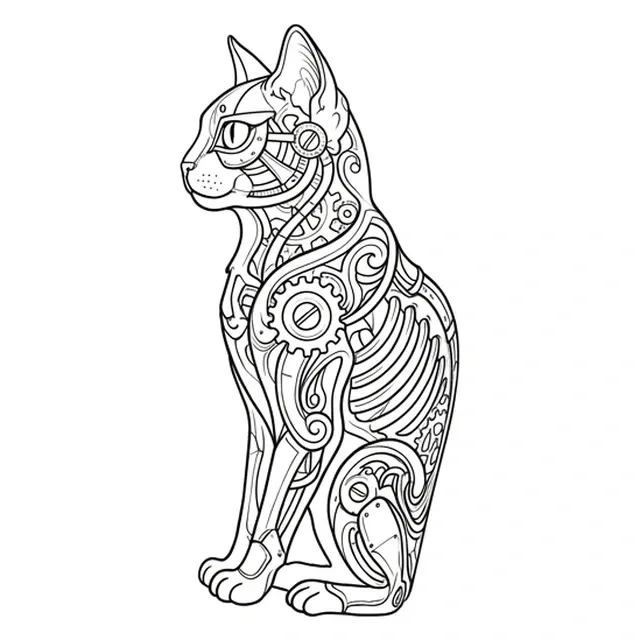
Black and grey biomechanical cat tattoo design: a cat in profile, sitting upright Try it on — Black and grey biomechanical cat tattoo design: a cat in profile, sitting upright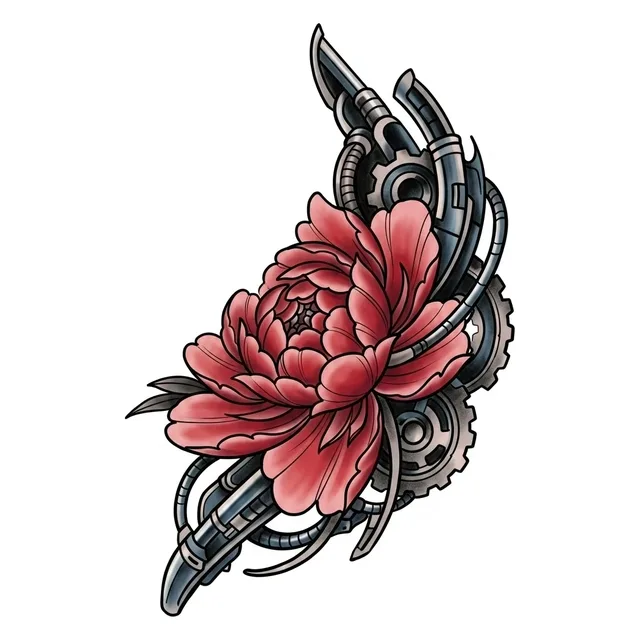
Color biomechanical peony tattoo design Try it on — Color biomechanical peony tattoo design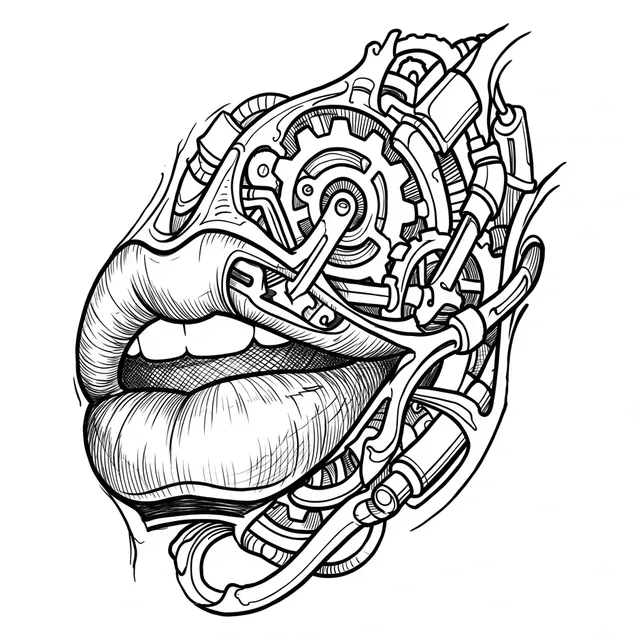
Black and white biomechanical lips tattoo design Try it on — Black and white biomechanical lips tattoo design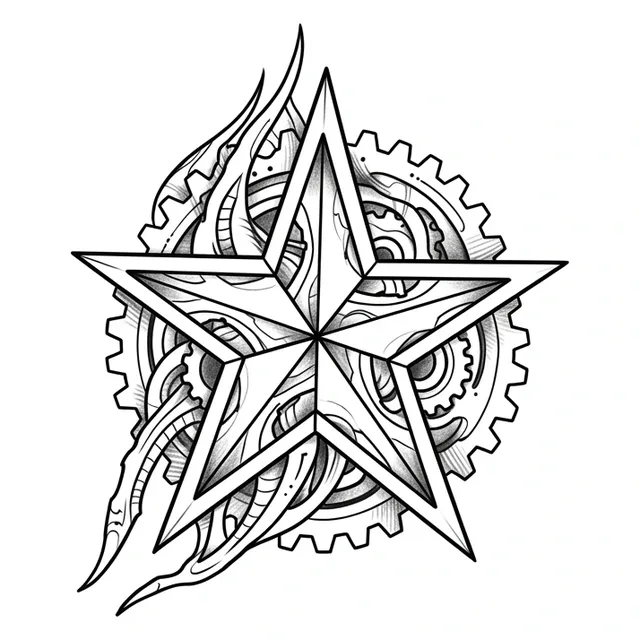
Black and grey biomechanical star tattoo design Try it on — Black and grey biomechanical star tattoo design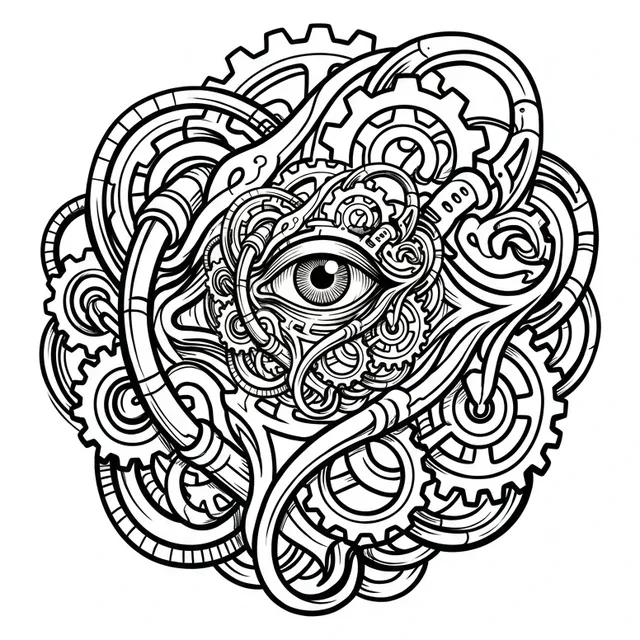
Black and white biomechanical eye tattoo design Try it on — Black and white biomechanical eye tattoo design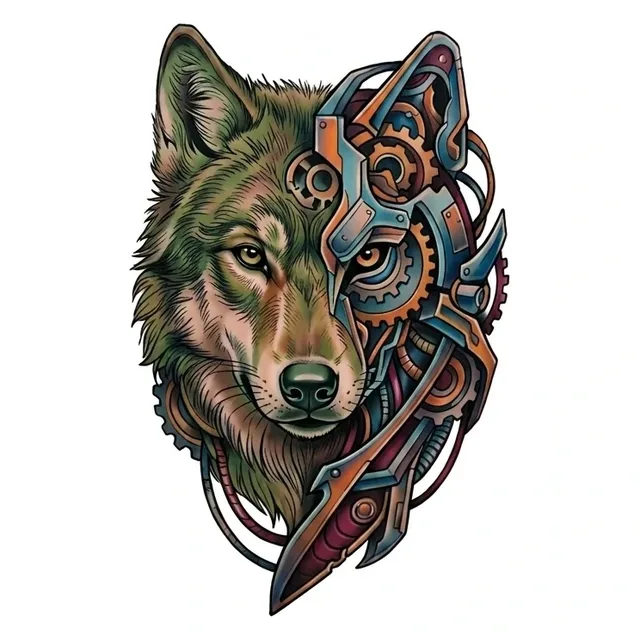
Color biomechanical wolf tattoo design: a wolf's head, half organic and half biomechanical Try it on — Color biomechanical wolf tattoo design: a wolf's head, half organic and half biomechanical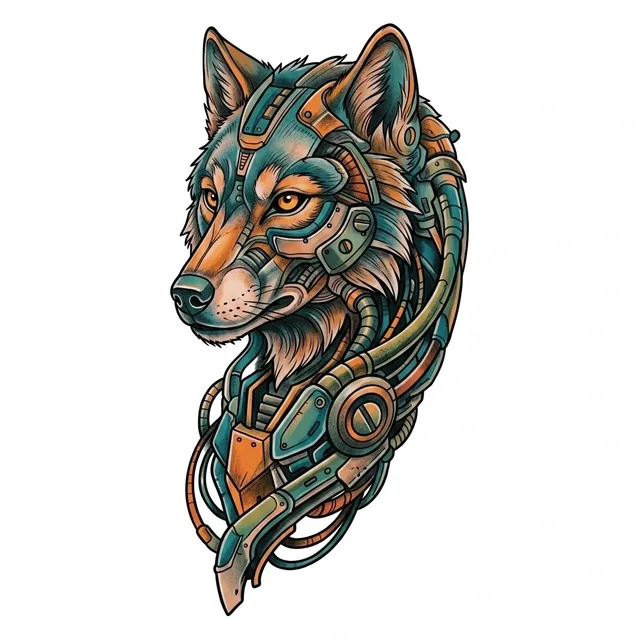
Color biomechanical wolf tattoo design Try it on — Color biomechanical wolf tattoo design


27 designs drawn for InkCraft in this style. Tap any one to place it on a photo of your own skin.
These 27 designs, in numbers
- Black and grey
- 23
- Colour
- 4
- Subjects covered
- 24
The design is a collaboration with your body
Every other style can be drawn flat, printed as a stencil and applied. Biomechanical cannot, and this is the single fact that matters most about it. The piece works by pretending that what lies under your skin is pistons, cabling and armature — so the pistons have to run where your muscle actually runs, and the torn edge has to open where your arm actually curves. Move the same drawing to a different forearm and the illusion stops.
In practice that means a long consultation with the limb in front of the artist, stencil work finished freehand on the skin, and often a design that is only fully resolved once you are in the chair. Expect to be asked to flex, rotate and hold positions while it is mapped, and expect the artist to refuse to quote precisely until they have done it.
It also means references are worth less here than anywhere else. A biomechanical photograph you love was built around someone else's anatomy, and the parts of it you are responding to are largely the parts that were specific to them.
Contrast is the whole illusion
Depth in a biomechanical piece comes from the range between its darkest recess and its brightest highlight. The black behind a cable is what makes the cable sit in front; the hard white on a piston edge is what makes it metal. Take away twenty per cent of that range and the piece does not look faded so much as flat — the machinery moves back to the surface of the skin, which is precisely where it was trying not to be.
So the style rewards being drawn heavier than looks necessary and punishes being drawn small. The recesses need to be genuinely black rather than dark grey, and the highlights need real space. Most pieces that disappoint after ten years were underexposed on day one rather than damaged since.
Colour is optional and changes little. A cold grey-blue or a rust reads as metal convincingly, but the black-and-grey version of the same design is no less effective, and it is the contrast rather than the hue doing the work either way.
Where the anatomy helps
The forearm, the calf, the upper arm, the shoulder and the chest all have visible muscle shape that changes as you move, and all of them make the illusion easier — the tendon that stands out when you grip is a free structural line the artist can build a cable along.
Flat, soft or low-definition areas work against it. On an area with no underlying shape to imply, the piece has to invent all of its own depth, which means more black, more size and more hours for a weaker result. The lower back, the outer thigh and the stomach are the common disappointments for this reason.
Plan the edges before the first session. Biomechanical wants to look like an opening in the skin rather than a sticker on it, and that requires a decision about where the tear stops — a hard stop at a natural boundary such as the wrist, the elbow or the shoulder line reads as intentional, while one that simply runs out mid-forearm reads as unfinished.
What an hour of this work costs, and how many hours biomechanical tattoos takes at each size, is in the cost guide. How it behaves later — under a laser, and as the thing doing the covering — is in the removal and cover-up guide.
Common questions
- Why can a biomechanical tattoo not be designed in advance?
- Because the illusion is built from your anatomy. The machinery has to follow the muscle and tendon that are actually there, and the torn skin has to open where your limb actually curves. A design finished on paper before the artist has seen the limb will sit on it rather than in it.
- Does biomechanical work age well?
- It does when it was drawn with enough contrast. Depth comes from the range between the blackest recess and the brightest highlight, so a piece that starts out mid-grey flattens as ink spreads. Heavy blacks and genuine highlights are what keep the machinery looking like it is under the skin.
- Which placements suit biomechanical tattoos?
- Anywhere the muscle shape is visible and moves: forearm, calf, upper arm, shoulder, chest. Flat low-definition areas such as the outer thigh or the stomach force the design to invent all its own depth, which costs more hours for a weaker result.
- Should biomechanical tattoos be colour or black and grey?
- Either works, because contrast rather than hue creates the depth. A cold grey-blue or a rust reads convincingly as metal, and the black-and-grey version of the same drawing is no less effective. Choose on what sits beside it on your body rather than on the style.
See this style on your own skin
InkCraft places a design on a photo of you — scaled, wrapped and shaded to the spot you pick, so you can judge how the style reads on your body before it is permanent.