 InkCraft
Patchwork tattoos: small pieces, skin between
22 original patchwork tattoos designs drawn for InkCraftBy Uladzimir TumanauUpdated
Separate small tattoos, collected one at a time, with bare skin left between them on purpose. The gaps are as much a part of the design as the pieces, and deciding where they fall is most of the planning.
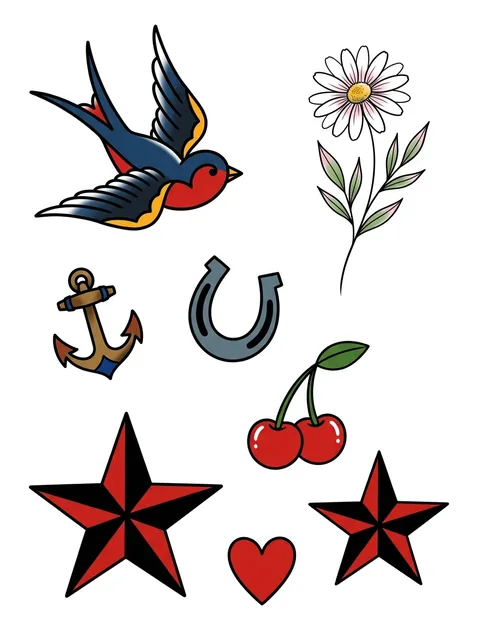
Color patchwork swallow and star tattoo design Try it on — Color patchwork swallow and star tattoo design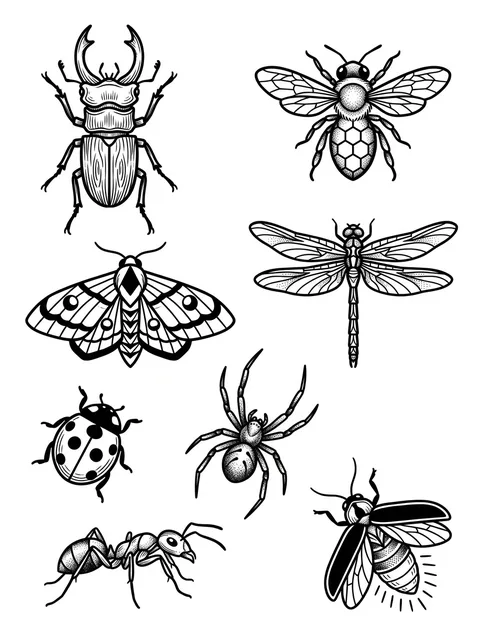
Black and grey patchwork bee and moth tattoo design Try it on — Black and grey patchwork bee and moth tattoo design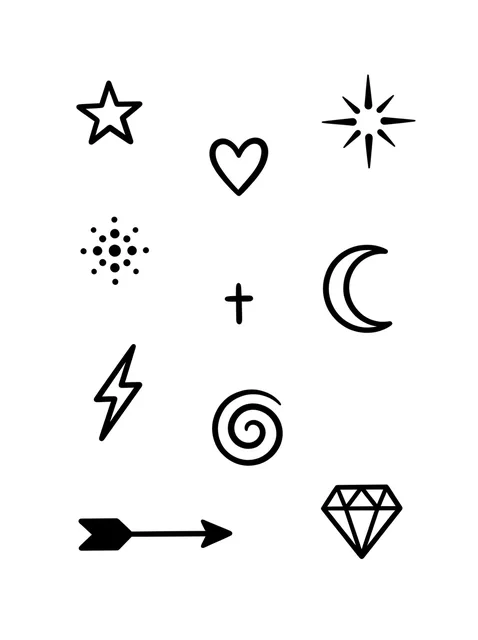
Black and grey patchwork star and heart tattoo design Try it on — Black and grey patchwork star and heart tattoo design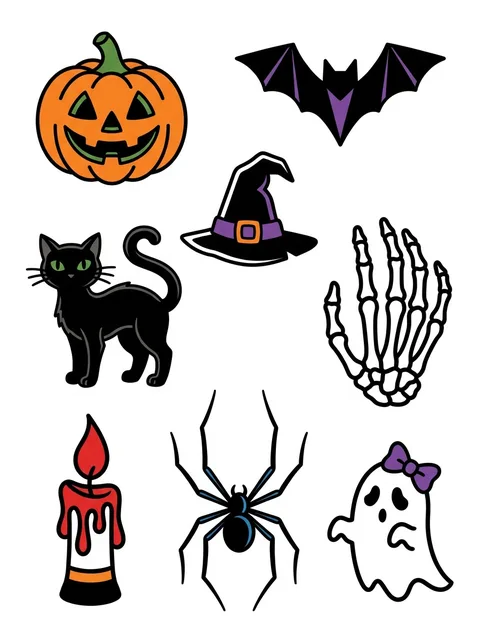
Color patchwork cat and ghost tattoo design Try it on — Color patchwork cat and ghost tattoo design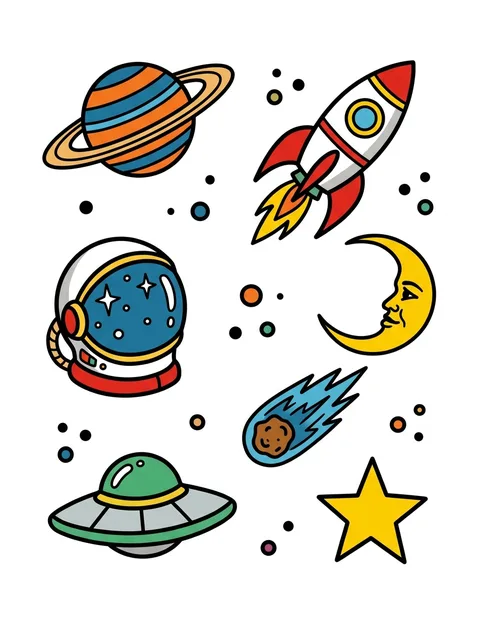
Color patchwork planet and moon tattoo design: a face and blue comet lead this space patchwork Try it on — Color patchwork planet and moon tattoo design: a face and blue comet lead this space patchwork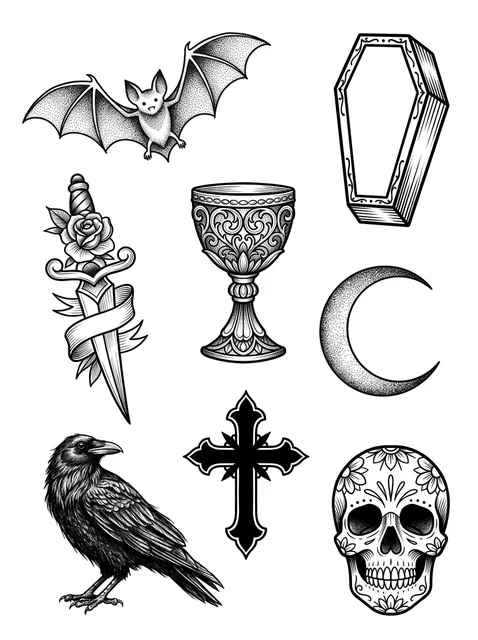
Black and grey patchwork raven and sugar skull tattoo design Try it on — Black and grey patchwork raven and sugar skull tattoo design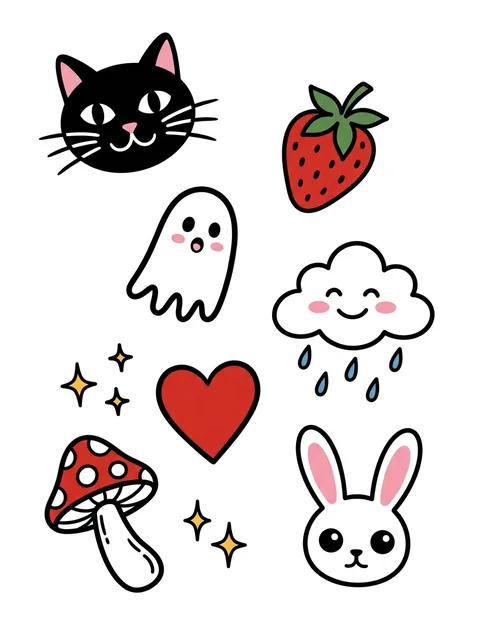
Color patchwork cat and heart tattoo design Try it on — Color patchwork cat and heart tattoo design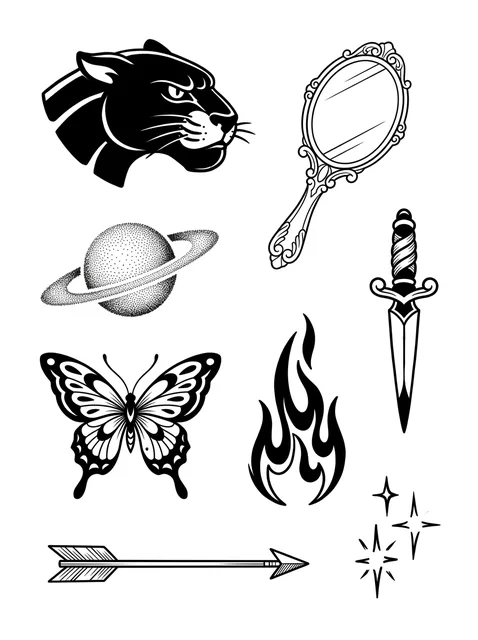
Black and grey patchwork panther and butterfly tattoo design Try it on — Black and grey patchwork panther and butterfly tattoo design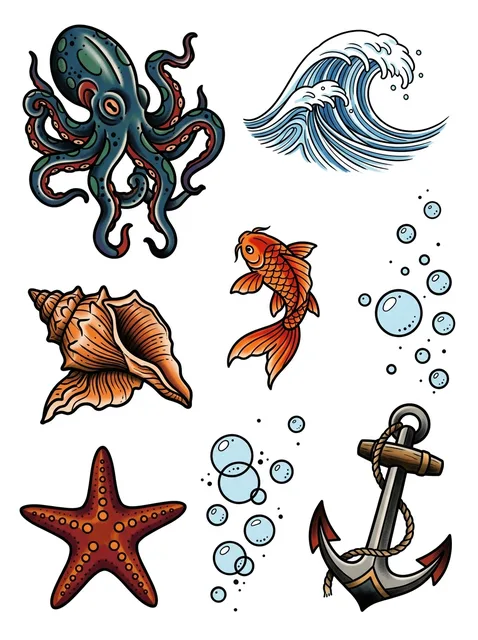
Color patchwork octopus and wave tattoo design Try it on — Color patchwork octopus and wave tattoo design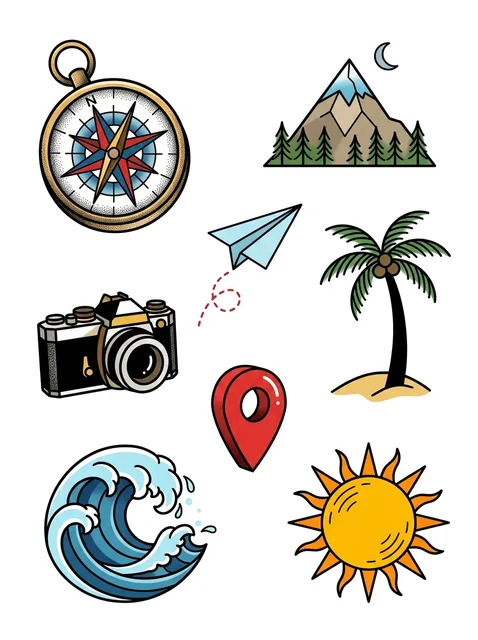
Color patchwork compass and mountain tattoo design Try it on — Color patchwork compass and mountain tattoo design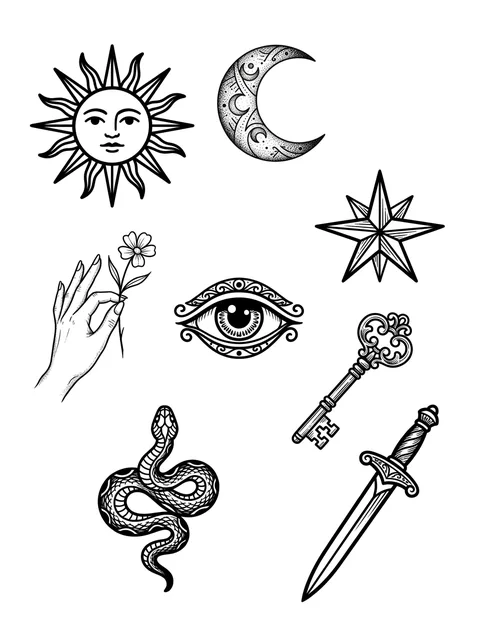
Black and grey patchwork sun and moon tattoo design Try it on — Black and grey patchwork sun and moon tattoo design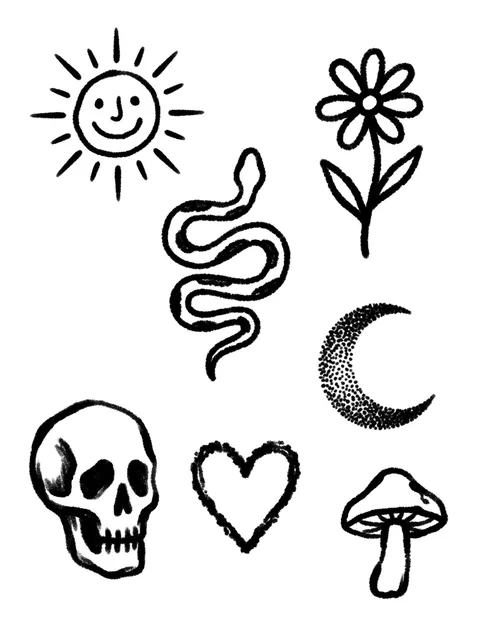
Black and grey patchwork skull and snake tattoo design: a daisy, a scratchy Try it on — Black and grey patchwork skull and snake tattoo design: a daisy, a scratchy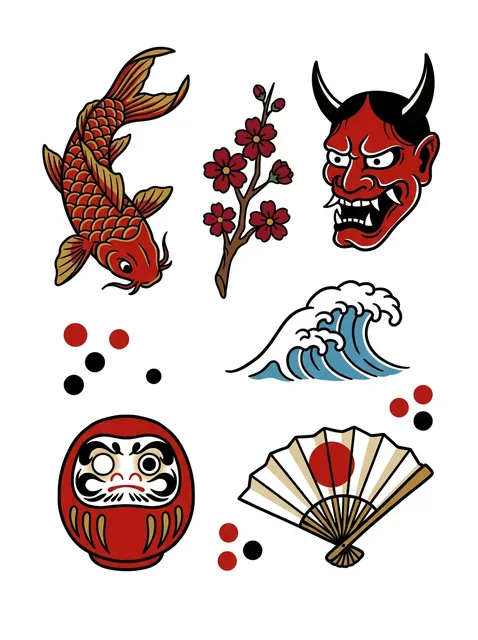
Color patchwork koi and demon tattoo design Try it on — Color patchwork koi and demon tattoo design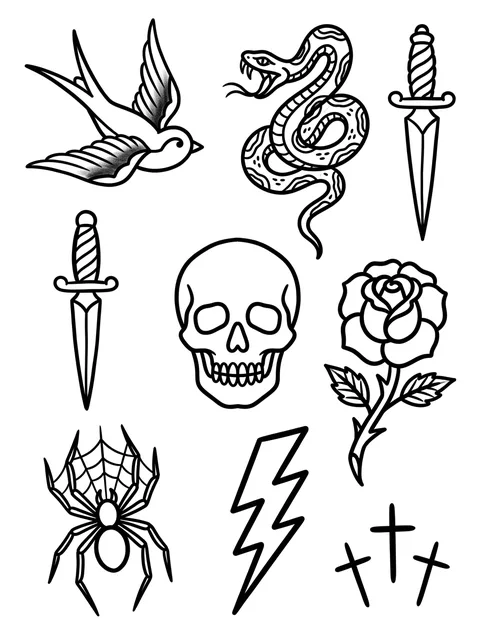
Black and grey patchwork skull and swallow tattoo design Try it on — Black and grey patchwork skull and swallow tattoo design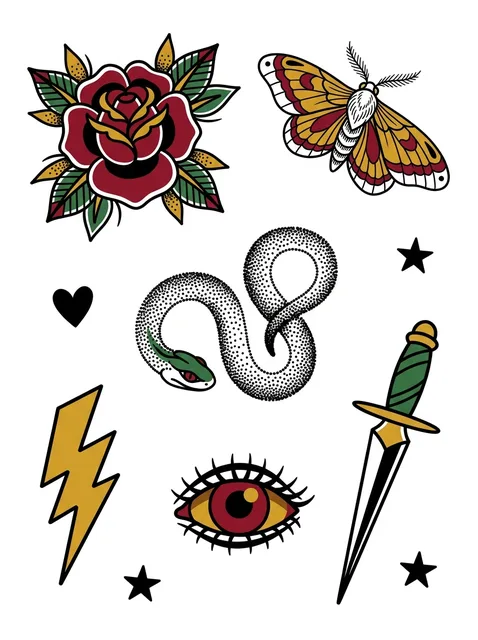
Color patchwork rose and moth tattoo design Try it on — Color patchwork rose and moth tattoo design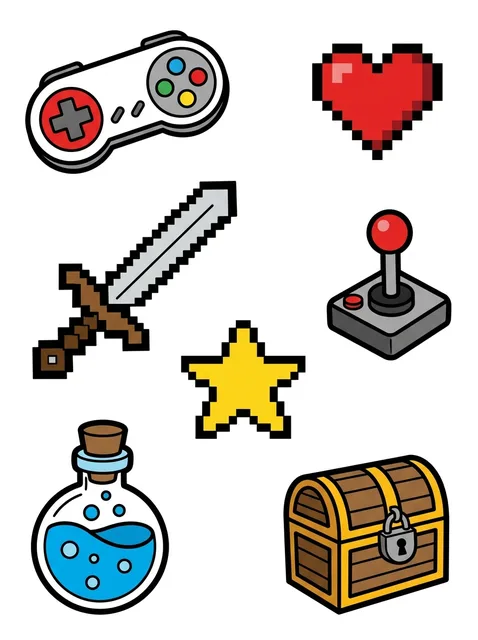
Color patchwork heart and sword tattoo design Try it on — Color patchwork heart and sword tattoo design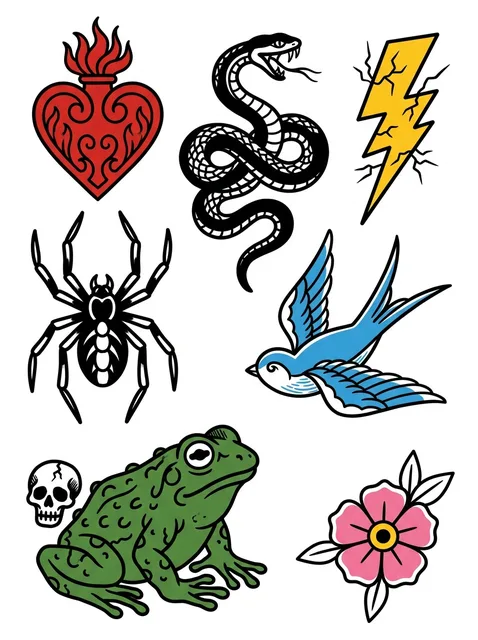
Color patchwork heart and swallow tattoo design Try it on — Color patchwork heart and swallow tattoo design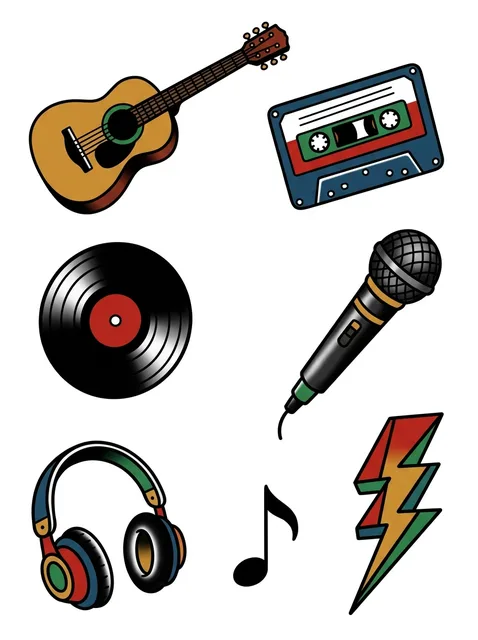
Color patchwork guitar and music note tattoo design Try it on — Color patchwork guitar and music note tattoo design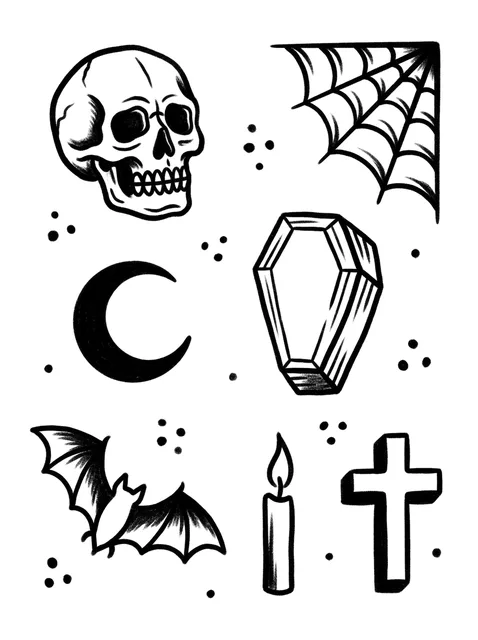
Black and grey patchwork skull and web tattoo design Try it on — Black and grey patchwork skull and web tattoo design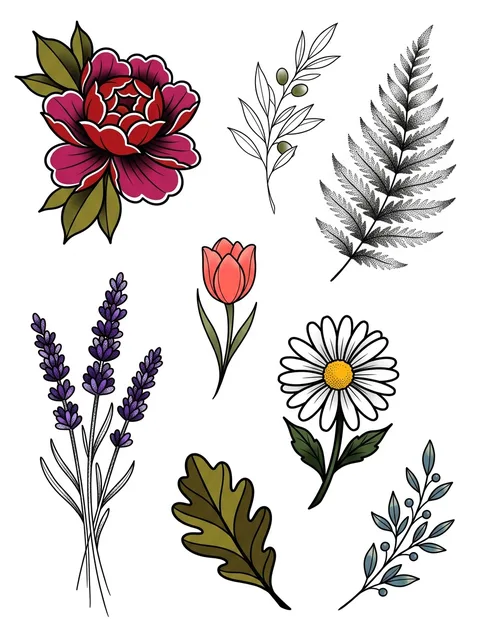
Color patchwork peony and fern tattoo design Try it on — Color patchwork peony and fern tattoo design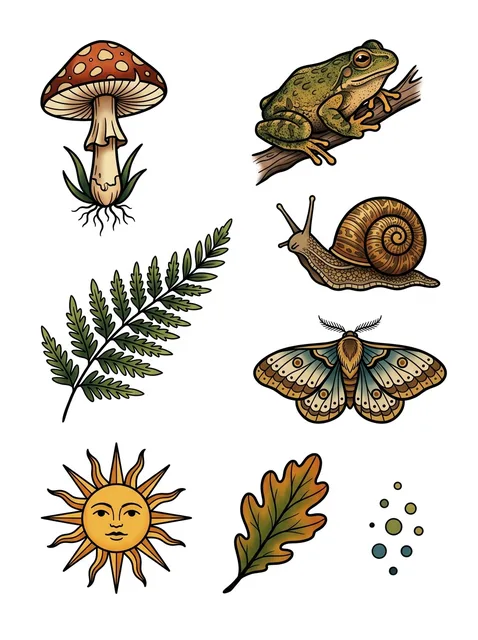
Color patchwork mushroom and frog tattoo design Try it on — Color patchwork mushroom and frog tattoo design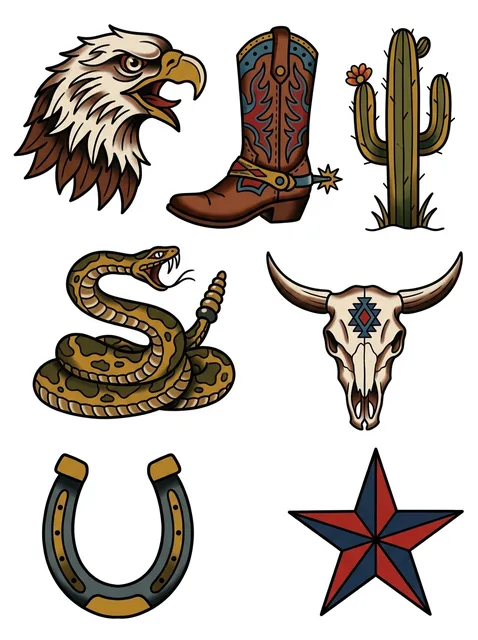
Color patchwork eagle and snake tattoo design Try it on — Color patchwork eagle and snake tattoo design


22 designs drawn for InkCraft in this style. Tap any one to place it on a photo of your own skin.
These 22 designs, in numbers
- Black and grey
- 8
- Colour
- 14
- Subjects covered
- 42
The oldest way to fill an arm
Before the joined-up sleeve existed in Western tattooing, a heavily tattooed arm looked like this by default. Sailors and travelling showmen bought one design at a time from whichever shop stood nearest the dock, each off a different sheet and often by a different hand, and the arm filled up as a record of where they had been. Nobody planned the whole; the skin between pieces was simply the part not yet used.
The unified sleeve, where a background binds every element into one composition, arrived largely from Japan. Ed Hardy began working with the master Horihide in 1973 and became the main route by which Japanese composition entered American studios, and within a generation the connected sleeve was the ambitious choice while the scattered arm looked unfinished.
Patchwork is that scattered arm chosen on purpose. Its other name, the sticker sleeve, describes it well: each piece sits on the skin like a sticker on a laptop lid, complete in itself and touching nothing. The styles are usually mixed deliberately, a bold traditional rose beside a fine-line moth beside a dotwork snake, and the contrast between them is part of the look rather than a failure to match.
Planning an arm you will fill over years
Put the largest pieces down first, on the broadest surfaces: the outer upper arm, the outer forearm, the cap of the shoulder. These anchor the spacing of everything after them and they are the spots people actually see, so they deserve the designs you are surest of. Smaller work moves in towards the wrist, the inner arm and the elbow afterwards, never before.
Leave more room between pieces than looks necessary on the day. Ink creeps outward for years, so two designs set a few millimetres apart will read as touching a decade later, and a patchwork arm whose pieces have merged just looks crowded. About a finger's width of bare skin keeps the separation the whole style depends on.
Choose one rule that holds the collection together, because nothing else will. The usual ones are a shared outline weight, a palette of black plus a single colour, or one tradition such as old-school flash. Most sets on this page keep to a theme — Americana, ocean, gothic, Japanese, stick-and-poke — while the pieces inside each set still differ in subject and in weight, which is the tension that stops a patchwork arm reading as one illustration.
Filler, cost, and a way out
Filler is what goes in last: stars, dots, sparks, tiny crosses, lightning bolts, a spiderweb tucked into the crook of the elbow. It exists to even out the gaps, not to close them, so the aim is spacing that looks regular across the arm rather than skin with nothing bare left. One set here is nothing but filler, which is how many artists offer it — a sheet of small marks you point at to finish an area.
Cost works differently from one large piece. Each small tattoo usually costs at least the shop minimum, because the setup, a fresh needle and sterile barriers are needed however little ink goes in, so a dozen separate pieces cost more than a single design over the same skin. The trade is that the arm can be paid for one visit at a time, with any artist whose work you want on it.
Patchwork also leaves an exit few styles have. The gaps can later be filled with a background, solid black, dotwork or a pattern, which joins the collection into one sleeve without covering any of it. Keep that possibility open by choosing pieces bold enough to stand against a dark surround, since a delicate fine-line piece disappears once the black arrives around it. Try the next piece on a photo of your arm beside the ones already there before settling its spot.
What an hour of this work costs, and how many hours patchwork tattoos takes at each size, is in the cost guide. How it behaves later — under a laser, and as the thing doing the covering — is in the removal and cover-up guide.
Common questions
- What is a patchwork tattoo?
- A collection of separate small tattoos, usually on one arm or leg, with bare skin left between them. Each piece is complete on its own, styles are often mixed on purpose, and the area is filled one visit at a time rather than designed as a single composition.
- How far apart should patchwork pieces be?
- Further than looks right when fresh. Ink spreads slowly for years, so pieces set a few millimetres apart will read as touching in a decade. Roughly a finger's width keeps them distinct, and small filler can even out the spacing later.
- Do the pieces in a patchwork sleeve have to match?
- No, but something should connect them: a shared outline weight, a limited palette, or one tradition such as old-school flash. With no common rule at all, a patchwork arm tends to read as clutter rather than as a collection.
- Can a patchwork sleeve become a full sleeve later?
- Yes, by filling the gaps with a background such as solid black or dotwork, which joins the pieces without covering them. It works best when every piece is bold enough to hold against the dark surround; fine-line pieces tend to vanish into it.
- Is patchwork more expensive than one big tattoo?
- Over the same area, usually yes, because each small piece carries the shop minimum for setup and a sterile kit. It is spread over many visits, though, and you can stop at any point with an arm that already looks finished.
See this style on your own skin
InkCraft places a design on a photo of you — scaled, wrapped and shaded to the spot you pick, so you can judge how the style reads on your body before it is permanent.