 InkCraft
Blackout tattoos: motifs left in bare skin
22 original blackout tattoos designs drawn for InkCraftBy Uladzimir TumanauUpdated
A blackout packs an area solid black, and in these designs the motif is whatever the black leaves out: a lotus, three swallows, a skull. It began as a way to bury unwanted tattoos, and it is still the hardest work in tattooing to take off again.
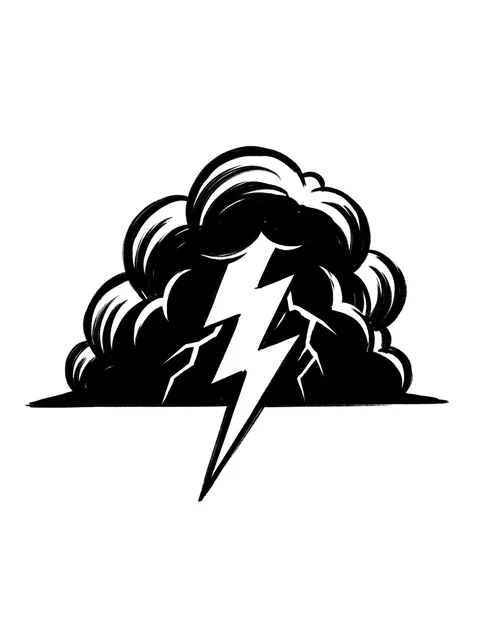
Black and white blackout lightning and cloud tattoo design Try it on — Black and white blackout lightning and cloud tattoo design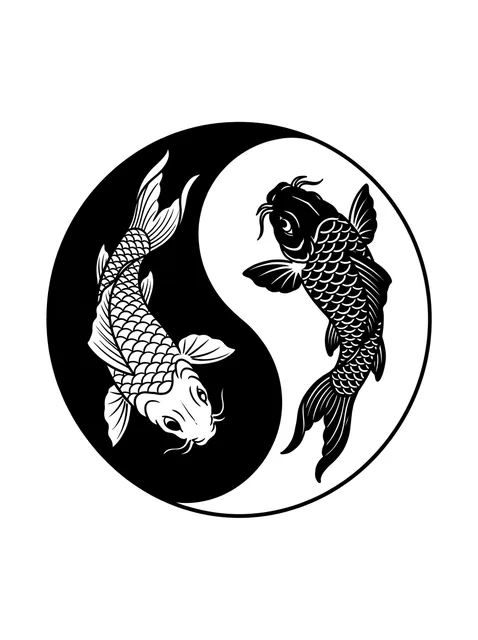
Black and white blackout koi and yin yang tattoo design Try it on — Black and white blackout koi and yin yang tattoo design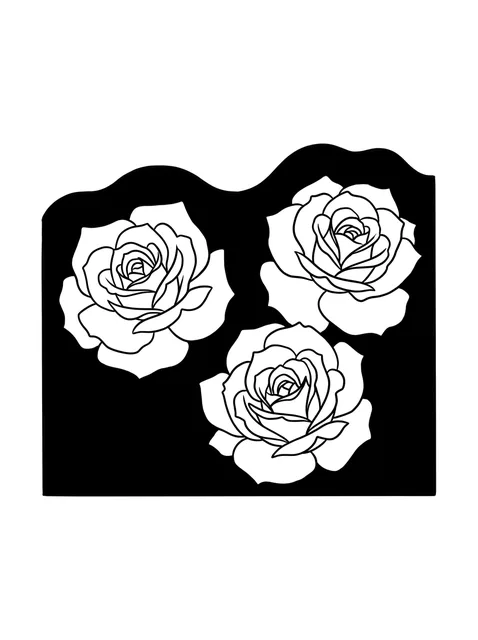
Black and white blackout rose tattoo design Try it on — Black and white blackout rose tattoo design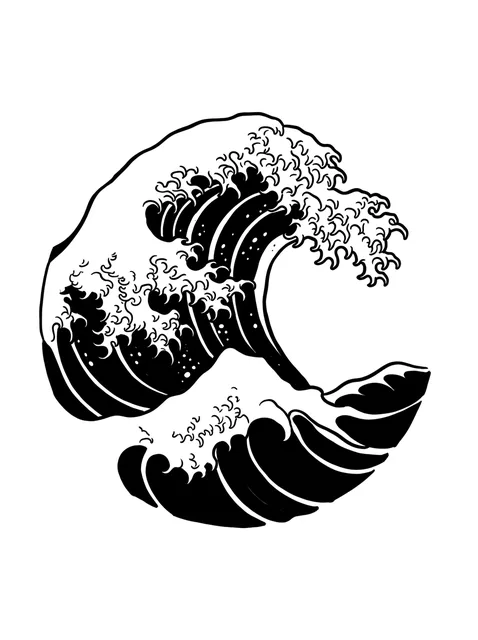
Black and white blackout wave tattoo design Try it on — Black and white blackout wave tattoo design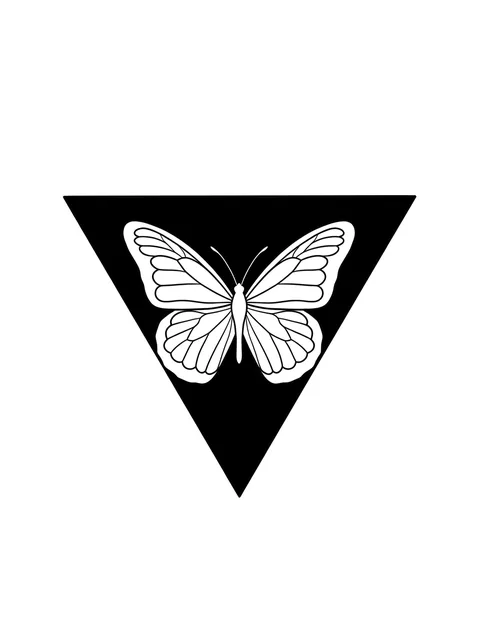
Black and white blackout butterfly tattoo design Try it on — Black and white blackout butterfly tattoo design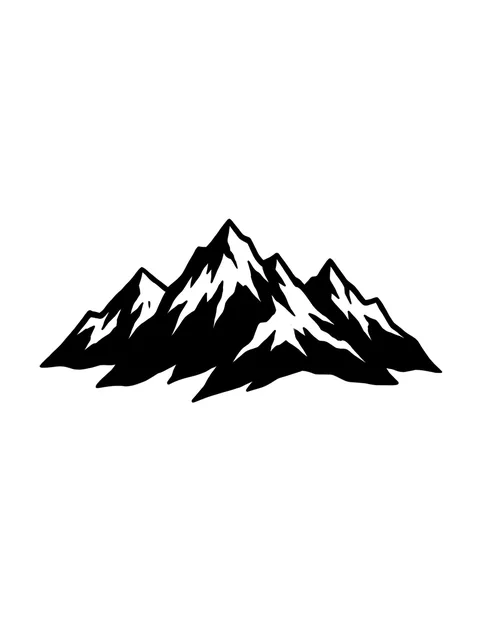
Black and white blackout mountain tattoo design Try it on — Black and white blackout mountain tattoo design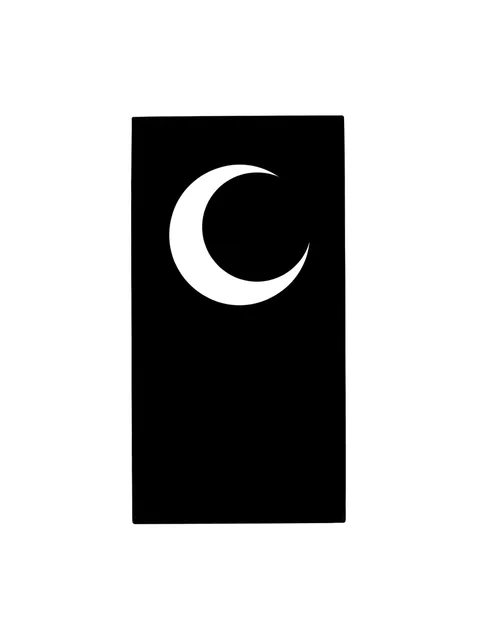
Black and white blackout moon tattoo design: the upper half of a tall solid black vertical panel Try it on — Black and white blackout moon tattoo design: the upper half of a tall solid black vertical panel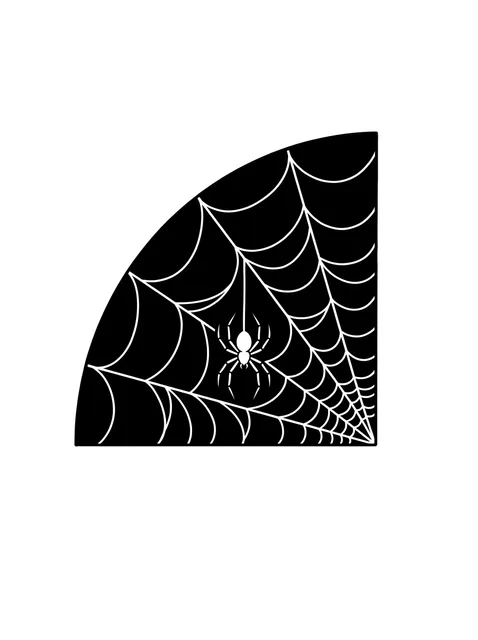
Black and white blackout web and spider tattoo design: a solid black quarter disc Try it on — Black and white blackout web and spider tattoo design: a solid black quarter disc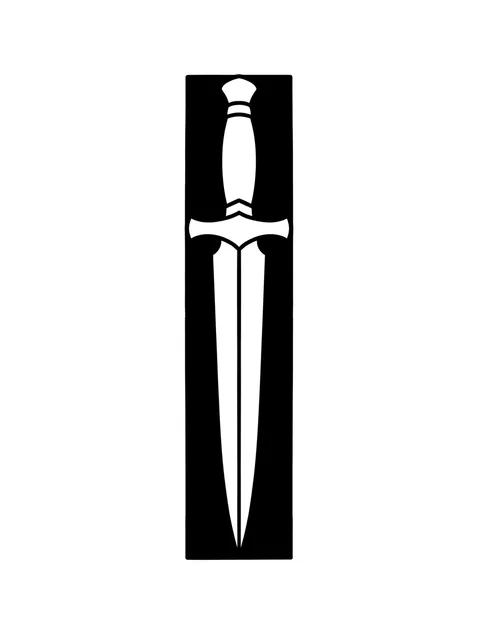
Black and white blackout dagger tattoo design Try it on — Black and white blackout dagger tattoo design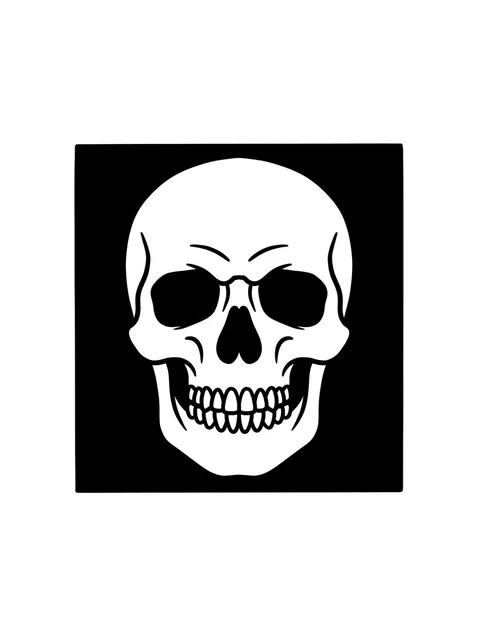
Black and white blackout skull tattoo design Try it on — Black and white blackout skull tattoo design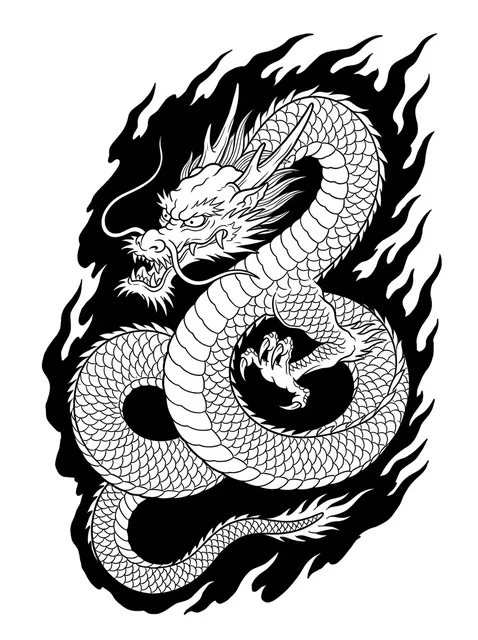
Black and white blackout dragon and fire tattoo design Try it on — Black and white blackout dragon and fire tattoo design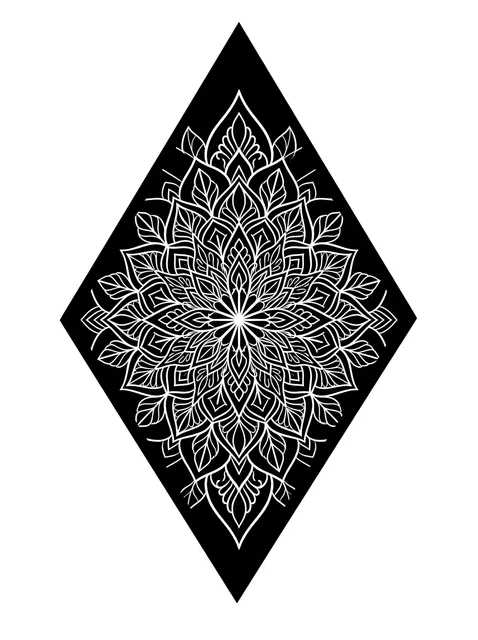
Black and white blackout mandala tattoo design Try it on — Black and white blackout mandala tattoo design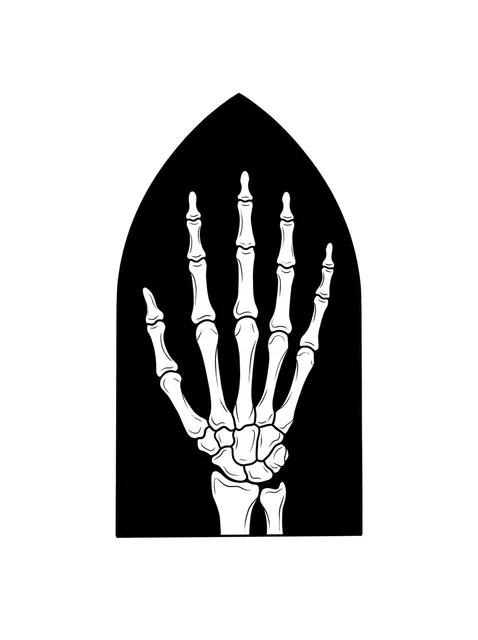
Black and white blackout skeleton hand tattoo design Try it on — Black and white blackout skeleton hand tattoo design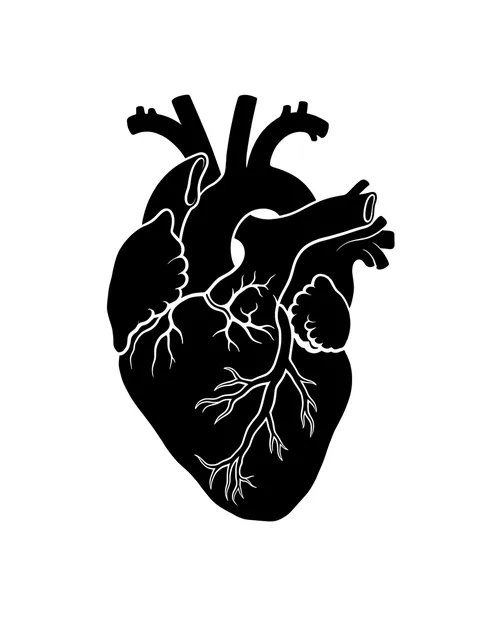
Black and white blackout heart tattoo design Try it on — Black and white blackout heart tattoo design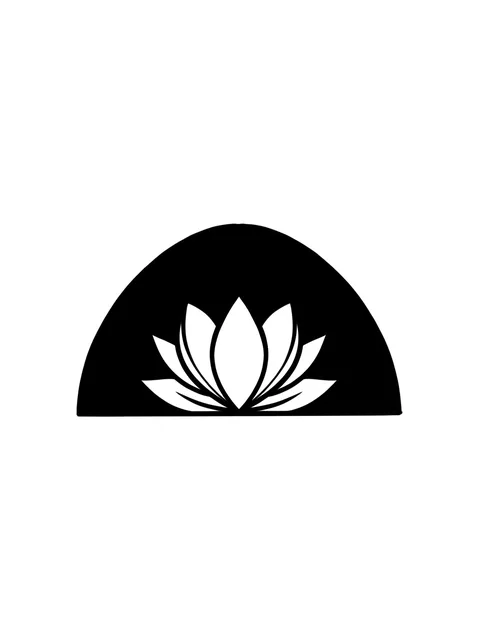
Black and white blackout lotus tattoo design: a solid black semicircle Try it on — Black and white blackout lotus tattoo design: a solid black semicircle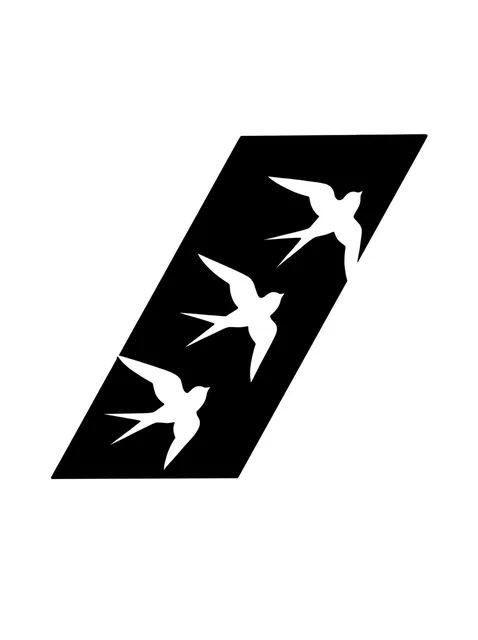
Black and white blackout swallow tattoo design Try it on — Black and white blackout swallow tattoo design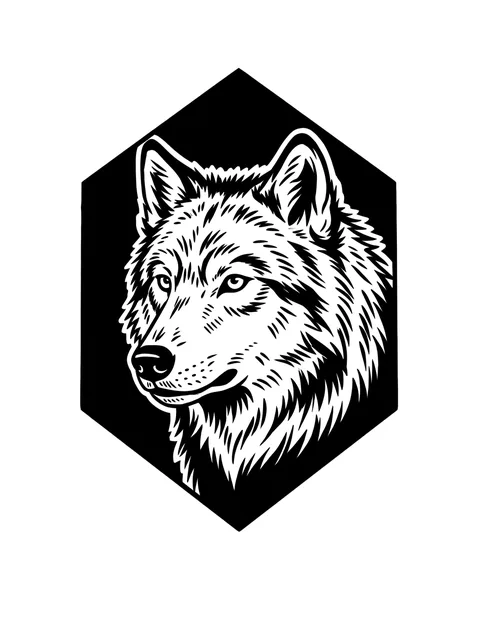
Black and white blackout wolf tattoo design Try it on — Black and white blackout wolf tattoo design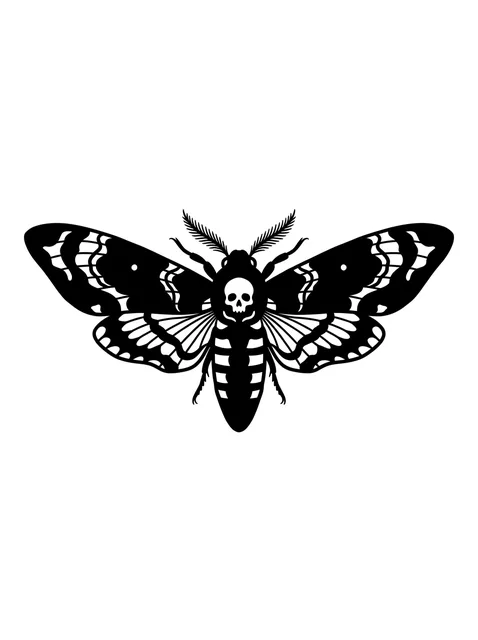
Black and white blackout moth tattoo design Try it on — Black and white blackout moth tattoo design
Black and white blackout snake tattoo design Try it on — Black and white blackout snake tattoo design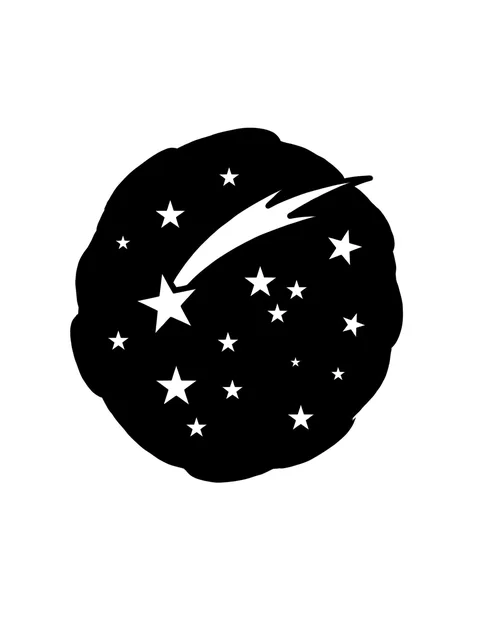
Black and white blackout star tattoo design: a slightly uneven edge Try it on — Black and white blackout star tattoo design: a slightly uneven edge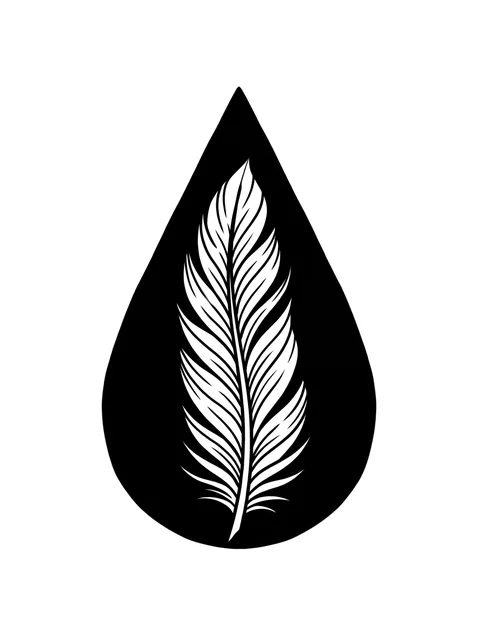
Black and white blackout feather tattoo design Try it on — Black and white blackout feather tattoo design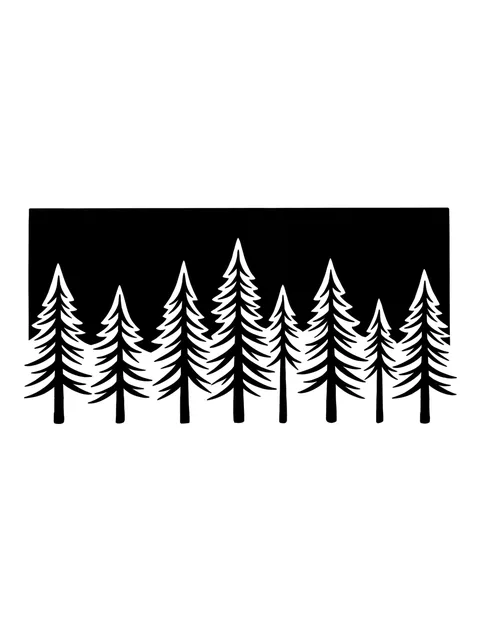
Black and white blackout tree tattoo design: a wide solid black horizontal band, their branches Try it on — Black and white blackout tree tattoo design: a wide solid black horizontal band, their branches


22 designs drawn for InkCraft in this style. Tap any one to place it on a photo of your own skin.
These 22 designs, in numbers
- Black and grey
- 22
- Colour
- 0
- Subjects covered
- 26
A cover-up that turned into a look
Blackout started as a repair job. Chester Lee, at Oracle Tattoo in Singapore, offered clients with large unwanted tattoos a solid black cover in place of a long laser course, and in early 2016 a photograph of his work, a woman whose chest and arm had been packed black, spread across Instagram. Lee said that piece took about twenty hours. Soon people with nothing to bury were asking for the look.
The word now names two jobs. One is the full blackout, a limb inked solid from edge to edge. The other is the bounded panel this page draws: a black shape with a definite outline, a hexagon, a band, a pointed arch, with the motif left inside it as untouched skin. A panel usually takes one sitting and leaves the rest of the limb free. It is the far end of blackwork: one ink, pushed until black is most of the surface.
The panel leans on older ideas. Profile portraits cut from black paper were a cheap fashion in eighteenth-century France, named, for reasons still argued over, after Étienne de Silhouette, Louis XV's finance minister for a few months of 1759. In 1915 the Danish psychologist Edgar Rubin published the figure now called the Rubin vase, which reads as a vase or as two faces depending on which region the eye takes as the object. The koi disc here works the same switch: one fish is bare skin in the black half, the other black in the bare half.
Two ways to draw with what is left
Most designs here treat the black as a frame and cut the motif out of it. A lotus opens from the base of a black semicircle like a rising sun, three swallows climb a slanted parallelogram, a butterfly sits in a downward triangle, and a skeleton hand rises inside a pointed arch like a church window. The wolf in its hexagon, the skull in its square and the dagger in its narrow strip follow the same plan.
The rest reverse it, making the motif black and leaving only its markings bare. The death's-head hawkmoth keeps its skull-shaped thorax marking, the reason European folklore made it an omen of death, as skin; the anatomical heart keeps its veins; the great wave keeps its clawed crest of foam, after the print Katsushika Hokusai published in the early 1830s in Thirty-six Views of Mount Fuji. A silhouette carries further than interior detail, so these read from across a room.
Either way, the bare parts are the fragile ones. Black ink creeps into neighbouring skin for years, and a gap has two edges for it to cross, so a bare thread must start wider than a black line of the same weight. The web fanning from its quarter disc and the mandala drawn in pale lines inside its diamond need the most room. A straight-sided hexagon shows every wobble, while the wavy top of the rose field and the flames round the dragon hide small ones and can be extended later without a visible join.
Sittings, healing, and what a laser would face
Packing black takes overlapping passes until no skin shows through, and the second pass over freshly worked skin is the one people remember. An arm-length blackout is booked in sections, each healed before the next. The area swells and weeps for a few days, then flakes, and the flakes lift ink unevenly, so a new blackout often looks blotchy at two weeks; judge it at about a month and book the touch-up then.
Healed, it keeps its shape for decades but not its depth: the edges soften, and sun-exposed black drifts towards a dull blue or green-grey. Sunscreen slows that and one later session can pack it dark again, but the bare motif, narrowed from both sides, is where age shows first.
As a cover, every trace of the old tattoo has to fall inside the black, never under the bare motif, so the panel is planned on the old piece first. That density is also why a blackout is the hardest tattoo to remove. The Kirby-Desai scale, published by dermatologists in 2009 to predict laser sessions, scores the amount of ink and whether one tattoo is layered over another, and a blackout over old work tops both. Clinics treat a large area a section at a time, and pale patches where the skin loses its own pigment are a known risk, most visible on darker skin. Place the panel on a photo of the spot at full size before committing.
What an hour of this work costs, and how many hours blackout tattoos takes at each size, is in the cost guide. How it behaves later — under a laser, and as the thing doing the covering — is in the removal and cover-up guide.
Common questions
- Will a blackout completely hide the tattoo underneath?
- The black part will, because nothing is darker than solid black. The bare motif hides nothing, so the design is arranged so that every line of the old piece falls inside the black. Raised or scarred old lines can still show as texture in raking light, since ink changes colour, not surface.
- Does blackout suit darker skin?
- The black reads as its own deeper tone, but a bare motif has less contrast against it, so bold shapes with wide gaps work better than fine bare threads. If you have formed a keloid before, say so at the consultation: tattooing can trigger one, and a blackout is a large wound.
- Why does my new blackout look patchy?
- Because it is still healing. The flakes that come away in the second week take some surface ink with them, unevenly, so light spots then are normal. Wait until the skin has settled, usually about a month, and have the artist go back over the gaps; many include that first pass in the price.
- Can anything be tattooed over a blackout later?
- Only white, once the black has fully healed, and white patterns over blackout are a look of their own. White softens much sooner than black and can yellow, so it needs frequent retouching. Colour barely registers over black, and anything else starts with a long course of laser lightening.
- How long does one of these panels take to tattoo?
- Longer than the simple look suggests, because the hours go into even packing rather than drawing. A palm-sized panel such as the skull square or the lotus semicircle is usually four to six hours in one sitting; a band wrapping the whole forearm can fill a day.
See this style on your own skin
InkCraft places a design on a photo of you — scaled, wrapped and shaded to the spot you pick, so you can judge how the style reads on your body before it is permanent.