 InkCraft
Trash polka tattoos: red, black, and nothing else
30 original trash polka tattoos designs drawn for InkCraftBy Uladzimir TumanauUpdated
Two colours only, red and black, and two registers at once: something carefully rendered and something violently applied over it. The collision is the style, not a decoration on it.
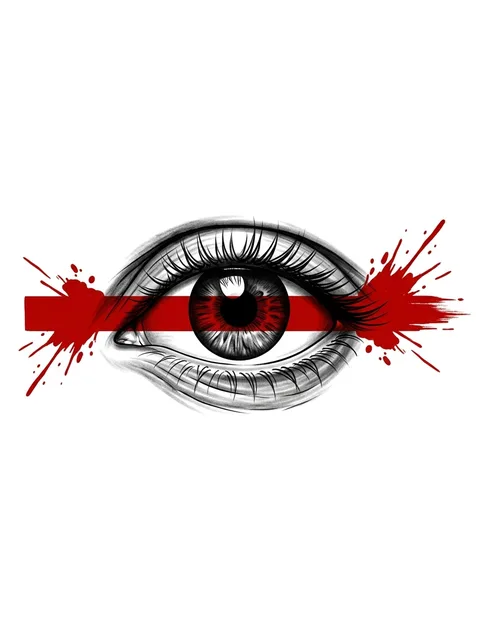
Color trash polka eye tattoo design Try it on — Color trash polka eye tattoo design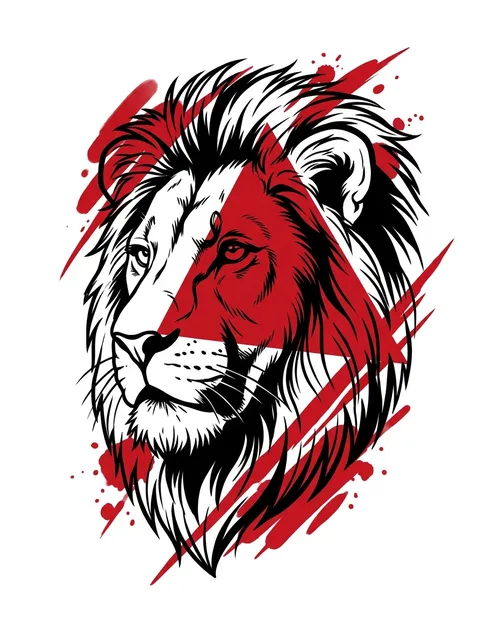
Color trash polka lion tattoo design Try it on — Color trash polka lion tattoo design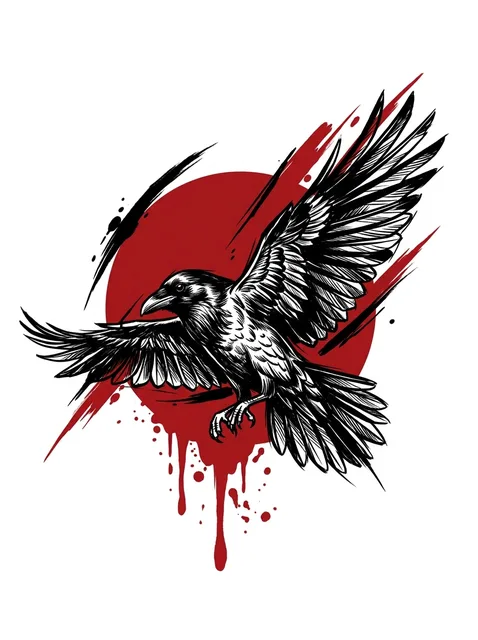
Color trash polka raven and moon tattoo design: a black raven in flight with outstretched wings Try it on — Color trash polka raven and moon tattoo design: a black raven in flight with outstretched wings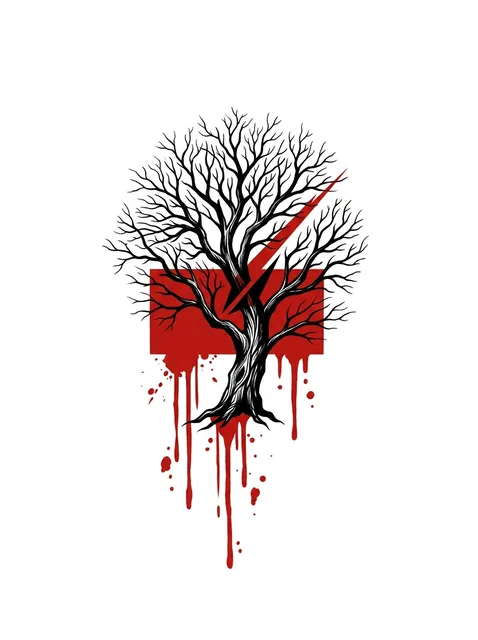
Color trash polka tree tattoo design: a bare, gnarled tree with intricate branches Try it on — Color trash polka tree tattoo design: a bare, gnarled tree with intricate branches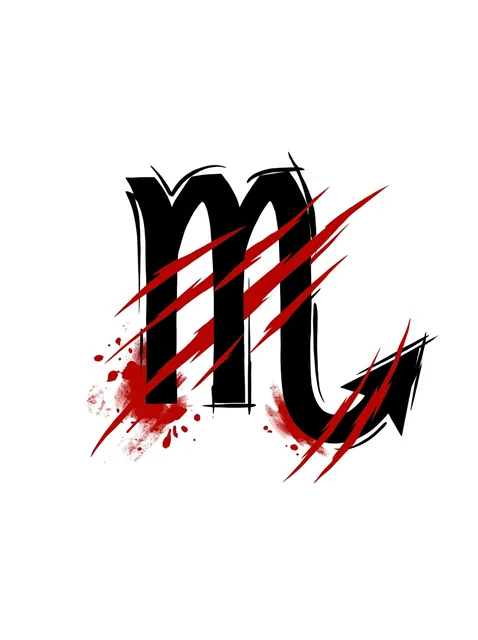
Color trash polka scorpio tattoo design Try it on — Color trash polka scorpio tattoo design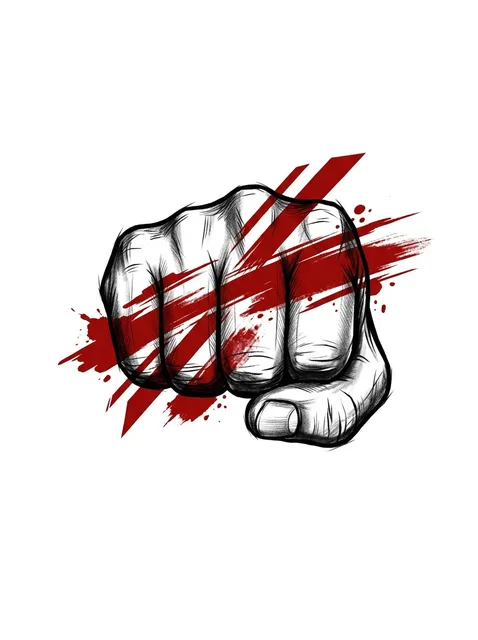
Color trash polka hand tattoo design: a clenched fist Try it on — Color trash polka hand tattoo design: a clenched fist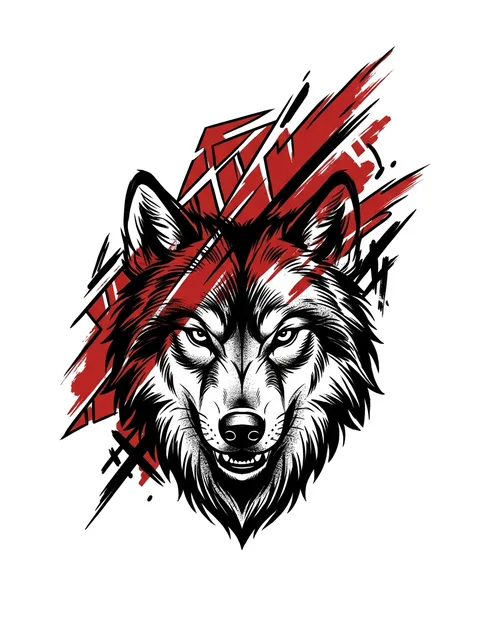
Color trash polka wolf tattoo design Try it on — Color trash polka wolf tattoo design
Color trash polka pisces tattoo design Try it on — Color trash polka pisces tattoo design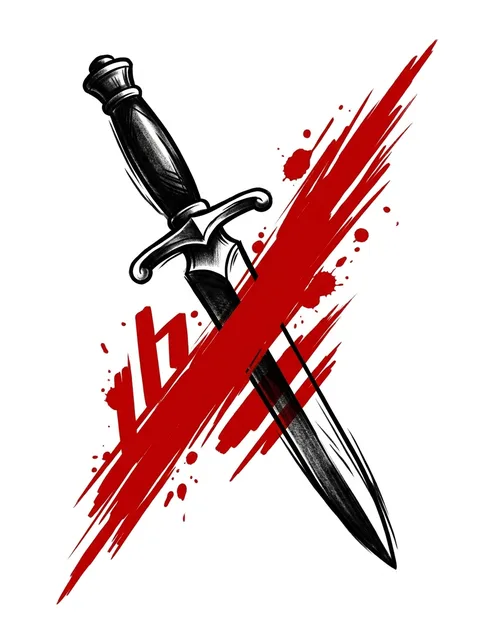
Color trash polka dagger tattoo design: the dynamic, abstract red mark Try it on — Color trash polka dagger tattoo design: the dynamic, abstract red mark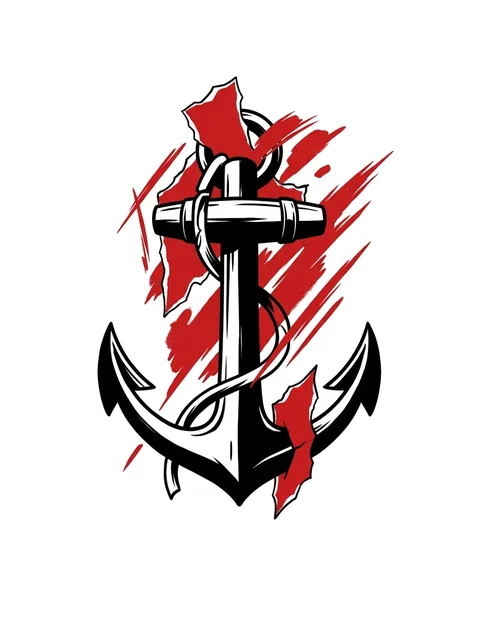
Color trash polka anchor tattoo design: a black and white anchor with a rope Try it on — Color trash polka anchor tattoo design: a black and white anchor with a rope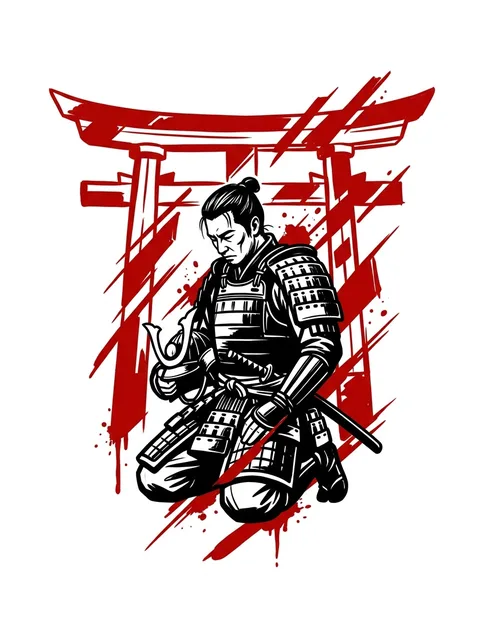
Color trash polka samurai tattoo design Try it on — Color trash polka samurai tattoo design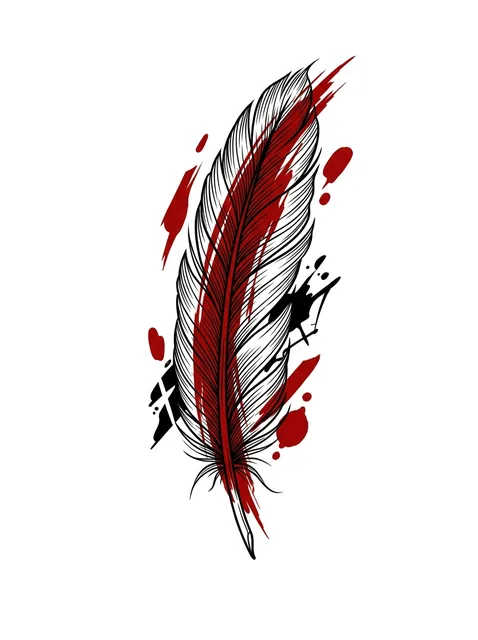
Color trash polka feather tattoo design Try it on — Color trash polka feather tattoo design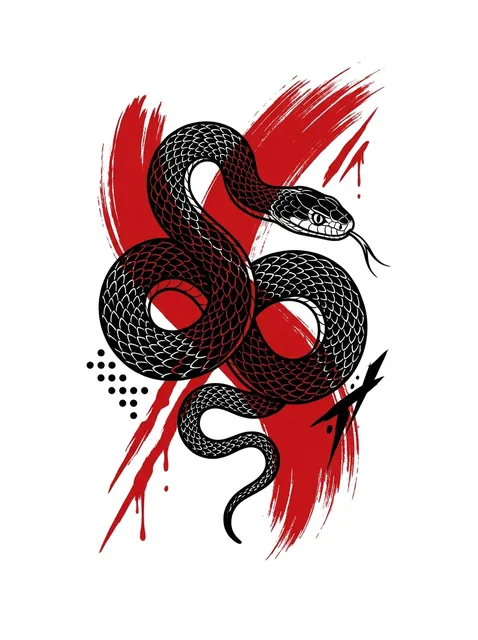
Color trash polka snake tattoo design: a coiled black snake with detailed scales Try it on — Color trash polka snake tattoo design: a coiled black snake with detailed scales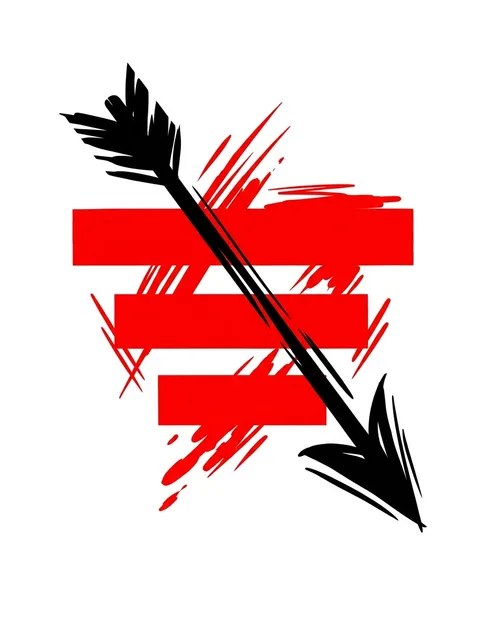
Color trash polka arrow tattoo design: a black arrow piercing through three horizontal red bars Try it on — Color trash polka arrow tattoo design: a black arrow piercing through three horizontal red bars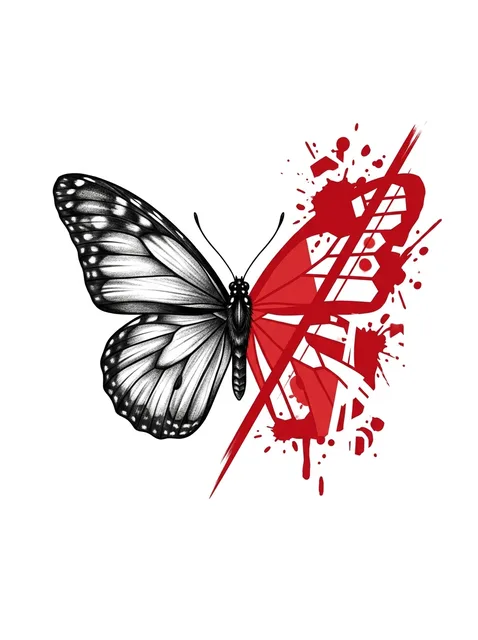
Color trash polka butterfly tattoo design: a butterfly split down the middle Try it on — Color trash polka butterfly tattoo design: a butterfly split down the middle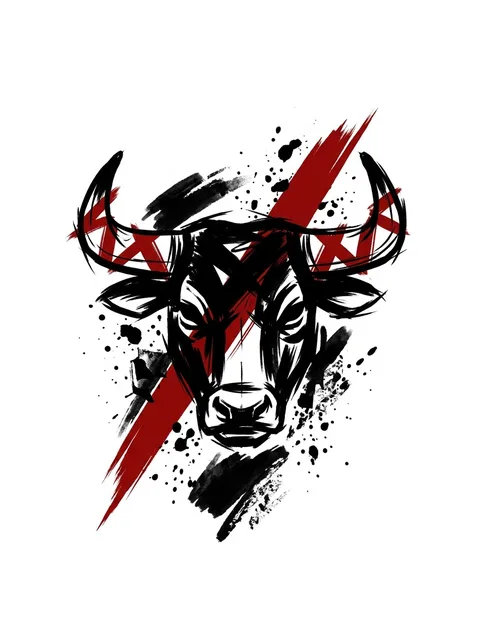
Color trash polka bull tattoo design: a bull's head Try it on — Color trash polka bull tattoo design: a bull's head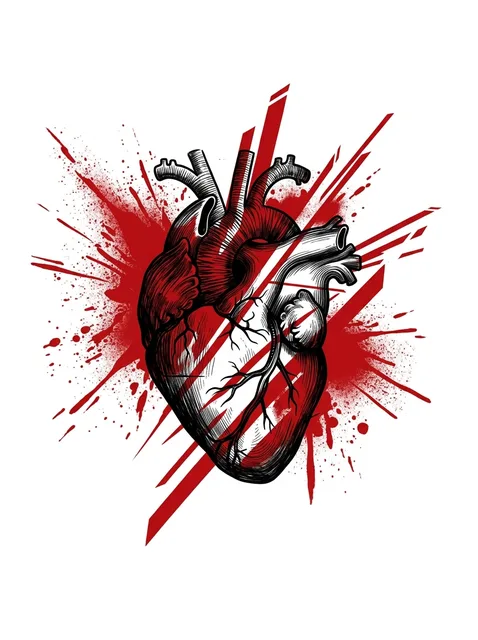
Color trash polka heart tattoo design: a detailed anatomical heart Try it on — Color trash polka heart tattoo design: a detailed anatomical heart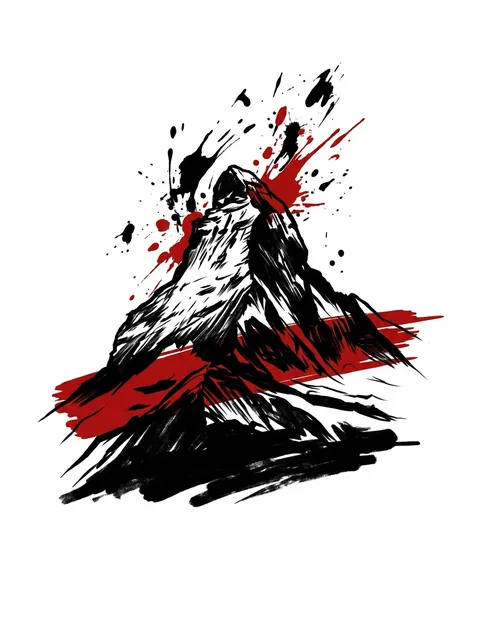
Color trash polka mountain tattoo design: a rugged mountain Try it on — Color trash polka mountain tattoo design: a rugged mountain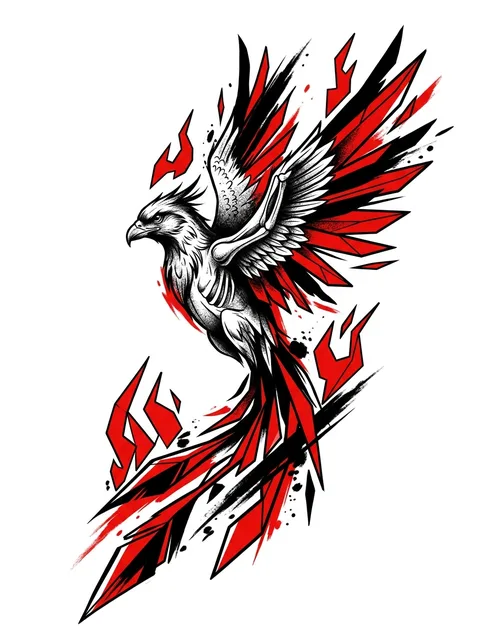
Color trash polka phoenix tattoo design Try it on — Color trash polka phoenix tattoo design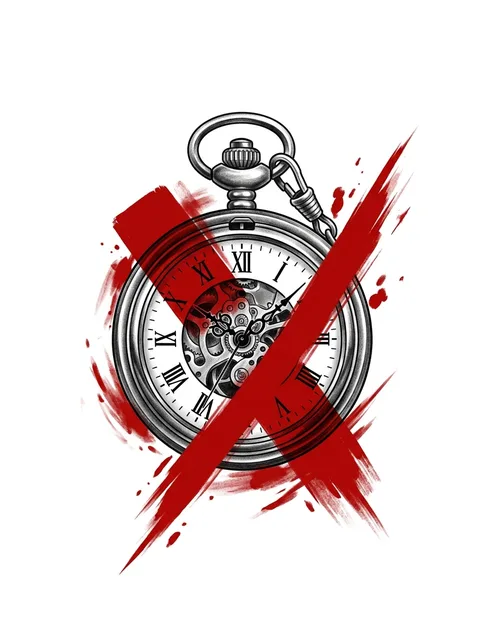
Color trash polka clock tattoo design Try it on — Color trash polka clock tattoo design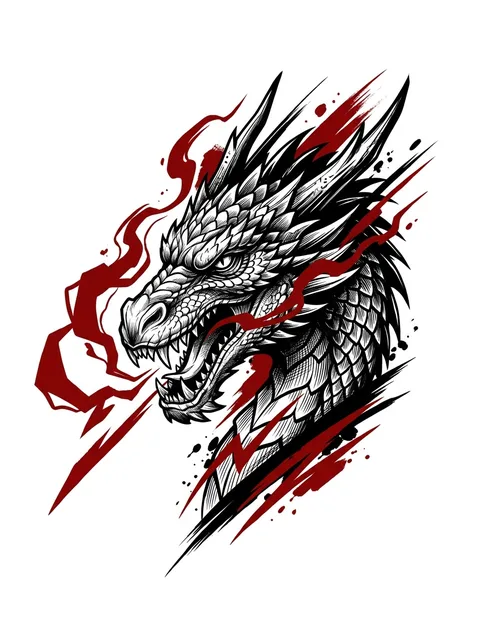
Color trash polka dragon tattoo design Try it on — Color trash polka dragon tattoo design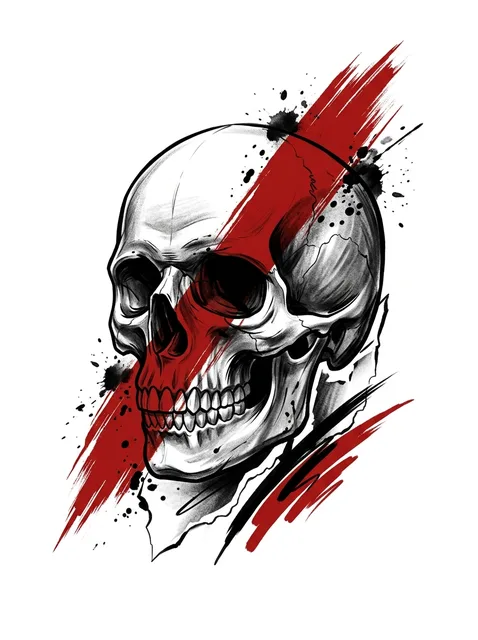
Color trash polka skull tattoo design: a detailed skull Try it on — Color trash polka skull tattoo design: a detailed skull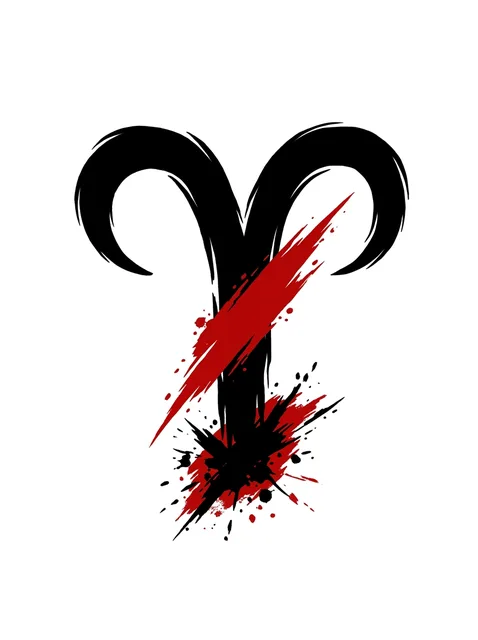
Color trash polka aries tattoo design Try it on — Color trash polka aries tattoo design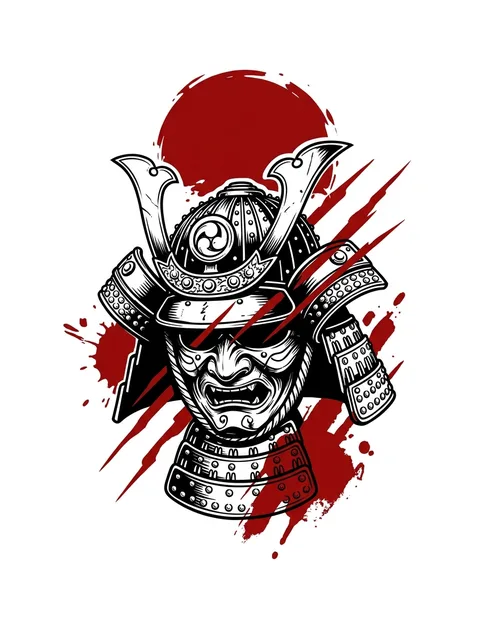
Color trash polka samurai tattoo design Try it on — Color trash polka samurai tattoo design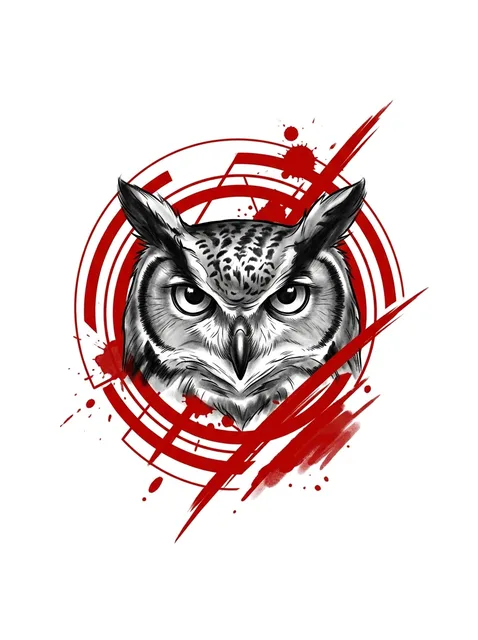
Color trash polka owl tattoo design Try it on — Color trash polka owl tattoo design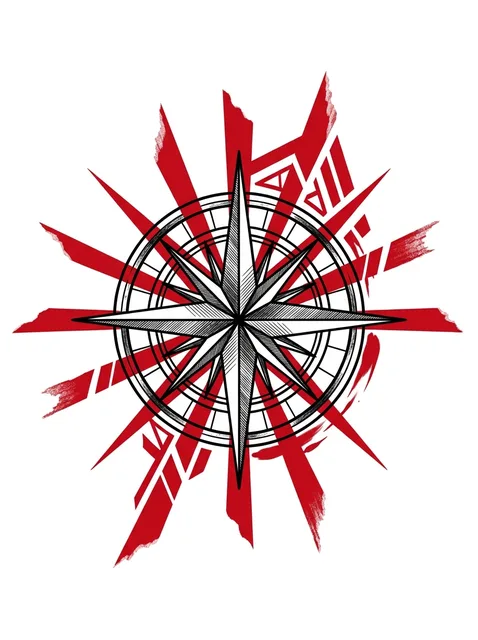
Color trash polka compass tattoo design: a detailed compass rose at its center Try it on — Color trash polka compass tattoo design: a detailed compass rose at its center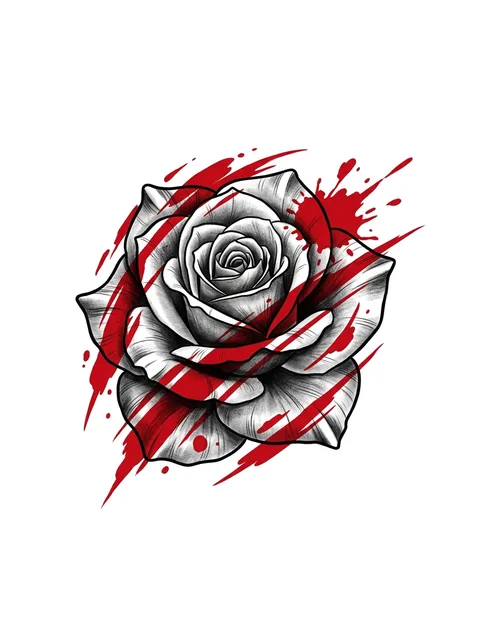
Color trash polka rose tattoo design: a black and grey rose with bold red paint splatters Try it on — Color trash polka rose tattoo design: a black and grey rose with bold red paint splatters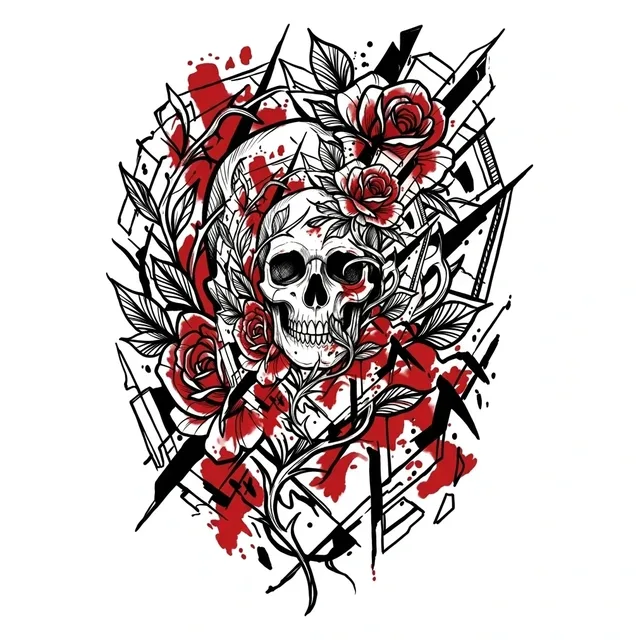
Color trash polka skull and rose tattoo design Try it on — Color trash polka skull and rose tattoo design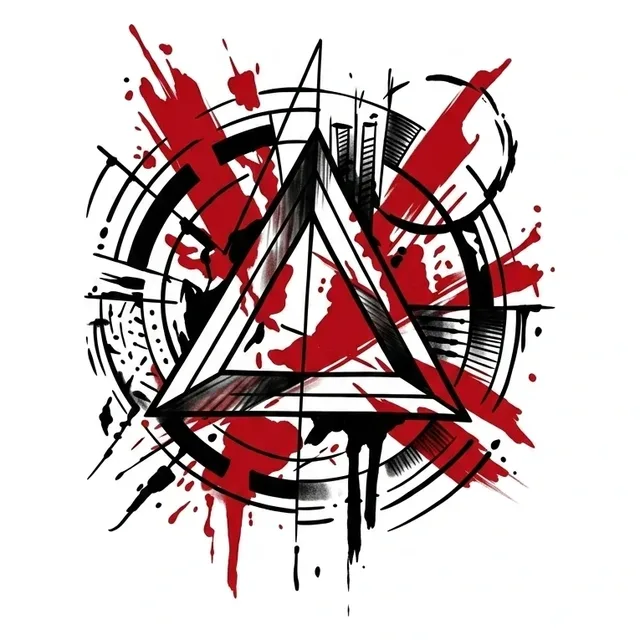
Color trash polka abstract tattoo design Try it on — Color trash polka abstract tattoo design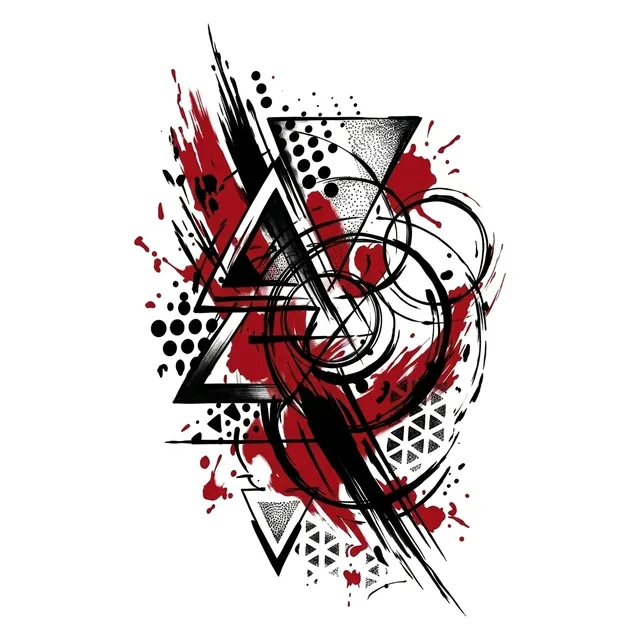
Color trash polka abstract tattoo design Try it on — Color trash polka abstract tattoo design


30 designs drawn for InkCraft in this style. Tap any one to place it on a photo of your own skin.
These 30 designs, in numbers
- Black and grey
- 0
- Colour
- 30
- Subjects covered
- 29
A style with an address
Trash polka was made at one shop by two people. Simone Pfaff and Volker Merschky developed it at Buena Vista Tattoo Club in Würzburg, Germany, from the late 1990s, and named it themselves — which makes it almost unique among tattoo styles in having a documented origin rather than a gradual one.
Their description of it is worth borrowing because it explains the visual rule: a combination of realism and trash, of the organic and the technical, of the past and the present. In practice that means every piece contains something drawn with care and something that looks thrown at it, and the two are not reconciled.
The two-colour limit is a rule rather than a preference. Red and black, and no third colour, ever. Adding one does not produce a more colourful trash polka piece; it produces a different style, because the tension depends on there being only two things in the argument.
The grammar
The black half is rendered — a portrait, a skull, a bird, a watch, drawn with real tonal detail. The red half is graphic: hard-edged bars, solid blocks, smears, splatters and slashes that ignore the anatomy of whatever they cross. That last part matters. A red shape that follows the contour of the subject reads as shading; a red shape that cuts straight across it reads as trash polka.
Composition is usually diagonal, because a diagonal implies motion and a horizontal does not. Most pieces have one dominant slash setting the angle and everything else answering it, which is why the style reads as a poster rather than as a picture.
Torn edges and layering are the third component. Shapes that look like ripped paper, or like one element is pasted over another, give the piece depth that neither the realism nor the graphics could supply alone.
What it costs you
It needs space. The style is built on the relationship between a rendered element and a graphic one, and below roughly 20 cm there is no room for that relationship — you get a small realistic drawing with a red mark on it. Most good trash polka pieces are large, and a great many are half sleeves or larger by necessity rather than ambition.
It also cannot be covered. Between heavy black and saturated red there is almost nothing that goes over a trash polka piece except a larger, darker one, and laser removal responds poorly to dense red. This is the most committing style on the site and it is worth saying plainly before rather than after.
The red itself is the one durability question. Red pigments generally hold less well than black over decades and are the most common source of pigment reactions, so the red will soften before the black does. Since the black carries the drawing, the piece ages into something quieter rather than something unreadable — but expect the contrast to reduce.
What an hour of this work costs, and how many hours trash polka tattoos takes at each size, is in the cost guide. How it behaves later — under a laser, and as the thing doing the covering — is in the removal and cover-up guide.
Common questions
- Who invented trash polka?
- Simone Pfaff and Volker Merschky at Buena Vista Tattoo Club in Würzburg, Germany, from the late 1990s. They named it themselves, which makes it one of very few tattoo styles with a documented origin rather than one that emerged gradually from a tradition.
- Can trash polka use other colours?
- No. Red and black only, and it is a rule rather than a preference. The style depends on a tension between two things, so adding a third colour does not make it more colourful — it makes it a different style with the argument removed.
- How big does a trash polka tattoo need to be?
- Around 20 cm at minimum and usually much more. The whole style is the relationship between a carefully rendered element and a graphic one violently laid over it, and below that size there is no room for two things to be in tension. Many pieces are half sleeves by necessity.
- Can a trash polka tattoo be covered up later?
- Realistically no. Heavy black and saturated red leave almost nothing that will go over it except something larger and darker, and laser removal responds poorly to dense red. It is the most committing style here, which is worth knowing before rather than after.
See this style on your own skin
InkCraft places a design on a photo of you — scaled, wrapped and shaded to the spot you pick, so you can judge how the style reads on your body before it is permanent.