 InkCraft
Stick and poke tattoos, and the hygiene part
22 original stick and poke tattoos designs drawn for InkCraftBy Uladzimir TumanauUpdated
No machine: a needle held in the hand, one dot at a time, which is how every tattoo was made for most of human history. The look follows from the method and cannot be faked by a machine.
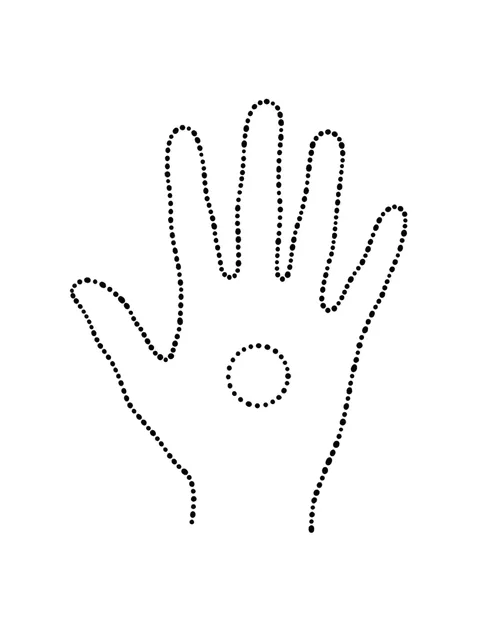
Black and grey stick and poke hand tattoo design Try it on — Black and grey stick and poke hand tattoo design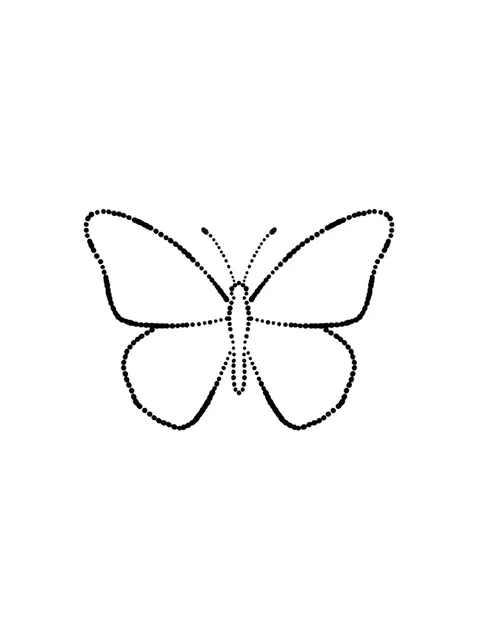
Black and grey stick and poke butterfly tattoo design Try it on — Black and grey stick and poke butterfly tattoo design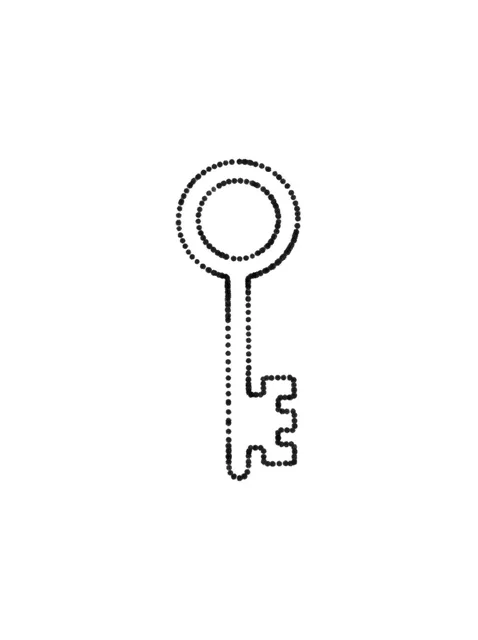
Black and grey stick and poke key tattoo design Try it on — Black and grey stick and poke key tattoo design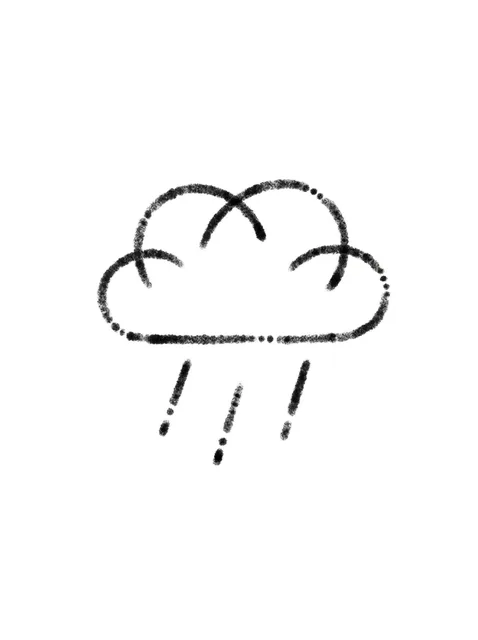
Black and grey stick and poke cloud tattoo design: a simple cloud with falling rain Try it on — Black and grey stick and poke cloud tattoo design: a simple cloud with falling rain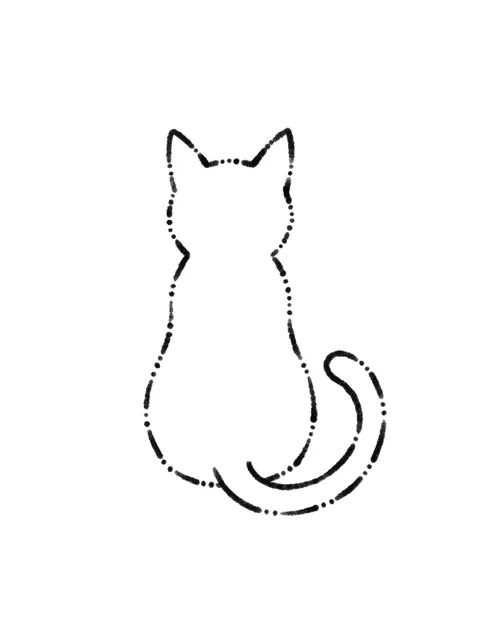
Black and grey stick and poke cat tattoo design: a cat's silhouette, viewed from behind Try it on — Black and grey stick and poke cat tattoo design: a cat's silhouette, viewed from behind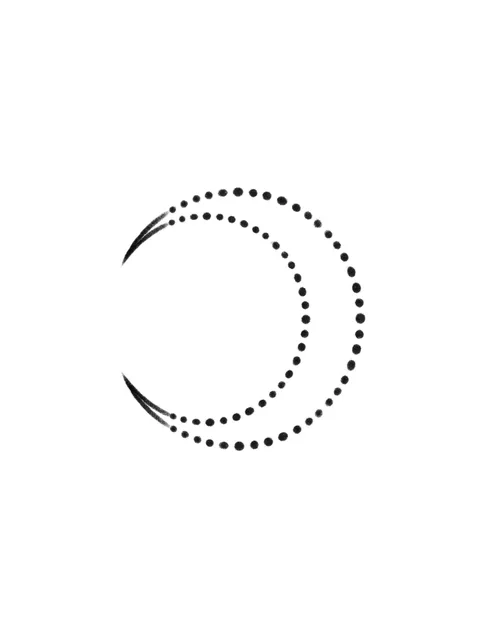
Black and grey stick and poke moon tattoo design: a delicate, textured look Try it on — Black and grey stick and poke moon tattoo design: a delicate, textured look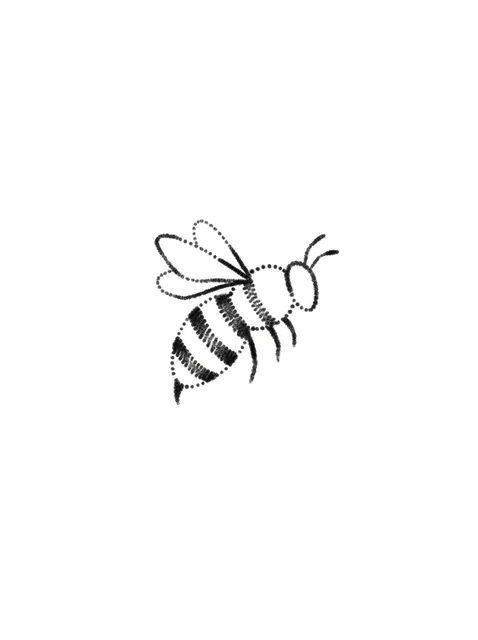
Black and grey stick and poke bee tattoo design Try it on — Black and grey stick and poke bee tattoo design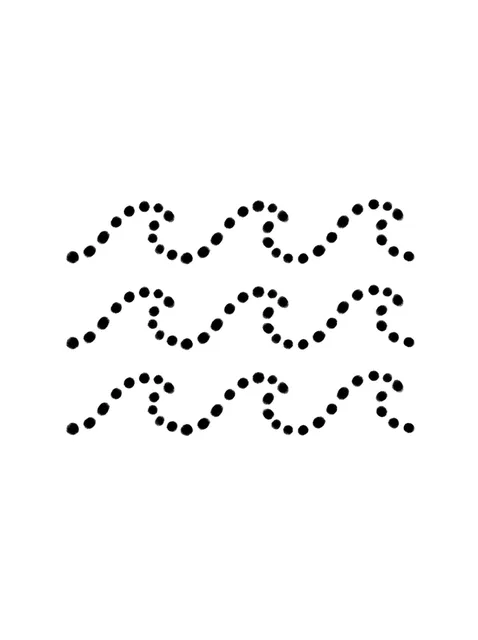
Black and grey stick and poke wave tattoo design: three parallel, undulating wave patterns Try it on — Black and grey stick and poke wave tattoo design: three parallel, undulating wave patterns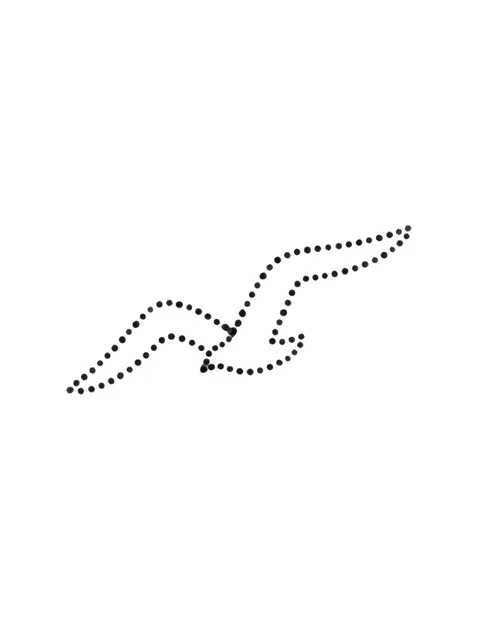
Black and grey stick and poke bird tattoo design: a bird in flight Try it on — Black and grey stick and poke bird tattoo design: a bird in flight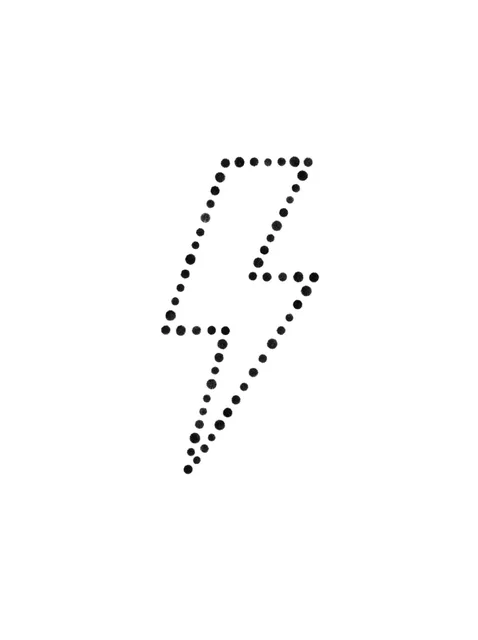
Black and grey stick and poke lightning tattoo design: a lightning bolt Try it on — Black and grey stick and poke lightning tattoo design: a lightning bolt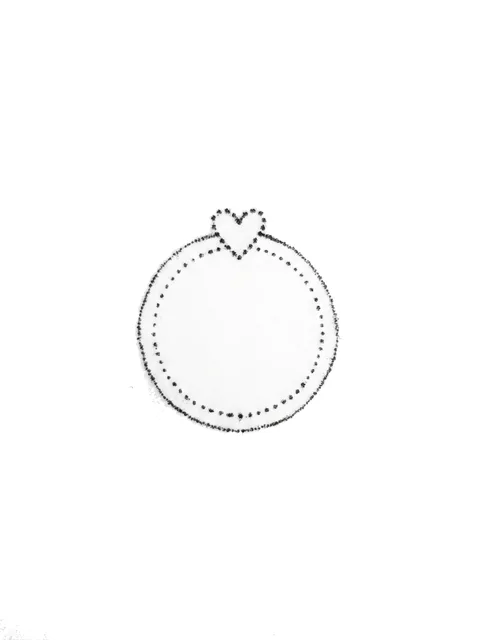
Black and grey stick and poke ring and heart tattoo design Try it on — Black and grey stick and poke ring and heart tattoo design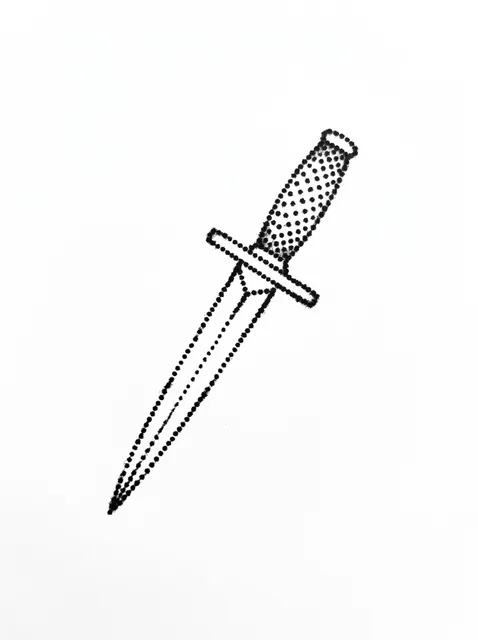
Black and grey stick and poke dagger tattoo design Try it on — Black and grey stick and poke dagger tattoo design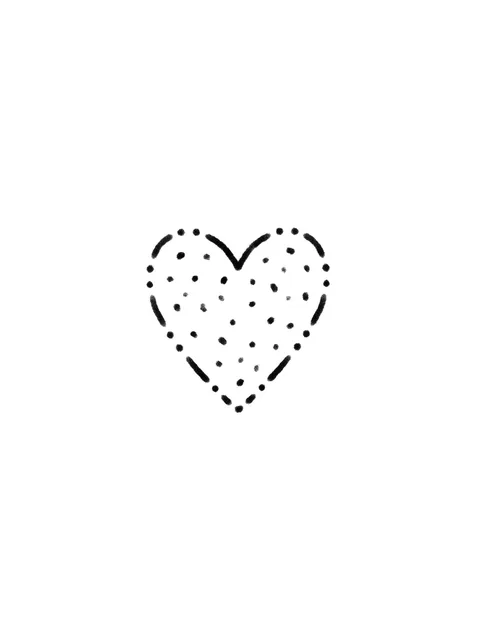
Black and grey stick and poke heart tattoo design Try it on — Black and grey stick and poke heart tattoo design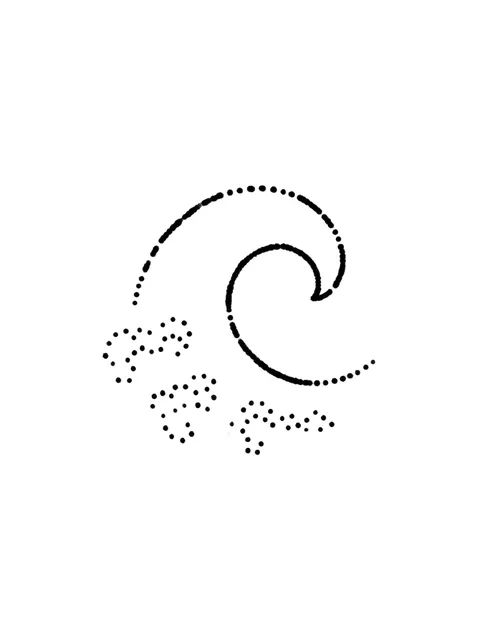
Black and grey stick and poke wave tattoo design Try it on — Black and grey stick and poke wave tattoo design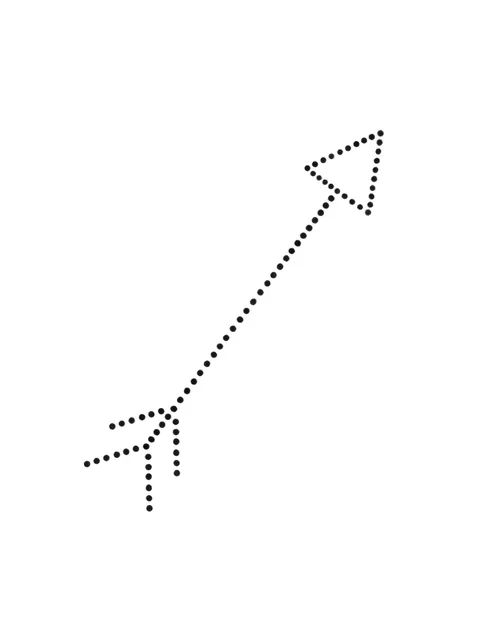
Black and grey stick and poke arrow tattoo design Try it on — Black and grey stick and poke arrow tattoo design
Black and grey stick and poke star tattoo design: a five-pointed star Try it on — Black and grey stick and poke star tattoo design: a five-pointed star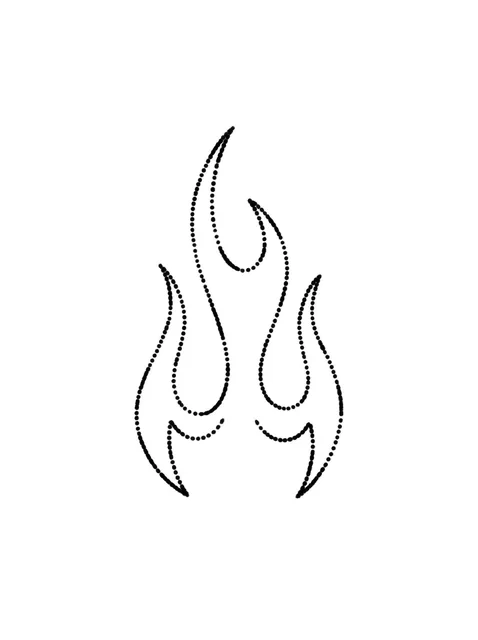
Black and grey stick and poke fire tattoo design Try it on — Black and grey stick and poke fire tattoo design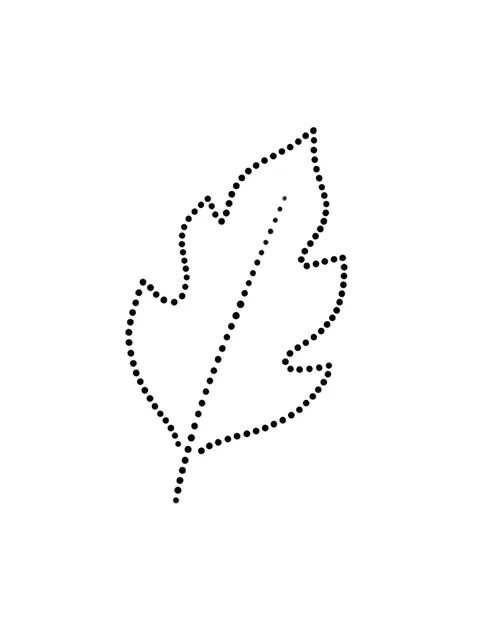
Black and grey stick and poke leaf tattoo design: a single leaf Try it on — Black and grey stick and poke leaf tattoo design: a single leaf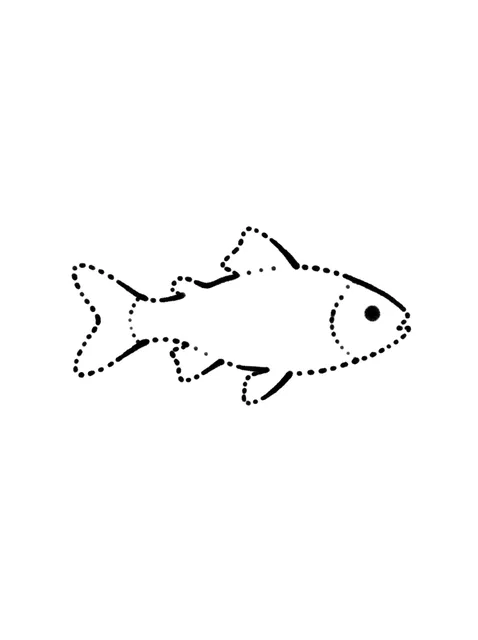
Black and grey stick and poke fish tattoo design: the fish is Try it on — Black and grey stick and poke fish tattoo design: the fish is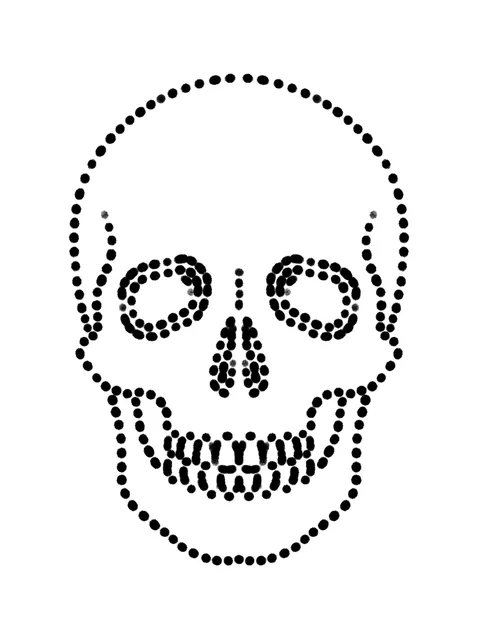
Black and grey stick and poke skull tattoo design Try it on — Black and grey stick and poke skull tattoo design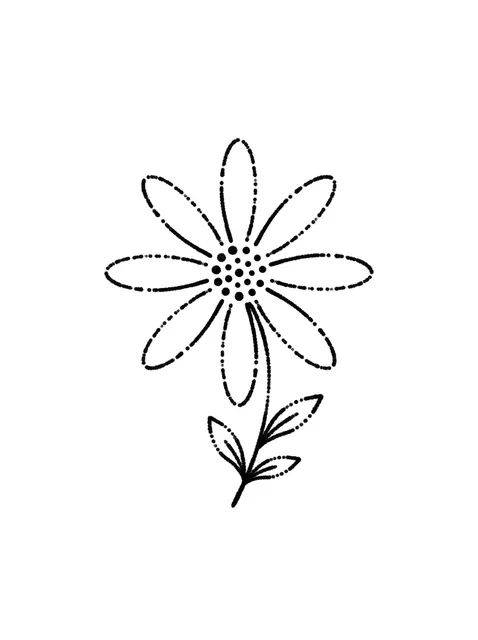
Black and grey stick and poke flower and leaf tattoo design Try it on — Black and grey stick and poke flower and leaf tattoo design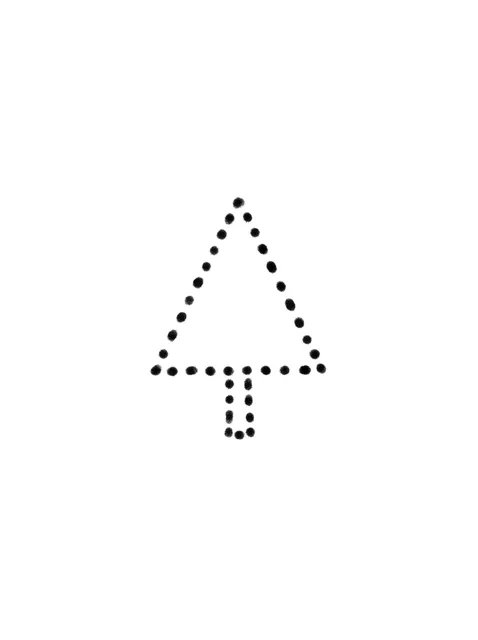
Black and grey stick and poke tree tattoo design: a simple Christmas tree shape Try it on — Black and grey stick and poke tree tattoo design: a simple Christmas tree shape


22 designs drawn for InkCraft in this style. Tap any one to place it on a photo of your own skin.
These 22 designs, in numbers
- Black and grey
- 22
- Colour
- 0
- Subjects covered
- 21
Why it looks the way it does
A machine drives a needle up to a few thousand times a minute, which produces a continuous line whether or not the artist wants one. A hand-poked line is a row of individual punctures, and no two are identical — spacing varies fractionally, depth varies fractionally, and the result has a texture a machine physically cannot produce.
That is why the style rewards simple subjects and punishes complex ones. Dense shading means thousands of separate pokes and hours of work for a result a machine would do better; a crescent moon, a small flower, a lightning bolt or a row of waves is finished in twenty minutes and looks like nothing else. A design that would be improved by a machine is the wrong design for this.
The irregularity is the point rather than a flaw, and it is worth saying because people arrive apologising for it. A perfectly even hand-poked line would be indistinguishable from machine work, which would remove the only reason to do it by hand.
Healing, fading and the honest trade
Hand-poked work is generally less traumatic than machine work — fewer punctures, no vibration, less swelling — so it commonly heals faster and with less scabbing. That is the genuine advantage and it is real.
The trade is saturation. Less ink goes in per puncture, and the depth is judged by hand rather than by a machine's stroke, so hand-poked pieces heal lighter and less evenly than machine work. Patchiness after healing is ordinary rather than a mistake, and most artists price a touch-up in or expect one. Over ten to fifteen years a poked piece will usually have softened more than an equivalent machine piece.
None of which makes it worse. It makes it a different object with a different life, and the people who choose it are generally choosing exactly that.
The part the kits leave out
This is the one style with a real safety problem attached, because it is the only one people routinely attempt on themselves. Hand-poking transmits bloodborne infection exactly as machine tattooing does — hepatitis B and C and HIV among them — and a needle that has touched skin is contaminated whether or not blood was visible.
The non-negotiables are the same as in any studio: sterile single-use needles from a sealed package, ink decanted into a single-use cap and never returned to the bottle, gloves, a surface that has been cleaned and barriered, and nothing reused between people ever. A kit bought online supplies the needles and none of the rest, which is the gap that causes the problems.
Go to someone who hand-pokes professionally if you can. The technique carries no less risk than machine work and it is legal, licensed and inspected in exactly the same way — the informality is in how it looks, not in how it should be done.
What an hour of this work costs, and how many hours stick and poke tattoos takes at each size, is in the cost guide. How it behaves later — under a laser, and as the thing doing the covering — is in the removal and cover-up guide.
Common questions
- Do stick and poke tattoos fade faster?
- They heal lighter and usually soften more over ten to fifteen years, because less ink goes in per puncture and the depth is judged by hand. Patchiness after healing is ordinary rather than a mistake, and most artists expect to do a touch-up. In exchange the healing itself is generally quicker and less sore.
- Is it safe to do one at home?
- Only with the same precautions a studio uses, and kits do not supply them. Hand-poking transmits hepatitis B and C and HIV exactly as machine work does. Sterile single-use needles, ink decanted into a single-use cap, gloves and a barriered surface are non-negotiable, and nothing is ever reused between people.
- What designs suit hand-poking?
- Simple ones. Every dot is placed individually, so dense shading means thousands of pokes and hours of work for a result a machine would do better. A crescent, a small flower, a bolt or a row of waves takes twenty minutes and looks like nothing a machine can make.
- Why does it look uneven?
- Because it is, and that is the entire reason to do it by hand. Spacing and depth vary fractionally between punctures in a way a machine physically cannot reproduce. A perfectly even hand-poked line would be indistinguishable from machine work, which would remove the point.
See this style on your own skin
InkCraft places a design on a photo of you — scaled, wrapped and shaded to the spot you pick, so you can judge how the style reads on your body before it is permanent.