 InkCraft
Flash tattoo sheets: designs from the shop wall
22 original flash tattoos designs drawn for InkCraftBy Uladzimir TumanauUpdated
A sheet of finished designs, each one solved, sized and hung on the wall so a customer could point and sit down. Flash is how most Western tattooing was sold for much of the twentieth century, and on a busy walk-in day it still is.
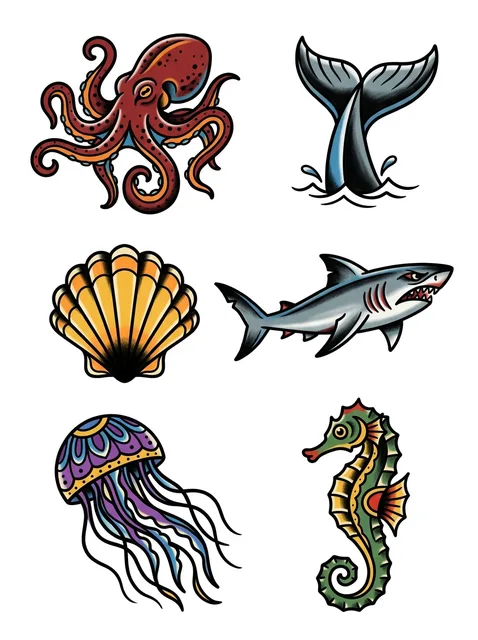
Color flash octopus and whale tattoo design: a scallop shell, a jellyfish and a seahorse Try it on — Color flash octopus and whale tattoo design: a scallop shell, a jellyfish and a seahorse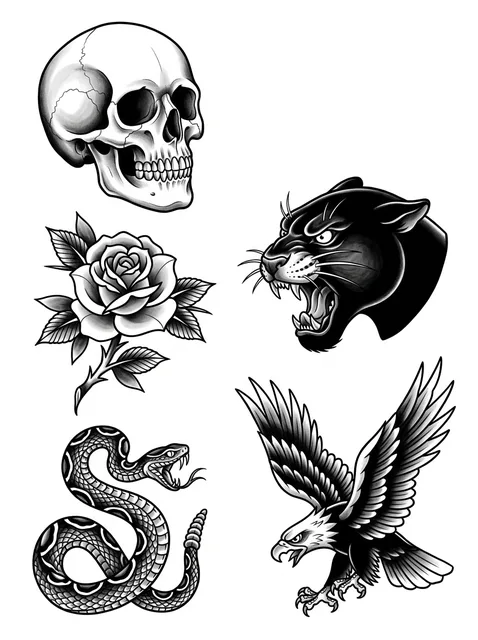
Black and grey flash skull and panther tattoo design Try it on — Black and grey flash skull and panther tattoo design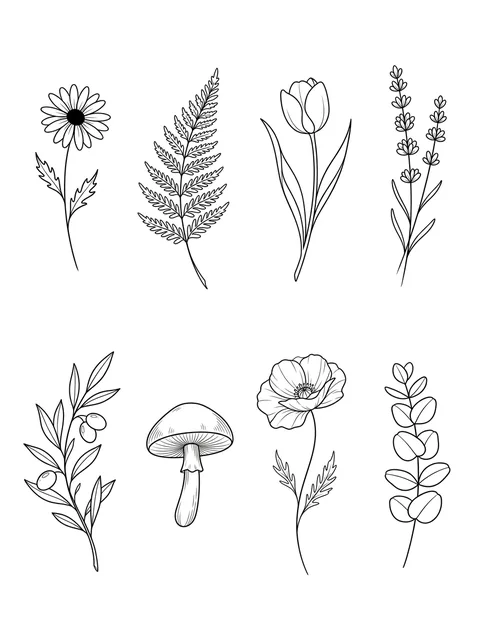
Black and grey flash fern and daisy tattoo design Try it on — Black and grey flash fern and daisy tattoo design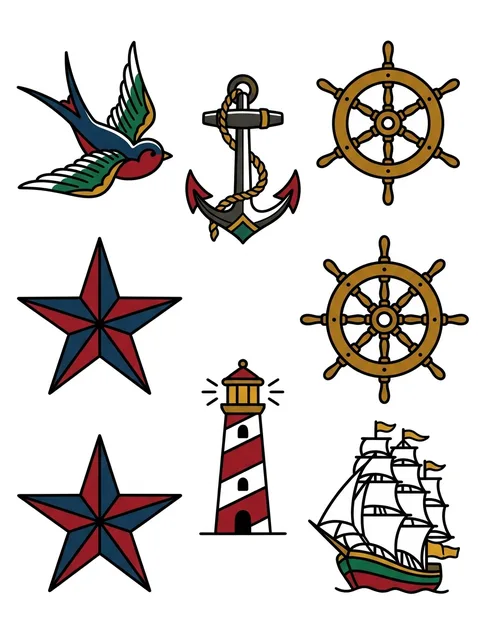
Color flash swallow and anchor tattoo design Try it on — Color flash swallow and anchor tattoo design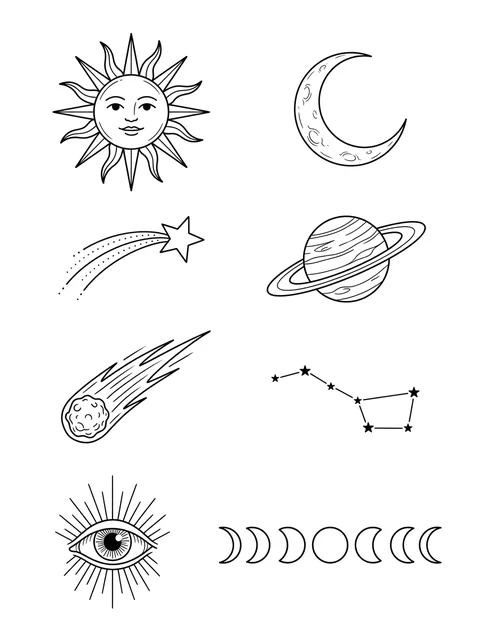
Black and grey flash sun and moon tattoo design Try it on — Black and grey flash sun and moon tattoo design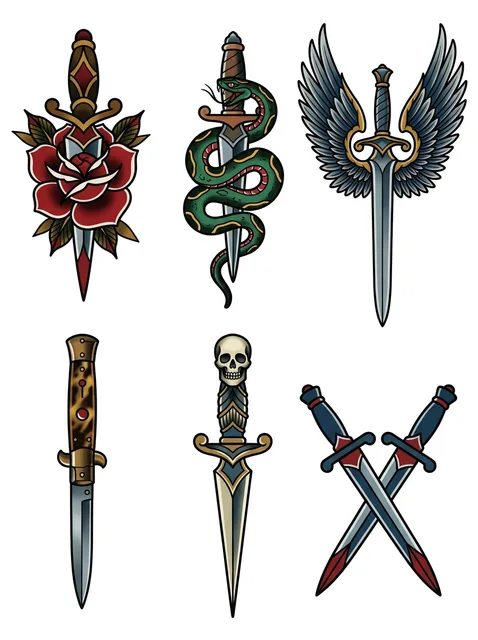
Color flash dagger and sword tattoo design Try it on — Color flash dagger and sword tattoo design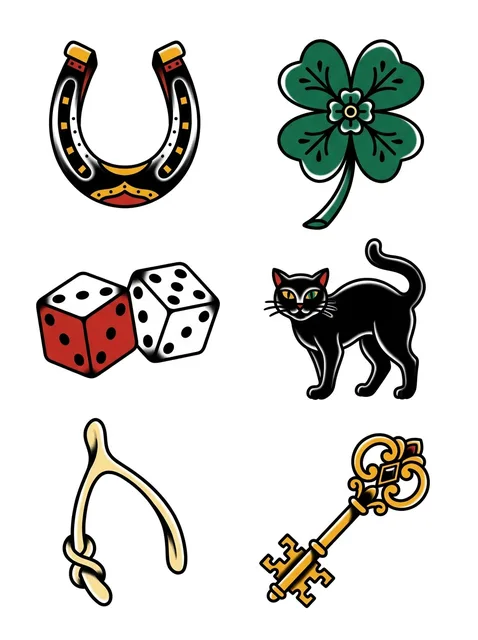
Color flash cat and key tattoo design Try it on — Color flash cat and key tattoo design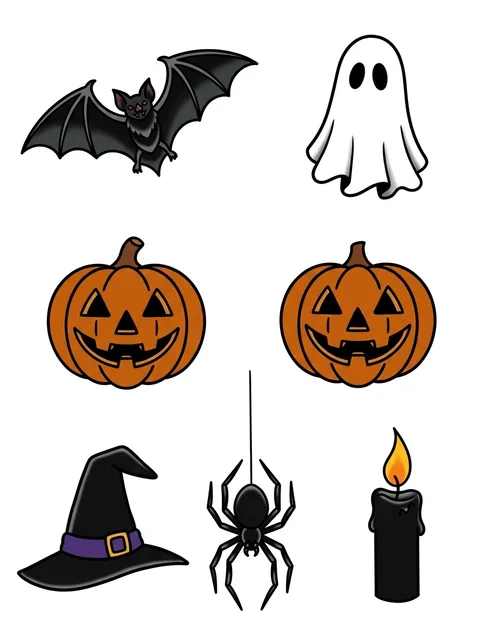
Color flash ghost and spider tattoo design Try it on — Color flash ghost and spider tattoo design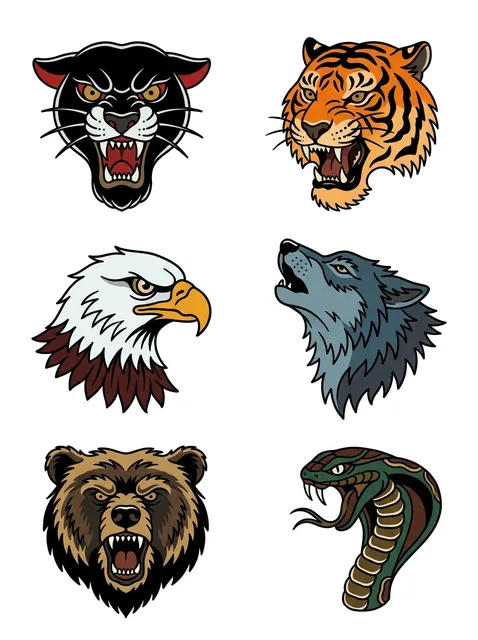
Color flash panther and tiger tattoo design Try it on — Color flash panther and tiger tattoo design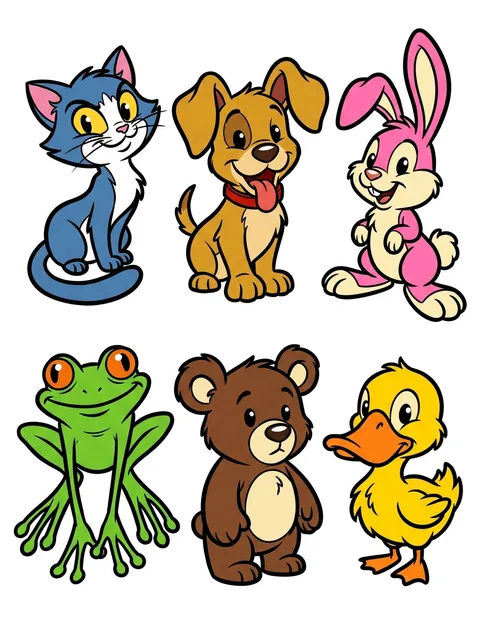
Color flash cat and dog tattoo design Try it on — Color flash cat and dog tattoo design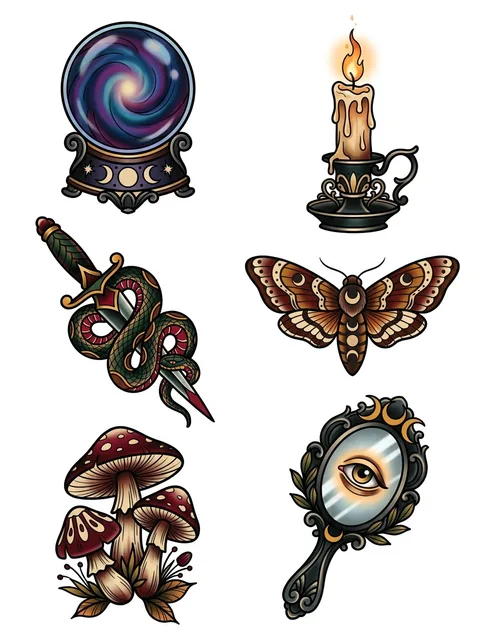
Color flash candle and snake and dagger tattoo design Try it on — Color flash candle and snake and dagger tattoo design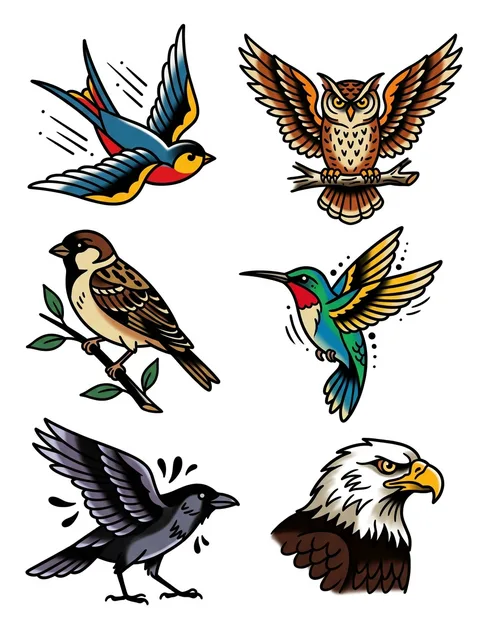
Color flash swallow and owl tattoo design: a sparrow on a twig, a hummingbird and a crow Try it on — Color flash swallow and owl tattoo design: a sparrow on a twig, a hummingbird and a crow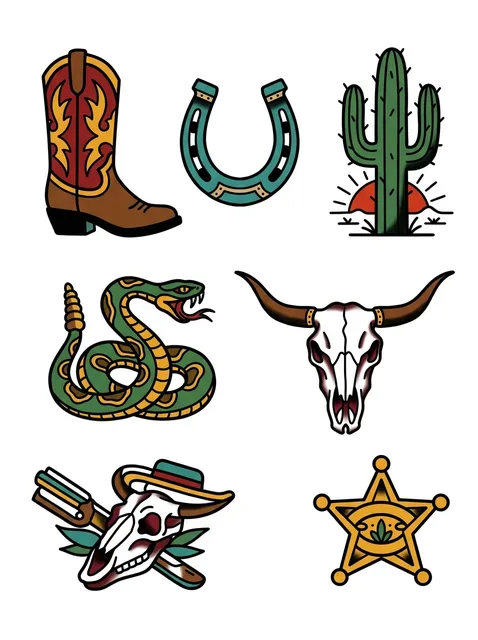
Color flash snake and skull tattoo design Try it on — Color flash snake and skull tattoo design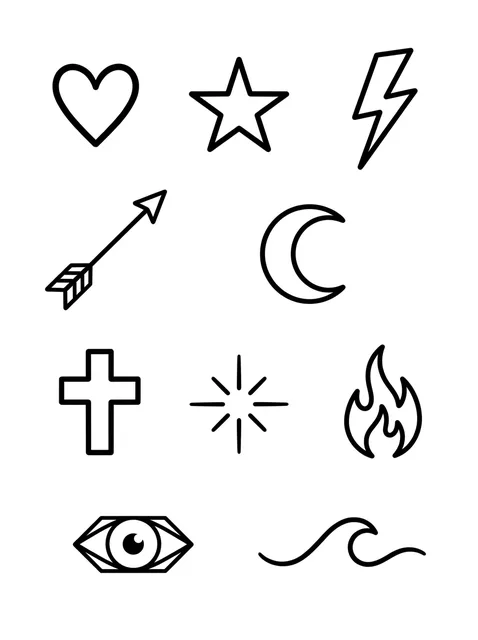
Black and grey flash heart and star tattoo design Try it on — Black and grey flash heart and star tattoo design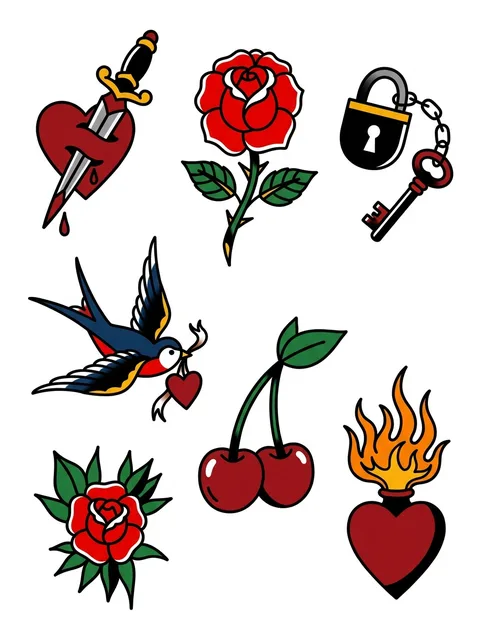
Color flash heart and rose tattoo design Try it on — Color flash heart and rose tattoo design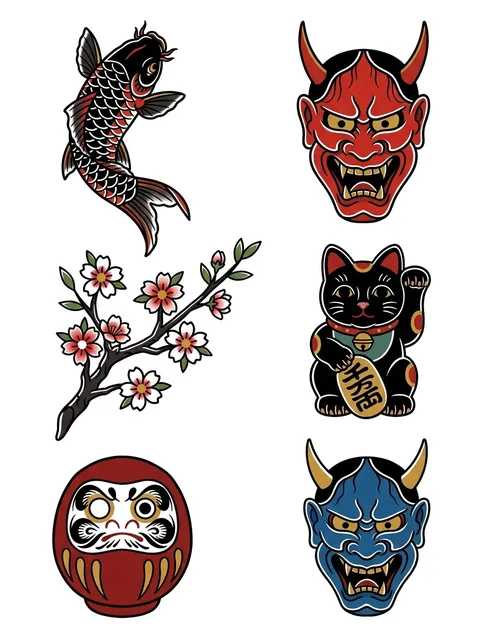
Color flash koi and demon tattoo design: a maneki-neko lucky cat and a daruma doll Try it on — Color flash koi and demon tattoo design: a maneki-neko lucky cat and a daruma doll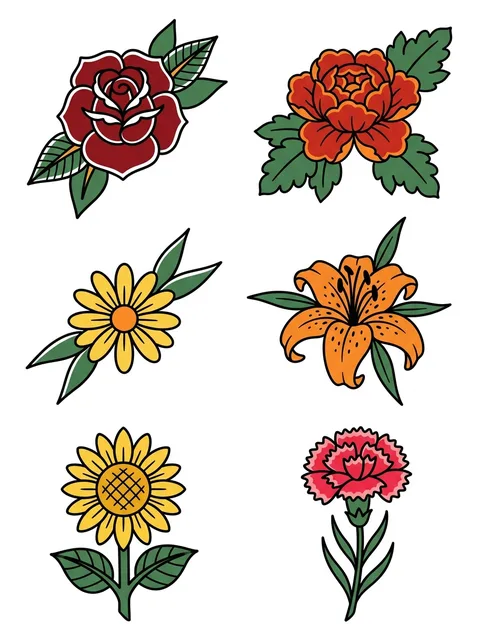
Color flash rose and peony tattoo design Try it on — Color flash rose and peony tattoo design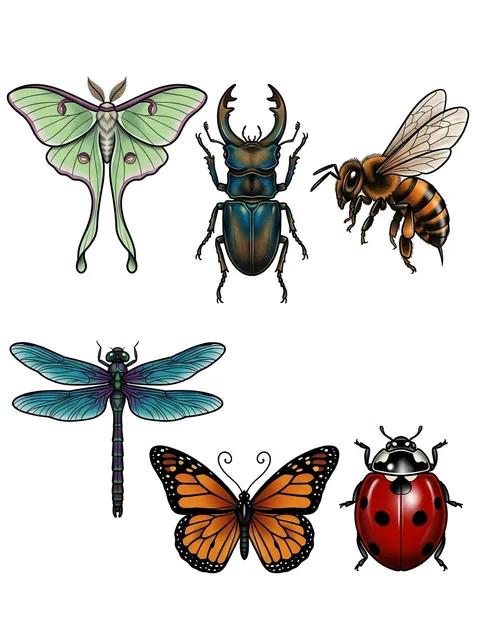
Color flash butterfly and moth tattoo design Try it on — Color flash butterfly and moth tattoo design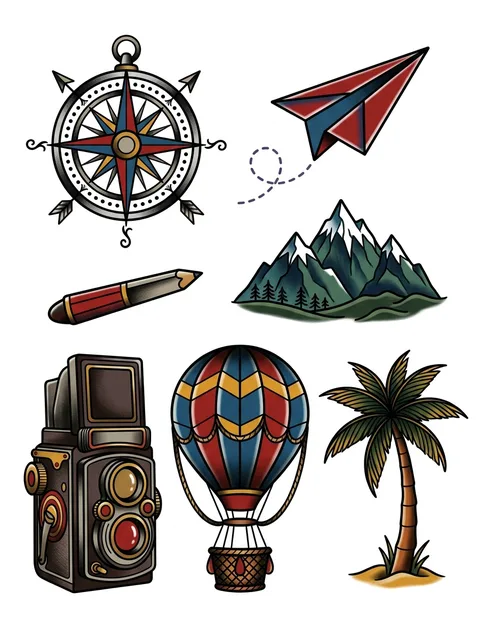
Color flash compass and mountain tattoo design Try it on — Color flash compass and mountain tattoo design
Black and grey flash skull and sun tattoo design Try it on — Black and grey flash skull and sun tattoo design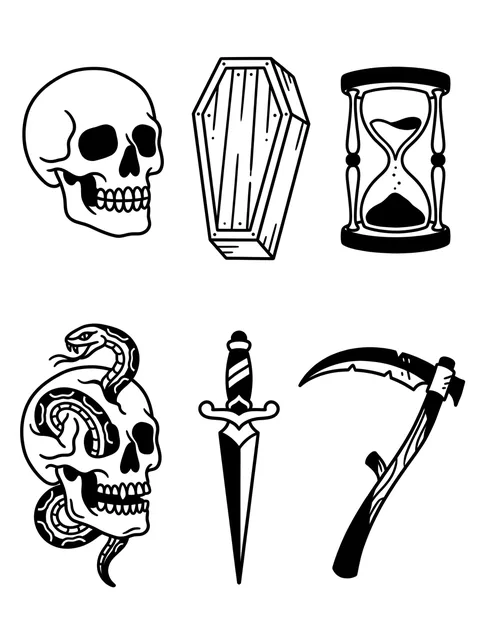
Black and grey flash skull and hourglass tattoo design: a coffin, a dagger and a reaper's scythe Try it on — Black and grey flash skull and hourglass tattoo design: a coffin, a dagger and a reaper's scythe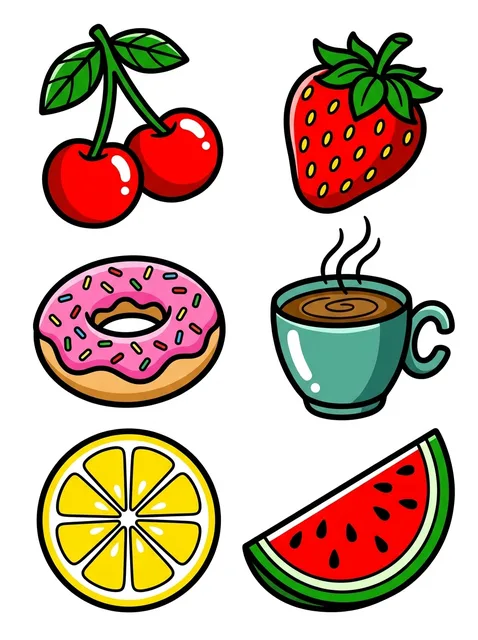
Color flash leaf tattoo design: a steaming cup of coffee, a lemon slice and a watermelon slice Try it on — Color flash leaf tattoo design: a steaming cup of coffee, a lemon slice and a watermelon slice


22 designs drawn for InkCraft in this style. Tap any one to place it on a photo of your own skin.
These 22 designs, in numbers
- Black and grey
- 6
- Colour
- 16
- Subjects covered
- 46
What a sheet of flash is
Flash is a set of tattoos drawn in advance, finished down to the last colour and hung where a customer can choose one without a drawing appointment. The classic sheet is ink and watercolour on card, commonly 11 by 14 inches in North America, framed or pinned to the shop wall beside dozens of others. The word is usually traced to the carnival trade of the late nineteenth century, where anything on display had to catch the eye at a glance.
Every design on a sheet is a complete tattoo rather than a sketch: the outline is fixed, the black is placed, the colour is decided. The layout is made to be read from across a room, each piece in its own space, usually one larger design with smaller ones filling the rest. Older sheets often carried a price painted under each piece, and many were sold in pairs, the coloured sheet for the wall and a matching outline sheet the tattooer traced to cut a stencil, so nobody had to redraw the linework for each customer.
That is what made the walk-in shop work. A sailor on shore leave could come in, point at a swallow and be finished inside the hour, because every decision had been made the week the sheet was painted. Flash is not one look, either. The sheets on this page run from bold outline in flat red and gold to fine-line botanicals, a solid black memento mori set and a stick-and-poke sheet, and each keeps to a single theme the way a shop wall groups its frames.
The painters who stocked the walls
Early in the twentieth century a handful of tattooers drew most of what everyone else copied. Lew Alberts, who studied drawing and worked as a wallpaper designer before he tattooed in New York, painted and sold sheets in quantity, and a large share of the roses, ships, eagles and snakes still on shop walls descend from his. August "Cap" Coleman, working for sailors in Norfolk, Virginia, from around 1918, pushed the designs towards heavy black outline and black shading so they would read and last.
The designs travelled by post. Percy Waters ran a supply business in Detroit from 1918 to 1939 whose catalogues offered machines, pigment and more than a hundred sheets of flash, and Milton Zeis sold thousands of designs by mail order through the 1940s and 1950s. That is why the same panther, dagger and banner appear in photographs of shops thousands of miles apart. Copying was normal, and a sheet redrawn by each owner it passed through is how the vocabulary settled.
Norman Collins, who worked as Sailor Jerry in Honolulu's Chinatown until his death in 1973, is the name most people now know. He reworked the sailor repertoire with lessons from Japanese tattooing, mixed his own pigments, and was one of the first tattooers to use single-use needles and an autoclave. His sheets are still reprinted, and much of what reads as traditional flash today is his line.
Flash days, and choosing from a sheet
Flash has come back as a way of pricing. On a flash day a shop sets out a sheet or two of small designs at a fixed price and tattoos whoever turns up, first come, first served; the Friday the 13th events, with small themed pieces priced around the number 13, are the best-known version. Artists now mark each piece as repeatable, which means they will tattoo it for anyone who asks, or one-off, which means it comes off the sheet once somebody wears it.
Choosing from a sheet is a different decision from commissioning a drawing. A flash piece has usually been tattooed many times, so its proportions are proven at the size it was drawn, the price is known before you sit down, and there is no wait for a design. Small changes are ordinary requests: a name in the banner, a colour swapped, the piece mirrored to face the other way. Rebuilding the composition turns it into custom work, and it is priced as custom work.
Two courtesies matter. Flash belongs to the artist who painted it, so carrying a photograph of one tattooer's sheet into another shop to be copied is the request that reliably goes badly. And a sheet is a menu rather than a single tattoo: you are choosing one piece from it, for one spot. Put that piece on a photo at the size it would really be, because flash is drawn to a scale and rarely survives being shrunk.
What an hour of this work costs, and how many hours flash tattoos takes at each size, is in the cost guide. How it behaves later — under a laser, and as the thing doing the covering — is in the removal and cover-up guide.
Common questions
- What is a flash tattoo?
- A design chosen from a sheet of finished, pre-drawn tattoos rather than one drawn for you. The outline, the black and the colour are settled in advance, so it can usually be tattooed the same day at a price agreed before you sit down.
- Who drew the first tattoo flash?
- No single person, but a few early twentieth-century tattooers supplied most of it. Lew Alberts sold sheets in quantity from New York, Cap Coleman in Norfolk, Virginia, set the heavy black outline, and mail-order suppliers such as Percy Waters spread the designs nationwide. Sailor Jerry's Honolulu sheets are the ones most reproduced now.
- What is a flash day?
- A day when a shop tattoos small pre-drawn designs at a fixed price, usually walk-in only. Friday the 13th is the best-known one. Expect a queue, small sizes and a limited choice, and expect a one-off piece to be gone once someone has taken it.
- Is flash cheaper than a custom tattoo?
- Usually, at the same size, because there is no drawing time and the artist knows exactly how long the piece takes. The saving is in the design hours rather than the tattooing, and a small piece still costs at least the shop minimum.
- Can I change a flash design?
- Small changes are routine — a name or date in the banner, a different colour, the piece flipped to face the other way. Rebuilding the layout makes it a custom drawing. Never take one artist's flash to another shop to copy; the sheet belongs to the person who painted it.
See this style on your own skin
InkCraft places a design on a photo of you — scaled, wrapped and shaded to the spot you pick, so you can judge how the style reads on your body before it is permanent.