 InkCraft
Irezumi tattoo designs, from Edo to the yakuza
22 original irezumi tattoos designs drawn for InkCraftBy Uladzimir TumanauUpdated
The bodysuit was designed to be hidden, stopping at the wrists, the neck and a bare strip down the chest so a robe covers it. The designs here are its single subjects, each a centre a horishi builds wind, waves and cloud around.
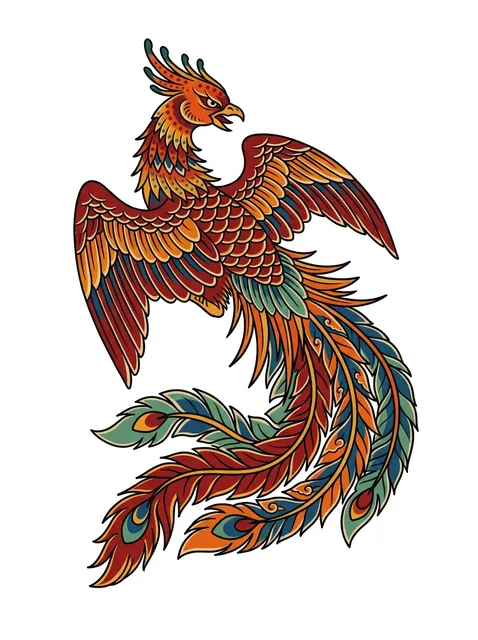
Color irezumi phoenix tattoo design Try it on — Color irezumi phoenix tattoo design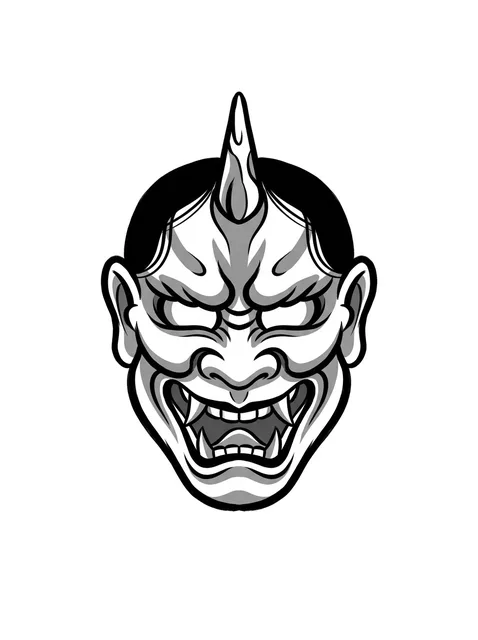
Black and grey irezumi demon tattoo design Try it on — Black and grey irezumi demon tattoo design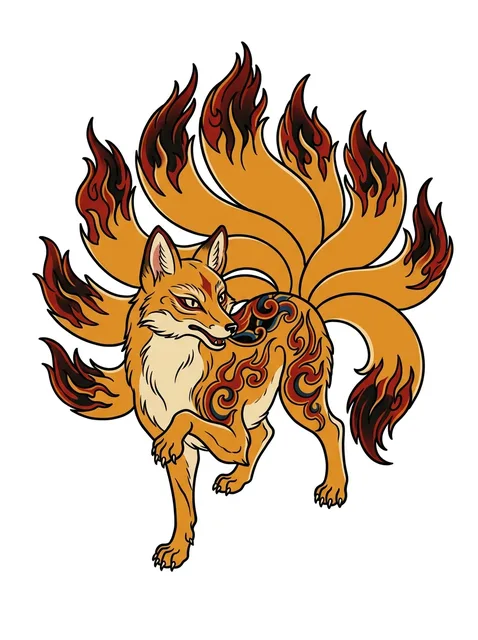
Color irezumi fox tattoo design Try it on — Color irezumi fox tattoo design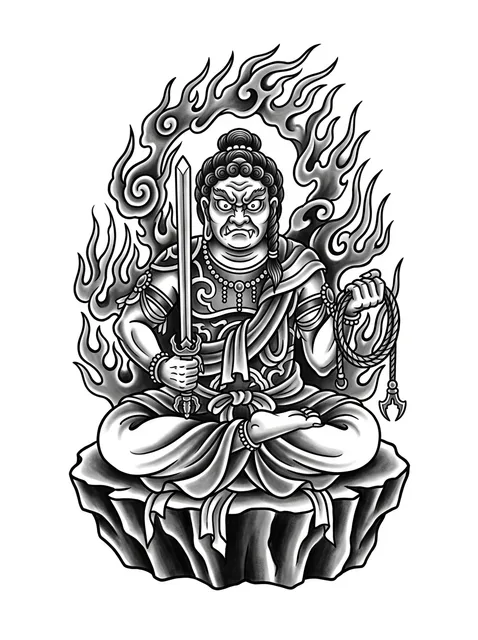
Black and grey irezumi sword and fire tattoo design Try it on — Black and grey irezumi sword and fire tattoo design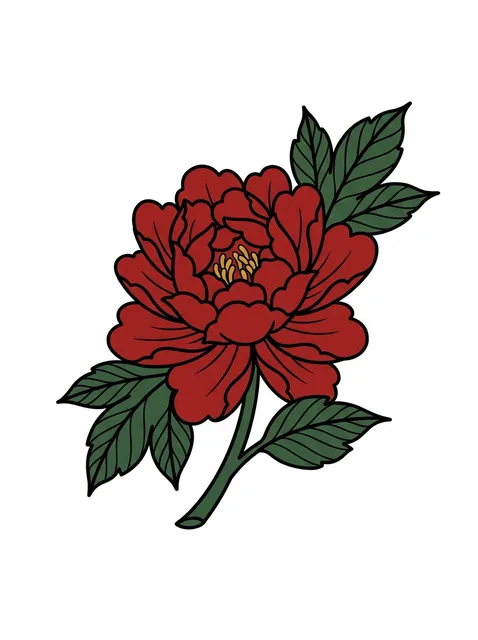
Color irezumi peony tattoo design Try it on — Color irezumi peony tattoo design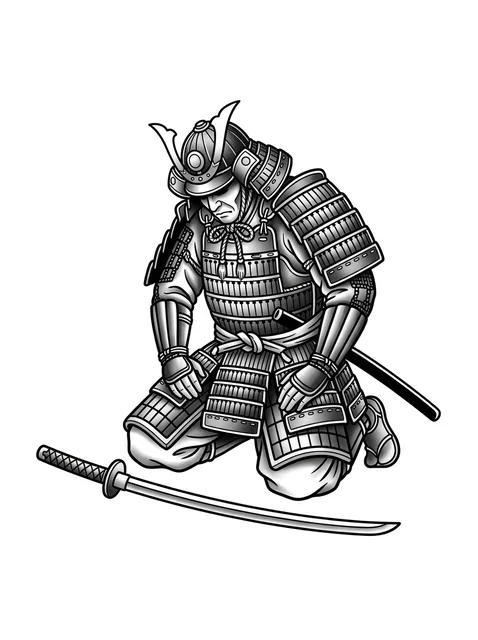
Black and grey irezumi samurai tattoo design Try it on — Black and grey irezumi samurai tattoo design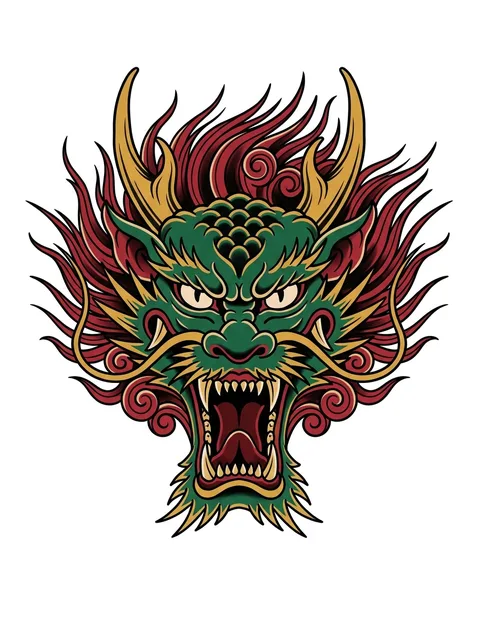
Color irezumi dragon tattoo design Try it on — Color irezumi dragon tattoo design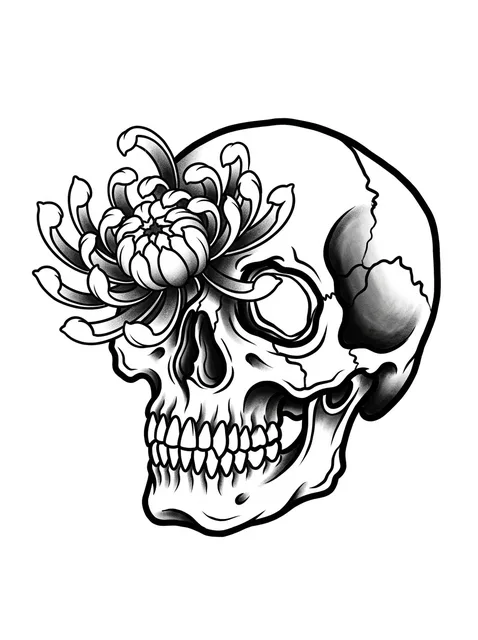
Black and grey irezumi skull and chrysanthemum tattoo design Try it on — Black and grey irezumi skull and chrysanthemum tattoo design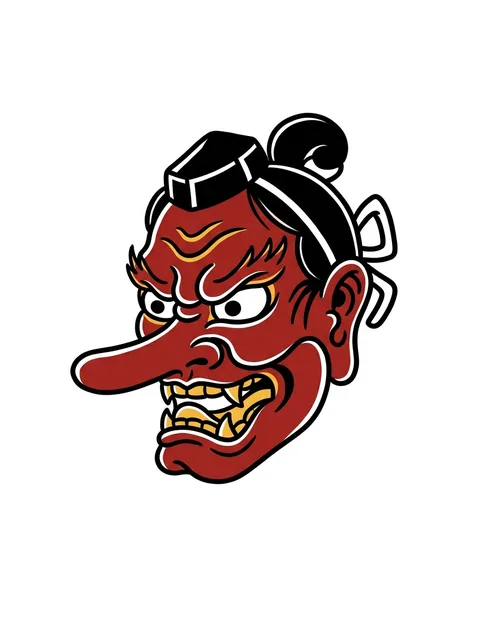
Color irezumi demon tattoo design Try it on — Color irezumi demon tattoo design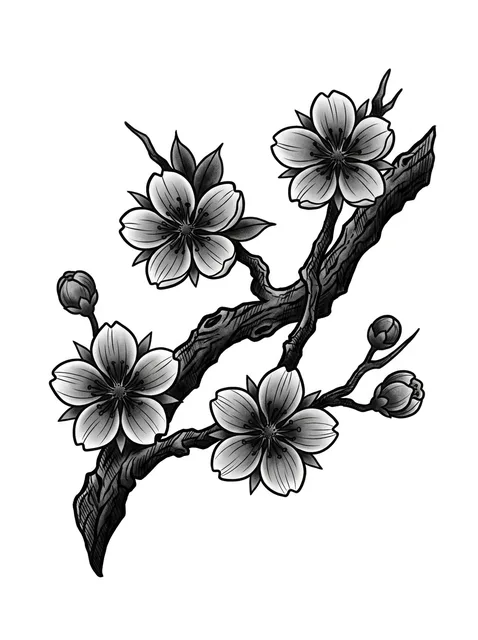
Black and grey irezumi cherry blossom tattoo design Try it on — Black and grey irezumi cherry blossom tattoo design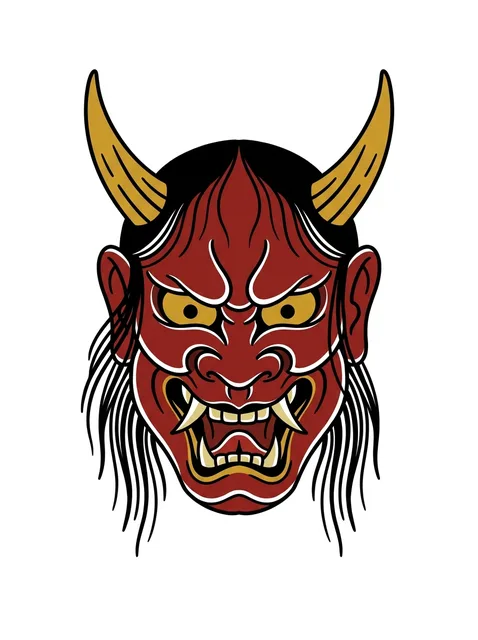
Color irezumi demon tattoo design Try it on — Color irezumi demon tattoo design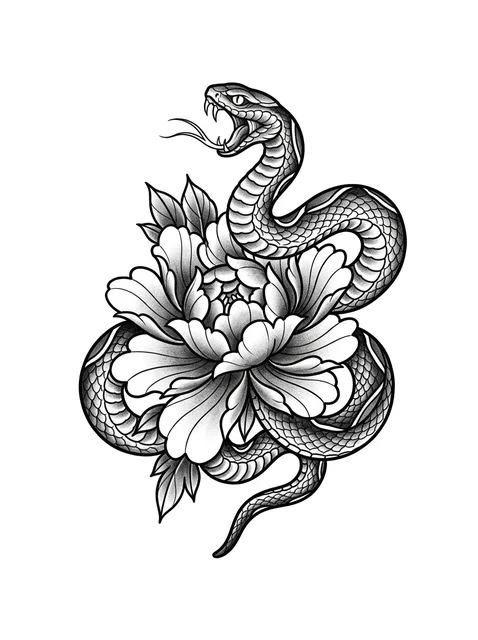
Black and grey irezumi snake and peony tattoo design Try it on — Black and grey irezumi snake and peony tattoo design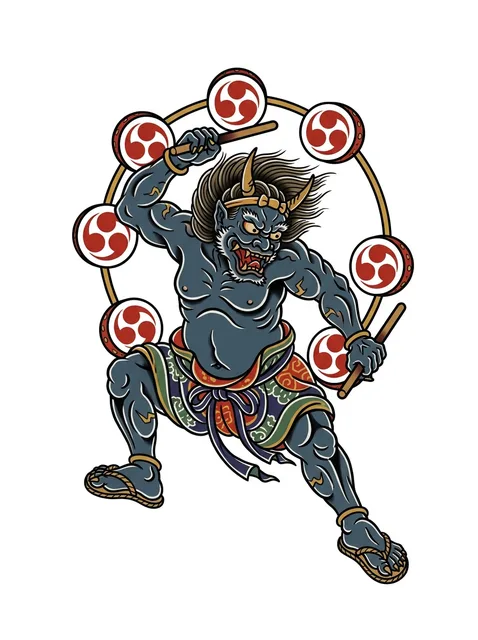
Color irezumi demon tattoo design Try it on — Color irezumi demon tattoo design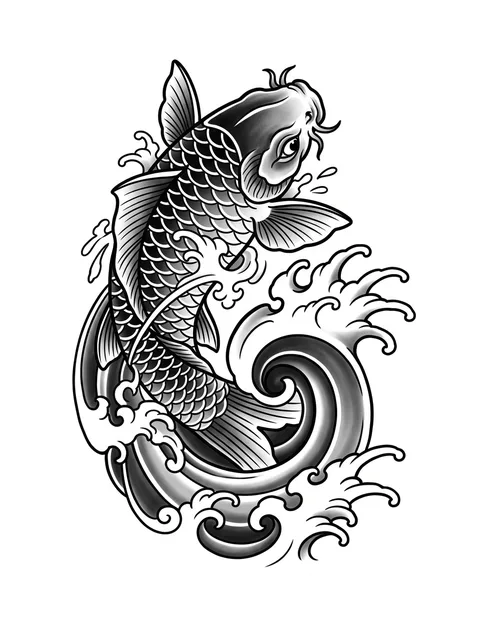
Black and grey irezumi koi and wave tattoo design Try it on — Black and grey irezumi koi and wave tattoo design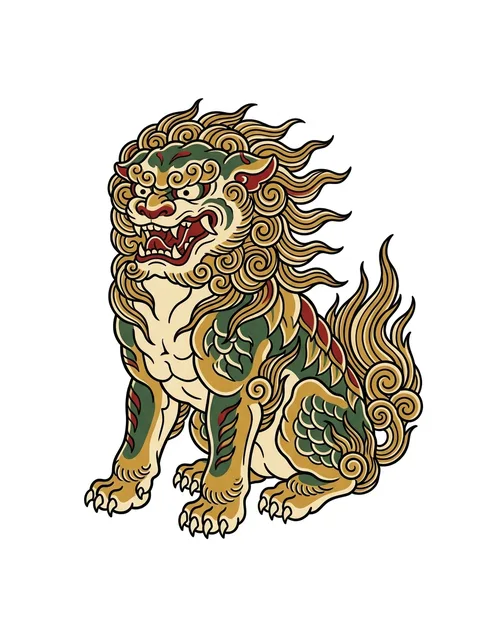
Color irezumi lion tattoo design Try it on — Color irezumi lion tattoo design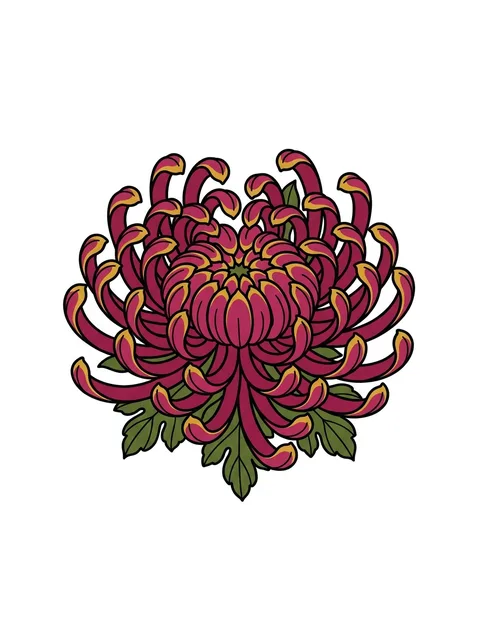
Color irezumi chrysanthemum tattoo design Try it on — Color irezumi chrysanthemum tattoo design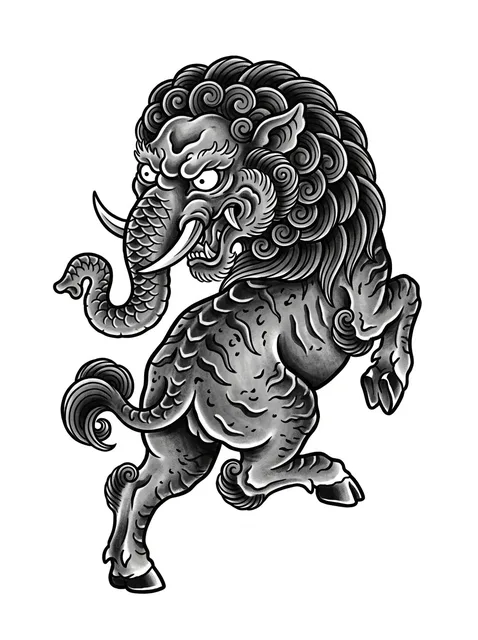
Black and grey irezumi elephant tattoo design Try it on — Black and grey irezumi elephant tattoo design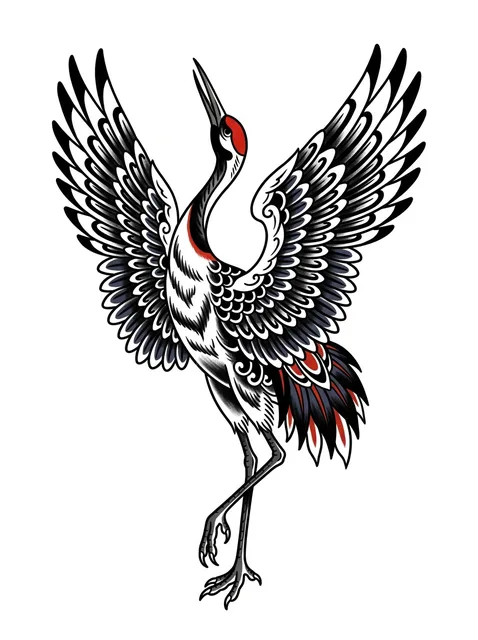
Color irezumi bird tattoo design Try it on — Color irezumi bird tattoo design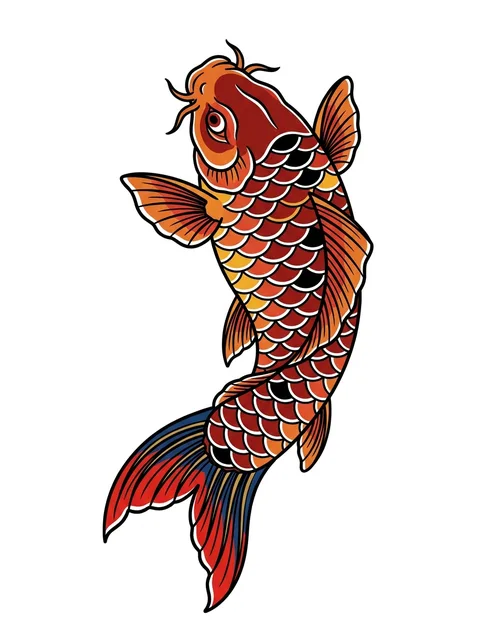
Color irezumi koi tattoo design: its body arched and its tail flared, the scales Try it on — Color irezumi koi tattoo design: its body arched and its tail flared, the scales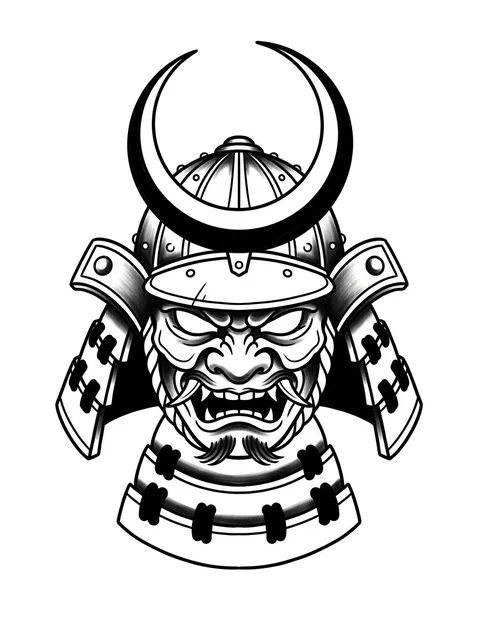
Black and grey irezumi samurai tattoo design Try it on — Black and grey irezumi samurai tattoo design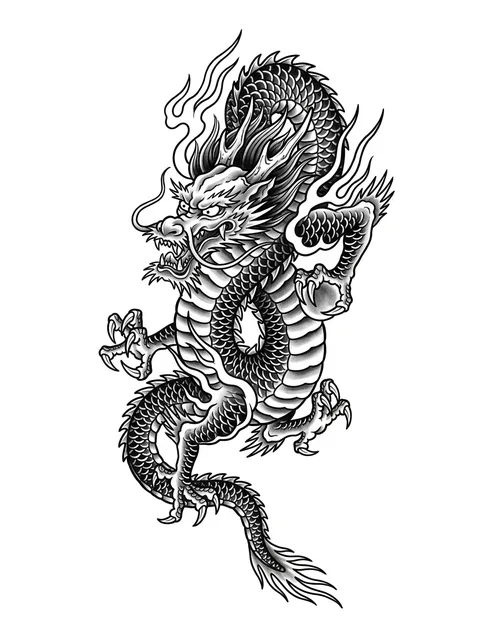
Black and grey irezumi dragon tattoo design Try it on — Black and grey irezumi dragon tattoo design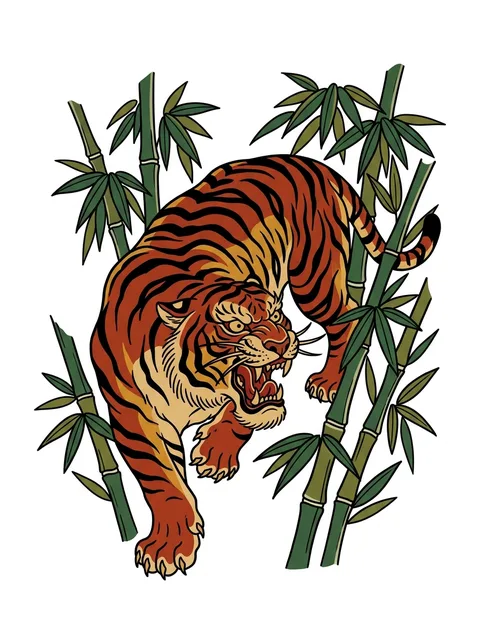
Color irezumi tiger tattoo design Try it on — Color irezumi tiger tattoo design


22 designs drawn for InkCraft in this style. Tap any one to place it on a photo of your own skin.
These 22 designs, in numbers
- Black and grey
- 10
- Colour
- 12
- Subjects covered
- 18
Horimono, and the prints behind it
Irezumi means inserted ink, and for much of the Edo period it also meant a sentence: from 1720 the shogunate marked convicted criminals with tattooed bands on the arm, and some domains marked the forehead. The pictorial work that grew up alongside it was called horimono, carved things, and many horishi still prefer that word because it carries no conviction.
The pictures came from ukiyo-e. In 1827 Utagawa Kuniyoshi began a print series of the 108 heroes of the Suikoden, the Japanese version of the Chinese outlaw novel Water Margin, and drew several of them covered in tattoos: Shishin with nine dragons across his body, and the monk Rochishin, whose nickname, the Flowery Monk, comes from the tattoo on his back. Townsmen in Edo asked to wear what they had seen on paper, and the printmakers' conventions, the graded black the printers called bokashi, the scalloped water, the wind bars, became the tattooer's. Early tattooers are often said to have included woodblock carvers, and the two crafts share the verb hori, to carve.
Its first wearers were firefighters, carpenters, palanquin bearers and labourers, men whose work put them in a loincloth in public, and a finished suit said as much about endurance as about taste.
The bodysuit, panel by panel
The traditional suit is designed around clothing. It stops at a clean edge, the mikiri, at the wrists or partway down the forearm, at the base of the neck and at the ankles or knees, so that a robe or work jacket hides all of it. Sleeves are named by length, gobu around the elbow, shichibu partway down the forearm, nagasode to the wrist, and a hikae panel carries each sleeve onto the chest.
Munewari, the split chest, is the classic front. Two chest panels come in from the shoulders and stop short of each other, leaving an untattooed strip down the sternum and belly that shows when a jacket hangs open; the bare line is drawn as deliberately as anything inked. The back is one picture, a single hero, dragon or deity sized to the shoulder blades, with its background running down over the buttocks to the thighs.
Order matters. The outline, sujibori, goes in first across the whole area so that every subject and every wave is placed; the black background follows, then the colour. Many horishi still shade by hand with tebori, a bundle of needles on a long handle pushed in at a shallow angle, and a full suit takes years of regular sittings. The designs on this page are the centre of such a piece, single subjects without their background, because the background is drawn to one particular body and cannot be drawn in advance.
Where tattoos stand in Japan now
The Meiji government banned tattooing in 1872 as part of presenting the country to the West, and the ban lasted until 1948. It applied to Japanese subjects, not visitors: the future George V had a dragon tattooed on his arm in Japan in 1881, and horishi kept working quietly for their own clients throughout.
The link with organised crime hardened after the war. Yakuza adopted the full suit as proof of endurance and loyalty, and Toei's gangster films of the 1960s fixed the image of a man stripping to his horimono before a fight. There is no separate yakuza style, only the same work worn by men who made it notorious, but the association is why many onsen, public baths, pools and gyms still turn away visible tattoos, and why some employers treat them as disqualifying.
The law has moved faster than the baths. In 2015 Osaka police raided the tattooist Taiki Masuda under a 2001 health ministry notice that treated tattooing as medicine; he refused the fine, fought the case, and in September 2020 the Supreme Court ruled that tattooing is not a medical act. When Japan hosted the 2019 Rugby World Cup, visiting teams were asked to cover their tattoos in public baths and gyms, and many visitors are now offered covering patches or private baths instead of a refusal.
What an hour of this work costs, and how many hours irezumi tattoos takes at each size, is in the cost guide. How it behaves later — under a laser, and as the thing doing the covering — is in the removal and cover-up guide.
Common questions
- What is the difference between irezumi and horimono?
- Irezumi, inserted ink, is the general word, and for a long time it also meant the punitive marks given to convicts. Horimono, carved things, names the decorative pictorial work, which is why many tattooers in Japan prefer it.
- Are yakuza tattoos a separate style?
- No. Yakuza wore the same horimono as Edo firefighters and labourers: bodysuits of heroes, dragons and koi set in wind and water. The association with organised crime hardened after the war and was fixed by 1960s gangster films, but the imagery is older and belongs to no gang.
- Is tattooing legal in Japan?
- Yes. It was banned from 1872 to 1948, and a 2001 health ministry notice was used to prosecute tattooists as unlicensed doctors until the Supreme Court ruled in September 2020 that tattooing is not a medical act. Social restrictions are another matter: many baths, pools and gyms still refuse visible tattoos.
- What is munewari?
- The split-chest layout of a traditional bodysuit: two chest panels that stop short of each other, leaving a bare strip down the sternum and belly. It lets the suit disappear under an open jacket, and the gap is designed rather than left over.
- What do the hannya, oni and tengu masks mean?
- The hannya is the Noh theatre mask of a woman turned demon by jealousy, worn on skin for passion and its cost. Oni are the ogres of folklore, often tattooed as a ward against other demons. The long-nosed tengu is a mountain spirit who, in legend, taught swordsmanship to the young Minamoto no Yoshitsune.
- Who are Raijin and Fudō Myōō?
- Raijin is the thunder god, drawn with a ring of drums behind him, as Tawaraya Sōtatsu painted him on a folding screen in the seventeenth century. Fudō Myōō is a fierce Buddhist protector who holds a sword to cut through delusion and a rope to bind what resists, seated before a halo of flames.
See this style on your own skin
InkCraft places a design on a photo of you — scaled, wrapped and shaded to the spot you pick, so you can judge how the style reads on your body before it is permanent.